
What does a high protein meal plan actually require?
The target is 1.2–2.0 grams of protein per kilogram of body weight daily. That range covers most goals, from trimming body fat to building serious muscle. Protein should make up roughly 20–30% of your daily calories, which keeps hunger in check, fires up your metabolism through diet-induced thermogenesis, and protects lean body mass when you’re eating at a deficit.
Clinical trials over 6–12 months confirm that high-protein diets promote weight loss and prevent regain without harming kidney function or bone density in healthy adults. The mechanism is real: protein raises appetite-suppressing hormones like GLP-1 and PYY while lowering ghrelin, the hormone that makes you feel hungry. That hormonal shift is a big part of why protein keeps you fuller, longer.
Registered dietitians at Mayo Clinic recommend building your protein base from lean poultry, fish, legumes, and low-fat dairy rather than processed meats, which tend to carry excess sodium and saturated fat. People with kidney disease should consult a healthcare provider before going high-protein.
Core principles to anchor your plan:
- Target 1.2–2.0 g protein per kg of body weight, adjusted for your training intensity
- Keep protein at a significant proportion of total daily calories
- Prioritize lean sources: chicken breast, salmon, tuna, lentils, Greek yogurt, egg whites, tofu
- Track fiber alongside protein to avoid digestive issues
- Drink water consistently; higher protein intake increases your kidneys’ workload
How to structure your high protein meals throughout the day
Spreading protein evenly across meals beats loading it all at dinner. Your muscles can only use so much protein at once for synthesis, so three to five meals with a solid protein anchor each works better than one giant serving. Aim for a consistent protein amount per main meal, then fill gaps with protein-rich snacks.
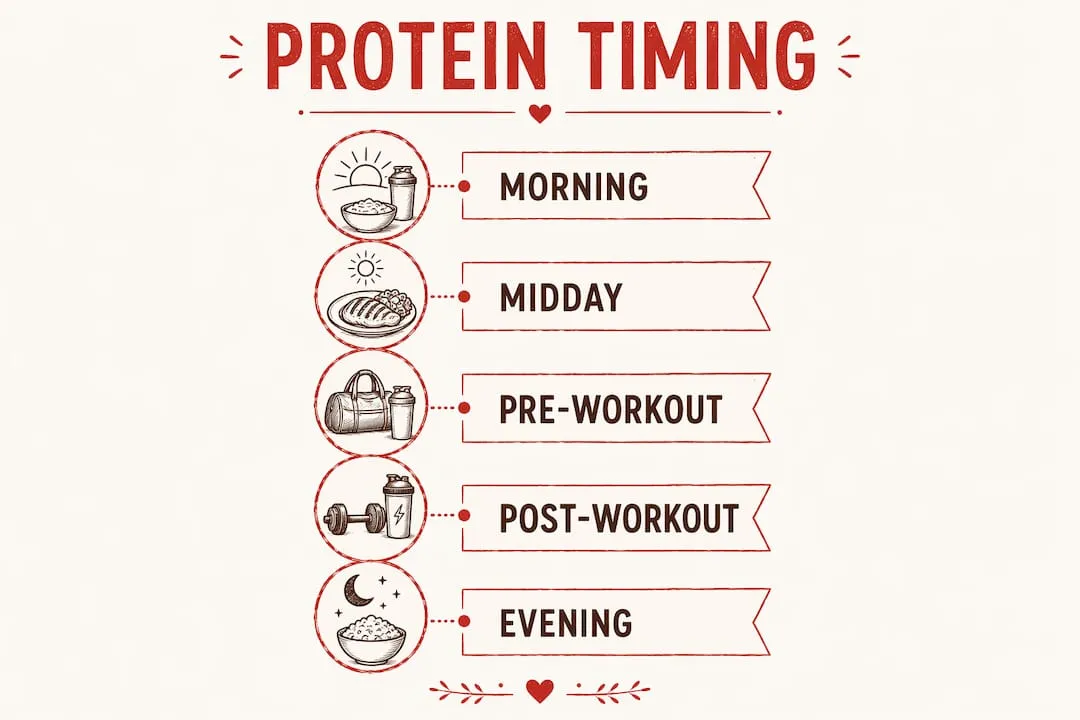
Nutrient timing matters for athletes, particularly around training. A pre-workout meal combining protein and carbohydrates fuels the session; a post-workout meal within 30–60 minutes replenishes glycogen and kickstarts muscle repair. Think grilled chicken with brown rice before training, Greek yogurt with fruit after.
On rest days, you can pull back carbohydrates while keeping protein steady. That adjustment controls total calories without sacrificing the amino acids your muscles need to recover. Combining animal and plant proteins, say salmon at lunch and lentils at dinner, gives you a fuller amino acid profile and more dietary variety.
Step-by-step meal structure:
- Breakfast: 30–40 g protein (eggs, cottage cheese, Greek yogurt, protein oats)
- Morning snack: 15–20 g protein (hard-boiled eggs, string cheese, edamame)
- Lunch: 30–40 g protein (grilled chicken, canned salmon, tofu bowl)
- Afternoon snack: 15–20 g protein (Greek yogurt, protein shake, cottage cheese)
- Dinner: 40–50 g protein (salmon, lean beef, turkey, legume-based stew)
Pro Tip: Rotate your protein sources across the week. Meal fatigue is one of the most common reasons people abandon a high-protein diet. Batch-cook a versatile protein like grilled chicken, then use it in salads, grain bowls, and tacos across three days without cooking twice.
10 high protein meal ideas you can actually prep this week
A practical athlete meal plan template with a balanced calorie and protein intake shows what a structured day looks like in practice. You don’t need to hit those numbers exactly, but the structure translates well: five meals, each anchored by a protein source, with carbohydrates and fats filling the rest of the plate.
1. Egg and veggie scramble with whole-grain toast
Three eggs scrambled with spinach and bell pepper, served on whole-grain toast, delivers a substantial amount of protein at breakfast. Eggs provide complete protein with all essential amino acids, and the toast adds complex carbs to fuel a morning workout.
2. Greek yogurt parfait with granola and berries
Plain Greek yogurt packs a substantial amount of protein per cup. Layer it with granola and blueberries for a snack or light breakfast that takes two minutes to assemble. Add a scoop of protein powder if you need to push closer to 30 grams.
3. Grilled chicken and quinoa bowl
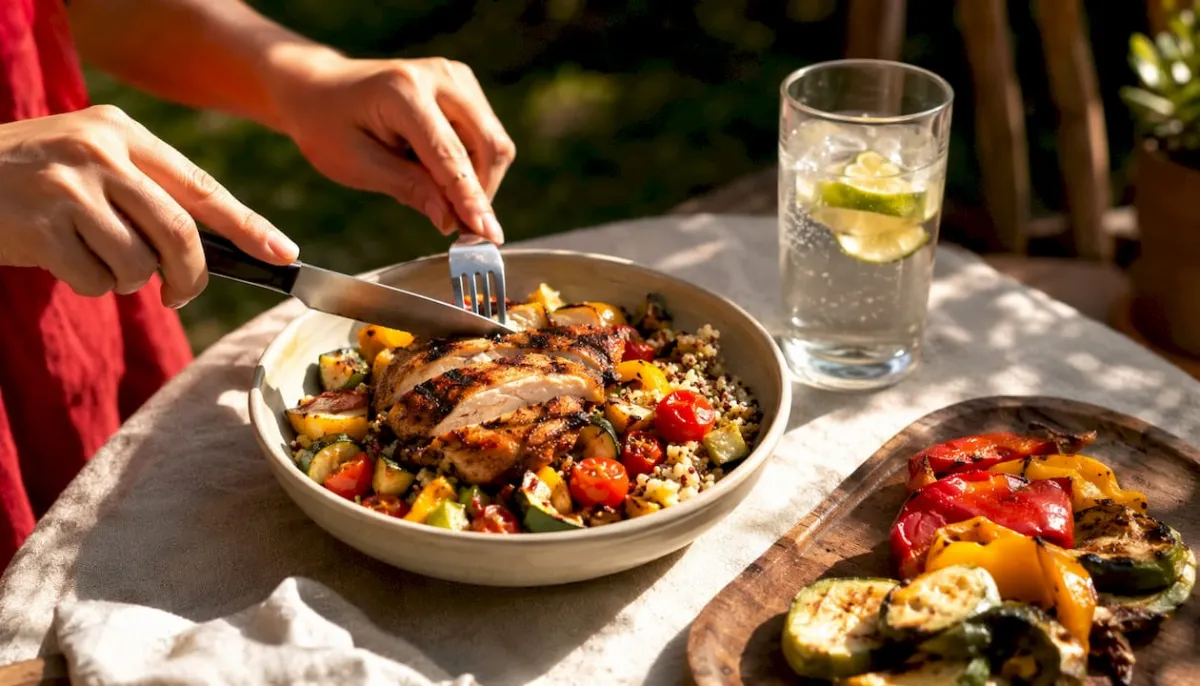
Grilled chicken breast over quinoa with roasted vegetables is a classic meal: high in protein, balanced in macronutrients, and easy to reheat. Batch-cook the chicken and quinoa on Sunday and you have lunch sorted for three days.
4. Canned salmon salad on sprouted grain bread
Canned salmon is one of the most underrated high protein food ideas in any kitchen. Canned salmon mixed with avocado mayo on sprouted grain bread provides omega-3 fatty acids alongside a good protein amount. No cooking required.
5. Lentil and vegetable soup
Cooked lentils provide a good amount of protein and fiber, beneficial when tracking both macronutrients. Simmer with diced tomatoes, carrots, and cumin for a plant-based dinner that supports gut health and keeps you full for hours. Pair with high-protein vegetarian meals for more plant-forward ideas.
6. Turkey and black bean tacos
Ground turkey with black beans on corn tortillas combines animal and plant protein for a more complete amino acid profile. Two tacos offer a substantial protein amount. Top with salsa and avocado, skip the sour cream if you’re watching saturated fat.
7. Garlic cod with quinoa
Baked cod with garlic, cherry tomatoes, and quinoa is a protein-rich dinner option suitable for athlete meal plans. White fish is low in fat and cooks in under 20 minutes.
8. Protein overnight oats
Rolled oats soaked overnight in milk with protein powder and banana provide a convenient protein boost in the morning. The oats digest slowly, which keeps energy stable through a morning training session.
Pro Tip: Try protein blueberry muffins as a batch-prep snack. Bake a dozen on Sunday and you have a grab-and-go protein boost for the whole week without any mid-week cooking.
9. Shrimp stir-fry with brown rice
Shrimp over brown rice with broccoli and snap peas delivers a light but protein-dense dinner. Shrimp cooks in four minutes, making it one of the fastest proteins you can put on a plate.
10. Cottage cheese with walnuts and apple
A cup of cottage cheese with chopped walnuts and diced apple is a high-protein, high-fiber snack or dessert. The fat from walnuts slows digestion and keeps you satisfied between meals.
Breakfast ideas: protein oats, egg scrambles, Greek yogurt parfaits, high-protein banana bread Lunch ideas: chicken grain bowls, salmon salads, lentil wraps, turkey tacos Dinner ideas: garlic cod with quinoa, shrimp stir-fry, turkey chili, muscle-building meals Snacks: cottage cheese, Greek yogurt, hard-boiled eggs, edamame
How Homecooked makes high protein meal planning easier
Sticking to a high protein diet long-term is where most people struggle, not because the food is bad, but because planning it every week gets exhausting. Homecooked solves that by building a personalized meal plan around your protein targets, dietary preferences, and fitness goals from the start.
The app generates an automated shopping list from your weekly plan, tracks what’s already in your pantry, and walks you through recipes with step-by-step guidance and built-in timers. You’re not guessing whether a meal fits your macros; Homecooked calculates it for you. The recipe library covers animal-based, vegetarian, and vegan protein sources, so whether you’re a committed omnivore or plant-curious, there’s a plan that fits.
Try a Homecooked bibimbap as your first guided recipe. It’s a customizable, protein-rich bowl that shows exactly how the app adapts a meal to your goals. Start your free trial at homecooked.fun and let the app handle the planning while you focus on the cooking.
Key Takeaways
A high protein meal plan built around 1.2–2.0 g of protein per kilogram of body weight, spread evenly across meals, is the most effective structure for muscle gain, fat loss, and sustained energy.
| Point | Details |
|---|---|
| Daily protein target | Aim for 1.2–2.0 g per kg of body weight, making up 20–30% of total daily calories. |
| Protein quality matters | Choose lean poultry, fish, legumes, and low-fat dairy over processed meats to protect heart health. |
| Spread intake across meals | Target 30–40 g per main meal to support muscle protein synthesis throughout the day. |
| Time protein around training | Eat protein and carbs pre- and post-workout to maximize recovery and glycogen replenishment. |
| Rotate sources to stay consistent | Batch-cook versatile proteins and vary sources weekly to prevent meal fatigue and nutrient gaps. |
Recommended
- High-Protein Foods for Weight Loss: 22 Meals · Homecooked
- High-Protein Meals for Muscle Gain: 22 Recipes · Homecooked
- High-Protein Low-Carb Meals: 22 Recipes · Homecooked
- Low-Calorie High-Protein Meals: 20 Recipes · Homecooked
High-protein recipes to build your week around
1Butter Chicken Rice Bowl

Indian26 min5g fiber64g protein
Spiced butter chicken in a thick tomato sauce over brown rice with cooling yoghurt — a big, protein-heavy bowl.
View recipe →2Chicken & Spinach Rice Bowl

Indian26 min5g fiber50g protein
Spiced chicken with wilted spinach and tomato over a scoop of brown rice — lean and warming.
View recipe →3Salmon & Lentil Traybake
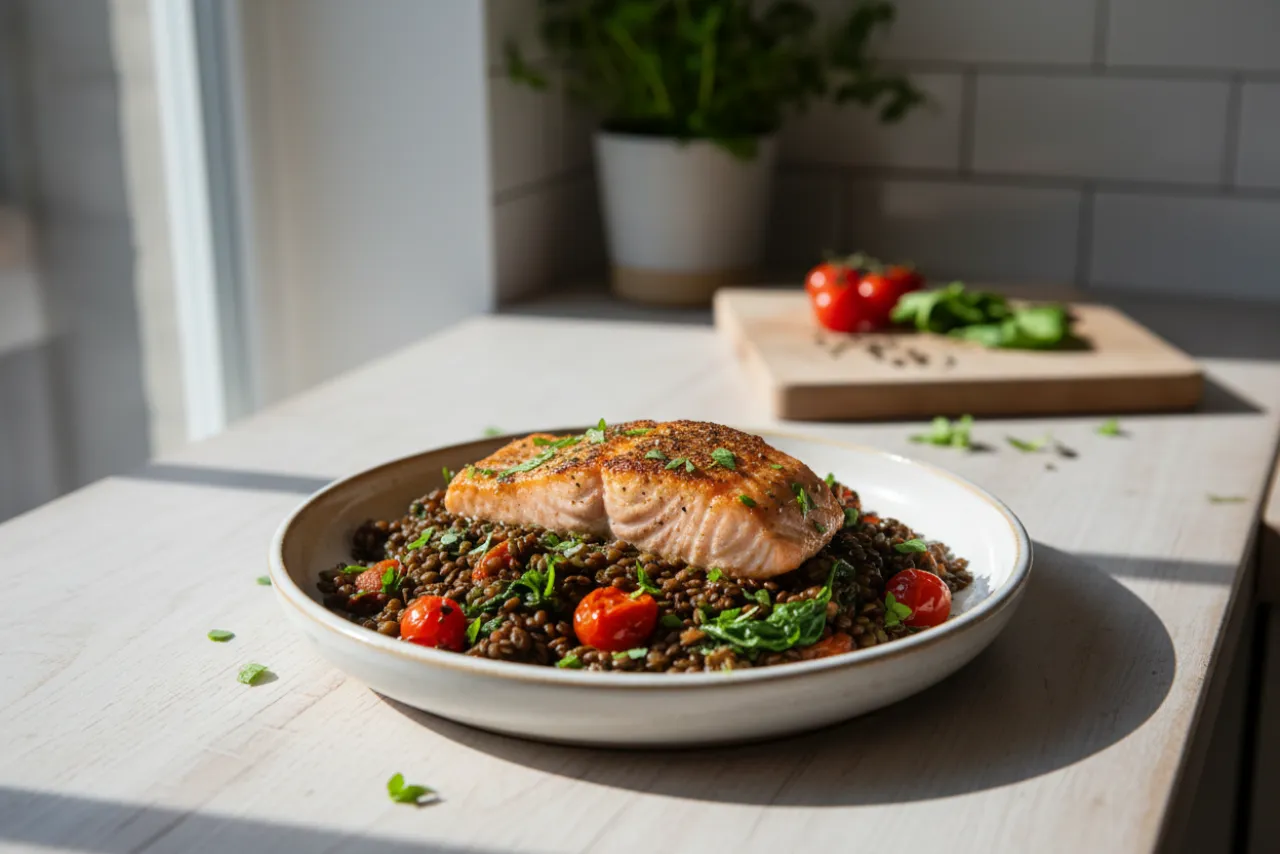
Mediterranean35 min9g fiber53g protein
Salmon roasted over tomatoes and lentils with olive oil and herbs — omega-3, legumes, and greens on one tray.
View recipe →4Kung Pao Shrimp
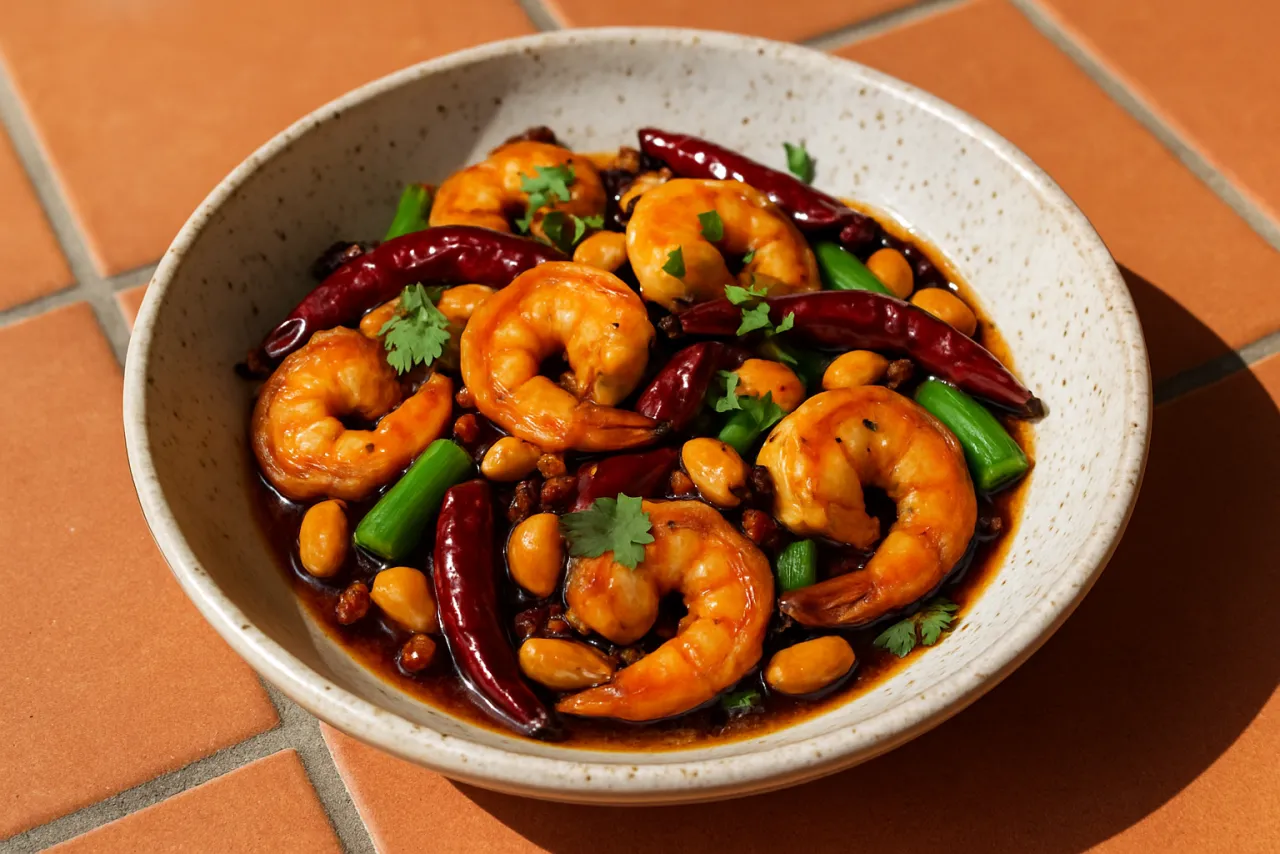
Chinese20 min6g fiber51g protein
Shrimp stir-fried with peanuts, chilli, and Sichuan pepper.
View recipe →5Smash Burger
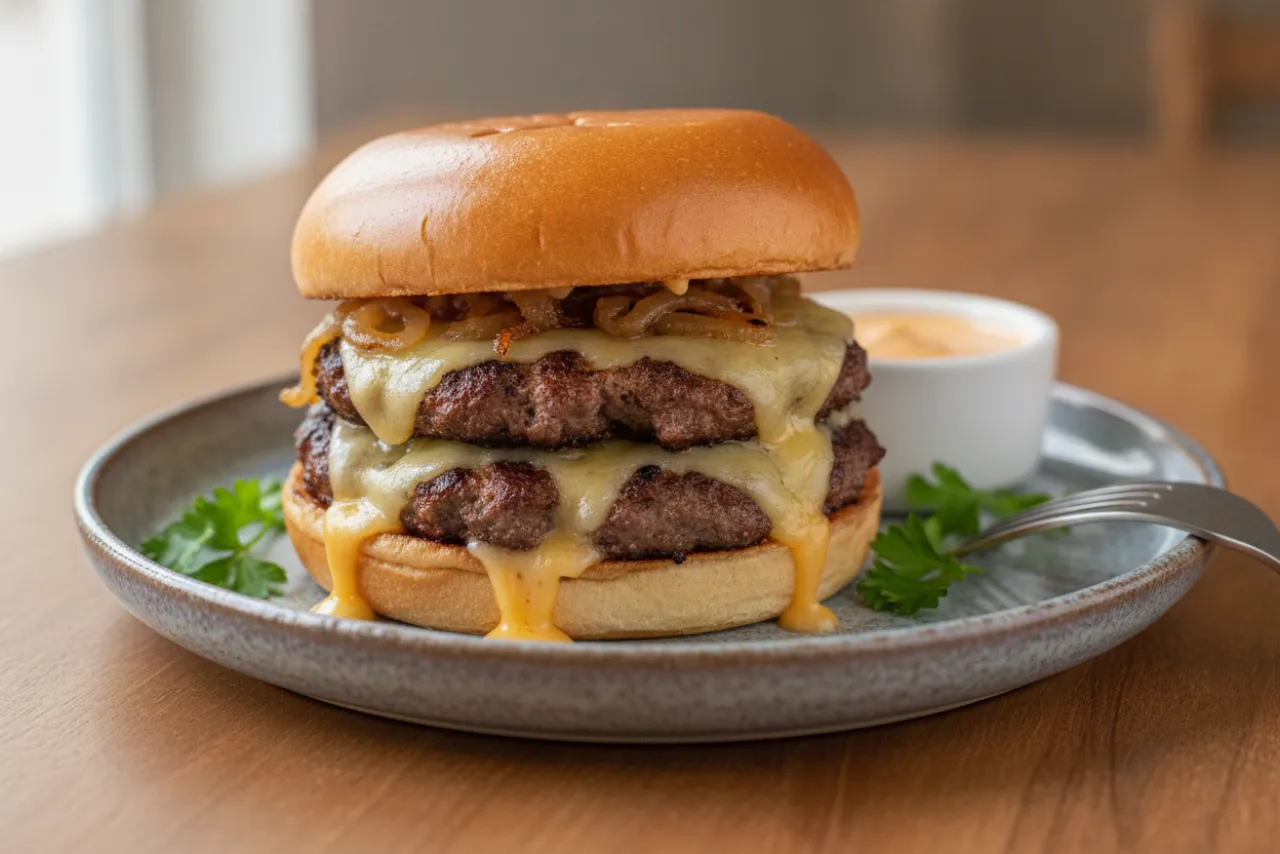
American18 min2g fiber47g protein
Thin, crusty beef patties with American cheese on a soft bun.
View recipe →6Miso Salmon & Greens Bowl
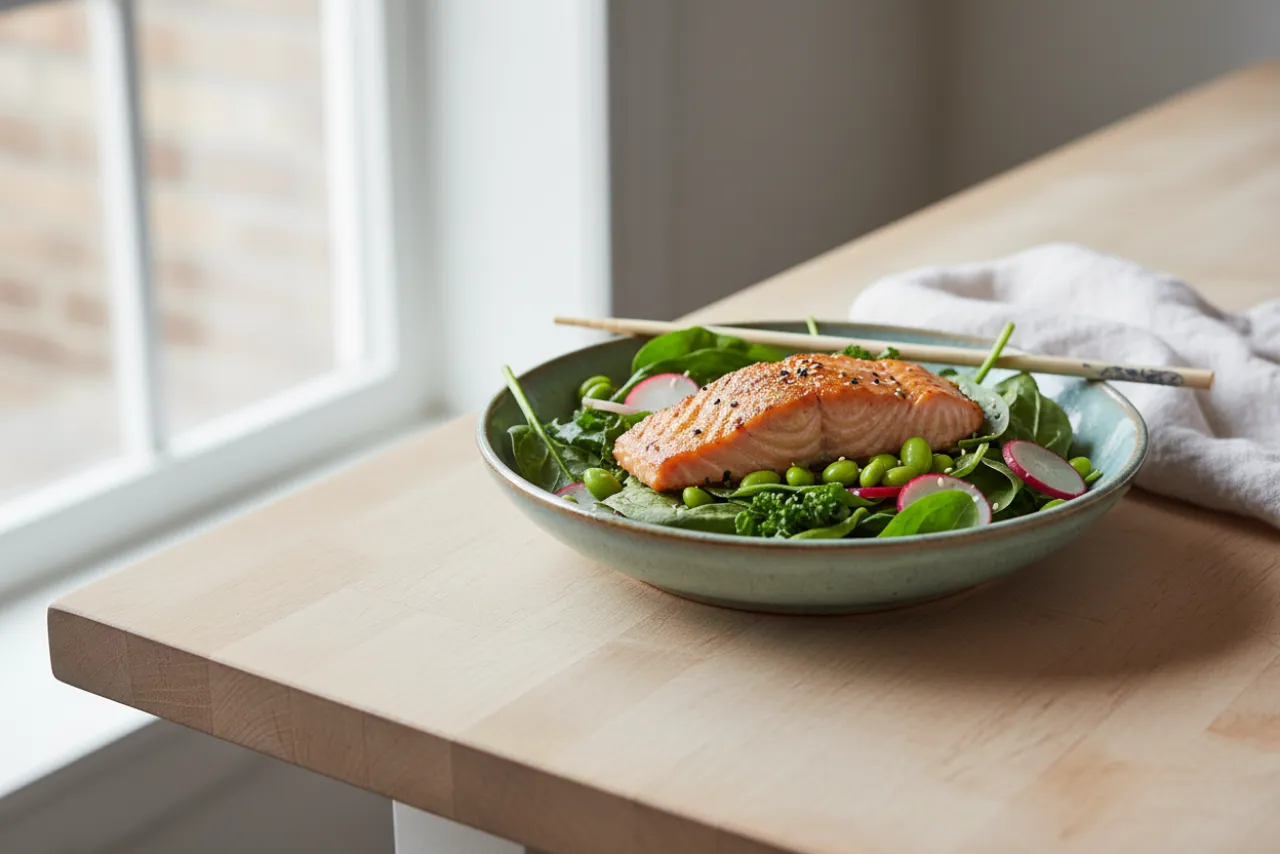
Japanese25 min7g fiber47g protein
A small miso-glazed salmon fillet over greens and edamame — protein, omega-3, and fiber in a light, savory bowl.
View recipe →7Chicken & Edamame Stir-Fry
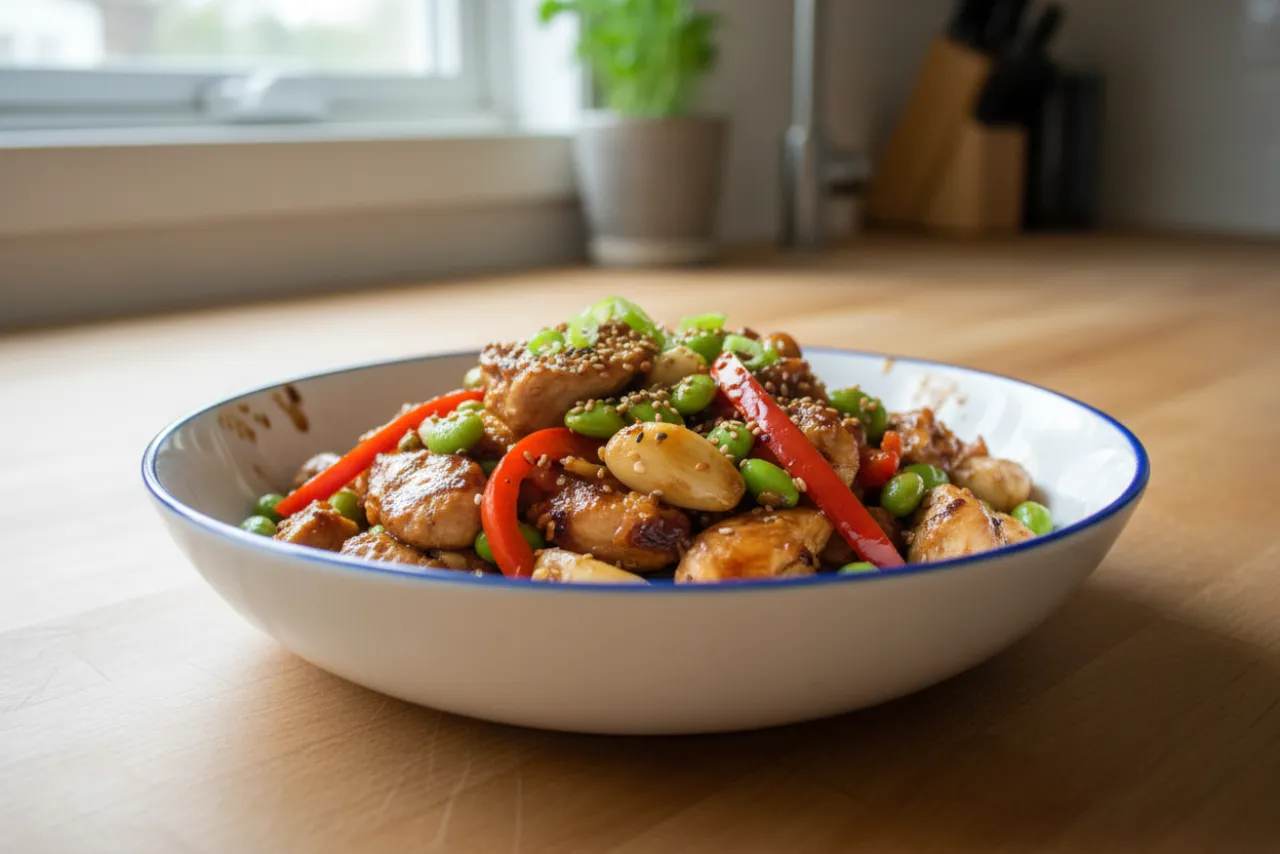
Chinese20 min6g fiber47g protein
Chicken breast and edamame stir-fried in a garlicky soy glaze — a forty-gram-protein dinner faster than delivery.
View recipe →8Saltimbocca alla Romana
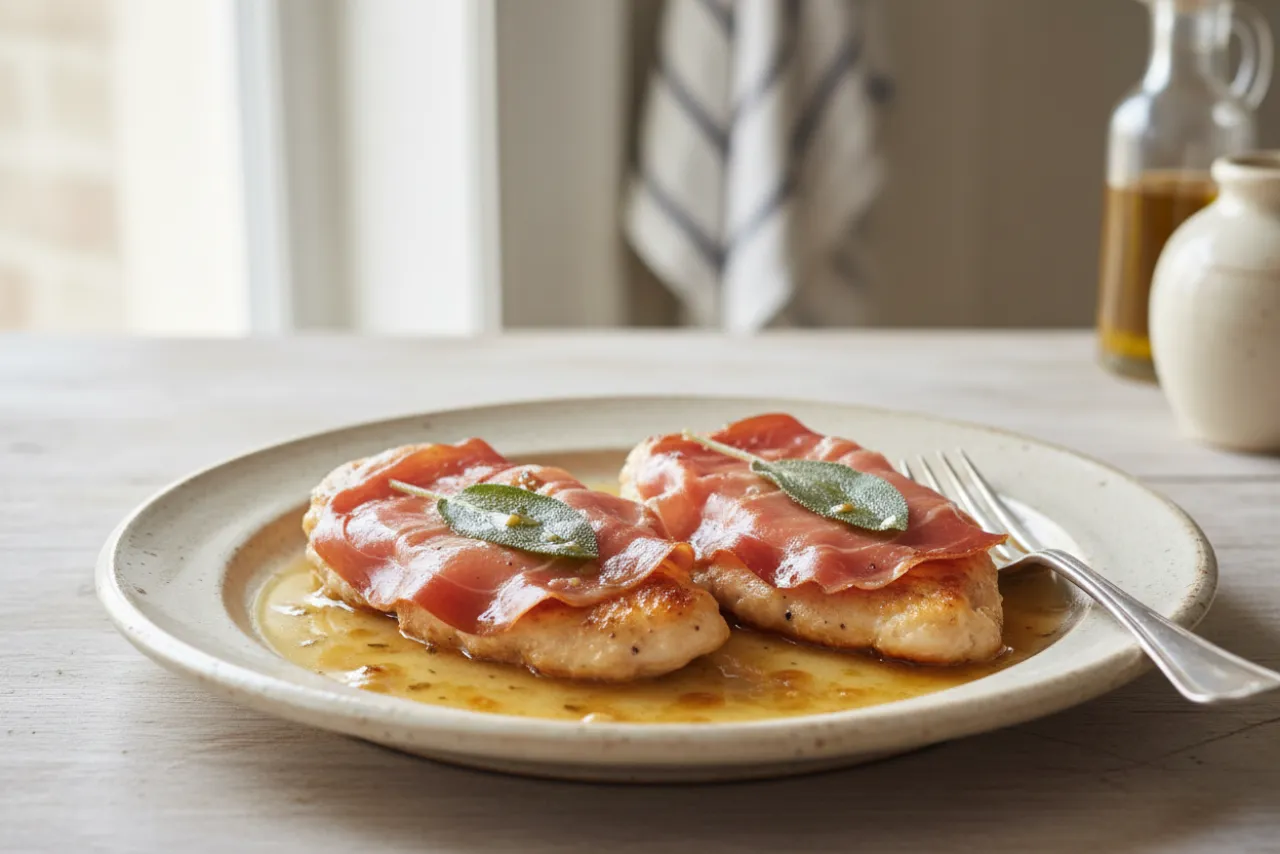
Italian25 min1g fiber46g protein
Veal-style chicken cutlets with prosciutto and sage in butter.
View recipe →9Mongolian Beef
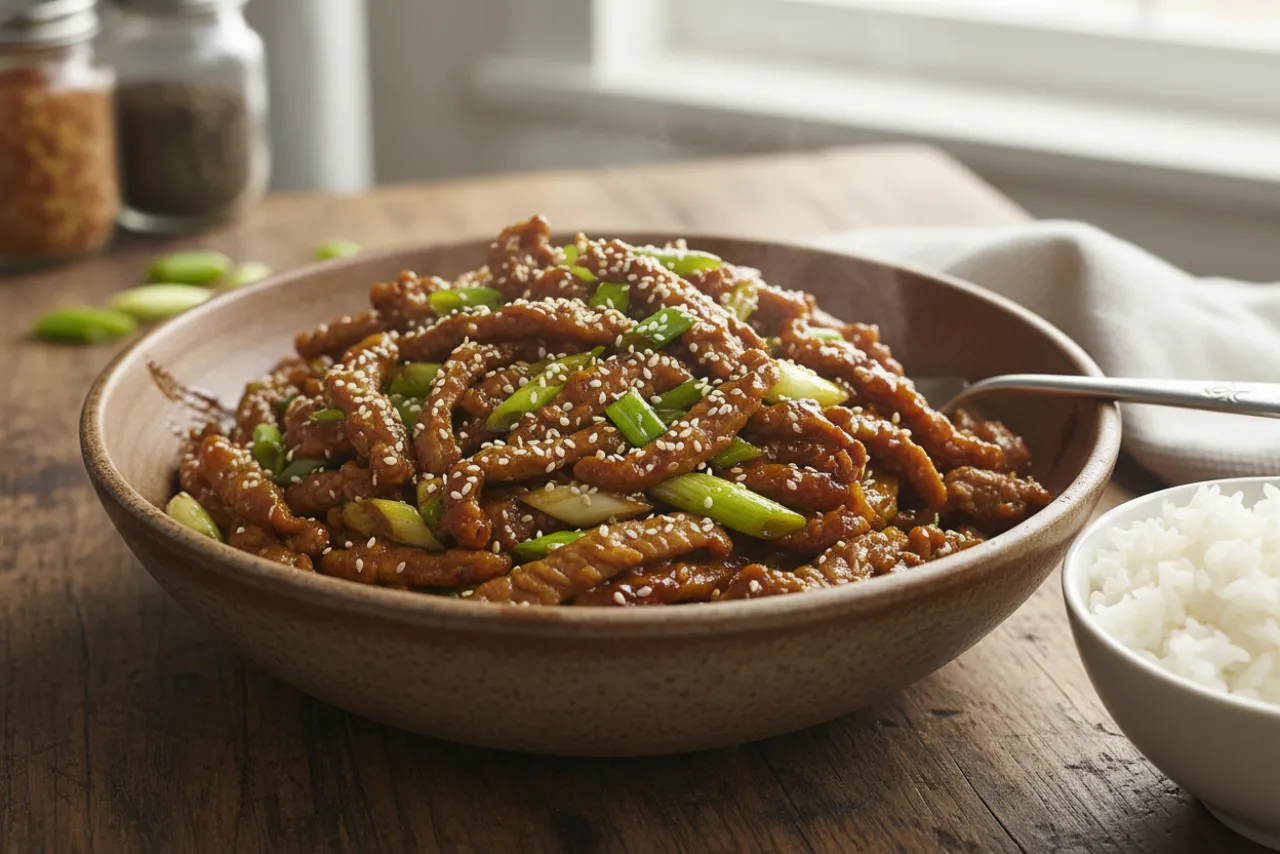
Chinese28 min3g fiber46g protein
Crisp beef in a sweet soy glaze with scallions.
View recipe →10Chicken Schnitzel
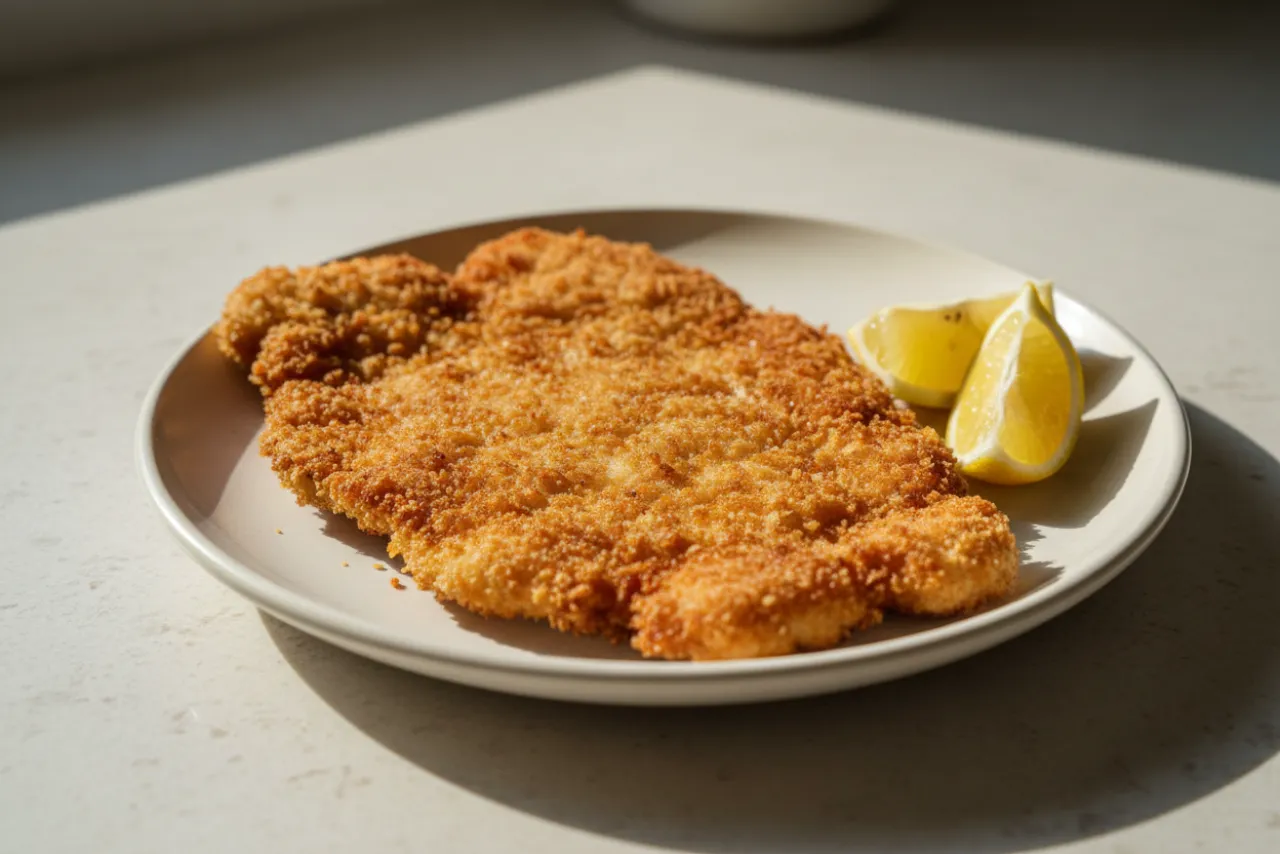
German35 min4g fiber53g protein
Pounded thin, breaded, and fried until it shatters — serve with just a lemon wedge and watch it vanish.
View recipe →11Moules Mariniere
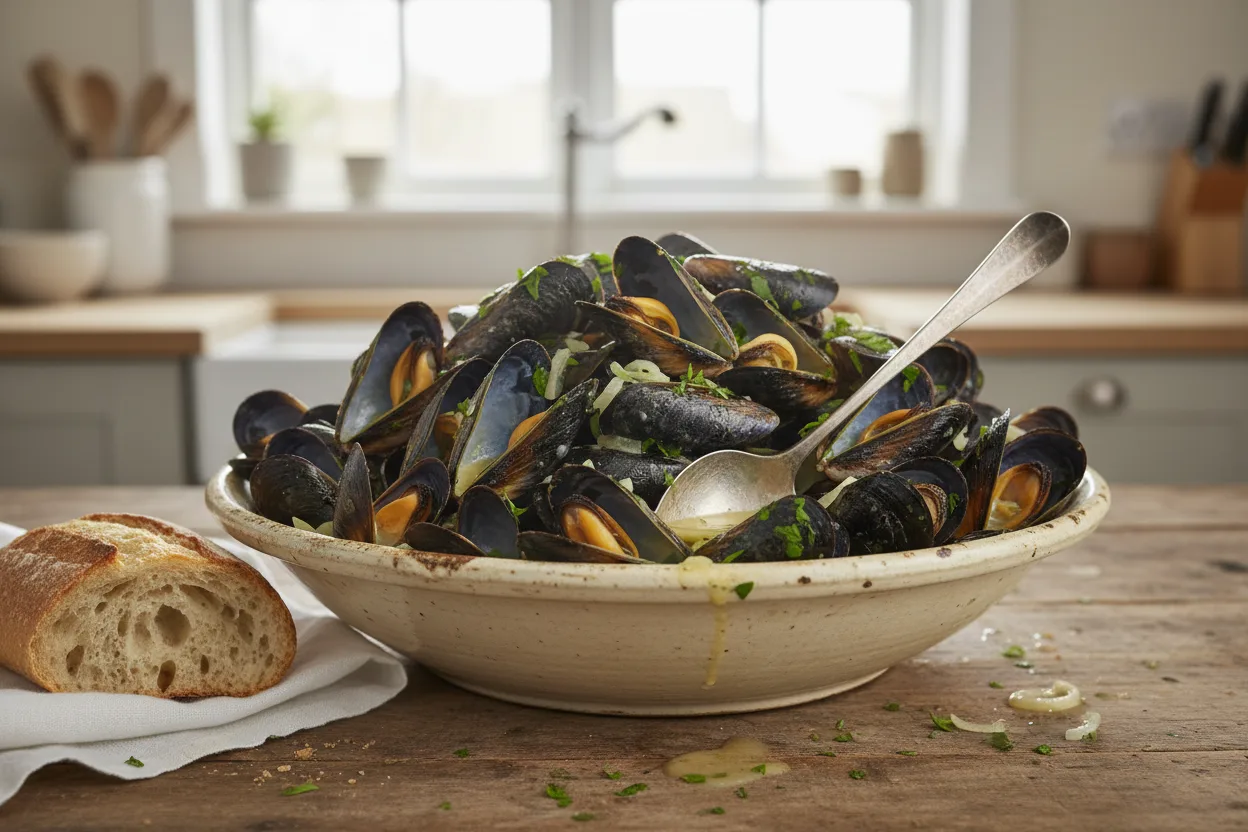
French25 min2g fiber61g protein
Mussels steamed open in white wine with shallot, butter, and parsley.
View recipe →12Linguine ai Frutti di Mare
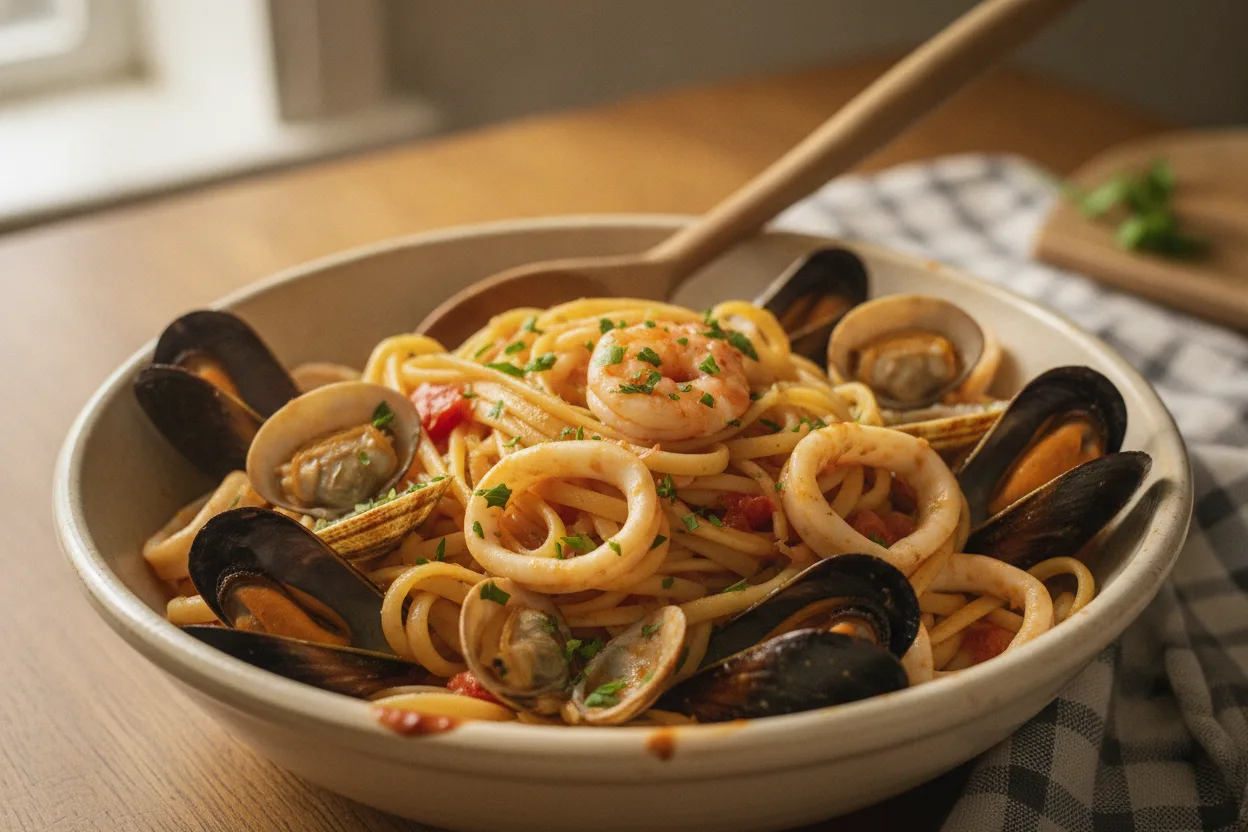
Italian32 min4g fiber50g protein
Mussels, clams, shrimp, squid in a quick white-wine tomato.
View recipe →