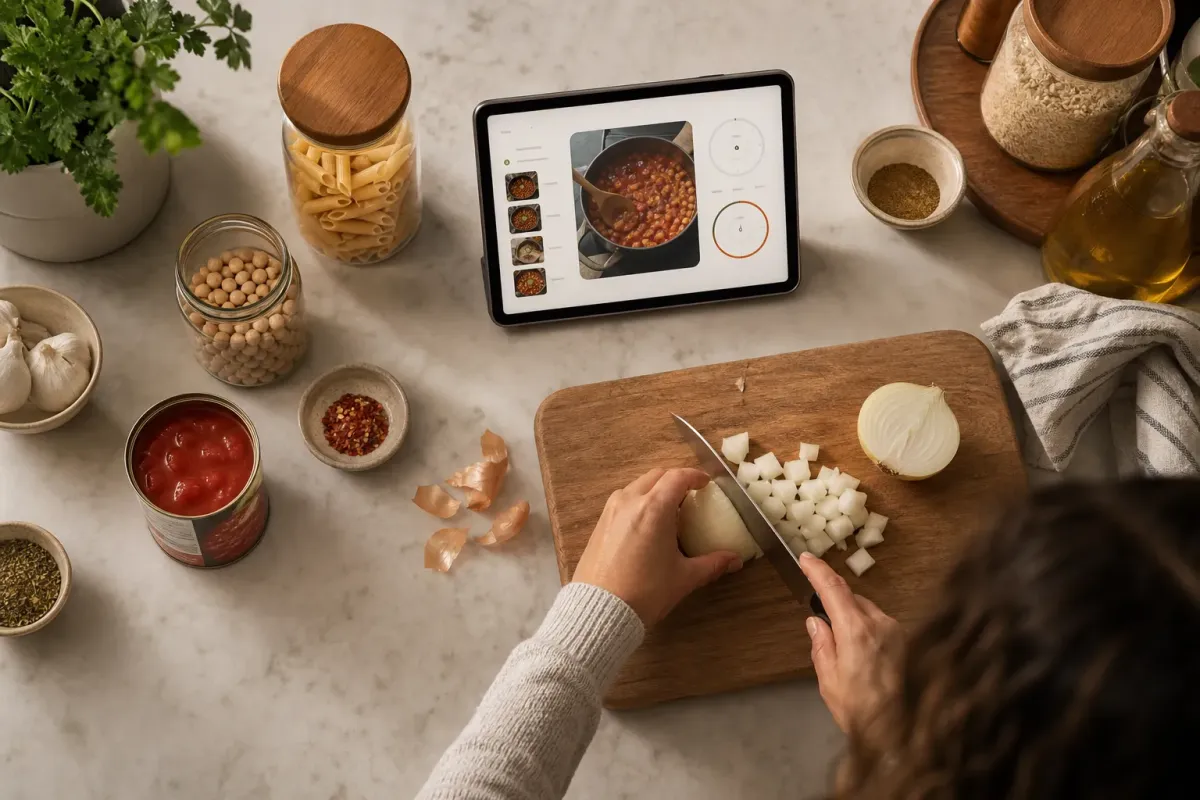
You open the pantry and find pasta, a can of beans, half an onion, and not much else. Dinner still feels out of reach. Recipes by ingredient flip that feeling. Start with what you already have, choose one lead item, and let a smart plan fill the tiny gaps.
This walkthrough shows how to turn scattered staples into a week of real meals. It is fast, diet-proof, and built for busy weeknights. Homecooked helps along the way with a living pantry, personalized cookbook picks, step-by-step smart recipes with timers, and automatic grocery lists that only include what you are missing.
1) Take stock of your pantry the smart way
Spend five to seven minutes scanning your pantry, fridge, and freezer. You are not inventorying a restaurant. You just need anchors and rough amounts so recipes can match cleanly.
Grab the essentials:
- Proteins: 1 lb ground turkey, 2 cans chickpeas, 1 can tuna, 6 eggs, frozen shrimp.
- Grains and carbs: 2 cups rice, 1 lb pasta, tortillas, bread ends, potatoes.
- Vegetables and aromatics: 1 onion, 3 carrots, celery, garlic, a bag of frozen spinach or peas.
- Cans and jars: diced tomatoes, coconut milk, beans, broth, capers, olives.
- Sauces and fats: olive oil, soy sauce, hot sauce, vinegar, peanut butter, tahini.
- Spice basics: salt, pepper, cumin, paprika, chili flakes, curry powder, oregano.
- Freezer helpers: sliced bread, corn, mixed veg, stock cubes.
Note tools that expand your options: a sheet pan, Dutch oven, blender, instant-read thermometer. Technique follows tools. A sheet pan tilts you toward one-pan dinners. A blender opens soups, pestos, and sauces.
In Homecooked, the Persistent Pantry saves these ingredients and tools to your account and checks them against every recipe. It shows three buckets in seconds: cook now, one-away, and missing. If a recipe calls for shallots, it will suggest onions. If it needs coconut milk and you have cream, it will flag a sensible swap. You stop starting from zero every time you cook.
What to add to your Persistent Pantry
- Staples you always keep: rice, pasta, canned tomatoes, chickpeas, tuna, eggs, onions, garlic.
- Perishables on the clock: spinach, mushrooms, herbs, dairy near its date.
- Shaping tools: sheet pan, blender, Dutch oven, 10-inch skillet, rice cooker.
You are going for signal, not perfection. “Half a jar,” “two cups,” or “one can” is enough detail for accurate matches and a tight shopping list later.
2) Choose a lead ingredient and lock a technique
Scan your list and pick one thing to build around. The lead ingredient sets the technique. Then you plug gaps with what you have.
Fast anchors and reliable paths:
- Chickpeas: simmer into a spinach and coconut milk curry, or crisp in a skillet for a pepper-and-egg hash.
- Canned tuna: toss into lemon caper pasta, or fold with white beans and greens for a no-cook salad.
- Eggs: 10-minute fried rice with scallions and frozen peas, or a tortilla española with potatoes.
- Ground turkey: 30-minute chili with tomatoes and beans, or lettuce wraps over rice.
- Frozen shrimp: quick garlic shrimp with chili flakes over orzo, or shrimp tacos with slaw.
Homecooked’s Personalized Cookbooks rank recipes for you. Diet preferences and allergies are strict filters, so off-diet ideas never appear. Then results are ordered by your chosen cuisines, meal types, and what is already in your pantry. If you pick chickpeas and select Indian and Mediterranean, you will see chana saag, roasted chickpeas with tahini dressing, or tomatoey braised chickpeas with feta before anything that needs a special run to the store.
3) Filter by diet and time, then run steps in parallel
Do not fall for a great idea that does not fit your Tuesday or your diet. Lock constraints first. In Homecooked, dietary preferences and allergies are hard filters. Then sort by time and technique so you only see recipes you can actually cook tonight.
Use time as a real filter
- 10 to 20 minutes: high-heat skillet meals, eggs, or pasta with a quick sauce.
- 25 to 40 minutes: sheet pan dinners, seared protein plus a simple grain and veg.
- 45+ minutes: braises, bean stews, roasted roots, or mostly hands-off oven time.
Homecooked’s Smart Recipes include per-step timers and flag steps that can run in parallel. Passive waits overlap with active prep, so you do more in the same half hour.
Example, lemon caper tuna pasta in 18 minutes:
- Minute 0: Salt water and set the pot to boil. While it heats, mince garlic, zest the lemon, and chop parsley.
- Minute 6: Drop pasta. Heat oil in a skillet. Sauté garlic 30 seconds, add tuna, capers, chili flakes.
- Minute 11: Reserve a cup of pasta water. Drain pasta. Toss pasta in the skillet with a splash of water, lemon juice, zest, and parsley.
- Minute 15: Taste, adjust salt, finish with a drizzle of oil. Plate.
Another parallel win: sheet pan chicken thighs with broccoli and potatoes in 35 minutes. Start preheating the oven while you chop. Toss potatoes and broccoli on a pan with oil and spices. Roast 10 minutes. Add seasoned thighs on top. Roast 20 minutes. While it finishes, whisk a quick yogurt-lemon sauce. Dinner is ready without idle time.
4) Fill the gaps, shop tiny, plan the week
Once you pick recipes, zoom in on what is missing. A good recipes-by-ingredient workflow aims for the smallest possible grocery list. If you have chickpeas, onion, garlic, and spinach, you might only need coconut milk and naan. Two items, one fast dinner.
Homecooked’s Automatic Grocery Lists build a list from your planned meals and subtract what your Persistent Pantry covers. Items are grouped by category, and you can check them off, swap brands, or add your own notes. If you want a meal planning app with a grocery list that mirrors how you shop, this keeps the errand short and specific.
Keep the list tiny
- Swap with intent: no coconut milk, use 1 part heavy cream plus 1 part water; no buttermilk, use milk plus a squeeze of lemon; no tahini, blend peanut butter with a little oil.
- Consolidate across meals: plan two dinners that both use scallions or cilantro so you buy once and finish the bunch.
- Buy formats that flex: canned tomatoes over passata, bone-in thighs over breasts, frozen spinach over fresh if your week is tight.
- Respect your calendar: choose techniques that fit your busiest nights. Save long preps for the weekend.
When a dinner hits, capture it. Homecooked logs every recipe you finish with the date you cooked it. Add a rating, notes like “extra lemon” or “halve the chili,” and a photo. Your Past Meals become a shortlist you can repeat without digging through your camera roll.
Ready to plan the week. Use Meal Planning to assign recipes to dates and adjust serving sizes. Your plan syncs across devices. If you crave that lemon caper pasta, slot it for Thursday, bump servings from two to four, and the grocery list updates automatically. If you cooked chili on Monday, plan a baked potato bar on Wednesday to use the leftovers.
Common pitfalls and fixes
- Overcommitting to complex dishes: pick techniques that fit your time and tools. Save the all-day braise for Sunday.
- Ignoring substitutions: keep the spirit, not the letter. No shallots, use onions. No kale, use spinach. No harissa, use chili paste plus garlic.
- Hoarding one-off buys: skip specialty items you will not touch again. Favor ingredients that work across two or three dinners.
- Forgetting servings: set portions before you shop so your list is right and leftovers are planned.
- Planning in isolation: link meals so herbs, bread, and produce get used up, not wasted.
Key takeaways
- Start with a fast pantry check and add anchors to your Persistent Pantry.
- Pick one lead ingredient and let technique guide the rest.
- Lock diet and time early, then use parallel steps to finish faster.
- Keep the grocery list tiny by targeting gaps and using smart swaps.
- Log wins and plan next week so good dinners repeat on autopilot.
Recipes by ingredient are not a gimmick. They are a habit. With a living pantry, focused filters, and a tiny list when you need it, dinner becomes predictable in the best way.
Pantry-driven recipes to try
Dishes built from staples you probably already have — beans, eggs, tinned fish, a bag of rice — each with real per-serving nutrition.
1Three-Bean Chili
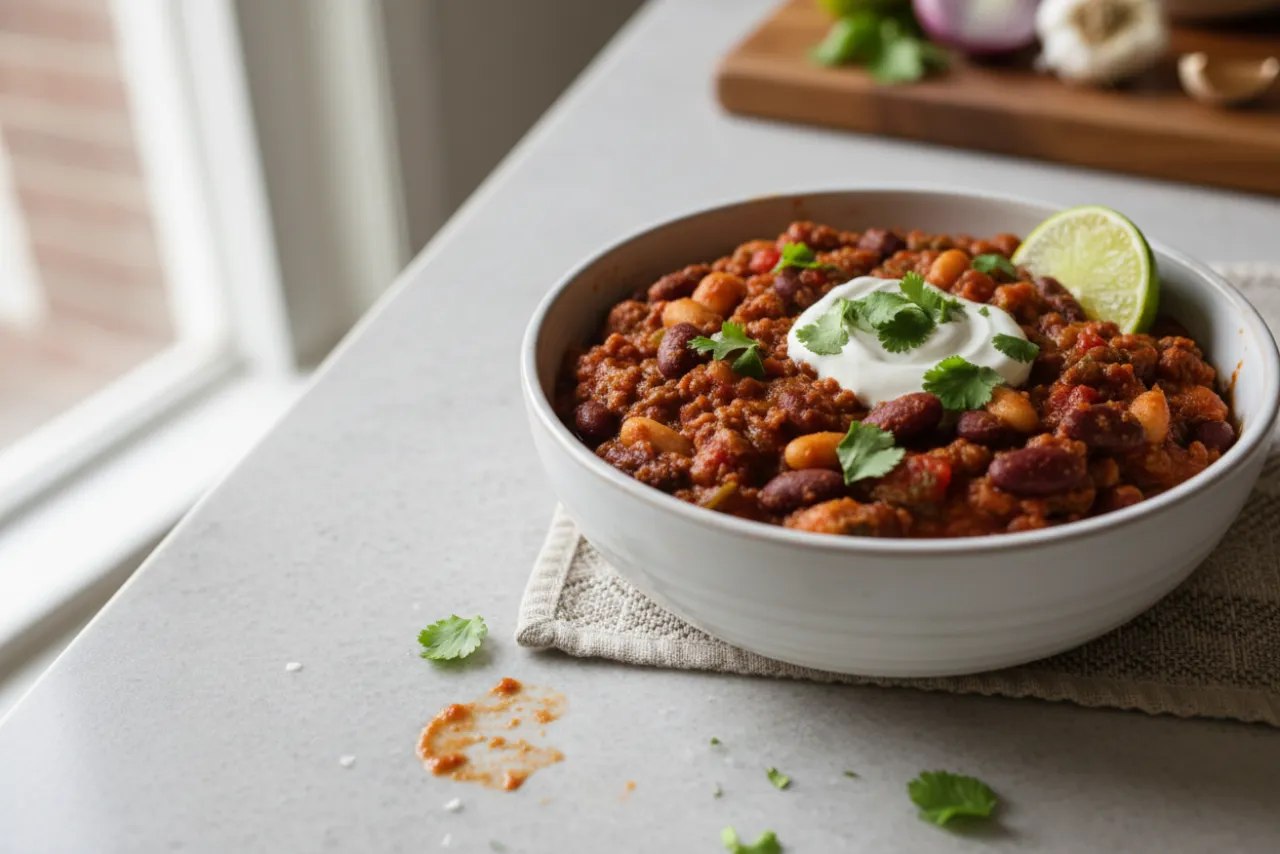
Mexican40 min19g fiber19g protein
Three kinds of bean simmered with tomato and warm spices into a thick, smoky chili — a vegan main with over twenty grams of fiber a bowl.
View recipe →2Tuna & White Bean Salad
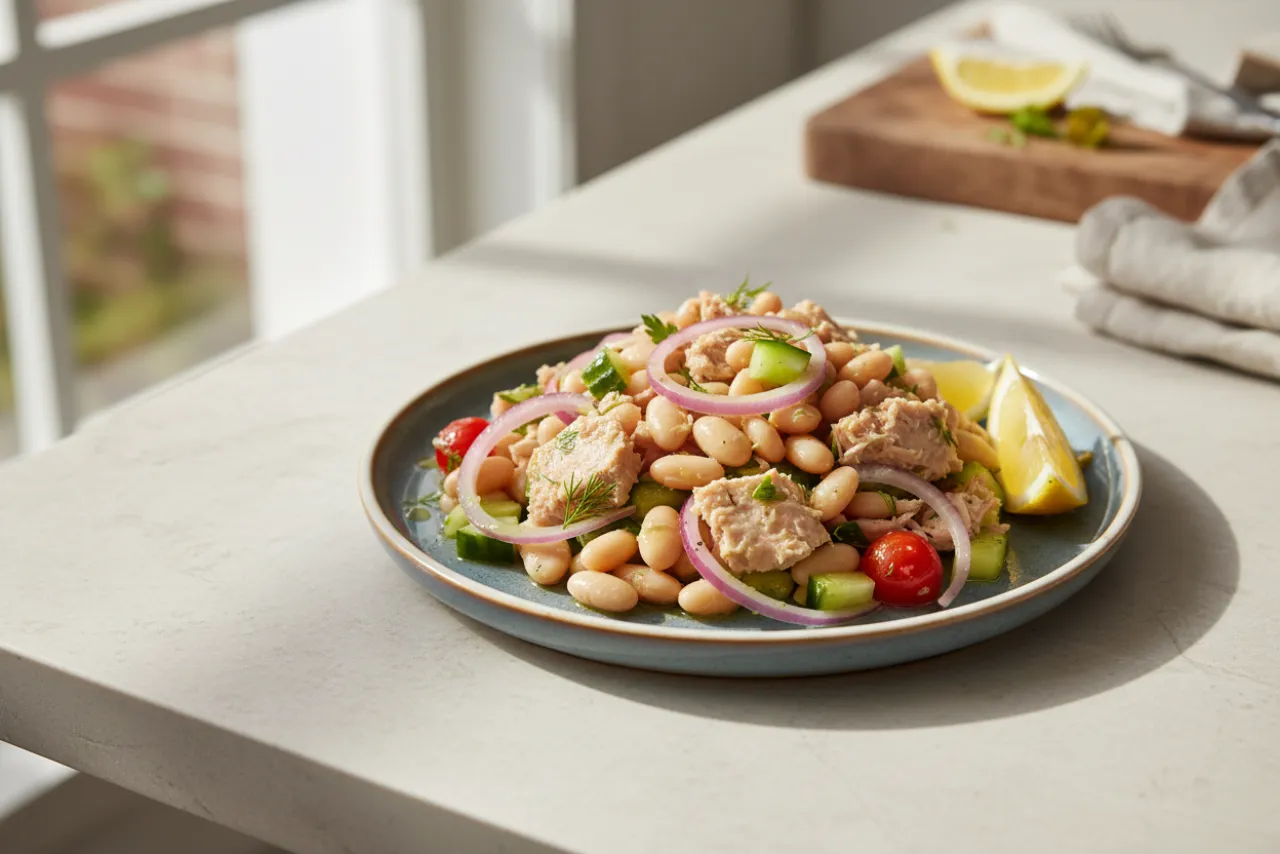
Mediterranean10 min9g fiber42g protein
Tinned tuna, white beans, and red onion in a lemony dressing — a no-cook, thirty-five-gram-protein lunch that keeps in the fridge.
View recipe →3Garlic Soybean & Vegetable Stir-Fry

Chinese20 min12g fiber32g protein
Soybeans and crisp vegetables tossed hard in a garlicky wok sauce. A quick plant plate packed with fiber and protein.
View recipe →4Sardine & White Bean Salad
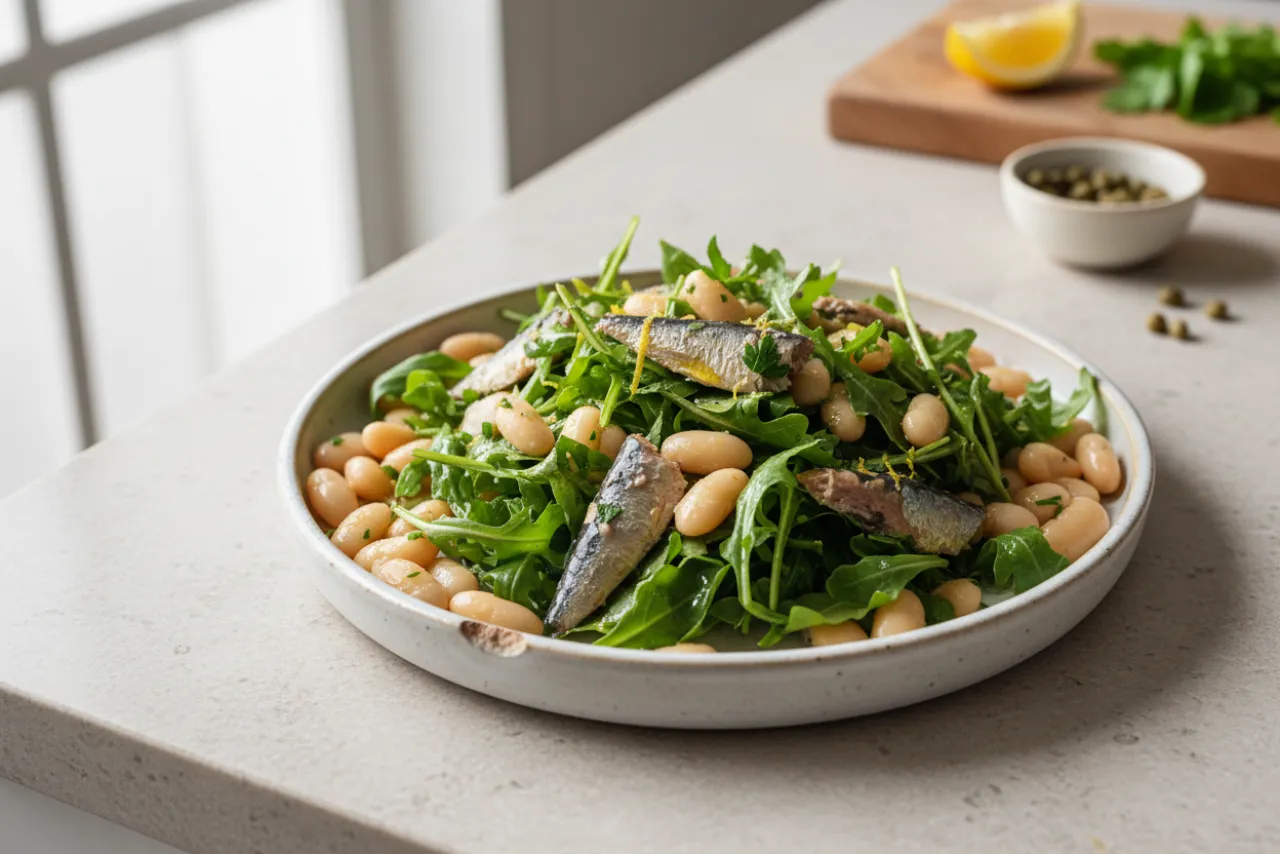
Mediterranean10 min8g fiber35g protein
Tinned sardines and creamy white beans over lemony arugula — a no-cook Mediterranean lunch built on omega-3, fiber, and olive oil.
View recipe →5Koshari (Egyptian Lentils, Rice & Pasta)

Middle Eastern60 min15g fiber27g protein
Egypt's national street food — lentils, rice, and pasta under spiced tomato and crisp onions. A carb-and-fiber monument.
View recipe →6Chickpea & Spinach Curry
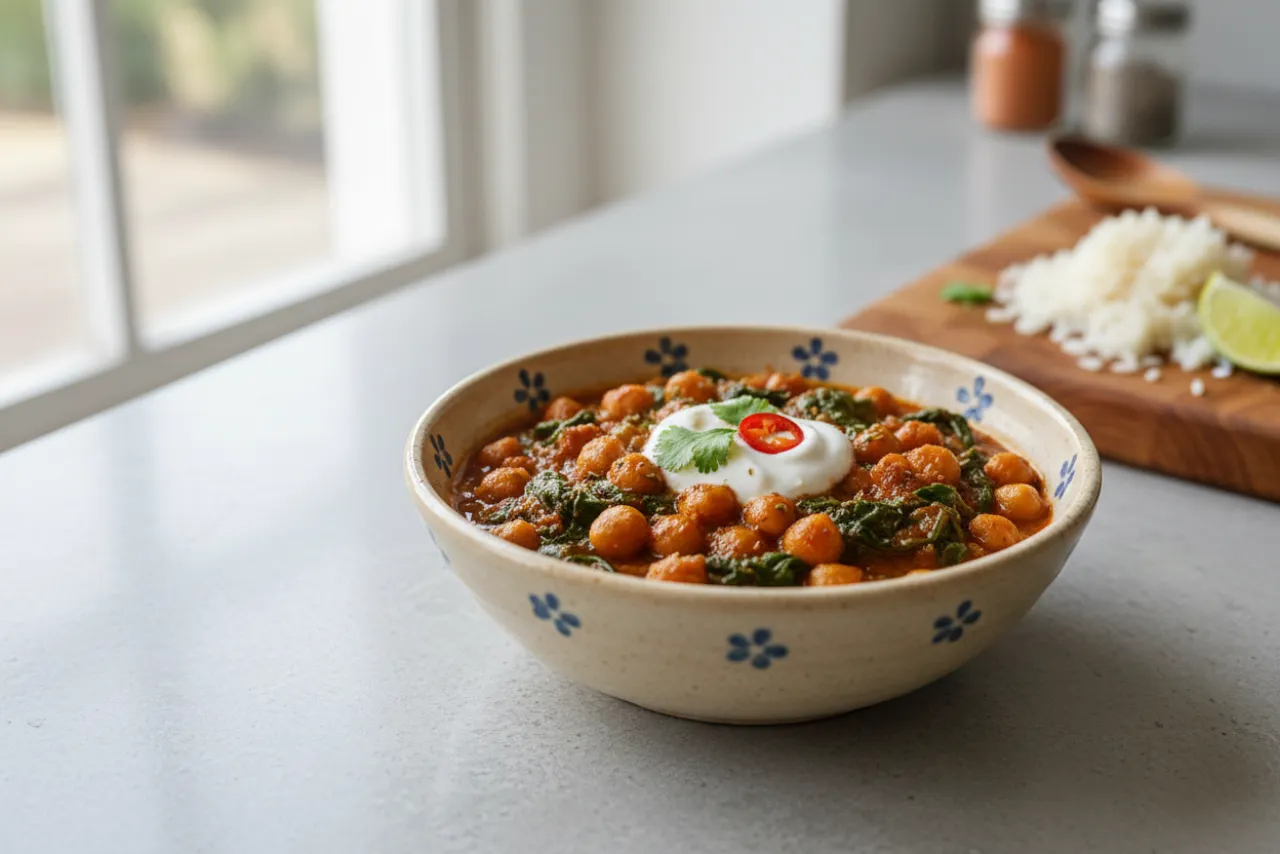
Indian25 min18g fiber20g protein
Chickpeas simmered with tomato, spinach, and warm spices — a vegan main with twenty grams of protein and a load of fiber.
View recipe →