
A low histamine meal plan prioritizes the freshest unprocessed foods, temporarily excludes fermented and aged items, and uses a short elimination phase (about 4 weeks) with symptom tracking to spot a response. Most people who improve notice it within about a month of strict adherence. If you suspect histamine intolerance, the best next step is simple: start tracking what you eat and how you feel, trim the usual triggers, and bring a registered dietitian into the loop if your case feels complicated.
TL;DR:
- Most people see symptom improvement within about four weeks of strict adherence to a low histamine diet.
- Freshness is critical, with fish eaten on the day of purchase containing significantly less histamine than those stored longer.
- During elimination, avoid fermented foods, aged cheeses, cured meats, canned seafood, and alcohol, while focusing on fresh proteins and produce.
- Reheat frozen cooked proteins only once and limit leftovers storage to under 24 hours to prevent histamine buildup.
- The diet is diagnostic rather than a long-term cure, requiring careful tracking of foods, symptoms, and reintroduction testing over several days.
Table of Contents
- Foods to eat and foods to avoid, and why freshness matters more than any list
- A sample 5-day low histamine meal plan you can adapt this week
- Keeping your kitchen workflow low histamine without burning your week
- How the elimination and reintroduction protocol actually works
- Avoiding nutrient gaps while the diet is this restrictive
- Eating out and traveling without losing control of your symptoms
- How an app can take the guesswork out of daily tracking
- Put this plan to work with Homecooked
- FAQ
- Sources
Foods to eat and foods to avoid, and why freshness matters more than any list
Histamine builds up in food as bacteria break down proteins, so the clock starts ticking the moment something is cooked, cut, or caught, making fresh fish preparation tips especially important for safety and health as discussed in these salmon recipes. A piece of salmon eaten the day it is purchased carries far less histamine than the same fish three days into the fridge. That single fact explains most of what a low histamine diet actually asks of you: eat things close to their source, and be careful with anything that has sat around, fermented, or been cured on purpose.
There is no single agreed-upon food list in the research. A review of biogenic amines in food found wide disagreement across studies about which specific fruits and vegetables belong on a restriction list, with one exception: fermented foods are excluded almost universally. That matters because a lot of popular “safe food” charts online treat every item as equally certain, when the evidence behind them varies a great deal.
Staples that are generally well tolerated and easy to build meals around:
- Freshly cooked chicken, turkey, or beef, prepared the same day you plan to eat it
- Fresh white fish like cod or trout, cooked soon after purchase
- Eggs, rice, quinoa, and most fresh vegetables such as zucchini, carrots, and leafy greens
- Fresh fruits like apple, pear, and mango in moderate portions
- Dairy alternatives such as fresh coconut or oat milk, when tolerated
Items that commonly get excluded during the elimination phase:
- Aged cheeses, which accumulate histamine during the aging process itself
- Fermented foods like sauerkraut, kefir, kombucha, and soy sauce
- Cured or processed meats, including salami, bacon, and deli slices
- Canned fish or seafood that has been stored for extended periods
- Alcohol, particularly red wine and beer
- Certain fruits and vegetables that show up on many lists, such as spinach, tomato, and citrus, though individual tolerance for these varies widely
Leftovers held in the refrigerator for more than 24 hours show measurably higher histamine levels, since bacterial activity continues even at cold temperatures, just more slowly. That single detail is why “fresh is best” shows up again and again in clinical guidance rather than as a vague suggestion.
A sample 5-day low histamine meal plan you can adapt this week
A good plan does not need to be elaborate. It needs a repeatable structure you can shop for once and cook from without guessing. Here is a five-day template built around freshly prepared proteins, simple grains, and produce that is widely tolerated during an elimination phase.
- Monday: Scrambled eggs with zucchini for breakfast, grilled chicken over rice and steamed carrots for lunch, baked cod with quinoa and green beans for dinner, apple slices for a snack.
- Tuesday: Oatmeal with fresh pear for breakfast, leftover chicken salad with olive oil and lettuce for lunch, fresh ground turkey stir-fry with zucchini and rice for dinner, carrot sticks for a snack.
- Wednesday: Eggs with fresh herbs for breakfast, quinoa bowl with roasted vegetables for lunch, freshly grilled beef with sweet potato and broccoli for dinner, mango slices for a snack.
- Thursday: Rice porridge with pear for breakfast, turkey lettuce wraps for lunch, baked trout with asparagus and rice for dinner, cucumber slices for a snack.
- Friday: Eggs and toast made from a low-histamine bread for breakfast, leftover trout over greens for lunch, freshly cooked chicken thighs with roasted carrots and quinoa for dinner, apple for a snack.
The easiest way to keep this sustainable is to think in building blocks rather than fixed recipes: one fresh protein, one fresh vegetable, one grain or starch, and a small fat like olive oil. Swap any of the three freely and you get a new meal without new planning. For lunch ideas that overlap neatly with this approach, see our anti-inflammatory lunch recipes, and for quick mornings, our anti-inflammatory breakfast ideas hit many of the same notes.
If you eat vegetarian, fresh eggs, tofu prepared the same day, and legumes like freshly cooked lentils tend to work for many people, though fermented soy products such as miso and tempeh should wait until reintroduction. Gluten-free versions of this plan simply swap rice or quinoa for the grain base, since neither is a common trigger.
Freezing works in your favor here: cook a batch of chicken or fish, portion it, and freeze it the same day rather than letting it sit in the fridge for a few days. Reheat only once, and only the portion you plan to eat.

Keeping your kitchen workflow low histamine without burning your week
The plan above only works if your shopping and storage habits support it. Buy fresh meat and fish in quantities you will cook within a day or two, and treat frozen vegetables as a reasonable backup since freezing slows the bacterial activity that drives histamine formation. Stock pantry basics like rice, quinoa, and olive oil in bulk since they do not carry the same freshness risk.
- Shop for proteins two to three times a week instead of once, buying only what you will cook soon
- Label anything you freeze with the date it was cooked, not just the date it was purchased
- Cook in batches meant for the freezer, not for a week of fridge storage
- Reheat frozen portions only once, and eat the full portion rather than returning it to the fridge
Pro Tip: Cook double portions of one protein each week, freeze half immediately in single-serving containers, and you will always have a fresh-tasting backup meal that never sat in the fridge long enough to matter.
For people with limited time, a Sunday batch-cook session covering two proteins and two grains can cover most of the week’s dinners without ever risking a three-day-old leftover.
How the elimination and reintroduction protocol actually works
Clinical guidance treats the low histamine diet as a diagnostic tool, not a permanent lifestyle by default. A review in PubMed notes that diagnosing histamine intolerance is genuinely difficult, since symptoms overlap with several other conditions, and a clear response to dietary restriction is often used as part of the confirmation process.
- Elimination phase: Follow a strict low histamine diet for up to four weeks, since that is the typical window in which responders start to notice improvement.
- Tracking: Log every food, portion size, and cooking method alongside symptoms, sleep quality, and medication use, since any of these can muddy the picture.
- Single-food reintroduction: Once symptoms settle, reintroduce one food at a time for two to three days, gradually increasing the portion.
- Wait-and-see window: After each food challenge, wait three to four days before introducing the next item, watching for delayed reactions.
Keep your log simple but specific:
- Food and exact portion eaten
- Cooking method and how fresh the ingredient was
- Symptoms, timing, and severity
- Sleep, stress level, and any medications taken that day
Stop and consult a registered dietitian, gastroenterologist, or allergist if symptoms worsen, if you are losing weight unintentionally, or if you are pregnant. Any DAO enzyme supplements or medications should only be used under a clinician’s guidance, since the evidence on standardized dosing is still limited.
Avoiding nutrient gaps while the diet is this restrictive
Cutting out fermented dairy, aged cheese, and a long list of fruits and vegetables can quietly chip away at your intake of protein, iron, B12, and calcium if you are not paying attention. The risk is not theoretical: over-restriction and food anxiety are common enough that Johns Hopkins guidance specifically warns against letting the list grow longer than it needs to be.
- Rotate your tolerated proteins rather than relying on just one or two
- Choose fortified rice or oat milk if dairy is limited, to help cover calcium
- Flag any supplement, including DAO or B12, with your dietitian before adding it
- Watch for unplanned weight loss, which signals the diet has become too narrow
Clinical literature frames this diet as a management and diagnostic approach rather than a cure, and larger standardized trials are still needed to confirm the best long-term protocol. If you are pregnant, have multiple food restrictions already, or your symptoms persist past the elimination window, that is the clearest signal to bring in a registered dietitian rather than keep adjusting alone.
Eating out and traveling without losing control of your symptoms
Restaurants are harder to control than your own kitchen, but a few habits cut most of the risk. Ask whether fish or meat was prepared fresh that day, and avoid dishes built around sauces, aged cheese, or anything described as fermented or cured.
- Choose simply grilled or roasted proteins over stews and sauced dishes, which often sit longer before service
- Ask the server if a dish contains vinegar, soy sauce, or aged cheese rather than assuming
- Pack a cooler with fresh fruit and a cooked protein for travel days, and use a hotel fridge only for same-day leftovers
- Keep your ask simple: “I avoid fermented and aged foods for a health reason” covers it without oversharing
Pro Tip: Bring a freshly cooked protein snack in an insulated bag when you travel, since airport and highway food options rarely meet a fresh-is-best standard.
How an app can take the guesswork out of daily tracking
Running an elimination protocol by memory is hard: you are tracking foods, portions, cooking methods, and symptoms at the same time you are trying to live a normal week. Some apps build personalized meal plans around health goals and food preferences, allowing a low histamine template to be adjusted to individual tolerances rather than copied from a generic chart. The app’s pantry-first approach to planning also makes it easier to see what is actually fresh in your kitchen before you commit to a meal, which lines up directly with the core “fresh is best” rule behind this entire diet.
Put this plan to work with Homecooked
Meal planning apps can turn the planning side of a low histamine diet into an easier daily task by allowing users to pick dietary preferences and goals, then building personalized meal plans, generating matching shopping lists, and guiding through recipes step by step with timers.
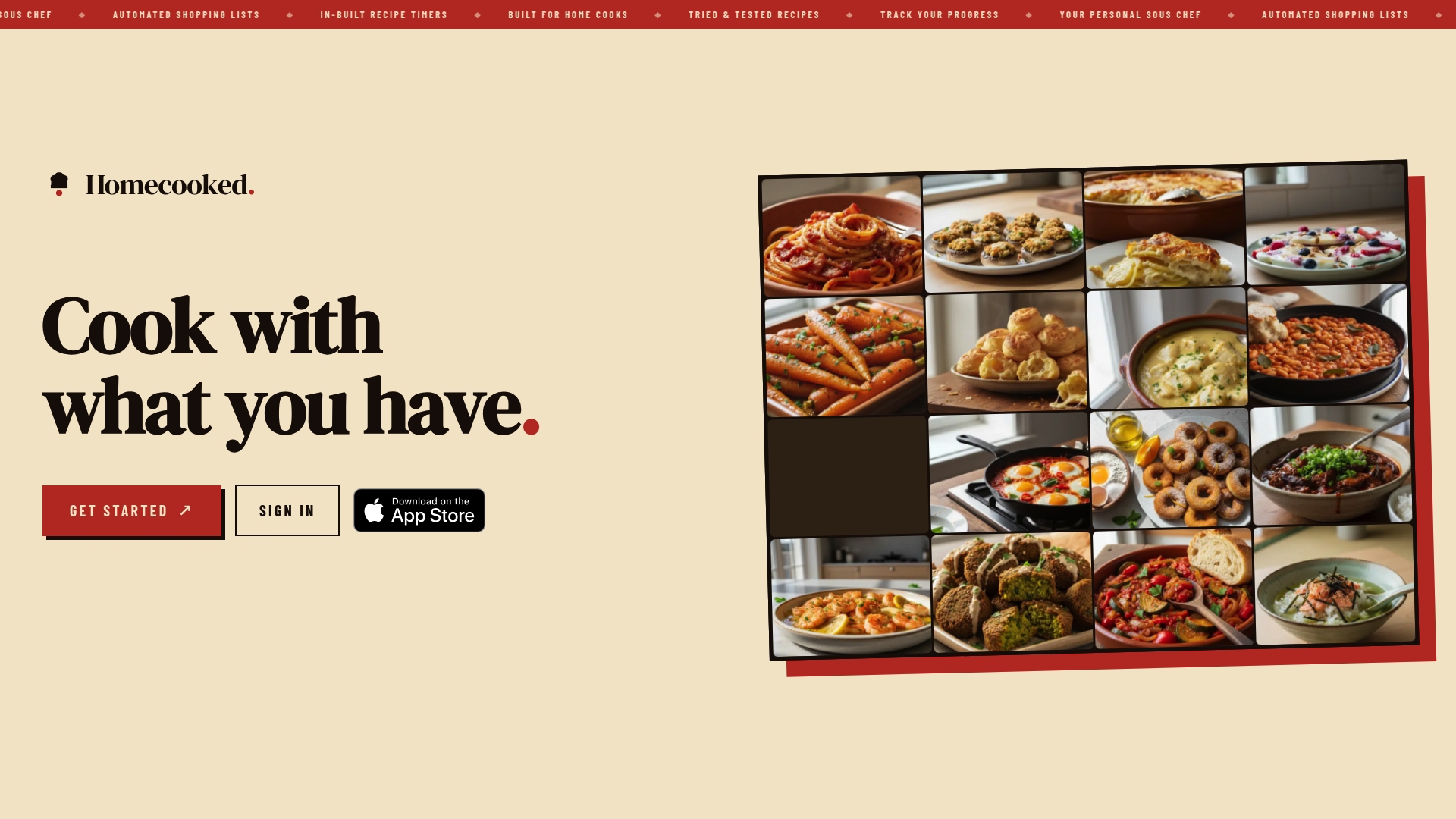
A first week in such an app typically involves setting preferences once, using an automated shopping list to handle fresh-protein and produce purchases, and following guided recipes that keep prep timing tight rather than stretched across several days of leftovers. This is a planning and cooking tool, not a diagnosis or a substitute for a clinician, so pair it with the tracking and professional input your elimination phase calls for. If you want to see how the planning mechanics work before committing to the full protocol, the Homecooked landing page walks through the trial options and what a personalized plan looks like.
For a similar template-driven structure, our guide to building an allergy-friendly week covers planning mechanics that transfer directly to a histamine-focused version, and our low sodium 7-day sample shows the same shopping-list-first approach applied to a different restriction.
This article is general information, not a substitute for advice from a qualified doctor. Consult a qualified healthcare professional about your own circumstances before acting on anything here.

FAQ
What is a good low histamine dinner?
A freshly cooked protein like baked cod, grilled chicken, or freshly ground turkey paired with a fresh vegetable and a grain like rice or quinoa works well as a low histamine dinner. The key is cooking it the same day you plan to eat it rather than relying on multi-day leftovers, since histamine accumulates with storage time.
What can I eat on a low histamine diet?
Most people tolerate freshly prepared meats, fish, eggs, rice, quinoa, and many fresh vegetables and fruits like apple, pear, and carrot. Fermented foods, aged cheese, cured meats, and alcohol are typically excluded during the elimination phase, though individual tolerance varies considerably and a full list is not agreed upon across clinical sources.
What is a good low histamine breakfast?
Scrambled eggs with fresh vegetables, oatmeal topped with pear, or rice porridge are common low histamine breakfast choices. Keeping the ingredients fresh and the cooking simple matters more than following any specific recipe.
How do I eat out on a low histamine diet?
Choose simply grilled or roasted dishes over sauced or cured options, and ask whether the fish or meat was prepared fresh that day. A short, simple explanation to your server, such as avoiding fermented and aged foods for a health reason, usually covers what you need without requiring a detailed medical explanation.
Sources
- Histamine Intolerance: Symptoms, Diagnosis, and Beyond - PMC
- Histamine Intolerance-The More We Know the Less We Know. A Review - PubMed