
We put together a complete 7-day whole food, plant-based meal plan with a grocery list and a batch-cooking schedule, so you can shop once, cook for a few hours, and eat well all week. It’s built for anyone transitioning into this way of eating or just looking to simplify it. The payoff is real: less daily decision-making, steadier nutrition, and dinners that come together in minutes instead of an hour.
TL;DR:
- Batch-cooking grains, legumes, and roasted vegetables allows for quick assembly of diverse meals throughout the week, reducing daily decision-making.
- Meal portions should be scaled according to individual energy needs, with active adults consuming 1.5 to 2 cups of grains or legumes per meal.
- Building balanced plates with half vegetables and fruit, a quarter whole grains, and a quarter protein sources aligns with proven healthy eating guidelines.
- Using canned beans and frozen vegetables can save time without significantly compromising nutrition, aiding busy weeknight meal prep.
- Incorporating a fortified plant milk or B12 supplement is recommended, especially since these nutrients are not reliably present in whole plant foods.
Table of Contents
- Your 7-day whole food plant-based menu with easy swaps
- Your grocery list and pantry staples by store section
- Core recipes and your batch-cooking plan
- Building balanced plates: proportions, evidence, and nutrients to watch
- How to run this plan week after week
- Why flexibility beats perfection in plant-based eating
- Let Homecooked handle the planning for you
- FAQ
- Sources
Your 7-day whole food plant-based menu with easy swaps
A whole food plant-based diet centers on vegetables, fruits, whole grains, legumes, nuts, and seeds, with minimal processed ingredients, according to the Center for Nutrition Studies. Here’s a full week built from batched components you’ll prep once and remix daily.
- Monday: Overnight oats with berries and chia; lentil-veggie bowl over brown rice; bean chili with cornbread (examples of plant-based meals).
- Tuesday: Tofu scramble with roasted potatoes; leftover chili; tofu-broccoli stir-fry with tahini sauce.
- Wednesday: Smoothie with spinach, banana, and fortified plant milk; grain bowl with roasted veg and chickpeas; lentil soup with crusty bread.
- Thursday: Oatmeal with nut butter; stir-fry leftovers; baked sweet potato topped with black beans and salsa.
- Friday: Avocado toast on whole grain bread; quinoa salad with roasted veg; peanut stew over rice.
- Saturday: Tofu scramble again (double batch from Tuesday); wraps with hummus, greens, and roasted veg; bean burgers with a side salad.
- Sunday: Pancakes made with oat flour and banana; leftover peanut stew; big veggie and grain bowl to use up extras before the next shop.
Portion sizes depend on your energy needs: an active adult might eat 1.5 to 2 cups of grains and legumes per meal, while someone with lower calorie needs can scale down to 1 cup and add extra vegetables to stay full. Swap freely based on what’s in your kitchen: tempeh works anywhere tofu appears, lentils can replace black beans in most recipes, and quinoa or brown rice stand in for each other without changing the cooking method. If you’re avoiding gluten, swap barley or wheat-based bread for rice, millet, or a certified gluten-free oat product.
Your grocery list and pantry staples by store section
Shopping gets faster when your list mirrors the store layout. Buy frozen vegetables when fresh ones aren’t in season: they’re picked and frozen at peak ripeness and work just as well in soups and stir-fries.
- Produce: broccoli, spinach, sweet potatoes, bell peppers, onions, garlic, bananas, berries, avocados.
- Legumes: dried or low-sodium canned black beans, lentils, chickpeas, and a bag of dried split peas for soups.
- Grains: brown rice, quinoa, rolled oats, whole grain bread, and corn tortillas.
- Refrigerated and frozen: firm tofu, tempeh, frozen mixed vegetables, frozen edamame.
- Pantry: peanut butter, tahini, canned diced tomatoes, vegetable broth, nutritional yeast.
- Seasonings: cumin, smoked paprika, soy sauce or tamari, rice vinegar, chili powder.
Pick up a fortified plant milk or a B12 supplement, since this nutrient doesn’t occur reliably in whole plant foods. Dry beans cost less per serving than canned, but canned beans save time on a busy weeknight, so keep both on hand.
Pro Tip: Buy grains and legumes in bulk bins when your store has them. You’ll spend less per pound and only buy what you’ll actually use that week.

Core recipes and your batch-cooking plan
Batch-cooking works best when you prep components, not finished plates. A pot of grain, a pot of legumes, a tray of roasted vegetables, and one sauce can turn into five different meals depending on how you combine them, an approach borne out in component-based batch cooking methods from university extension programs.
- Grain: Cook a big batch of brown rice or quinoa (6 to 8 cups cooked).
- Legume: Simmer a pot of lentils or black beans from dry, or rinse several cans.
- Roasted vegetables: Toss broccoli, sweet potatoes, and peppers with oil and roast at 425°F for 25 minutes.
- Sauce: Whisk tahini, lemon juice, water, and garlic into a pourable dressing.
- Protein prep: Press and cube tofu, then bake or air-fry until firm.
Two recipes anchor the week. A hearty bean chili simmers black beans, diced tomatoes, onion, and chili powder for about half an hour and freezes well in individual portions, similar to legume-forward stews from USDA MyPlate’s recipe collection. A tofu-broccoli stir-fry with sesame-tahini sauce combines your baked tofu, roasted broccoli, and the tahini sauce over rice for a five-minute weeknight dinner.
Set aside 2 to 3 hours on a weekend day: roast vegetables and bake tofu while grains and legumes simmer on the stove. Cool everything before storing in sealed containers; grains and legumes keep 4 to 5 days refrigerated or 3 months frozen, and roasted vegetables are best within 4 days. For more component ideas, our batch-friendly recipe roundup has two dozen options to rotate in.
Pro Tip: Reheat grains with a splash of water or broth to restore moisture before serving.
Building balanced plates: proportions, evidence, and nutrients to watch

Harvard’s Healthy Eating Plate offers a simple template: fill half your plate or bowl with vegetables and fruit, one quarter with whole grains, and one quarter with protein foods like beans, lentils, or tofu. Apply the same ratio to soups and stir-fries by eyeballing the proportions in the pot.
A 2023 systematic review and meta-analysis of over 2.2 million adults found that stronger adherence to healthy plant-based dietary patterns was associated with lower risks of type 2 diabetes, cardiovascular disease, cancer, and all-cause mortality, with stronger associations when the diet emphasized whole plant foods over processed ones. These are observational findings, so they point to association rather than proof of cause. A 2024 umbrella review backs the general direction but flags inconsistency across studies and cautions against overly restrictive versions of the diet without individualized guidance.
- Pair a fortified plant milk or B12 supplement with your daily routine.
- Build protein from legumes, soy foods, and nuts at most meals.
- Pair iron-rich foods like lentils with a vitamin C source, such as citrus or peppers, to improve absorption.
- Add a daily source of ALA, like ground flax or chia seeds.
How to run this plan week after week
Shop on day one, batch-cook for 2 to 3 hours that same day or the next, then assemble dinners nightly from what’s already prepped. Midweek, check your roasted vegetables and tofu supply and refresh whichever runs low.
- Shop using your grocery list, then store everything by category.
- Batch-cook grains, legumes, roasted vegetables, and sauce in one session.
- Assemble meals nightly by combining two or three components.
- Double any component you’re running low on by Wednesday.
- Freeze extra chili or soup in single portions for a backup meal.
Scale recipes by doubling legumes and grains together, since they cook in similar liquid ratios. If you’re short on time, lean on canned beans and pre-washed greens. For picky eaters, keep sauces separate so everyone can customize their own bowl. Our guide to weekly meal planning covers scaling for bigger households in more detail.
Why flexibility beats perfection in plant-based eating
The plans that stick are the ones that look like food you already enjoy, not a diet imposed from outside. Bowls built around familiar flavors, a chili that tastes like your grandmother’s version, a stir-fry that mirrors your favorite takeout, travel better than rigid recipes copied from somewhere else. We’ve seen this reflected in how people use personalization settings to keep meals recognizable while shifting the ingredients underneath. Nobody transitions overnight, and treating the first few weeks as practice rather than a test you can fail makes the whole thing sustainable.
— 0xmaglev
Let Homecooked handle the planning for you
Everything in this article works with a notebook and a grocery list, but we built Homecooked to take the manual work off your plate. Our app turns your health goals and food preferences into a personalized meal plan, then generates a shopping list automatically so you’re not transcribing ingredients by hand.
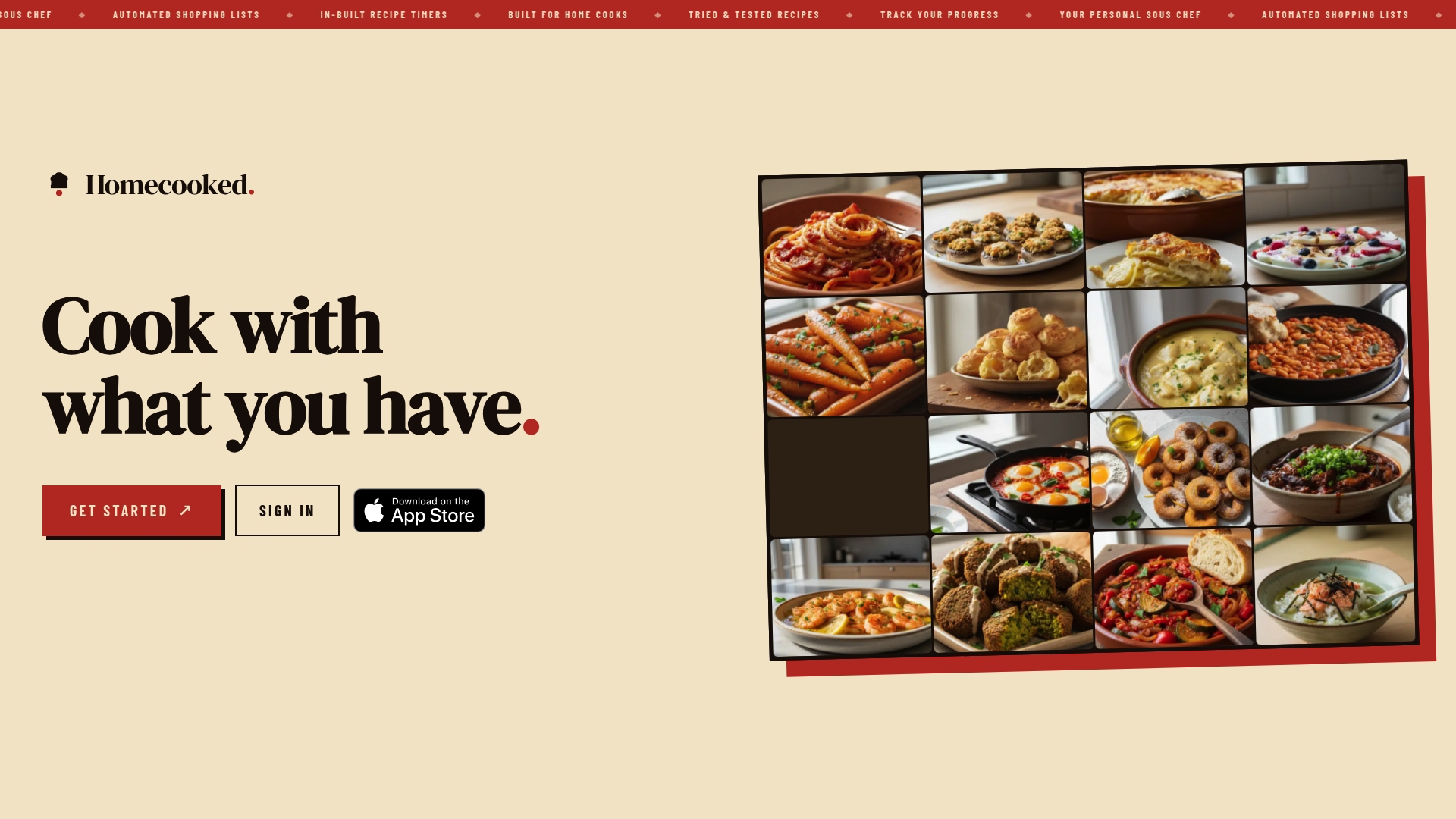
Guided recipes come with built-in timers that walk you through each component, from the rice on the stove to the tofu in the oven, so a batch session stays organized even when you’re juggling multiple pots. Pantry tracking means you’ll know what’s already on hand before you shop again. If you want to try the grocery list piece first, our shared grocery list is free with no sign-up required. From there, Homecooked scales the rest of the plan to your kitchen.
FAQ
What do I eat on a whole food plant-based diet?
You eat vegetables, fruits, whole grains, legumes, nuts, and seeds in forms close to their natural state, avoiding refined oils, added sugars, and heavily processed products. A typical day might include oatmeal with fruit, a grain and legume bowl with roasted vegetables, and a bean-based soup or stew, following definitions from the Center for Nutrition Studies.
What are some examples of whole food plant-based meals?
Common examples include lentil soup, black bean chili, tofu stir-fries over brown rice, grain bowls topped with roasted vegetables and chickpeas, and baked sweet potatoes with beans and greens. Recipe templates like peanut stew show how legumes, vegetables, and whole grains combine into a single freezer-friendly meal.
Is a whole food plant-based diet good for you?
Research links stronger adherence to healthy plant-based eating patterns with lower risks of type 2 diabetes, cardiovascular disease, cancer, and all-cause mortality, though this evidence is observational rather than proof of direct cause. Quality matters: patterns built on whole foods show stronger associations with better outcomes than those relying on processed plant-based products.
What is the best plant-based diet plan?
The most workable plan is one built around the Healthy Eating Plate model: half vegetables and fruit, a quarter whole grains, and a quarter protein foods like beans or tofu, adjusted to fit your energy needs and food preferences. A flexible, component-based approach that lets you remix batched grains, legumes, and vegetables tends to hold up better long term than a rigid, one-size recipe list.
Sources
- Healthy Eating Plate • The Nutrition Source (Harvard T.H. Chan School of Public Health)
- Systematic review and meta-analysis linking plant-based dietary patterns to lower chronic disease risk (2023)
- Umbrella review on plant-based diets and health outcomes (2024)
- Peanut stew recipe and MyPlate examples (USDA)