
Weekly meal planning is the purposeful act of scheduling your meals and grocery shopping ahead of time to simplify cooking, save money, and cut mealtime stress. Instead of asking “what’s for dinner?” every single night, you answer it once for the whole week and spend the rest of your evenings actually cooking rather than deciding. The result is a calmer kitchen, a leaner grocery bill, and meals you genuinely look forward to eating.
Table of Contents
- What Is Weekly Meal Planning and How Do You Start?
- Sample Weekly Dinner Plans With Recipes and Grocery Lists
- Tips and Strategies to Personalize and Simplify Your Plan
- How Homecooked Simplifies Weekly Planning and Grocery Shopping
- Key Takeaways
- Homecooked Takes the Guesswork Out of Weekly Dinners
What Is Weekly Meal Planning and How Do You Start?
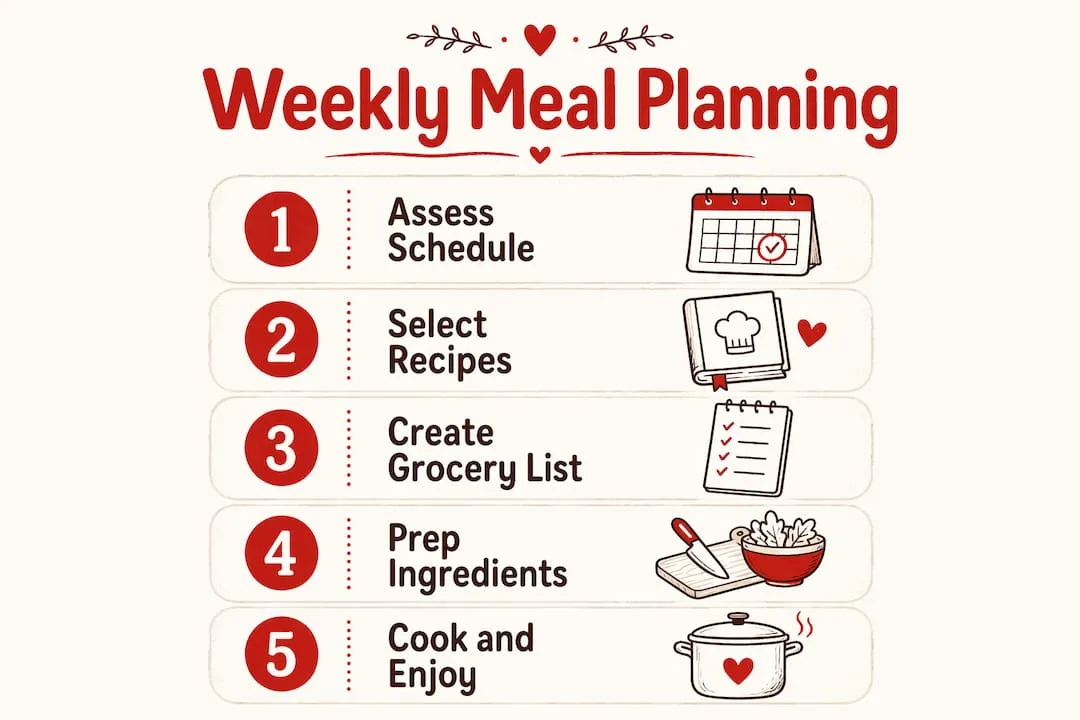
A solid weekly meal plan is less about perfection and more about having a system. The multi-step approach that works best for most home cooks looks like this:
- Check your calendar first. Identify which nights are busy, which are relaxed, and which might involve eating out or ordering in.
- Shop your own kitchen. Before writing a single grocery item, check your pantry, fridge, and freezer. Using what you already have reduces waste and trims your bill.
- Select your meals by category. Not every night calls for a full cooking session. Anchor meals are your bigger, more involved dinners. Flexible meals are quick weeknight standbys. No-cook nights lean on leftovers, deli rotisserie chicken, or simple assembly plates.
- Build a categorized grocery list. Group items by store section (produce, meat, dairy, pantry, frozen) so your shopping trip moves in one direction.
- Batch prep on Sunday. An hour of chopping vegetables, cooking a grain, or marinating a protein pays off all week long.
The Weekly Flow Method captures this idea well: real-life schedules rarely allow intense cooking every night, so building in low-effort days isn’t slacking, it’s smart planning. Most experienced planners aim for four home-cooked dinners rather than a full seven-day schedule, leaving room for leftovers, takeout, and social meals without guilt.
One more thing worth knowing: planning is about managing your energy, not just your ingredients. A Thursday night when you’re exhausted is not the night for a two-hour braise. Matching meal complexity to your actual schedule is what makes a plan stick week after week.
Sample Weekly Dinner Plans With Recipes and Grocery Lists
Seeing a real plan in action is the fastest way to understand how the pieces fit together. Here are two practical formats you can adapt immediately.
Plan A: The five-dinner family week
This style, popularized by family meal bloggers, covers Sunday through Friday with Wednesday as a built-in leftovers night. A sample week might look like:
- Sunday (anchor meal): Big baked ziti with roasted brussels sprouts and garlic bread. Make a double batch and freeze one pan for a future busy night.
- Monday (anchor meal): Taco cornbread casserole, one pan, dump-and-bake. Ground turkey, three kinds of beans, corn, and Jiffy cornbread on top.
- Tuesday (flexible meal): Simple baked salmon with baked potatoes and a bagged salad. On the table in under 30 minutes.
- Wednesday (no-cook night): Leftovers from Sunday and Monday. No shopping, no cooking, no stress.
- Thursday (flexible meal): Shrimp and grits with bacon, sweet onion, and Creole seasoning over creamy grits. About 35 minutes start to finish.
- Friday (quick meal): Cuban-inspired sausage and rice with black beans. Saturday becomes takeout or pizza night.
The grocery list for this kind of plan organizes by section: Meat (ground beef, salmon, shrimp, smoked sausage), Dairy (ricotta, mozzarella, cheddar, sour cream), Pantry (ziti, taco seasoning, Jiffy mix, instant grits, Vigo yellow rice), Produce (brussels sprouts, onion, bell pepper), and Frozen (as needed). Notice how the black beans and Kinder’s The Blend seasoning carry across multiple meals, which cuts both cost and shopping time.
Plan B: The mix-and-match summer week
A lighter, more flexible format works well when schedules are unpredictable. A sample rotation:
- Monday: Black bean burgers with summer sides
- Tuesday: Chicken fajitas (cornstarch in the spice mix keeps the chicken extra juicy)
- Wednesday: Grilled tri-tip with a grilled Caesar salad
- Thursday: Marry me shrimp pasta
- Friday: Buttermilk fried chicken with BBQ baked beans
For this style, the grocery list organized by store section prevents buying duplicates and keeps your cart moving efficiently. Shared ingredients across recipes, like garlic, olive oil, and lemon, appear once on the list rather than five times.
Pro Tip: Build your grocery list in two passes. First, write every ingredient every recipe needs. Second, go through your kitchen and cross off what you already have. What remains is your actual shopping list, and it’s usually shorter than you expect.
Tips and Strategies to Personalize and Simplify Your Plan
Getting a plan on paper is step one. Making it work for your actual life is where most home cooks find their rhythm. These strategies help.
Balance variety with leftovers
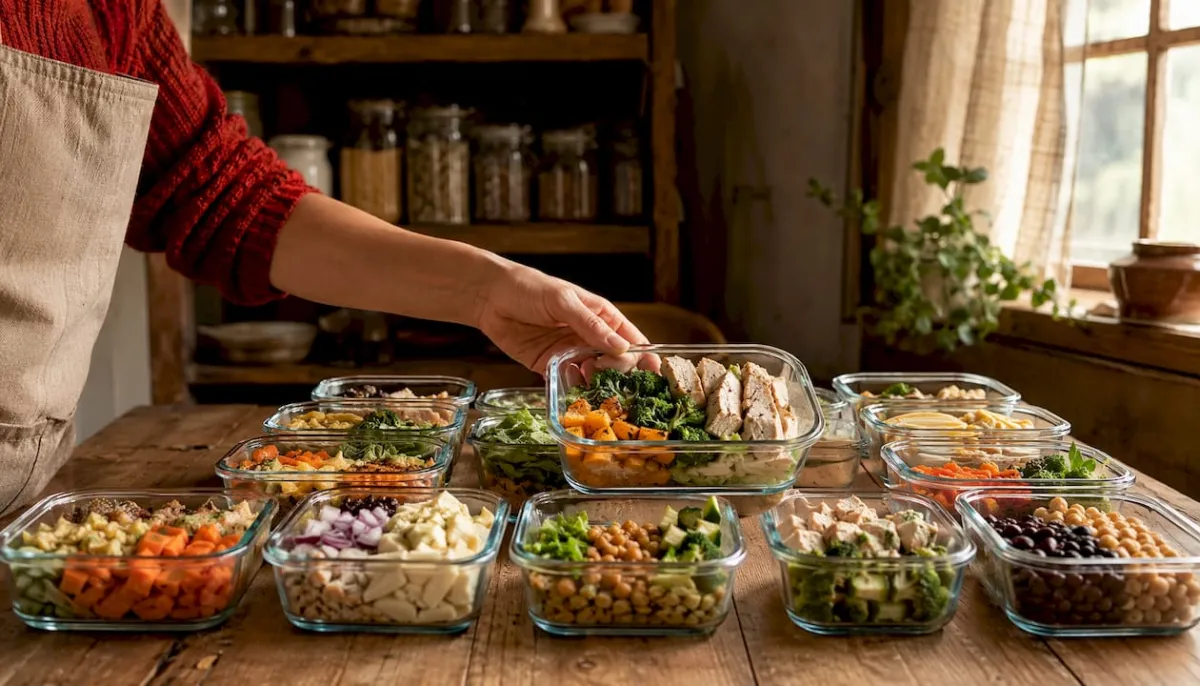
Planning meals that produce intentional leftovers is one of the highest-leverage moves in weekly cooking. A big baked ziti on Sunday feeds dinner that night and lunch on Monday. A whole roasted chicken becomes chicken tacos on Tuesday and curried chicken salad sandwiches on Thursday. You cook once and eat twice, which cuts both active cooking time and grocery spend.
Use seasonal produce and weekly sales
Check your grocery store’s weekly circular before you finalize your plan. Produce sales tend to follow the seasons naturally, which rotates your meals without any extra effort on your part. Meat sales are especially worth watching: stocking up on chicken thighs, pork shoulder, or ground beef when prices drop, then freezing the surplus, gives you a built-in protein inventory. For easy weeknight meals that use affordable proteins, having a few freezer staples on hand makes all the difference.
Adjust for dietary needs and family preferences
If someone in your household avoids gluten, dairy, or meat, the simplest fix is building the plan around a naturally compliant base and adding the extras on the side. A taco night where the seasoned beef, rice, and toppings are all separate lets everyone build their own plate. Soups and grain bowls work the same way. You cook one meal; everyone customizes their bowl.
Be realistic about your schedule
Add extra time to recipe estimates when you’re planning. A recipe that claims 20 minutes in a test kitchen often takes longer in a real home kitchen, especially on a weeknight when you’re also helping with homework or answering emails. Planning for meals to take more time than the recipe states is a habit that prevents the 7 PM panic of realizing dinner is nowhere near ready.

Build a core recipe list
Keeping a running list of 10 to 15 meals your household reliably loves speeds up planning dramatically. Decision fatigue is real, and staring at a blank weekly template every Sunday is what makes people give up on planning altogether. With a go-to list, you’re choosing from a short menu of proven winners rather than browsing the entire internet for inspiration. Add one new recipe per week to keep things interesting without overhauling the whole plan.
Pro Tip: When batch prepping, USDA guidelines confirm that prepped ingredients like chopped vegetables or hard-boiled eggs stay safe refrigerated at 40°F or below for 3–4 days. Prep on Sunday and you’re covered through Wednesday or Thursday without any quality loss.
For families managing multiple dietary needs, a weeknight guide for easy family meals can offer useful inspiration for building flexible, crowd-pleasing plans around kitchen staples.
How Homecooked Simplifies Weekly Planning and Grocery Shopping
Apps built specifically for meal planning remove the friction that makes manual planning feel like a chore. Homecooked is designed around exactly this problem: it generates a personalized meal plan based on your health goals and dietary preferences, so you’re not starting from a blank page every week.
Here’s what that looks like in practice:
- Personalized plans from day one. Homecooked builds your weekly meal plan around your specific dietary needs, whether that’s low-carb, gluten-free, high-protein, or something else entirely. You’re not adapting a generic plan; you’re getting one built for you.
- Automated, categorized grocery lists. Once your plan is set, Homecooked generates a shopping list organized by store section automatically. No manual list-building, no forgotten items, no duplicate purchases.
- Step-by-step guided recipes with integrated timers. Each recipe walks you through the process in real time, with timers built in so you’re not watching the clock or second-guessing doneness.
- Pantry tracking. Log what you already have and Homecooked factors it into your plan, so you’re only buying what you actually need. This directly reduces food waste and keeps grocery costs down.
- Progress tracking and AI-powered cooking assistance. Whether you’re working toward a health goal or just trying to cook more consistently, Homecooked tracks your progress and offers cooking guidance when you need it.
The combination of personalized planning, automated shopping, and guided cooking covers the three steps where most home cooks lose momentum: deciding what to make, figuring out what to buy, and actually executing the recipe on a weeknight.
Key Takeaways
A consistent weekly meal plan built around your real schedule, your pantry, and a core list of go-to recipes is the most reliable way to reduce cooking stress and grocery spend.
| Point | Details |
|---|---|
| Start with your calendar and pantry | Check your schedule and existing ingredients before selecting any meals for the week. |
| Plan around 4 dinners, not 7 | Leave room for leftovers, takeout, and social meals to keep the plan realistic and sustainable. |
| Categorize meals by effort | Use anchor, flexible, and no-cook nights to match meal complexity to your actual energy level. |
| Organize grocery lists by store section | Grouping items by department prevents duplicates and makes shopping faster. |
| Homecooked automates the process | Homecooked builds personalized weekly plans, generates categorized shopping lists, and guides you through each recipe with timers. |
Homecooked Takes the Guesswork Out of Weekly Dinners
Planning five dinners a week from scratch, building a grocery list, and tracking what’s already in your pantry adds up to a real time investment. Homecooked handles all of it in one place, and it does it around your specific health goals and dietary preferences, not a one-size-fits-all template.
Where a paper plan or a spreadsheet still leaves you hunting for recipes and manually writing out your shopping list, Homecooked generates a full weekly meal plan, builds a categorized grocery list automatically, and walks you through each recipe step by step with integrated timers. Pantry tracking means you’re only buying what you actually need, and progress tracking keeps your health goals in view week after week. If you’ve been meaning to get your weekly cooking more organized, start your free trial and see how much easier Sunday planning gets when the app does the heavy lifting.
Recommended
- Turn Your Meal Plan Into a Smart, Zero-Waste Grocery List
- 31 easy weeknight meals that actually beat takeout
- Blog · Homecooked
- Recipes by Ingredient: Turn Pantry Staples Into Dinner Fast
Balanced recipes to plan your week around
1Greek Chicken Quinoa Bowl

Greek24 min6g fiber46g protein
Lemon-oregano chicken with a chopped Greek salad and tzatziki over quinoa — high in fibre and protein, easy on the blood sugar.
View recipe →2Salmon & Broccoli Traybake
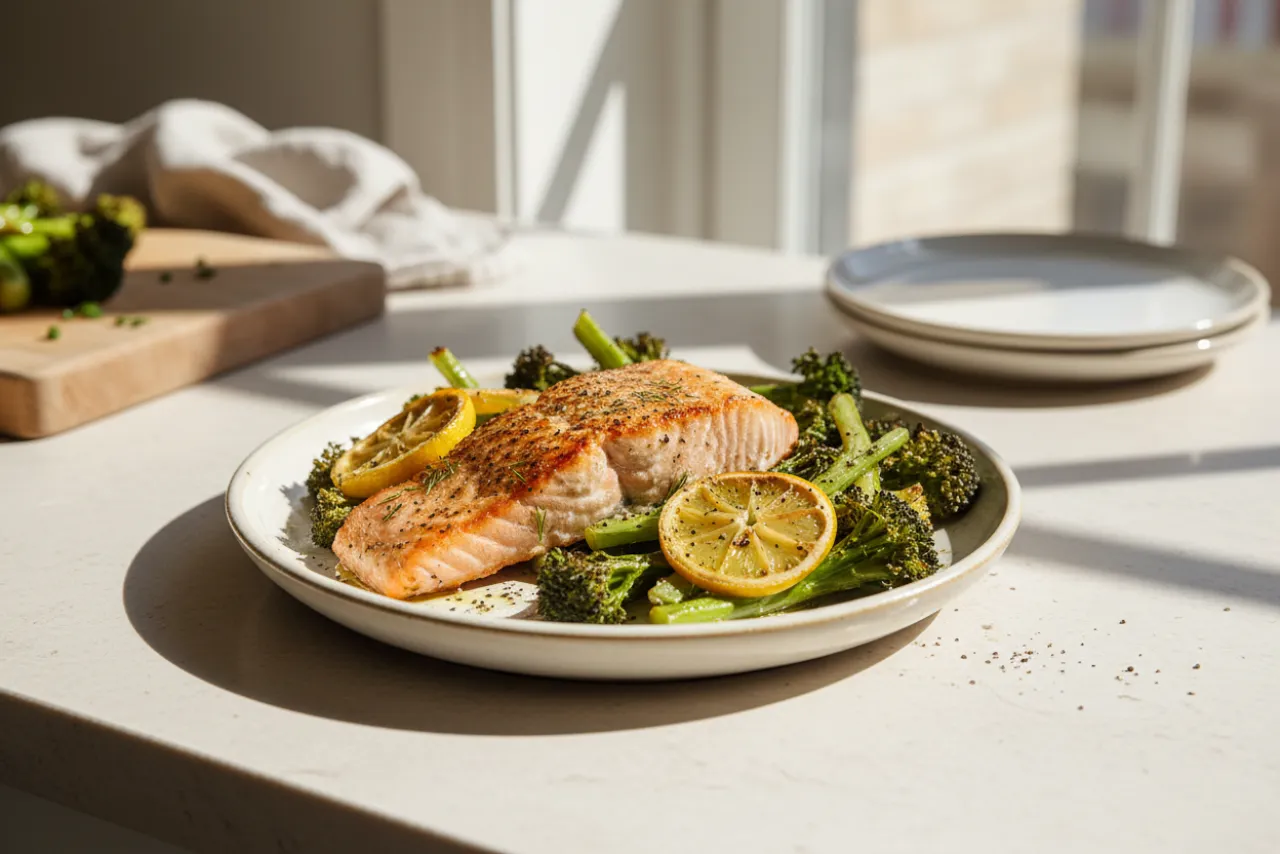
American25 min7g fiber43g protein
Salmon fillets roasted on one tray with broccoli and lemon — a thirty-five-gram-protein dinner with almost no washing up.
View recipe →3Turkey Taco Skillet
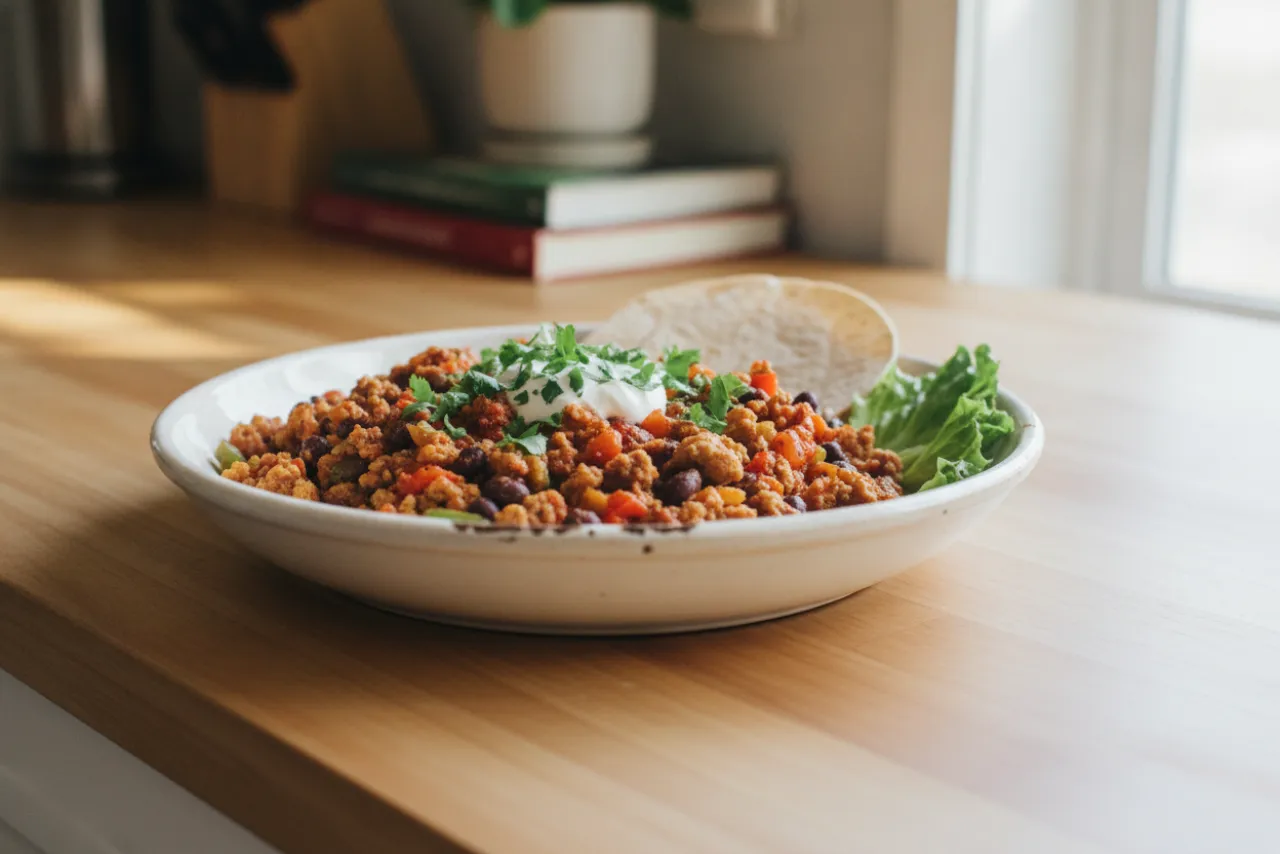
Mexican20 min10g fiber42g protein
Lean ground turkey browned with peppers and taco spices — a thirty-five-gram-protein one-pan dinner for bowls, wraps, or lettuce cups.
View recipe →4Kung Pao Shrimp
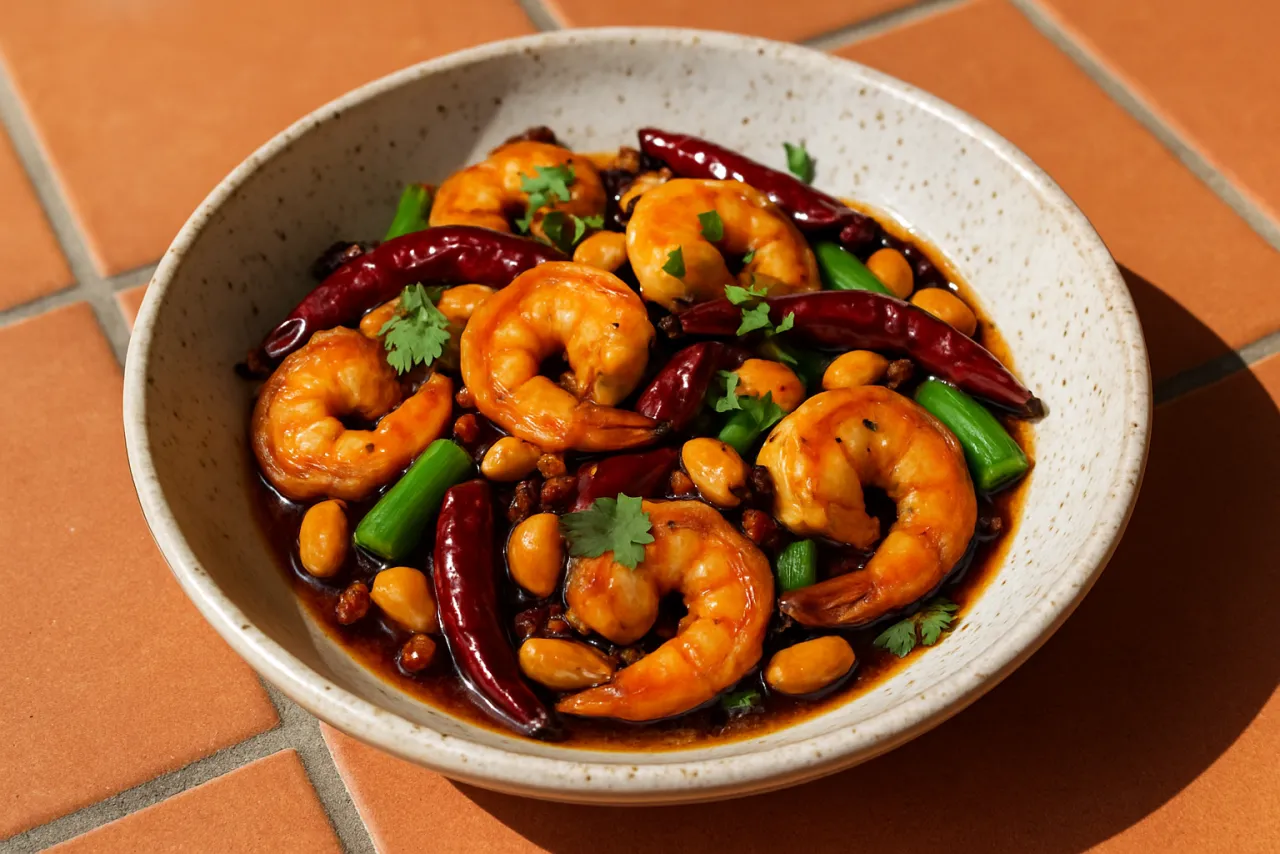
Chinese20 min6g fiber51g protein
Shrimp stir-fried with peanuts, chilli, and Sichuan pepper.
View recipe →5Chicken & Edamame Stir-Fry
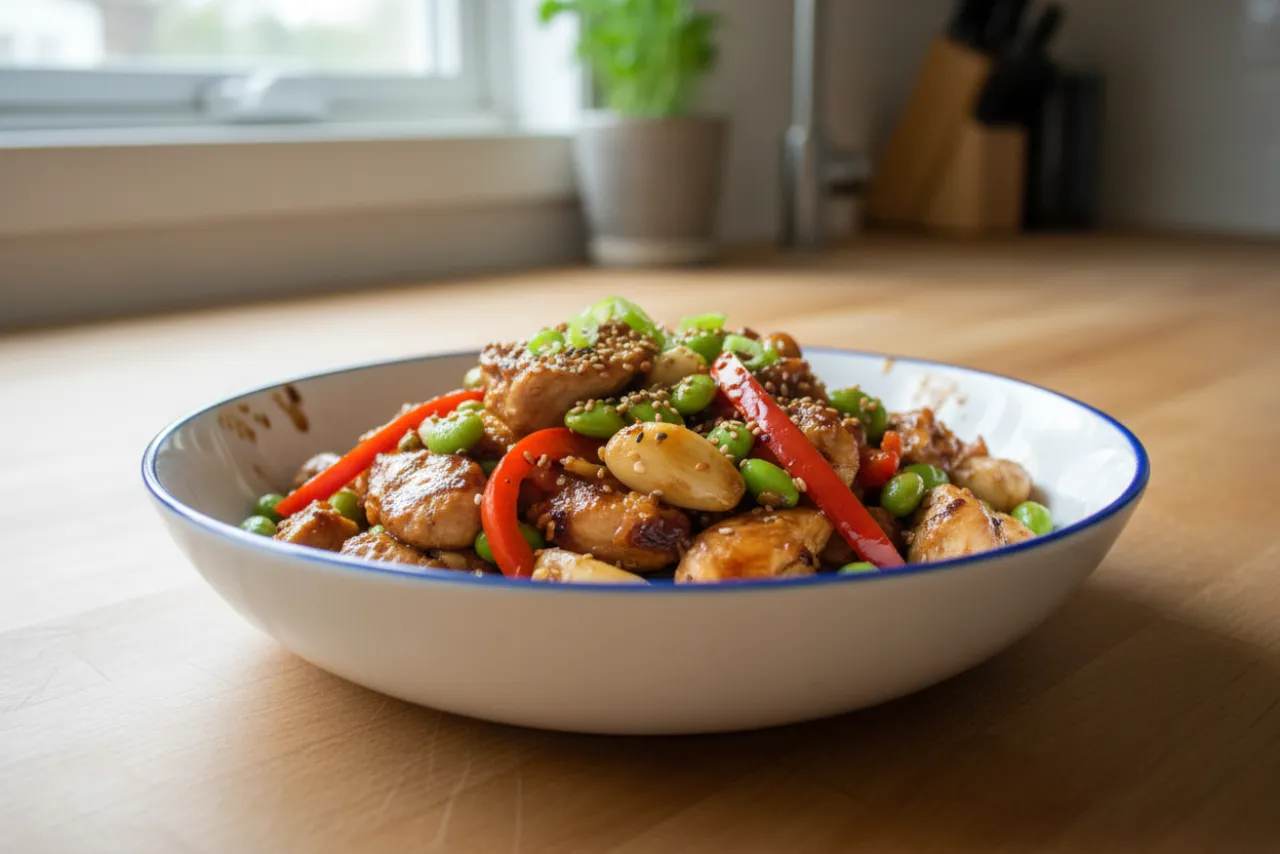
Chinese20 min6g fiber47g protein
Chicken breast and edamame stir-fried in a garlicky soy glaze — a forty-gram-protein dinner faster than delivery.
View recipe →6Baked Cod with Greens
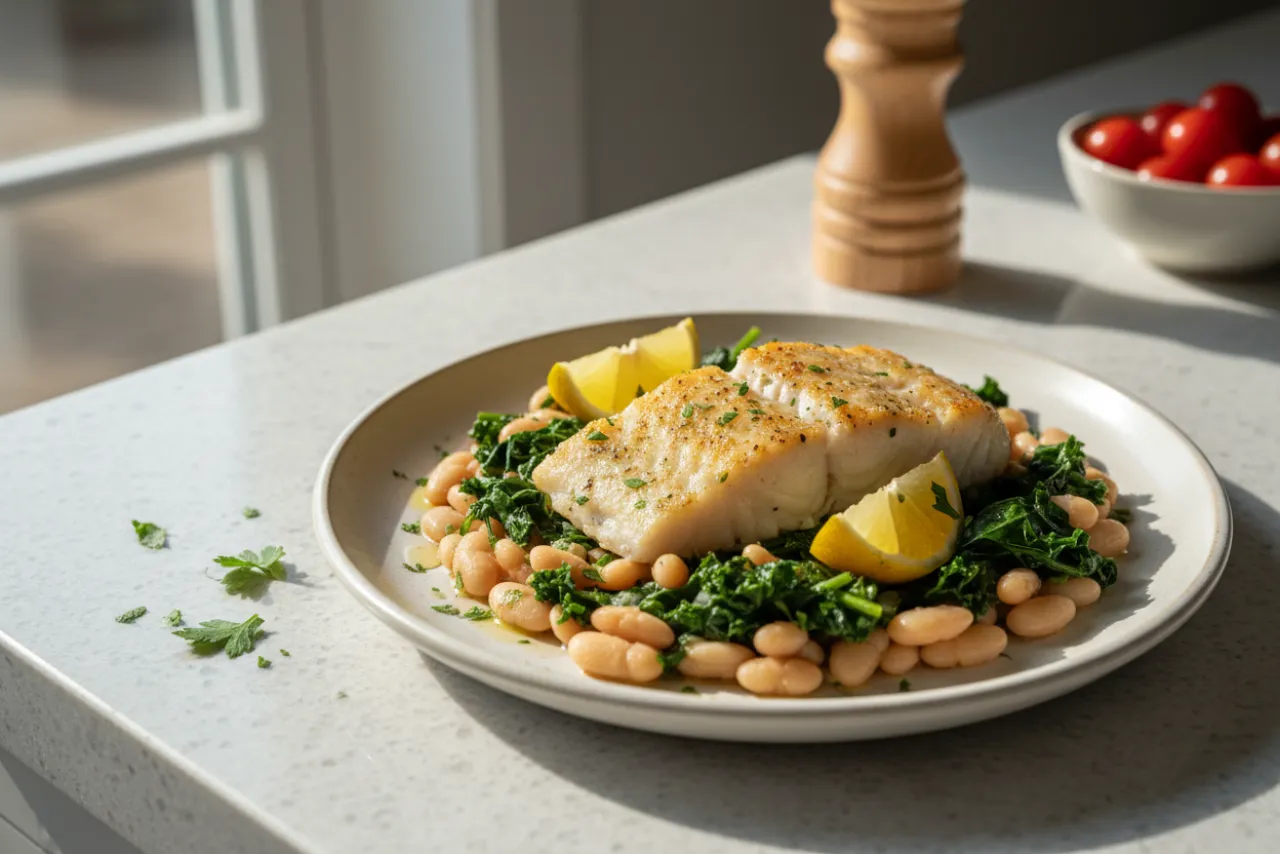
Mediterranean25 min10g fiber39g protein
A small cod fillet baked with white beans and wilted greens — lean protein and fiber in a light, low-grease dinner.
View recipe →7Carnitas Bowl

Mexican18 min9g fiber40g protein
Crisp cumin pork with avocado, cheese, and lime over konjac rice — a rich, crisp-edged carnitas bowl.
View recipe →8Tuna & Cannellini Bean Bowl

Italian20 min7g fiber41g protein
Seared tuna over warm white beans with lemon and sage. Fifteen minutes, huge protein and fiber.
View recipe →9Chicken & Spinach Rice Bowl

Indian26 min5g fiber50g protein
Spiced chicken with wilted spinach and tomato over a scoop of brown rice — lean and warming.
View recipe →10Turkey & Lentil Polpette in Tomato

Italian40 min7g fiber41g protein
Lean turkey meatballs bulked with lentils, braised in tomato. High protein, real fiber, high-protein per serving.
View recipe →11Spaghetti Gamberi e Zucchine

Italian19 min9g fiber41g protein
A small twirl of spaghetti lost in a bowl of shrimp and lemony zucchini ribbons.
View recipe →12Baked Cod with White Beans
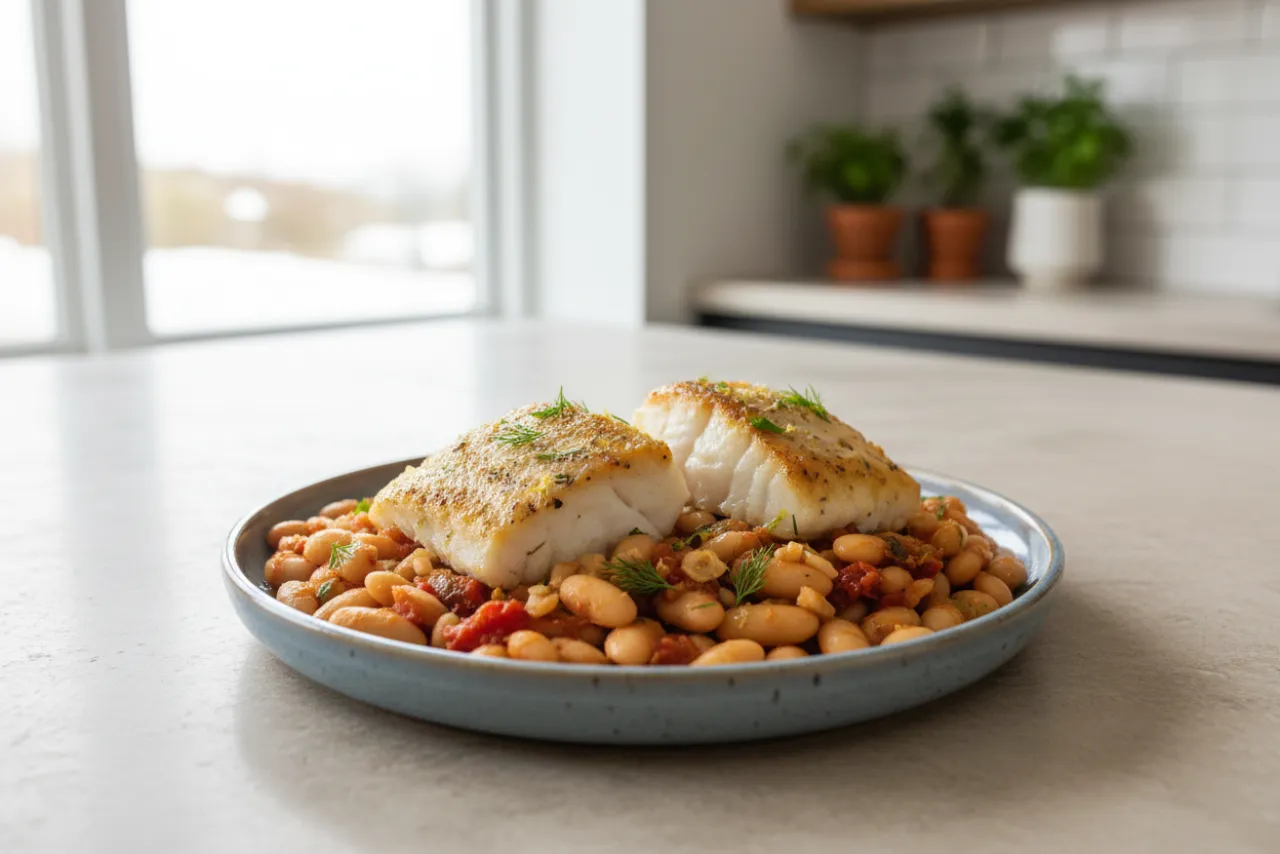
Mediterranean30 min9g fiber38g protein
Cod fillets baked over garlicky white beans and tomato — a light, high-protein dinner in one dish.
View recipe →