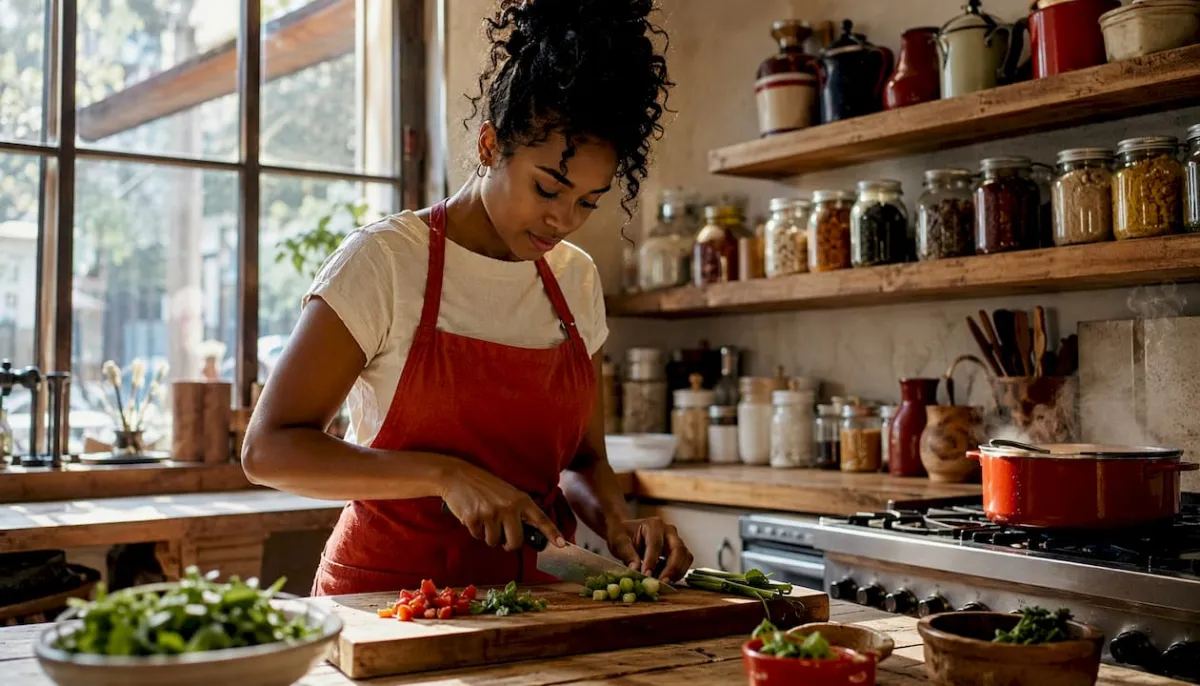
Meal planning for busy people works best when you stop trying to plan everything perfectly and start building a repeatable system instead. The core strategy is simple: combine your planning, shopping, and prep into one or two short weekly sessions, rotate a small set of meal categories across the week, and lean on versatile components rather than fully cooked meals. That approach alone cuts decision fatigue, shrinks your grocery bill, and gets dinner on the table faster than any single recipe hack ever could.
Here’s what a solid weekly system looks like in practice:
- Pick 4–5 dinners for the week and let leftovers or a reliable pantry meal cover the rest
- Assign meal types to days (pasta night, sheet-pan night, one-pot night) so you never stare blankly at the fridge
- Prep components, not full meals: cook one protein, one grain, and a tray of roasted vegetables on Sunday
- Group your grocery list by store section to cut shopping time and avoid backtracking
- Use Homecooked to generate a personalized weekly plan based on your health goals, dietary preferences, and what’s already in your pantry
The payoff is real: less stress mid-week, less food waste, and meals that actually match what you feel like eating.
Table of Contents
- How to schedule your meal planning and prep time
- Practical meal prep tips that actually fit a busy life
- Breakfast meal prep ideas for busy adults
- Lunch and dinner meal prep recipes and ideas
- What tools and resources make meal prep faster?
- How personalized meal planning apps simplify your busy week
- Homecooked makes your weekly meal plan personal
- Key Takeaways
How to schedule your meal planning and prep time
The biggest reason meal planning falls apart is that it never gets scheduled. Treat your prep session like a standing appointment, not something you’ll get to eventually.
Sunday afternoon is the classic choice, and it works because you have the mental bandwidth to think ahead. But if your Sundays are packed, a Thursday evening plan-and-shop session followed by a Saturday morning prep works just as well. The key is consistency, not the specific day.
- Assess your week first. Look at your calendar before you plan a single meal. A Tuesday with back-to-back meetings calls for a slow-cooker recipe or leftovers, not a 45-minute stir-fry.
- Use a rotating meal-type framework. Assigning categories to weeknights (pasta Monday, protein-plus-vegetables Tuesday, one-pot Wednesday) means you reduce decision fatigue without locking yourself into rigid recipes.
- Plan only 4–5 dinners. Filling every night with a new recipe leads to burnout fast. Planning fewer dinners and supplementing with leftovers or a backstop meal keeps the system sustainable.
- Organize your grocery list by section: produce, proteins, dairy, dry goods. An organized list saves at least 15 minutes per shopping trip by eliminating backtracking.
- Split the tasks if needed. Plan on Thursday, shop on Friday, prep on Saturday. Breaking it into smaller chunks prevents the weekend from feeling consumed by cooking.
Pro Tip: Focus your prep session on components, not complete meals. Cook one protein, one grain, and a sheet pan of roasted vegetables. From those three building blocks, you can assemble grain bowls, wraps, salads, and stir-fries all week without repeating the same plate twice.
Practical meal prep tips that actually fit a busy life
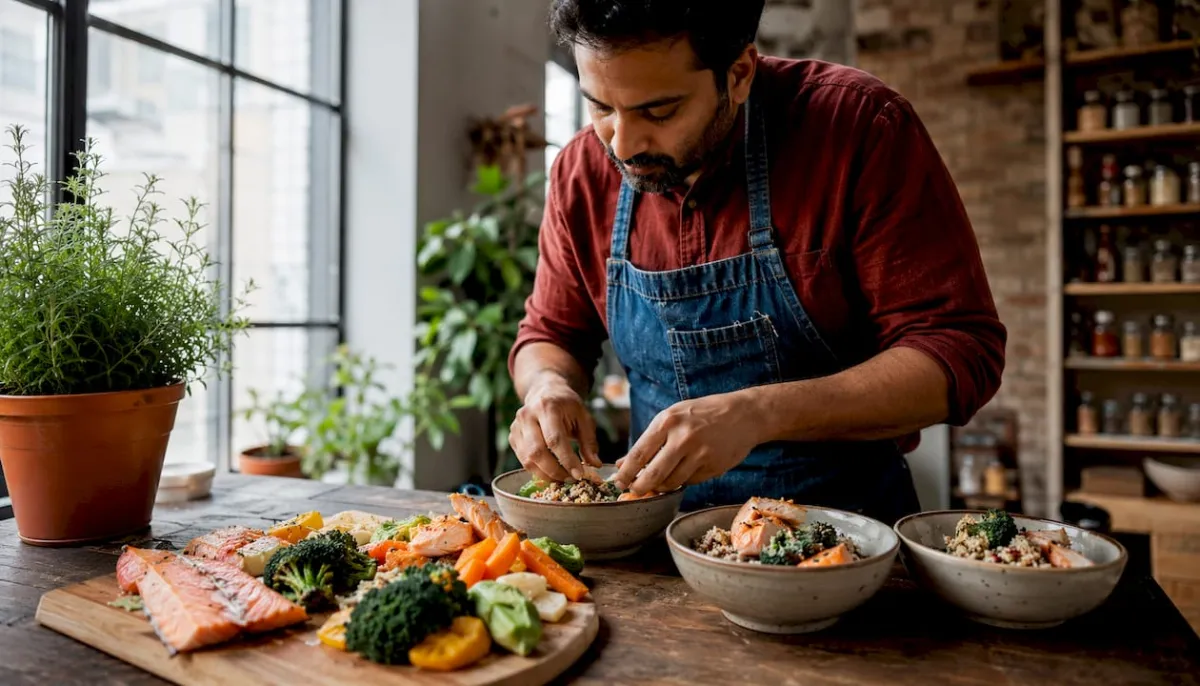
The goal of meal prep is not to spend your entire Sunday in the kitchen. A focused 30-minute session to chop vegetables and marinate proteins can cut your weeknight cooking time in half.
- Prep ingredients for multiple meals at once. Chop all your onions for the week in one go. Brown ground meat for two different dishes while the pan is already hot. Colorado State University Extension notes this approach also saves cleanup time.
- Repeat your favorites without guilt. Rotating a small set of reliable meals reduces mental load and improves consistency. Repetition is a strength, not a failure of creativity.
- Build in flex nights. One “leftover night” and one planned takeout per week give you breathing room when the week goes sideways.
- Batch cook and freeze. Make a double batch of chili, soup, or a grain dish and freeze half. Label everything with a date so nothing gets lost in the back of the freezer.
- Keep 3–5 pantry meals ready. Pasta with meat sauce, rotisserie chicken salad, or a quick grain bowl from pantry staples are your emergency defaults when plans change.
- Use smart shortcuts. Pre-chopped produce, canned beans, and a store-bought rotisserie chicken are not cheating. They are time-saving tools that keep you cooking at home instead of ordering out.
- Overlap ingredients across meals. If roasted sweet potatoes appear in Tuesday’s grain bowl, they can also go into Thursday’s quesadilla. Ingredient overlap is the fastest way to minimize food waste.
Breakfast meal prep ideas for busy adults
Breakfast is the easiest meal to prep ahead, and the one most people skip when mornings get rushed. A few minutes on Sunday sets you up for the whole week.
- Overnight oats. Combine rolled oats, milk or a plant-based alternative, chia seeds, and your choice of fruit in a jar. Refrigerate overnight and grab it straight from the fridge. Make five jars at once and you have breakfast covered Monday through Friday. Try Homecooked’s apple cinnamon oatmeal as a starting point.
- Mini frittatas. Whisk eggs with chopped vegetables and a little cheese, pour into a muffin tin, and bake. They store well for four to five days and reheat in two minutes.
- Greek yogurt parfaits. Layer yogurt, granola, and berries in individual jars. No cooking required, and the protein keeps you full through a busy morning.
- Hard-boiled eggs. Batch-cook a dozen at the start of the week. Pair with whole-grain toast or fruit for a complete, fast breakfast.
- Smoothie packs. Portion fruit, spinach, and protein powder into freezer bags. In the morning, dump one bag into a blender with liquid and you’re done in 90 seconds.
The common thread across all of these: they use overlapping ingredients (eggs, fruit, oats) that also appear elsewhere in your weekly plan, which keeps your grocery list short and your food waste low.
Lunch and dinner meal prep recipes and ideas
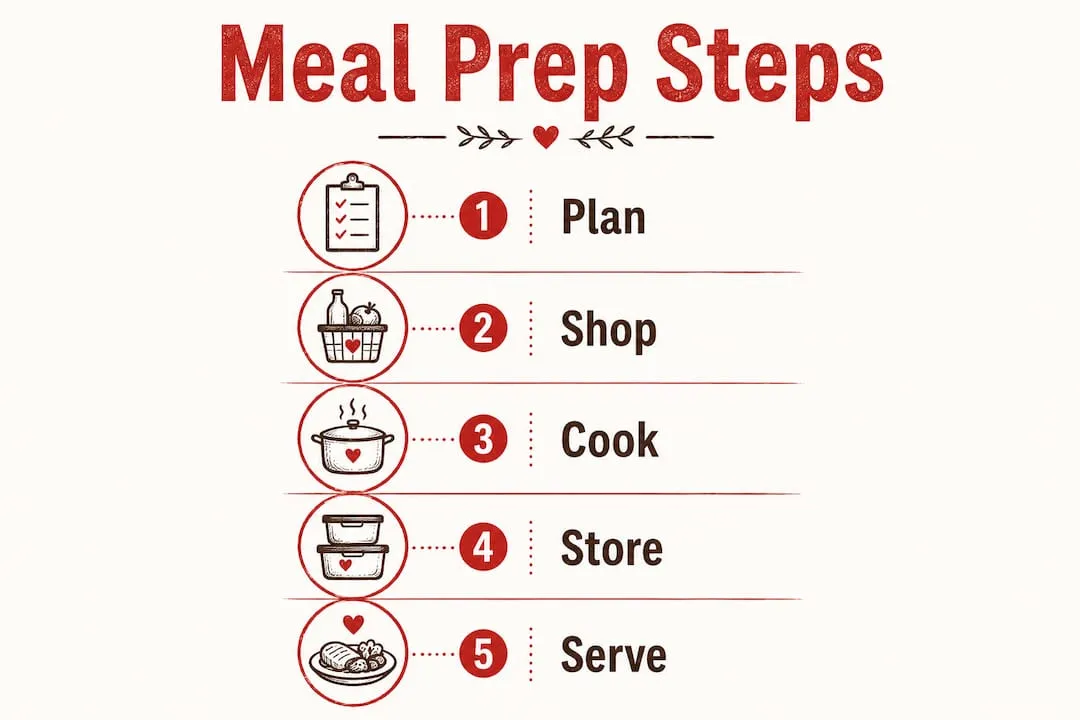
The most practical lunch and dinner ideas for busy schedules share one trait: they either cook mostly unattended or assemble quickly from prepped components. Here’s a working list organized by format.
- Sheet pan meals. Toss a protein (chicken thighs, salmon, sausage) and vegetables with olive oil and seasoning on one pan. Roast at 400°F for 25–35 minutes. Prep time is under 10 minutes; cleanup is minimal. Rotate the protein each week for variety.
- One-pot dishes. Chili, lentil soup, and chicken and rice all cook in a single pot with minimal hands-on time. Make a large batch and portion it into containers for lunches through Thursday.
- Slow cooker recipes. Add ingredients in the morning, come home to dinner. Turkey chili and pulled chicken are reliable, freezer-friendly options that work for both dinner and next-day lunches.
- Grain bowls. Cook a big batch of quinoa, farro, or brown rice on Sunday. Pair with whatever protein and vegetables you have prepped, add a dressing, and lunch is assembled in three minutes. Check out lunch meal prep ideas for 20 make-ahead recipes that follow this exact format.
- Tacos and burrito bowls. Season and cook ground turkey or beef in bulk. Use it for tacos on Tuesday and a burrito bowl on Thursday. Same protein, two completely different meals.
- Mason jar salads. Layer dressing at the bottom, then hearty vegetables, then greens on top. They stay crisp for three to four days in the fridge.
- Leftover management. Roast a whole chicken on Sunday and use the meat in salads, wraps, and soups through midweek. Leftover grain bowl components become a stir-fry on Wednesday night. Strategic reuse is what separates a good plan from a great one.
For a broader set of easy weeknight meals that fit this prep-ahead model, Homecooked’s blog has 31 options that genuinely beat takeout on both time and cost.
What tools and resources make meal prep faster?
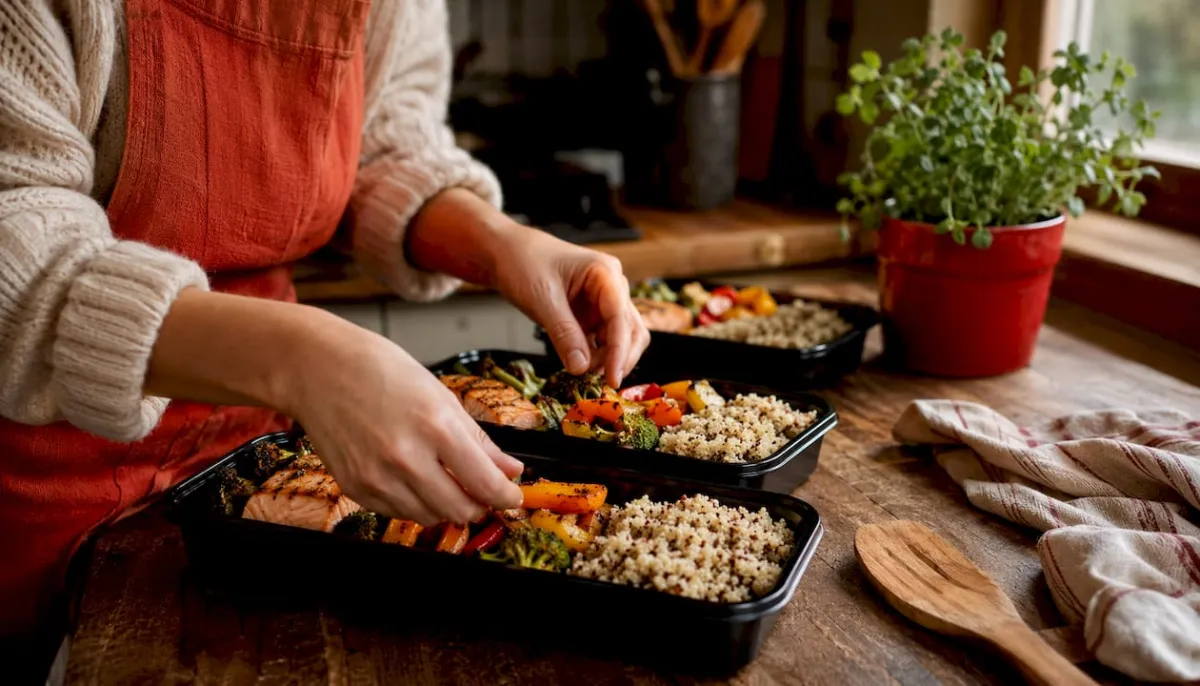
The right equipment does not need to be expensive. A few well-chosen tools make a measurable difference in how quickly you get through prep.
- Sheet pans and a Dutch oven. These two pieces of cookware cover the majority of batch-cooking methods: roasting, braising, and one-pot cooking.
- Airtight glass containers. Glass containers let you see what’s inside at a glance, which means less forgotten food and less waste. Label everything with a date.
- A slow cooker or Instant Pot. Both reduce hands-on cooking time dramatically. The slow cooker is especially useful for busy families who want dinner ready when they walk in the door.
- A sharp chef’s knife and a large cutting board. Component prep is faster and safer with proper tools. A dull knife is the single biggest friction point in a prep session.
- Homecooked app. Homecooked generates personalized meal plans based on your health goals and dietary preferences, builds your shopping list automatically, and provides step-by-step guided recipes with integrated timers. It also tracks your pantry so you’re not buying ingredients you already have.
- Smart recipes with parallel steps. Learning to cook with parallel steps (roasting vegetables while a grain cooks on the stovetop, for example) cuts total kitchen time without requiring any extra skill.
- A weekly meal planning template. A simple printed calendar or a notes app works fine. The structure matters more than the tool.
How personalized meal planning apps simplify your busy week
A personalized meal planning app does something a handwritten list cannot: it adapts to you. Instead of spending 20 minutes deciding what to cook, you answer a few questions about your goals and preferences, and the app builds the week’s plan for you.
Here’s what that looks like in practice with Homecooked:
- Customized plans from day one. Homecooked asks about your health goals, dietary restrictions, and flavor preferences before generating a plan. Whether you’re eating gluten-free, following a high-protein diet, or just trying to eat more vegetables, the plan reflects your actual life.
- Automated shopping lists. Once your plan is set, Homecooked generates a grocery list organized by category. No more scanning three different recipes and trying to consolidate ingredients in your head.
- Pantry tracking. The app tracks what you already have, so your shopping list only includes what you actually need. That alone cuts both spending and food waste.
- Step-by-step guided recipes with timers. Each recipe includes integrated timers and parallel-step guidance, so you’re never standing in the kitchen wondering what to do next.
- Progress tracking. Homecooked tracks your nutrition and cooking habits over time, which helps you see patterns and adjust your plan as your goals evolve.
The mental load reduction is the real benefit. When you’re not spending energy deciding what to eat, you have more of it for everything else. For anyone who has tried meal planning and abandoned it after two weeks, a personalized app removes the friction that usually causes that dropout. You can also find stress-reducing menu planning tips that complement what an app like Homecooked provides.
Homecooked makes your weekly meal plan personal
Meal planning works best when it fits your actual life, not a generic template. Homecooked is built for exactly that: it takes your health goals, dietary preferences, and weekly schedule and turns them into a personalized plan with automated grocery lists, pantry tracking, and guided recipes that walk you through every step.
Where a handwritten plan requires you to do all the thinking upfront, Homecooked handles the logistics so you can focus on cooking and eating well. The bibimbap recipe is a good example of what the app delivers: a complete, nutritious meal with guided steps and a built-in timer, ready to slot into any weekly plan. Start your free trial at Homecooked and have your first personalized meal plan ready before the week begins.
Key Takeaways
Effective meal planning for busy people comes down to one principle: prep components, not complete meals, and let a rotating framework handle the rest.
| Point | Details |
|---|---|
| Use a rotating meal framework | Assigning meal types to weeknights eliminates daily decision fatigue and keeps planning consistent. |
| Plan 4–5 dinners, not seven | Supplementing with leftovers and pantry meals prevents burnout and fits unpredictable schedules. |
| Organize your grocery list by section | Grouping items by store section noticeably reduces shopping time on every trip. |
| Prep components, not full meals | One protein, one grain, and roasted vegetables give you varied meals all week from a single prep session. |
| Homecooked personalizes the whole system | The app builds your weekly plan, automates your shopping list, and guides you through recipes with integrated timers. |
Recommended
- Turn Your Meal Plan Into a Smart, Zero-Waste Grocery List
- Recipes by Ingredient: Turn Pantry Staples Into Dinner Fast
- Lunch Meal Prep: 20 Make-Ahead Recipes · Homecooked
- Smart Recipes: Timers and Parallel Steps to Cook Faster
Fast recipes for a busy week
1Spicy Chili Garlic Prawns
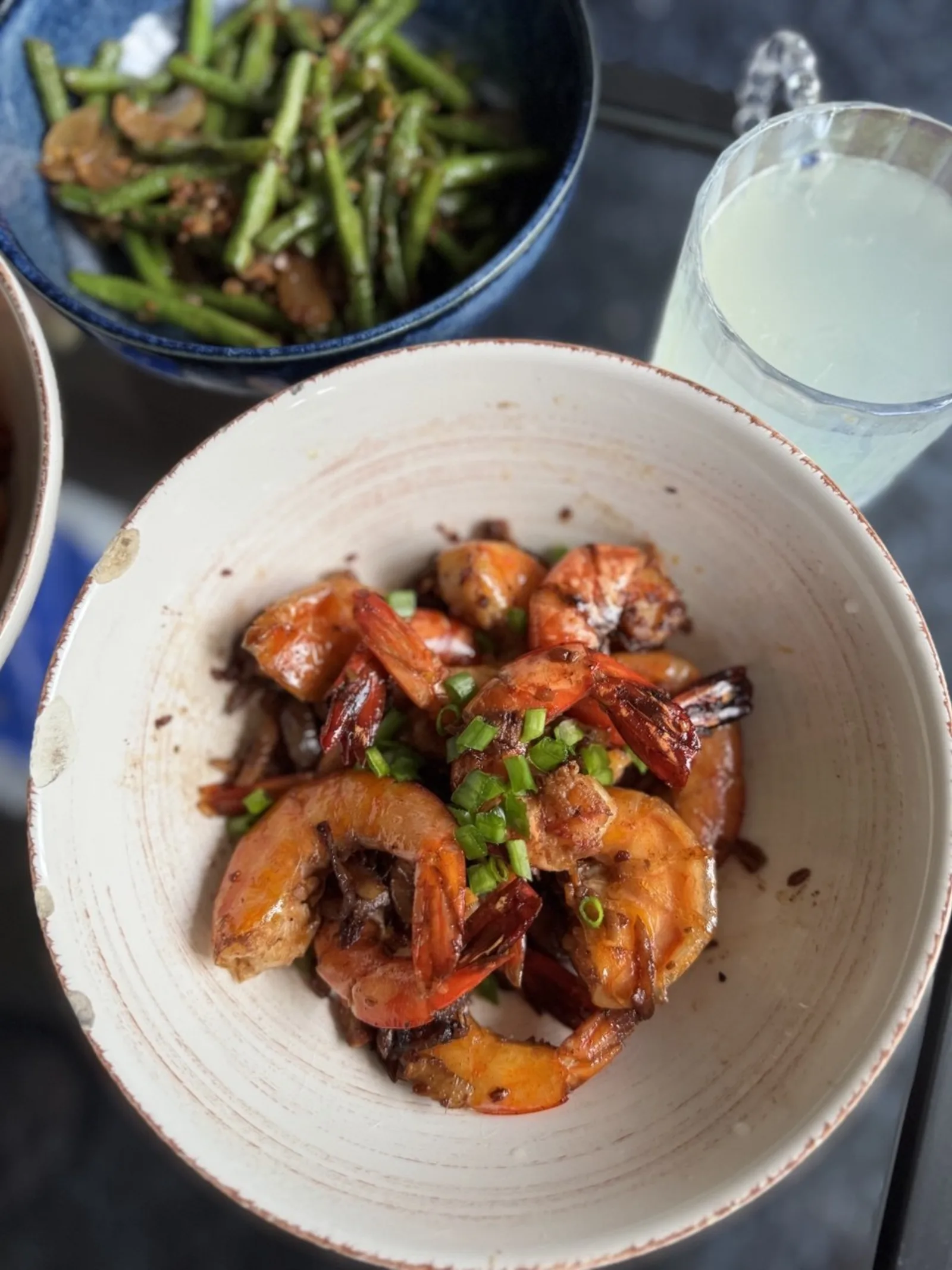
Chinese15 min0g fiber43g protein
Big shell-on prawns in a sticky chili-garlic glaze, finished with scallion. Hot, fast, sweet-savoury.
View recipe →2Garlic Shrimp Skillet
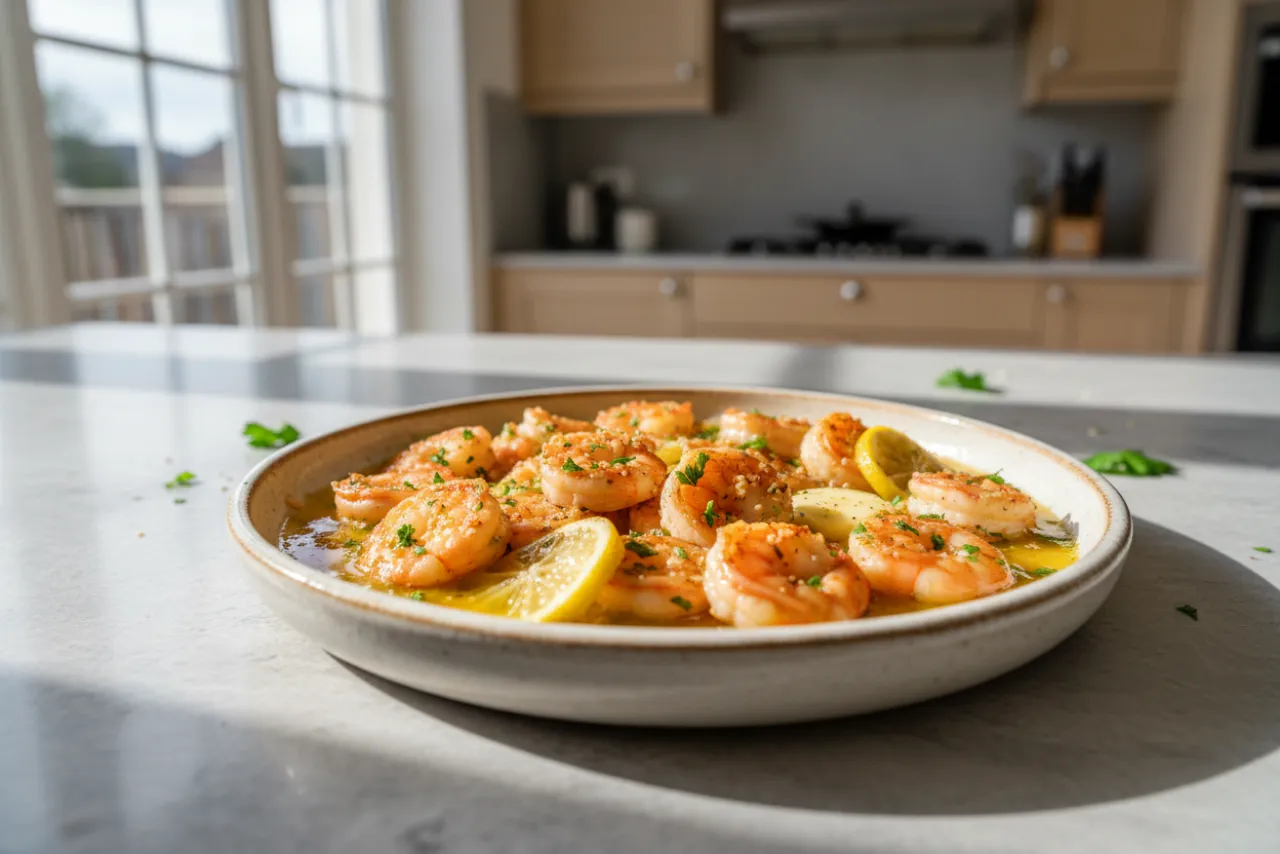
Mediterranean12 min1g fiber41g protein
Shrimp seared in garlic, lemon, and a little butter — a thirty-gram-protein dinner ready in twelve minutes.
View recipe →3Omelette aux Fines Herbes
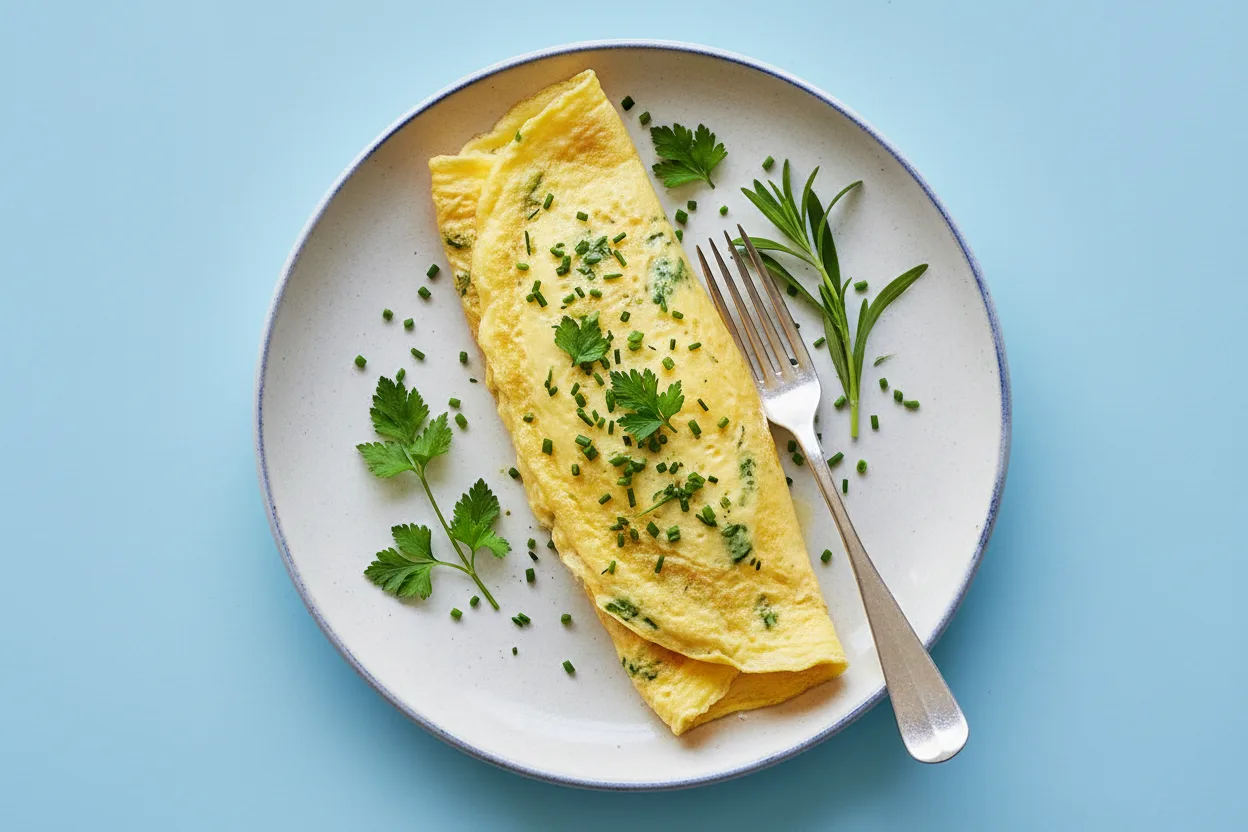
French8 min1g fiber20g protein
The classic rolled French omelet — buttery, pale yellow, soft inside.
View recipe →415-Minute Weeknight Ramen
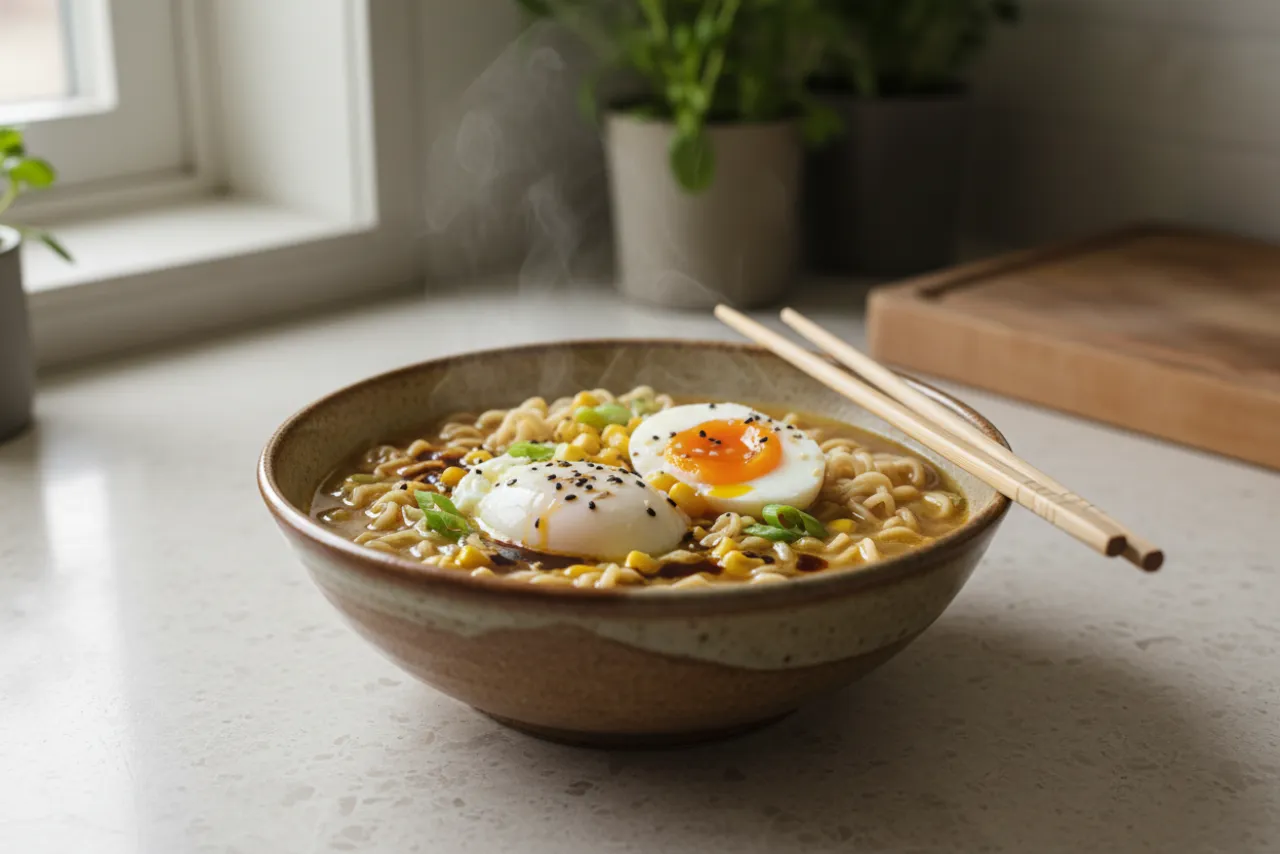
Japanese15 min2g fiber30g protein
One pot, fifteen minutes — a miso-soy broth built on grated aromatics, noodles cooked right in it, and an egg poached on top.
View recipe →5Tamago Donburi
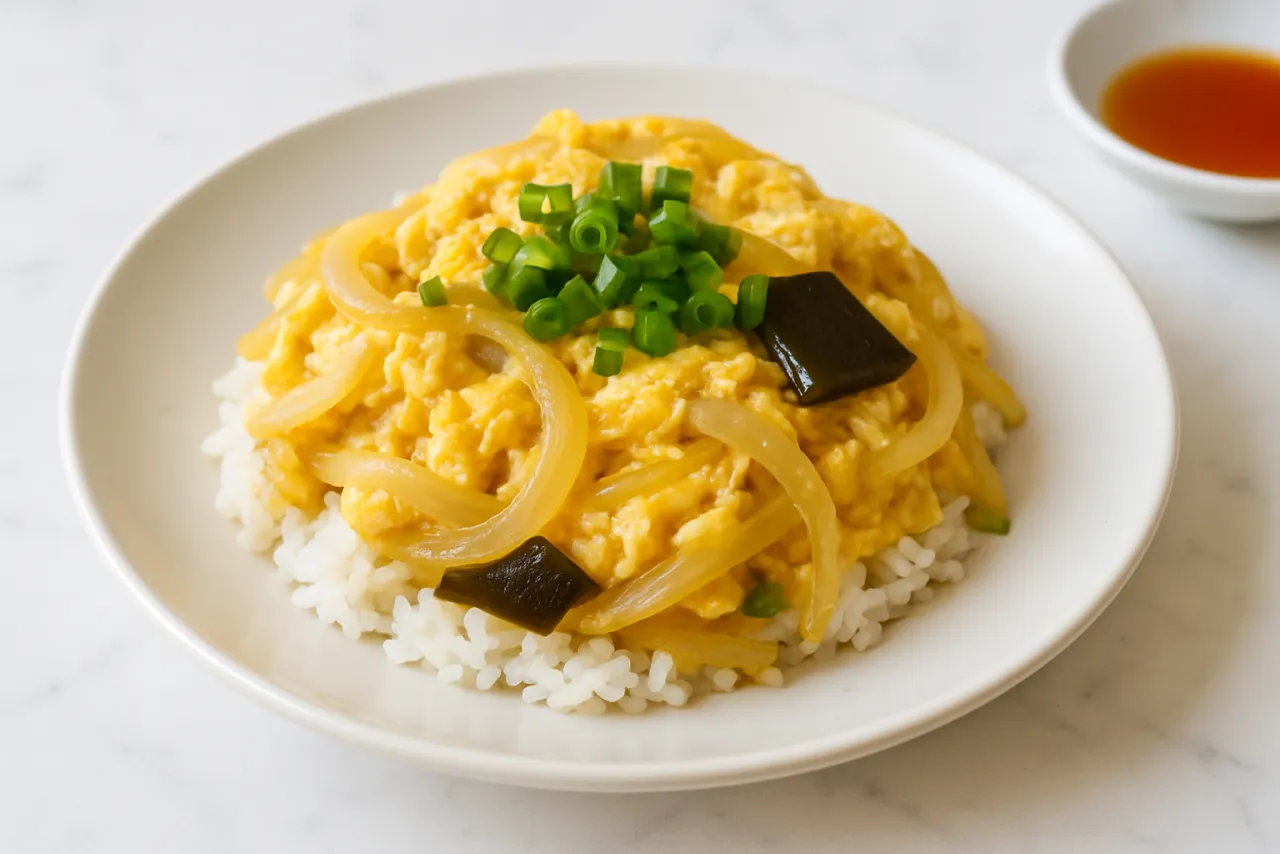
Japanese15 min2g fiber20g protein
Soft onion-and-egg bowl simmered in dashi.
View recipe →6Quesadilla
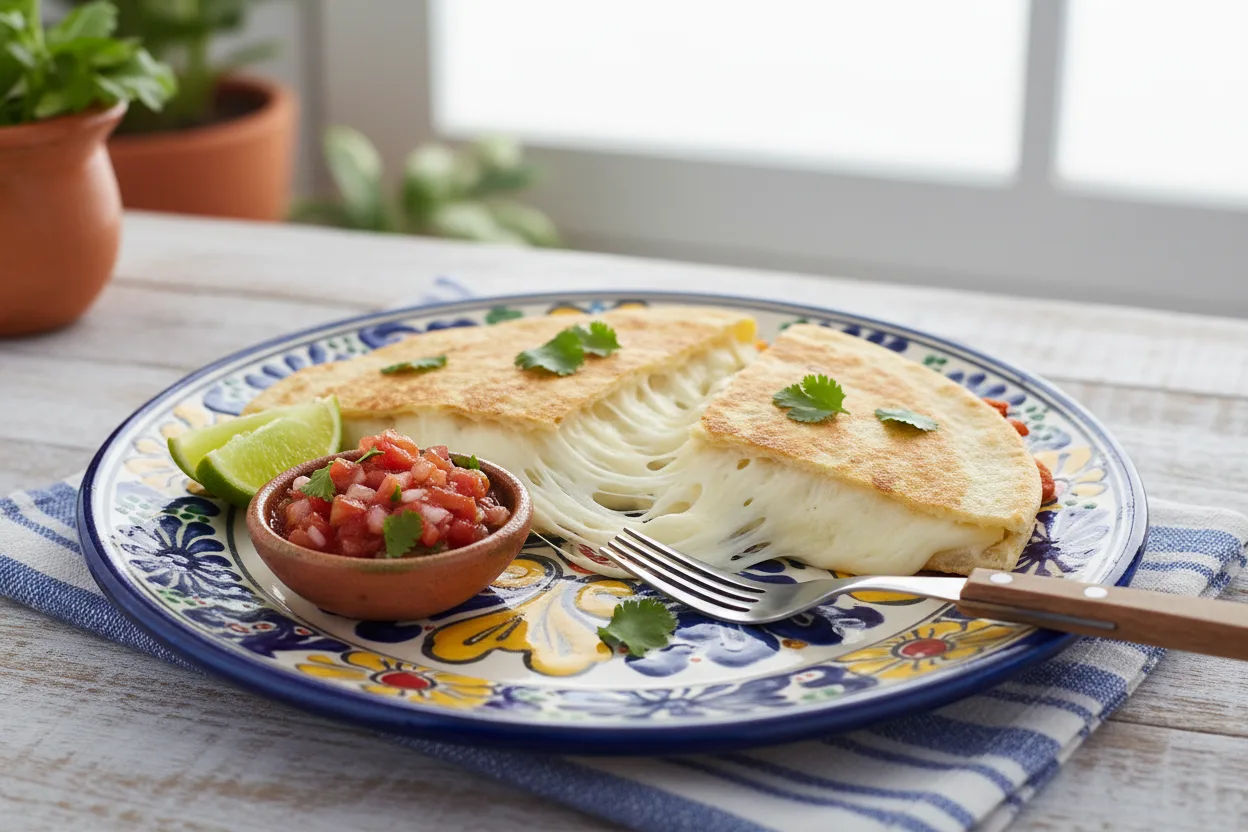
Mexican12 min3g fiber30g protein
Flour tortilla folded around melting Oaxaca cheese.
View recipe →7Black Bean Quesadilla
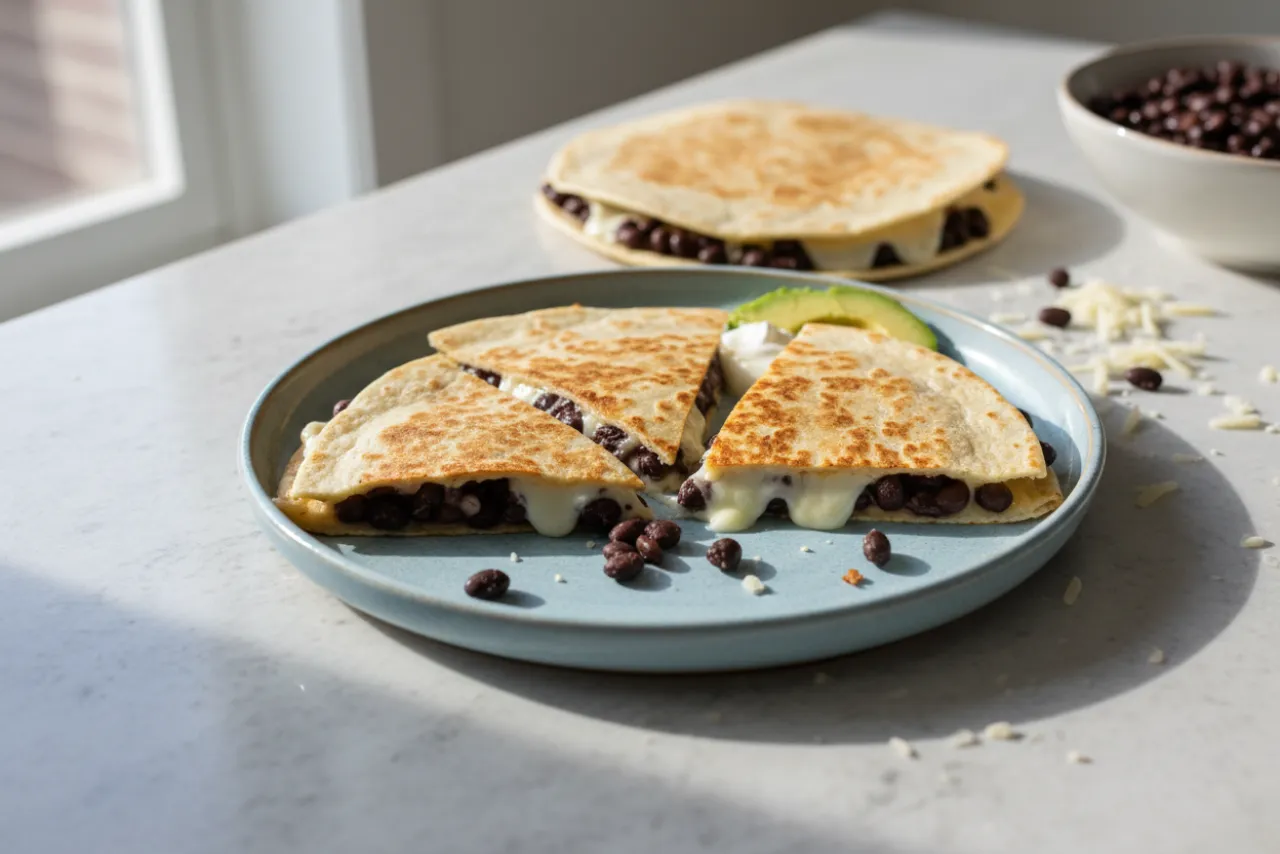
Mexican15 min13g fiber27g protein
Spiced black beans and plenty of cheese in a crisp tortilla — meatless and missing nothing.
View recipe →8Soboro Don (Sweet-Soy Beef over Rice)
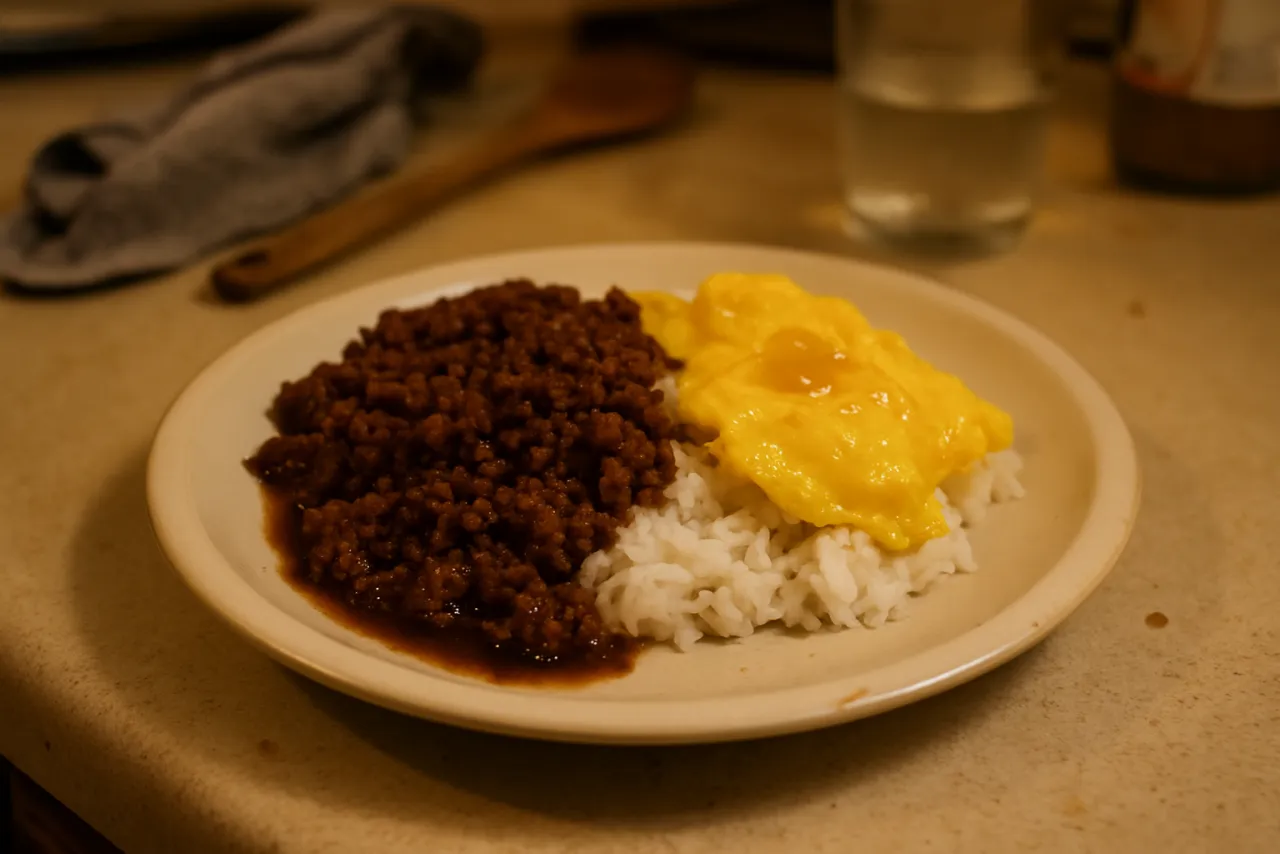
Japanese15 min2g fiber24g protein
Crumbly ground beef simmered in soy, sugar, and ginger — Japanese comfort food in 15 minutes.
View recipe →9Caprese Sandwich
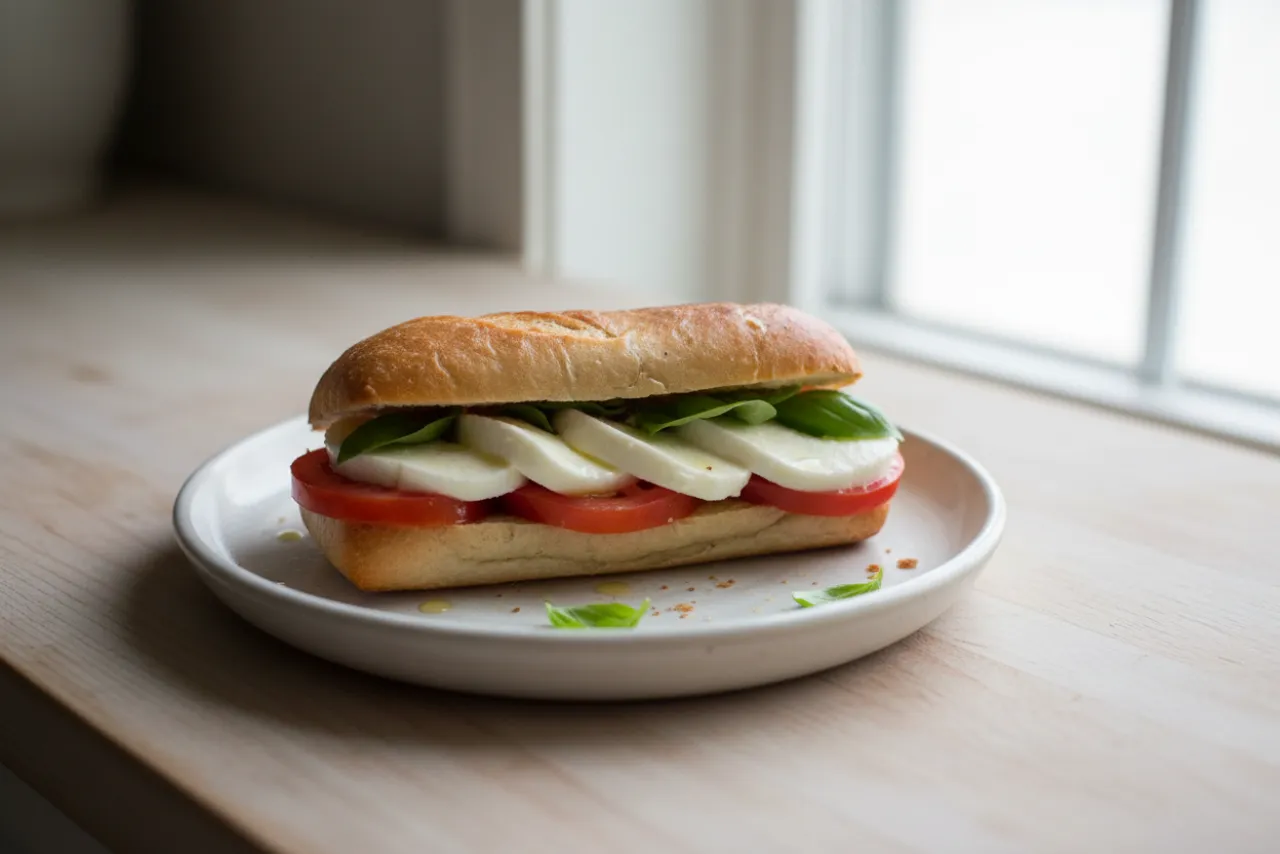
Italian10 min3g fiber24g protein
Mozzarella, tomato, and basil pressed into a crusty roll with olive oil — the salad goes to lunch.
View recipe →10Tuna Melt
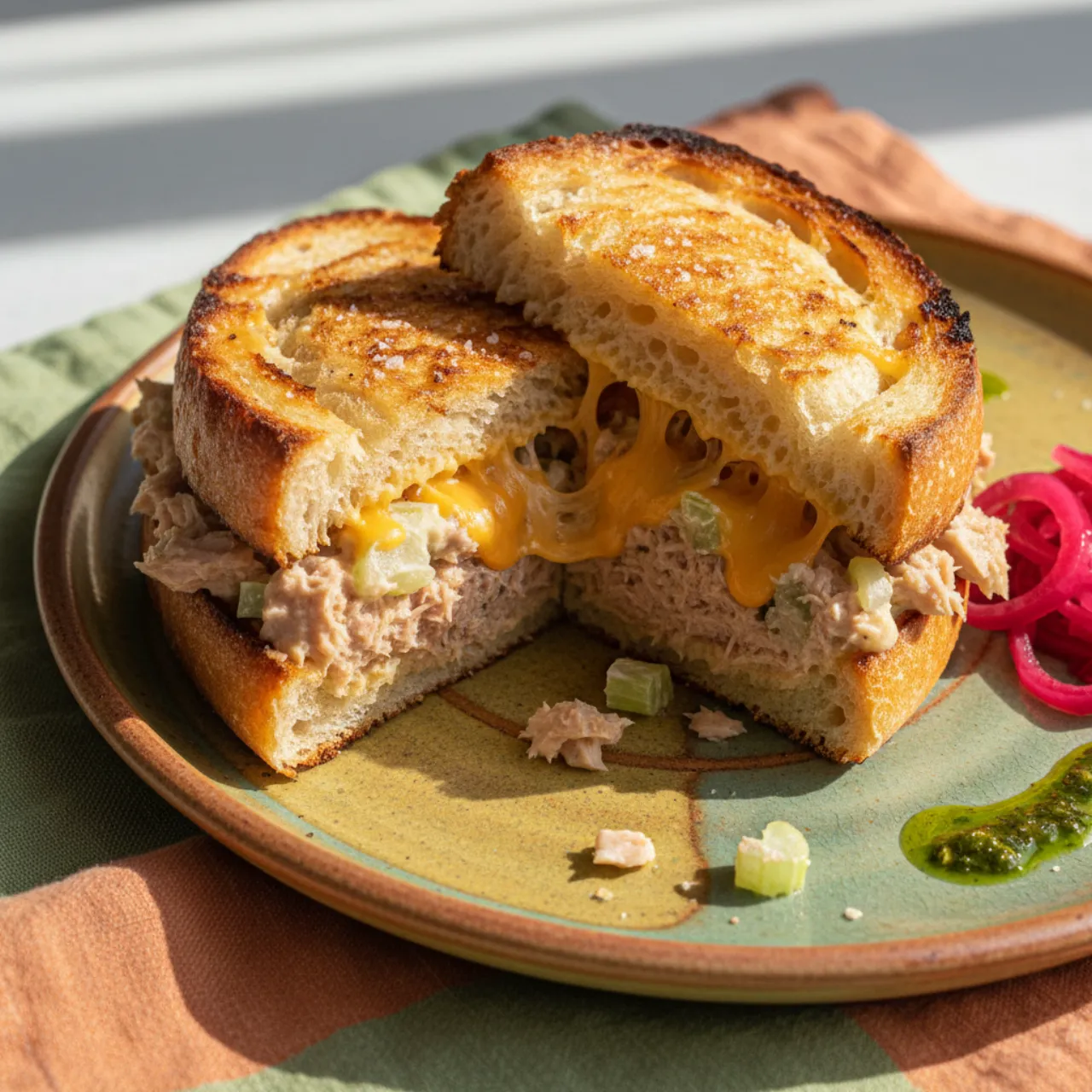
American15 min1g fiber45g protein
Toasted sandwich of creamy tuna and melted cheese.
View recipe →11Sardine & Cucumber Salad

Chinese14 min9g fiber28g protein
Tinned sardines with smashed cucumber, tomato and a sesame-lemon dressing — an omega-3 rich plate.
View recipe →12Welsh Rarebit
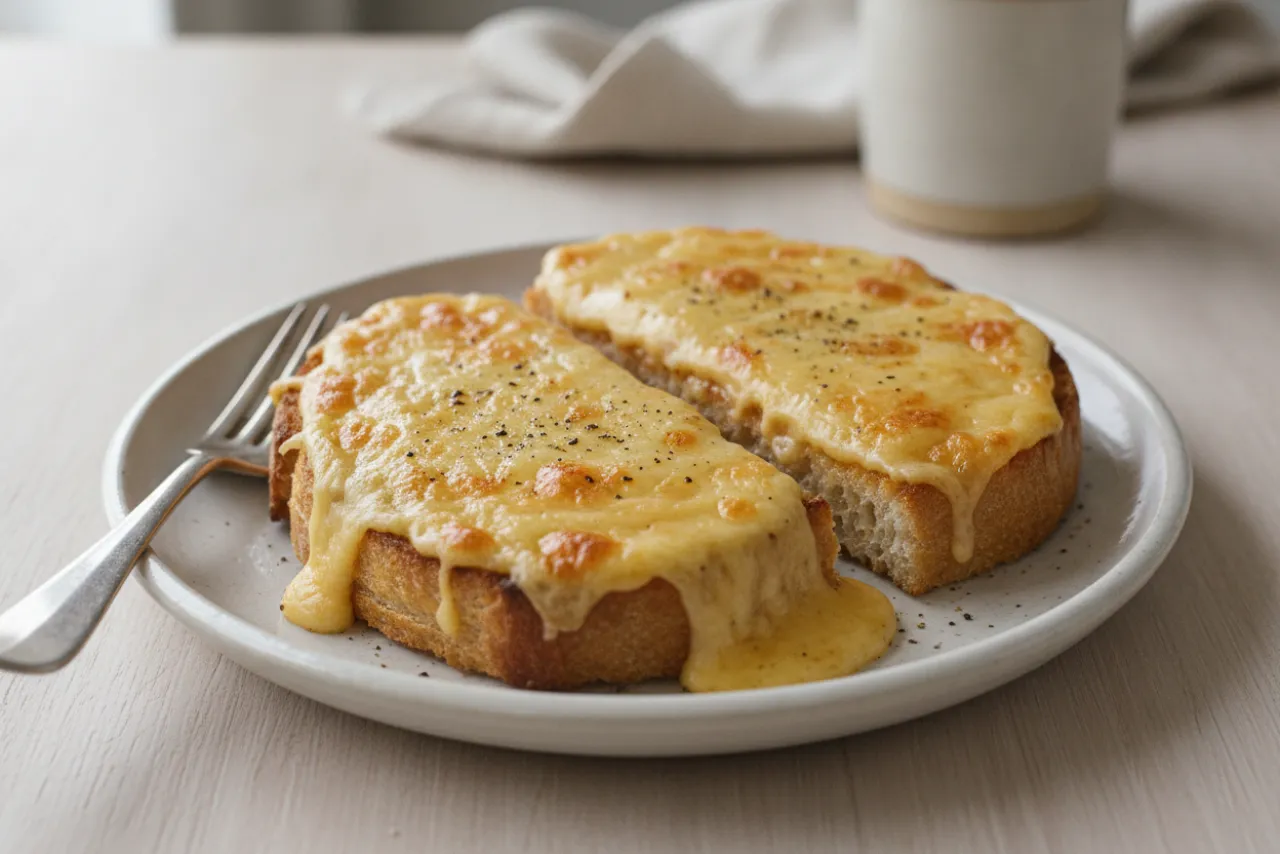
British15 min1g fiber23g protein
A mustardy, beery-optional cheese sauce grilled over toast — cheese on toast's older, wiser sibling.
View recipe →