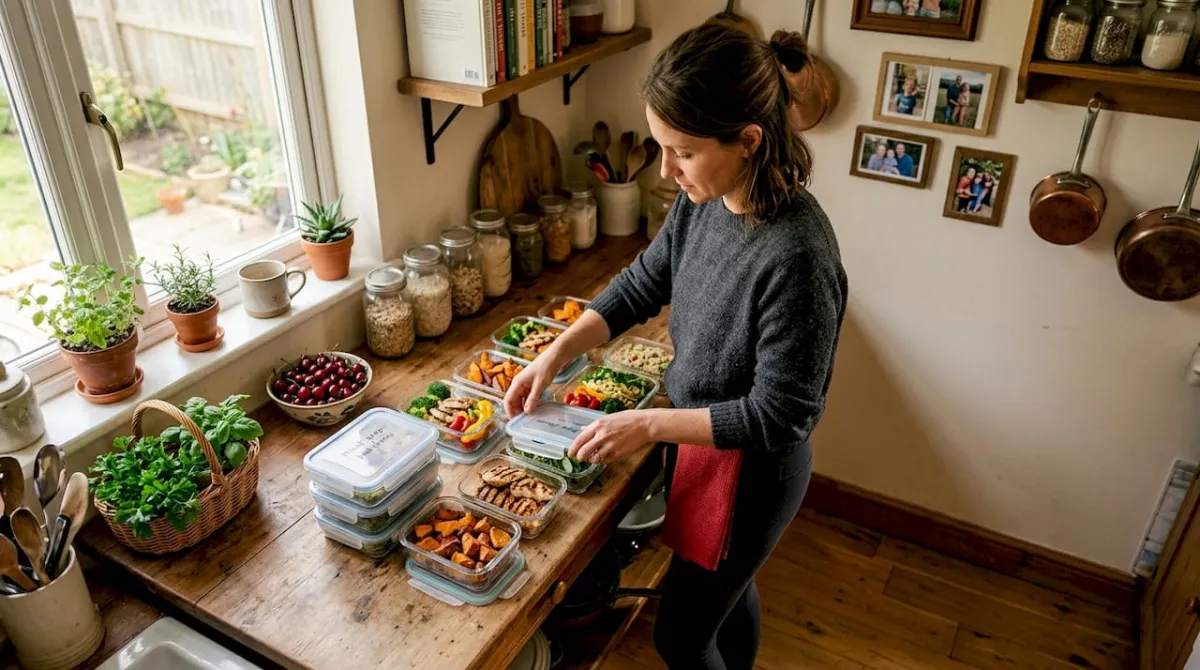
Weight loss meal planning works by designing your daily meals around a moderate calorie deficit, balanced macros, and enough protein to protect your muscle while you shed fat. Done right, it takes the guesswork out of eating and replaces it with a structure you can actually stick to. A sustainable calorie deficit of 300–500 calories below your Total Daily Energy Expenditure (TDEE) produces roughly 1–2 pounds of weight loss per week without triggering the metabolic slowdown that crash diets cause. The goal is not perfection. It’s a repeatable rhythm your body and schedule can both live with.
Here’s what a well-built fat loss meal plan delivers:
- A calorie target you can hit without feeling deprived, typically 1,400–1,600 calories for most moderately active adults
- Protein at every meal to preserve lean muscle and keep hunger in check between meals
- Fiber-rich vegetables and smart carbs like whole grains, legumes, and fruit that fill your plate without loading calories
- Healthy fats in controlled portions to support hormones and make meals satisfying
- Three meals plus one or two planned snacks per day, a meal structure that fits most household routines and reduces impulsive grazing
- No foods below 1,200 calories per day, since very low-calorie diets cause metabolic adaptation and unsustainable hunger
A sample 7-day meal plan to lose weight
The plan below targets approximately 1,500 calories per day with a protein goal of 100–130 grams. Calorie counts are estimates; adjust up or down by 100–200 calories based on your size and activity level. Vegetarians can swap chicken or fish for tofu, tempeh, lentils, or eggs at equal protein portions.
| Day | Breakfast | Lunch | Dinner | Snack | ~Calories |
|---|---|---|---|---|---|
| Monday | Greek yogurt (plain, 2%), berries, 1 tbsp chia seeds | Grilled chicken salad, olive oil dressing | Baked salmon, roasted broccoli, ½ cup brown rice | Apple + 1 tbsp almond butter | 1,500 |
| Tuesday | 2 scrambled eggs, 1 slice whole-grain toast, spinach | Lentil soup, side salad | Turkey taco bowl: ground turkey, black beans, salsa, lettuce | Cottage cheese + cucumber slices | 1,500 |
| Wednesday | Overnight oats with protein powder, banana | Tuna wrap (whole-wheat tortilla, avocado, greens) | Sheet-pan chicken thighs, zucchini, cherry tomatoes | Hard-boiled egg + carrot sticks | 1,500 |
| Thursday | Smoothie: spinach, frozen berries, protein powder, almond milk | Quinoa bowl: chickpeas, roasted peppers, feta | Shrimp stir-fry, bok choy, ½ cup jasmine rice | Low-fat string cheese + grapes | 1,500 |
| Friday | 3-egg omelet with mushrooms and feta | Leftover shrimp stir-fry | Lean beef and vegetable soup, whole-grain roll | Greek yogurt + walnuts | 1,500 |
| Saturday | Whole-grain pancakes (protein powder added), fresh fruit | Big salad: grilled salmon, mixed greens, avocado | Baked chicken breast, sweet potato, green beans | Rice cake + peanut butter | 1,500 |
| Sunday | Veggie frittata (eggs, peppers, onion, spinach) | Turkey and avocado lettuce wraps | Slow-cooker turkey chili, side of roasted cauliflower | Handful of mixed nuts | 1,500 |
Grocery list tips to keep shopping simple:
- Group items by category: proteins (chicken, salmon, eggs, Greek yogurt), produce (spinach, broccoli, peppers, berries), grains (brown rice, oats, whole-wheat tortillas), and pantry staples (olive oil, canned beans, canned tuna)
- Buy proteins in bulk and freeze portions you won’t use within two days
- Keep a bag of frozen vegetables on hand for nights when fresh produce runs low
- Stock batch-friendly staples like quinoa, lentils, and canned chickpeas that work across multiple meals
Pro Tip: Prep your proteins and grains on Sunday. Cooked chicken, hard-boiled eggs, and a pot of brown rice in the fridge means weekday meals take ten minutes instead of forty.
How a calorie deficit meal plan actually works
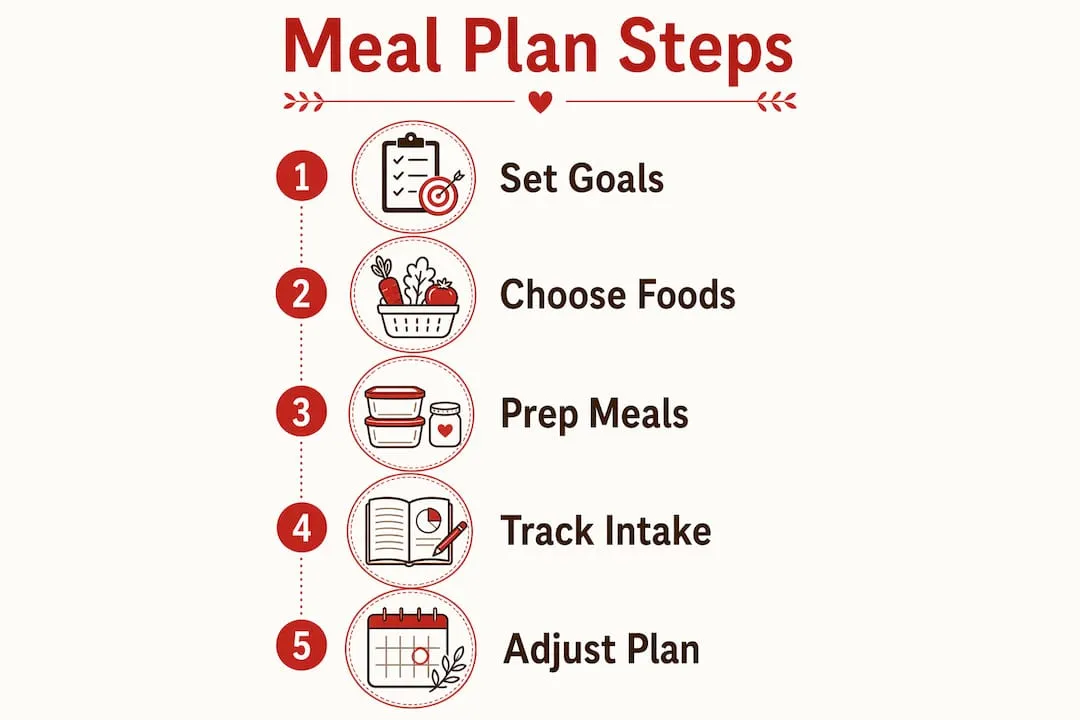
The foundation is TDEE, the total number of calories your body burns in a day, accounting for your age, sex, height, weight, and activity level. You can estimate yours using the Mifflin-St Jeor equation or an online TDEE calculator. Once you have that number, subtract 300–500 calories to set your daily target. That gap, held consistently, produces 1–2 pounds of weekly loss without forcing your metabolism to compensate.
Protein is the variable that determines whether your weight loss comes from fat or from muscle. Aim for 0.7–1.0 grams per pound of your goal body weight. At 150 pounds, that’s 105–150 grams daily, spread across meals. High protein intake keeps you fuller longer, reduces cravings, and protects your metabolic rate during a deficit. For recipe ideas that hit those targets, high-protein meals built around chicken, fish, eggs, and legumes are your most practical tools.
Sustainable weight loss sits at 0.5–1.0 kg (1–2 lbs) per week. Faster rates usually signal muscle loss or water weight shifts, not accelerated fat burning.
Meal structure matters more than most people expect. Three meals and one or two planned snacks keep blood sugar stable and prevent the late-afternoon hunger that sends people to the vending machine. Portion control doesn’t require a food scale at every meal. A plate template works well: a palm-sized protein, two fist-sized portions of vegetables, a cupped hand of smart carbs like brown rice or quinoa, and a thumb-sized portion of fat like olive oil or avocado.
What to track and when to adjust:
- Weigh yourself daily and use the 7-day average to assess progress, not single-day readings
- If the average hasn’t moved after two to three weeks and you’re confident in your tracking, reduce calories by 100–150 per day
- If energy crashes or hunger becomes unmanageable, add 100 calories, prioritizing protein or fiber-rich carbs
- Never drop below 1,200 calories; diets that go lower trigger metabolic adaptation and are hard to sustain
Whole grains, legumes, fruits, and vegetables serve as the best carbohydrate sources because they deliver fiber and micronutrients alongside their calories, keeping you full without spiking and crashing blood sugar.
Expert tips for sticking to your healthy meal prep routine
The biggest reason meal plans fail isn’t the food. It’s the friction of figuring out what to cook every single day. Rotating a small set of 3–4 breakfasts and 4–5 dinners reduces that friction dramatically. You’re not eating the same thing every day; you’re working from a familiar playlist instead of improvising from scratch each night.

Batch cooking is the single most reliable adherence tool. Spending 60–90 minutes once a week cooking proteins, grains, and roasted vegetables saves four to five hours of weekday cooking and removes the temptation to order takeout. A Sunday session might look like: roast two sheet pans of chicken thighs and vegetables, cook a large pot of brown rice, hard-boil a dozen eggs, and portion out Greek yogurt with fruit. The week practically runs itself after that. For structured healthy meal prep ideas that fit a weight loss goal, building around lean proteins and fiber-rich vegetables gives you the most flexibility.
Handling the situations that derail most plans:
- Cravings: Build one small treat into your plan rather than banning foods entirely. A square of dark chocolate or a protein-forward snack satisfies without blowing your deficit
- Dining out: Scan the menu before you arrive and pick a protein-and-vegetable-forward option. Ask for sauces on the side
- Social eating: Eat a protein-rich snack beforehand so you arrive less hungry, then choose mindfully rather than restricting completely
- Dietary restrictions: Sustainable results come from adherence, not a specific diet style. A vegetarian, gluten-free, or Mediterranean version of this plan works equally well when protein and calorie targets are met
Pro Tip: Prioritize hitting your protein target before worrying about calorie precision. When protein is high, appetite regulates naturally, and the calorie deficit tends to take care of itself.
When a plateau hits, resist the urge to slash calories immediately. First, verify that your portions are accurate and that you’ve been consistent for at least three weeks. Then make small adjustments, trimming carb and fat portions slightly before cutting total calories. That approach preserves muscle and keeps the plan livable for the long haul.
Key Takeaways
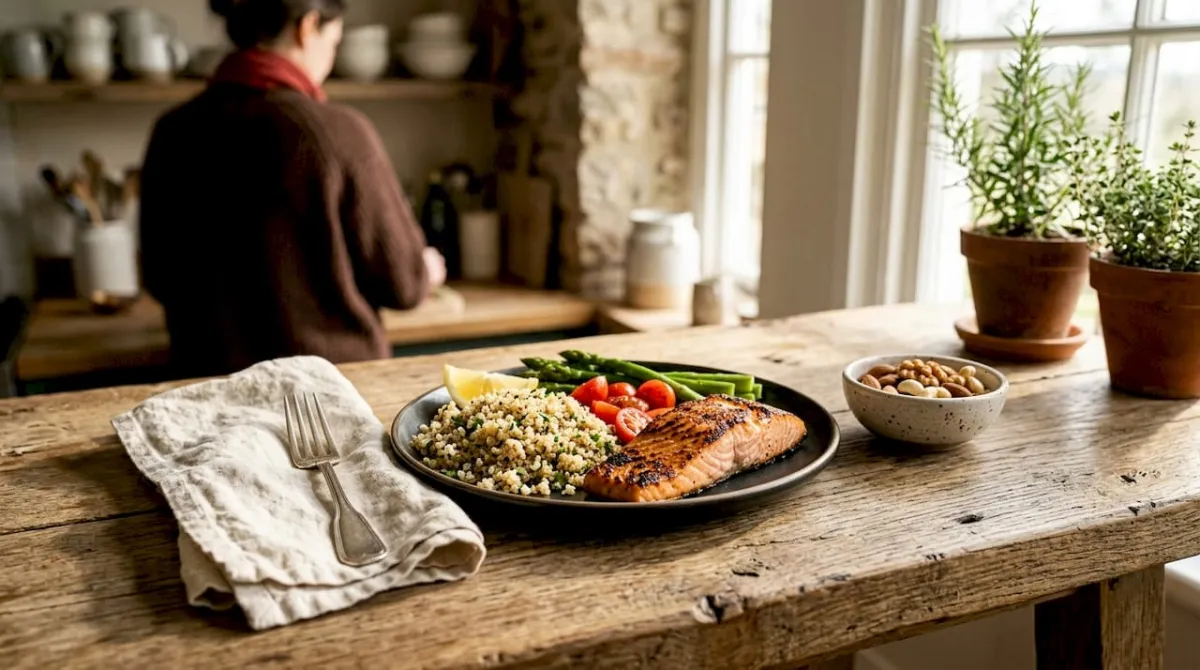
A moderate calorie deficit of 300–500 calories below TDEE, combined with high protein intake and structured meals, produces sustainable fat loss of 1–2 pounds per week while protecting muscle mass.
| Point | Details |
|---|---|
| Set a realistic calorie target | Aim for 300–500 calories below your TDEE; never go below 1,200 calories per day. |
| Prioritize protein at every meal | Target 0.7–1.0 grams per pound of goal body weight to preserve muscle during a deficit. |
| Use a plate template for portions | Fill your plate with a palm of protein, two fists of vegetables, a cupped hand of carbs, and a thumb of fat. |
| Batch cook once a week | A 60–90 minute weekly prep session saves four to five hours of weekday cooking and reduces takeout temptation. |
| Adjust based on 7-day averages | Track weight daily but evaluate trends weekly; only adjust calories after two to three weeks of no movement. |
Recommended
- High-Protein Foods for Weight Loss: 22 Meals · Homecooked
- Turn Your Meal Plan Into a Smart, Zero-Waste Grocery List
- Healthy Meal Prep Ideas: 24 Recipes · Homecooked
- Lunch Meal Prep: 20 Make-Ahead Recipes · Homecooked
High-protein, lower-calorie recipes for the plan
1Tôm Rim (Caramelized Shrimp)

Vietnamese20 min1g fiber27g protein
Shrimp simmered in a peppery caramel-fish-sauce glaze until sticky. Intense, high-protein, and low in carbs.
View recipe →2Chipotle Shrimp Bowl

Mexican16 min6g fiber36g protein
Smoky chipotle shrimp with crisp cabbage and lime over konjac rice — light, fast and fresh.
View recipe →3Shabu-Shabu (Hot Pot)

Japanese25 min2g fiber29g protein
Thin meat and vegetables swished through kombu broth, dipped at the table. The pot is unsalted — you season each bite.
View recipe →4Ginger Chicken Rice Bowl

Chinese18 min6g fiber37g protein
Fast ginger-soy chicken with pak choi and carrot over konjac rice — a light bowl that keeps the carbs low.
View recipe →5Herb Chicken Bowl

American18 min5g fiber39g protein
Lemon-herb chicken with crisp greens and a yoghurt drizzle over konjac rice — a light, high-protein bowl.
View recipe →6Lemon Oregano Chicken Bowl

Greek18 min5g fiber38g protein
Lemon-oregano chicken with a chopped Greek salad and tzatziki over konjac rice — bright and lean.
View recipe →7Harissa Chicken Bowl

Middle Eastern18 min5g fiber37g protein
Harissa-spiced chicken with a lemony herb salad over konjac rice — punchy and lean.
View recipe →8Shrimp al Ajillo

Mexican15 min3g fiber32g protein
Shrimp seared fast in garlic-chili oil with a squeeze of lime. Ten minutes, almost no salt needed.
View recipe →9Shrimp Scampi with Zucchini Noodles

Italian20 min3g fiber33g protein
Garlicky shrimp over ribbons of zucchini instead of pasta. Scampi flavor, low-carb and high-protein.
View recipe →10Steamed Fish with Ginger & Scallion
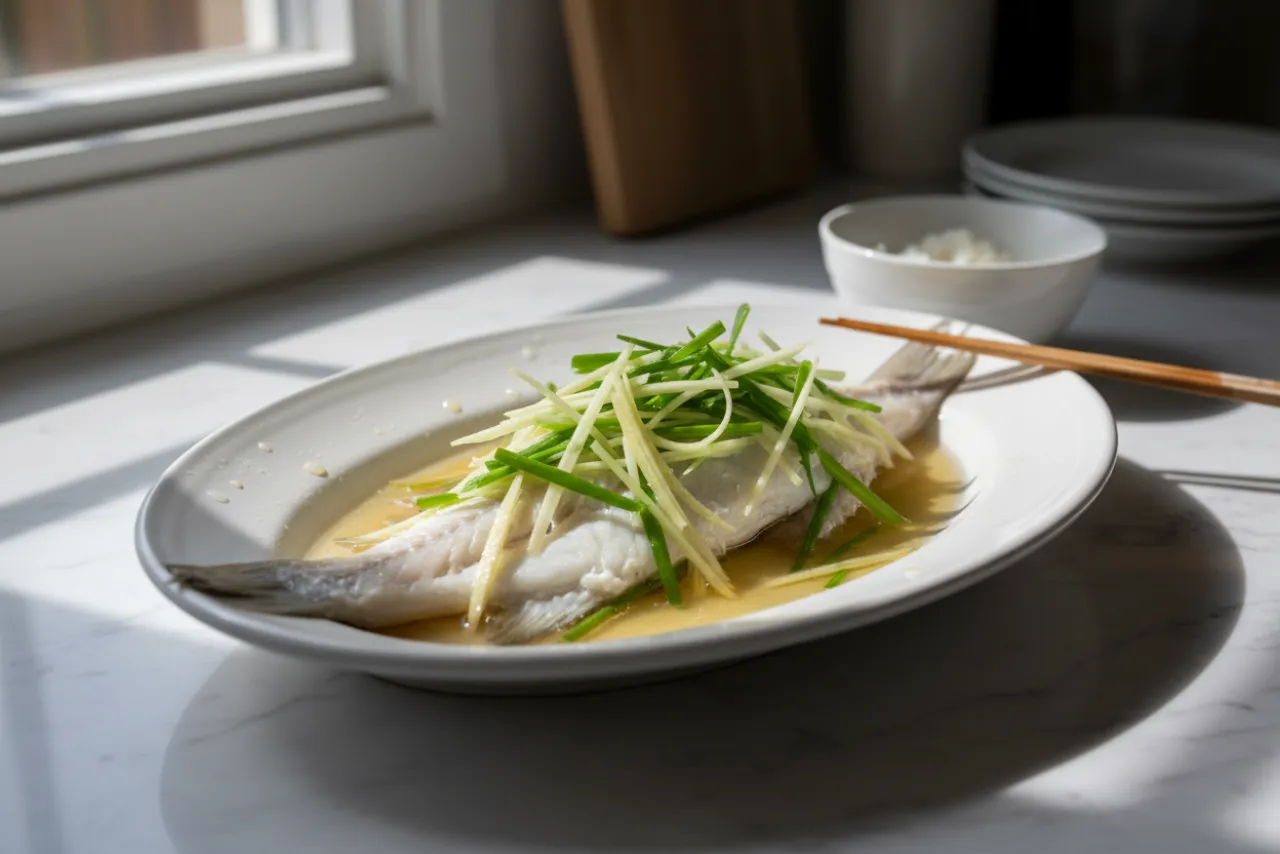
Chinese20 min2g fiber28g protein
White fish steamed with ginger and scallion and finished with a little hot oil — a clean, low-fat main that feels restorative.
View recipe →11Chicken Tinga

Mexican40 min3g fiber27g protein
Shredded chicken in a smoky tomato-chipotle sauce. Fresh tomatoes carry it, so the sodium stays low.
View recipe →12Dorada a la Espalda (Griddled Sea Bream with Garlic)

Spanish25 min0g fiber26g protein
Butterflied sea bream griddled crisp and dressed with a sizzling garlic-and-vinegar refrito. Bright, and lightly salted.
View recipe →