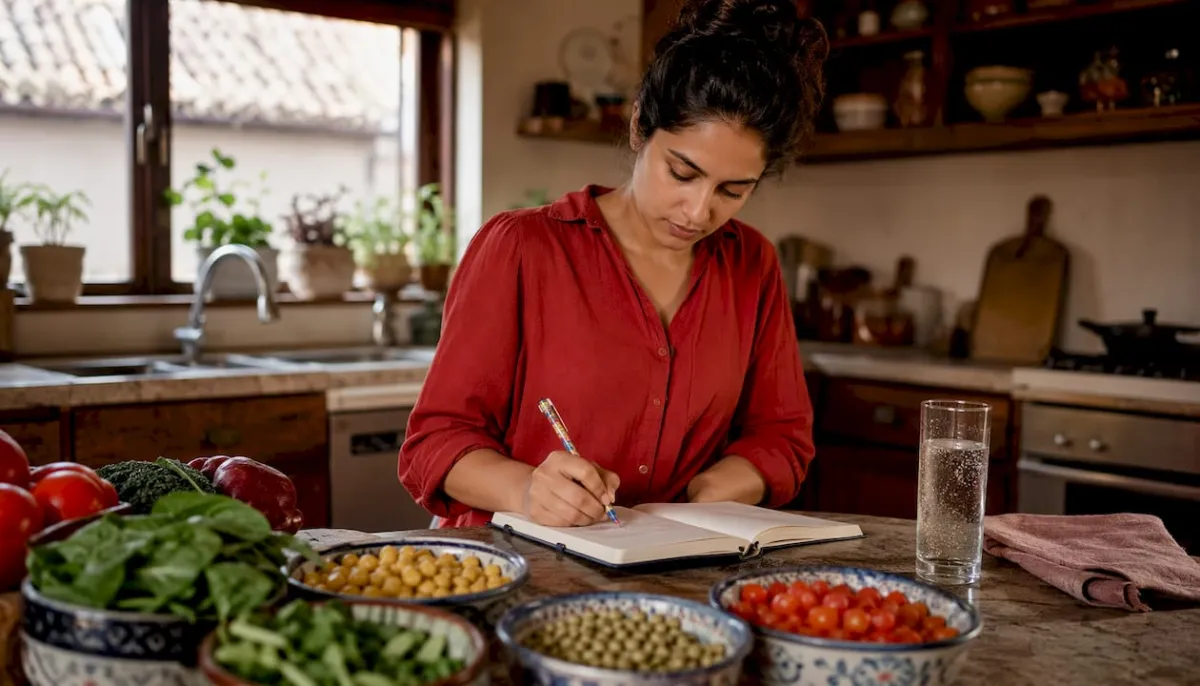
What does a balanced 7-day vegetarian meal plan look like?
A well-structured veggie meal plan keeps protein between 71 and 93 grams daily and fiber consistently above 30 grams, both well above what most vegetarian diets deliver without deliberate planning. The secret is building every meal around a substantial plant protein anchor rather than treating protein as an afterthought.
Here is a snapshot of what a strong vegetarian weekly meal plan delivers across seven days:
- Monday: Greek yogurt parfait with chia seeds and blueberries / Black bean and quinoa bowl over spinach / Baked tofu with steamed broccoli and brown rice
- Tuesday: Egg white scramble with whole-grain toast and avocado / Chickpea and kale salad with feta / Lentil and vegetable sauté with zucchini
- Wednesday: Oatmeal with peanut butter, banana, and chia seeds / Cottage cheese with apple and walnuts / Grilled tempeh with broccoli and quinoa
- Thursday: Greek yogurt with raspberries and walnuts / Edamame bowl over mixed greens and bell pepper / White bean and kale sauté with brown rice
- Friday: Egg scramble with whole-grain toast and hummus / Black bean and quinoa bowl with cucumber and tomatoes / Baked tofu with roasted cauliflower and brown rice
- Saturday: Oats with almond butter, banana, and walnuts / Chickpea salad with avocado and mixed greens / Grilled tempeh with sautéed zucchini and quinoa
- Sunday: Greek yogurt with blueberries and chia seeds / Lentil and vegetable bowl with spinach and feta / Baked tofu with broccoli and brown rice
Calories across the week sit in a moderate deficit range of roughly 1,320–1,700 daily for most adults. Protein sources rotate through tofu, tempeh, lentils, chickpeas, black beans, edamame, eggs, and Greek yogurt, which keeps meals varied while hitting protein targets that support satiety and muscle preservation.
Daily meal ideas to put your vegetarian weekly menu into action
Knowing the plan is one thing. Knowing how to cook it efficiently is another. These daily meal ideas include estimated prep times and batch-cooking notes so you can actually get dinner on the table on a Tuesday night.
-
Overnight oats with chia and fruit — Combine rolled oats, chia seeds, almond milk, and frozen blueberries in a jar the night before. Zero active cooking time in the morning; ready in 5 minutes of hands-on prep.
-
Black bean and quinoa bowl — Rinse canned black beans, warm them in a skillet with cumin and garlic, then serve over pre-cooked quinoa with cherry tomatoes, spinach, and a drizzle of olive oil. Active time: 10 minutes when quinoa is already batch-cooked.
-
Baked tofu with roasted vegetables and brown rice — Press extra-firm tofu, cube it, toss with tamari and olive oil, and bake at 400°F for 25 minutes. Pair with any roasted vegetable (broccoli, cauliflower, zucchini) and pre-cooked brown rice. This is your most versatile dinner component all week.
-
Chickpea and kale salad — Drain canned chickpeas, massage kale with lemon juice and olive oil, then top with feta and cucumber. Prep time: 8 minutes. Holds well in the fridge for two days, making it a reliable lunch meal prep option.
-
Lentil and vegetable sauté — Cook green or brown lentils from scratch in about 20 minutes, or use canned for a 10-minute dinner. Sauté with carrot, zucchini, and olive oil. Season with smoked paprika and cumin for depth.
-
Grilled tempeh with quinoa — Slice tempeh, marinate briefly in soy sauce and garlic, then pan-fry for 4 minutes per side. Serve over quinoa with steamed broccoli. Tempeh has a firmer texture than tofu and takes on marinades quickly.
-
Egg scramble with whole-grain toast — Whisk two whole eggs with two egg whites, scramble with spinach or bell pepper, and serve with whole-grain toast and avocado or hummus. Ready in under 10 minutes.
-
White bean and kale sauté — Sauté canned white beans with garlic, kale, and a splash of vegetable broth until the kale wilts. Serve over brown rice. Budget-friendly and filling, with about 15 grams of protein per serving.
-
Edamame bowl — Use frozen shelled edamame (thawed in warm water in 5 minutes) over mixed greens with bell pepper, feta, and olive oil. No cooking required beyond thawing.
-
Shakshuka with feta — Simmer canned whole peeled tomatoes with garlic, cumin, and paprika, then crack eggs directly into the sauce and cover until whites are set. Top with crumbled feta and serve with whole-grain pita. Prep to table: 20 minutes.
Pro Tip: Prep two or three of these components on Sunday and you can assemble most weeknight meals in under 15 minutes. Think of it less as cooking dinner and more as finishing it.
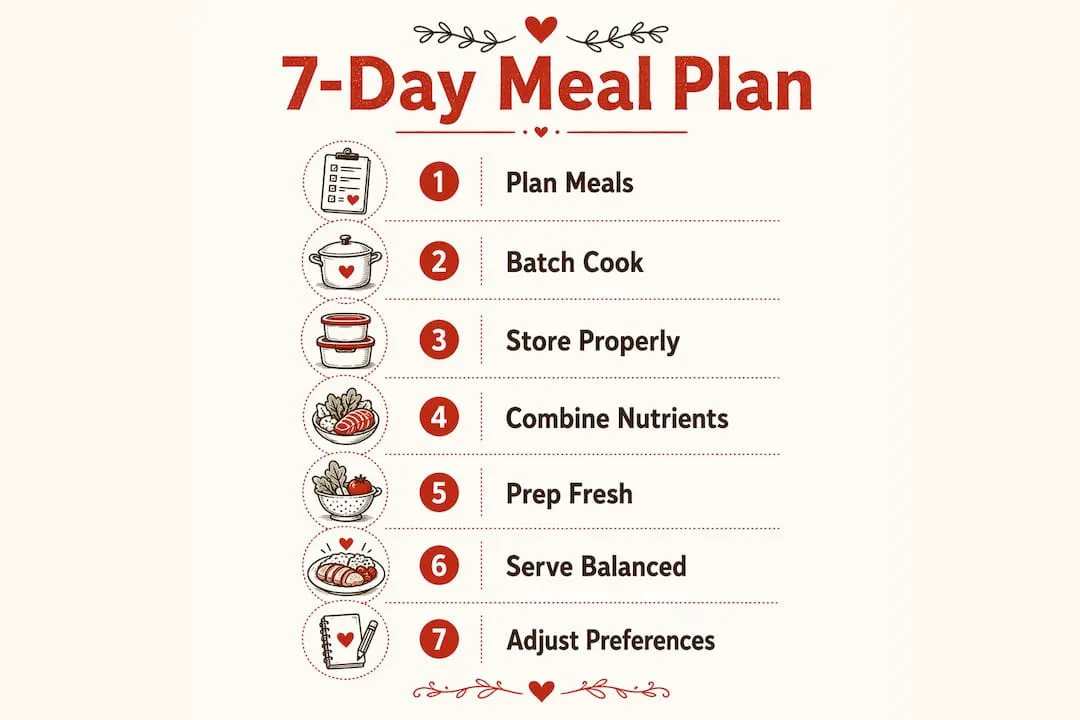
Your shopping list for the week
A well-organized grocery list cuts shopping time and prevents the mid-week “what do I even have?” scramble. This list covers the full vegetarian weekly meal plan above.
Produce
- Spinach (2 bags, about 5 oz each)
- Kale (2 bunches)
- Mixed greens (1 bag)
- Broccoli (2 heads)
- Cauliflower (1 head)
- Zucchini (2 medium)
- Carrot (4 medium)
- Bell peppers (2, any color)
- Cherry tomatoes (1 pint)
- Cucumber (2 medium)
- Avocado (2)
- Banana (4)
- Blueberries (fresh or frozen, 1 lb)
- Raspberries (1 cup)
- Apple (2)
- Lemons (2)
Proteins and dairy
- Extra-firm tofu (3 blocks, 14 oz each)
- Tempeh (2 packages, 8 oz each)
- Canned black beans (3 cans, 15 oz each)
- Canned chickpeas (2 cans, 15 oz each)
- Canned white beans (1 can, 15 oz)
- Canned or dried lentils (green or brown, 2 cups dried or 3 cans)
- Frozen shelled edamame (1 bag, 12 oz)
- Eggs (1 dozen)
- Plain nonfat Greek yogurt (32 oz container)
- Low-fat cottage cheese (16 oz)
- Feta cheese (6 oz block)
Pantry staples
| Item | Quantity | Notes |
|---|---|---|
| Quinoa | 2 lbs | Batch-cook at start of week |
| Brown rice | 2 lbs (or frozen) | Frozen bags save time |
| Rolled oats | 1 lb | Overnight oats and hot oatmeal |
| Chia seeds | 4 oz bag | Breakfast and yogurt bowls |
| Walnuts | 5 oz | Snacks and breakfast toppings |
| Almond butter | 1 jar | Oatmeal and snacks |
| Natural peanut butter | 1 jar | Oatmeal and sauces |
| Olive oil | 1 bottle | Dressings and cooking |
| Tamari or soy sauce | 1 bottle | Tofu and tempeh marinades |
| Hummus | 1 container | Lunches and snacks |
| Canned whole tomatoes | 1 can (15 oz) | Shakshuka |
| Whole-grain bread | 1 loaf | Breakfast and lunches |
| Whole-grain pita | 1 package | Shakshuka and wraps |
Maintaining a stocked pantry with canned beans, nuts, seeds, and whole grains is one of the most practical habits for consistent vegetarian eating. These shelf-stable items cover you on nights when fresh produce runs low. For building a zero-waste list from any meal plan, the smart grocery list guide from Homecooked walks through the process step by step.
How to prep a week of vegetarian meals in about two hours
The most effective vegetarian meal prep strategy skips cooking full meals in advance. Instead, you prep versatile building blocks, such as cooked grains, baked proteins, and prepped vegetables, then mix and match them throughout the week. This approach prevents meal fatigue far better than eating the same pre-assembled container four days in a row.
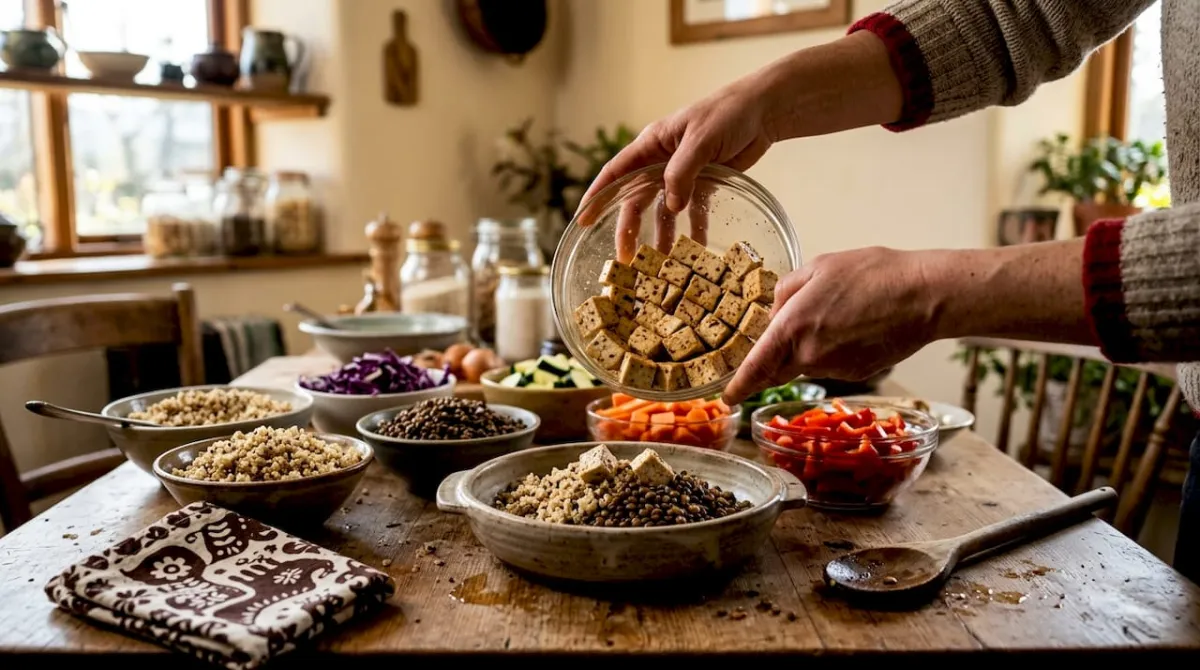
A single Sunday prep session of roughly two hours covers about 80% of weekly meals, leaving only 15–20 minutes of light weeknight cooking to finish each dinner.
| Task | When | Time |
|---|---|---|
| Cook quinoa (large batch) | Sunday morning | 20 min |
| Cook brown rice (large batch) | Sunday morning | 30 min (mostly passive) |
| Bake tofu | Sunday afternoon | 30 min (mostly passive) |
| Cook lentils (if using dried) | Sunday afternoon | 25 min |
| Wash and chop vegetables | Sunday afternoon | 20 min |
| Hard-boil eggs (5–6) | Sunday afternoon | 12 min |
| Portion yogurt and toppings | Sunday evening | 5 min |
- Cook grains together using two pots simultaneously to save time.
- Store cooked quinoa and brown rice in separate airtight containers; both keep for five days in the refrigerator.
- Bake tofu on a sheet pan lined with parchment at 400°F; no flipping needed if you press it well beforehand.
- Pre-chop kale and store wrapped in a dry paper towel inside a zip-lock bag; it stays crisp for four days.
- Drain and rinse canned beans the night before to cut weeknight assembly to under five minutes.
Pro Tip: Batch-cook quinoa, brown rice, and legumes at the start of the week. All three reheat well, and having them ready is the single biggest factor in whether the plan actually holds up on a busy Wednesday.
For more batch cooking strategies built around vegetarian households, Homecooked has a full collection of prep-friendly recipes worth bookmarking.
Nutritional insights and expert tips for vegetarian eating
Protein is the nutrient most vegetarians underestimate, and it is the one that matters most for satiety and muscle preservation. Many vegetarians err by focusing too much on carbs and treating protein as a side note. Aiming for roughly 20–30 grams of protein per meal, spread across breakfast, lunch, and dinner, keeps hunger in check far more reliably than calorie counting alone.
Beyond protein, a few other nutrients deserve attention on a meatless diet:
- Vitamin B-12: Found almost exclusively in animal products. Lacto-ovo vegetarians get some from eggs and dairy, but vegans need a reliable supplement or fortified foods like nutritional yeast and fortified plant milks.
- Iron: Plant-based iron (non-heme iron) absorbs less efficiently than iron from meat. Pairing iron-rich foods like lentils, spinach, and fortified cereals with a vitamin C source (bell pepper, citrus, tomatoes) meaningfully improves absorption.
- Calcium: Dairy eaters typically meet needs through yogurt and cheese. Non-dairy sources include fortified plant milks, tofu made with calcium sulfate, kale, and bok choy.
- Zinc: Found in legumes, nuts, seeds, and whole grains. Soaking or sprouting legumes reduces phytates that block zinc absorption.
- Omega-3s: Walnuts, chia seeds, and flaxseed provide ALA, the plant form of omega-3. The body converts ALA to EPA and DHA at a low rate, so algae-based omega-3 supplements are worth considering.
Vegetarian diets require attention to vitamin B-12, iron, calcium, and zinc; taking a daily multivitamin up to 100% of the Recommended Daily Allowance can help fill gaps, especially during the transition period.
Combining high-protein plant foods with non-starchy vegetables supports satiety and weight management more reliably than focusing on calories alone. That combination, protein plus fiber-dense vegetables at every meal, is the pattern that makes a vegetarian diet feel genuinely filling rather than like constant grazing. For recipe ideas built around this principle, Homecooked’s collection of high-protein vegetarian meals covers 22 options worth rotating into your week.

How to adapt this plan for vegan, gluten-free, or dairy-free diets
The structure of this plan adapts easily to different dietary needs without rebuilding it from scratch.
Going vegan: Swap Greek yogurt for unsweetened coconut or soy yogurt with added protein powder. Replace feta with nutritional yeast or a store-bought vegan feta. Use flax eggs (1 tablespoon ground flaxseed plus 3 tablespoons water) in place of whole eggs in cooked dishes. The tofu, tempeh, lentil, chickpea, and edamame components stay exactly as written.
Going gluten-free: Quinoa, brown rice, lentils, chickpeas, tofu, and tempeh are all naturally gluten-free. Swap whole-grain bread and pita for certified gluten-free versions or corn tortillas. Check tamari labels, since most tamari is gluten-free but soy sauce typically is not. Rolled oats should be certified gluten-free if celiac disease is a concern.
Going dairy-free: Replace Greek yogurt with a high-protein plant-based alternative (look for options with at least 10 grams of protein per serving). Use nutritional yeast instead of feta for a savory, cheesy flavor. Almond milk, oat milk, or soy milk work in overnight oats and smoothies. Soy milk tends to have the highest protein content among plant milks.
Lacto-ovo vegetarian variations: If you follow a lacto-ovo meal plan, this plan already fits you as written. Eggs and dairy are included throughout, which makes hitting protein and calcium targets considerably easier than on a fully plant-based approach.
For family-friendly dinner ideas that work across multiple dietary preferences at the same table, the easy dinner recipes guide covers practical options worth trying. Seasonal produce swaps also keep the plan fresh month to month: swap zucchini for butternut squash in fall, use asparagus instead of broccoli in spring, and lean on frozen vegetables when fresh options are expensive or out of season.
Key Takeaways
A strong vegetarian meal plan centers every meal on a substantial plant protein source and pairs it with fiber-rich vegetables, which is the combination most consistently linked to satiety, nutritional adequacy, and sustainable eating habits.
| Point | Details |
|---|---|
| Protein at every meal | Aim for 20–30 grams per meal using tofu, tempeh, lentils, chickpeas, eggs, or Greek yogurt. |
| Batch-cook grains and legumes | Quinoa, brown rice, and lentils cooked on Sunday cover most weeknight meals in minutes. |
| Two-hour Sunday prep | About two hours of prep covers roughly 80% of weekly meals, leaving only 15–20 minutes of weeknight cooking. |
| Watch key nutrients | Vitamin B-12, iron, calcium, zinc, and omega-3s need deliberate attention on a meatless diet. |
| Adapt without rebuilding | Vegan, gluten-free, and dairy-free versions swap a handful of ingredients while keeping the same structure. |
Recommended
- Mediterranean Diet Meal Plan (7 Days) · Homecooked
- Anti-Inflammatory Diet Meal Plan (7 Days) · Homecooked
- 7-Day Anti-Inflammatory Meal Plan + Smart Shopping List
- Turn Your Meal Plan Into a Smart, Zero-Waste Grocery List
Vegetarian recipes for the week
1Chana Masala
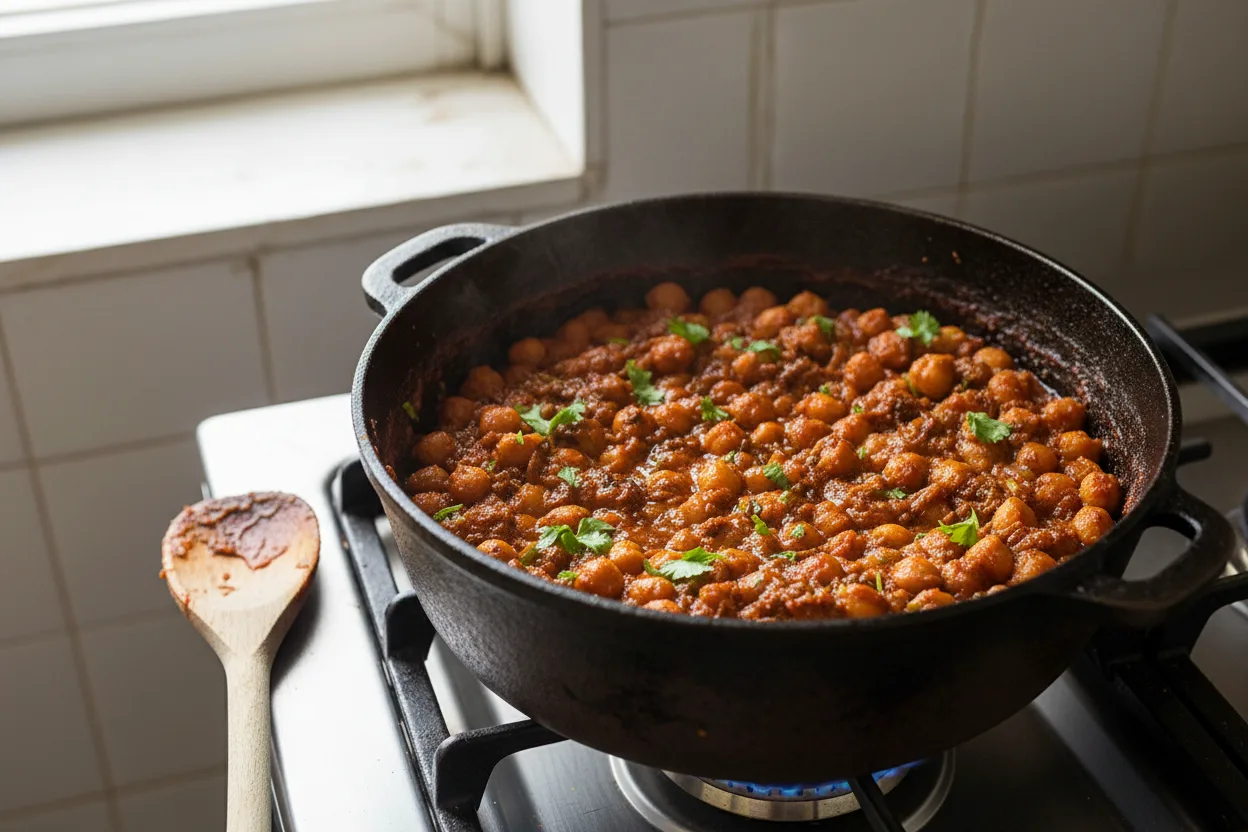
Indian50 min14g fiber18g protein
Chickpeas braised in an onion-tomato masala sharpened with amchur and a quick tadka.
View recipe →2Three-Bean Chili
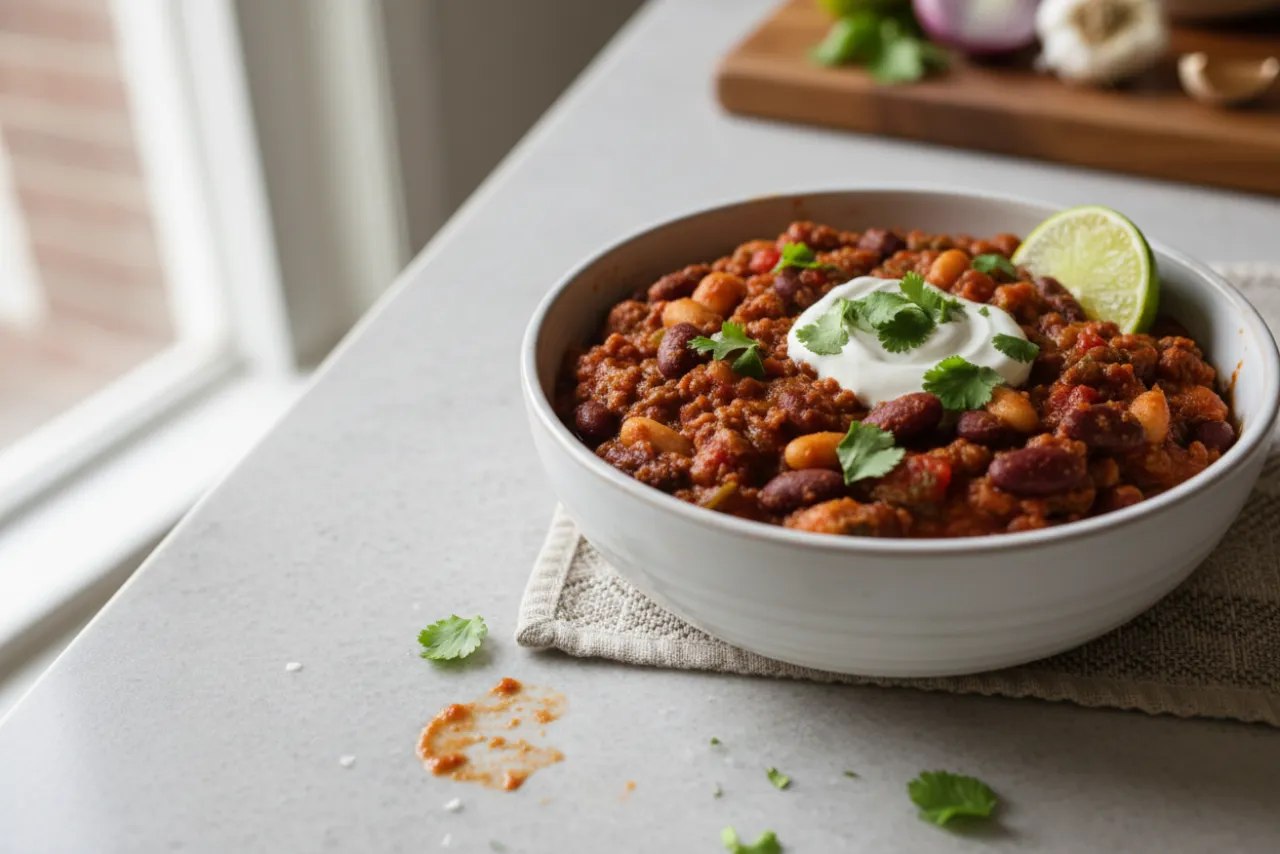
Mexican40 min19g fiber19g protein
Three kinds of bean simmered with tomato and warm spices into a thick, smoky chili — a vegan main with over twenty grams of fiber a bowl.
View recipe →3Black Bean Quesadilla
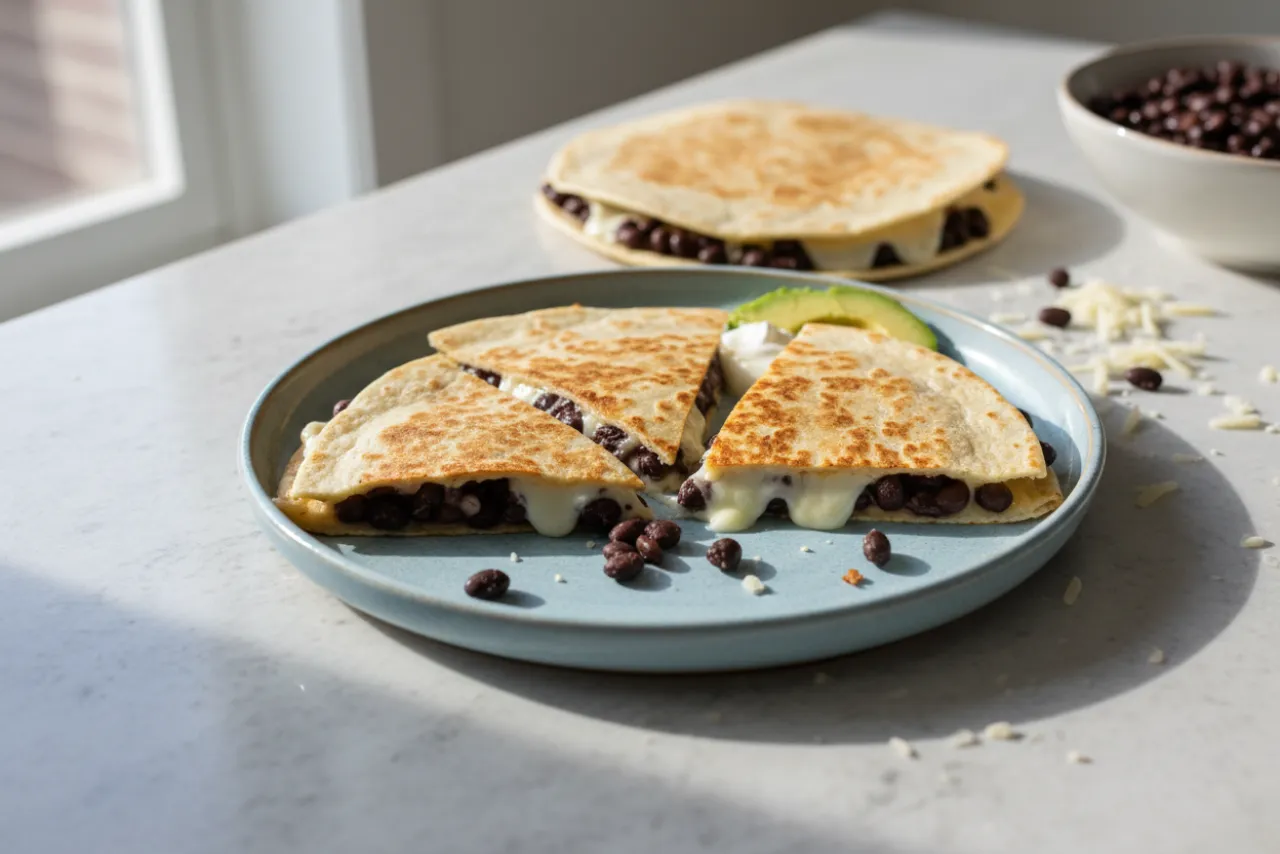
Mexican15 min13g fiber27g protein
Spiced black beans and plenty of cheese in a crisp tortilla — meatless and missing nothing.
View recipe →4Misal
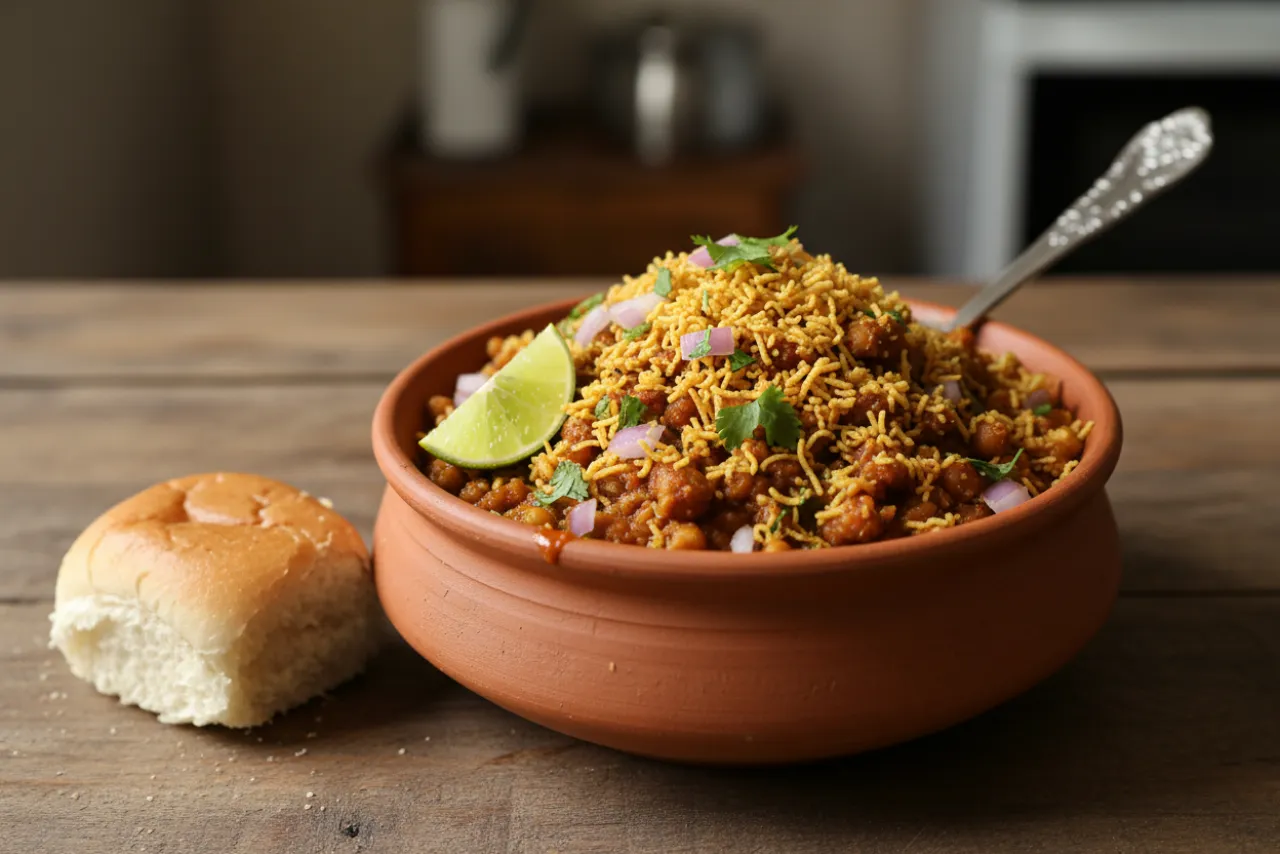
Indian40 min15g fiber20g protein
Spicy sprouted bean curry topped with crunchy farsan.
View recipe →5Thai Red Bean & Herb Salad

Thai20 min14g fiber22g protein
Kidney beans tossed with shallot, chili, lime, and herbs. A bright, zingy salad that eats like a meal and brims with fiber.
View recipe →6Roasted Mediterranean Vegetables with Chickpeas
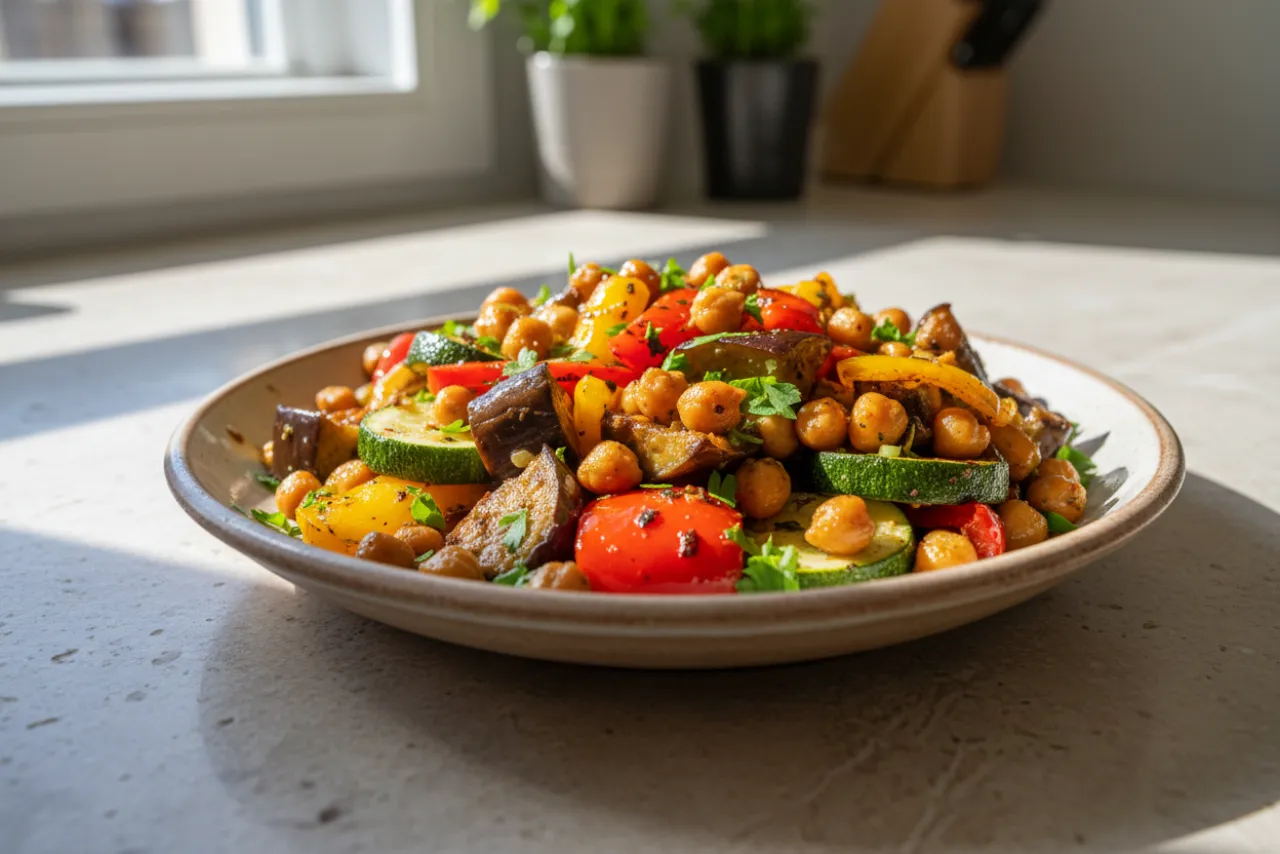
Mediterranean40 min15g fiber12g protein
Eggplant, peppers, and zucchini roasted in olive oil with chickpeas and herbs — a vegan tray of pure Mediterranean vegetables.
View recipe →7Menestra de Verduras (Navarran Vegetable Medley)

Spanish45 min19g fiber18g protein
A braise of artichoke, peas, favas, and carrot bound in a light garlic sauce. Spring vegetables, deep fiber.
View recipe →8Bindaetteok Bansang (Mung Bean Pancake Set)

Korean55 min15g fiber22g protein
Crisp ground-mung-bean pancakes with a kimchi-free cabbage banchan and a soybean sprout soup. A hearty, fibrous vegan spread.
View recipe →9Black Bean & Quinoa Burgers
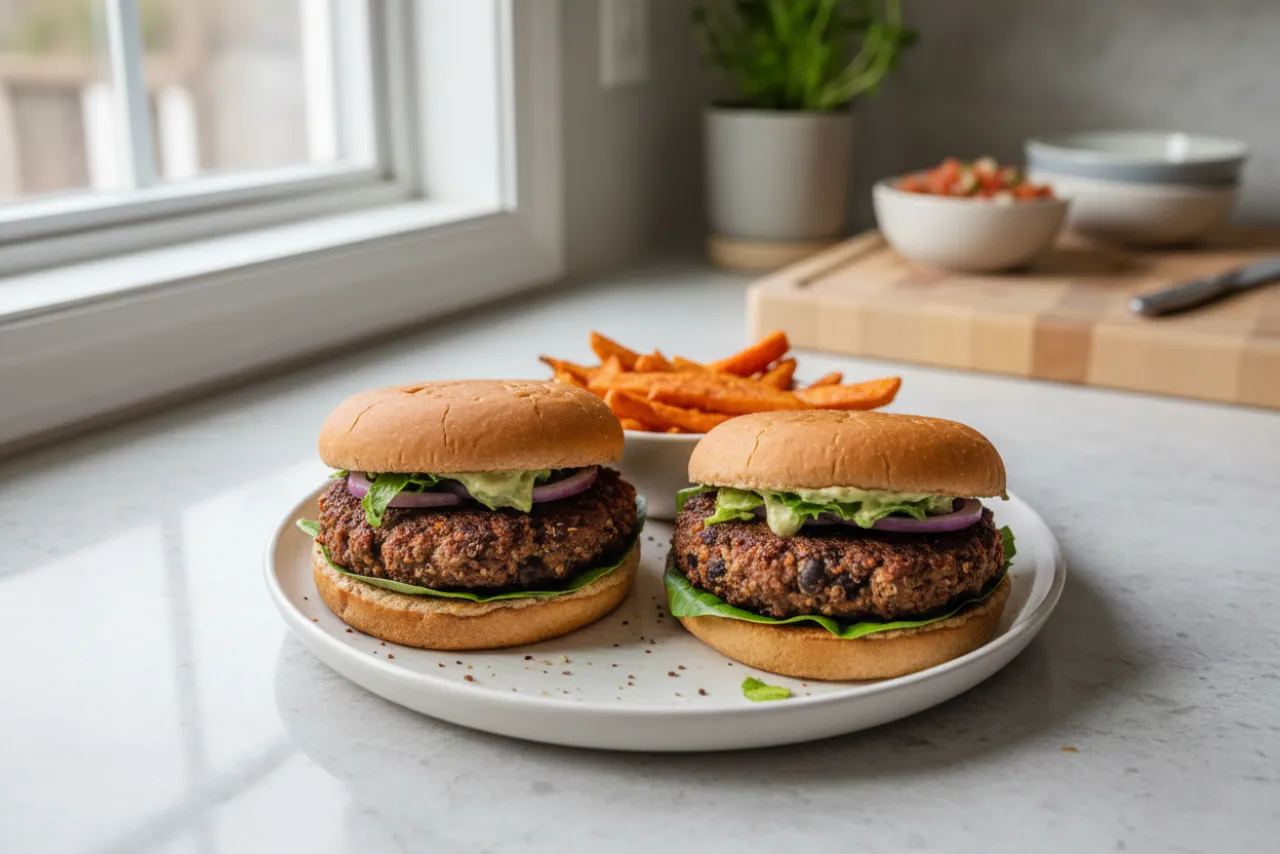
American35 min14g fiber16g protein
Black beans and quinoa mashed into hearty patties that hold together and hit twenty grams of plant protein each.
View recipe →10Enfrijoladas
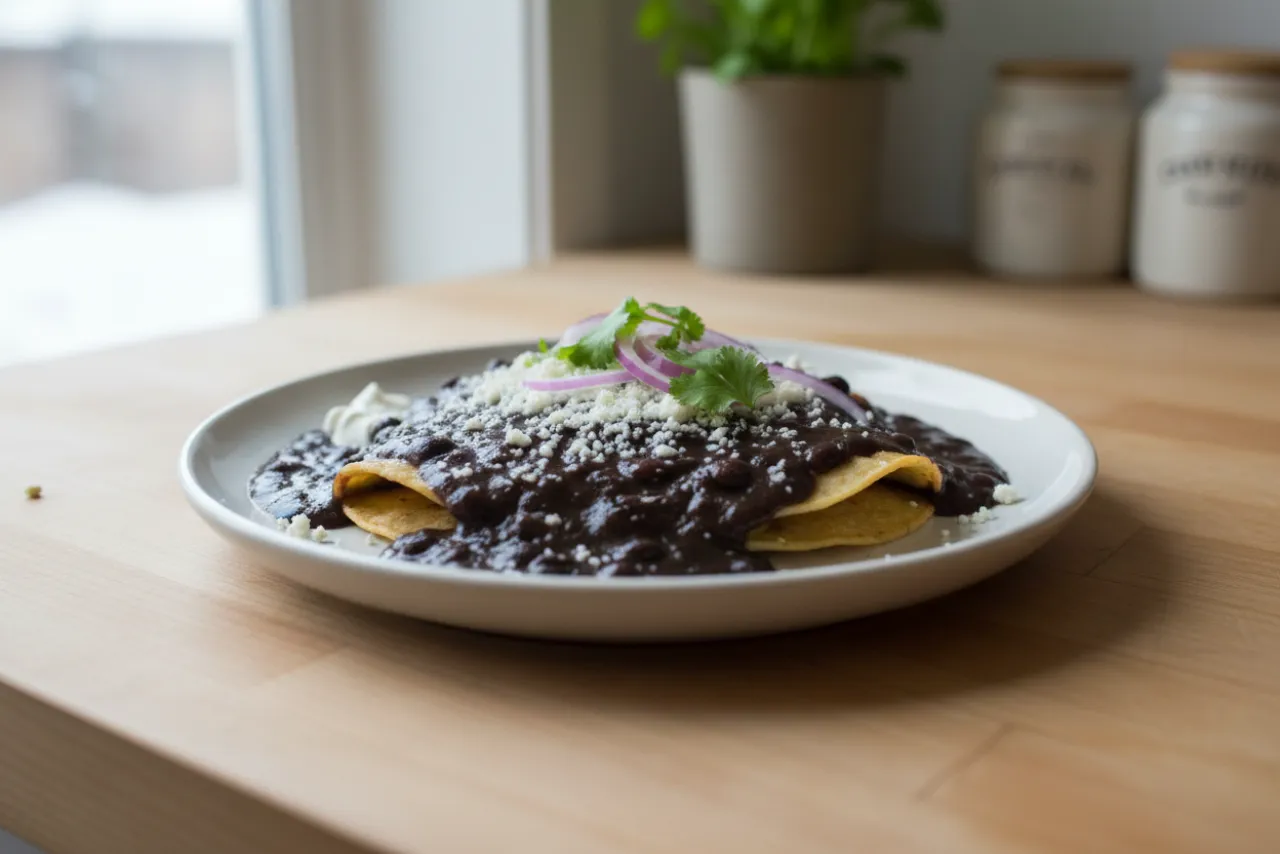
Mexican25 min18g fiber24g protein
Tortillas bathed in silky black-bean sauce and folded under cheese — enchiladas' easier cousin.
View recipe →11Tomato-Braised Butter Beans
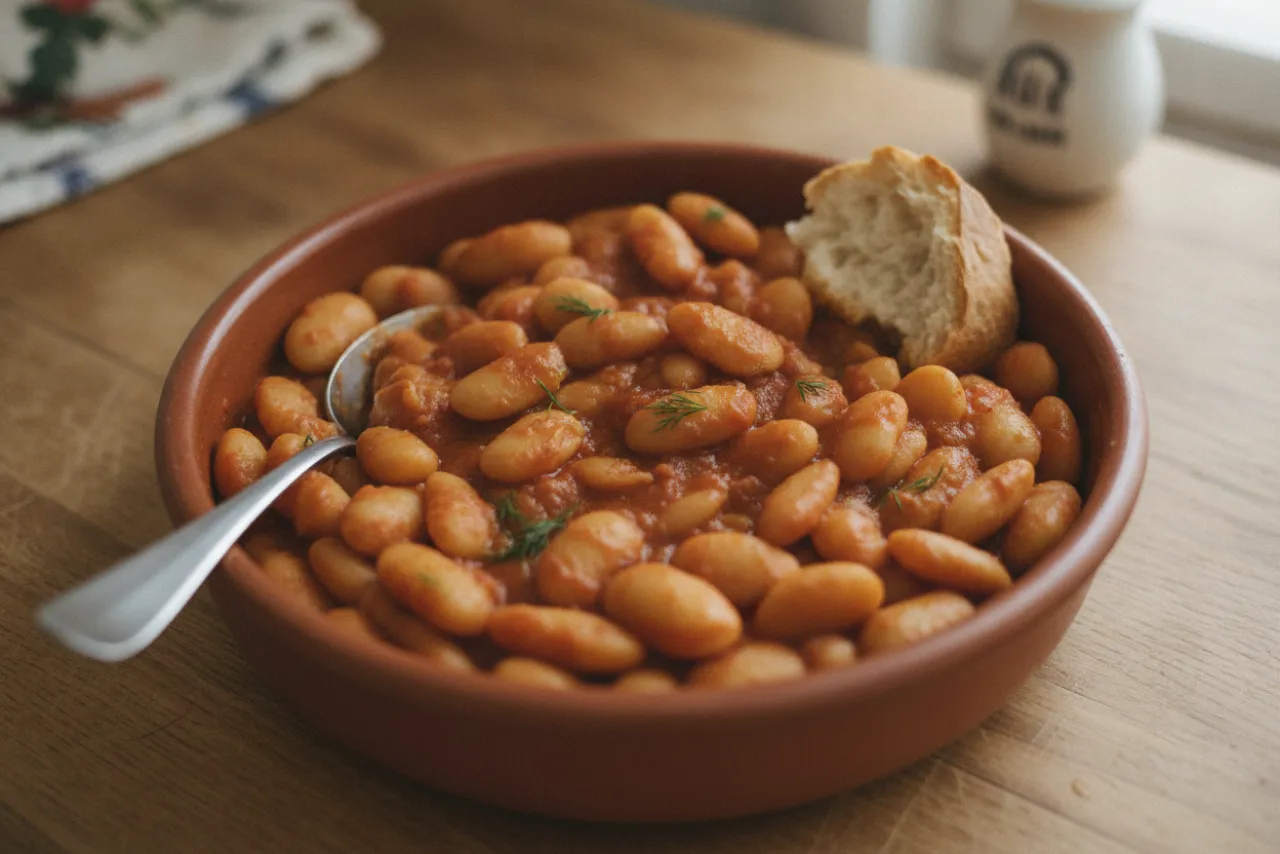
Greek30 min13g fiber14g protein
Big creamy beans simmered in garlicky tomato and olive oil — Greek taverna food from three tins and a pan.
View recipe →12Mediterranean Grain Bowl
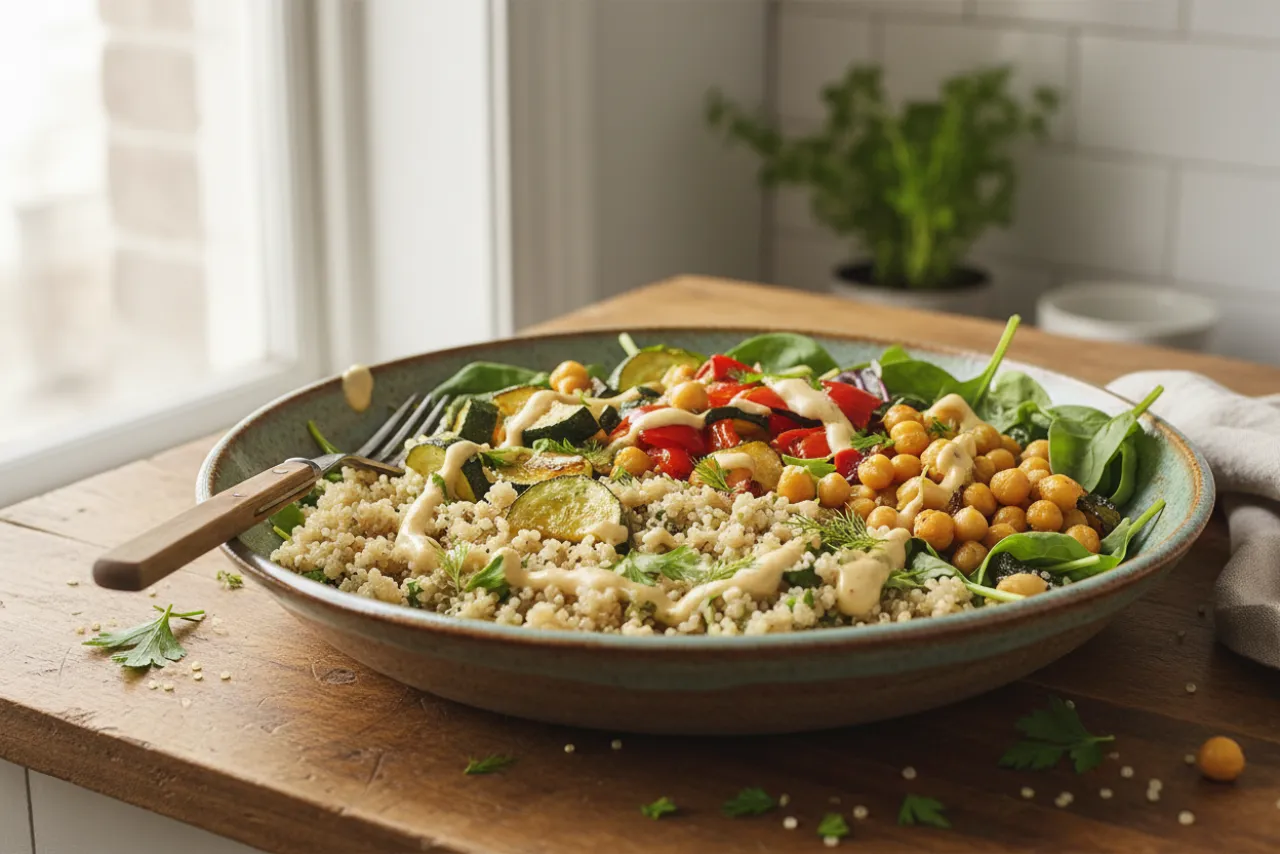
Mediterranean35 min13g fiber18g protein
Quinoa with roasted vegetables, chickpeas, and lemon-tahini.
View recipe →