Yes, a safe, balanced allergy-friendly meal plan is achievable, even with multiple allergies in the mix. This article gives you a ready sample week, a substitution system for the top allergens, and shopping and prep steps you can start using tonight. You’ll see how groups like the Asthma and Allergy Foundation of America and a registered dietitian would frame safe swaps, plus how a tool like Homecooked can automate the whole thing once you know what works for your kitchen.
TL;DR:
- Most allergen-free meal plans rely on rice, corn, gluten-free oats, and fortified plant-based milks to minimize common food allergies effectively.
- Swapping ingredients like flax eggs for eggs, sunflower seed butter for nuts, and coconut aminos for soy allows flexibility when replacing top allergens in recipes.
- Preparing double portions and organizing ingredients ahead of time simplifies weekly meal rotation and reduces cross-contact risks in the kitchen.
- Starting with a three-day meal plan and gradually expanding helps manage complexity and build confidence in allergen-safe cooking routines.
- Automated apps can generate personalized weekly plans and shopping lists, streamlining the process for managing multiple food allergies.
Table of Contents
- Your Sample Allergy Friendly Meal Plan for the Week
- How Do You Substitute the Top Food Allergens?
- Building a Repeatable System for Multiple Allergies
- Shopping and Batch-Prep for a Safer Kitchen
- Where to Find Reliable Allergy Safe Recipes
- Starting Small Beats Starting Perfect
- Let Homecooked Build Your Allergy-Friendly Plan For You
- Sources
Your Sample Allergy Friendly Meal Plan for the Week
Think of this as a starting template, not a rulebook. Swap any protein, grain, or vegetable for whatever fits your specific allergens, since the structure matters more than the exact ingredients.
Days 1 through 3 (the core rotation):
- Breakfast: Oatmeal made with fortified oat or rice milk, topped with berries and pumpkin seeds
- Lunch: Rice bowl with roasted chicken or chickpeas, cucumber, carrots, and a rice vinegar dressing
- Dinner: Sheet-pan salmon or tofu with roasted potatoes and green beans
- Snacks: Apple slices with sunflower seed butter, and rice cakes with mashed avocado
Days 4 through 7 (repeat breakfast, rotate dinners):
- Same oatmeal breakfast, or swap in a smoothie with coconut yogurt and banana
- Lunch built from Day 1 to 3 dinner leftovers, repacked with fresh greens
- Dinner: Ground beef or lentil taco night with corn tortillas and pico de gallo
- Dinner: Stir-fried rice noodles with shrimp or edamame-free tofu and bok choy
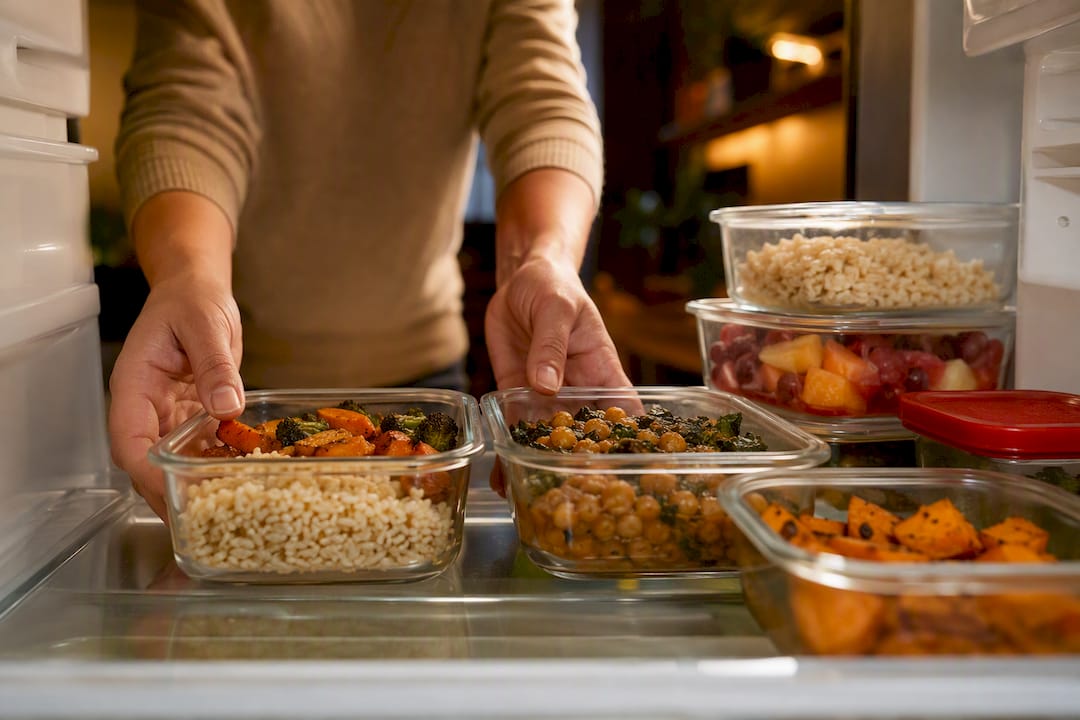
Most of this rotation is naturally free of dairy, egg, peanuts, tree nuts, and gluten once you choose rice, corn, or certified gluten-free oats as your base. The trick to making a week like this actually work is cooking double portions on Day 1, then reusing that protein in a completely different format by Day 4, so nothing tastes like leftovers even when it technically is.
How Do You Substitute the Top Food Allergens?
Every allergen has a handful of go-to swaps that show up in professional kitchens and home kitchens alike. Once you memorize these, adapting any recipe gets a lot less intimidating.
- Dairy: oat milk, coconut yogurt, cashew cream, or nutritional yeast for cheesy flavor
- Eggs: flax egg (1 tablespoon ground flax plus 3 tablespoons water), mashed banana, or aquafaba for baking
- Peanuts and tree nuts: sunflower seed butter, tahini, or roasted pumpkin seeds
- Wheat and gluten: rice flour blends, certified gluten-free oats, or corn tortillas
- Soy: coconut aminos instead of soy sauce, chickpeas instead of tofu
- Sesame: sunflower seed paste in place of tahini
- Fish and shellfish: jackfruit or mushrooms for texture, or a straightforward swap to poultry
Statistic Callout: Sutter Health recommends running a gluten-free trial for at least a full week before judging whether it’s helping, since symptoms don’t always shift in a day or two.
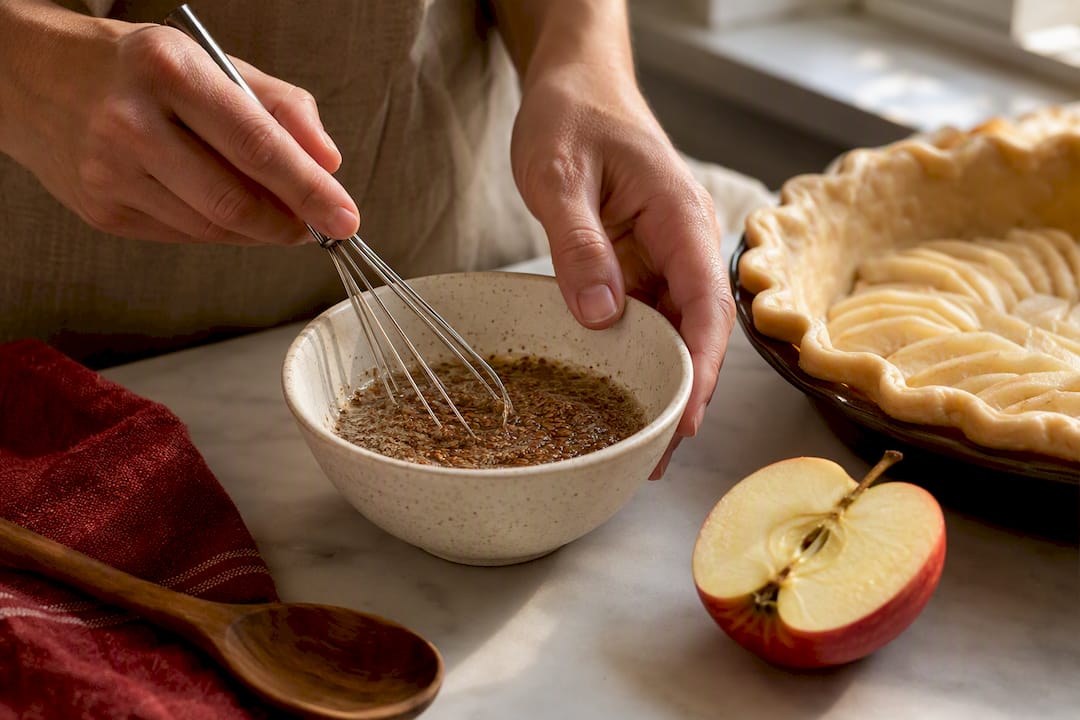
Always check for “may contain” warnings on packaging, and reach for certified allergen-free labels when a recipe has zero room for error. In baking, a flax egg holds an apple pie crust together almost as well as a real egg. At dinner, coconut aminos slide into a stir-fry sauce without anyone noticing the soy sauce is gone.
Building a Repeatable System for Multiple Allergies
The fastest way to stop rewriting your whole meal plan every time a new allergen enters the picture is to stop thinking in recipes and start thinking in categories. Every meal on your plan for allergies boils down to four building blocks.
- Pick a safe protein. Chicken, beef, legumes, or a soy-free tofu alternative, depending on what’s off the table.
- Pick a carb. Rice, potatoes, quinoa, or certified gluten-free oats.
- Add a vegetable. Whatever’s in season and doesn’t cross paths with your allergens during prep.
- Add a safe fat or flavor. Olive oil, tahini alternatives, fresh herbs, or a citrus dressing.
When allergies overlap, this template still holds. Someone avoiding dairy, egg, and tree nuts at once just narrows the fat and flavor options to olive oil, seed butters, and legume-based proteins instead of nut-based ones. Fortified plant milks help cover calcium and vitamin D that dairy would otherwise supply, and seed butters plus legumes pick up the protein and iron that eggs and nuts leave behind; for more on managing nutrition with sensitive bones, see Foods to Avoid With Osteoporosis: A Practical Guide.
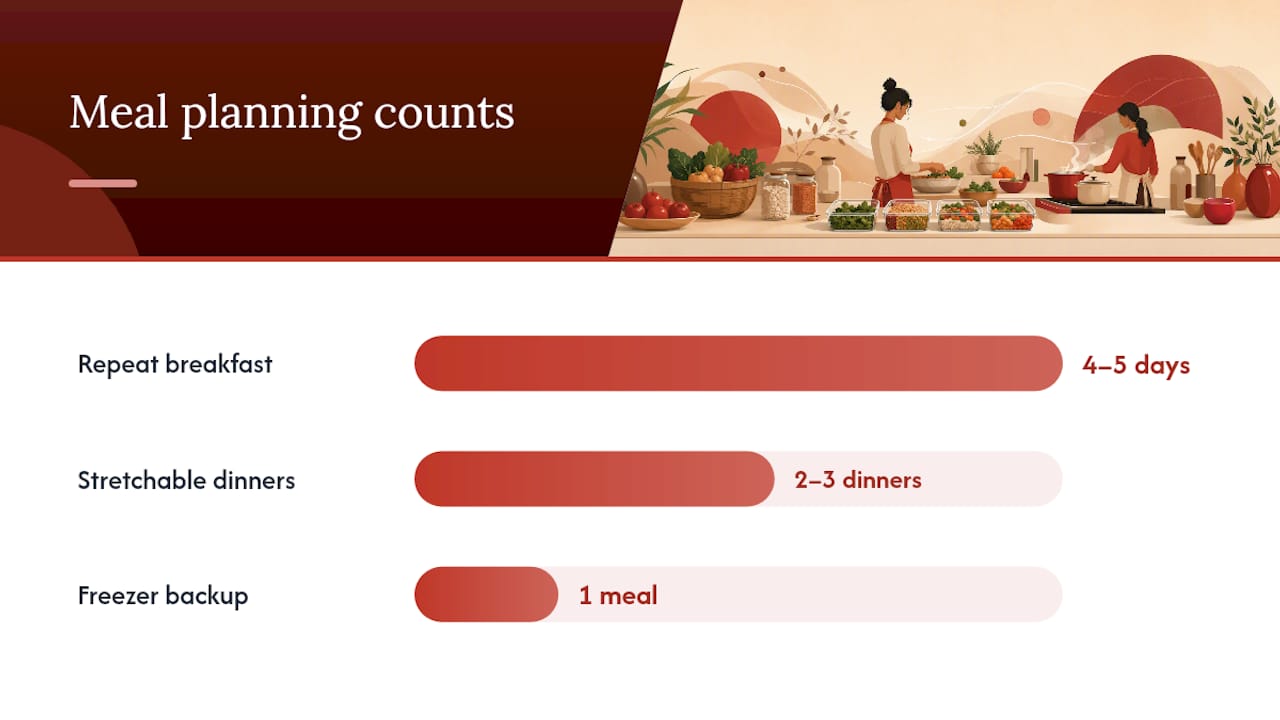
Pro Tip: Repeat the same breakfast four or five days a week. Nobody has the energy to reinvent breakfast daily, and a repeated meal is one less allergen risk to double check every morning.
Plan two or three dinners you can stretch into next-day lunches, and keep one backup meal in the freezer for the nights nothing goes as planned.
Shopping and Batch-Prep for a Safer Kitchen
A grocery list that mirrors your meal plan for allergies beats a wandering trip through every aisle. Organize it into three zones: pantry staples you already trust, swap ingredients specific to this week’s recipes, and anything that needs a label check at the shelf.
- Cook one protein in bulk on prep day (grilled chicken, baked lentils, or roasted tofu)
- Pre-chop vegetables and store them in labeled containers by meal
- Pre-cook a grain like rice or quinoa so dinner assembly takes ten minutes, not forty
- Freeze half of any sauce or soup batch for a backup meal later in the month
| Safety habit | Why it matters |
|---|---|
| Separate cutting boards and utensils | Prevents cross-contact between allergen and allergen-free foods |
| Wipe surfaces before and after prep | Removes residue that a quick rinse can miss |
| Label containers with contents and date | Stops mix-ups when multiple people cook in the same kitchen |
| Store allergen-free items on separate shelves | Keeps crumbs and drips from cross-contaminating below |
Whole Foods Market’s gluten-free meal plan leans on the same logic: repeat breakfasts, plan leftovers on purpose, and mix homemade meals with convenience items so the week doesn’t collapse by Thursday. If you want a structured starting point instead of building your own grocery list from scratch, turning a meal plan into a smart grocery list walks through exactly that process.
Where to Find Reliable Allergy Safe Recipes
Not every recipe site treats allergens with the same care, so it helps to know which sources actually label ingredients clearly and test for cross-contact risk. Kids With Food Allergies maintains one of the larger allergen-labeled recipe collections built specifically for families managing multiple restrictions. FAACT publishes quick, allergy-safe recipes aimed at busy parents, including simple ideas like rice cake pizzas that kids can help assemble.
A trustworthy recipe should list every ingredient by its full name, flag common allergen substitutes, and avoid vague terms like “seasoning blend” that could hide wheat or soy. On the Homecooked side, the 7-day anti-inflammatory meal plan with smart shopping list shows how a structured starter plan and grocery list work together, and a printable 7-day grocery list is worth keeping on hand for any week you build from scratch.
Starting Small Beats Starting Perfect
Don’t try to build a flawless 7-day plan on your first attempt. Start with three days, get the swaps right, then stretch to a full week once the rhythm feels manageable. Repeated breakfasts and batch-prepped proteins save real time, and having a plan reduces the low-grade stress of wondering what’s safe to eat tonight. For anyone managing multiple or severe allergies, loop in an allergist or registered dietitian before making major dietary changes.
— 0xmaglev
Let Homecooked Build Your Allergy-Friendly Plan For You
There are apps that turn everything above into an automated weekly system built around your specific allergens and health goals, not a generic list you have to adapt yourself.
Instead of manually cross-referencing labels and rebuilding your grocery list every Sunday, some apps generate personalized plans based on your dietary restrictions, then convert those plans into smart shopping lists that track what’s already in your pantry. If you want to see the “protein plus carb plus veg plus flavor” template in action, the bibimbap recipe is a customizable bowl that swaps easily around dairy, egg, and soy restrictions. For a protein-forward breakfast or snack option, the cottage cheese protein bowl shows how a single recipe page breaks down swaps and nutrition. You can start with a free trial on some platforms to build your first allergy-friendly week with a plan that actually fits your kitchen.