
The best endometriosis meal plan is built around whole, fiber-rich, mostly anti-inflammatory foods, adjusted for your own triggers, and kept flexible enough that you can stick with it. No diet cures endometriosis, but a steady plan can make the week easier to manage and may help you feel better. Below you’ll find the foods most often recommended, a sample day, a simple way to test your triggers, and the points where a doctor or dietitian should step in.
TL;DR
- A diet rich in lean protein, healthy fats, whole grains, fruits and vegetables may improve how you feel with endometriosis.
- Research does not support one specific “endometriosis diet” as a treatment, and restrictive diets can bring nutritional gaps, so start broad and cut only what your own symptoms point to.
- Keep a food and symptom diary for a few weeks. What bothers one person may not bother another.
- Plan meals and shop before you change anything, then repeat a handful of meals you enjoy.
- Bring your plan to a doctor or registered dietitian, especially before any elimination diet.
Table of Contents
- What a meal plan can and can’t do for endometriosis
- The foundation: what to build your week around
- Foods that may make symptoms worse
- Find your own triggers without cutting everything
- A sample day of endometriosis-friendly meals
- Turning it into a 7-day plan
- Keep lifestyle in the plan too
- When to bring in a doctor or dietitian
- Perspective: why we plan from the pantry first
- Plan the week with Homecooked
- FAQ
- Sources
What a meal plan can and can’t do for endometriosis
Let’s set expectations first, because they make the plan easier to live with. A 2026 review in PubMed found that current evidence does not support any specific endometriosis diet as an effective treatment. It also cautions that restrictive eating can lead to nutritional deficiencies or add psychological burden.
That doesn’t mean food is irrelevant. The same review notes that broad patterns such as the Mediterranean or DASH diets have solid public health evidence behind them and may offer indirect benefits for systemic inflammation, heart and metabolic health, and general well-being, even though disease-specific data remain limited. Cleveland Clinic similarly says that eating lean protein, healthy fats, whole grains, fruits and vegetables may improve how a person with endometriosis feels.
So think of your meal plan as a support tool alongside your medical care, not a replacement for it. Its job is to give you regular, nourishing meals, take away daily decision fatigue, and make it easy to notice patterns in how you feel.
The foundation: what to build your week around
Most endometriosis-focused guidance lands on the same core ingredients. Here is what to keep stocked, with the reasons behind each group.
Fiber-rich foods
High estrogen levels can make endometriosis symptoms worse, and Cleveland Clinic explains that fiber helps the body clear excess estrogen. Its list of fiber sources includes whole fruits and vegetables, legumes (beans, lentils, chickpeas), ground flaxseed, and whole grains such as whole-wheat pasta and brown rice.
If you want a longer list to shop from, our high-fiber foods list ranks 40 options by fiber content. Increase fiber gradually and drink water as you do, because a sudden jump can leave you bloated, which is the last thing you want.
Omega-3 fats
Cleveland Clinic suggests omega-3 fatty acids to help calm inflammation. Good sources are fatty fish (salmon, sardines, tuna), walnuts, chia seeds, and flaxseed or flaxseed oil. If you eat fish, one or two fish dinners a week is an easy place to start. If you don’t, walnuts, chia and flax can do the work at breakfast and in snacks.
Lean protein and whole grains
Protein keeps meals filling and steady. Chicken, fish, eggs, tofu, tempeh, beans and lentils all fit. Pair them with whole grains like brown rice, oats, quinoa or whole-wheat pasta, and you have the base of almost every meal below.
Color on the plate
Fruits and vegetables are the other pillar. Aim for a mix of leafy greens, cruciferous vegetables, orange and red produce, and whole fruit. Whole fruit, rather than juice, keeps the fiber. If a particular fruit bothers you, the diary in the next section will tell you; there’s no need to guess.
Foods that may make symptoms worse
Here the picture is personal. Endometriosis can overlap with bowel or bladder sensitivity, so the National Health Service in the UK recommends tailoring your diet to your symptom cluster instead of following a generic list.
For people whose endometriosis comes with painful bladder symptoms, that same NHS patient information advises limiting acidic foods, alcohol, caffeine, fizzy drinks, spicy foods, chocolate, and certain fruits such as berries and tomatoes. If bladder irritation is your main issue, this guide to tracking bladder-friendly foods walks through what to eat, limit and log.
If your symptoms are mostly digestive (bloating, cramping, constipation or diarrhea), the 2026 review says a low-FODMAP diet may be considered for selected patients whose symptoms look like irritable bowel syndrome, as long as it is time-limited and professionally supervised. FODMAPs are a group of fermentable carbohydrates found in foods like onions, garlic, wheat and some fruits. If that sounds like you, our low FODMAP meal planning guide and IBS meal plan show how a week of low-FODMAP meals fits together, and you can use them while working with your clinician.

Find your own triggers without cutting everything
The gentlest method is also the most useful: write things down. Cleveland Clinic recommends a food journal of what you eat and any symptoms, shared with your provider to identify possible triggers. The NHS patient leaflet gives the same advice and adds that what bothers one person may not affect another.
A simple routine that works:
- Log for two to three weeks while eating normally. Note meals, snacks, drinks, pain level, bloating, bowel and bladder symptoms, and where you are in your cycle.
- Look for repeats. One bad day proves nothing. The same food followed by the same symptom several times is worth noticing.
- Change one thing at a time. Pull out a single suspect food for a couple of weeks, then bring it back and see what happens.
- Keep the rest of the plate generous. The goal is a bigger list of foods you trust, not a shorter one.
The SLUCare Physician Group’s Endometriosis Diet Booklet describes a more formal version: a two-week elimination phase followed by a challenge phase in which foods are reintroduced and symptoms tracked. Because that approach removes foods that may be staples for you, talk to your doctor or dietitian before trying it. The booklet also advises planning your meals and grocery shopping ahead before you start, which is exactly what the next section helps with.
A sample day of endometriosis-friendly meals
This is an example of how the food groups above can come together in one day. It is not a prescription and it isn’t calorie-matched to anyone. Swap freely for your own triggers and preferences.
| Meal | Example | Why it fits |
|---|---|---|
| Breakfast | Oatmeal topped with ground flaxseed, chopped walnuts and sliced pear | Whole grain, fiber and omega-3s from flax and walnuts |
| Lunch | Brown rice and chickpea bowl with roasted vegetables, spinach and olive oil | Legumes, whole grain, leafy greens and healthy fat |
| Snack | Plain yogurt or a soy-based alternative with chia seeds, or an apple with nut butter | Easy fiber and healthy fats |
| Dinner | Baked salmon with quinoa and steamed broccoli | Fatty fish for omega-3s, lean protein and vegetables |
If you have bladder sensitivity, you might swap the tomato-based and berry-based items for gentler choices, and keep caffeine and fizzy drinks out of the picture while you test. If digestive symptoms dominate, you might replace chickpeas with a smaller portion or a lower-FODMAP protein until your clinician says otherwise.
Turning it into a 7-day plan
You don’t need seven different dinners. A practical week uses a few repeating building blocks.
- Pick two breakfasts. For example, flax-and-walnut oatmeal and a smoothie with spinach, whole fruit and chia seeds.
- Pick two lunches you can batch. A grain bowl and a lentil soup both reheat well. Our Mediterranean grain bowl is ready in 35 minutes and holds up in the fridge.
- Pick three or four dinners. Include one or two fatty fish nights, one legume-based dinner, and one flexible “clean out the fridge” stir-fry or sheet pan.
- Choose two snacks. Keep them simple and fiber-forward.
- Prep once. Cook a pot of brown rice or quinoa, roast a tray of vegetables, and portion nuts and seeds. A one-hour Sunday session covers most of the week.
Need more ideas that match this style? The Mediterranean pattern lines up well with the foods above, and it’s the kind of broad pattern the 2026 review points to. Browse our Mediterranean diet dinner recipes, Mediterranean diet recipes or the step-by-step Mediterranean meal planning guide. For fiber and protein in the same meal, try these high-protein, high-fiber meals, high-fiber meal ideas and high-fiber salads, bowls and smoothies.
A grocery list to start from
- Produce: spinach or kale, broccoli, carrots, zucchini, sweet potatoes, pears, apples, bananas (swap in anything that suits your triggers)
- Legumes and grains: lentils, chickpeas, black beans, brown rice, quinoa, oats, whole-wheat pasta
- Protein: salmon, sardines or canned tuna, chicken, eggs, tofu
- Fats and seeds: olive oil, walnuts, chia seeds, ground flaxseed
- Pantry helpers: canned beans, low-sodium broth, herbs and mild spices
Keep lifestyle in the plan too
Food is one lever among several. The NHS patient information points out that managing inflammation involves sleep, stress management and regular movement as well as what is on your plate. A meal plan that leaves you worn out from cooking every night is working against you, so build in easy nights, leftovers and a frozen backup meal.
When to bring in a doctor or dietitian
Get professional help if you are considering a restrictive diet, your symptoms are hard to control, or you want a plan tailored to you. A 2024 review in the scientific literature on dietary and nutritional interventions describes the need for a personalized approach involving multidisciplinary teams, including registered dietitians, and a dietitian can help you avoid nutritional deficiencies while you test foods.
See your doctor promptly rather than managing on your own if you have new or worsening pelvic pain, bleeding that changes, or digestive or bladder symptoms that don’t settle. Take your food diary to the appointment; it gives your clinician something concrete to work with.
Perspective: why we plan from the pantry first
We built Homecooked around a simple belief: a health-focused meal plan only works if it fits the kitchen you already have and the way you actually eat.
For a condition like endometriosis, where triggers are personal and evidence points to flexible, whole-food patterns rather than one rigid list, that matters. Our approach is pantry-first planning tailored to both health goals and flavor, so the plan starts from what you own and what you enjoy instead of a template that ignores both.
We also think cooking should feel manageable on a hard day. That’s why we pair meal plans with automated shopping lists, pantry tracking, and guided recipe steps with live timers, plus progress tracking so you can see what you’ve been eating next to how you’ve been feeling. It’s designed to make the food-diary habit less of a chore.
0xmaglev
Plan the week with Homecooked
If you’d rather not build this by hand every Sunday, Homecooked creates personalized meal plans from your health goals and dietary preferences, then turns them into an automated shopping list. It tracks your pantry, guides you through each recipe with built-in timers, and offers AI-powered cooking help when you’re stuck on a substitution. You can try it with a free trial before deciding on a Homecooked Pro subscription.
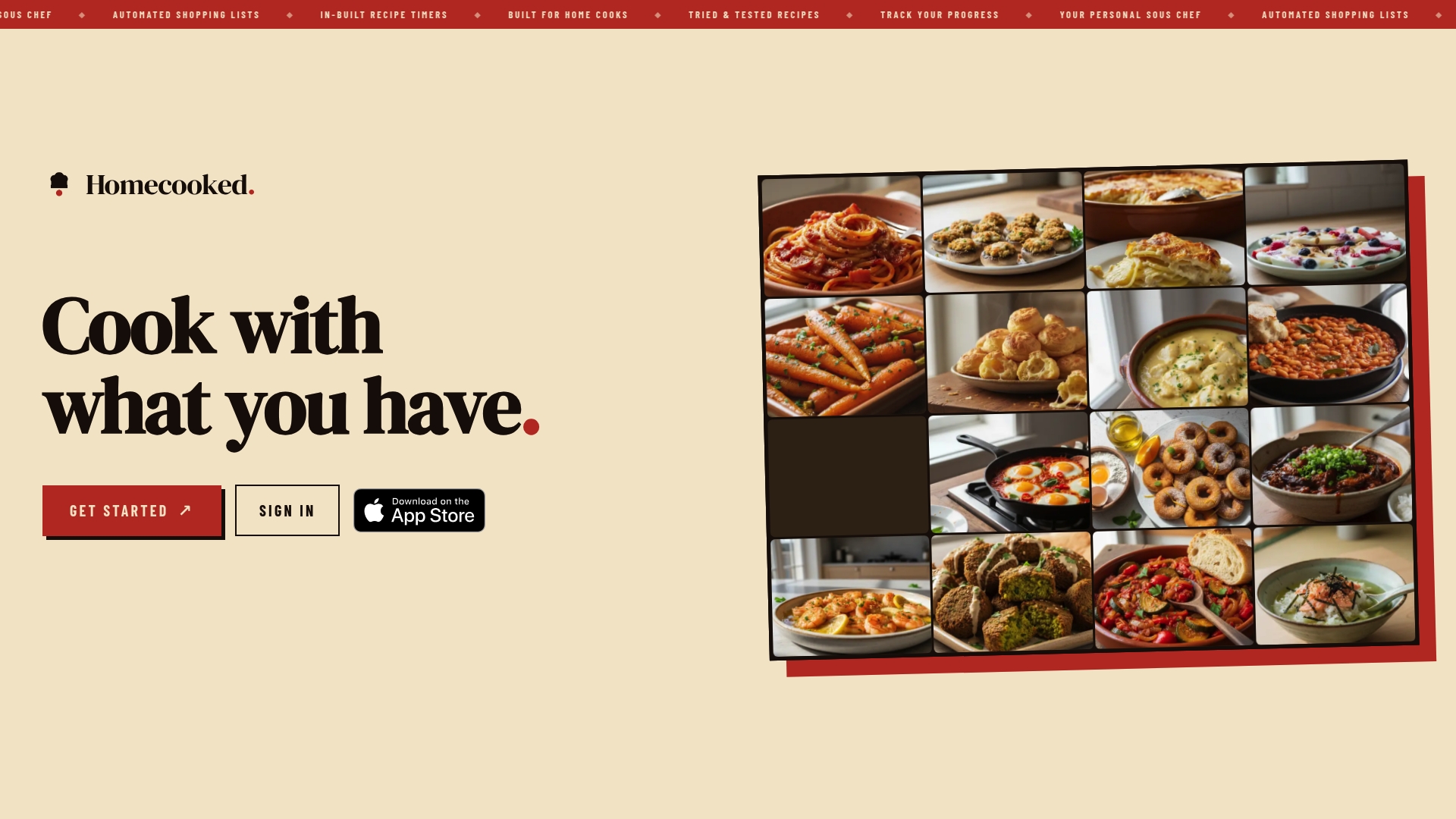
Tell it which foods you want to emphasize or skip, and use it alongside your doctor’s or dietitian’s advice.
FAQ
What diet should I eat if I have endometriosis?
There is no single proven endometriosis diet. A pattern rich in lean protein, healthy fats, whole grains, fruits and vegetables is the most commonly recommended starting point, and Mediterranean-style eating fits it well. Adjust for your own triggers with a food diary and your care team’s guidance.
What foods make endo worse?
It depends on the person. For painful bladder symptoms, NHS patient information suggests limiting acidic foods, alcohol, caffeine, fizzy drinks, spicy foods, chocolate, and fruits such as berries and tomatoes. For digestive symptoms, a supervised, time-limited low-FODMAP trial may help some people. A food and symptom diary shows which foods are actually yours to limit.
Which fruit is best for endometriosis?
No fruit is proven best. Whole fruits are a good source of fiber, which Cleveland Clinic links with helping the body clear excess estrogen. Choose whole fruit you enjoy and tolerate, such as pears or apples, and check your diary if a fruit, like berries for some bladder-sensitive people, seems to cause symptoms.
Should I go gluten-free or low-FODMAP?
Not automatically. Restrictive diets can lead to nutritional gaps, so they are best tried for a limited time with a doctor or registered dietitian. A low-FODMAP trial is mainly considered when symptoms resemble irritable bowel syndrome.
Sources
- Endometriosis Diet: Foods To Eat and Avoid, Cleveland Clinic
- Nutrition and endometriosis: Evidence, limits and clinical implications, PubMed
- Your diet and endometriosis, patient information, NHS (UK)
- Endometriosis Diet Booklet, SLUCare Physician Group
- Dietary and Nutritional Interventions for the Management of Endometriosis, PMC
- Overactive Bladder Diet: What to Eat, Limit and Track