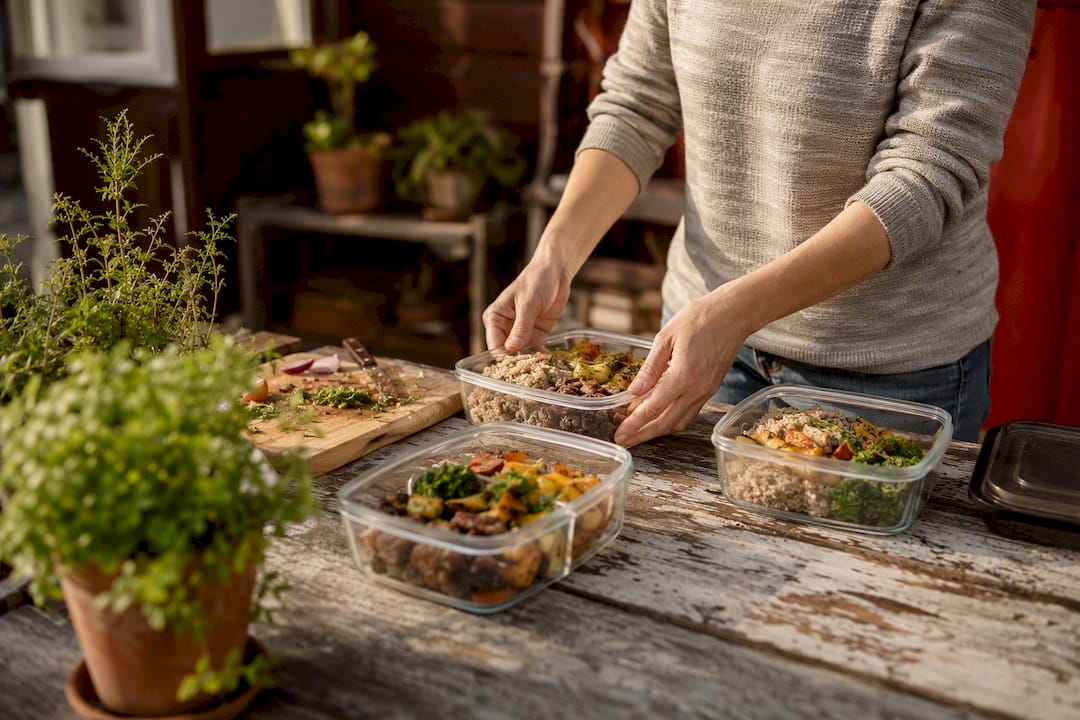
This week, double two dinners you’re already making and freeze the extras. Label each container with the meal name, the date, and reheating instructions, then log it on a simple inventory sheet. That’s it. You’ll cut nightly cooking down for the next two weeks without touching a new recipe. The USDA’s core freezing rule is simple: cool food before you freeze it. A tool like Homecooked can help you build the shopping list and portion plan around it.
Start with this checklist:
- Pick two dinners you’re cooking this week and double the batch.
- Cool completely, then portion into shallow containers before freezing.
- Write the name, date, and reheat method on the lid, and jot it down on your inventory list.
Key Takeaways
Freezer meal planning works when cooling, portioning, and labeling happen in that exact order, backed by a rotation system that prevents waste.
| Point | Details |
|---|---|
| Pick your approach | Match double dinner, power session, or once-a-month cooking to your available time and freezer space. |
| Use shallow containers | Containers of a shallow size freeze and reheat more evenly than deep tubs. |
| Cool before sealing | Bring food to room temperature before freezing to avoid ice crystals and mushy texture. |
| Label with reheat instructions | Write the meal name, date, and reheating method directly on the container. |
| Track with a rotation system | Use a manual sheet or an inventory app with a first-in, first-out rule to cut waste. |
| Let Homecooked build the plan | The app automates shopping lists and pantry tracking so your freezer sessions start with a ready-made menu. |
Table of Contents
- What Is Freezer Meal Planning, Exactly?
- Which Freezer Meal Planning Approach Fits Your Week?
- What Containers and Labels Actually Work?
- How Do You Run an Efficient Cooking Session?
- What Recipes Actually Freeze Well?
- How Long Can You Safely Store Freezer Meals?
- How Do You Track Freezer Inventory Without Losing Your Mind?
- How Do You Fix a Ruined Freezer Meal?
- Why This System Beats Winging It Every Night
- Let Homecooked Handle the Planning Side
- Sources
What Is Freezer Meal Planning, Exactly?
Freezer meal planning is the practice of cooking in bulk on a schedule, so future meals are already done and waiting in the freezer instead of demanding fresh effort every night. It’s sometimes called batch cooking or freezer cooking, and the goal is always the same: trade one focused block of kitchen time now for a string of five-minute dinners later. The system only works when three things happen in order: cooking with a plan, cooling properly, and labeling honestly.
Which Freezer Meal Planning Approach Fits Your Week?
Not every household needs a marathon cooking day. Three approaches cover almost everyone, and picking the right one comes down to how much time you have in one sitting versus spread across a week.
- Double dinner. Whenever you cook a freezer-friendly meal, make double and freeze half. Low time commitment, builds a stash gradually, and works well for anyone new to batch cooking.
- Power session. A focused one to three hour block where you cook three to five meals back to back, often on a Sunday. This is the method TheKitchn built its power-cooking framework around, and it suits a family of four that wants two to three weeks of dinners in one push.
- Once-a-month cooking. A full-day event, sometimes six or more hours, aimed at filling the freezer for weeks at a stretch. It fits caregiver groups or households feeding extra people, but it demands serious freezer space and stamina.
As a rough planning guide, a well-organized power session produces about two to three finished meals per hour once prep is done, so a two hour session realistically yields several dinners.
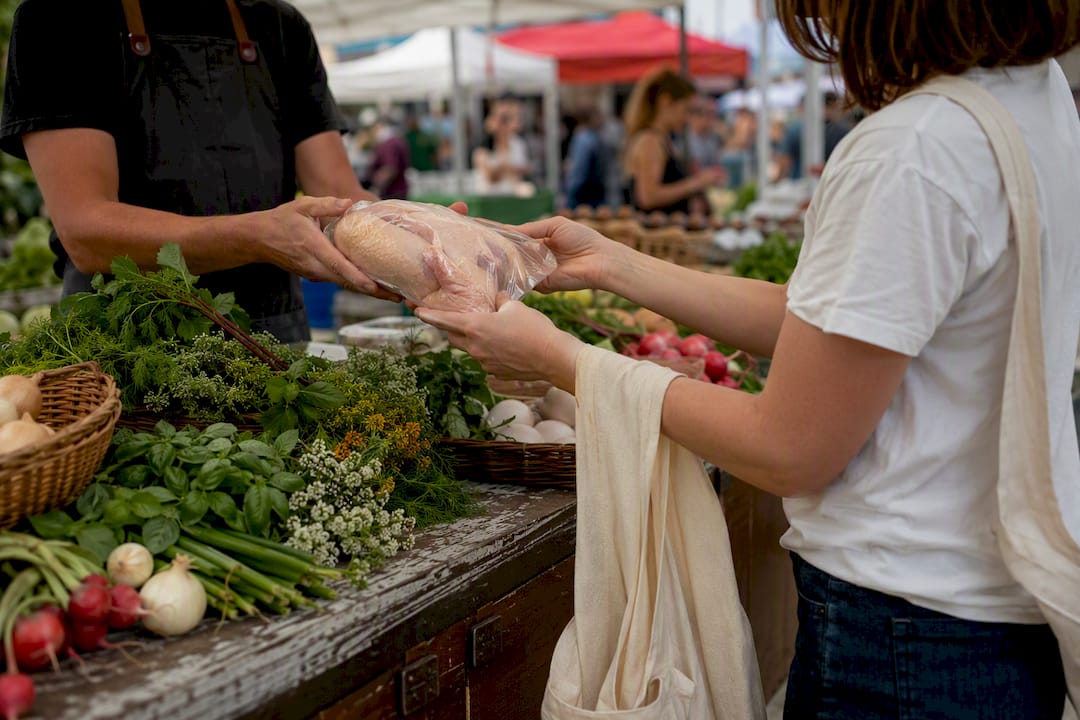
Pro Tip: Schedule your cooking session around grocery sale cycles. Buying ground beef or chicken thighs when they’re discounted, then batch-cooking them the same weekend, stretches your grocery budget further than shopping and cooking on separate weeks.
What Containers and Labels Actually Work?
Container choice makes or breaks reheating quality. Shallow rigid containers, roughly 20 to 24 ounces and under 2.5 inches deep, freeze and thaw more evenly than deep tubs because heat and cold move through thin layers faster. A shallow-container structure like the one Cook Once Eat Later recommends avoids the icy centers and mushy edges that deep containers create.
- Shallow rigid containers for soups, casseroles, and sauced dishes.
- Heavy-duty freezer bags, laid flat until frozen, for marinated proteins or flat-packed portions.
- Disposable foil pans when you’re gifting a meal to a new parent or a sick neighbor.
- A vacuum sealer or the “straw trick” (sucking air out of a zip bag before sealing) to cut freezer burn on a budget.
For labels, write the meal name, the freeze date, and the reheat method (oven temp and time, or “thaw overnight, then simmer 10 minutes”) directly on the lid or bag.
How Do You Run an Efficient Cooking Session?
An efficient session follows the same logic professional kitchens use: prep everything before you turn on a burner. TheKitchn calls this approach power cooking, and its foundation is mise en place, meaning every onion is diced and every can is opened before cooking starts.
- Mise en place first. Pull out every recipe, chop all vegetables, measure spices, and clear counter space. Doing this once, instead of mid-recipe five separate times, is what actually saves the hours.
- Cook in a smart order. Start rice or pasta in one pot while browning ground beef in another. Use the oven for a casserole while the stovetop handles a soup. Running tasks in parallel, the way parallel cooking with timers works for weeknight dinners, applies just as well to a batch session.
- Cool before you seal. Spread hot food in shallow pans or use an ice bath to bring it to room temperature quickly. Sealing warm food traps steam, and that steam turns into ice crystals that wreck texture on reheat. The USDA is explicit that food needs proper cooling before freezing to stay both safe and appetizing.
- Pack and place strategically. Portion into your shallow containers, label immediately, and store toward the back of the freezer where temperatures stay more stable than near the door.
Pro Tip: Freeze soups and sauces flat in gallon bags on a baking sheet. Once frozen solid, they stack like books, which frees up shelf space that round containers waste.
What Recipes Actually Freeze Well?
Some dishes come out of the freezer tasting nearly identical to fresh. Others turn to soup or sand. The reliable categories are casseroles, soups and stews, meatball or taco filling kits, pasta bakes, and breakfast burritos. Each holds structure through freezing because they’re built on a protein plus starch plus vegetable plus sauce formula, the same structure Cook Once Eat Later uses to keep texture and moisture intact.
Three menu templates to start with:
- Family dinner: a double batch of chili or a pasta bake, portioned into family-size shallow containers, reheated covered at 350°F until the center hits a safe internal temperature.
- Lunches: individual portions of grain bowls or burrito filling in single-serve containers, ready to microwave straight from frozen in about six minutes. Browse more make-ahead lunch ideas for variety.
- Breakfasts: breakfast burritos or egg muffins, wrapped individually, microwaved for two minutes after an overnight fridge thaw.
A few ingredient tweaks matter more than the recipe itself: swap heavy cream for a roux-based sauce, which holds up better than dairy that can separate, and slightly undercook vegetables like broccoli or zucchini so they don’t turn mushy on reheat. For more freezer-ready recipe inspiration, 25 batch-friendly meal prep ideas is a solid starting list.
How Long Can You Safely Store Freezer Meals?
Frozen food stored at a constant 0°F stays safe indefinitely, but quality drops well before safety does. Treat these windows as conservative targets for best taste and texture:
- Soups and stews: 2 to 3 months.
- Casseroles: 2 to 3 months.
- Cooked meats and shredded proteins: 2 to 6 months depending on fat content.
For thawing, the FDA recommends three safe methods: overnight in the refrigerator, submerged in cold water changed every 30 minutes, or directly in the microwave if you’re cooking immediately after. Never thaw on the counter at room temperature. When reheating, aim for an internal temperature of 165°F throughout, checked with a food thermometer, not by eyeballing color.
How Do You Track Freezer Inventory Without Losing Your Mind?
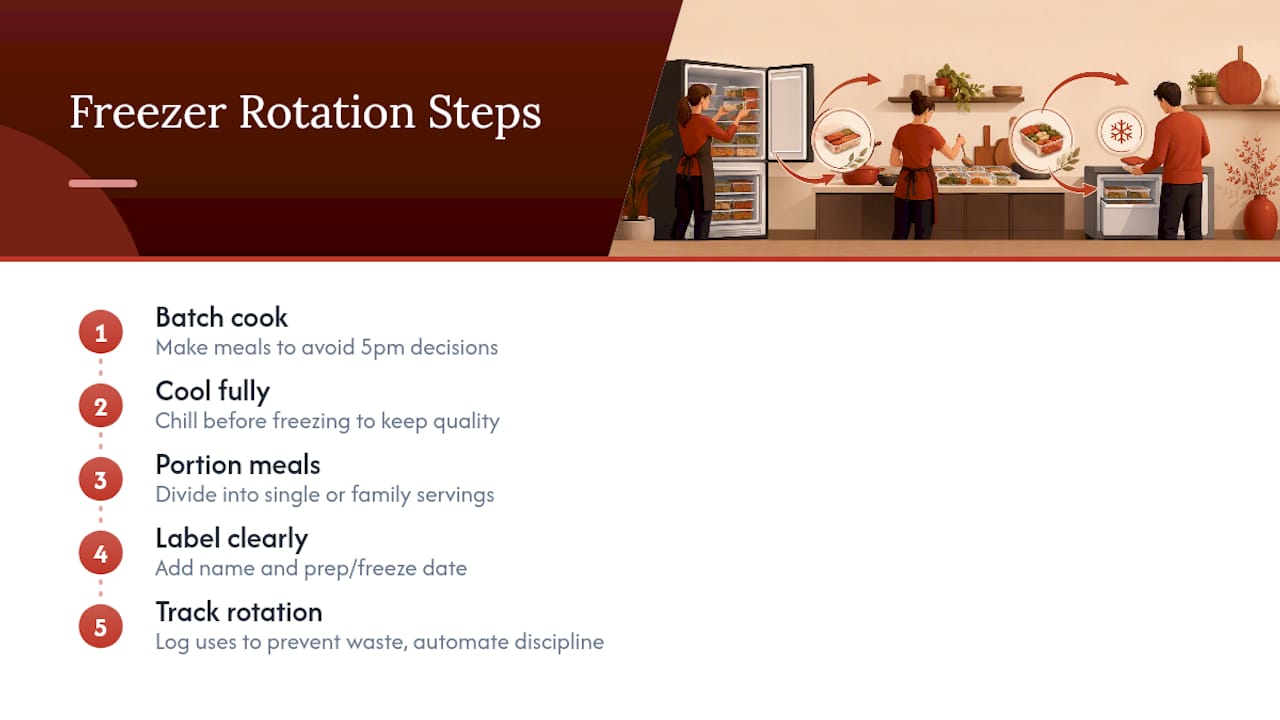
A freezer stuffed with unlabeled mystery containers defeats the entire point of planning ahead. The fix is a rotation rule: first in, first out. Whatever went in earliest gets eaten first, which keeps nothing lingering for eight months.
- A taped inventory sheet on the freezer door, updated with a pen every time something goes in or out.
- A whiteboard column split by meal type, so soups, casseroles, and breakfasts each get their own row.
- A spreadsheet, if you like sorting by date added.
- An inventory app with expiry reminders and shared household access, useful once your freezer count climbs past ten or fifteen items.
Whichever method you pick, connect it to your weekly plan. Once you know what’s already frozen, build your grocery list around what’s missing instead of restocking food you already have.
How Do You Fix a Ruined Freezer Meal?
Freezer burn, watery sauces, and soggy vegetables are the three complaints that show up most, and all three have quick fixes.
- Freezer burn: trim the grayish dried patches, then re-sauce or add broth before reheating to bring moisture back.
- Watery separation: drain excess liquid, then thicken with a cornstarch slurry or a quick roux, and re-season since freezing mutes salt and spice.
- Soggy vegetables: blanch veggies before freezing rather than fully cooking them, so they hold texture through the reheat.
Pro Tip: Keep a small jar of cornstarch slurry ratio (1 tablespoon starch to 1 tablespoon cold water) memorized. It rescues nearly any watery freezer sauce in under a minute.
Why This System Beats Winging It Every Night
Households that build a real freezer rotation stop making the 5 p.m. “what’s for dinner” decision from scratch, and that single change removes most of the stress around weeknight cooking. The bigger surprise is how much food waste drops once meals are labeled and tracked instead of buried and forgotten. A structured system like Homecooked’s meal planning turns that discipline into something automatic rather than something you have to remember to do. If you want more angles on batch cooking day logistics, the holiday meal prep tips from Wild Foodz cover scaling a prep day for guests.
Let Homecooked Handle the Planning Side
Homecooked is the shortcut for the part of this system most people abandon: the planning and list building that has to happen before you ever chop an onion. The app builds personalized meal plans around your health goals and dietary preferences, generates an automated shopping list from that plan, and tracks your pantry so you’re not guessing what’s already on hand before your next power session.
Instead of building your freezer menu from scratch, start with a plan already matched to your preferences, then batch and freeze from there. Try the free trial and see how a ready-made recipe, like the cottage cheese protein bowl, fits straight into your next freezer cooking session.
Sources
For official safety rules, see USDA’s freezing guidance and FDA’s storage guidance. For practical workflows, see Cook Once Eat Later, Good Cheap Eats, and TheKitchn.
- Power cooking session for freezer meal prep — TheKitchn
- Freezing and food safety — USDA (FSIS)
- Are you storing food safely? — FDA
- The Complete Freezer Meal System — Cook Once Eat Later