
Yes. A GERD-focused meal plan built around smaller portions, lower-acid and lower-fat choices, and smarter timing often reduces reflux symptoms for people with mild-to-moderate GERD. The tactics that matter most are simple: eat less at each sitting, skip the known trigger foods, and stop eating at least three hours before you lie down. Try the 7-day plan below and track your symptoms for two weeks. If symptoms are frequent or severe, talk to a clinician.
TL;DR:
- Finish eating at least three hours before lying down, choose smaller portions, and eat slowly; large meals can trigger symptoms even when foods are tolerated.
- Common triggers include citrus, tomatoes, chocolate, caffeine, alcohol, mint, spicy or fried foods, and carbonated drinks; avoid only those your symptom log implicates.
- For two weeks, record meals, eating times, symptom severity on a zero to three scale, and when symptoms begin to identify personal patterns.
- Remove a suspected food for seven to fourteen days, then reintroduce it once and monitor symptoms for 48 to 72 hours before deciding.
- Talk to a clinician about trouble swallowing, unexplained weight loss, vomiting, or bleeding; frequent or severe symptoms may require medication.
Table of Contents
- Foods to Avoid and GERD-Friendly Foods That Actually Help
- Your 7-Day GERD-Friendly Meal Plan
- How Timing and Portions Change Your Reflux Risk
- Personalizing Your Plan and Knowing When to See a Doctor
- Why Personalization Beats a One-Size-Fits-All GERD Diet
- Let Homecooked Turn This Plan Into Your Plan
- FAQ
- Sources
Foods to Avoid and GERD-Friendly Foods That Actually Help
Not every trigger food bothers every person, but some patterns show up again and again in clinical guidance. NIDDK’s dietary guidance names the usual suspects: citrus, tomatoes, chocolate, caffeine, alcohol, mint, spicy food, and anything high in fat. Here’s the short version of what tends to cause trouble and why:
- Tomatoes and citrus: Highly acidic, which can irritate an already sensitive esophagus.
- Chocolate and caffeine: Both can relax the lower esophageal sphincter in some people, letting acid slip upward.
- Fried and fatty foods: Fat slows digestion, which keeps food in the stomach longer and raises reflux risk.
- Mint and carbonated drinks: Mint can relax the sphincter; carbonation adds pressure and gas.
- Alcohol: Loosens the sphincter and can irritate the stomach lining directly.
On the friendlier side, oatmeal, lean proteins like chicken breast or baked fish, steamed vegetables, noncitrus fruit such as melon or bananas, ginger, and low-fat dairy tend to sit easier. These foods are lower in fat, less acidic, and gentler on digestion overall.
Simple swaps make the plan livable instead of punishing. Trade tomato sauce for a roasted root vegetable purée with herbs. Swap whole milk yogurt for a low-fat or lactose-free version if dairy is a trigger. Replace fried chicken with grilled or baked chicken using the same seasoning blend, so the flavor still lands.

Portion size matters as much as food choice. A large meal of “safe” foods can still trigger reflux because volume alone raises stomach pressure.
Pro Tip: Fill your plate using the palm-and-fist method: a palm-sized portion of protein, a fist-sized portion of starch, and the rest in vegetables. It keeps meals satisfying without overloading your stomach.
Your 7-Day GERD-Friendly Meal Plan
This week is built to be repeatable, not fussy. Most dinners double as next-day lunches, and breakfasts lean on make-ahead basics so you’re not cooking from scratch every morning.
- Day 1: Overnight oats with banana and a drizzle of honey for breakfast, grilled chicken salad with steamed green beans for lunch, baked cod with roasted sweet potato for dinner, and a handful of unsalted almonds as a snack.
- Day 2: Low-fat yogurt with melon for breakfast, leftover baked cod over rice for lunch, turkey meatballs with zucchini noodles for dinner, and a rice cake with almond butter as a snack.
- Day 3: Scrambled egg whites with spinach for breakfast, turkey and avocado wrap (whole wheat, light mayo) for lunch, roasted chicken with mashed sweet potato for dinner, and sliced pear as a snack.
- Day 4: Overnight oats again, since they keep well, leftover roasted chicken salad for lunch, baked salmon with steamed broccoli for dinner, and low-fat cottage cheese with banana as a snack.
- Day 5: Oatmeal with cinnamon and apple for breakfast, grilled chicken and quinoa bowl for lunch, turkey chili (mild, no tomato base, built on white beans and broth) for dinner, and a small handful of walnuts as a snack.
- Day 6: Low-fat yogurt parfait with granola for breakfast, leftover turkey chili for lunch, grilled shrimp skewers with roasted vegetables for dinner, and ginger tea with a few whole-grain crackers as a snack.
- Day 7: Egg white omelet with mushrooms and spinach for breakfast, leftover grilled shrimp over greens for lunch, baked chicken thighs with steamed carrots for dinner, and melon cubes as a snack.
A few notes make this easier to run on repeat. Roast a full chicken or batch of chicken thighs early in the week and pull from it for three or four meals. Overnight oats take five minutes the night before and cover two breakfasts without a dishwashing repeat. For anyone avoiding dairy, swap yogurt for a lactose-free or coconut-based version, and for low-FODMAP needs, swap onion and garlic in savory dishes for asafoetida or the green tops of scallions, which carry less fermentable fiber.
Your pantry checklist for the week: rolled oats, brown rice, quinoa, canned white beans, low-sodium broth, frozen vegetables, lean proteins (chicken, turkey, fish, shrimp), low-fat yogurt, eggs, melon or pears, almonds and walnuts, cinnamon, ginger, and olive oil for cooking.
How Timing and Portions Change Your Reflux Risk
When and how much you eat often matters more than any single ingredient. A systematic review of dietary and lifestyle factors found that eating within three hours of lying down raised the odds of GERD by a significant factor, and eating quickly raised the odds by a meaningful factor, which makes meal pacing and bedtime spacing two of the most useful levers available.
A few habits put that research into practice:
- Finish eating at least three hours before bed, a guideline NIDDK also recommends.
- Eat smaller meals more often instead of two or three large ones.
- Slow down at the table. Fast eaters show meaningfully higher reflux odds.
- Skip very hot or very large meals, and loosen your waistband after eating.
None of these require special food. They require different timing, and the evidence behind them is some of the strongest in the GERD diet literature.
Personalizing Your Plan and Knowing When to See a Doctor
The 7-day plan above is a starting point, not a fixed rulebook. Your triggers are specific to you, which is why a short tracking period beats guessing.
- For two weeks, log every meal, the time you ate, your symptom severity on a 0 to 3 scale, and how long after eating symptoms showed up.
- When a food looks suspicious, remove it for 7 to 14 days, then reintroduce it once and watch for symptoms over the next 48 to 72 hours, a method supported by a dietary interventions meta-analysis.
- If carbohydrate-heavy meals seem to trigger symptoms, that same review found low-carbohydrate diets reduced esophageal acid exposure time in some trials, making it a reasonable next approach to test.
Pro Tip: Pair your symptom rating with a note on meal volume, not just ingredients. Volume and timing cause more flare-ups than people expect.
See a clinician if you have trouble swallowing, unexplained weight loss, vomiting, or any sign of bleeding. Harvard Health notes that diet and lifestyle changes help many people with mild or infrequent GERD, but medical therapy, including PPIs, remains appropriate when symptoms are frequent or severe.
Why Personalization Beats a One-Size-Fits-All GERD Diet
Generic trigger-food lists are a reasonable starting point, but GERD symptoms vary enough from person to person that blanket restriction often cuts out foods someone never needed to avoid. We’ve built the same kind of structured, condition-specific approach into plans for low-FODMAP and renal diets, and the pattern holds here too: a sample week gives you structure, but tracking your own response is what turns it into a plan that actually fits your life.
— 0xmaglev
Let Homecooked Turn This Plan Into Your Plan
Running a GERD diet by hand means rewriting grocery lists, rechecking labels, and rebuilding meals every time a trigger shows up. We built an app to handle that part.
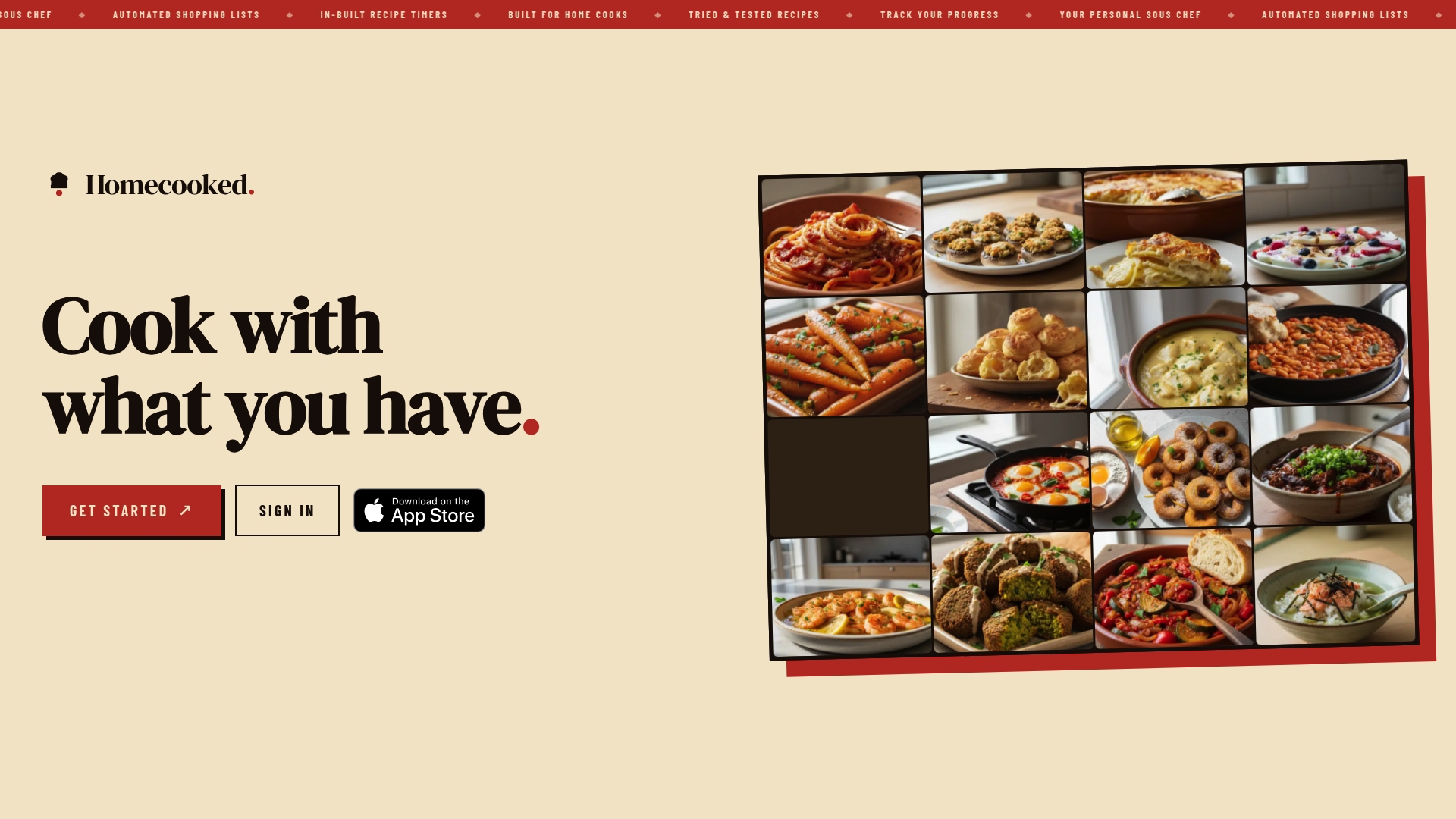
- You can personalize the 7-day plan above around your own triggers and preferences.
- Generate a shopping list automatically from a selected meal plan.
- Swap any recipe for a lower-fat, lower-acid, or dairy-free version without restarting your plan.
- Follow guided, step-by-step recipes with built-in timers to help with cooking.
For more structure on building meals that stick long-term, this guide on realistic meal planning covers habit-forming strategies that pair well with a trigger log. Start building your personalized GERD meal plan at Homecooked.
This article is general information, not a substitute for advice from a qualified doctor. Consult a qualified healthcare professional about your own circumstances before acting on anything here.
FAQ
What foods will calm down GERD?
Lower-fat, lower-acid foods tend to calm symptoms fastest: oatmeal, lean proteins, steamed vegetables, noncitrus fruit, ginger, and low-fat dairy. NIDDK lists these alongside avoiding citrus, tomatoes, caffeine, alcohol, and fried foods. Smaller portions at each meal tend to matter just as much as the food choice itself.
Can I eat a grilled cheese sandwich with acid reflux?
It depends on the cheese and the butter. A grilled cheese made with a moderate amount of low-fat cheese and light on butter is generally easier to tolerate than a version loaded with full-fat cheese fried in extra butter, since high-fat meals slow digestion and raise reflux risk. If dairy is one of your personal triggers, a lactose-free cheese swap is worth testing.
What is a good 7-day diet plan for GERD?
A workable week combines oatmeal or egg-white breakfasts, lean protein lunches built on leftovers, light dinners like baked fish or roasted chicken, and low-fat snacks such as yogurt or melon. The sample plan above gives a full repeatable week designed around make-ahead staples like roasted chicken and overnight oats.
Can I ever eat normal again with GERD?
Many people with mild-to-moderate GERD can reintroduce foods gradually once symptoms are under control, especially after identifying their specific triggers through a short tracking period. Harvard Health notes diet and lifestyle changes manage mild cases well, though frequent or severe symptoms may need ongoing medical management alongside diet.
Sources
- Eating, Diet, & Nutrition for GER & GERD - NIDDK
- The Efficacy of Dietary Interventions in Patients with Gastroesophageal Reflux Disease: A Systematic Review and Meta-Analysis
- GERD diet: Foods to avoid to reduce acid reflux (Harvard Health)
- Dietary and Lifestyle Factors Related to Gastroesophageal Reflux Disease: A Systematic Review