Start with a 16:8 schedule: eat between 12:00 PM and 8:00 PM, skip anything with calories outside that window, and build each main meal around 25 to 35 grams of protein. That’s the whole strategy in one sentence. Below is a full 7-day intermittent fasting meal plan with two main meals plus an optional snack each day, a Sunday prep system, and swaps so you can bend the template without breaking it.
TL;DR:
- Eating within the 16:8 window from noon to 8 PM is recommended, with focus on consuming 25 to 35 grams of protein at each main meal.
- Drinking only noncaloric beverages like water, black coffee, or plain tea during fasting hours keeps you in a fasted state effectively.
- Maintaining a daily fiber intake of 25 to 30 grams and hydrating with 2.5 to 3 liters of water support fullness and hunger control.
- Adjust portion sizes based on activity level and weight goals, and consider the 5:2 method if daily fasting becomes difficult.
- Pregnant, breastfeeding, or individuals with specific health conditions should consult a healthcare professional before starting intermittent fasting.
Table of Contents
- How the 16:8 Intermittent Fasting Meal Plan Actually Works
- What to Eat During Your Eating Window
- Your 7-Day 16:8 Meal Plan
- The 90-Minute Sunday Prep System
- Adjusting Portions for Your Body and Goals
- Who Should Talk to a Doctor Before Trying This
- Why Structure Beats Willpower on an Intermittent Fasting Meal Plan
- Try a Personalized Version of This Plan
- Sources
How the 16:8 Intermittent Fasting Meal Plan Actually Works
Sixteen hours fasting, eight hours eating. The most common version of this window runs from noon to 8:00 PM, which lets you skip breakfast, eat lunch as your first meal, and still enjoy dinner with everyone else. It’s also the version Northwell Health’s bariatric surgery team recommends beginners try first, and most people adapt within four to six days.
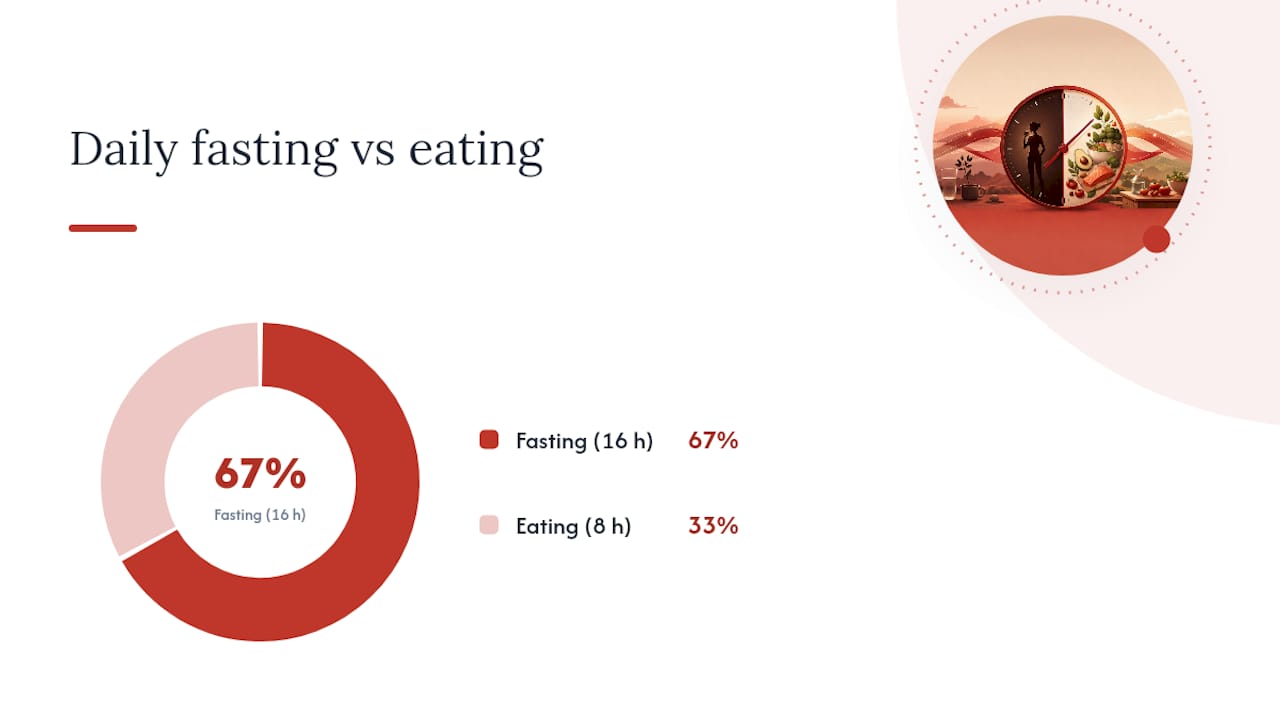
Not everyone needs the noon start, though. Some evidence points to earlier windows, like 8:00 AM to 4:00 PM, supporting better insulin sensitivity and steadier energy for certain people, especially those who eat dinner early anyway. Pick whichever end of the day matches your schedule and stick with it for at least a week before judging results.
During the fasting hours:
- Water is always fine, and encouraged.
- Black coffee and plain tea don’t break your fast.
- Anything with calories, including cream, sugar, or juice, does.
Johns Hopkins Medicine confirms only noncaloric drinks keep you in a fasted state, so black coffee is your best friend during hour 14.
What to Eat During Your Eating Window
Protein first, every meal. Aim for 25 to 35 grams at both your main meals. That’s roughly a chicken breast, a can of tuna, three eggs plus Greek yogurt, or a hearty scoop of tofu and lentils. Protein this early in a meal keeps you full longer than starting with carbs.
Fiber does the rest of the heavy lifting. A daily target of about 25 to 30 grams supports fullness and helps control appetite during your shorter eating window, which matters when you’re only getting two real chances to eat.
Round out meals with:
- Healthy fats: olive oil, avocado, nuts, a thumb-sized portion, not a fistful.
- Whole grains: brown rice, quinoa, oats, about a half cup cooked per meal.
- Snacks: cottage cheese, an apple with peanut butter, or a handful of edamame.
Fiber target: 25–30 g per day is the number to hit, split across both meals and your snack.
Skip fried food and sugary desserts late in your window. They spike blood sugar right before your fast starts, which makes the first few fasting hours harder than they need to be. Hydration matters just as much as food choice: keep total daily water intake around 2.5 to 3 liters, since staying hydrated is one of the simplest levers for curbing hunger.
Your 7-Day 16:8 Meal Plan
Use this daily rhythm as your backbone: break your fast at noon, snack around 3 to 4 PM if you’re hungry, and eat dinner between 6:00 and 7:30 PM. Swap any meal for its vegetarian or pescatarian alternative in parentheses, and scale portions up or down by a quarter for bigger or smaller appetites.
- Monday. Break-fast: three-egg scramble with spinach and feta (10 min). Snack: Greek yogurt with berries. Dinner: grilled chicken thighs, roasted broccoli, and a half cup of quinoa (25 min).
- Tuesday. Break-fast: cottage cheese protein bowl with pineapple and almonds (5 min). Snack: carrots and hummus. Dinner: baked salmon (or tempeh) with asparagus and brown rice (20 min).
- Wednesday. Break-fast: turkey and avocado wrap on a whole wheat tortilla (8 min). Snack: apple with peanut butter. Dinner: bibimbap with a fried egg, mixed vegetables, and gochujang (30 min).
- Thursday. Break-fast: Greek yogurt parfait with granola and walnuts (5 min). Snack: edamame. Dinner: ground beef (or black bean) stir-fry with peppers and jasmine rice (20 min).
- Friday. Break-fast: smoked salmon and cream cheese on a bagel thin (5 min). Snack: string cheese and grapes. Dinner: sheet-pan chicken sausage with roasted sweet potato and Brussels sprouts (30 min).
- Saturday. Break-fast: protein smoothie with banana, peanut butter, and oats (5 min). Snack: mixed nuts. Dinner: shrimp tacos with cabbage slaw and a small side of black beans (25 min).
- Sunday. Break-fast: veggie omelet with mushrooms and cheddar (10 min). Snack: cucumber with tzatziki. Dinner: roast pork loin (or lentil loaf) with mashed cauliflower and green beans (35 min). If you want something looser for a Sunday treat, a small slice of apple pie after dinner still fits inside your eating window.
Over the week, you’re landing close to 25 to 35 grams of protein at every main meal and staying near that 25 to 30 gram daily fiber target most days. If a dinner feels heavy, trade it for a lighter option earlier in the week. Repeating this exact plan for a second or third week is completely reasonable while your body adapts. Once it feels routine, start rotating in new proteins or grains one at a time rather than overhauling the whole thing.
The 90-Minute Sunday Prep System
A single prep session removes almost all the daily decision-making that makes fasting feel hard by day three. Block 90 minutes on Sunday and work through this order:
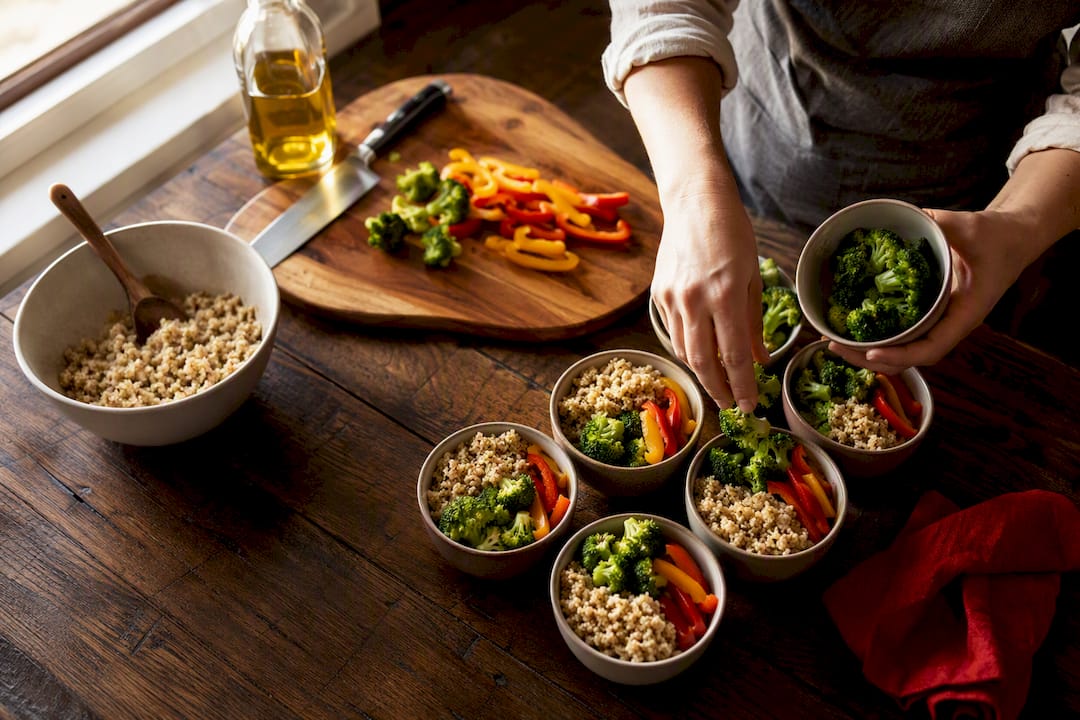
- Cook a big batch of grains (rice, quinoa) while you prep everything else.
- Roast a full sheet tray of vegetables at 425°F for 20 to 25 minutes.
- Hard-boil six eggs for grab-and-go protein.
- Portion Greek yogurt and fruit into snack containers.
This single weekly session is what experienced IF planners point to as the difference maker between a plan that lasts two weeks and one that lasts two months.
Your grocery list should cover proteins (chicken thighs, eggs, salmon, Greek yogurt, tofu), vegetables (broccoli, spinach, peppers, cabbage), grains (rice, quinoa, oats), healthy fats (olive oil, avocado, almonds), and pantry basics (gochujang, hummus, canned beans). Check out a printable grocery list if you want it laid out for you.
Pro Tip: Store roasted vegetables and grains in separate containers, not mixed together. Vegetables get soggy fast when they sit against warm rice, and reheating them separately keeps both textures intact.
Adjusting Portions for Your Body and Goals
Everyone’s version of this plan looks a little different.
- Smaller appetite or sedentary day: trim the grain portion, keep protein steady.
- Heavy training day: add the extra half cup of carbs post-workout.
- Weight loss stalled: shave a quarter cup off starchy sides before cutting protein or vegetables.
If daily fasting isn’t clicking, the 5:2 approach is worth considering: eat normally five days a week, then restrict to about 500 calories (women) or 600 calories (men) on two nonconsecutive days, leaning on protein, fiber, and low-calorie-volume foods like soup on those low days.
Who Should Talk to a Doctor Before Trying This
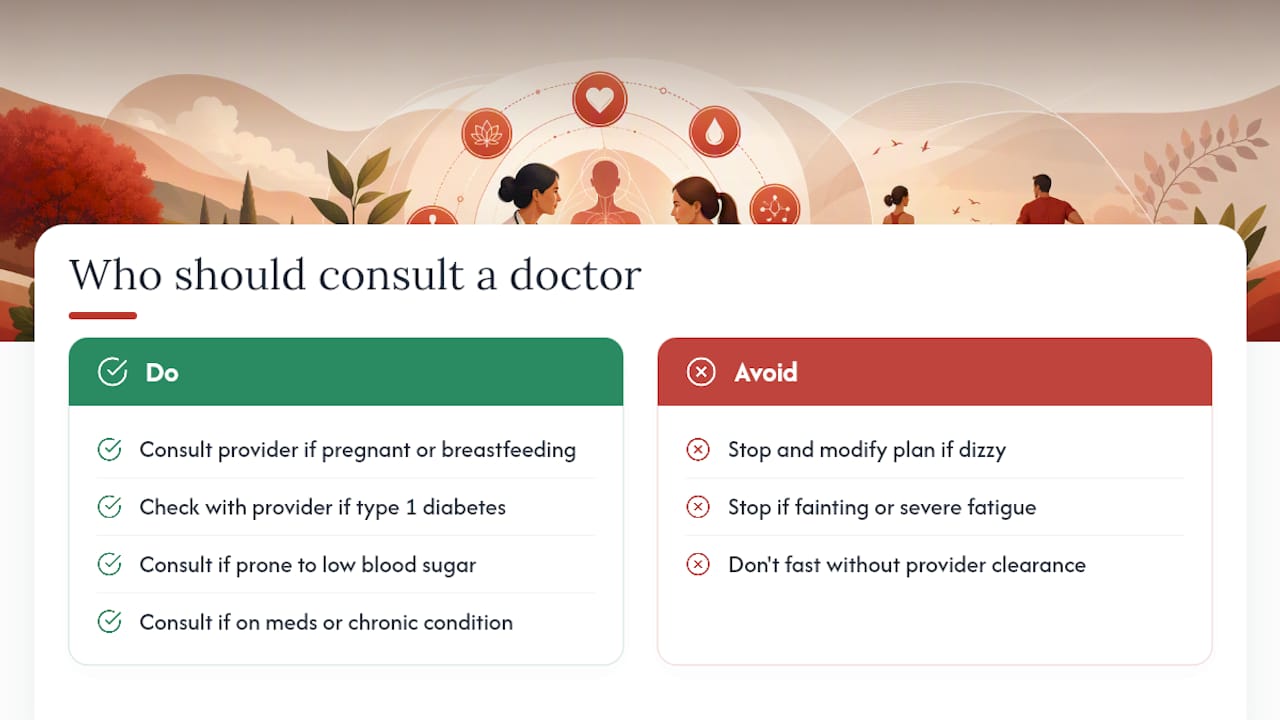
Pregnant or breastfeeding people, anyone with type 1 diabetes, and those prone to low blood sugar should skip fasting or check with a provider first. Dizziness, fainting, or severe fatigue means stop and modify the plan. Registered dietitians note fasting isn’t one-size-fits-all, so anyone on medication or managing a chronic condition should loop in a healthcare provider before starting.
Why Structure Beats Willpower on an Intermittent Fasting Meal Plan
A plan you don’t have to think about is a plan you’ll actually follow. Most people quit fasting not because the science fails them, but because deciding what to eat every single day wears them down. Some apps build that structure automatically with personalized 7-day plans and shopping lists.
— 0xmaglev
Try a Personalized Version of This Plan
You don’t have to build your own version of this schedule from scratch every week. Some apps can turn this exact 16:8 structure into a personalized plan that adjusts protein and fiber targets to your body, generates the grocery list automatically, and walks you through each recipe step by step.
If Monday’s egg scramble isn’t your thing, some apps swap in alternatives like the cottage cheese protein bowl without you having to recalculate anything. Some also handle the food-on-the-road problem: if a trip is coming up, pair your plan with tips for eating healthy while traveling so your eating window survives the itinerary.
This article is general information, not a substitute for advice from a qualified doctor. Consult a qualified healthcare professional about your own circumstances before acting on anything here.
Sources
- Steps: Intermittent fasting — SIUH / Northwell
- Intermittent fasting: What is it and how does it work? — Johns Hopkins Medicine
- Circadian rhythm and time-restricted feeding research — PMC
- Dietary fiber and health outcomes — NCBI PMC