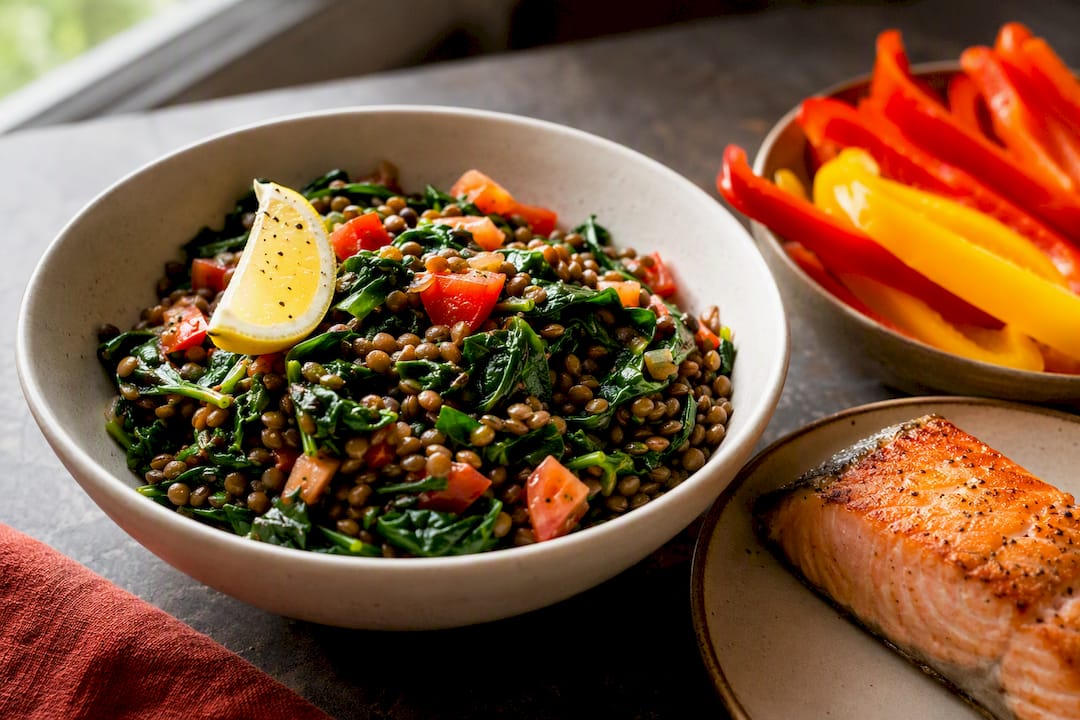
This article gives you a ready-to-use 7-day iron-rich meal plan built on one rule: pair iron with vitamin C and keep coffee, tea, and calcium away from the plate. Follow it as written or swap pieces to fit your kitchen. If fatigue or heavy bleeding brought you here, treat this as support for long-term levels, not a fix for diagnosed anemia. You can also let Homecooked personalize the whole week around your own goals and pantry.
TL;DR:
- Iron absorption is significantly improved when non-heme sources are paired with vitamin C-rich foods, especially in meals with plant-based or fortified foods.
- Consuming coffee, tea, or calcium-rich products during or close to meals can reduce iron absorption, so timing these separately is recommended.
- The plan emphasizes cooking in cast-iron cookware, soaking, or sprouting beans and grains to increase bioavailable iron and reduce phytates.
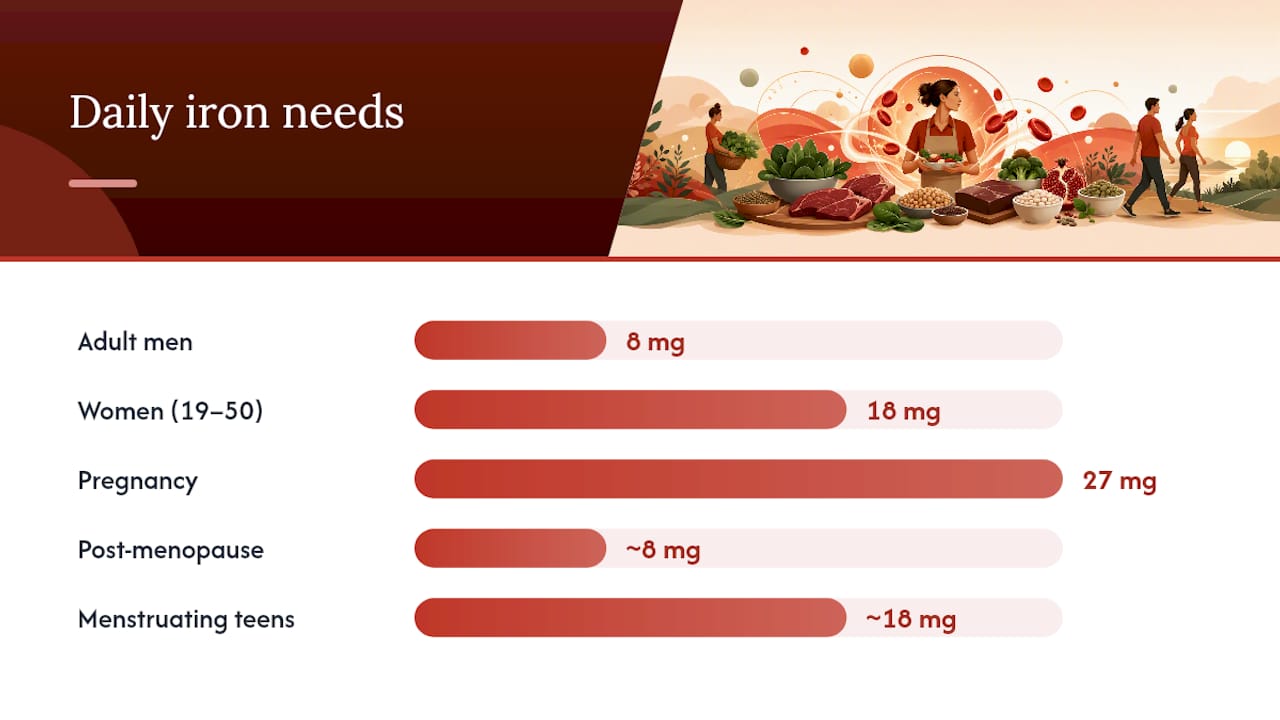
- Women aged 19 to 50 need about 18 milligrams of iron daily, while men need around 8 milligrams, with requirements rising during pregnancy and lactation.
- Excessive iron intake from food alone is unlikely to cause overload, but adding supplements without medical advice can increase health risks.
Table of Contents
- Your 7-Day Iron Rich Meal Plan
- Heme vs Non-Heme Iron: What Actually Gets Absorbed
- Your Grocery List for the Week
- Cooking and Timing Tricks That Boost Iron
- When Diet Alone Isn’t Enough
- Preserving Iron Through Meal Prep and Storage
- How Much Iron You Actually Need Each Day
- Can You Get Too Much Iron?
- Making This Plan Work Long-Term
- Let Homecooked Build Next Week’s Plan for You
- Sources
Your 7-Day Iron Rich Meal Plan
Each day mixes heme iron (from meat, poultry, or fish) with non-heme iron (from beans, greens, and fortified grains), and pairs the non-heme sources with something acidic or vitamin C rich to improve absorption. That single habit is what turns a good-on-paper meal into one your body actually absorbs, according to the American Red Cross.
- Monday. Breakfast: fortified oatmeal with strawberries. Lunch: spinach salad with grilled chicken and orange segments. Dinner: beef stir-fry with broccoli and bell pepper. Snack: pumpkin seeds.
- Tuesday. Breakfast: a black bean breakfast bowl with salsa and lime. Lunch: lentil soup with a squeeze of lemon. Dinner: baked salmon with roasted potatoes and kiwi on the side. Snack: dried apricots and almonds.
- Wednesday. Breakfast: eggs with sautéed spinach and tomato. Lunch: chickpea salad with red pepper and vinaigrette. Dinner: turkey chili with kidney beans. Snack: fortified cereal with milk substituted for water plus berries.
- Thursday. Breakfast: whole-grain toast with hummus and orange slices. Lunch: leftover turkey chili. Dinner: shrimp and quinoa bowl with broccoli and lime. Snack: trail mix with pumpkin seeds and dried mango.
- Friday. Breakfast: smoothie with spinach, frozen strawberries, and fortified plant milk. Lunch: canned tuna over mixed greens with cherry tomatoes. Dinner: beef and lentil shepherd’s pie. Snack: edamame.
- Saturday. Breakfast: cottage cheese protein bowl topped with pineapple. Lunch: white bean and kale soup with a lemon wedge. Dinner: grilled chicken thighs with roasted brussels sprouts and grapefruit segments. Snack: roasted chickpeas.
- Sunday. Breakfast: tofu scramble with peppers and salsa. Lunch: leftover soup or salad. Dinner: pork tenderloin with sweet potato and sautéed greens. Snack: dark chocolate and almonds.
For a vegetarian week, swap the beef, chicken, and fish for lentils, tofu, tempeh, or extra beans, and lean harder on the vitamin C pairings since non-heme iron absorbs less efficiently on its own. Vegans can follow the same swaps and use fortified plant milk in place of dairy or cottage cheese. Gluten-free readers just need to check that oats and any packaged fortified cereal carry a certified gluten-free label. For more plant-forward structure, Homecooked’s vegetarian meal planning guide walks through a full week of non-heme pairings, and its high-protein vegetarian recipes fill in extra dinner options if you want variety beyond what’s listed above.
Heme vs Non-Heme Iron: What Actually Gets Absorbed
Heme iron comes from meat, poultry, and fish, and your body absorbs it far more efficiently than the non-heme iron found in beans, spinach, lentils, tofu, and fortified grains. That gap is exactly why the weekly plan leans on pairing, not just quantity.
Vitamin C is the fix for non-heme iron’s weak absorption. A lentil salad with bell pepper, a spinach dish with a splash of lemon, or beans finished with tomato all push more iron across the gut wall than the same food eaten alone, per guidance from the NIH Office of Dietary Supplements.
Several everyday habits work against you at the same meal:
- Tea and coffee contain tannins that can bind non-heme iron and reduce absorption.
- Calcium from milk, cheese, or supplements may compete with iron for absorption and is best consumed separately from iron-rich meals.
- Phytates in whole grains and legumes and oxalates in spinach or chard can reduce non-heme iron uptake.
The fix isn’t cutting these foods out. It’s separating them by an hour or two, or leaning on cast-iron cooking and sprouting to offset the loss, which the next section covers.
Iron by the numbers: a single large egg supplies only about 0.6 to 1 milligram of iron, which is why “two eggs for breakfast” isn’t a meaningful iron strategy on its own. It works best paired with spinach, tomato, and a fortified starch.
Your Grocery List for the Week
Build the week around these categories, and lean on fortified or canned staples when fresh isn’t practical.
- Proteins: chicken thighs, ground beef, salmon, shrimp, canned tuna, eggs, tofu, tempeh.
- Vegetables and fruits: spinach, kale, brussels sprouts, bell peppers, tomatoes, oranges, strawberries, kiwi.
- Grains and legumes: lentils, chickpeas, kidney beans, black beans, quinoa, fortified oatmeal.
- Seeds and nuts: pumpkin seeds, almonds, cashews.
- Fortified staples: fortified breakfast cereal, fortified plant milk, whole-grain bread.
- Condiments: lemon juice, lime, salsa, vinaigrette with citrus.
Ready-to-buy shortcuts that pull real weight: fortified cereal, canned tuna, and pumpkin seeds. Vegetarians can swap the meat and fish lines for extra tofu, tempeh, and a second can of beans without losing much iron density.
Cooking and Timing Tricks That Boost Iron
A few kitchen habits push more usable iron onto the plate without changing what you’re eating.
Cast-iron cookware adds measurable iron to food, especially in acidic dishes like tomato sauce or chili simmered for longer stretches, according to Columbia University’s Go Ask Alice. A quick stir-fry won’t do much; a 30-minute simmer will.
- Soak or sprout beans and grains before cooking to lower phytate levels and improve iron uptake, a practice backed by research on phytate reduction through sprouting and fermentation.
- Push coffee and tea to at least an hour before or after iron-rich meals.
- Take calcium supplements or dairy at a separate meal from your main iron source.
- Batch-cook lentils or beans on Sunday so weekday lunches take minutes, not effort.
Pro Tip: Simmer your Sunday chili or shepherd’s pie in a cast-iron pot instead of a nonstick pan. The acidity from tomatoes pulls extra iron from the metal into the food, and you get the benefit without changing a single ingredient.
When Diet Alone Isn’t Enough
Food-first strategies help prevent deficiency and support mild cases, but they aren’t fast enough to reverse moderate or severe anemia on their own. Diet is a maintenance tool, not emergency treatment, and severe cases often call for supervised iron therapy rather than menu changes, per clinical guidance on anemia and iron therapy.
See a clinician if you notice extreme fatigue, shortness of breath, unusual paleness, or heavy menstrual bleeding. A doctor can order bloodwork, discuss supplements if needed, and a registered dietitian can build a plan around your specific labs and preferences.
Preserving Iron Through Meal Prep and Storage
Batch cooking is convenient, but how you store food matters almost as much as what’s in it. Iron itself is a mineral, so it doesn’t degrade the way vitamin C or folate can with heat and time, but the vitamin C you’re pairing it with does break down.
Prep vitamin C-rich components separately and add them right before eating instead of cooking them into a dish days in advance. Squeeze fresh lemon or lime onto lentils and beans the day you eat them rather than during Sunday batch prep. Store citrus fruit and bell peppers whole and cut them fresh, since sliced produce loses vitamin C faster in the fridge.
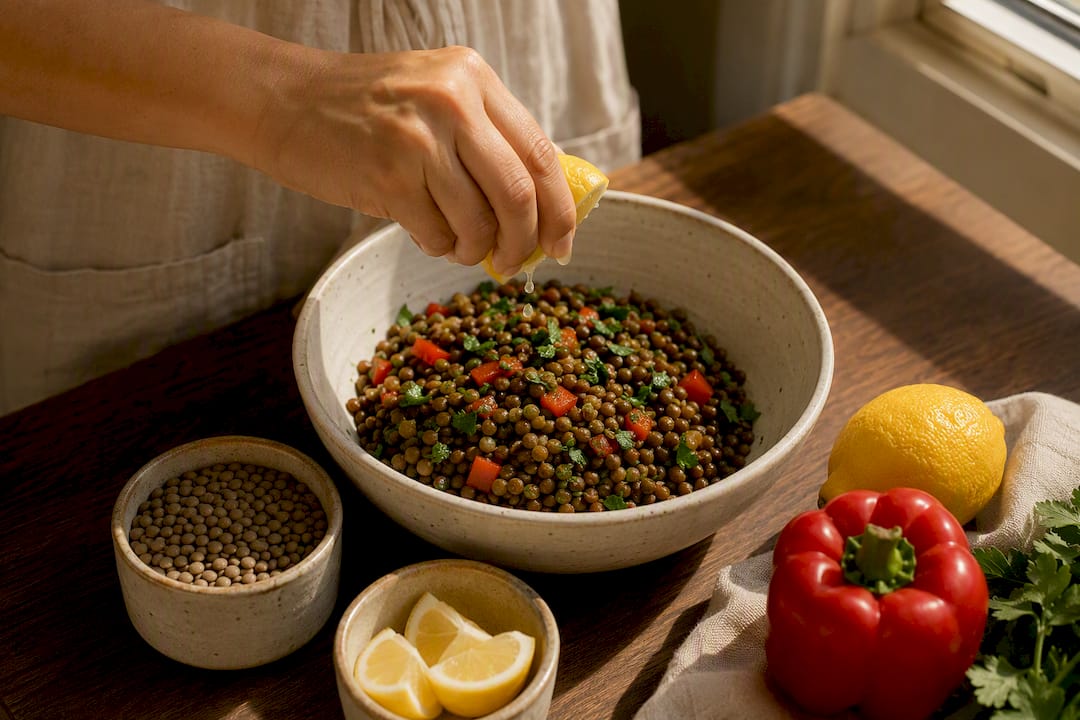
Cooked beans, lentils, and grains hold their iron content well for 3 to 4 days refrigerated or up to three months frozen, so it’s safe to batch-cook the base of most meals. Keep sauces, dressings, and any citrus garnish in a separate container so you can refresh the vitamin C boost at serving time instead of relying on what survived the storage window.
Reheat gently rather than boiling leftovers hard, since aggressive reheating degrades more of the vitamin C that’s doing the absorption work. A quick stovetop warm-up or a covered microwave reheat preserves more of that pairing effect than a rolling boil.
How Much Iron You Actually Need Each Day
Daily iron needs shift more by age and sex than most people realize. Adult men need about 8 milligrams a day, while women ages 19 to 50 need roughly 18 milligrams because of menstrual blood loss, according to the NIH Office of Dietary Supplements. That gap narrows after menopause, when women’s needs drop closer to the male range.
Pregnancy raises the requirement further, to around 27 milligrams a day, and breastfeeding needs stay elevated too, which is why the CDC’s guidance on iron and breastfeeding recommends continued dietary attention plus clinical monitoring during this stage. Teenagers, especially menstruating teens, often need close to adult female levels, and their needs are easy to underestimate during a period of rapid growth.
If you fall into a higher-need category, that’s the moment to lean harder on the pairing strategy in this plan rather than simply eating more iron-rich food in isolation. Two servings of a poorly absorbed non-heme meal won’t close the gap the way one well-paired meal will.
Can You Get Too Much Iron?
Iron overload is real, and it’s not limited to supplements. Adults shouldn’t exceed 45 milligrams a day from food and supplements combined without medical supervision, per the NIH Office of Dietary Supplements. Symptoms of excess iron include nausea, constipation, stomach pain, and in serious cases, organ damage from chronic overload, which is a bigger risk with supplements than with whole foods.
Hemochromatosis, a genetic condition that causes the body to absorb too much iron from food, makes this risk higher for some people even on an otherwise normal diet. If it runs in your family, mention it to your doctor before loading up on red meat or iron supplements.
For most healthy adults following a food-based plan like this one, hitting dangerous iron levels through diet alone is unlikely. The real risk shows up when someone stacks a high-iron diet with an iron supplement they don’t actually need. If you’re already eating iron-dense meals most days, check with a clinician before adding a supplement on top, and if calcium timing is also a concern for bone health, this guide on foods and timing around calcium intake is a useful companion reference.
Making This Plan Work Long-Term
A 7-day plan only earns its keep if it survives contact with your actual week. Swap proteins based on what’s on sale, adjust portions to your calorie needs, and let a tool generate the shopping list instead of rebuilding it by hand every Sunday. Homecooked builds plans like this one around your goals and restrictions, including breakfast ideas and full 7-day plans for other health goals. Try this week as written, then adjust based on what you actually finished eating.
— 0xmaglev
Let Homecooked Build Next Week’s Plan for You
This app is a shortcut for anyone who read this plan and thought, “great, but I don’t want to rebuild this from scratch every week.” It can generate a personalized meal plan based on your goals and restrictions, along with an automated shopping list to simplify grocery shopping.
If vegetarian swaps, gluten-free needs, or pregnancy-related iron targets applied to you in this article, that’s exactly the kind of adjustment Homecooked handles automatically instead of forcing you to recalculate every substitution yourself. The app also tracks your pantry so it knows what you already have before adding it to next week’s list, and its guided recipes walk you through cooking with built-in timers, similar to the cottage cheese protein bowl featured in this week’s plan. Start a free trial and let it generate a personalized iron-focused week based on what’s actually in your kitchen right now.
This article is general information, not a substitute for advice from a qualified doctor. Consult a qualified healthcare professional about your own circumstances before acting on anything here.
Sources
- Iron-rich foods to eat | American Red Cross
- Iron — Health Professional Fact Sheet | NIH Office of Dietary Supplements
- Clinical guidance on anemia and iron therapy (PubMed reference)
- Phytate reduction strategies (sprouting/fermentation) — NCBI PMC
- Does cooking in cast-iron add iron to food? | Columbia University Go Ask Alice