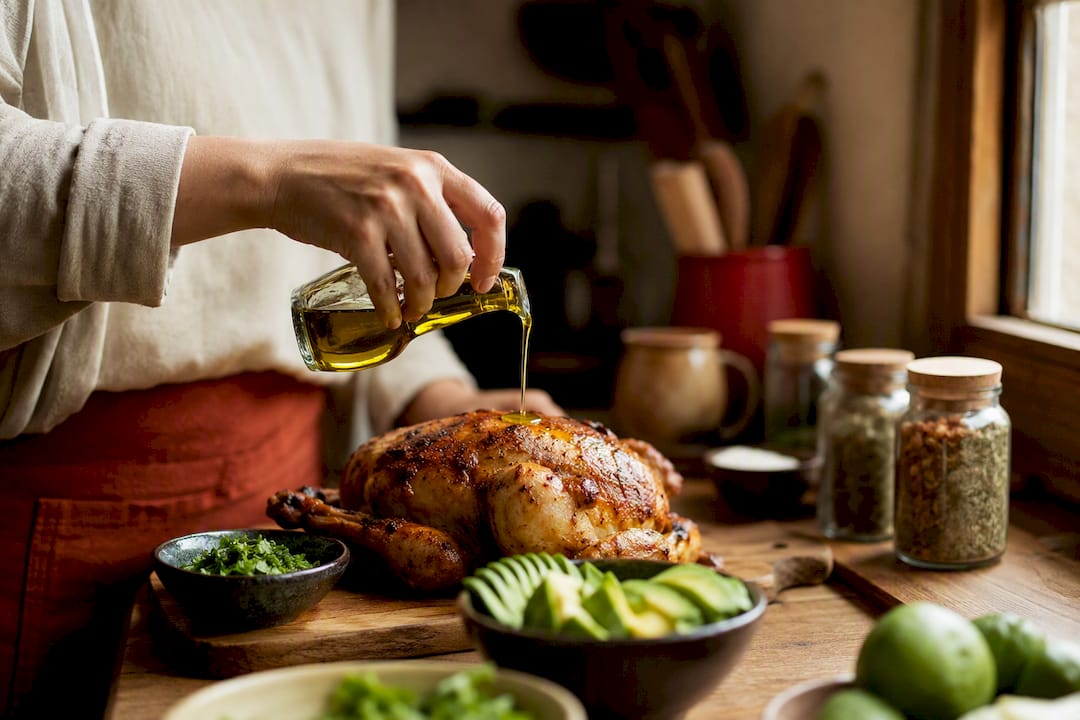
Follow this 7-day rotating paleo meal plan, repeat the proteins, prep on Sunday, and you’ll have breakfast, lunch, dinner, and a snack ready every single day. It’s built for one or two people, not a family of six with a personal chef. And yes, whole fruit like bananas are allowed on paleo, so put down the guilt along with the peel.
Here’s how to use it:
- Print the week (or save it to your phone) and treat it like a menu, not a rulebook
- Prep proteins, roasted vegetables, and sauces on Sunday in one focused session
- Let Tuesday’s dinner become Wednesday’s lunch instead of cooking twice
- Swap any protein for what’s on sale that week
Key Takeaways
A 7-day rotating paleo plan built on repeatable proteins, roasted vegetables, and batch-cooked sauces is the most realistic way for busy home cooks to sustain the diet long term.
| Point | Details |
|---|---|
| Start with 7 days | Choose the 7-day rotation first; extend to 14 days only for training, family variety, or events. |
| Batch cook once, eat all week | Cook proteins and vegetables Sunday in 2 to 3 hours, then reuse dinners as lunches. |
| Bananas and whole fruit are fine | Whole, unprocessed fruit fits the paleo framework as a normal carbohydrate source. |
| Watch fiber and calcium | Lean on leafy greens and nuts to offset nutrients lost from skipping legumes and dairy. |
| Let Homecooked personalize it | Homecooked turns this template into a custom plan with automated grocery lists and guided recipes. |
Where This Plan’s Guidance Comes From
The sample menu structure follows MedicalNewsToday’s day-by-day paleo plan, fruit allowances come from Healthline’s paleo diet review, substitution guidance draws on EatingWell’s dietitian-created plan, and the whole-food emphasis is supported by nutrition research on dietary quality.
Table of Contents
- Should You Follow a 7-Day or 14-Day Paleo Menu Plan?
- What Does a Sample 7-Day Paleo Menu Actually Look Like?
- How to Meal-Prep a Paleo Week in 2 to 3 Hours
- Building Your Weekly Paleo Grocery List and Pantry
- Common Paleo Substitutions and Questions, Answered
- How Homecooked Turns This Week Into Your Personalized Plan
- Sources
Should You Follow a 7-Day or 14-Day Paleo Menu Plan?
A 7-day rotating plan wins for most beginners because it’s easier to shop for, prep in one sitting, and mentally track. You cook five to six proteins, three or four vegetable sides, and repeat them in new combinations. A 14-day paleo menu plan adds variety, which matters if you’re feeding a family that gets bored fast or you’re prepping for two weeks of travel-free routine.
Go with 7 days if:
- You’re new to paleo and don’t want decision fatigue
- You’re cooking for one or two people
- Your grocery budget is tight and repetition keeps costs predictable
Go with 14 days if:
- You’re training hard and need more meal variety to avoid burnout
- You’re feeding a family where different people want different flavors
- You have a specific event (a trip, a big work sprint) where planning two weeks out saves stress later
Portion sizing for one person generally includes a moderate serving of protein per meal, along with a fist-sized portion of vegetables and a quantity of healthy fat such as avocado or olive oil. Double everything for two people, and track hunger, not just calories, for the first week. If you’re still hungry two hours after lunch, add a handful of nuts or another half avocado at dinner rather than overhauling the whole plan.
What Does a Sample 7-Day Paleo Menu Actually Look Like?
This is the core template. Each day follows the same formula MedicalNewsToday uses in its 7-day paleo meal plan: protein, vegetables, and a healthy fat at every meal, with fruit or nuts filling the snack slot.
- Monday. Breakfast: veggie scramble with spinach and avocado. Lunch: grilled chicken over mixed greens with olive oil dressing. Dinner: sheet-pan salmon with roasted broccoli. Snack: apple with almond butter.
- Tuesday. Breakfast: two hard-boiled eggs with berries. Lunch: leftover salmon over a big salad. Dinner: slow-cooker beef and sweet potato stew. Snack: handful of walnuts.
- Wednesday. Breakfast: paleo smoothie with banana, spinach, and almond milk. Lunch: leftover beef stew. Dinner: roasted chicken thighs with Brussels sprouts. Snack: carrot sticks with guacamole.
- Thursday. Breakfast: egg muffins made ahead Sunday. Lunch: leftover chicken over roasted vegetables. Dinner: shrimp stir-fry with coconut aminos and cauliflower rice. Snack: sliced orange.
- Friday. Breakfast: coconut yogurt with berries and pumpkin seeds. Lunch: leftover shrimp stir-fry. Dinner: burger patties (no bun) with a side salad and sweet potato fries. Snack: celery with sunflower seed butter.
- Saturday. Breakfast: veggie hash with sausage. Lunch: big paleo salad with grilled protein of choice. Dinner: baked cod with lemon and asparagus. Snack: mixed berries.
- Sunday. Breakfast: omelet with leftover roasted vegetables. Lunch: tuna salad lettuce wraps. Dinner: roast chicken (this week’s big batch cook) with roasted root vegetables. Snack: banana with almond butter.
For a pescatarian swap, replace beef and chicken with salmon, shrimp, or cod throughout. Vegetarians can lean on eggs, avocado, and a bigger nut and seed rotation, though strict vegetarian paleo gets nutritionally tighter without legumes.
How to Meal-Prep a Paleo Week in 2 to 3 Hours
A focused Sunday session, not an all-day marathon, sets up your whole week. Here’s the order that actually works:
- Roast two sheet pans of vegetables at once (400°F, 25 to 30 minutes) while proteins cook
- Batch-cook two or three proteins with neutral seasoning, like salt and pepper only, so you can flavor them differently later in the week
- Hard-boil a dozen eggs for snacks and quick breakfasts
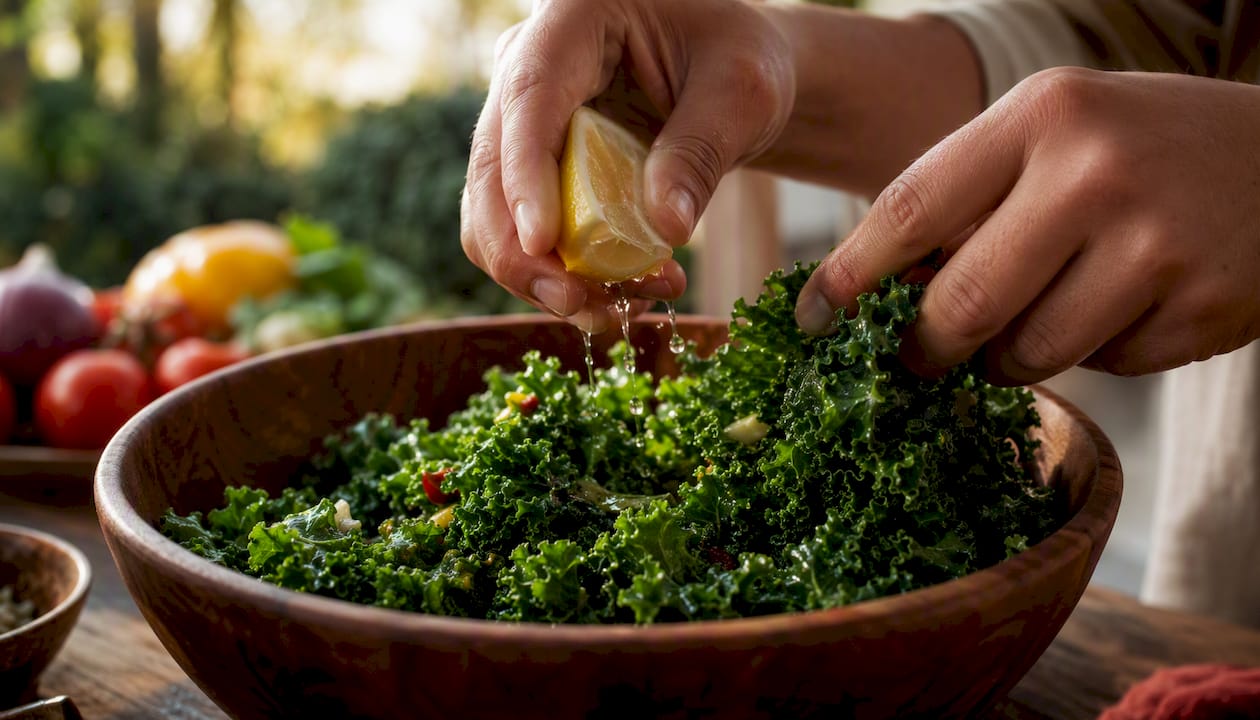
- Make one dressing and one sauce (a lemon vinaigrette and a coconut aminos stir-fry sauce cover most meals)
Cooked proteins hold safely in the fridge for 3 to 4 days and freeze well for up to 3 months. Roasted vegetables last 4 to 5 days refrigerated but get soft when frozen, so cook only what you’ll eat that week. Egg muffins keep 4 days in the fridge, and soups or stews freeze beautifully in individual portions.
Variety comes from sauces, not new cooking sessions. The same roasted chicken tastes different with a squeeze of lime and chili flakes on Tuesday versus a drizzle of tahini on Thursday.
Pro Tip: Season your batch-cooked proteins lightly and neutrally, then add bold, distinct sauces at serving time. One pan of chicken thighs can become three different meals just by changing what goes on top.
The most common mistakes: prepping five days of salad greens that wilt by Wednesday (buy sturdier greens like kale, or dress salads fresh each day), under-seasoning proteins because you’re saving flavor for later (season generously, sauces are a bonus, not a rescue), and batch-cooking more than you’ll realistically eat, which leads to waste instead of savings.
Building Your Weekly Paleo Grocery List and Pantry
Shop in overlapping categories so nothing goes to waste. A basic paleo grocery list for the week looks like this:
- Proteins: whole chicken or thighs, ground beef, salmon or cod, shrimp, a dozen eggs
- Produce: spinach, broccoli, Brussels sprouts, sweet potatoes, avocados, berries, bananas, lemons
- Pantry fats and seasonings: olive oil, coconut oil, coconut aminos, almond butter, sea salt, garlic, chili flakes
- Snacks: raw almonds, walnuts, sunflower seed butter, apples
Buy proteins and vegetables that work across multiple recipes. One bag of spinach covers breakfast scrambles and salad bases. One bunch of broccoli roasts for dinner and gets tossed cold into the next day’s lunch salad. When budgets tighten, frozen fish and bulk chicken thighs cost less than fresh fillets without sacrificing much. Seasonal produce also stretches your dollar further and tends to taste better, a point worth keeping in mind when you’re planning around what’s in season.
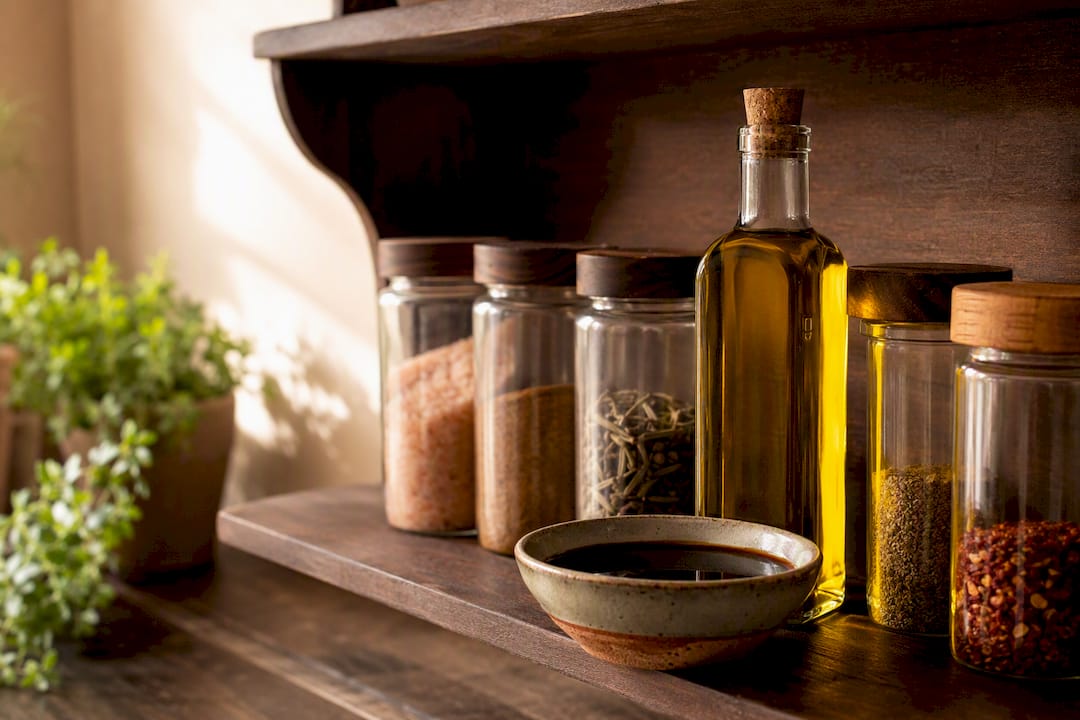
Keep coconut aminos, good olive oil, and a solid spice collection stocked permanently. They’re what turn repetitive batch-cooked proteins into meals that don’t feel like leftovers three days running.
Common Paleo Substitutions and Questions, Answered
Are bananas allowed on paleo? Yes. Whole, unprocessed fruit including bananas fits the paleo framework as a natural carbohydrate source, not an exception you’re sneaking in.
What’s the 85/15 approach? Eat strictly paleo 85% of the time and allow flexibility the other 15%, useful for social dinners or when strict adherence isn’t realistic long-term.
- No dairy? Use coconut milk or almond milk in place of cream or yogurt
- No grains or legumes? Cauliflower rice and roasted sweet potato replace rice and beans
- Need more carbs for training days? Add an extra sweet potato or banana rather than cutting fat
A registered dietitian’s version of this plan points out that dropping legumes and dairy can lower fiber and calcium intake, so leafy greens and nuts matter more on paleo than on a standard diet.
How Homecooked Turns This Week Into Your Personalized Plan
This 7-day template works as written, but Homecooked adapts it to your household automatically. Import the week, adjust servings for one or two people, and the app generates a grocery list sorted the way you actually shop, tracks your pantry so you’re not rebuying olive oil you already own, and walks you through each recipe with built-in timers.
- Personalized meal plans based on your specific goals, not a generic template
- Automated shopping lists that update as you swap meals
- Pantry tracking so staples like coconut aminos never run out mid-week
- Step-by-step guided recipes with integrated timers for batch-cooking days
For deeper batch strategies beyond this plan, Homecooked’s meal prep recipe collection covers dozens of make-ahead options that slot into any paleo week.
A note on making this stick
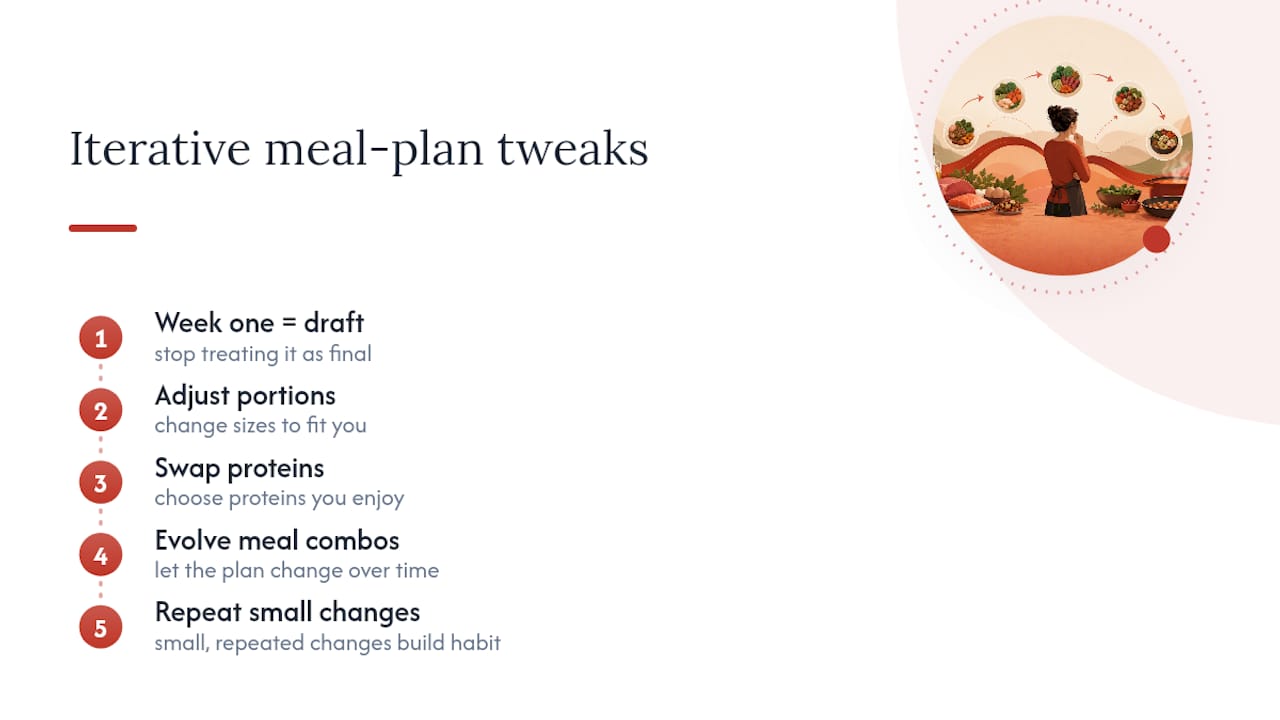
Paleo sticks when you stop treating week one as the final version. Adjust portions, swap proteins you actually enjoy, and let the plan evolve. Small, repeated changes beat a perfect plan you abandon by Thursday. Homecooked helped me see which weekly patterns I’d repeat happily versus which ones I was forcing.
Get This Plan Personalized in Minutes
Building a paleo week from scratch every Sunday gets old fast, especially once you’re juggling portion sizes for two people or trying to avoid the same roasted chicken for the fourth week running. Homecooked automates the parts that eat up your planning time: it builds your grocery list from whatever meals you choose, tracks what’s already in your pantry, and walks you through each recipe step by step so batch-cooking day doesn’t require guesswork.
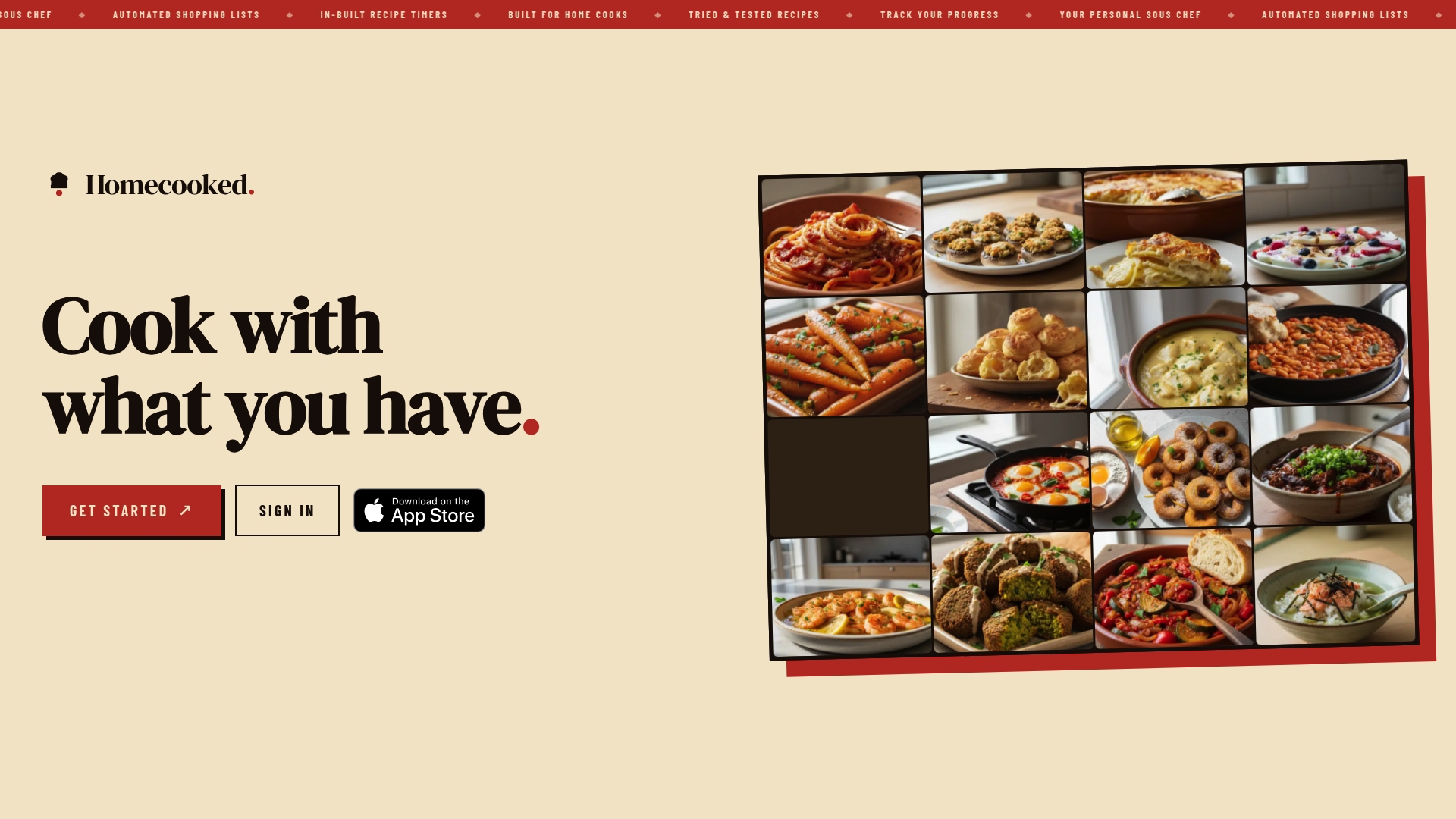
If this week’s menu looked good to you, try the cottage cheese protein bowl as a quick paleo-friendly breakfast swap, or start a free trial to generate your own personalized week with automatic grocery lists built in.
Sources
- Paleo diet: Review, food list, and meal plan
- Paleo diet meal plan: A simple guide
- Paleo Diet 7-Day Meal Plan, Created by a Dietitian
- Nutrition research review (PMC article)