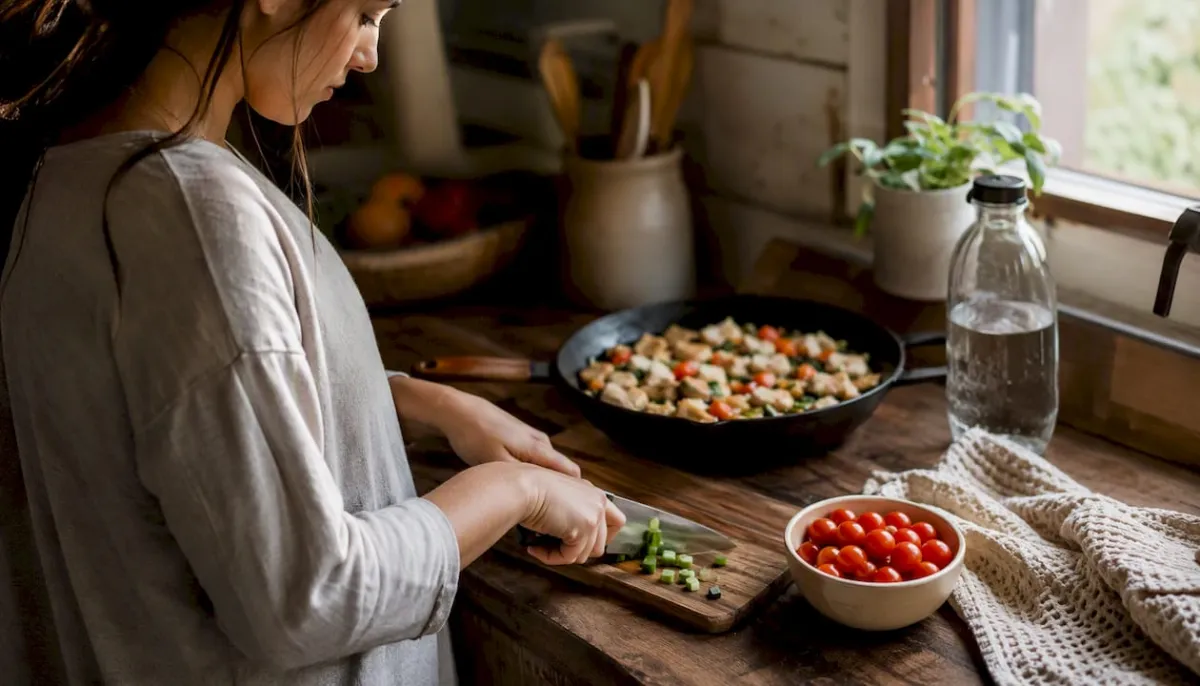
A food-first, freezer-friendly approach built on protein, iron, fluids, and grab-and-go snacks is the fastest way to support healing, steady energy, and breastfeeding in the early postpartum weeks. Start here:
- Cook now: A big pot of lentil soup or shredded chicken thighs. Both reheat in minutes and deliver iron and protein in one bowl.
- Stock the freezer: Several single-serve portions of a casserole, burrito filling, or baked oats before your due date.
- Set up a feeding station: A water bottle, a handful of nuts, and two or three easy snacks within arm’s reach of where you nurse or feed.
Pro Tip: Homecooked lets you import a meal plan, auto-generate a grocery list by category, and tag freezer-friendly recipes so you can build your postpartum stash without a spreadsheet. Start with the free trial before your third trimester ends.
Key Takeaways
A food-first postpartum meal plan built on protein at every meal, targeted micronutrients, consistent hydration, and a stocked freezer is the most practical way to support recovery and breastfeeding in the early weeks.
| Point | Details |
|---|---|
| Protein at every meal | Include eggs, Greek yogurt, lentils, or shredded chicken at breakfast, lunch, and dinner to support tissue repair and milk production. |
| Breastfeeding calorie needs | Breastfeeding parents need roughly 330–500 extra calories per day above pre-pregnancy intake to sustain milk supply. |
| Prioritize key micronutrients | Iron, vitamin D, iodine, B12, choline, zinc, calcium, and DHA need deliberate attention; ask your provider about bloodwork at your 6-week visit. |
| Freeze before birth | Aim for 10–14 single-serve freezer meals ready before your due date; label with the date and reheating instructions. |
| Homecooked for personalization | Homecooked builds a personalized postpartum meal plan, auto-generates your grocery list, and tags freezer-friendly recipes to simplify batch prep. |
Table of Contents
- Why does nutrition matter so much in the postpartum period?
- How many calories and how much protein do you actually need?
- Which micronutrients should you prioritize postpartum?
- What are the best make-ahead freezer meal strategies?
- When should you start preparing meals?
- A ready-to-use 7-day postpartum starter plan
- How do you adapt the plan for breastfeeding, c-section recovery, and dietary restrictions?
- How can meal planning help with postpartum digestive issues?
- How do you keep postpartum meals flavorful and culturally satisfying?
- What the evidence actually says about postpartum eating
- Homecooked makes your postpartum meal plan personal and automatic
- Sources
Why does nutrition matter so much in the postpartum period?
Your body just did something extraordinary, and it needs real fuel to recover. Tissue repair after vaginal delivery or cesarean surgery draws heavily on protein and zinc. Fatigue, which nearly every new mother experiences, is worsened by inadequate calories and low iron. Mood stability connects to B12, omega-3 fatty acids, and consistent blood sugar, all of which a fragmented eating schedule can easily undermine.
Breastmilk composition is another layer. CDC guidance confirms that maternal diet directly affects the concentration of several key micronutrients in breastmilk, which means what you eat reaches your baby. The physiological demands stack up fast:
- Protein repairs uterine tissue, surgical incisions, and perineal tears.
- Calories fuel milk production on top of your own baseline energy needs.
- Fluids are the raw material for breastmilk; research on lactation hydration shows that water-rich foods like soups and congee contribute meaningfully to daily fluid intake alongside plain water.
- Iron replaces what was lost during delivery and prevents the fatigue that makes everything harder.
- Micronutrients including vitamin D, iodine, and choline shape both your recovery and your milk’s nutritional quality.
A food-first postnatal nutrition approach means building meals around whole foods that cover multiple needs at once, rather than relying on supplements to fill gaps created by a poor diet.
How many calories and how much protein do you actually need?
The short answer: eat more than you think, and put protein on every plate.
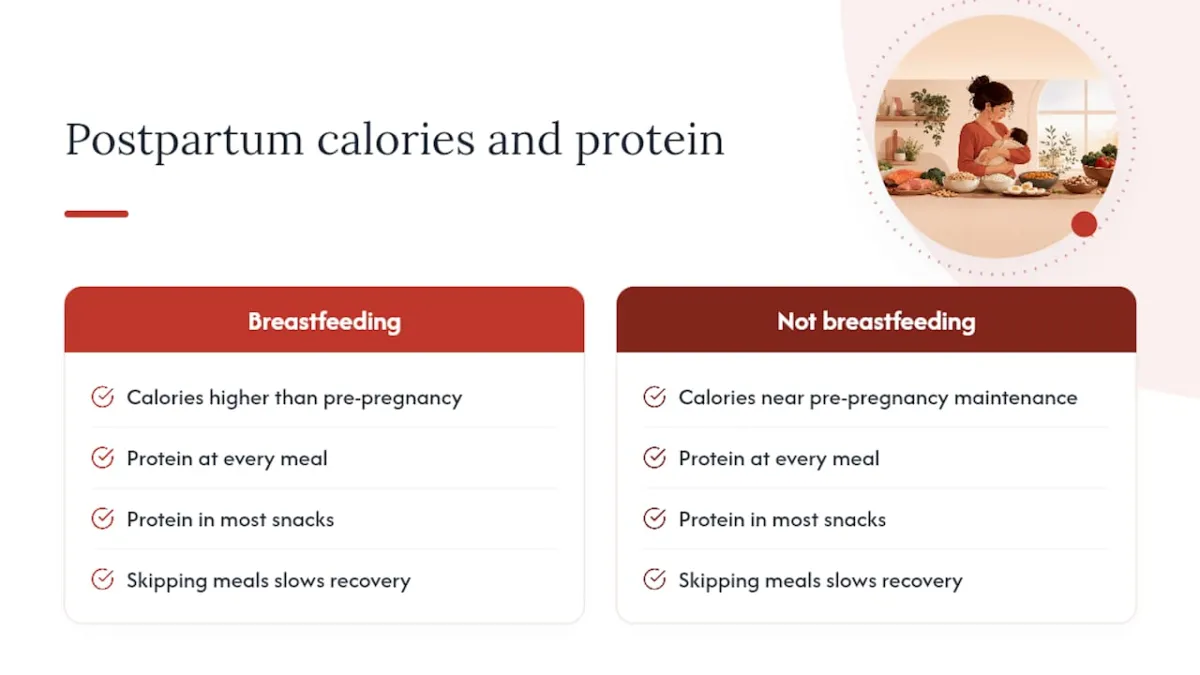
Breastfeeding parents generally need some extra calories per day above pre-pregnancy intake to support milk production. If you are not breastfeeding, your calorie target returns closer to your pre-pregnancy maintenance level, though healing still demands adequate intake. Skipping meals to “lose the baby weight” during the first six to eight weeks actively slows recovery and can reduce milk supply.
Protein is where most postpartum meal plans fall short. Small-sample research published on PubMed suggests that protein needs during exclusive breastfeeding may run higher than current Dietary Reference Intakes, with some studies suggesting increased amounts. The practical takeaway: include a solid protein source at every meal and most snacks.
A note on individualized needs: These ranges are general starting points. Your provider, a registered dietitian nutritionist (RDN), or a certified lactation consultant can give you targets calibrated to your body weight, activity, and health history. Always consult your care team before making significant dietary changes postpartum.
Which micronutrients should you prioritize postpartum?
The eight nutrients that deserve the most deliberate attention are iron, vitamin D, iodine, B12, choline, zinc, calcium, and DHA. Clinical guidance from NCBI Bookshelf confirms these are the nutrients most likely to need monitoring or supplementation during lactation, especially after significant peripartum blood loss.
- Iron: Replenishes what delivery depleted. Food sources: beef, lentils, spinach, fortified cereals. Pair plant iron with vitamin C (lemon juice, bell peppers) to improve absorption.
- Vitamin D: Supports bone health and immune function; breastmilk is naturally low in it. Food sources: fatty fish, fortified milk, egg yolks. Sun exposure helps, but many people need a supplement.
- Iodine: Critical for infant thyroid development and transferred through breastmilk. Food sources: dairy, seafood, iodized salt. Most prenatal vitamins include it.
- B12: Supports neurological development in your baby. Food sources: meat, fish, eggs, dairy. Vegans and vegetarians almost always need a supplement.
- Choline: Supports infant brain development. Food sources: eggs (especially yolks), beef liver, soybeans. Two eggs a day covers a meaningful portion of the daily target.
- Zinc: Speeds wound healing and supports immune function. Food sources: beef, pumpkin seeds, chickpeas, cashews.
- Calcium: Protects your bone density during lactation. Food sources: dairy, fortified plant milks, canned salmon with bones, white beans.
- DHA (omega-3): Shapes infant brain and eye development; passes through breastmilk. Food sources: salmon, sardines, trout. FDA guidance recommends choosing low-mercury fish like salmon, sardines, and trout while avoiding high-mercury species such as swordfish and king mackerel.
Pro Tip: Ask your OB or midwife to check your ferritin (stored iron) and vitamin D at your six-week postpartum visit. Low ferritin is one of the most common and most treatable causes of postpartum fatigue, and a simple blood draw tells you whether food alone is enough or whether prescription iron is warranted.
What are the best make-ahead freezer meal strategies?
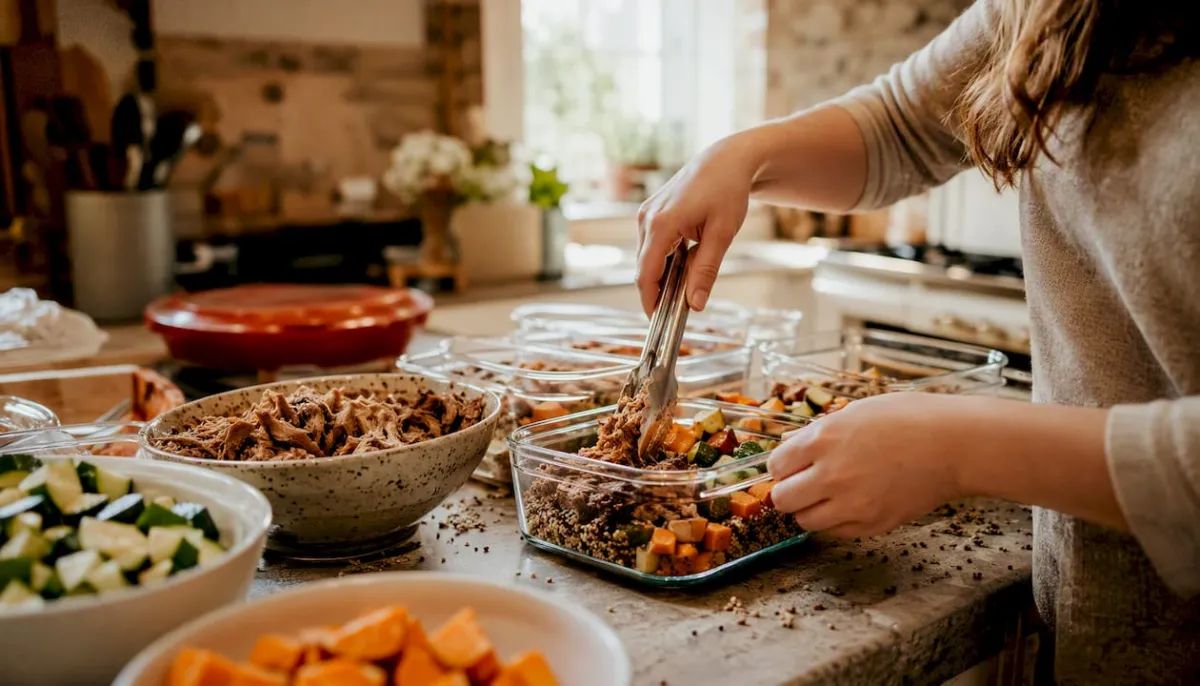
The single most effective freezer strategy is the double-batch method: every time you cook something freezer-friendly, make twice as much, portion it into single-serve containers, label with the date and reheating instructions, and freeze flat. Flat-frozen portions stack efficiently and thaw faster than thick blocks.
Dietitian-approved freezer staples that reheat evenly and require minimal assembly include:
- Lentil or chicken soup (freezes beautifully, reheats in 3–4 minutes)
- Beef and vegetable casserole
- Breakfast burritos (wrap individually in foil, then bag)
- Turkey or beef meatballs (freeze on a sheet pan first, then bag)
- Shredded chicken thighs (use in bowls, wraps, or soups)
- Baked oats (portion into muffin tins, freeze, then bag)
- Egg cups with spinach and cheese
For a smooth batch-cook session, follow this workflow:
- Write your recipe list and shop for all ingredients in one trip.
- Prep all vegetables first (chop, roast, or steam in batches).
- Cook proteins simultaneously: one pot on the stove, one tray in the oven.
- Cool everything to room temperature before portioning.
- Label every container: dish name, date frozen, reheating method.
- Freeze flat on a sheet pan for the first 2 hours, then stack.
Safety basics: Cooked meals keep well in the freezer for up to 3 months. Thaw in the refrigerator overnight or use the microwave’s defrost setting. Reheat all meals to an internal temperature of 165°F before eating. Never refreeze a meal that has already been thawed.
For more batch-cooking ideas, the Homecooked meal prep recipe collection covers 25 batch-friendly recipes that work well for postpartum prep.
When should you start preparing meals?
Start earlier than you think. Most new parents underestimate how little bandwidth they will have in the first two weeks after birth.
- By week 20 of pregnancy: Begin identifying 6–10 freezer-friendly recipes. Stock pantry staples (canned beans, whole grains, broth, nut butter).
- Weeks 28–32: Run your first batch-cook session. Aim for 4–6 frozen meals.
- Weeks 34–36: Second batch-cook session. Target a total of 10–14 ready meals in the freezer before your due date.
- Before birth: Prepare a “survival pack” for the first 48 hours at home: easy-open snacks, a filled water bottle, protein bars, and one or two meals that require zero prep.
- Assign a meal coordinator (partner, parent, friend) who knows where the freezer meals are and how to reheat them.
- Post a short “what to heat” list on the fridge with reheating times.
- Set up at least one feeding station with snacks and a large water bottle before your due date.
Behavioral research on postpartum adherence shows that visible snacks at feeding stations and labeled freezer bags significantly increase the chance a new parent actually eats during fragmented sleep schedules. The logistics matter as much as the recipes.
A ready-to-use 7-day postpartum starter plan
Build every meal around a protein source, add a fiber-rich vegetable or grain, and drink water with every sitting. That principle holds across all seven days.
| Day | Breakfast | Lunch | Dinner | Snack |
|---|---|---|---|---|
| 1 | Baked oats + Greek yogurt | Lentil soup (freezer) | Shredded chicken bowl + roasted sweet potato | Cottage cheese + berries |
| 2 | 2 scrambled eggs + whole-grain toast | Turkey meatball wrap | Salmon + steamed broccoli + brown rice | Hummus + sliced peppers |
| 3 | Smoothie: spinach, banana, Greek yogurt, chia | Chicken and vegetable casserole (freezer) | Beef and lentil stew | Apple + almond butter |
| 4 | Baked egg cups + fruit | Tuna salad on whole-grain crackers | Chicken congee (broth-based, easy to digest) | Trail mix + hard-boiled egg |
| 5 | Overnight oats + walnuts | Lentil soup (freezer) | Ground turkey stir-fry + brown rice | Cottage cheese + pumpkin seeds |
| 6 | Whole-grain pancakes + eggs | Shredded chicken wrap + avocado | Baked salmon + roasted vegetables | Greek yogurt + granola |
| 7 | Smoothie bowl: banana, spinach, hemp seeds | Beef and vegetable casserole (freezer) | Turkey meatballs + whole-grain pasta + marinara | Cheese + whole-grain crackers |
Shopping list at a glance:
Fridge/freezer: Chicken thighs, ground turkey, salmon fillets, eggs, Greek yogurt, cottage cheese, cheddar, frozen spinach, frozen broccoli, frozen sweet potato.
Pantry: Lentils, canned tuna, canned beans, brown rice, whole-grain oats, whole-grain bread and crackers, almond butter, chia seeds, walnuts, pumpkin seeds, low-sodium broth, canned tomatoes, olive oil.
Produce: Bananas, berries, apples, avocados, bell peppers, sweet potatoes, broccoli.
Quick substitutions: Dairy-free? Swap Greek yogurt for coconut yogurt and use fortified oat milk in smoothies. Gluten-free? Replace whole-grain bread and pasta with certified gluten-free oats, rice, and corn tortillas. Vegetarian? Sub lentils or chickpeas for any meat portion.
Homecooked can import this plan directly, generate a categorized grocery list, and flag which meals are freezer-friendly so you can batch-cook in one session.
How do you adapt the plan for breastfeeding, c-section recovery, and dietary restrictions?
The core adaptations are straightforward: add protein and calories for breastfeeding, prioritize soft and fiber-rich foods after cesarean surgery, and swap ingredients rather than restructure the whole plan for dietary restrictions.
For breastfeeding:
- Add 330–500 extra calories daily through protein-rich additions (an extra egg, a handful of nuts, a scoop of nut butter in your oats).
- Drink water consistently; keep a large bottle at every feeding station.
- Include DHA-rich fish two to three times per week, following FDA low-mercury guidance.
For cesarean recovery:
- Prioritize soft, easy-to-chew meals in the first week: congee, soups, scrambled eggs, and well-cooked lentils are gentle on a healing abdomen.
- Increase fiber gradually (cooked vegetables, oats, lentils) and drink plenty of fluids to prevent constipation, which strains the incision.
- Protein is especially critical for wound healing; aim for a protein source at every meal.
For common dietary restrictions:
- Vegetarian/vegan: Lentils, tofu, tempeh, edamame, and chickpeas cover protein. Add a B12 supplement and a DHA algae oil supplement.
- Dairy-free: Fortified oat or soy milk, coconut yogurt, and canned salmon with bones cover calcium.
- Gluten-free: Rice, certified gluten-free oats, quinoa, and corn tortillas replace wheat-based grains without nutritional loss.
Pro Tip: If you have a complex medical history, severe food allergies, or experienced significant blood loss during delivery, ask your OB for a referral to a registered dietitian nutritionist who specializes in perinatal nutrition. A one-hour consultation can save weeks of guesswork.
For holistic postpartum recovery guidance that complements your meal plan, a postpartum doula resource can help you think through the full recovery picture beyond food alone.
How can meal planning help with postpartum digestive issues?
Constipation is one of the most common and least discussed postpartum complaints. It affects many new mothers, particularly after cesarean delivery or when pain medications are involved. Dietary fiber and fluids are the first-line food-based approach, with legumes, cooked vegetables, and whole grains being the most effective fiber sources.
Practical strategies to work into your meal plan:
- Add a serving of lentils, black beans, or chickpeas to at least one meal daily.
- Choose cooked vegetables over raw in the first two weeks; they are easier to digest and gentler on a healing gut.
- Oats at breakfast provide soluble fiber that softens stool without causing gas.
- Prunes or prune juice are a time-tested, effective option when constipation is acute.
- Limit processed foods, white bread, and cheese-heavy meals, which slow motility.
Bloating is a separate issue, often driven by swallowed air during fast eating, carbonated drinks, or high-FODMAP foods like raw onions, garlic, and cruciferous vegetables. Eating slowly, choosing cooked over raw vegetables, and temporarily reducing high-FODMAP ingredients usually resolves it within a week or two. The Homecooked gut-health recipe collection includes fiber-rich meals designed to be easy on digestion, which makes it a practical starting point for building a gut-friendly postpartum rotation.
How do you keep postpartum meals flavorful and culturally satisfying?
Eating the same five meals on rotation for six weeks is a fast path to skipping meals entirely. Variety in flavor and cultural tradition is not a luxury; it is a practical adherence strategy.
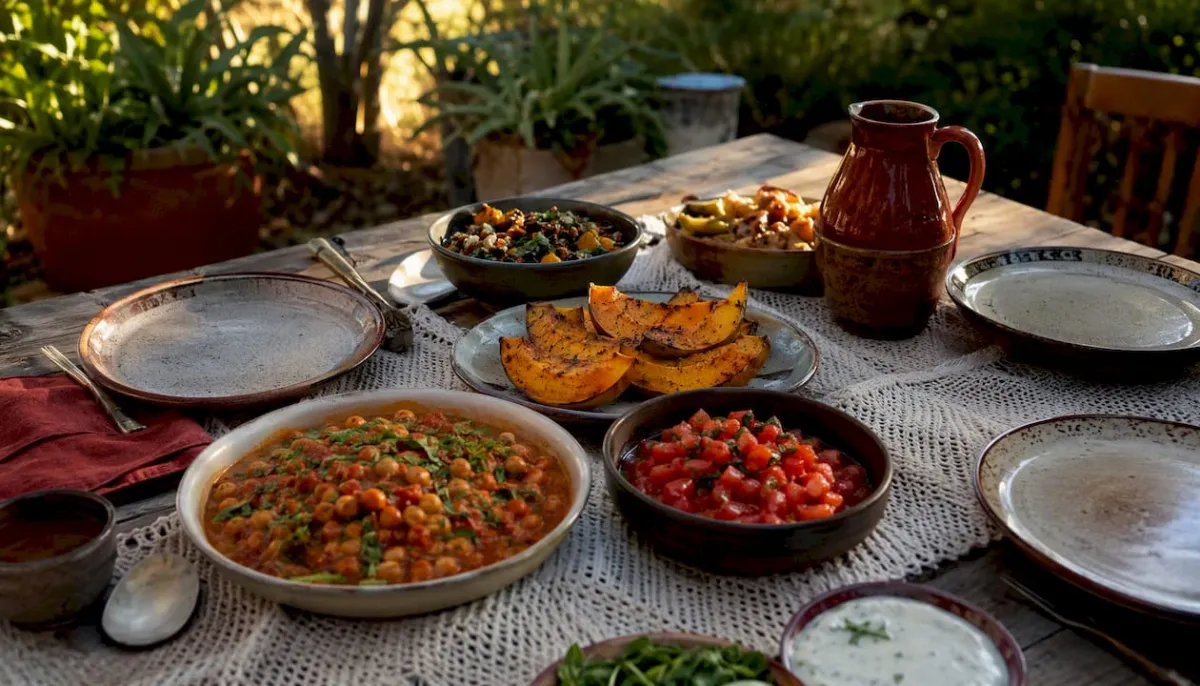
Many traditional postpartum food cultures have built-in wisdom worth borrowing. Congee (rice porridge simmered in bone broth) is a staple across East and Southeast Asian postpartum traditions. It provides combined hydration and calories in an easy-to-eat format, making it especially useful in the first week or after cesarean when appetite is low. A chicken and sweet potato congee takes about 20 minutes in an Instant Pot and freezes well.
A few practical ways to keep your meal plan interesting:
- Rotate your protein seasonings: the same shredded chicken works in a Mexican-style burrito bowl with cumin and lime, an Asian-inspired rice bowl with ginger and soy, or a Mediterranean wrap with hummus and cucumber.
- Use broth-based soups as a canvas: a simple bone broth base becomes West African-inspired with tomatoes and black-eyed peas, or Korean-adjacent with miso and tofu.
- Keep a small collection of sauces and condiments (tahini, salsa, gochujang, pesto) that transform a plain grain bowl into something you actually want to eat.
- Ask family members who want to help to cook one dish from their own food tradition. This builds connection and adds genuine variety without extra effort on your part.
The Homecooked healthy meal prep collection includes globally inspired recipes that fit a postpartum nutrition plan without requiring advanced cooking skills.
What the evidence actually says about postpartum eating
The conventional advice to “just eat well and take your prenatal vitamin” undersells what the postpartum period actually demands. The research is clear that specific nutrients, particularly iron, vitamin D, iodine, and DHA, require deliberate attention because breastmilk draws on maternal stores in ways that can deplete them faster than a standard diet replenishes them.
What gets less attention is the behavioral side. The gap between knowing what to eat and actually eating it when you are sleep-deprived, sore, and holding a newborn is enormous. The evidence on freezer-meal adherence and feeding-station snack placement points to a simple truth: friction is the enemy of good postpartum nutrition. A labeled bag in the freezer beats a perfect recipe you never make. A water bottle within arm’s reach beats a hydration goal you forget by noon.
The food-first approach Homecooked is built around aligns with this reality. Personalized plans that account for your dietary preferences, automated grocery lists that remove the decision-making, and recipe tags that flag freezer-friendly options all reduce the friction between intention and action. That is not a small thing when you are running on three hours of sleep.
Homecooked makes your postpartum meal plan personal and automatic
Recovery meals that actually fit your preferences, your restrictions, and your freezer space are what Homecooked delivers. Here is what that looks like in practice:
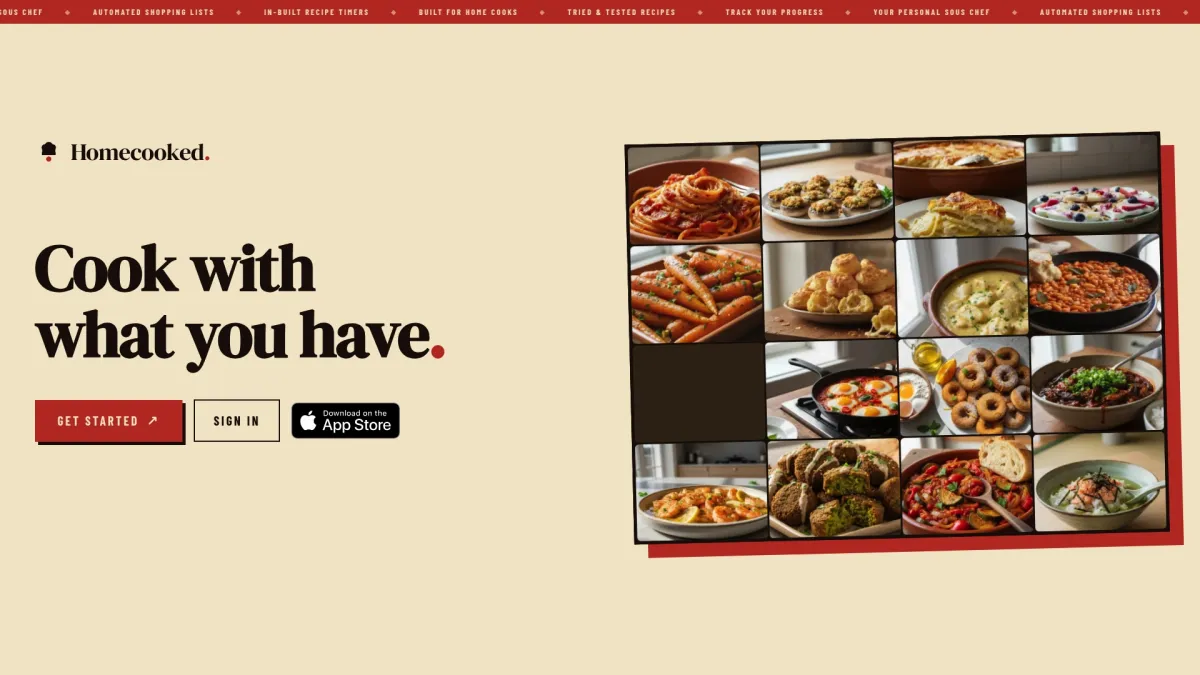
- Personalized postpartum plans: Tell Homecooked your dietary preferences, any restrictions, and your recovery goals. The app builds a meal plan around them, not a generic template.
- Automated grocery lists: Every meal in your plan generates a categorized shopping list, organized by fridge, freezer, and pantry, so one trip covers the week.
- Freezer-friendly recipe tags and prep timers: Filter for freezer-ready recipes, follow step-by-step guided cooking with integrated timers, and batch-cook your stash in a single session.
Start with the cottage cheese protein bowl as your first high-protein, no-cook postpartum meal, then explore the Homecooked meal prep blog for batch-cooking ideas that slot directly into your plan. A free trial gets you full access to personalization and grocery automation from day one.
Sources
The following sources informed this guide and are worth bookmarking for deeper reading or to share with your care team:
- CDC — Maternal diet and micronutrients during breastfeeding
- FDA — Advice about Eating Fish
- PubMed article (33305822)
- PMC article on lactation hydration and dietary strategies
- NCBI Bookshelf — Nutrition during lactation
This article provides general nutrition information and is not a substitute for personalized medical advice. Consult your OB, midwife, or a registered dietitian nutritionist for guidance tailored to your health history and postpartum needs.