
A good shift work meal plan keeps your eating anchored to your own “day,” not the clock on the wall. Eat a proper meal before you go in, keep snacks light while you work, and have a modest meal when you get home. Then prep so you never have to decide at 3 a.m. in front of a vending machine. This guide walks through the timing, a sample 7 p.m. to 7 a.m. day, what to pack, and how to prep it all without losing your weekend.
TL;DR
- Eat your main meal a few hours before the shift, keep food light during it, and have breakfast or a small meal when you get home.
- Try to eat less between midnight and 6 a.m., when digestion is least prepared for food.
- Pack protein, vegetables and fiber-rich carbs, and keep perishables cold in an insulated bag.
- Prep one or two sessions a week so healthy options are ready at any hour.
- Use caffeine early in the shift, not at the end, so it does not cost you sleep.
Table of Contents
- Why shift work changes how you plan meals
- The core rules of a shift work meal plan
- A sample night shift day (7 p.m. to 7 a.m.)
- What to pack: ideas that hold up for hours
- Hydration, caffeine and sleep
- How to prep without giving up your days off
- Adjusting the plan to your life
- Our perspective
- Build your shift plan in Homecooked
- FAQ
- Sources
Why shift work changes how you plan meals
Your body expects to eat during the day and rest at night. When you work against that rhythm, meals land when your digestive system is getting ready for sleep. The CDC’s NIOSH training for nurses notes that when night workers’ body clocks have not adjusted, eating at those times raises the risk of digestive symptoms, obesity, cardiovascular disease, diabetes and metabolic syndrome. The UK’s Health and Safety Executive adds that shift workers commonly have digestive problems from body-clock disruption and poor diet, and suggests planning meals to help you stay alert at work and relax or sleep when resting.
That does not mean you are stuck. It means the plan matters more for you than for someone on a nine-to-five. The goal is simple: steady energy at work, easy sleep afterward, and food you actually look forward to.
The core rules of a shift work meal plan
Eat on a rhythm, not on impulse
Queensland’s workplace safety regulator suggests eating roughly every three to four hours, with three main meals and two to three snacks across 24 hours. For many people that is more than they need, so treat it as an upper range and adjust to your appetite. The point is to avoid long gaps that end in a vending-machine raid.
Make one meal the “big” one
Dietitians of Canada advise eating your main meal a few hours before work, then a small meal and healthy snacks during the shift. They warn that a large meal at home followed by another at work can lead to weight gain. The US military’s Human Performance Resource Center gives the same pattern in plain words: dinner before your shift, light snacks during it, breakfast when you get home.

Go light in the small hours
NIOSH recommends that you avoid eating, or eat less, between midnight and 6 a.m. and follow a normal day-and-night meal pattern as far as your schedule allows. HPRC explains that digestion and metabolism are less efficient at night, and eating less can improve alertness. In practice: one small, protein-led snack around the middle of the shift, and fruit, yogurt or vegetables if you get hungry again.
Build plates the standard way
A balanced day includes whole or high-fiber grains, vegetables, fruit, lean meats or alternatives, and mostly reduced-fat dairy. For night work, NIOSH lists vegetables, salads, vegetable soups, fruit, wholegrain sandwiches, yogurt, cheese, eggs, nuts and green tea as good choices. It also says to avoid sugar-rich foods and low-fiber carbs when you are sleepy, because they can make drowsiness worse.
A sample night shift day (7 p.m. to 7 a.m.)
Here is one way to lay out a 12-hour night shift. Shift the times to match your start, and scale portions to your own needs.
| Time | What | Ideas |
|---|---|---|
| 1 to 3 p.m. (after waking) | Light first meal | Overnight oats with fruit, or eggs and whole-grain toast |
| 4:30 to 5:30 p.m. | Main meal, the “dinner” | Chicken and vegetable stir-fry over brown rice, or a burrito bowl with salad |
| 7 p.m. | Shift starts; water at your station | Fill a bottle and refill it each break |
| 9 to 10 p.m. | Small snack if hungry | Yogurt and a handful of nuts |
| 12 to 1 a.m. | Small meal | Soup and a wholegrain sandwich, or a small portion of leftovers |
| 3 to 4 a.m. | Only if needed | Fruit, or vegetable sticks with hummus |
| 6 a.m. | Light snack before the drive home | A small piece of fruit or a cheese stick |
| 7:30 to 8 a.m. | Breakfast at home | Eggs and vegetables, or yogurt with oats |
| After a few hours, before sleep | Light snack if hungry | Banana, or toast with a little nut butter |
This follows the structure the official sources describe: the biggest meal before work, lighter eating overnight, and breakfast on arrival home. If you eat a proper dinner at 5 p.m., you may find you want very little between midnight and 6 a.m. That is fine.
If you work a day shift that starts early or an evening shift
The same logic holds. Put your biggest meal at the point furthest from sleep and keep the meal right before bed small. For an evening shift ending around 11 p.m., have your main meal in the late afternoon, pack a snack for mid-shift, and keep the post-shift meal modest so you are not lying down too full.
If your shifts rotate
Pick one anchor you keep constant, such as a protein-rich breakfast after waking, and flex the rest. On changeover days, keep meals simple and familiar. Rotating schedules are exactly where a written weekly plan saves the most mental effort, because you can swap the “dinner” and “snack” slots around without redesigning anything.
What to pack: ideas that hold up for hours
The Queensland guide suggests lean protein and vegetable stir-fries, burritos or tacos with salad, and snacks such as fruit, yogurt, nuts and vegetable sticks with hummus. Here is how to turn that into a bag you actually enjoy opening.
Main meals that reheat well
- Stir-fries. They reheat in a microwave in minutes and the vegetables stay crisp enough. Our chicken and edamame stir-fry and tofu and vegetable stir-fry are each ready in about 20 minutes, and both are protein-forward.
- Curries and stews. A batch of home-style chicken curry over rice portions into containers easily and often tastes better the next day.
- Grain bowls and burritos. Cook the grains and beans once, then assemble with salad on the side so nothing goes soggy.
- Soups. Vegetable or lentil soup in a thermos handles the midnight meal slot well.
Snacks worth carrying
Fruit, plain yogurt, nuts, hard-boiled eggs, cheese, wholegrain crackers and cut vegetables with hummus. If you buy packaged snacks, the UK Nutrition Society suggests using traffic-light labels, choosing mostly green and limiting red. US labels do not carry those colors, but the habit translates: compare sugar, saturated fat and fiber per serving.
Breakfast for when you get home
You are tired and want something fast. Overnight oats are ready in 10 minutes of prep the day before and need no cooking at 7:30 a.m. Add fruit and nuts for protein and fiber.

Hydration, caffeine and sleep
The BMJ’s guidance for shift workers recommends drinking water through the shift and being careful with sweetened caffeinated drinks, which may interfere with rest at the end of your shift.
On timing, HPRC says caffeine may help alertness and suggests 200 mg taken 30 to 60 minutes before the shift, with a daily maximum of 600 mg (800 mg during sustained operations). That is a ceiling, not a target, and sensitivity varies. If you are pregnant, have a heart condition, or take medication, ask your doctor or pharmacist what amount is right for you. Front-load caffeine early in the shift and stop well before you head home.
Before bed, a university medical guide on shift-worker nutrition notes that sleep can be hard if you are too hungry or too full, so a light snack is better than either extreme. If you want to go deeper on how food timing interacts with the rest of your day, this meal timing guide covers planning around training, which is useful if you lift or run between shifts.
How to prep without giving up your days off
The CDC notes that preparing food ahead helps shift workers have healthy options at any hour instead of leaning on convenience foods or vending machines. A few habits make it stick.
- Pick one prep window. Right after your first sleep of a stretch of shifts works well. Two hours is enough for most people.
- Cook components, not just meals. One protein, one grain, two trays of vegetables and a sauce give you several different plates.
- Portion straight into containers. Label them by shift slot: dinner, midnight meal, snack, breakfast.
- Freeze a few. Soups, curries and burritos keep well and cover the week when a shift runs long.
- Plan the shopping list from the plan. Buy for the slots you wrote down, not for an imagined ideal week.
For more batch ideas, see our lunch meal prep recipes, and for the planning habit itself, this guide to meal planning for professionals makes the case for one weekly planning session over daily guesswork. Our own meal planning for busy people guide covers how to keep that session short.
Keeping food safe at work
HPRC advises planning meals in advance, using an insulated lunch bag or cooler with ice packs, and keeping perishables in a refrigerator or freezer, then heating them in a microwave if one is available. If there is no fridge, pack only foods that tolerate a cold bag and eat the most perishable items (meat, dairy, cooked rice) first.
HPRC also suggests coordinating a rotating snack schedule with your team or asking for healthier vending options. NIOSH adds that it helps to eat with colleagues in a pleasant spot away from the work area. A shared break can make the midnight meal feel like a real one.
Adjusting the plan to your life
A template is a starting point. Change it for:
- Shift length. On an 8-hour shift you may need only one snack. On a 12-hour shift, plan a small meal plus one or two snacks.
- Food access. If your workplace has a good cafeteria or no microwave, pack accordingly.
- Dietary needs. Vegetarian, plant-based, lower-calorie or diabetes-friendly plans all fit the same timing structure. Our whole food plant-based meal plan and 1,800 calorie meal plan show how to structure a week around a specific target. If you have diabetes or take glucose-lowering medication, ask your care team how to time meals around your shifts.
- Energy on bad days. Keep a short list of fallback meals, such as easy weeknight dinners, for the days you are too tired to cook.
Our perspective
Most meal plans assume you wake at 7 a.m. and eat dinner at 6 p.m. Shift workers know that is not their life. Their problem is rarely a lack of nutrition knowledge. It is that planning, shopping and cooking all happen at odd hours, when energy is low.
That is why we built Homecooked around what you already have. A pantry-first plan means fewer wasted ingredients and fewer last-minute store runs, which matters when your “morning” starts at 5 p.m. We design plans around your health goals and your flavor preferences, so the food you pack is something you want to eat, not a chore.
We also think the cooking itself should be easier at the wrong hour. Guided recipe steps with live timers and parallel workflows are designed to let you cook a batch without hovering over the stove, so a prep session fits between sleep and shift.
Our advice: write down your slots, plan the week once, and let the plan carry the decisions.
0xmaglev
Build your shift plan in Homecooked
If you would rather not rebuild this table every week, Homecooked generates personalized meal plans from your health goals and dietary preferences, then turns them into an automated shopping list, tracks your pantry, and walks you through each recipe with step-by-step guidance and built-in timers. You can start with a free trial and see how a week of shift-friendly meals looks.
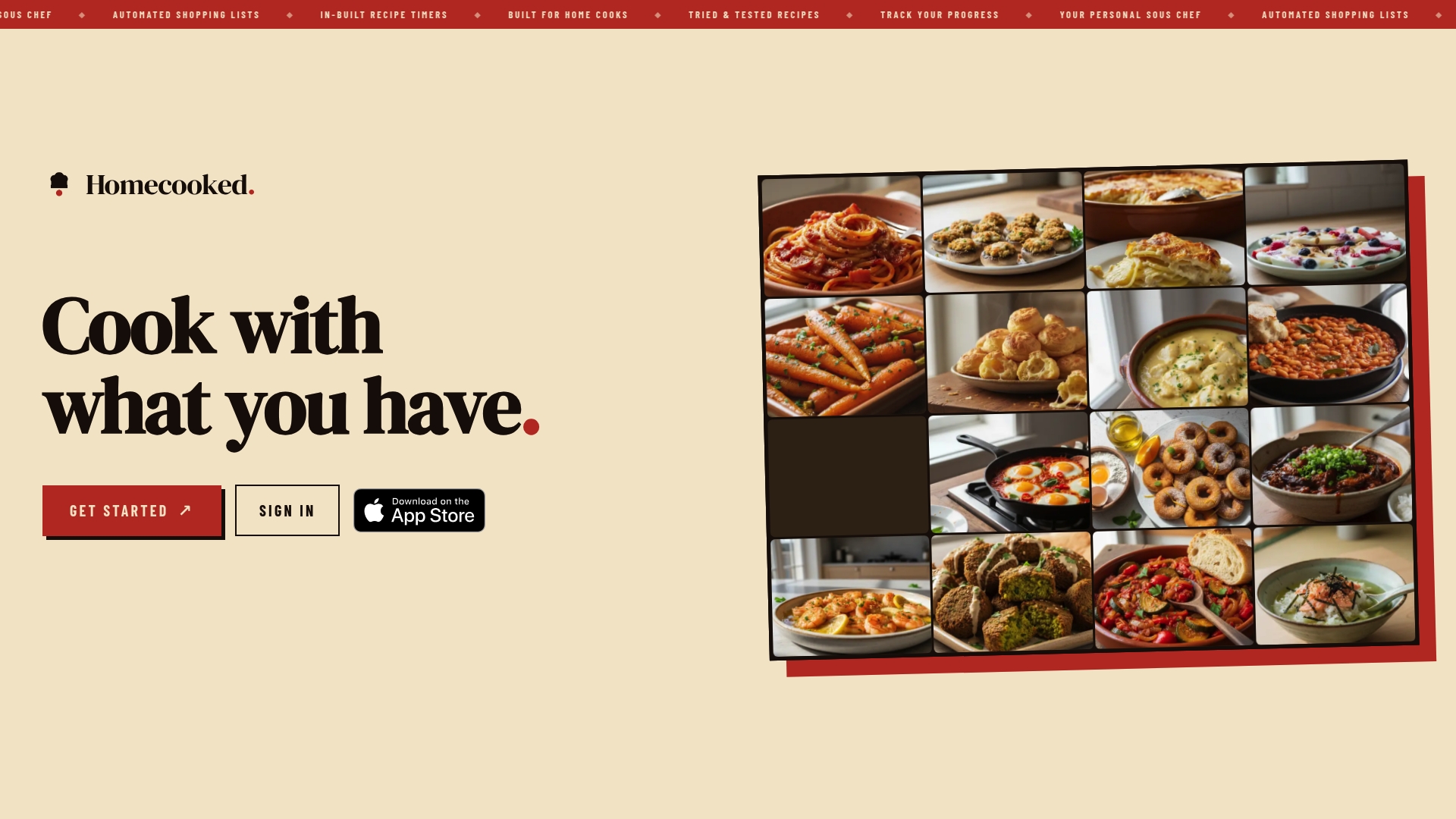
Tell it what you like to eat and what you are aiming for, and use the plan as the backbone for your own meal slots: a main meal before work, light packable options for the shift, and an easy breakfast for the morning.
FAQ
What should I eat on a night shift?
Have a balanced main meal a few hours before you start, with protein, vegetables and a high-fiber carb. During the shift, stick to small portions such as yogurt, nuts, fruit, eggs or soup. Official guidance recommends eating less between midnight and 6 a.m., so keep overnight eating light.
How many meals a day should a shift worker eat?
The Queensland guide mentions three main meals and two to three snacks in 24 hours, spaced about three to four hours apart. Dietitians of Canada describe a lighter option too: a main meal before work, then a small meal and snacks. Choose the pattern that matches your appetite and keeps you comfortable at bedtime.
Should I eat when I get home from a night shift?
Yes, a modest breakfast works for most people, in line with the advice to have breakfast when you get home. Keep it lighter than a full dinner so you can fall asleep. If you are still hungry before bed, a small snack is better than going to bed very hungry or very full.
How do I stop relying on vending machines?
Prep ahead and bring your own food. The CDC says that preparing food in advance gives you healthy options at any hour. Pack one main meal and two snacks per shift, and keep one backup item in your locker.
Is caffeine okay on a night shift?
In moderation, and early. HPRC suggests 200 mg 30 to 60 minutes before the shift, up to 600 mg a day. Skip sweetened caffeinated drinks near the end of the shift so they do not interfere with rest.
Sources
- Module 9. Coping with the Night and Evening Shifts, Diet (CDC NIOSH)
- Hints and tips for shift-workers (HSE)
- Shifting nutrition: a shift workers guide to nutrition (WorkSafe Queensland)
- How can I eat to optimize my performance on night shift? (HPRC)
- Nutrition Tips for Shift Workers (Dietitians of Canada)
- Healthy diet and lifestyle tips for shift workers (British Nutrition Society)
- Diabetes and Shift Work (CDC)
- Shift work and healthy eating (BMJ)
- Nutrition for shift workers (University of Florida)
- Meal Planning for Professionals
- Meal Timing for Workouts