
An ADHD-friendly meal plan is a repeatable, low-decision system built from protein, fiber, and healthy fat at regular intervals, not a rigid list of “right” foods. We built the flexible 5 to 7 day template below so you can start today, complete with a grocery list, prep shortcuts, and swaps for sensory needs or medication-related appetite shifts.
TL;DR:
- Use five themed weeknight slots, add batch cooking on Saturday, leave Sunday for takeout or meals needing no preparation, and swap ingredients as needed.
- Build meals with protein, fiber or vegetables, healthy fat, and complex carbohydrates; eat every 3 to 5 hours, and avoid elimination diets without clinician guidance.
- Rotate ten reliable meals, leave two nights open, and split preparation into three 10 to 20 minute sessions instead of one long cooking day.
- When medication suppresses appetite, eat smaller, more frequent meals and prioritize protein earlier; aim for three meals or two meals plus two snacks.
- Freeze chili, soup, or meatballs in clear, labeled containers; meals keep for about three months and can be reheated directly from frozen.
Table of Contents
- A flexible weekly template and grocery list you can edit today
- ADHD-friendly meal-building rules: nutrients and timing that support steady focus
- Prep strategies and routines that cut decision fatigue
- Low-effort meals and snacks for every part of the day
- Personalizing your plan for sensory needs, medication, and picky eating
- Why this works: what the research and expert guidance say
- Progress over perfection in your meal plan
- Homecooked: letting an app handle the planning for you
- FAQ
- Sources
A flexible weekly template and grocery list you can edit today
A good ADHD meal plan works like a skeleton, not a script. Pick theme nights so you never stare at a blank week, then swap the protein or veggie inside each slot based on what is in the fridge.
5-day skeleton:
- Monday: sheet-pan protein and veggies
- Tuesday: taco or burrito bowl night
- Wednesday: pasta with a quick-sauce swap
- Thursday: stir-fry with whatever vegetables need using up
- Friday: breakfast-for-dinner or leftovers remix
Add Saturday as a “big-batch” cooking day and Sunday as a no-cook or takeout night to round out a 7-day week without adding real prep load.
Your grocery list stays short when it is grouped by store section instead of by recipe:
- Produce: bagged salad greens, frozen broccoli, bell peppers, onions
- Proteins: rotisserie chicken, eggs, canned beans, ground turkey
- Frozen: pre-riced cauliflower, mixed berries, frozen shrimp
- Pantry: rice, pasta, canned tomatoes, olive oil, nut butter
- Dairy: Greek yogurt, shredded cheese, milk
- Snacks: string cheese, trail mix, hummus cups
A printable 7-day grocery list guide can turn this skeleton into a checklist you take straight to the store. Batch-cook rice, shredded chicken, and roasted vegetables on your prep day, then portion them into containers so dinner becomes assembly instead of cooking.
ADHD-friendly meal-building rules: nutrients and timing that support steady focus
The nutrition science behind this template is simple. A clinical review of dietary patterns and ADHD found that diets high in protein, complex carbohydrates, and omega-3 fatty acids support blood-sugar stability and energy, both of which play into symptom management. A related systematic review found that Mediterranean and DASH-style eating patterns are associated with lower ADHD risk, while restrictive elimination diets showed mixed results and need professional supervision.
In practice, that translates to a simple plate rule: protein, plus fiber or vegetables, plus a healthy fat, plus a complex carb. Aim to eat roughly every 3 to 5 hours rather than waiting until you are starving, since long gaps tend to worsen irritability and crash-and-burn energy cycles.

Skip elimination diets unless a registered dietitian or physician is guiding you. Cutting entire food groups without supervision risks nutrient gaps that can make focus harder, not easier.
Prep strategies and routines that cut decision fatigue
Full weekly cook-a-tons burn people out fast. Practitioners instead recommend splitting prep into short, non-consecutive sessions and leaning on repeatable systems instead of fresh decisions every night.
- Build a Top-10 rotation. Pick ten reliable meals, mixing no-cook, low-cook, and batchable options, then rotate them and leave two nights free each week for whatever sounds good.
- Prep in short bursts. Three 10 to 20 minute sessions, such as washing greens, cooking a grain, and roasting a tray of vegetables, beat one exhausting afternoon.
- Make the plan visible. A laminated recipe card taped inside a cabinet or a grocery list saved on your phone removes the “what do I even make” moment entirely.
- Use timers and body doubling. Setting a timer for each prep task, or cooking alongside a friend on video call, keeps momentum going when motivation alone will not, as explained in practical coping strategies for ADHD.
Pro Tip: Keep your Top-10 list on the fridge so choosing dinner becomes picking a number, not inventing a meal from scratch.
Low-effort meals and snacks for every part of the day
You do not need to cook much to eat well. Lean on assembly over actual cooking whenever your energy is low.
- Breakfast: Greek yogurt bowls with granola and berries, hard-boiled eggs with toast, or a smoothie with nut butter and protein powder
- Lunch: grain bowls built from leftover rice, canned beans, and whatever vegetable is in the fridge
- Dinner: sheet-pan chicken thighs with frozen vegetables, or a one-pan stir-fry using pre-riced cauliflower
- Freezer batch meals: chili, turkey meatballs, or soup portioned into containers for nights when cooking feels impossible
- Snacks: string cheese with an apple, hummus with carrots, or trail mix, all pairing protein with fiber to keep energy steady
Store batch meals in clear, labeled containers so you can see what you have without opening five lids. Most hold well in the freezer for about three months and reheat straight from frozen in a microwave or oven.
Personalizing your plan for sensory needs, medication, and picky eating
Your plan should bend to you, not the other way around. Build a simple swap table (chicken thighs for tofu, rice for quinoa) so you can substitute proteins or carbs with similar nutrition without starting over, and keep a running “safe foods” list of meals you always enjoy, even on hard days.
If medication suppresses your appetite, shift toward smaller, more frequent meals and front-load protein earlier in the day when hunger is strongest. Dietitians working with neurodivergent clients recommend a flexible framework built around fat, fiber, protein, and one “wow” factor food per meal, aiming for a minimum of three meals, or two meals plus two snacks, rather than forcing a rigid structure.
Avoid cutting major food groups on your own. If allergies or gastrointestinal issues are involved, loop in a dietitian before removing anything significant.
Why this works: what the research and expert guidance say
Clinical reviews point to the same conclusion: dietary patterns rich in protein, complex carbohydrates, and omega-3s support steadier energy and attention, while elimination diets carry real risk without supervision.
Reducing decision fatigue through routines, pre-prepared ingredients, and shared cooking responsibilities is one of the most consistently helpful strategies reported by adults managing ADHD and food.
CHADD’s practical resources echo this, emphasizing low-prep swaps like rotisserie chicken and frozen vegetables over complicated recipes. The evidence base is still developing, so treat any major dietary change, especially supplements or elimination diets, as a conversation with your clinician rather than a solo experiment.
Progress over perfection in your meal plan
Some weeks your plan will fall apart, and that is normal, not failure. Treat each meal as its own small experiment: one planned dinner or one prepped lunch is still a real win worth noticing.
— 0xmaglev
Homecooked: letting an app handle the planning for you
We built an app around exactly this problem: deciding what to eat is the hardest part, not the cooking itself. The app generates personalized meal plans from what is already in your pantry, adapts templates like the one above to your taste and health goals, and turns the whole week into an automatic grocery list instead of a blank page.
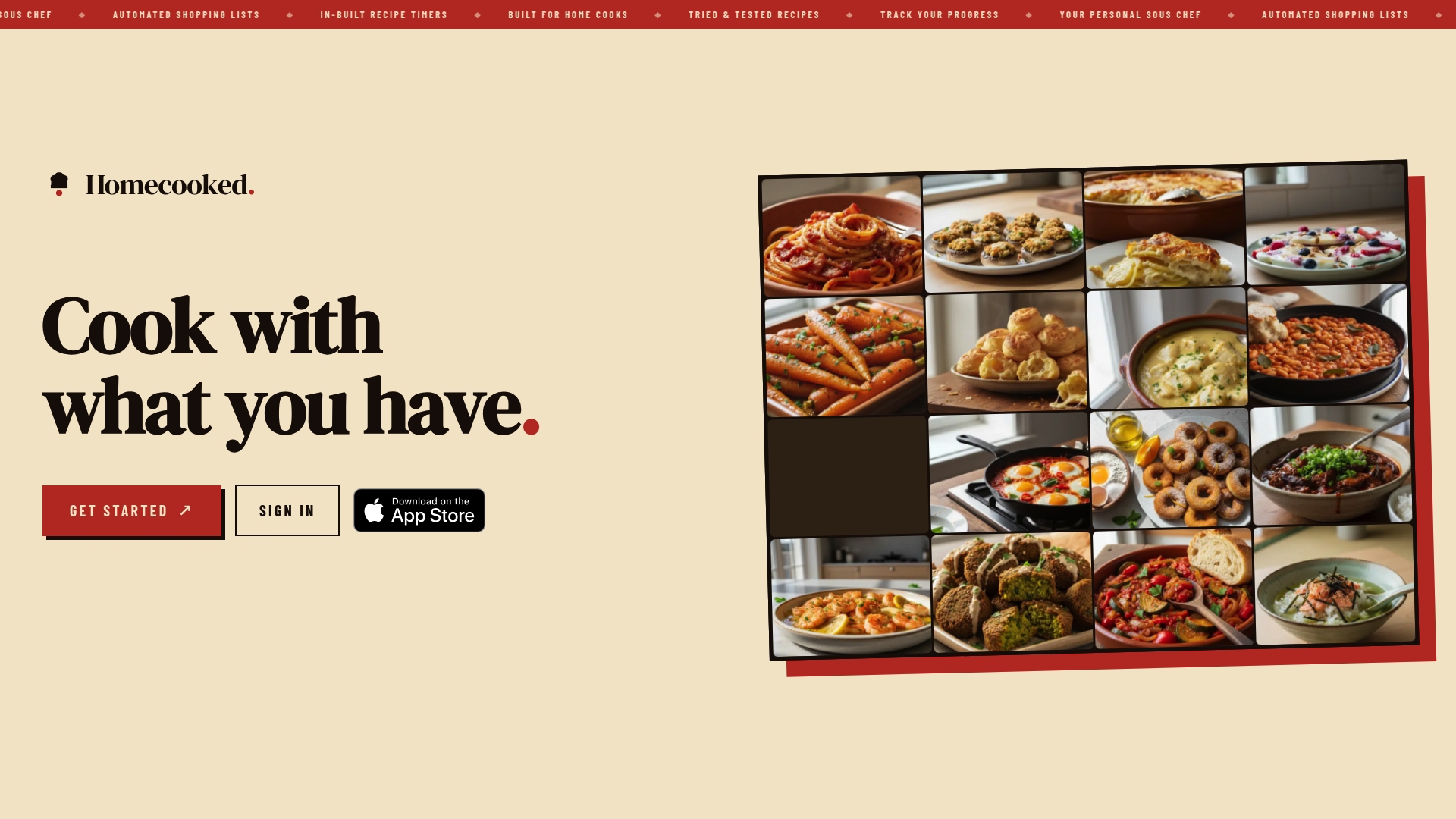
Guided recipes with built-in timers walk you through each step, helping make dinner less dependent on memory or willpower. If a Top-10 rotation sounds appealing but assembling it feels like its own chore, Homecooked builds that rotation for you and keeps it editable as your tastes change. Start a trial on the Homecooked landing page and see your first automated grocery list within minutes.
This article is general information, not a substitute for advice from a qualified doctor. Consult a qualified healthcare professional about your own circumstances before acting on anything here.

FAQ
What is the 1-3-5 rule for ADHD meal planning?
The 1-3-5 rule is an informal planning shortcut: pick one main dish, three sides or components, and five total ingredients per meal to keep decisions and prep simple. It is not a clinical guideline, just a practical way to cap the number of choices you have to make at mealtime.
What is the recommended diet for people with ADHD?
No single diet is universally recommended, but clinical reviews point to dietary patterns high in protein, complex carbohydrates, and omega-3 fatty acids as supportive of blood-sugar stability and energy. Mediterranean and DASH-style patterns have also shown an inverse association with ADHD risk in systematic review findings.
Is it normal to eat the same foods every day with ADHD?
Yes, repeating reliable, “safe” meals is a common and reasonable strategy rather than a problem to fix. Practitioner guidance, including the Top-10 rotation approach described by ADDitude, actively recommends rotating a short list of trusted meals to reduce the mental effort of deciding what to eat.
What are simple rules for an ADHD-friendly diet?
Keep meals built around protein, fiber or vegetables, a healthy fat, and a complex carb, and aim to eat roughly every 3 to 5 hours. Reduce decision fatigue with a repeatable rotation of meals, batch-prep in short sessions, and avoid restrictive elimination diets without a dietitian’s guidance.
Sources
- PubMed record (clinical review on diet and ADHD)
- Systematic review on dietary interventions in ADHD (PMC)
- CHADD Cookbook for Busy Minds (practical recipes and tips)