
A fertility meal plan can follow a Mediterranean-style, whole-foods pattern: plenty of vegetables, whole grains, legumes, olive oil, and fish, paired with limited red meat and added sugar. We recommend starting before trying to conceive, using a simple meal-plan template to build momentum, and beginning a prenatal vitamin with folic acid right away, in line with ACOG guidance.
TL;DR:
- Build meals with palm sized protein, a fist sized whole grain or starchy vegetable, and generous nonstarchy vegetables; rotate fish, legumes, and poultry weekly.
- ACOG recommends 400 micrograms of folic acid daily for women at average risk; check prenatal labels for choline, which varies by brand.
- Choose 8 to 12 ounces weekly from fish low in mercury, limit albacore tuna to 6 ounces, and avoid shark, swordfish, king mackerel, and tilefish.
- People following vegan diets or with prior bariatric surgery face nutrient gaps and should seek clinician or dietitian advice before relying on food alone.
Table of Contents
- What a fertility-friendly eating pattern looks like day to day
- Key nutrients to prioritize and where to find them
- Your 7-day fertility meal plan and a 30-day template to keep going
- Turning the plan into a weekly routine with meal prep
- When to start: why three months matters
- Food safety and supplement basics to know before you start
- Male fertility nutrition: what partners can do together
- Personalizing the plan for your body and preferences
- A realistic note on what diet can and cannot do
- Let Homecooked handle the planning while you focus on cooking
- FAQ
- Sources
What a fertility-friendly eating pattern looks like day to day
A Mediterranean-style pattern is the backbone of fertility nutrition, and for good reason. A systematic scoping review of preconception diet studies found this pattern had the strongest and most consistent association with improved clinical pregnancy rates compared to other eating styles, while cutting back on trans fats and discretionary foods also tracked with better outcomes.
In practice, that means building each plate around a few repeatable components rather than chasing a rigid menu. The pattern leans on:
- Vegetables and fruit at most meals, aiming for color and variety rather than a specific count
- Whole grains like farro, oats, and brown rice instead of refined starches
- Legumes (lentils, chickpeas, beans) as a regular plant protein and fiber source
- Extra-virgin olive oil as the primary cooking fat
- Nuts and seeds for healthy fats and a satisfying crunch
- Fish and poultry more often than red or processed meat
For meal structure, think protein at every meal, a fiber-rich carbohydrate, a source of healthy fat, and at least one vegetable. A lunch plate might carry grilled salmon, a scoop of farro, roasted broccoli, and a drizzle of olive oil. That combination is less about any single ingredient and more about the overall anti-inflammatory, nutrient-dense pattern, which observational research links to better reproductive outcomes over time.
Key nutrients to prioritize and where to find them
An international expert consensus on micronutrient supplementation during the early life course found strong agreement among specialists on the value of a Mediterranean-style diet alongside targeted attention to specific nutrients during preconception. Panelists agreed that folic acid, iron, vitamin D, iodine, DHA, and choline each play a distinct role in this window.
Here is how to think about each one and where to find it on your plate:
- Folate: supports healthy cell division early in pregnancy; found in leafy greens, lentils, and fortified grains
- Choline: involved in fetal brain development; concentrated in eggs, meat, and fish
- DHA/omega-3s: linked to healthy fetal development; found in salmon, sardines, and walnuts
- Iron: supports oxygen transport as blood volume increases; found in lean red meat, beans, and spinach
- Vitamin D: tied to hormonal balance; found in fatty fish, fortified dairy, and sunlight exposure
- Iodine: necessary for thyroid function; found in dairy, seafood, and iodized salt
- Antioxidants: may help reduce oxidative stress on developing eggs; found in berries, colorful vegetables, and nuts
Most pregnant and lactating women do not meet recommended choline intakes from diet alone, according to a review of choline research, which makes eggs, meat, and fish worth prioritizing on a regular basis. People following vegan diets, or those with a history of bariatric surgery, face a higher risk of gaps in several of these nutrients and benefit from a conversation with a clinician or registered dietitian before relying on food sources alone.
Your 7-day fertility meal plan and a 30-day template to keep going
A full week of planning can feel like a lot, so we built this around repeatable patterns rather than a new recipe for every meal.
- Monday: Greek yogurt with berries and walnuts; lentil soup with whole-grain bread; baked salmon with roasted vegetables and quinoa
- Tuesday: Veggie omelet with spinach and feta; chickpea salad with olive oil dressing; grilled chicken with farro and broccoli
- Wednesday: Oatmeal with flaxseed and sliced banana; tuna salad on whole-grain toast; lentil and vegetable stir-fry
- Thursday: Smoothie with spinach, Greek yogurt, and frozen fruit; turkey and avocado wrap; baked cod with brown rice and asparagus
- Friday: Whole-grain toast with avocado and eggs; quinoa bowl with chickpeas and roasted vegetables; grilled shrimp with whole-wheat pasta
- Saturday: Chia pudding with berries; vegetable and white bean soup; roast chicken with sweet potato and greens
- Sunday: Vegetable frittata; mixed bean salad; baked trout with farro and sautéed kale
Build each meal around a palm-sized portion of protein, a fist-sized serving of whole grains or starchy vegetables, and generous non-starchy vegetables. For vegetarian or vegan swaps, replace fish and poultry with tofu, tempeh, lentils, or a combination of beans and whole grains to keep protein intake steady.
To extend this template, repeat its structure and rotate your protein sources and vegetables regularly: one week leans on fish, the next on legumes, the next on poultry, and the last on a mix. This keeps the diet varied, budget-friendly, and realistic to sustain, which matters more than any single day’s perfect menu. For more Mediterranean-style recipes to rotate in, our Mediterranean meal planning guide has additional templates to pull from.
Turning the plan into a weekly routine with meal prep
A good plan only works if the shopping and cooking fit into your week. Organize your list by category to make the store trip faster:
- Produce: leafy greens, berries, broccoli, bell peppers, avocados, bananas
- Protein: salmon, cod, shrimp, chicken breast, eggs, Greek yogurt
- Pantry: lentils, chickpeas, canned beans, quinoa, farro, whole-grain bread, olive oil
- Freezer: frozen berries, frozen vegetables, frozen fish fillets for backup meals
On a prep day, batch-cook one grain (farro or quinoa), roast a large tray of mixed vegetables, cook a protein in bulk (grilled chicken or baked salmon), and make a simple olive oil based dressing to use all week. These four tasks cover most of the plan’s lunches and dinners with minimal daily cooking. For more batch-friendly recipes, see our meal prep ideas.
Store cooked proteins and grains separately in airtight containers, refrigerate them safely, and reheat to steaming hot before eating.
Pro Tip: Cook a double batch of whole grains on prep day and freeze half in portioned bags for weeks when you are short on time.

When to start: why three months matters
The time involved in egg maturation and sperm development is one reason we recommend beginning dietary changes before trying to conceive. Some effects of dietary changes may appear sooner, while changes in egg and sperm quality may take longer.
A few concrete checkpoints make this timeline less abstract: start a prenatal vitamin now, schedule a prepregnancy visit with your ob-gyn, and pick one 7-day plan to follow this week as your starting point.

Food safety and supplement basics to know before you start
Fish is a strong source of omega-3s, but mercury content varies widely by species. Guidance modeled on ACOG and FDA recommendations suggests eating 8 to 12 ounces of low-mercury fish per week, such as salmon, shrimp, and cod, while avoiding high-mercury species like shark, swordfish, king mackerel, and tilefish. Albacore (white) tuna should be limited to 6 ounces per week, and it is worth checking local advisories for any fish caught in regional waters.
A few other safety basics matter during this window:
- Avoid unpasteurized dairy, deli meats that have not been reheated, and raw sprouts to reduce listeria risk
- Wash produce thoroughly and keep raw meat separate from ready-to-eat foods
- Reheat leftovers to steaming hot before eating
On supplements, ACOG clinical guidance recommends folic acid supplementation of 400 micrograms per day for women of average risk, and prenatal vitamin use is associated with lower miscarriage risk. Choline content varies considerably between prenatal vitamin brands, so pairing your supplement with choline-rich foods like eggs is a reasonable way to close any gap.
Male fertility nutrition: what partners can do together
Diet is not just a factor for the partner carrying the pregnancy. Research involving more than 2,000 men found that higher adherence to a Mediterranean-style diet was associated with improved sperm count, motility, and morphology, with consistent positive associations in 60% of the reviewed studies, likely tied to the diet’s anti-inflammatory and antioxidant properties.
Shared meals make this easy to act on together:
- Grilled salmon with a big vegetable side covers omega-3s and antioxidants for both partners
- A walnut and berry topped yogurt bowl works as a shared breakfast or snack
- A chickpea and vegetable stir-fry over farro doubles as a protein-rich dinner for two
For couples facing ongoing concerns about sperm quality or male-factor fertility, a specialist evaluation, such as those offered through male infertility assessments, can identify issues diet alone will not resolve.
Personalizing the plan for your body and preferences
No single meal plan fits everyone. Start by screening your current diet for common gaps (iron, choline, vitamin D), setting rough protein and calorie targets based on your activity level, and swapping ingredients for allergies, intolerances, or preferences like vegetarian, vegan, or gluten-free. A meal-planning app can automate much of this by generating shopping lists, suggesting pantry-based swaps, and walking you through guided recipes with built-in timers. Still, a clinician remains the right source for individual supplement and medical guidance.
A realistic note on what diet can and cannot do
Diet is one lever among several, alongside weight, sleep, alcohol, and caffeine intake. Consistency over months matters more than any perfect day. Start the 7-day plan, pick one habit to keep, and loop in a clinician for the rest.
— 0xmaglev
Let Homecooked handle the planning while you focus on cooking
Following a Mediterranean-style fertility meal plan gets easier when the planning work is automated instead of left to a notepad and a dozen browser tabs. We built Homecooked to turn a template like the one above into a personalized plan based on your own health goals and food preferences, then generate a grocery list automatically.
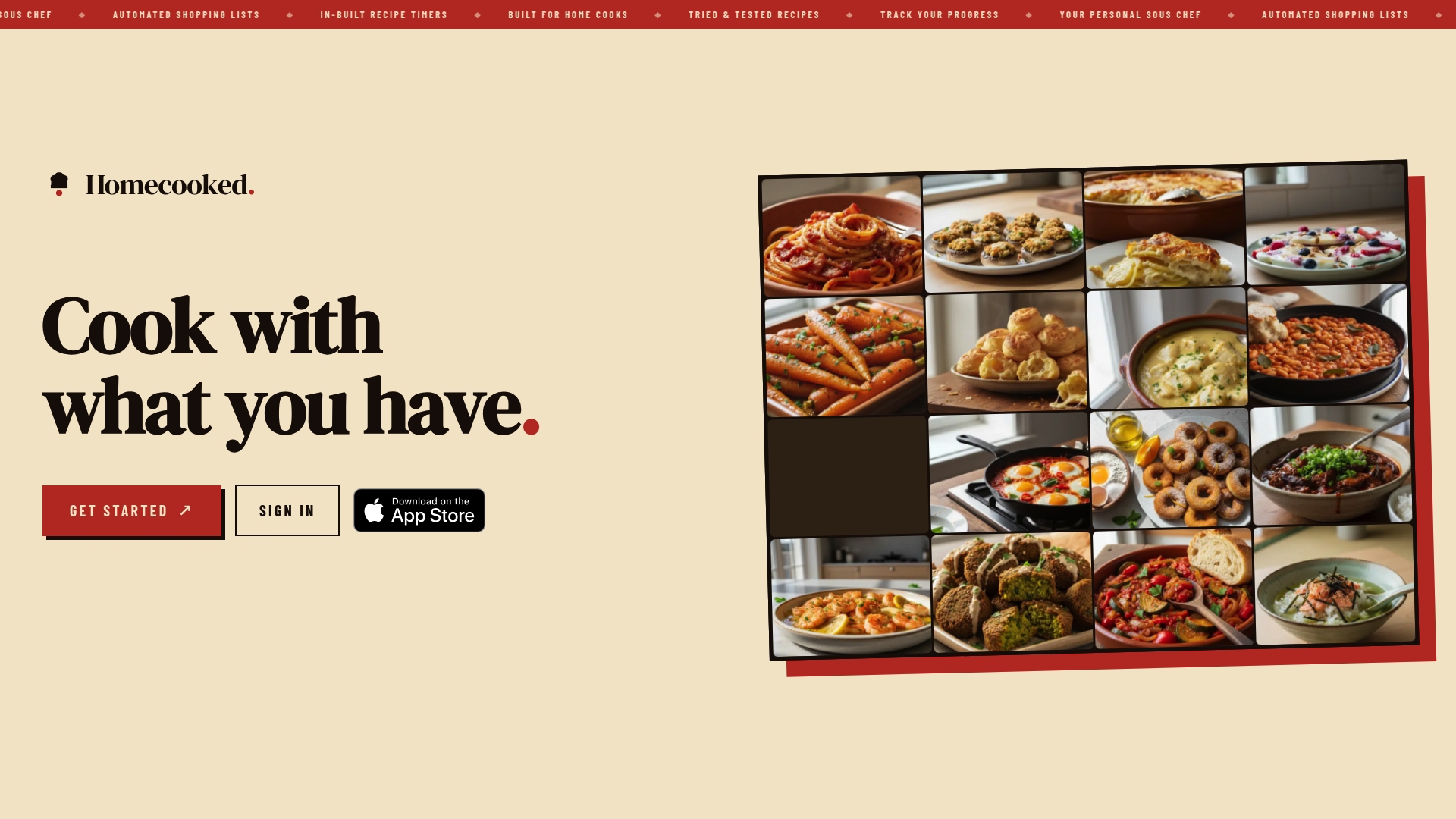
A few ways this saves real time during a busy week:
- Automated shopping lists group your 7-day plan’s ingredients by category, so you are not re-reading recipes at the store
- Pantry-first swaps suggest what to cook based on what you already have, cutting food waste
- Guided recipes with built-in timers keep batch-cooking day moving without second-guessing
Try Homecooked to put this fertility meal plan into practice, and talk with your clinician about any supplements before starting them.
This article is general information, not a substitute for advice from a qualified doctor. Consult a qualified healthcare professional about your own circumstances before acting on anything here.
FAQ
What is the best diet to boost fertility?
A Mediterranean-style, whole-foods pattern has the strongest and most consistent evidence among preconception diets, according to a systematic scoping review. It emphasizes vegetables, whole grains, legumes, olive oil, and fish while limiting red meat and processed foods.
How many months before trying to conceive should I change my diet?
Most guidance recommends starting dietary changes about three months before trying to conceive, as the time involved in egg maturation and sperm development means some effects may take longer to appear. Early changes like better blood sugar regulation can appear within two weeks, while egg and sperm quality effects build over the full window.
Which foods should I avoid or limit while trying to conceive?
Limit high-mercury fish like shark, swordfish, king mackerel, and tilefish, and cap albacore tuna at 6 ounces per week, per ACOG-style fish guidance. Also avoid unpasteurized dairy and deli meats that have not been reheated to reduce listeria risk.
Do I need a prenatal vitamin if I eat a healthy diet?
Yes, ACOG guidance recommends 400 micrograms of folic acid daily for women of average risk, since diet alone often falls short of this target. Prenatal vitamin use is also associated with lower miscarriage risk, though choline content varies between brands.
Can a fertility meal plan help with PCOS or endometriosis?
A Mediterranean-style, anti-inflammatory eating pattern is generally recommended as a supportive approach for conditions like PCOS or endometriosis, though it works alongside medical treatment rather than replacing it. Speak with your clinician about how diet fits your specific diagnosis and treatment plan.
Sources
- Pubmed
- Assessing the influence of preconception diet on female fertility: a systematic scoping review of observational studies
- Pubmed