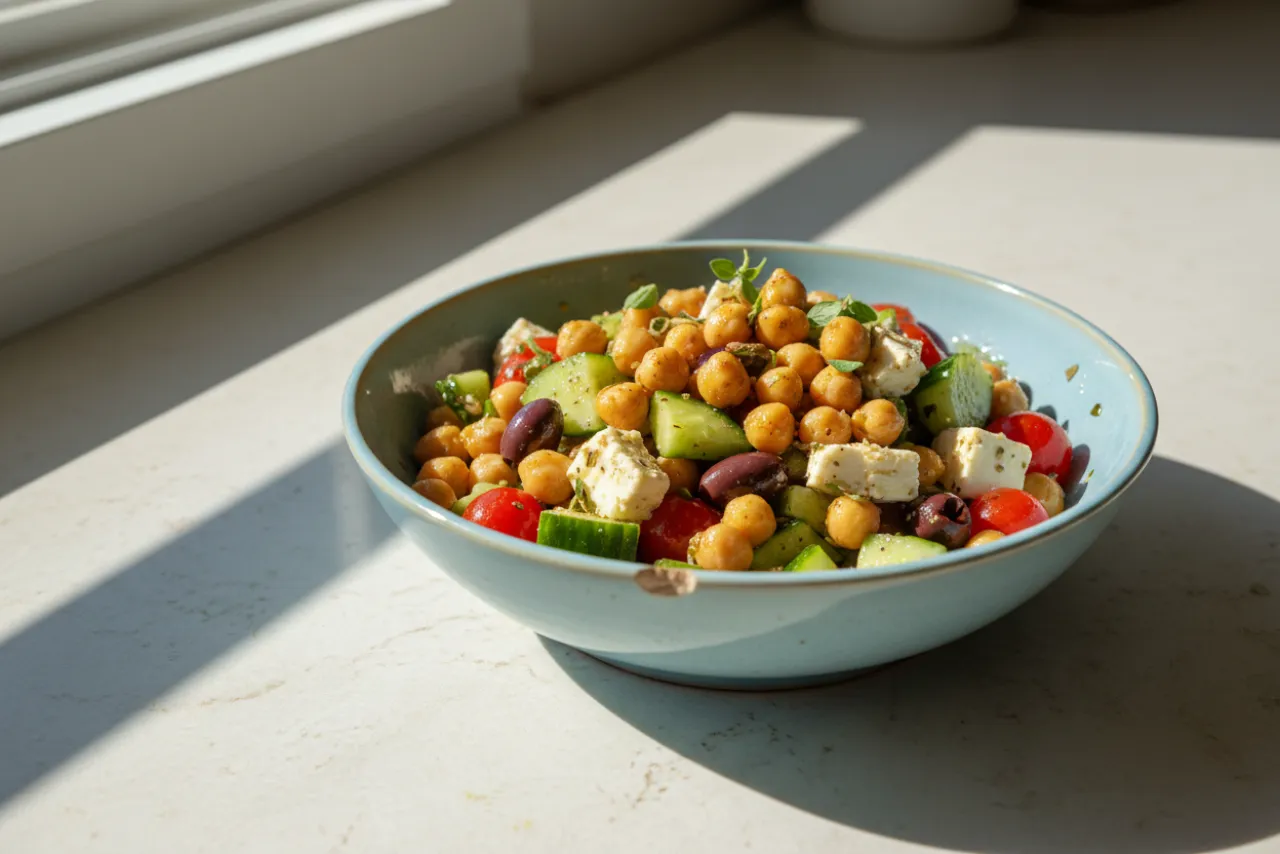
This Mediterranean diet meal plan gives you a complete, realistic week of eating — breakfast, lunch, and dinner for all seven days — built entirely on the foods at the heart of the world's most-studied healthy diet. Every meal is a real recipe with its actual per-serving protein and fiber, and every one links to full instructions, so you can cook the whole week or pick the days that suit you.
The Mediterranean diet isn't a restrictive plan — it's a flexible, plant-forward way of eating built on extra-virgin olive oil, fish and seafood, legumes, whole grains, and a generous amount of vegetables and fruit, with red meat and sweets kept occasional. It's repeatedly ranked the healthiest overall diet, and this week gives you a genuinely delicious starting point rather than a list of rules.
Your 7-day Mediterranean diet meal plan
Monday≈154g protein · 17g fiber
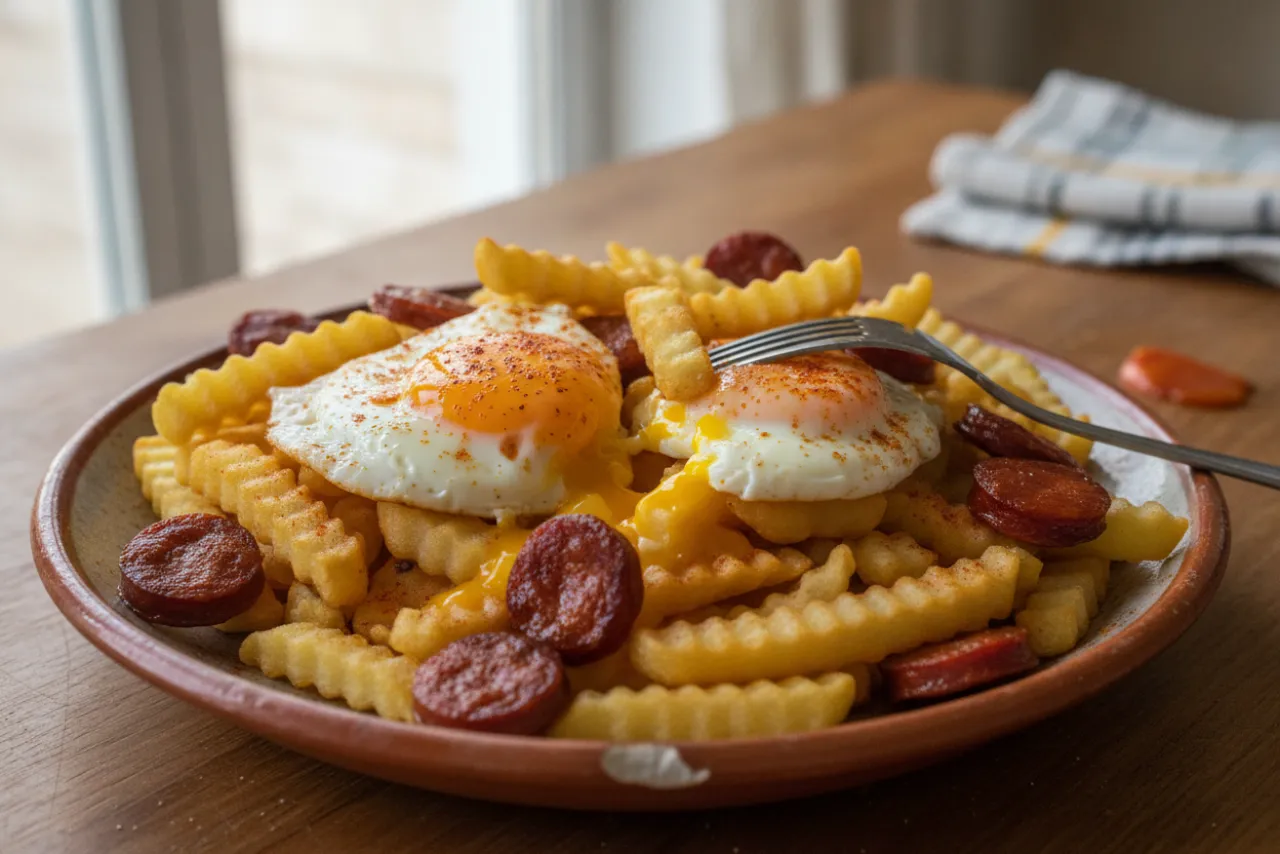
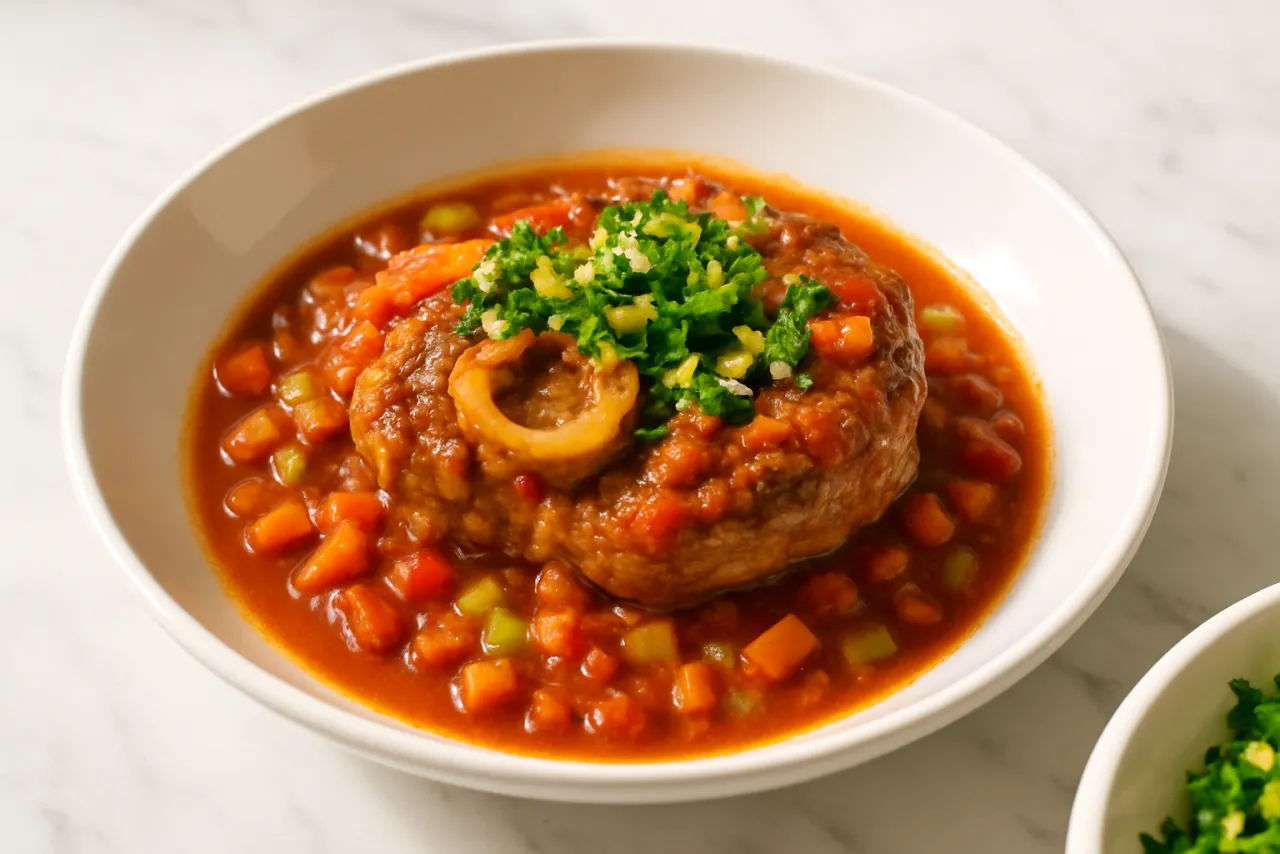
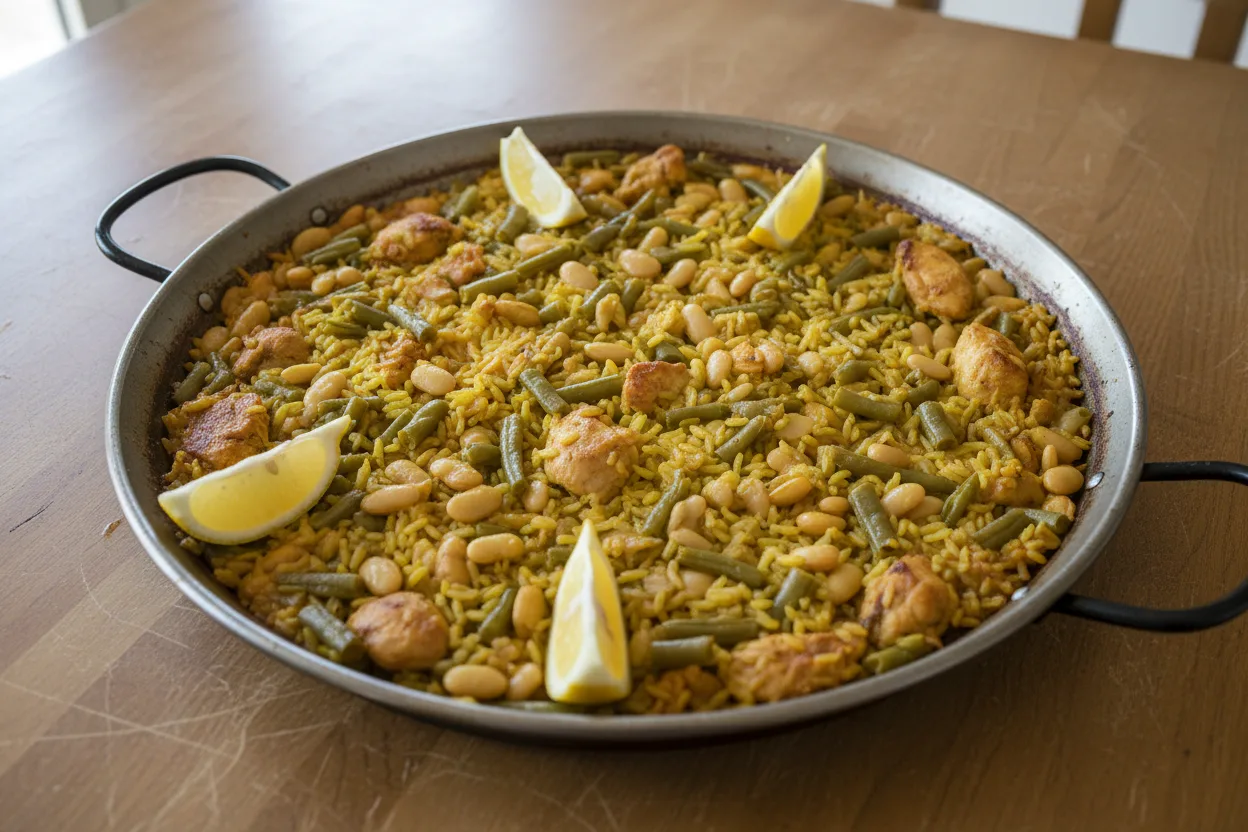
Tuesday≈143g protein · 19g fiber
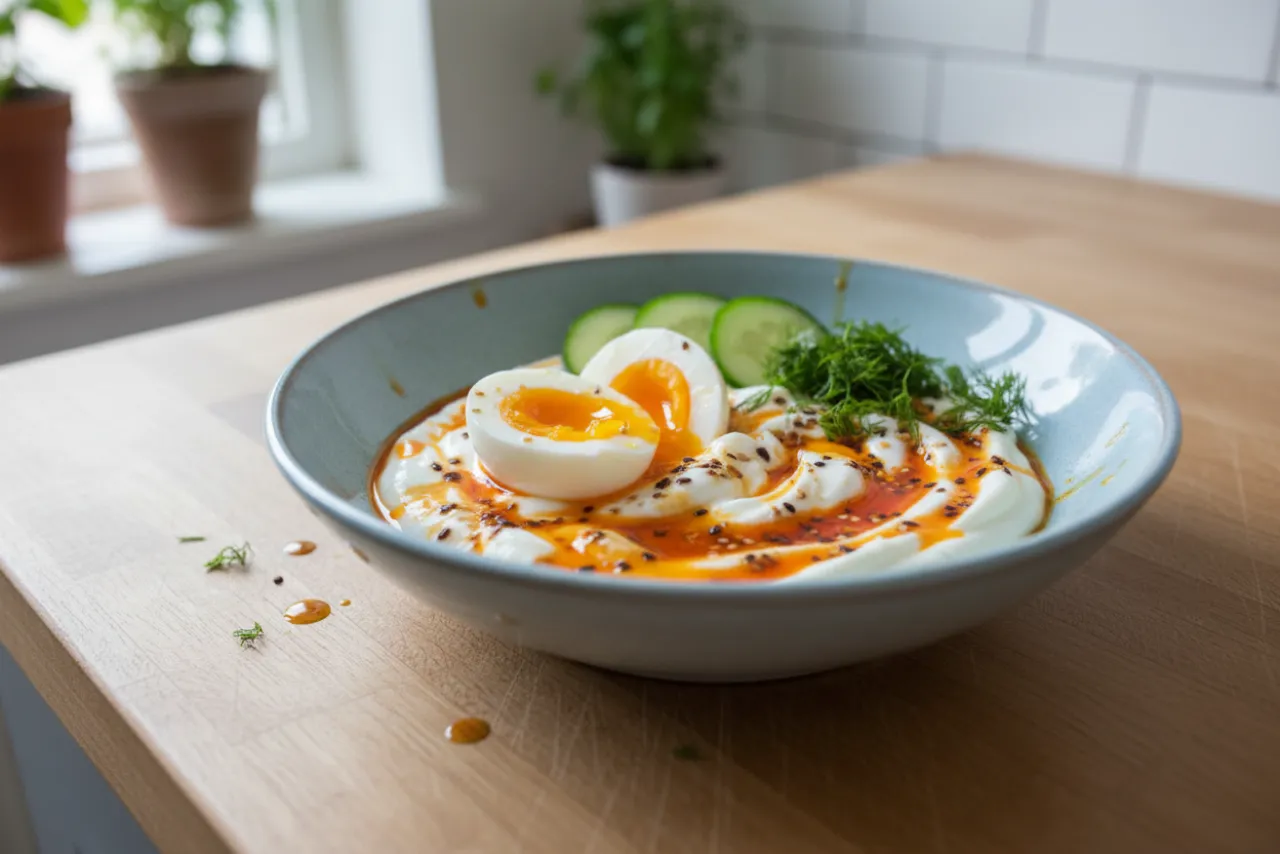
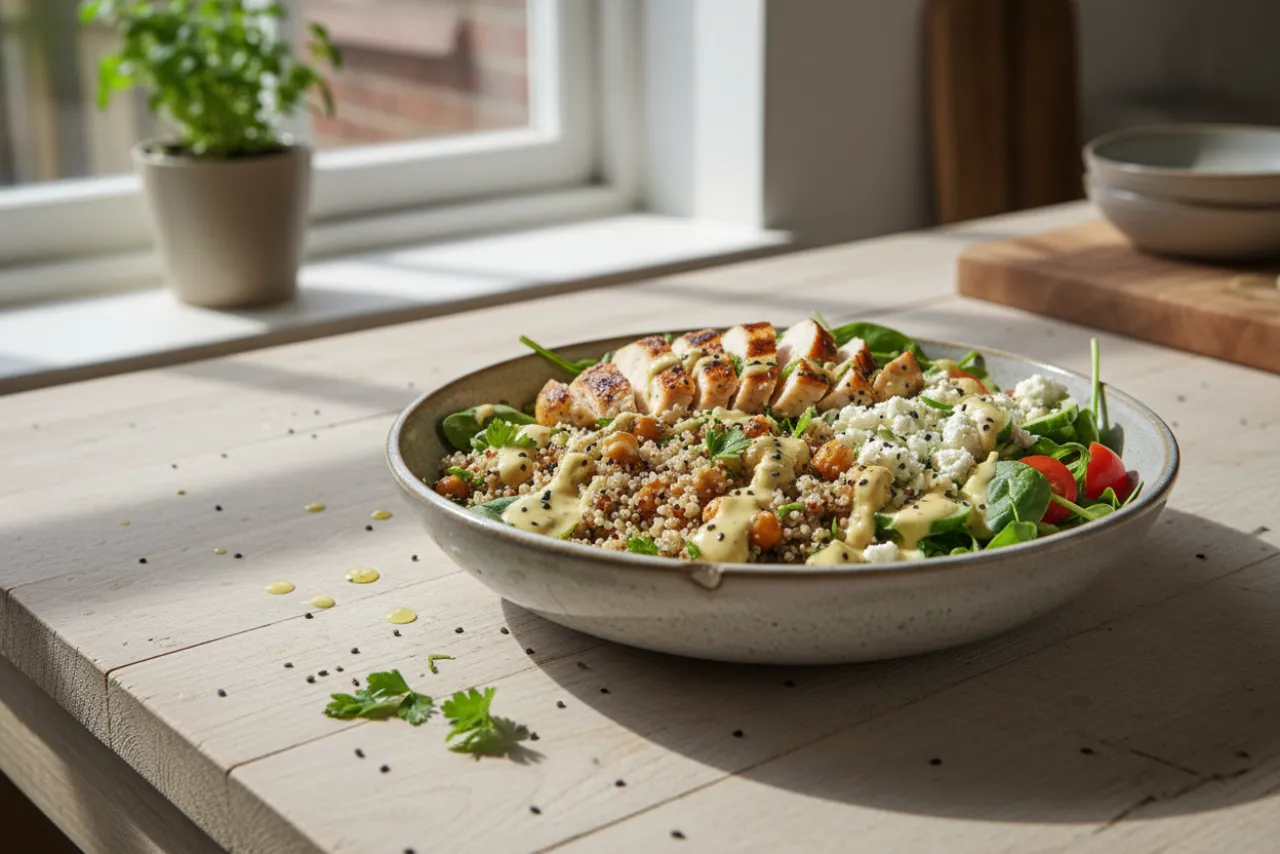
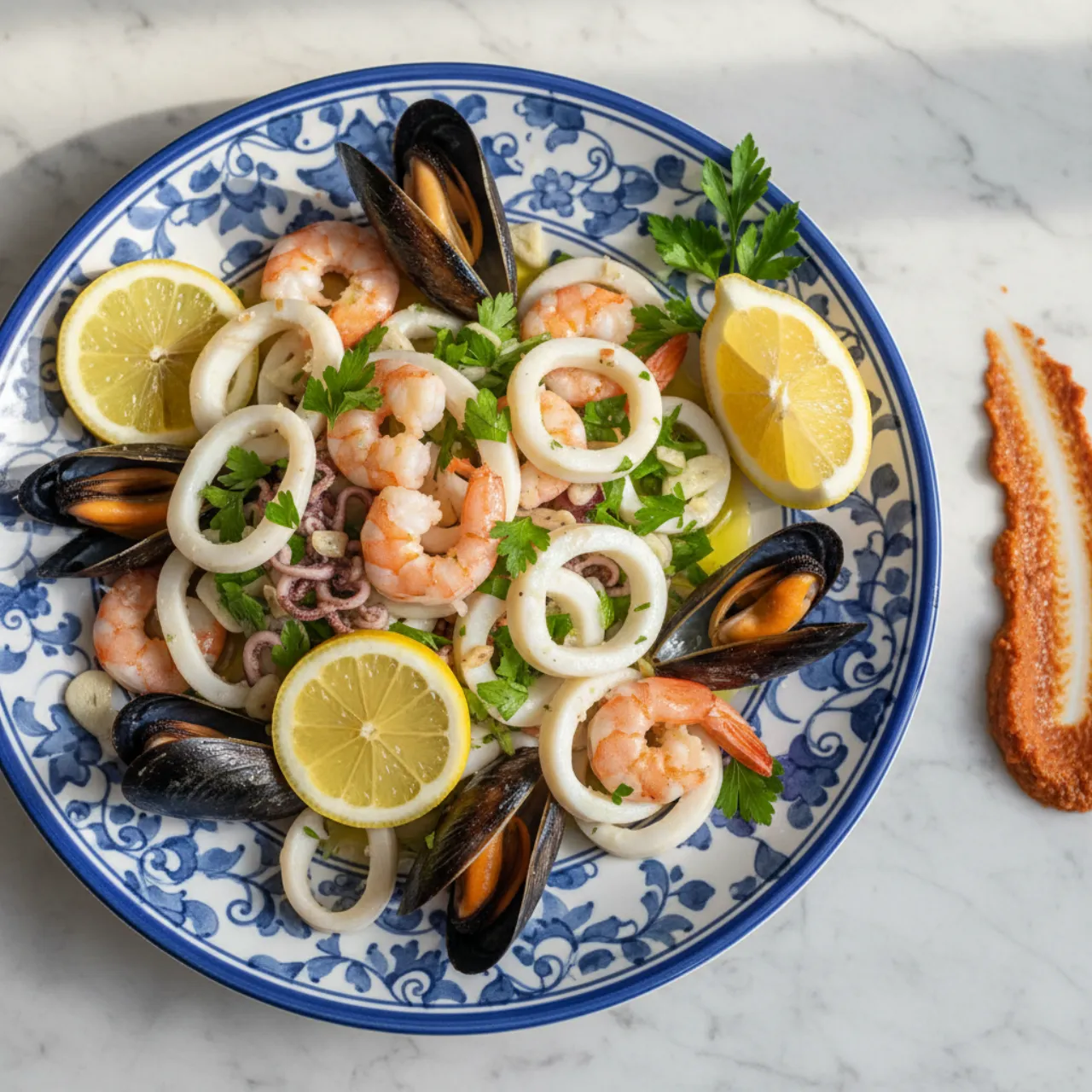
Wednesday≈136g protein · 4g fiber
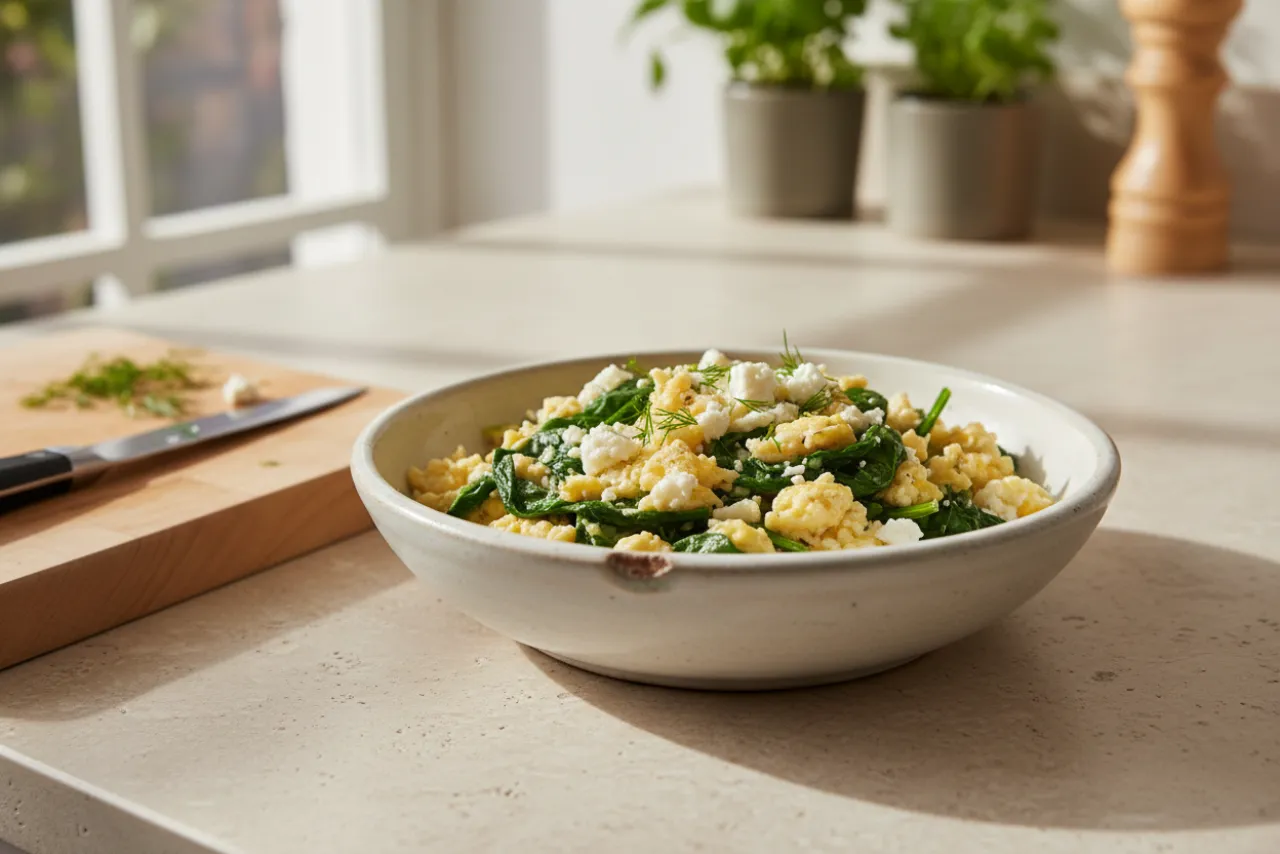
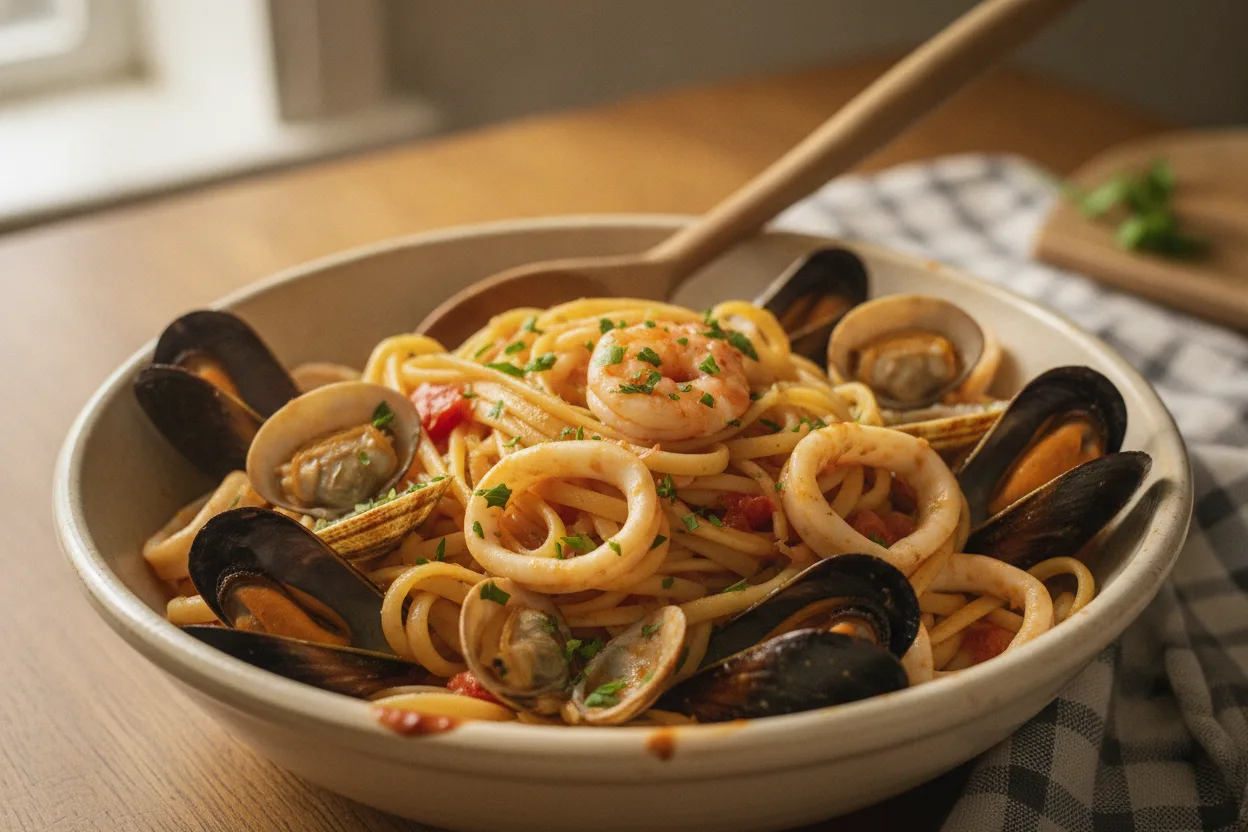
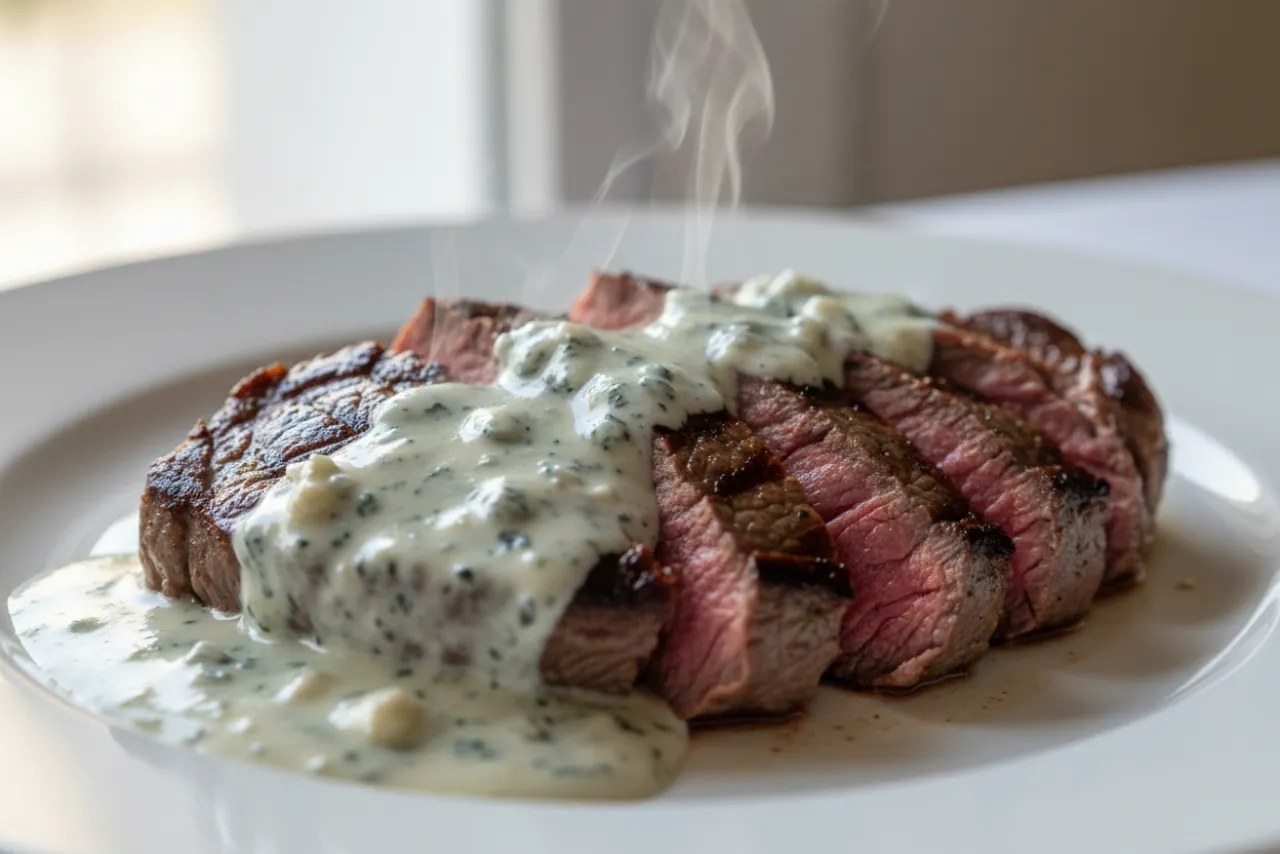
Thursday≈132g protein · 9g fiber
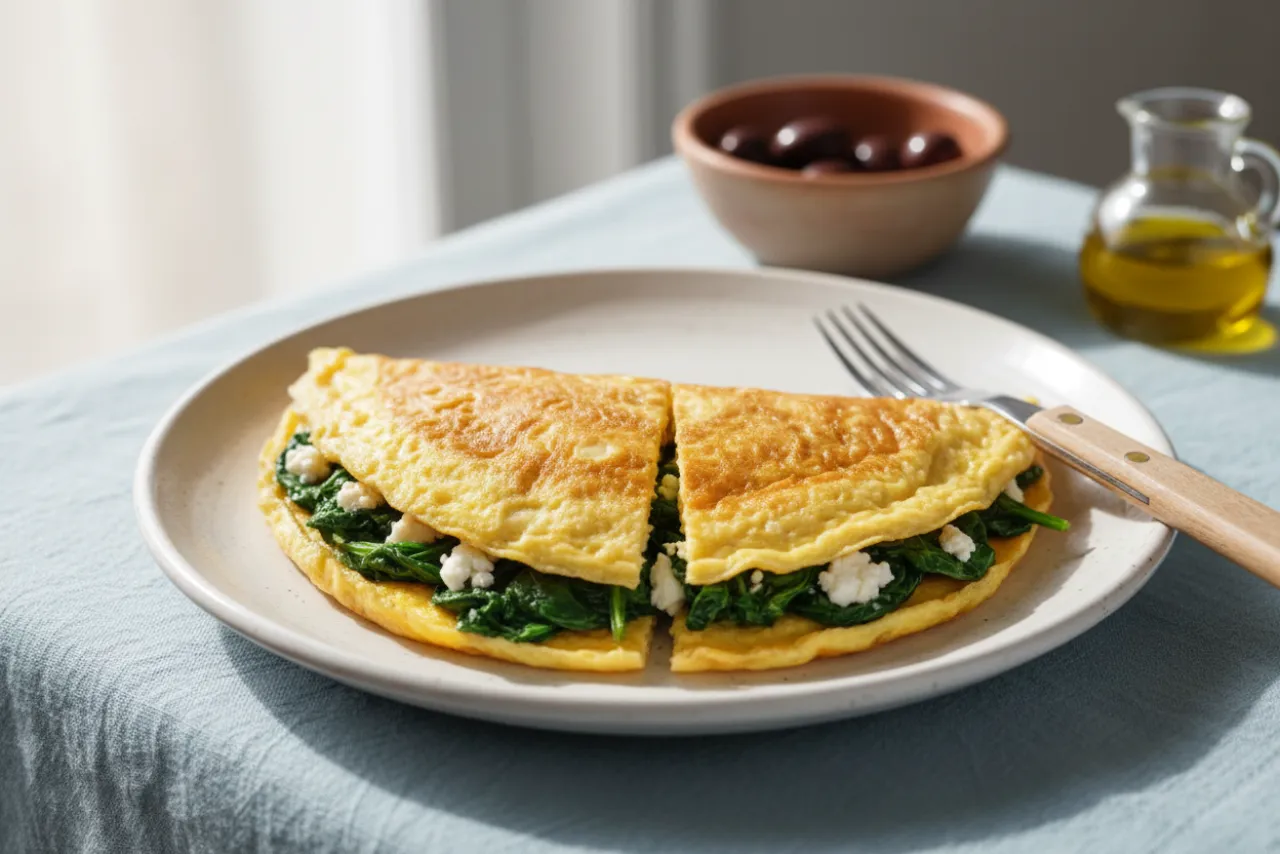
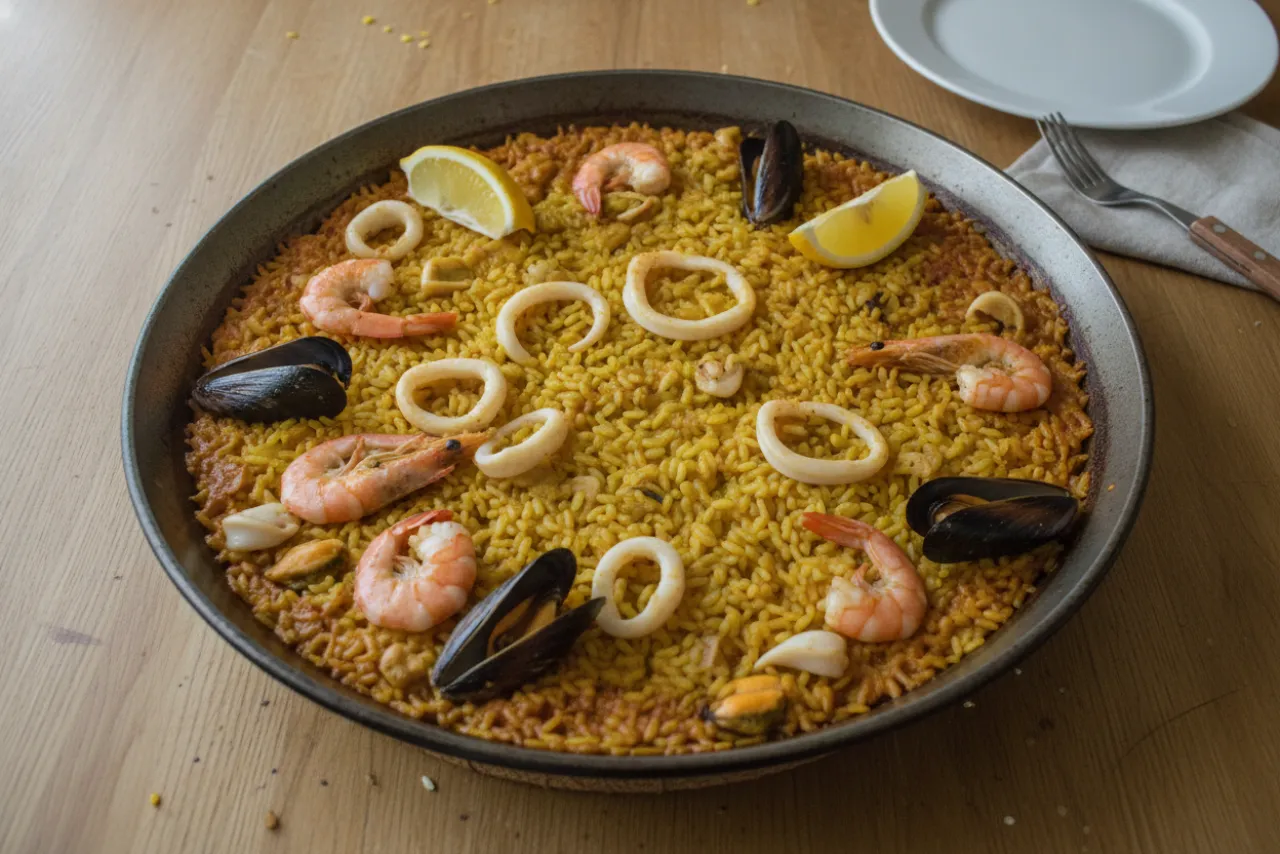
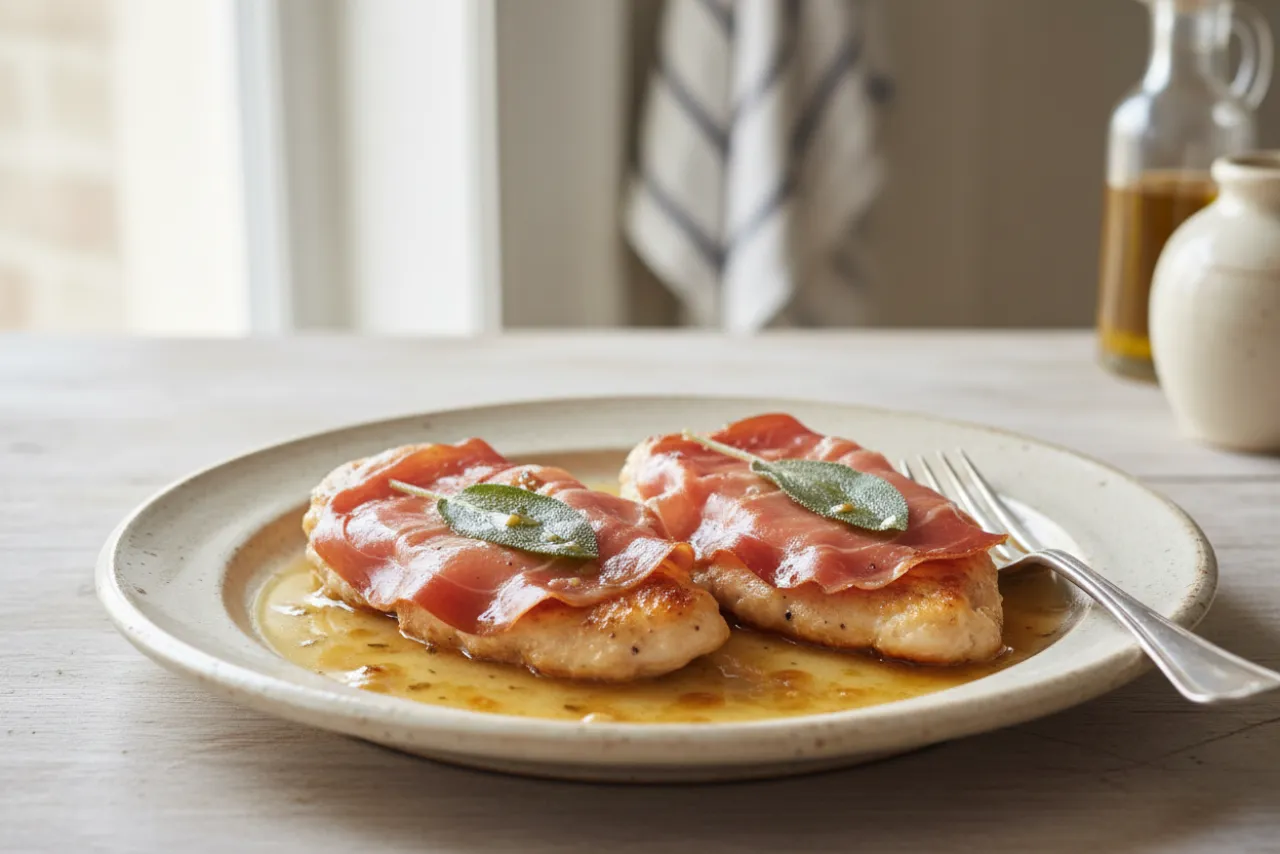
Friday≈130g protein · 7g fiber
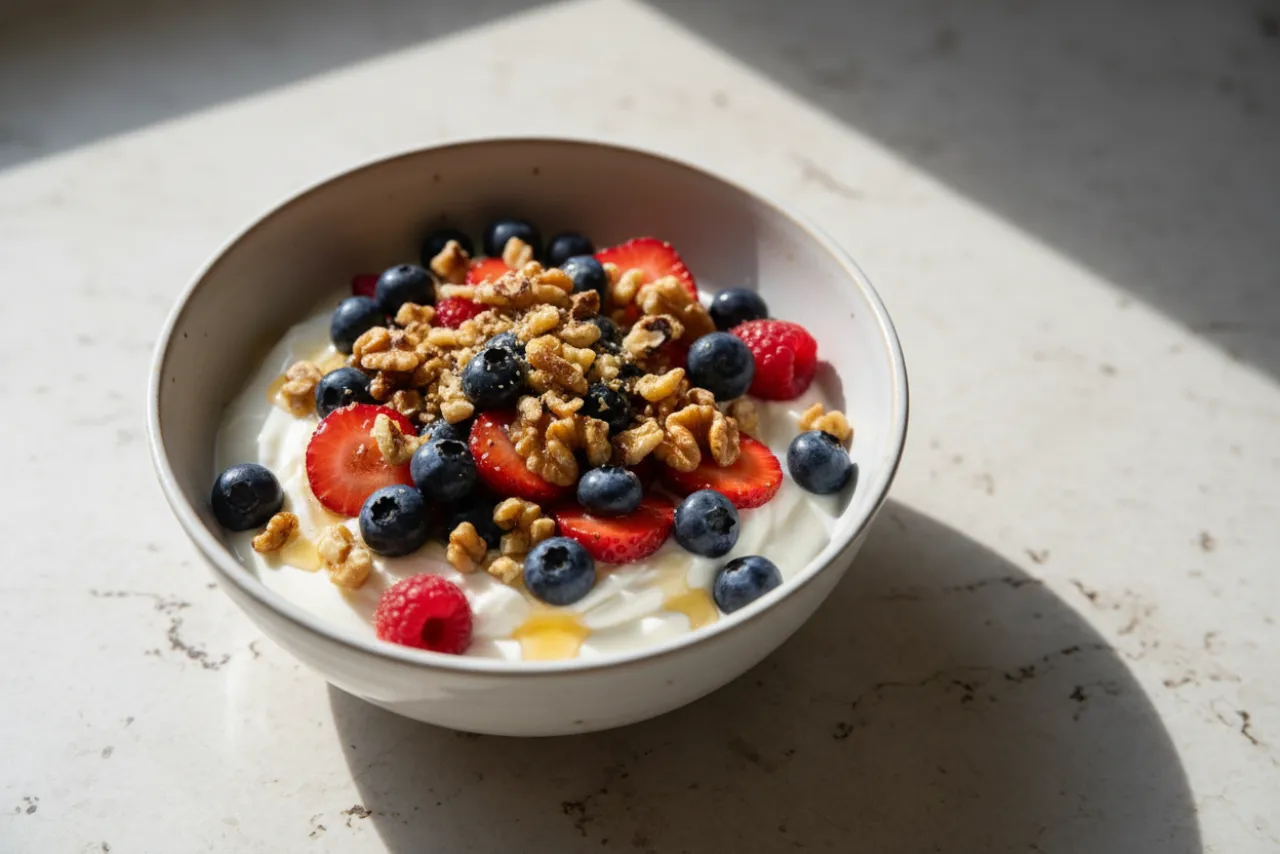
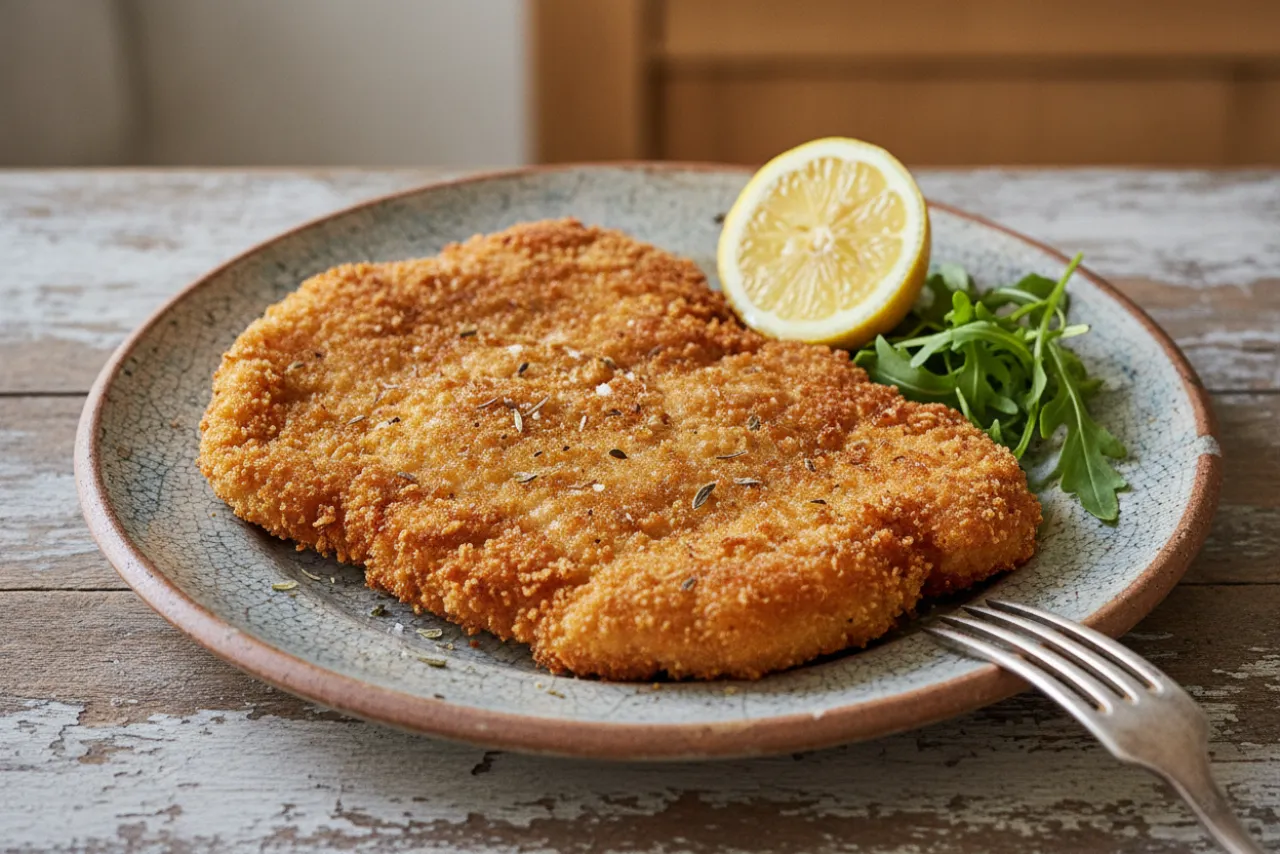
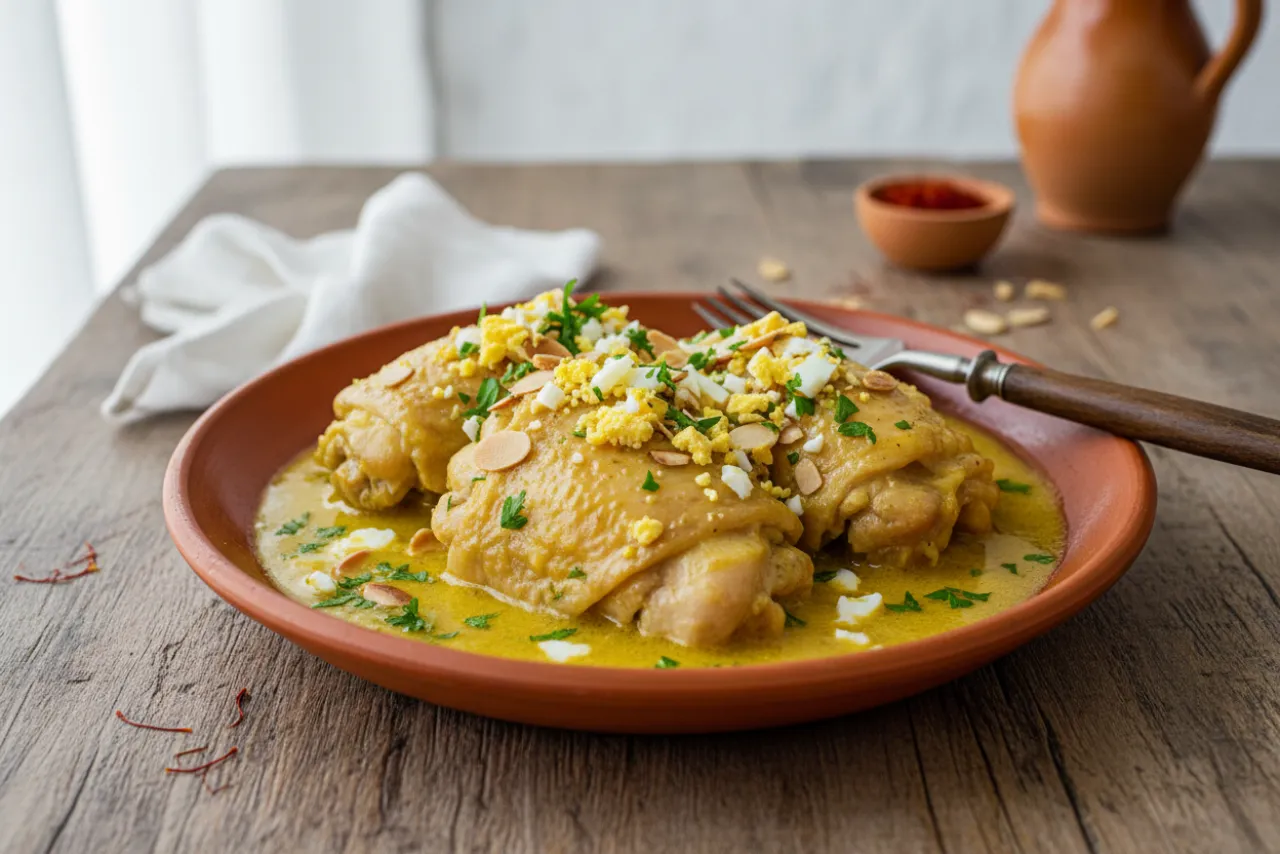
Saturday≈126g protein · 35g fiber
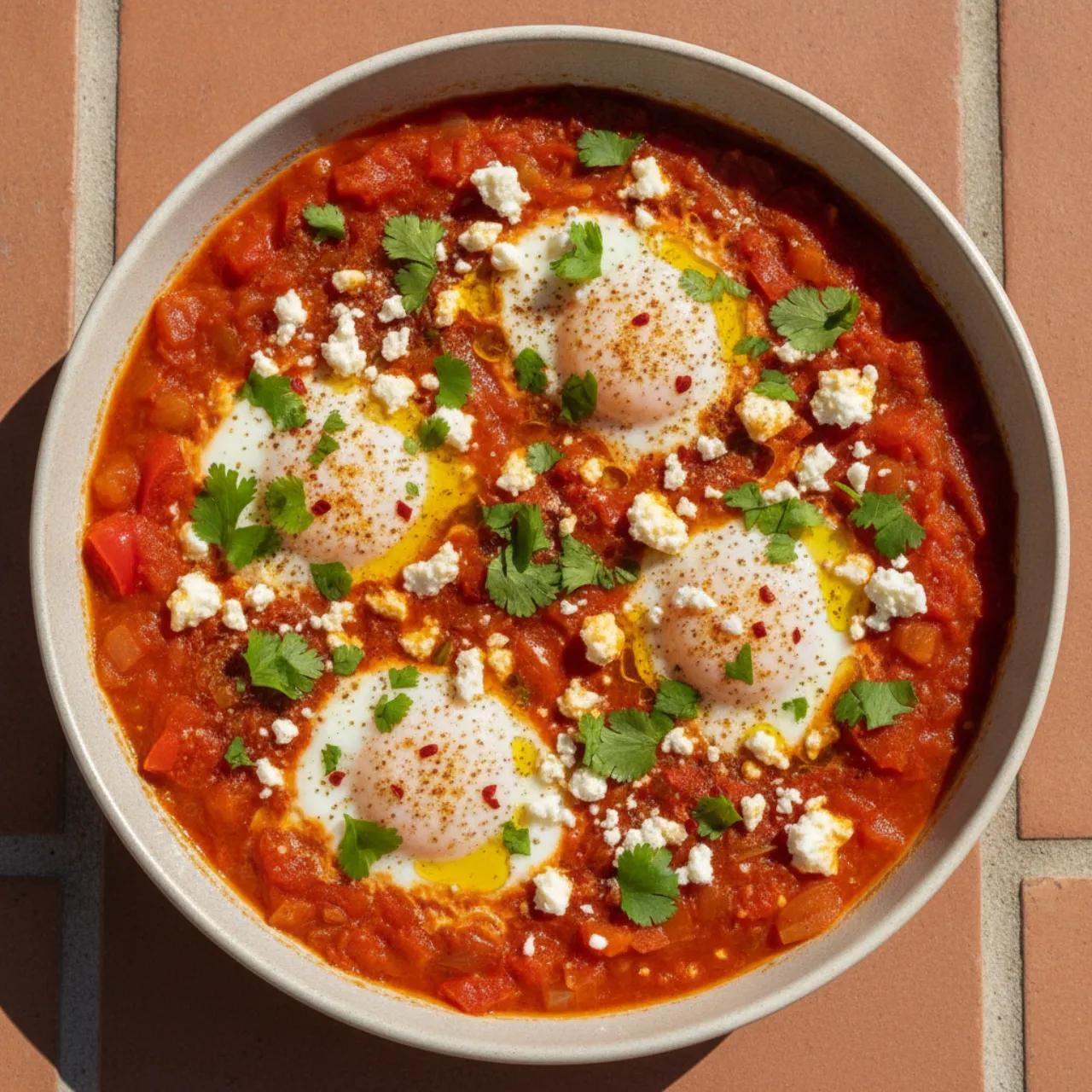
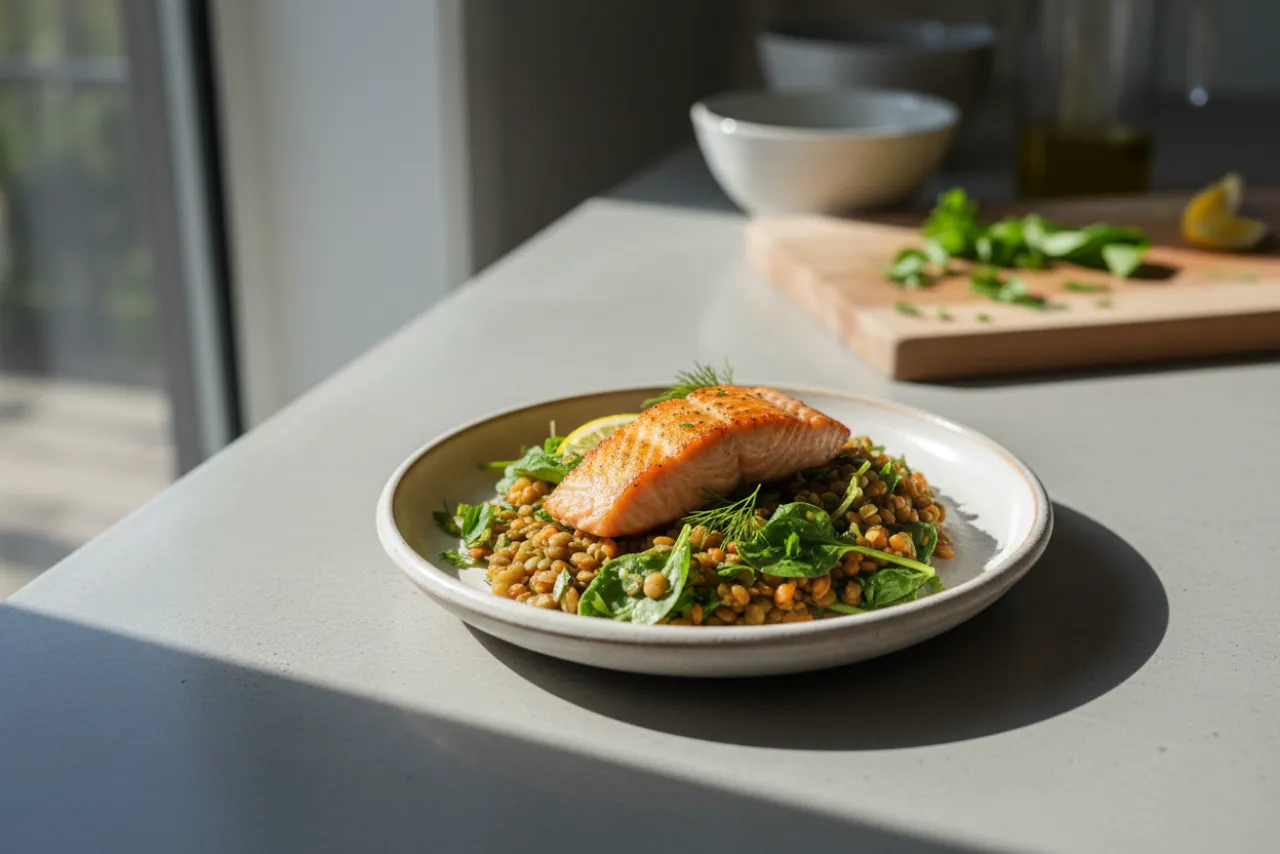
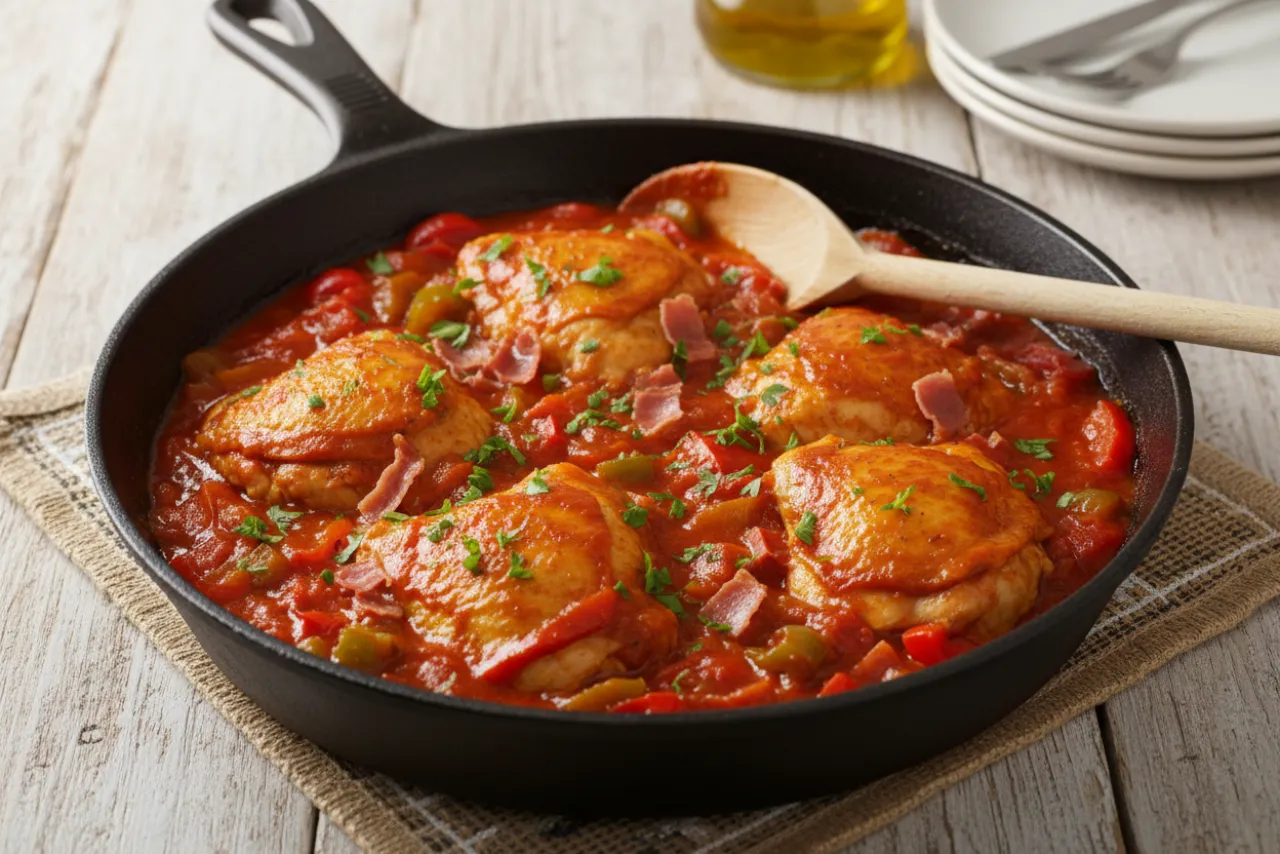
Sunday≈123g protein · 39g fiber
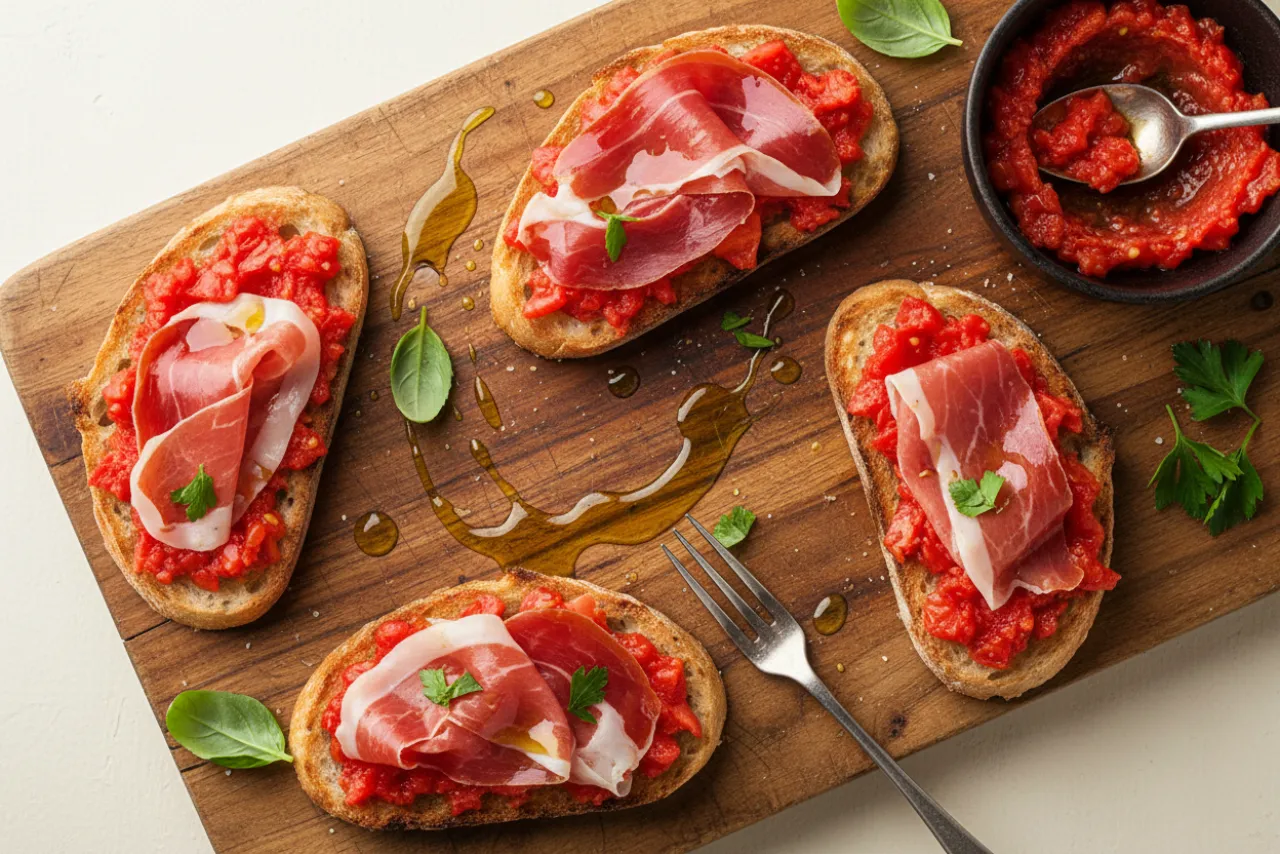
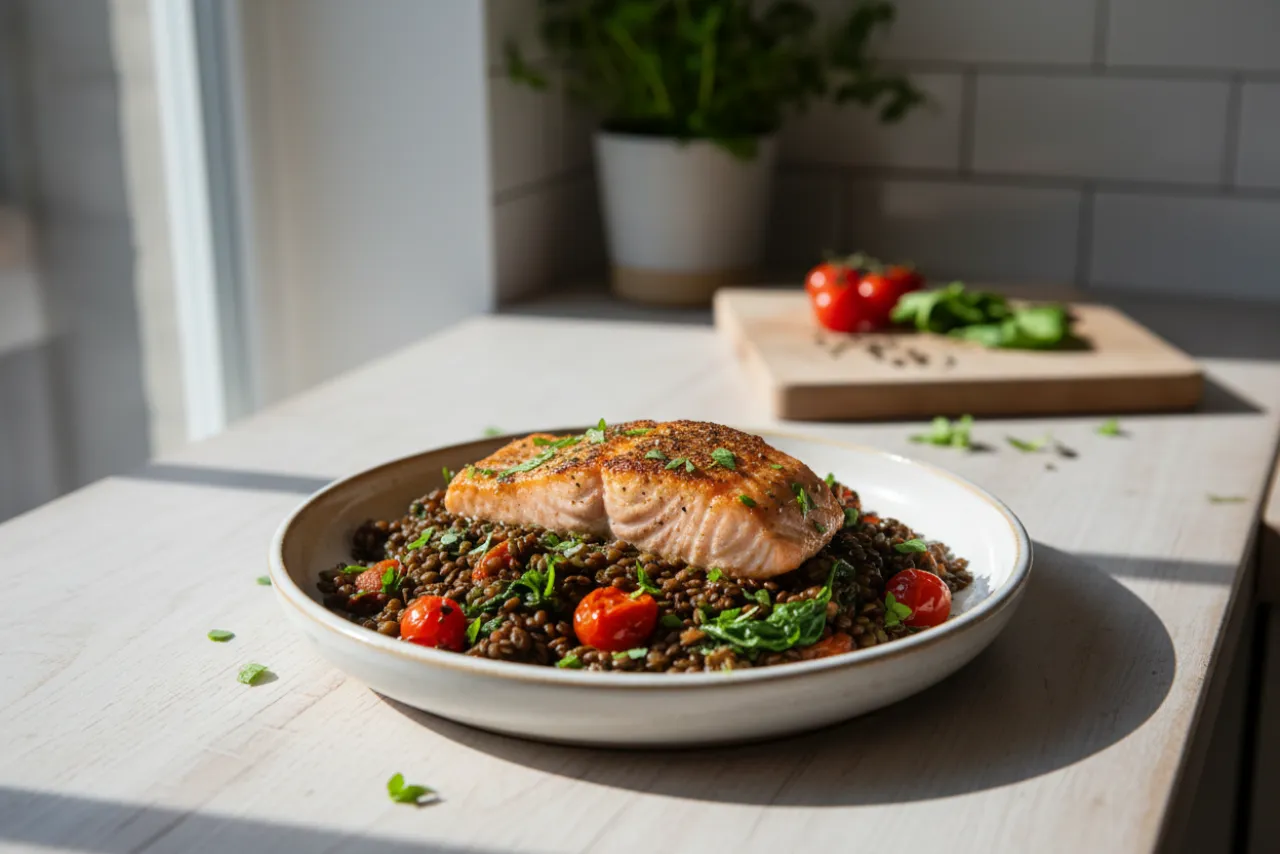
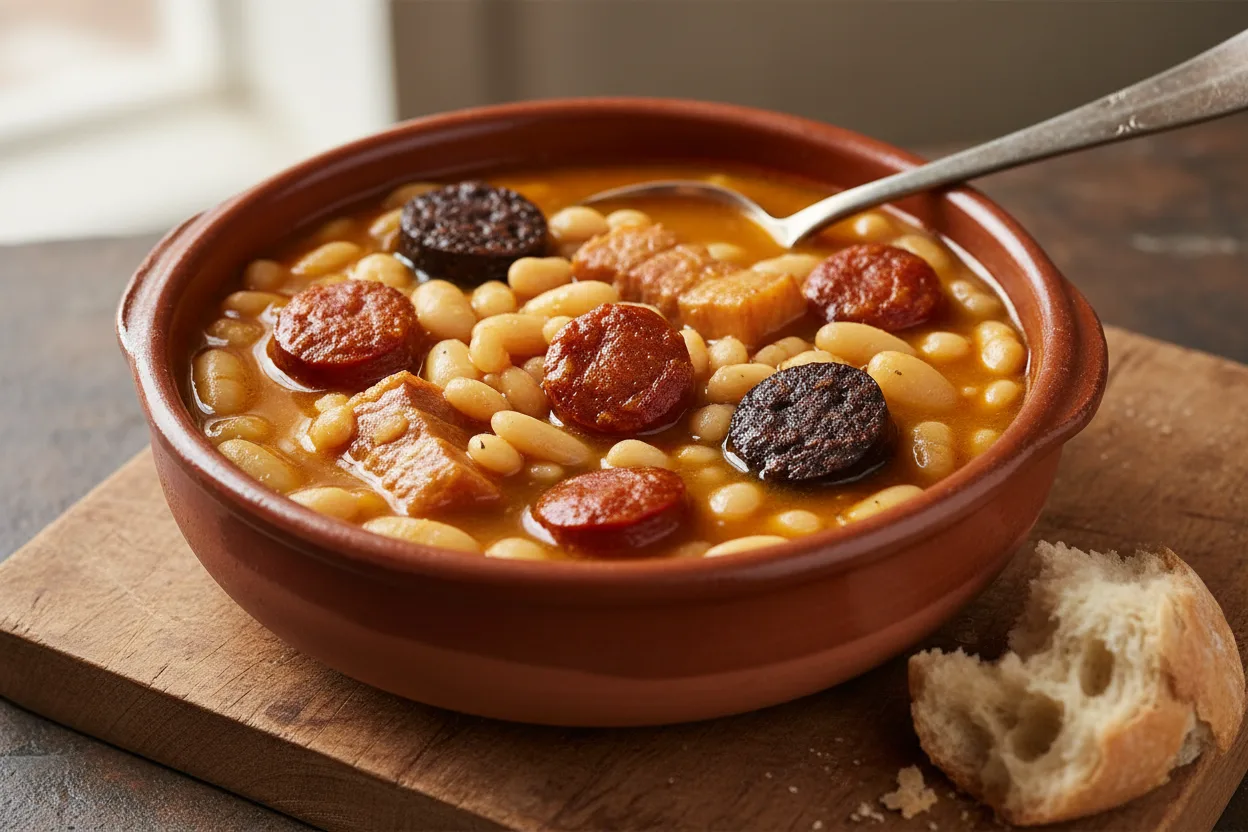
How the Mediterranean diet works
There's no calorie counting here and no banned food group — the pattern does the work. You're eating in a way that's naturally high in fiber, healthy fats and plants, and lower in refined carbs and processed meat. In practice that means a plate built around vegetables and a whole grain or legume, a palm-sized portion of fish, chicken, eggs or beans, and olive oil as the main fat. Red meat and sweets aren't forbidden — they're just occasional rather than daily.
Three habits carry most of the benefit, and every day in the plan above is built around them:
- Olive oil is the primary fat. It replaces butter and seed oils for cooking, dressing and finishing — the main source of the diet's monounsaturated fats and polyphenols.
- Fish and legumes lead the protein. Oily fish two or three times a week, and beans, lentils or chickpeas most days. Chicken and eggs feature regularly; red meat is a few times a month.
- Plants and whole grains fill the plate. Vegetables, fruit, nuts and whole grains like farro, bulgur and whole-wheat pasta — which is where most of the fiber in this week comes from.
Mediterranean diet food list
Keep these on hand and the week almost cooks itself — nearly every meal in the plan is assembled from this shortlist.
- Eat freely: olive oil, vegetables (tomatoes, greens, peppers, courgette, aubergine), legumes (chickpeas, lentils, white beans), whole grains (farro, bulgur, whole-wheat pasta, brown rice), fish and seafood, eggs, Greek yogurt, nuts and seeds, fruit, herbs, garlic and lemon.
- In moderation: chicken and other poultry, cheese (feta, halloumi, parmesan), whole-grain bread, potatoes, and a glass of wine with a meal.
- Occasionally: red meat, and sweets or refined baked goods.
Tips to make the week work
- Batch the bases on Sunday. Cook grains and a pot of legumes ahead, and most weekday meals come together in minutes.
- Double dinners for lunch. Many of these reheat well — make extra and cover the next day.
- Keep the flavor-makers stocked. Good olive oil, lemons, garlic, herbs, and olives turn simple ingredients into something you look forward to.
- Don't chase perfect. The Mediterranean diet is about the overall pattern — swap freely and keep it enjoyable.
Frequently asked questions
What can you eat on the Mediterranean diet?
The Mediterranean diet is built on vegetables, fruit, whole grains, legumes, nuts, and extra-virgin olive oil, with fish and seafood a few times a week, moderate poultry, eggs, and dairy, and only occasional red meat and sweets. It's less a strict diet than a flexible, plant-forward pattern of whole foods.
Is the Mediterranean diet good for weight loss?
It can be. The plan is built on filling, high-fiber whole foods that keep you satisfied, and it's consistently rated among the healthiest ways to eat. Weight change still depends on your overall calorie intake — use the per-serving numbers on each recipe to adjust portions to your goals.
How do I start the Mediterranean diet?
Start by swapping: use olive oil instead of butter, choose whole grains over refined, add a serving of vegetables or legumes to most meals, and eat fish twice a week. This plan does all of that for you — cook it as written for a week and the habits stick naturally.
Do I have to eat fish on the Mediterranean diet?
Fish is a core part of the traditional pattern for its omega-3 fats, but the diet is flexible. If you don't eat fish, lean more on legumes, eggs, and dairy for protein — this plan includes plenty of vegetarian days you can build around.
Is the Mediterranean diet good for diabetes and heart health?
It's one of the most-studied eating patterns for both. The emphasis on olive oil, fish, fiber and whole grains — and the low intake of refined carbs and processed meat — is associated with better blood-sugar control and lower cardiovascular risk in large, long-running trials. It's frequently recommended by dietitians for these reasons, though it isn't a substitute for medical advice.
How is the Mediterranean diet different from keto or low-carb?
They pull in opposite directions on carbs. Keto and low-carb cut carbohydrates hard, including the whole grains, legumes and fruit that the Mediterranean diet is built on. The Mediterranean pattern isn't low-carb — it just favors unrefined carbs (beans, whole grains, vegetables, fruit) over refined ones, alongside olive oil and fish. It's far easier to sustain long-term, which is where most of its proven benefit comes from.
Is the Mediterranean diet expensive?
It doesn't have to be. Its backbone — dried legumes, whole grains, eggs, seasonal vegetables and canned or frozen fish — is among the cheapest food in any shop. The plan above leans on those staples and reuses them across the week, so a single shop covers most meals. Fresh fish and good olive oil cost more, but you use fish only a few times a week and olive oil lasts.
Make this plan yours. Homecooked builds a week of meals around what's already in your kitchen, tells you the few ingredients you're missing, and walks you through cooking each one — so eating the Mediterranean way becomes automatic. Browse more recipes or start planning your week.