
An ulcer meal plan can make eating more comfortable, but it will not heal the ulcer. Most peptic ulcers come from an H. pylori infection or from pain relievers called NSAIDs, and those need medical treatment. What food can do is help you avoid the things that make your stomach flare, keep your nutrition steady and take some of the guesswork out of daily meals. This guide gives you a realistic one-day plan, the foods most clinics suggest building around, the ones worth watching, and a way to tailor it all to your own triggers.
TL;DR
- Diet is not a proven way to cause, prevent or cure a peptic ulcer. Treating H. pylori or stopping NSAIDs is what addresses the cause.
- Build meals around fruits, vegetables, whole grains, lean protein and low-fat dairy, and cut back on whatever clearly sets off your symptoms.
- Smaller, more frequent meals, slow chewing and no food within 2 hours of bedtime are common comfort tips.
- Keep a simple food journal, because triggers differ from person to person.
- Black tarry stools, vomiting blood or sudden severe belly pain need urgent care, not a meal plan.
Table of Contents
- What diet can and cannot do for an ulcer
- What actually treats an ulcer
- Foods to build your meals around
- Foods and habits worth watching
- A sample one-day ulcer meal plan
- How to adapt the plan to your own triggers
- Our perspective: plan for comfort, not for a cure
- Put the plan on autopilot with Homecooked
- When to skip the meal plan and get care
- FAQ
- Sources
What diet can and cannot do for an ulcer
Let’s start with the honest part, because many articles skip it. The National Institute of Diabetes and Digestive and Kidney Diseases says researchers have not found that diet and nutrition play an important role in causing, preventing or treating peptic ulcers, and that doctors do not recommend a specific diet for them. Harvard Health makes the same point: foods have little or nothing to do with ulcer development, and the vast majority of ulcers are caused by H. pylori or NSAIDs.
The old advice of milk, bland food and no spice came from a time before H. pylori was understood. It lingers partly because heartburn, which is usually caused by GERD and is more common than ulcers, gets mixed up with ulcer pain, according to the same Harvard Health piece.
So what is a meal plan for? Think of it as a comfort tool. Clinical sources that do offer food guidance, such as the clinician-facing Nutrition Guide from the Physicians Committee for Responsible Medicine, still list symptoms like upper-abdominal pain, nausea and bloating, and many people feel better when they steer away from the foods that seem to aggravate them. UpToDate, a professional reference, says evidence for bland diets or dietary restrictions is lacking. That means you should not cut out entire food groups “just in case.” Restrict what you notice bothers you, and eat well otherwise.

What actually treats an ulcer
The same UpToDate review lays out the real priorities: treat H. pylori if it is present, avoid NSAIDs, stop smoking and limit alcohol. Ohio State Wexner Medical Center adds a number for alcohol: more than 2 drinks a day for men or 1 for women may raise ulcer risk, as can smoking.
If you take aspirin, ibuprofen or naproxen regularly, talk to your doctor before changing anything. Do not stop a prescribed medicine on your own, and do not use a meal plan as a substitute for testing if you have ulcer symptoms. Your clinician can test for H. pylori and decide what treatment fits you.
Foods to build your meals around
Where sources agree is on a balanced, plant-forward base. The University of Massachusetts Chan Medical School recommends a balanced diet rich in fruits, vegetables and fiber, and notes one study in which more dietary fiber improved symptoms in people with duodenal ulcers. That is a single finding, so treat it as encouraging rather than settled.
In practice, these are easy anchors:
- Whole grains and oats. Oatmeal, brown rice, whole-grain bread and barley are filling and gentle for most people.
- Fruits and vegetables. Apples, pears, bananas, berries, carrots, squash and leafy greens. If one is raw and bothers you, try it cooked.
- Lean protein. Chicken, turkey, fish, eggs, tofu and beans.
- Low-fat or fat-free dairy or alternatives. MedlinePlus includes low-fat or fat-free dairy, cooked vegetables, lean tender meats and refined-grain breads and pasta in its bland diet list.
- Healthy fats in modest amounts. Avocado, nuts and nut butters, olive oil.
If your ulcer is linked to H. pylori, Ohio State suggests leaning on antioxidant-rich foods such as berries, leafy greens and sweet potatoes to support your immune system. Think of that as a nice extra on top of treatment, not a replacement for it.
For more ideas that are easy on the gut, our collection of fiber-rich gut health recipes is a good place to browse.
Foods and habits worth watching
Here the sources are more cautious, and so should you be. Ohio State lists citrus, tomatoes, alcohol, peppers, chocolate, coffee, dairy, peppermint, spearmint and spicy foods as things to limit if they worsen your symptoms. UMass Chan names large amounts of alcohol, carbonated drinks, caffeine, chocolate, chili and peppers as possible aggravators.
Notice the “if” in that sentence. Dairy appears on both lists: it shows up in bland diets and also as something some people tolerate poorly. That contradiction is exactly why a food journal beats a rigid rule. Milk and powdered milk are not proven to heal an ulcer; if low-fat dairy sits well with you, it can stay, and if it makes you gassy or crampy, drop it.
A few habits are worth adopting as well:
- Chew slowly. MedlinePlus advises chewing food slowly and not eating within 2 hours of bedtime.
- Eat smaller meals more often. Alberta Health Services advises smaller, more frequent meals instead of three large ones for people with H. pylori. If you are traveling or eating out, these tips for eating healthy on holiday can help you keep small meals going.
- Go easy on coffee, or swap. Decaf and lower-acid options are worth trying if your morning cup bothers you. This guide to low acid coffee for sensitive stomachs explains what to look for.
A sample one-day ulcer meal plan
Below is an example day built from the principles above: gentle on the stomach, fiber-friendly, low in common irritants, and spread across five small eating times. It is a template, not a prescription. Ohio State’s own sample menu swaps coffee and chocolate for decaf tea, whole-grain bread, avocado and berries, which is the same spirit.
| Time | Meal | Why it works |
|---|---|---|
| Breakfast | Oatmeal cooked with water or low-fat milk, sliced banana, a spoonful of almond butter, decaf tea | Soft, soluble fiber, no common irritants |
| Mid-morning snack | Raspberries and a small handful of almonds | Antioxidant-rich fruit, small portion |
| Lunch | Whole-grain turkey sandwich with cucumber, lettuce and avocado, plus a pear | Lean protein, fiber, no tomato or hot sauce |
| Afternoon snack | Plain low-fat yogurt (or a dairy-free version) with a little honey | Easy to digest if dairy suits you |
| Dinner | Baked salmon, roasted sweet potato, steamed green beans with olive oil, a small portion of brown rice | Gentle cooking, leafy or cooked vegetables, finished at least 2 hours before bed |
Seasoning matters as much as ingredients. Use herbs like parsley, basil, thyme and dill, or a little salt and lemon-free olive oil, rather than chili, black pepper in heavy doses, or hot sauce. If you love flavor, roast vegetables until sweet and caramelized instead of reaching for spice.
Swaps for common trouble spots
- Tomato sauce: try a roasted carrot and red pepper puree if peppers are fine for you, or a simple olive oil, garlic and herb sauce if not.
- Coffee: decaf tea, chicory or low-acid coffee.
- Chocolate dessert: baked apple with cinnamon, or banana with nut butter.
- Fried foods: bake, steam, poach or air-fry.
- Carbonated drinks: still water, herbal tea that does not contain mint if mint bothers you.
How to adapt the plan to your own triggers
HealthLink BC, the Canadian provincial health service, acknowledges that not everyone reacts to foods in the same way and recommends a food journal to find individual triggers. It also suggests working with a registered dietitian so that restrictions do not leave gaps in your nutrition. That is the most useful advice on this page.
A workable journal needs only four columns:
- What you ate and drank, and roughly how much.
- The time.
- Any symptoms (burning, nausea, bloating, pain) and when they started.
- What else was going on: stress, a missed meal, a painkiller, alcohol, a late night.
After two weeks, look for patterns that repeat. A food that bothers you once is not necessarily a trigger. A food that bothers you three times out of three probably is. Remove one suspect at a time, because cutting five foods at once tells you nothing and shrinks your menu for no reason.
If you have other conditions, the plan may need to shift. Someone with reflux will want a different emphasis, so see our GERD meal plan. If your digestion is also sensitive to fiber during a flare, our low residue meal plan may be a better starting point, and if you also deal with bloating, our IBS meal plan covers low FODMAP days.
Our perspective: plan for comfort, not for a cure
We build meal plans for a living, so we see how often people with stomach problems get handed two extremes: a list of forbidden foods, or a promise that the right foods will fix everything. Neither matches the evidence above. We think the most useful thing a plan can do is take the daily decision load off you, so that when your stomach is already unhappy you are not also standing in front of the fridge improvising.
That is why we start from your pantry and your health goals rather than from a fixed ulcer menu. If you know tomatoes and coffee bother you, they stay out of your plan, and everything else is fair game. If you are eating five small meals, your shopping list and your cooking timers should reflect that. Tracking what you eat also gives you something concrete to bring to your doctor or dietitian, which is far better than “I think dairy might be an issue.”
We will not tell you that food heals an ulcer, because the evidence says it does not. We will tell you that a calm, predictable routine makes it easier to follow your treatment and notice what helps.
— 0xmaglev
Put the plan on autopilot with Homecooked
Homecooked is an app that creates personalized meal plans from your health goals and dietary preferences. You tell it which foods you avoid, and it builds your week around what you already have, then handles the automated shopping list and pantry tracking.
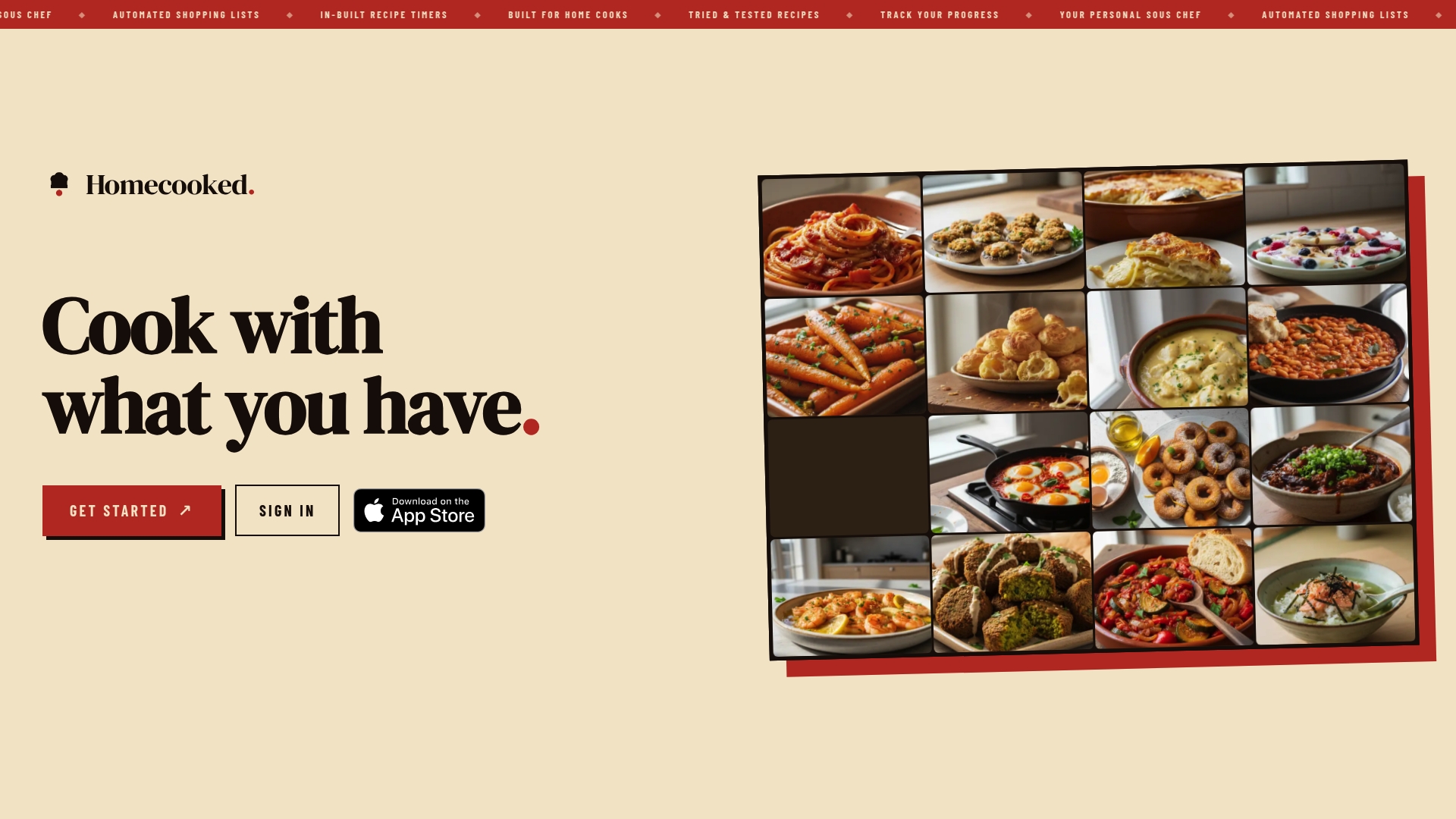
When you cook, guided recipe steps with built-in timers keep small, frequent meals from turning into a chore, and progress tracking helps you spot patterns over time. You can try Homecooked and set it up around your own list of triggers. It is a planning tool, and it works best alongside the advice of your doctor or dietitian.
When to skip the meal plan and get care
About 70% of peptic ulcers cause no symptoms at all, and only 20 to 25% of people with ulcer-like symptoms turn out to have one, according to the Nutrition Guide for Clinicians. In other words, you cannot diagnose yourself by how your stomach feels, and a diet will not tell you what is going on.
See a doctor if burning upper-belly pain keeps returning, or if you have nausea, vomiting or bloating that does not settle. Seek urgent care for severe sudden abdominal pain, black tarry stools or vomiting blood, the same source warns. Those can signal bleeding or a perforation, and no food choice addresses them.
FAQ
What diet is good for ulcer patients?
There is no single proven ulcer diet. Most guidance suggests a balanced mix of fruits, vegetables, whole grains, lean protein and low-fat dairy, while limiting alcohol and whatever foods clearly worsen your symptoms. Treatment of the cause, such as H. pylori or NSAID use, is what heals the ulcer.
Is powdered milk good for peptic ulcers?
No reliable medical source shows that milk of any kind heals an ulcer. Low-fat dairy is included in some bland diet lists, so if powdered milk sits well with you, it can fit. If it causes bloating or discomfort, leave it out, since dairy bothers some people with ulcers.
How do ulcers affect digestion?
An ulcer is an erosion in the lining of the stomach or upper small intestine. It can cause upper-abdominal pain, nausea, vomiting or bloating, though many ulcers cause no symptoms. Eating smaller meals and avoiding your own triggers may make digestion feel easier.
How can I heal a stomach ulcer fast?
Food cannot speed it up. Healing depends on treating H. pylori if you have it, stopping NSAIDs where possible, quitting smoking and limiting alcohol, all under a doctor’s guidance. A meal plan simply keeps you comfortable and well nourished while that happens.
Sources
- Eating, Diet, & Nutrition for Peptic Ulcers, NIDDK
- Medical Myths: Does Food Cause Ulcers?, Harvard Health
- Gastritis and Peptic Ulcer Disease, Nutrition Guide for Clinicians
- Peptic ulcer disease: Treatment and secondary prevention, UpToDate
- Diet Changes for Peptic Ulcers, Ohio State Wexner Medical Center
- Upper GI disorders, UMass Chan Medical School
- Bland diet, MedlinePlus
- H. Pylori Bacterial Infection: Care Instructions, Alberta Health Services
- Healthy Eating Guidelines for People with Peptic Ulcers, HealthLink BC
- Tips for eating healthy on holiday
- Low acid coffee for sensitive stomachs