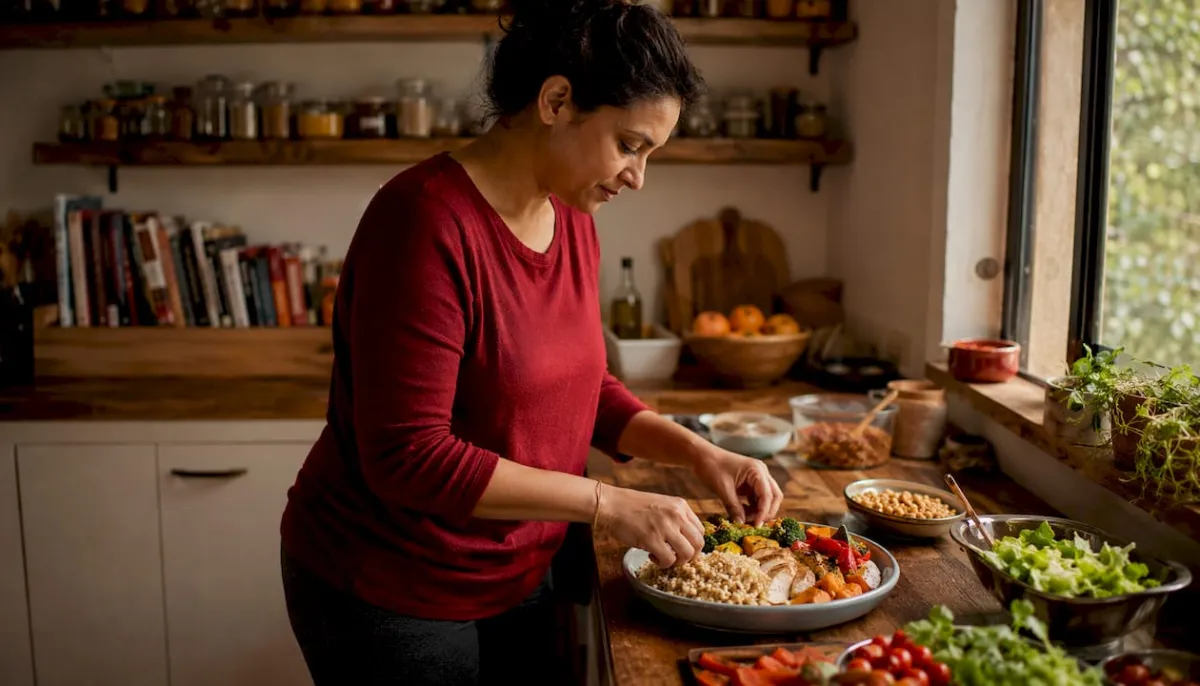
A practical diabetes meal plan combines the Diabetes Plate method, a consistent carbohydrate target at each meal, scheduled eating times, and a smart snack strategy to keep blood sugar steady throughout the day. You can start with this one-day quick reference right now.
One-Day Quick Reference
| Meal | What to Eat | Carb Target |
|---|---|---|
| Breakfast | Apple cinnamon oatmeal + 2 eggs | 45g |
| Morning snack | 1 oz almonds + small apple | 15g |
| Lunch | Large salad + grilled chicken + ½ cup quinoa | 45g |
| Afternoon snack | Celery + 2 tbsp peanut butter | 10g |
| Dinner | Baked salmon + roasted broccoli + ½ cup brown rice | 45g |
What every meal in this plan aims for:
- Half your plate filled with nonstarchy vegetables (broccoli, leafy greens, peppers, cucumbers)
- A quarter of your plate with a lean protein (chicken, fish, eggs, tofu, legumes)
- A quarter with a quality carbohydrate (whole grains, beans, starchy vegetables)
- Two small snacks timed to prevent blood-sugar dips between meals
- Water or unsweetened drinks at every meal instead of juice or soda
This framework works whether you have Type 1, Type 2, or prediabetes. The carb targets above are general starting points that your clinician or registered dietitian will fine-tune based on your medications and glucose readings.
Table of Contents
- Why does a diabetes meal plan matter for blood sugar?
- What are the core rules for building any diabetic meal plan?
- What does a full 7-day diabetes meal plan look like?
- What recipes and snacks actually fit a diabetes meal plan?
- When should you get personalized help with your meal plan?
- Why personalized meal plans work better, and how Homecooked helps
- Key Takeaways
- Homecooked makes your diabetes meal plan automatic
Why does a diabetes meal plan matter for blood sugar?
A diabetes meal plan is a structured approach to eating that ties together what you eat, how much you eat, and when you eat it. The goal is not perfection at every meal. It is consistency: keeping blood-glucose levels from spiking too high after meals or dropping too low between them.
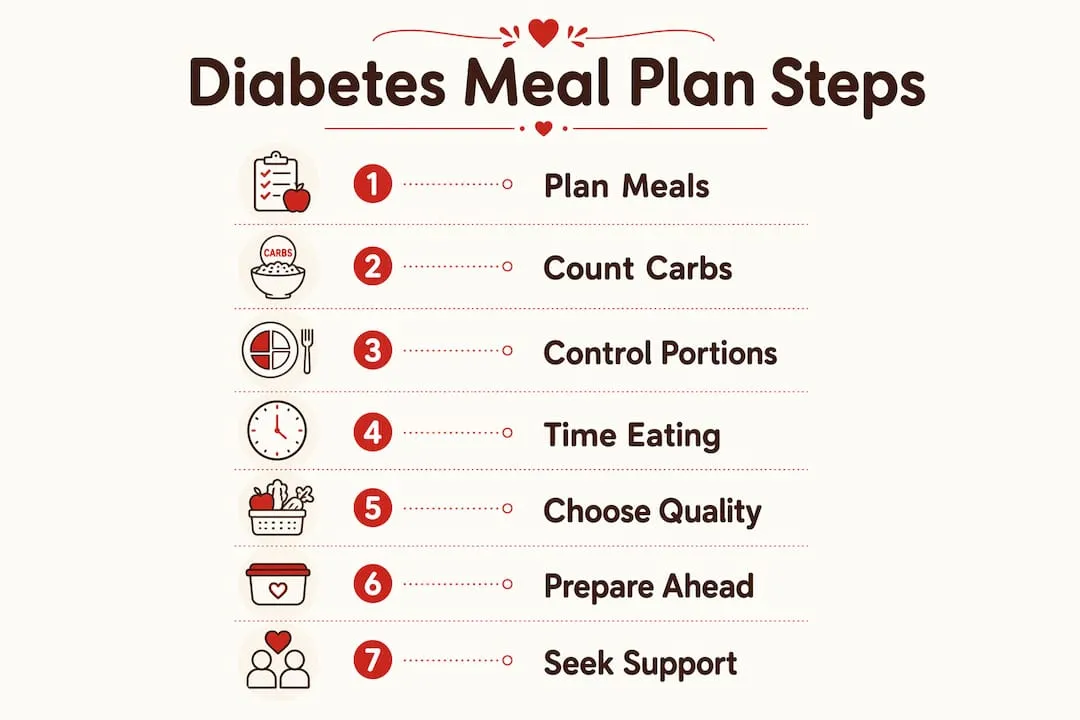
Carb counting and regular meals help match food intake to insulin or other glucose-lowering medications, which is why timing matters as much as food choice. Skipping a meal, then eating a large one, creates the kind of glucose rollercoaster that makes diabetes harder to manage. Eating at roughly the same times each day gives your body a predictable rhythm to work with.
DSMES programs (Diabetes Self-Management Education and Support) are the gold standard for personalized meal planning, and many are covered by insurance. They create custom plans that factor in your medications, lifestyle, and financial situation. If you have just been diagnosed or your medication has changed, a DSMES referral is one of the most useful things your doctor can offer.
What are the core rules for building any diabetic meal plan?
The Diabetes Plate method
The Diabetes Plate is the simplest tool you have. Use a 9-inch plate and divide it visually: half nonstarchy vegetables, one quarter lean protein, one quarter quality carbohydrates. No weighing, no measuring, no math. It works across every recognized eating pattern, from Mediterranean to vegetarian to lower-carb.
Carb counting basics
Carbohydrates raise blood sugar more directly than protein or fat, so knowing roughly how many grams you are eating at each meal is the foundation of any diabetic diet plan. A general starting range for many adults is a moderate amount of carbohydrates per main meal, but this varies significantly based on body size, activity level, and medications. The point of counting is not to eliminate carbs. It is to keep the amount consistent from meal to meal so your medication can do its job.
Pairing fiber-rich carbohydrates with protein and healthy fats slows glucose absorption more effectively than cutting carbs entirely. A bowl of plain white rice spikes blood sugar faster than the same amount of brown rice eaten alongside grilled chicken and roasted vegetables.
Portion size vs. serving size
These two terms are not the same. A serving is a standardized amount listed on a nutrition label. A portion is what you actually put on your plate. Restaurant portions often equal 3–4 servings, which is one reason eating out can derail blood-sugar goals without any obvious “bad” food choices. Visual cues help: a portion of cooked grains is roughly the size of your fist; a portion of protein is roughly the size of your palm.
Meal timing and snack strategy
Aim to eat roughly every few hours to maintain steady blood sugar levels. Going longer without food can cause blood sugar to drop, especially if you take insulin or certain oral medications. Two small snacks, one mid-morning and one mid-afternoon, keep levels stable and reduce the urge to overeat at dinner.
Food quality choices
Whole foods with fiber, lean proteins, and healthy fats slow glucose absorption better than refined carbs or sugary drinks. Prioritize vegetables, legumes, whole grains, fish, and unsaturated fats like olive oil and avocado. Limit ultra-processed foods, white bread, sweetened beverages, and anything with added sugars listed in the first few ingredients.
Pro Tip: When a craving hits between meals, try drinking a full glass of water and waiting 10–15 minutes before reaching for a snack. Many cravings resolve with hydration, not food, and this simple habit can prevent unnecessary carb intake.
| Food to Prioritize | Food to Limit |
|---|---|
| Leafy greens, broccoli, peppers | White bread, white rice |
| Salmon, chicken, tofu, eggs | Sweetened beverages, juice |
| Beans, lentils, chickpeas | Packaged snacks with added sugar |
| Oats, quinoa, brown rice | Fried foods, processed meats |
| Olive oil, avocado, nuts | Full-fat dairy in large amounts |
What does a full 7-day diabetes meal plan look like?
One-day detailed example
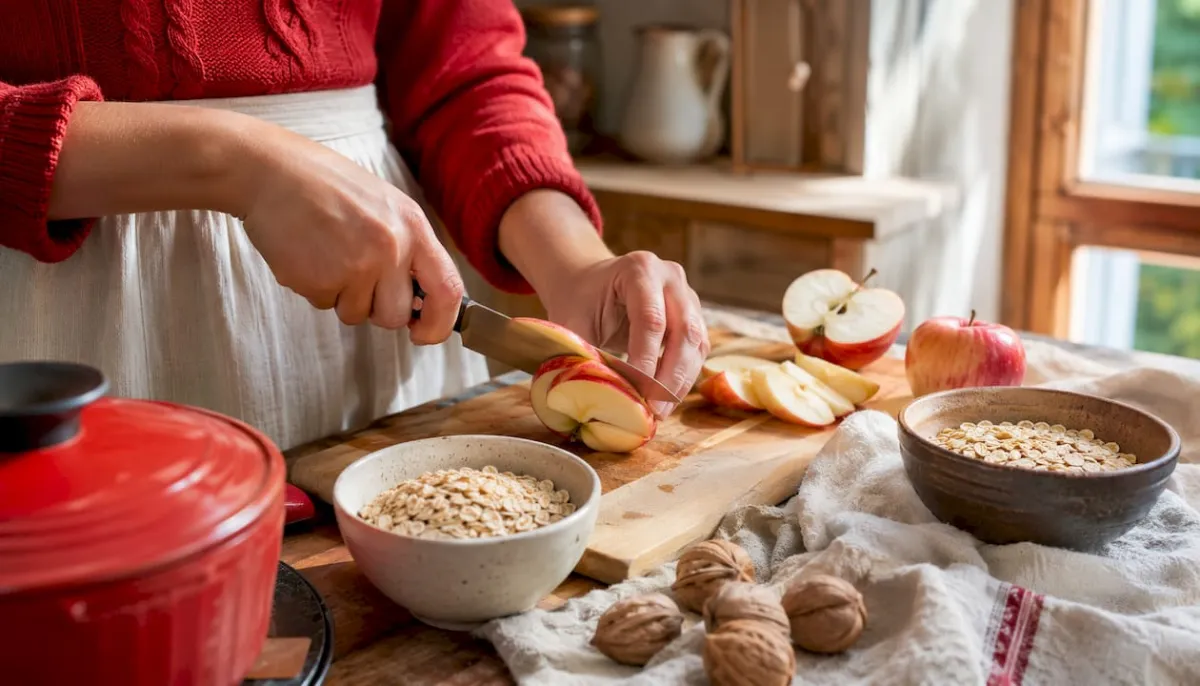
Breakfast: Apple cinnamon oatmeal made with rolled oats, diced apple, cinnamon, and a handful of walnuts. Pair with two scrambled eggs. Estimated carbs: 45g.
Morning snack: 1 oz mixed nuts + 1 small pear. Estimated carbs: 15g.
Lunch: Large mixed-greens salad with grilled chicken breast, cherry tomatoes, cucumber, ½ cup chickpeas, and olive oil vinaigrette. Estimated carbs: 30g.
Afternoon snack: Sliced bell pepper + 2 tbsp hummus. Estimated carbs: 10g.
Dinner: Baked salmon fillet, roasted asparagus, ½ cup cooked farro. Estimated carbs: 40g.
7-day balanced template
Multiple eating patterns can support blood-glucose and weight goals. This template rotates Mediterranean-style meals, lower-carb options, and vegetarian swaps so you can find what fits your life.
| Day | Breakfast | Lunch | Dinner |
|---|---|---|---|
| Monday | Oatmeal + eggs | Grilled chicken salad + chickpeas | Baked salmon + roasted veg + farro |
| Tuesday | Greek yogurt + berries + flaxseed | Turkey lettuce wraps + sliced avocado | Stir-fried tofu + bok choy + brown rice |
| Wednesday | Veggie omelet + whole-grain toast | Lentil soup + side salad | Grilled chicken + roasted sweet potato + broccoli |
| Thursday | Smoothie (spinach, berries, protein powder, almond milk) | Tuna salad on whole-grain crackers + cucumber | Bibimbap with extra vegetables + lean beef or tofu |
| Friday | Apple cinnamon oatmeal + walnuts | Black bean and veggie burrito bowl (no tortilla) | Shrimp stir-fry + zucchini noodles + sesame oil |
| Saturday | Whole-grain pancakes + fresh berries (no syrup) | Grilled salmon salad + quinoa | Turkey meatballs + marinara + spaghetti squash |
| Sunday | Veggie scramble + avocado toast (1 slice whole-grain) | Chicken and vegetable soup + whole-grain roll | Baked cod + roasted Brussels sprouts + wild rice |
Snacks for the week: Almonds, celery with peanut butter, hard-boiled eggs, sliced apple with almond butter, plain Greek yogurt, low-sugar protein options (see guidance on choosing low-sugar protein supplements if you use them).
Smart grocery list
Produce: Spinach, mixed greens, broccoli, Brussels sprouts, asparagus, zucchini, bell peppers, cucumber, cherry tomatoes, sweet potato, bok choy, berries, apples, pears.
Proteins: Salmon fillets, chicken breast, shrimp, cod, turkey (ground and sliced), eggs, firm tofu, canned tuna.
Pantry staples: Rolled oats, brown rice, farro, wild rice, whole-grain bread, whole-grain crackers, lentils, black beans, chickpeas, olive oil, almond butter, peanut butter, flaxseed, walnuts, almonds.
Dairy/alternatives: Plain Greek yogurt, almond milk, small amount of feta or Parmesan for flavor.
Tip: Build your grocery list directly from your meal plan each week. Group items by store section to cut shopping time and reduce impulse buys.
Substitution options
- Vegetarian/vegan: Swap all animal proteins for tofu, tempeh, lentils, or black beans. Use nutritional yeast for a savory, cheesy flavor without dairy.
- Dairy-free: Replace Greek yogurt with coconut yogurt (unsweetened). Use almond or oat milk in oatmeal and smoothies.
- Gluten-free: Swap whole-grain bread and farro for certified gluten-free oats, quinoa, or wild rice.
- Cultural swaps: Integrating cultural foods into the plate structure improves long-term adherence. Brown basmati rice instead of white, corn tortillas instead of flour, or miso soup instead of a salad all work within the same framework.
A note on insulin and medications: If you take insulin or glucose-lowering medications, your carb targets per meal may differ from the general ranges above. Always confirm your specific targets with your clinician before making significant changes to your eating pattern.
What recipes and snacks actually fit a diabetes meal plan?
Quick, balanced meals
- Breakfast: Veggie omelet with spinach, mushrooms, and feta; apple cinnamon oatmeal with walnuts; Greek yogurt parfait with berries and flaxseed.
- Lunch: Big salad with a palm-sized protein and ½ cup legumes; make-ahead lunch bowls with grains, roasted veg, and a tahini drizzle; lentil soup with a side of whole-grain crackers.
- Dinner: Baked salmon with roasted vegetables; bibimbap loaded with nonstarchy vegetables; turkey meatballs over spaghetti squash; easy weeknight dinners that replace high-carb takeout.
Batch-cooking for the week
Starting with one or two batch recipes that yield multiple meals is the most practical way to stay on plan without burning out. Cook a big pot of lentil soup on Sunday and use it for Monday and Wednesday lunches. Roast two sheet pans of vegetables at once and rotate them through dinners. Grill four chicken breasts and slice them into salads, wraps, and grain bowls throughout the week. For more ideas, the Homecooked batch-cooking guide covers 25 recipes designed exactly for this.

Healthy dessert ideas
Dessert does not have to disappear. Portion size and ingredient quality are what matter. Baked apples with cinnamon and a small drizzle of honey satisfy a sweet craving with minimal added sugar. A small square of dark chocolate (70% cacao or higher) with a few almonds keeps carbs low and adds satisfying fat. Fresh berries with a dollop of plain Greek yogurt work as both a snack and a dessert.
Pro Tip: When you want something sweet after dinner, try a warm mug of cinnamon herbal tea first. The warmth and flavor often satisfy the craving without any carbs at all. If you still want a treat after 10 minutes, a small portion of baked apples or a few squares of dark chocolate is a reasonable choice.
When should you get personalized help with your meal plan?
A general template is a strong starting point, but certain situations call for a registered dietitian or a formal DSMES program.
See a registered dietitian or enroll in DSMES when:
- You have been newly diagnosed with Type 1, Type 2, or gestational diabetes
- Your medication or insulin regimen has changed
- Your blood-sugar readings are frequently outside your target range
- You are pregnant or planning to become pregnant
- You have kidney disease, heart disease, or another condition that affects your diet
- You feel stuck, confused, or frustrated with your current eating pattern
How to make the most of your appointment
- Bring a 3-day food log, including portion sizes and timing, to your first appointment.
- Bring your blood-glucose log or download your meter’s data so the dietitian can see patterns.
- Write down two or three specific questions before you go (e.g., “How do I handle eating at my mom’s house?” or “What do I do when I travel?”).
- Ask about your specific carb target per meal based on your medications and A1C goal.
- Set one realistic, measurable goal for the week, not five.
Gestational diabetes needs specialized management
Gestational diabetes requires a more tightly supervised approach than a standard Type 2 plan. Blood-sugar targets are stricter, carb distribution across the day is more precise, and weight gain goals are specific to pregnancy. A maternal-fetal medicine specialist and a registered dietitian who works with gestational diabetes are both worth requesting from your OB.
Why personalized meal plans work better, and how Homecooked helps
Personalization is not a luxury in diabetes nutrition. It is the mechanism by which plans actually get followed. DSMES programs create custom plans that factor in medications, lifestyle, and financial constraints, and dietitians consistently report that integrating personal food preferences and cultural dishes is what makes a plan sustainable long-term.
The challenge is that personalization takes time and effort most people do not have on a Tuesday evening. That is exactly where Homecooked fits in.
What Homecooked does for your diabetes meal plan:
- Builds a personalized weekly meal plan based on your health goals and dietary preferences
- Generates an automated shopping list from your plan, grouped by category
- Tracks your pantry so you know what you already have before you shop
- Provides step-by-step guided recipes with integrated timers so nothing gets overcooked or forgotten
- Adapts to dietary restrictions, cultural preferences, and ingredient swaps
Pro Tip: Use the 7-day template in this article as your input when setting up Homecooked. Enter your carb targets, protein preferences, and any foods you want to avoid, and let the app generate a shopping list automatically. It takes about five minutes and removes the weekly planning friction that causes most people to abandon their plan by week two.
A note worth keeping: Homecooked helps you plan and cook. Your clinician manages your medication. Those two roles do not overlap, and the app works best when it runs alongside, not instead of, your medical care.
Blood-sugar-friendly recipes to build the week from
Lower-carb, higher-fiber plates with lean protein to blunt glucose spikes — a starting set with the numbers already worked out.
1Baked Cod with Greens
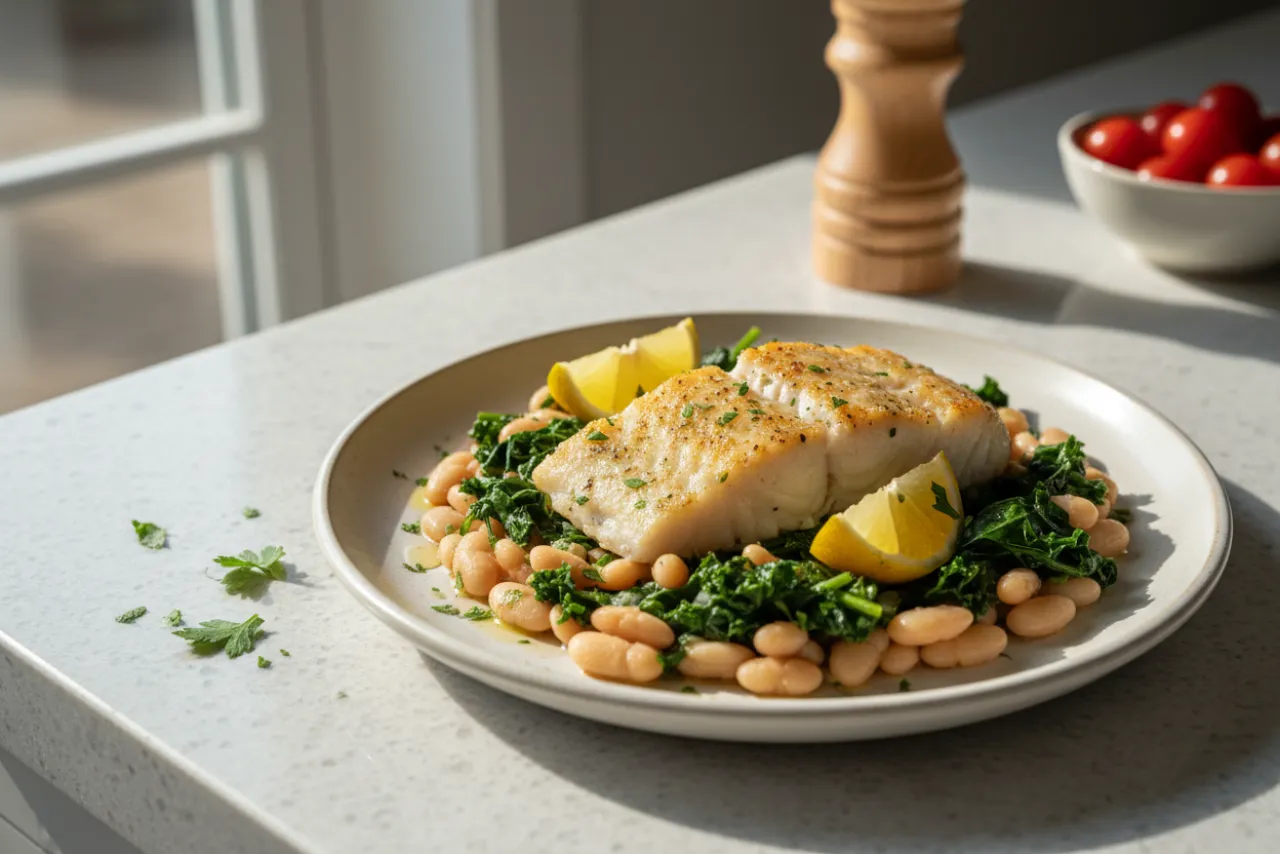
Mediterranean25 min10g fiber39g protein
A small cod fillet baked with white beans and wilted greens — lean protein and fiber in a light, low-grease dinner.
View recipe →2Turkey Taco Skillet
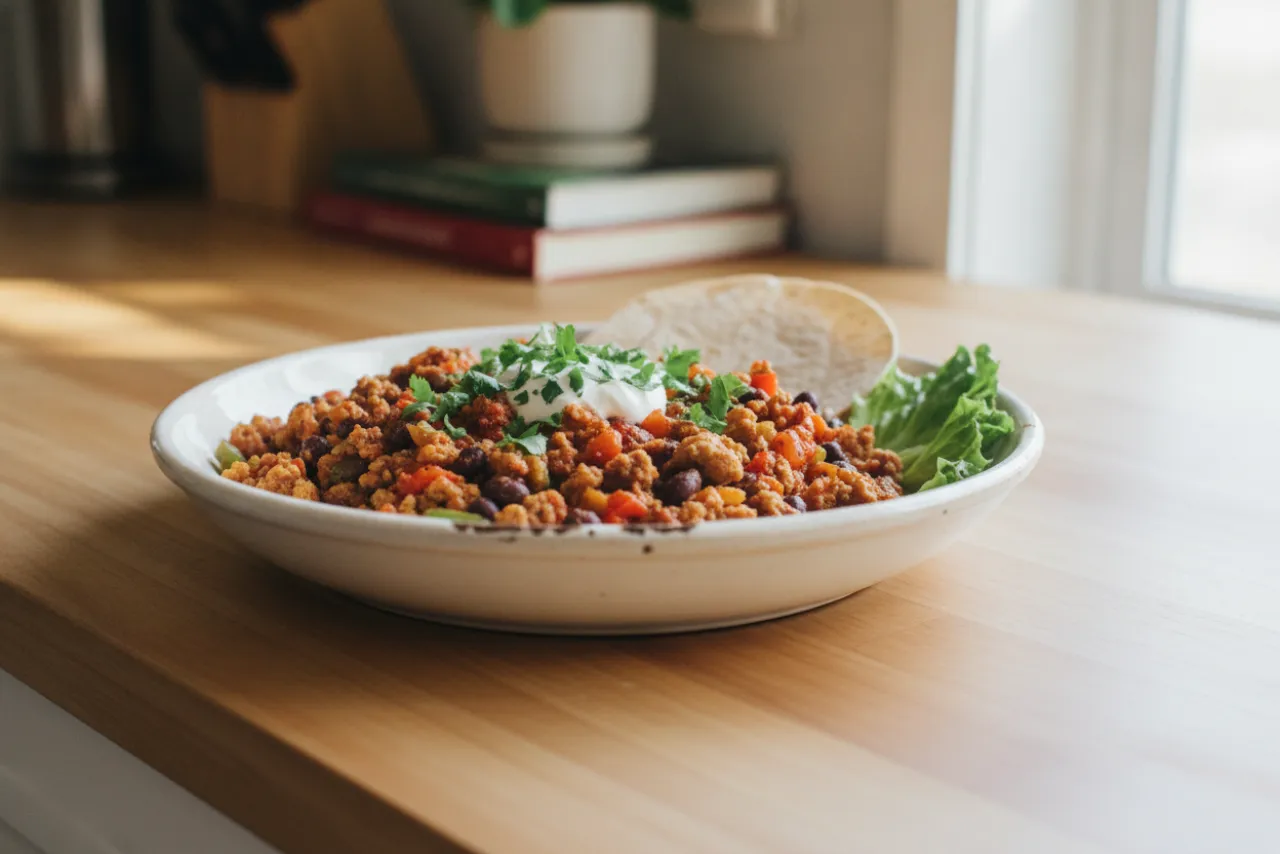
Mexican20 min10g fiber42g protein
Lean ground turkey browned with peppers and taco spices — a thirty-five-gram-protein one-pan dinner for bowls, wraps, or lettuce cups.
View recipe →3Grilled Fish Tacos

Mexican25 min9g fiber27g protein
Chili-lime fish, charred and flaked into warm tortillas with cabbage. Fresh, not fried, and low in salt.
View recipe →4Baked Cod with White Beans
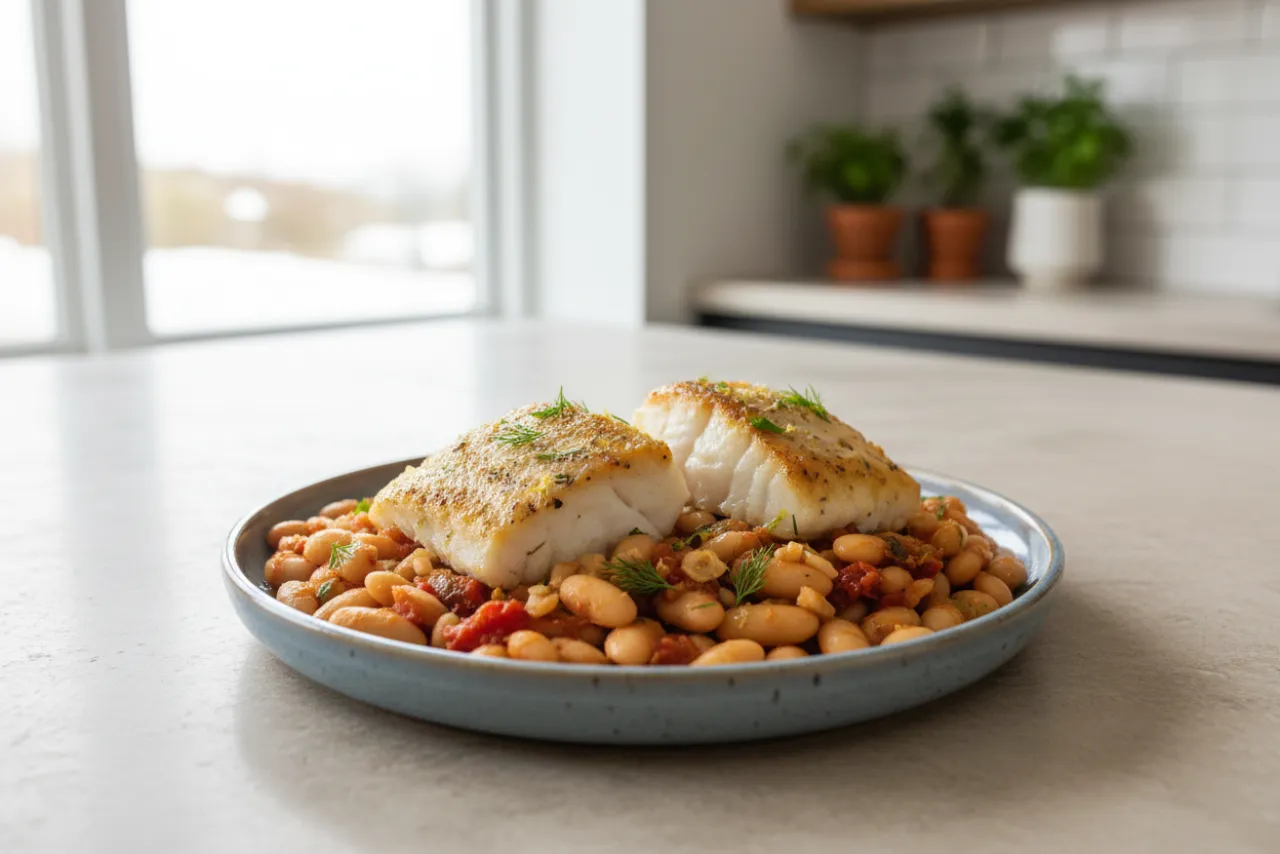
Mediterranean30 min9g fiber38g protein
Cod fillets baked over garlicky white beans and tomato — a light, high-protein dinner in one dish.
View recipe →5Chili con Carne
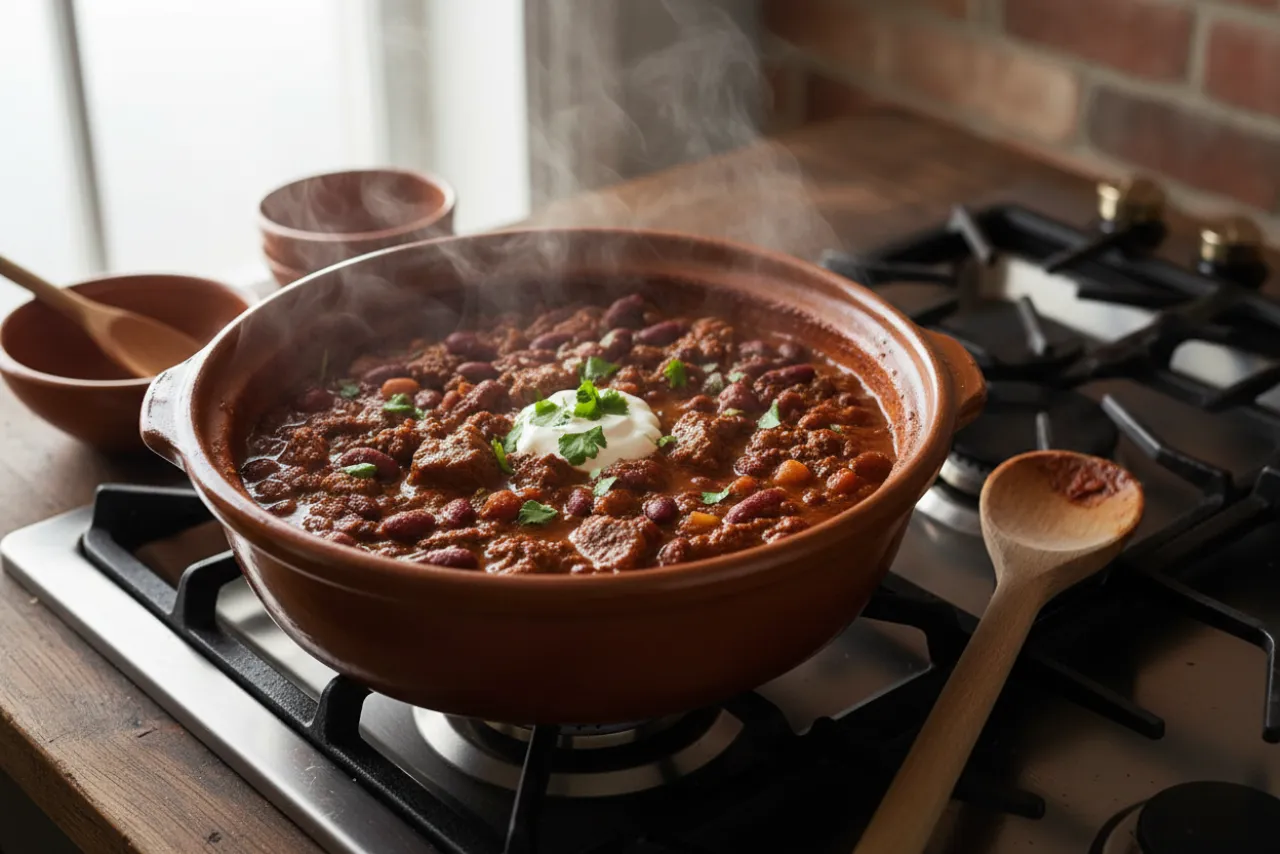
American70 min11g fiber32g protein
Slow-simmered beef chili with beans and warm spices.
View recipe →6Tofu & Vegetable Stir-Fry
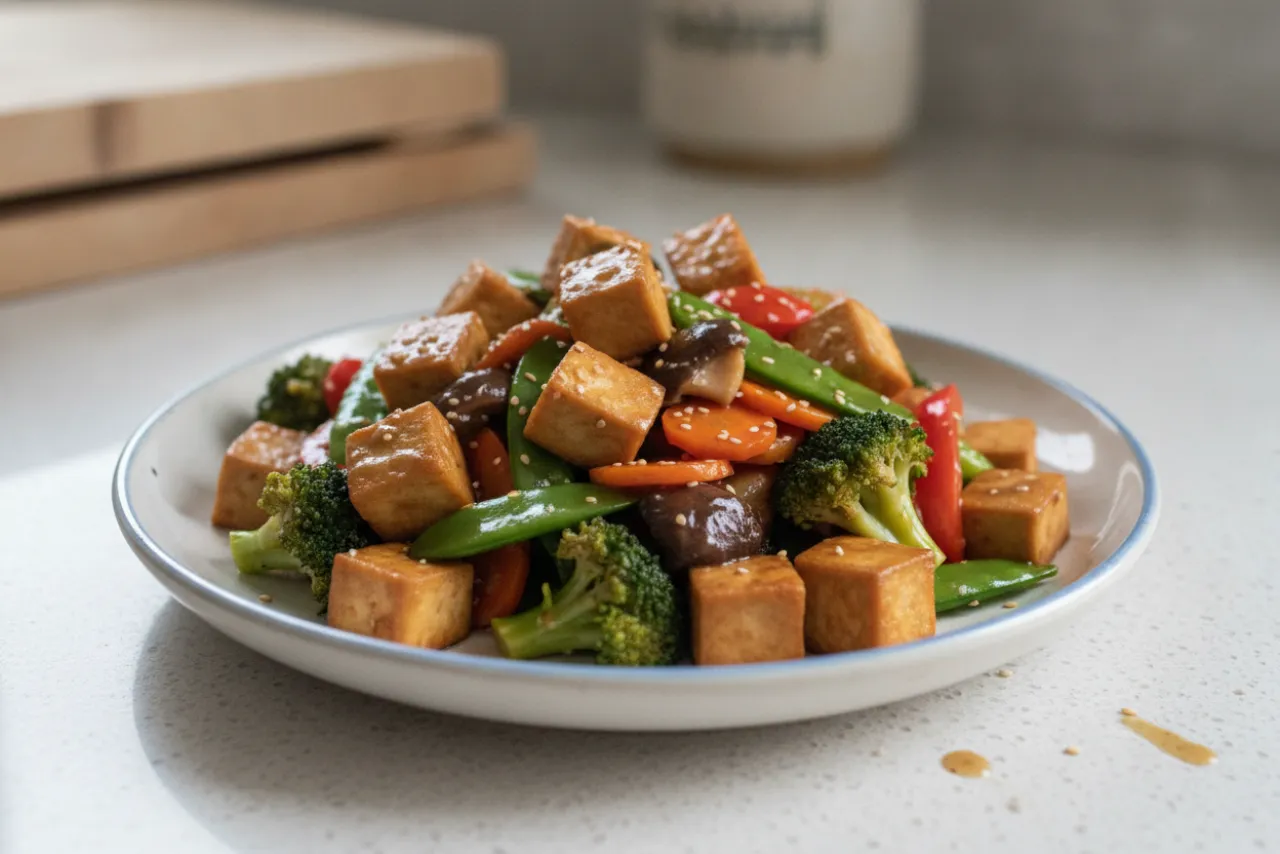
Chinese20 min12g fiber25g protein
Tofu and crunchy vegetables in a light soy-ginger sauce — a small, plant-based plate pairing protein and fiber with very little oil.
View recipe →Key Takeaways
A consistent diabetes meal plan built on the Diabetes Plate method, regular carb targets, and scheduled meals is the most practical framework for managing blood sugar through food.
| Point | Details |
|---|---|
| Start with the Diabetes Plate | Half nonstarchy veg, a quarter lean protein, a quarter quality carbs at every meal. |
| Keep carbs consistent | Aim for roughly 45g per main meal as a starting point, then adjust with your clinician. |
| Batch-cook one recipe per week | One batch recipe repurposed across 2–3 meals prevents burnout and keeps you on plan. |
| Get personalized help when needed | DSMES programs and registered dietitians create custom plans covered by many insurance plans. |
| Use Homecooked to automate the work | Homecooked builds your personalized plan, generates your shopping list, and guides you through each recipe. |
The part most meal-plan articles skip
Most diabetes nutrition content presents the plate method and a tidy 7-day grid as if the hard part is knowing what to eat. It is not. The hard part is a Wednesday at 6:30 PM when you are tired, the fridge looks sparse, and the easiest thing is to order pizza.
What actually makes a diabetes meal plan stick is not the plan itself. It is the infrastructure around it: a grocery list that is already done, a batch of lentil soup already in the fridge, and a recipe that takes 20 minutes instead of 45. The research on DSMES and registered dietitian guidance points to the same conclusion: personalization and practical support improve adherence far more than any particular food list.
The other thing worth saying plainly: there is no single “diabetes diet.” Seven recognized eating patterns can support blood-glucose goals. Mediterranean, lower-carb, DASH, vegetarian, and others all have evidence behind them. The best one is the one you will actually follow for more than two weeks. Start with the template here, notice what feels sustainable, and build from there. A registered dietitian can help you adapt it to your cultural foods, your schedule, and your medication plan in ways a general article cannot.
Homecooked makes your diabetes meal plan automatic
Knowing what to eat is one thing. Having it planned, shopped for, and ready to cook is another. Homecooked takes the 7-day template in this article and turns it into a personalized weekly plan built around your health goals, dietary preferences, and what is already in your pantry.
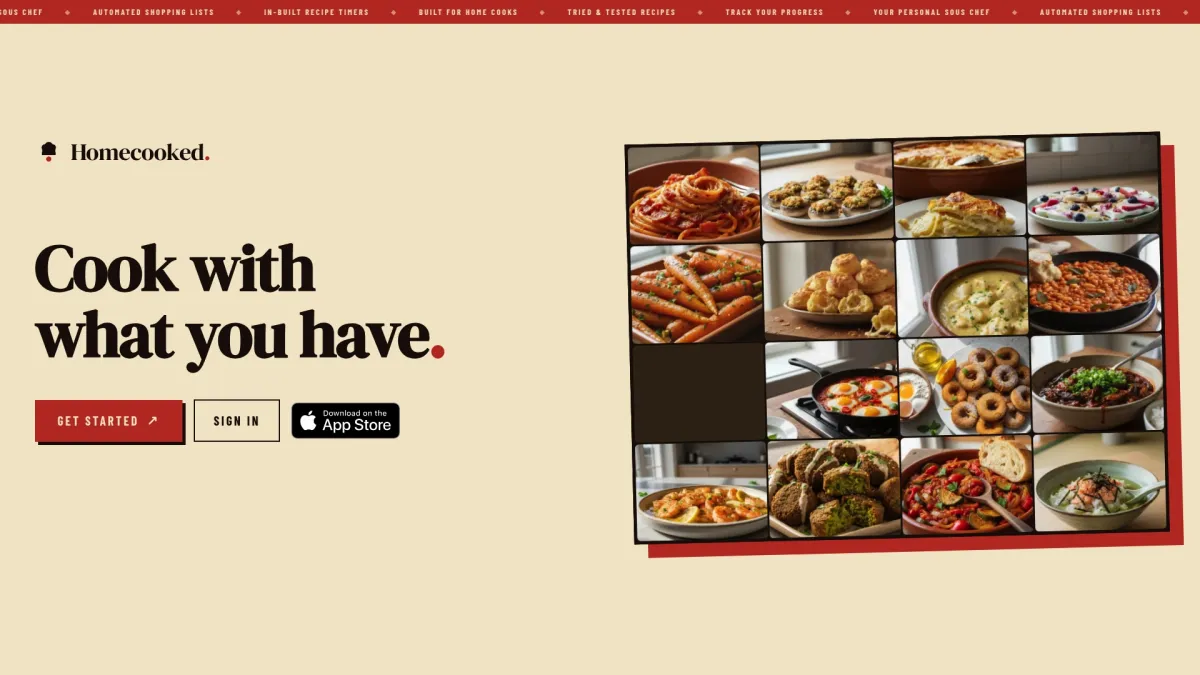
Every plan comes with an automated shopping list grouped by category, step-by-step guided recipes with integrated timers, and the flexibility to swap ingredients based on what you have or what you prefer. Whether you are following a lower-carb approach, a Mediterranean-style pattern, or a vegetarian plan, Homecooked adapts to you rather than the other way around. Start your free trial at Homecooked and have your first personalized week planned in minutes.
Useful sources and further reading
- Diabetes Meal Planning | CDC — practical guidance on carb counting, the plate method, and meal timing
- Diabetes Plate and Meal Planning | ADA (Diabetes.org) — the Diabetes Plate visual tool and recognized eating patterns
- Eating for Diabetes Management | ADA (Diabetes.org) — overview of seven evidence-based meal patterns
- Diabetic Diet | MedlinePlus — food quality guidance and whole-food recommendations
- Meal Planning for Type 2 Diabetes | Cleveland Clinic — registered dietitian advice on batch cooking, cultural foods, and adherence
- Homecooked Blog — recipes, meal-prep guides, and grocery-list tools to support your plan
For a plan tailored to your medications, A1C targets, and personal health history, consult a registered dietitian or ask your doctor for a referral to a DSMES program. This article provides general nutrition information, not medical advice.