
A Mediterranean-style, whole-food meal plan is the most evidence-backed way to manage fatty liver, and pairing it with modest weight loss makes the biggest difference. Losing just 3% to 5% of your body weight can reduce liver fat, while 7% to 10% can ease inflammation. Below, we’ll walk through what to eat, what to skip, and a 7-day plan you can start this week.
TL;DR:
- Use the plate method: fill half your plate with nonstarchy vegetables, one quarter with whole grains or starchy vegetables, and one quarter with protein; aim for three vegetable servings daily.
- Aim for oily fish at least three times weekly, choosing salmon, sardines, or mackerel and using it in place of red or processed meat.
- Aim for 150 minutes of moderate aerobic activity weekly, plus resistance training a couple of times; exercise can benefit the liver independently of weight loss.
- Lose weight gradually rather than rapidly, since rapid weight loss can raise the risk of gallstones.
- If significant fibrosis is present, abstinence from alcohol is typically advised; follow your clinician’s recommendation rather than general drinking guidance.
Table of Contents
- Foods That Support Your Liver: What to Put on Your Plate
- What to Cut Back on and Easy Swaps That Actually Work
- Your 7-Day Fatty Liver Meal Plan and Quick Recipes
- Meal-Planning Habits That Keep You Consistent
- How Much Weight Loss Actually Helps, and How Fast
- When to Bring In a Clinician or Registered Dietitian
- Getting Your Carbs, Fats, and Protein Right
- Coffee, Green Tea, and Other Liver-Supportive Additions
- Why Hydration Matters for Liver Health
- Adapting This Plan for Diabetes, Gluten Sensitivity, and Other Needs
- Smart Snacks and Timing to Keep Blood Sugar Steady
- Why Pantry-First Planning Beats Perfect Recipes
- Let Homecooked Build This Plan Around Your Kitchen
- FAQ
- Sources
Foods That Support Your Liver: What to Put on Your Plate
Think of your plate as a tool for building better liver health, one meal at a time. The pattern that keeps showing up in NIDDK’s nutrition guidance is Mediterranean-style eating: vegetables, whole grains, legumes, fish, nuts, and olive oil, with saturated fat and added sugar kept low.
Nonstarchy vegetables deserve a spot at nearly every meal, raw, roasted, or tossed into a skillet with garlic and olive oil. Aim for two servings of fruit a day, favoring whole fruit over juice, which concentrates sugar without the fiber that slows it down.
Carbohydrates matter less for their quantity than their source. Oats, barley, and brown rice bring fiber that refined grains strip away, and legumes like lentils and chickpeas double as fiber-rich carbs and plant protein in one scoop.
A few habits make the biggest difference:
- Build two meals a week around oily fish like salmon, sardines, or mackerel for omega-3s.
- Add a handful of walnuts or almonds to breakfast or salads for monounsaturated fats.
- Cook with extra-virgin olive oil instead of butter or vegetable oil.
- Put a palm-sized portion of protein (fish, beans, eggs, poultry) on every plate.
- Fill half your plate with vegetables before adding grains or starch.
These choices aren’t about restriction. They’re about swapping in foods that naturally crowd out the ones causing trouble.
What to Cut Back on and Easy Swaps That Actually Work
Added sugar is the main troublemaker here, particularly fructose from sweetened drinks and sauces. NIDDK notes that commercial fructose and sugar-sweetened beverages drive liver fat accumulation, and it hides in places you wouldn’t expect, including “low-fat” salad dressings, flavored yogurts, and packaged snack bars that use sugar to replace the fat they removed.
Refined carbs (white bread, pastries, most crackers) and ultra-processed foods behave similarly in the body, spiking blood sugar without offering fiber to buffer the response. Red and processed meats bring saturated fat along for the ride, so swapping bacon or deli meat for fish, beans, or skinless poultry pulls double duty for your liver and your heart.
Alcohol is its own conversation. If you already have significant fibrosis, abstinence is typically advised, and your clinician’s recommendation should guide you here rather than general guidelines.
A few swaps that make this painless:
- Soda or juice → sparkling water with a squeeze of lemon or lime.
- Flavored yogurt → plain Greek yogurt with fresh berries.
- Deli meat sandwich → white bean and tuna salad on whole grain bread.
- Creamy salad dressing → olive oil, vinegar, and a spoon of mustard.
Your 7-Day Fatty Liver Meal Plan and Quick Recipes
A full week of unique meals sounds appealing until Thursday hits and you’re too tired to cook five new things. The fix is a rotating template: three or four core meals repeated with small variations, backed by a short list of easy recipes.
Here’s a one-day structure you can repeat with small swaps all week:
- Breakfast: Oatmeal with walnuts, cinnamon, and sliced banana, or a spinach and egg scramble with a slice of whole grain toast.
- Lunch: A grain bowl with brown rice or barley, roasted vegetables, chickpeas, and a tahini-lemon dressing.
- Snack: An apple with a tablespoon of almond butter.
- Dinner: Baked salmon with a side of sautéed greens and quinoa, or a bean and barley soup with crusty whole grain bread.
Rotate the grain (barley, brown rice, farro), the protein (salmon one night, white beans the next, lentils after that), and the vegetable (roasted broccoli, sautéed spinach, a big salad) and you’ve effectively built a full week without reinventing anything. Our 7-day Mediterranean meal plan follows this same rotating logic if you want a ready-made starting point, and our Mediterranean breakfast ideas and dinner recipes give you more variety to plug into the template.
Batch-cook on Sunday: roast a tray of vegetables, cook a pot of grains, and prepare one protein (baked salmon or a pot of lentils) to cover lunches and dinners through midweek. This single step removes the “what’s for dinner” decision that derails most meal plans.
Shopping list basics for the week: canned beans, frozen vegetables without sauce, brown rice or barley, oats, walnuts or almonds, olive oil, canned or fresh salmon, eggs, Greek yogurt, lemons, and a bag of spinach. Keep portions in mind using the plate method: half vegetables, a quarter whole grains, a quarter protein.
Meal-Planning Habits That Keep You Consistent
The plate method gives you a visual shortcut instead of a calculator: fill half your plate with nonstarchy vegetables, a quarter with whole grains or starchy vegetables, and a quarter with protein. Mayo Clinic’s guidance also points to at least three vegetable servings daily and oily fish three or more times a week as practical targets.

Getting protein at every meal, not just dinner, keeps blood sugar steadier and curbs the hunger that leads to grazing on whatever’s closest. A couple of eggs at breakfast, a cup of beans at lunch, and a palm-sized piece of fish at dinner cover the bases without much math.
Reading labels becomes second nature once you know what to look for:
- Scan the ingredient list for sugar under its many names (corn syrup, dextrose, cane juice).
- Check for “partially hydrogenated oil,” a marker of trans fat.
- Compare sodium and added sugar across similar products before choosing.
Keeping a pantry stocked with canned beans, whole grains, olive oil, and canned fish means a healthy meal is always within reach, even on nights when cooking from scratch feels like too much.
Pro Tip: Keep a small bowl of olive oil mixed with lemon zest, garlic, and dried herbs on the counter. Drizzling it over vegetables or grains adds real flavor without reaching for sugar or bottled sauces.
How Much Weight Loss Actually Helps, and How Fast
Clinical evidence gives us specific numbers to aim for. Losing 3% to 5% of body weight tends to reduce liver fat (steatosis), while 7% to 10% loss is linked to improvements in inflammation and fibrosis. Losing more than 10% may lead to resolution of MASH in many patients.
The pace matters as much as the number. NIDDK recommends gradual weight loss rather than rapid loss, since losing weight too quickly raises the risk of gallstones. Slow, steady progress through diet and movement tends to stick better anyway.
Alongside diet, aim for at least 150 minutes of moderate aerobic activity weekly, plus resistance training a couple of times a week, which NIDDK notes benefits liver health even independent of weight change. If you’re working on the calorie side of this equation, our guide to weight-loss meal planning breaks down how to structure a sustainable deficit, and a program like Legacy Meds offers additional support for building a calorie deficit that lasts. In some cases, your clinician may add medication to the plan, since no single drug is approved for all patients with fatty liver.
When to Bring In a Clinician or Registered Dietitian
Diet works best as part of a personalized plan, especially if you also manage diabetes, are pregnant, are caring for a child with fatty liver, or have advanced fibrosis. A registered dietitian can fine-tune calorie targets, nutrient timing, and portion sizes in ways a general guide can’t, and that kind of individualized support tends to improve adherence over time.
Pairing professional guidance with a tool that tracks what you’re actually eating closes the gap between advice and daily habit, which is where most meal plans quietly fall apart.
Getting Your Carbs, Fats, and Protein Right
There’s no single macronutrient ratio that fits everyone with fatty liver, but the pattern behind Mediterranean-style eating gives you a workable framework. Carbohydrates should lean heavily toward fiber-rich, minimally processed sources: whole grains, legumes, and vegetables rather than refined flour and added sugar. The fiber slows digestion and blunts the blood sugar spikes that refined carbs cause.
Fat quality matters more than total fat avoidance. Systematic review evidence supports replacing saturated fats with monounsaturated and polyunsaturated fats, meaning olive oil, nuts, and fatty fish take priority over butter, fatty cuts of meat, and fried foods. This swap, rather than simply cutting fat grams, is what shows up in better liver outcomes.
Protein should show up at every meal, spread across fish, legumes, eggs, poultry, and low-fat dairy. Steady protein intake helps preserve muscle during weight loss and keeps you fuller longer, which makes the whole plan easier to stick to.
In practice, this looks like filling your plate with vegetables and legumes first, choosing whole grains over refined ones, cooking primarily with olive oil, and making sure a palm-sized protein source lands on every plate. The specific percentages matter less than consistently choosing the better version of each category: unsaturated fat over saturated, whole grain over refined, and fiber-rich carbs over sugar.

Coffee, Green Tea, and Other Liver-Supportive Additions
Beyond the core meal structure, a few everyday additions carry anti-inflammatory and antioxidant properties worth building into your routine. Coffee and green tea are both commonly recommended as liver-friendly beverages, largely because of their antioxidant content, and they’re easy to fold into a morning routine without adding sugar or calories if you skip the cream and syrup.
Antioxidant-rich produce, berries, leafy greens, citrus, and colorful vegetables like bell peppers and tomatoes, round out the anti-inflammatory side of the plate. These foods don’t need a special preparation method; eating a variety of colors across the week is usually enough to cover the bases.
Herbs and spices like turmeric, garlic, and ginger add flavor while avoiding the sodium and sugar common in bottled sauces, which makes them a natural fit for a liver-friendly kitchen. Using them generously is one of the simplest ways to keep meals interesting without reaching for less helpful shortcuts.
None of these additions replace the core pattern of vegetables, whole grains, legumes, fish, and olive oil. They layer on top of it, giving you small, sustainable wins that compound over weeks and months rather than delivering an overnight fix.
Why Hydration Matters for Liver Health
Water plays a quiet but steady role in how your liver processes nutrients and clears waste. Staying well hydrated supports the metabolic work your liver does every day, and it’s an easy habit to build alongside dietary changes.
A general target is to drink water consistently throughout the day rather than in large amounts all at once, pairing it naturally with meals and snacks. Herbal tea and the green tea mentioned earlier count toward your fluid intake too, giving you variety beyond plain water.
Sugar-sweetened beverages work against the goal here twice over: they add the fructose load that worsens liver fat while doing nothing for hydration compared to water. Replacing soda or sweetened coffee drinks with water, sparkling water, or unsweetened tea is one of the simplest changes on this entire list, and often one of the most impactful.
Adapting This Plan for Diabetes, Gluten Sensitivity, and Other Needs
If you’re managing diabetes alongside fatty liver, the core Mediterranean pattern still applies, but portion timing and carbohydrate pairing become more important. Spreading fiber-rich carbs across meals rather than front-loading them, and always pairing carbs with protein or healthy fat, helps keep blood sugar steadier through the day.
For gluten intolerance or celiac disease, swapping barley and regular oats for quinoa, brown rice, or certified gluten-free oats keeps the fiber and nutrient profile intact without the trigger. Legumes, vegetables, nuts, and fish are naturally gluten-free, so most of the plan needs little adjustment.
If you’re newer to cooking or have limited time, leaning on pantry staples (canned beans, frozen vegetables, canned fish) keeps the plan workable without requiring daily grocery runs. Whatever your specific restriction, the underlying structure, vegetables, whole grains or gluten-free substitutes, legumes, fish, and olive oil, stays the same. It’s the details within each category that shift to fit your needs.
Smart Snacks and Timing to Keep Blood Sugar Steady
Snacking doesn’t have to be a weak point in a liver-friendly meal plan. Pairing a carbohydrate with protein or fat keeps blood sugar from spiking and dropping, which matters as much between meals as it does at mealtime.
A few reliable options:
- An apple with a tablespoon of almond butter.
- A small handful of walnuts with a few whole grain crackers.
- Plain Greek yogurt with berries.
- Hummus with cucumber or bell pepper strips.
Spacing snacks three to four hours after a meal, rather than grazing constantly, gives your blood sugar time to settle between eating windows. If you notice energy crashes midafternoon, a protein-paired snack an hour or so beforehand tends to smooth that out better than reaching for something sugary in the moment.
Why Pantry-First Planning Beats Perfect Recipes
Most fatty liver advice focuses on recipes, but recipes fail when the pantry is empty and the day is long. The plans that actually hold up are built from staples you already have on hand, not from a new grocery list every week.
We’d rather see you repeat four solid meals all month than chase twenty recipes you cook once. Small, boring consistency beats ambitious variety every time it’s been tested in real kitchens.
— 0xmaglev
Let Homecooked Build This Plan Around Your Kitchen
We built Homecooked to turn everything above into a plan that fits your actual pantry, not a shopping list you have to chase down first. Tell us your health goals and food preferences, and we’ll generate Mediterranean-style meals, automated shopping lists, and guided recipes with built-in timers, so the plate method and weekly rotation above become something you just follow.
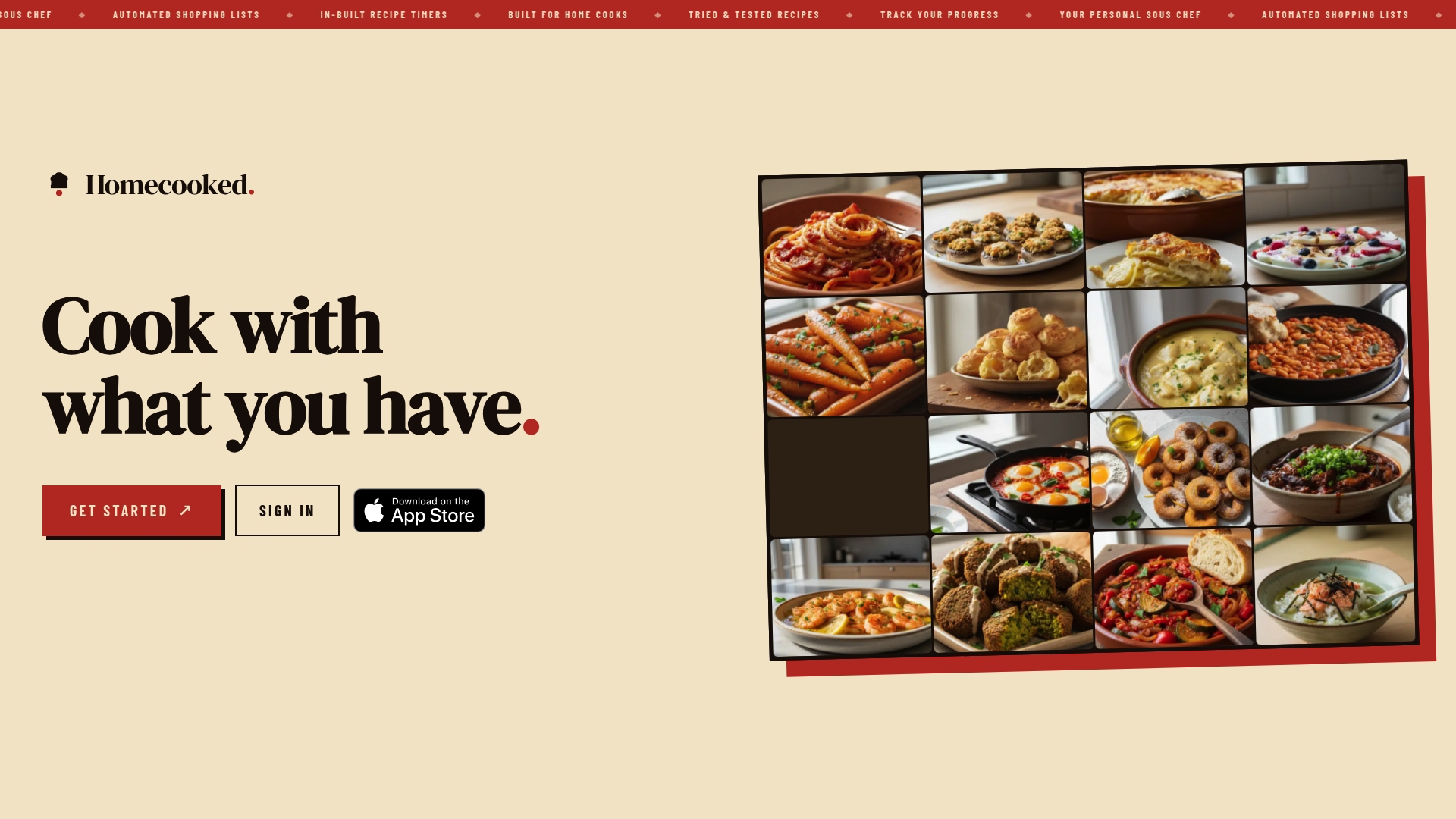
Start building your personalized plan at Homecooked and see how little effort a liver-friendly week actually takes.
This article is general information, not a substitute for advice from a qualified doctor. Consult a qualified healthcare professional about your own circumstances before acting on anything here.
FAQ
How do I flush fat from my liver?
There’s no quick “flush,” but liver fat responds well to gradual weight loss combined with a Mediterranean-style diet low in added sugar and saturated fat. Losing 3% to 5% of body weight can meaningfully reduce liver fat over time.
What are some healthy recipes for a liver diet?
Good options include baked salmon with roasted vegetables, bean and barley soup, and a spinach and egg scramble with whole grain toast. Grain bowls built with brown rice, chickpeas, and a lemon-tahini dressing also work well and reheat easily for leftovers.
What vitamins are good for the liver?
No specific vitamin is proven necessary for everyone with fatty liver, but a diet rich in antioxidants from vegetables, fruit, and foods like coffee and green tea is commonly recommended. A registered dietitian can assess whether you have any specific nutrient gaps worth addressing.
Is rye bread good for people with fatty liver disease?
Whole grain rye bread can fit well into a fatty liver meal plan because of its fiber content, which is preferable to refined white bread. Check the label to confirm it’s made primarily from whole grain rye rather than refined flour with added sugar.
Sources
- Steatotic liver disease: Cutting through the fat | AASLD
- Evidence-based dietary recommendations for NAFLD (systematic review) | PMC
- Treatment for NAFLD & NASH | NIDDK
- Fatty liver disease (MASLD) diet guidance | Mayo Clinic