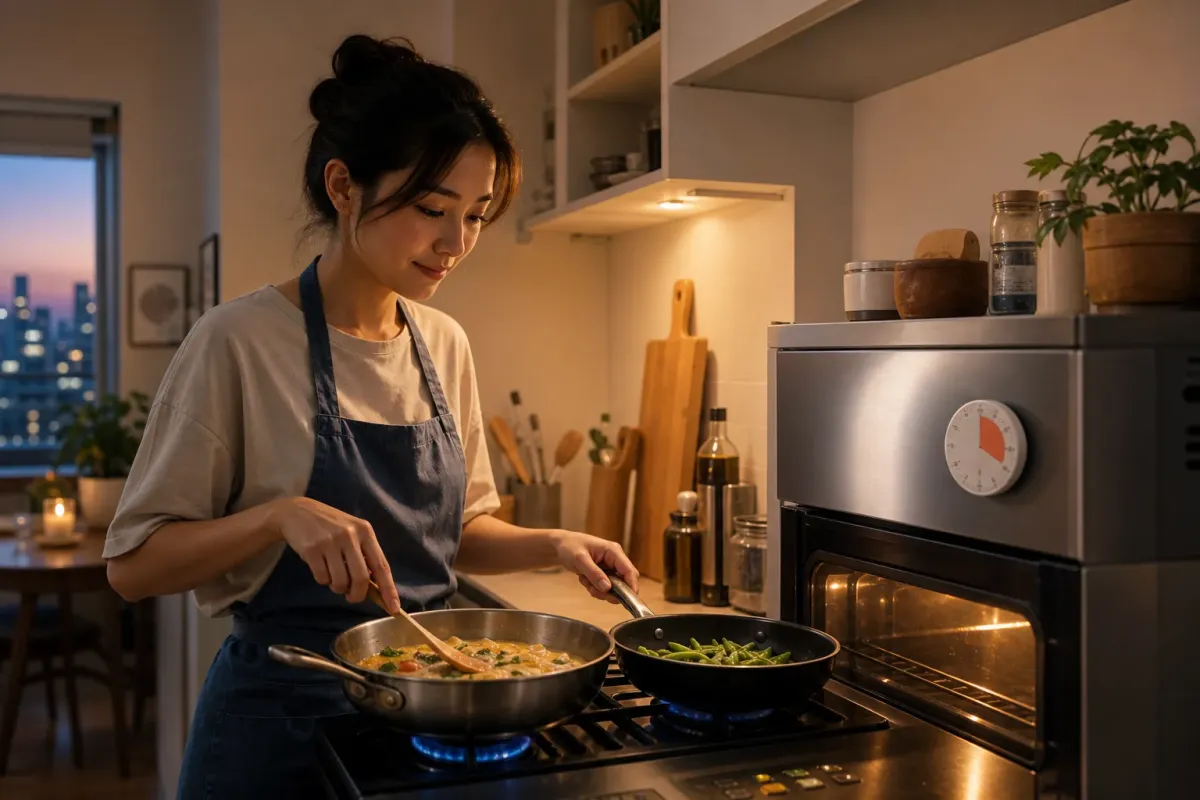
Cooking in a straight line wastes time. You finish the chicken, then start the veg, then scramble for a side. Parallel cooking flips that pattern. Build a menu that shares the load across oven and stovetop, run clear step timers, and everything lands hot at once without chaos.
Homecooked was built for this flow. Personalized Cookbooks surface recipes that match your cuisines, dietary needs, and the ingredients you already have. Smart Recipes break tasks into parallel lanes and attach built-in timers, so you can sear while a flip reminder pops up from the oven. Meal Planning spreads wins across the week, Persistent Pantry tracks what is in your kitchen, and Automatic Grocery Lists fill the gaps. If you are chasing health goals like debloating or reducing inflammation, you can also pull from curated cookbooks and keep the same parallel rhythm.
Build a parallel menu
Parallel cooking starts with dish selection. Pick items that can run on different equipment and have overlapping timelines. As a simple rule, aim for one oven anchor, one stovetop focal point, and one quick finisher.
Choose complementary lanes
- Oven anchor: Mostly hands-off, high payoff. Roasted broccoli or carrots (20 to 25 minutes at 425 to 450 F), baked salmon (12 to 15 minutes at 425 F), or a sheet-pan sausage and peppers (18 to 22 minutes at 450 F). These give you browning without babysitting.
- Stovetop focal point: Fast and active. Seared chicken thighs (5 to 6 minutes a side), crispy tofu cubes (8 to 10 minutes total), or sautéed shrimp (4 to 5 minutes). You drive this while the oven does steady work.
- Quick finisher: Ready in 5 minutes. Couscous or instant polenta, a garlicky yogurt or tahini sauce, or a chopped salad. Slot these into gaps while other timers run.
Match the trio to your preferences and pantry. In Homecooked, filter by cuisine, protein, and diet tags like gluten-free, vegetarian, or low-FODMAP, then toggle your Persistent Pantry to see only what you can cook now. If the pantry is light, add your picks to Meal Planning and let Automatic Grocery Lists grab the missing lemons, herbs, or stock.
Balance textures and flavors too. If the main is rich and seared, roast something bright and crisp, then finish with an herby sauce. Vary cook times so the longest item starts first and the rest stack inside its window.
Run step timers that keep you honest
The biggest win in parallel cooking is externalizing time. Do not trust vibes alone when two or three things happen at once. Timers free your head so you can execute cleanly.
Set and label multiple timers
- Name each one. “Broccoli flip 12” and “Thighs turn 6” beats a pair of mystery beeps.
- Stagger alarms by a minute when possible. If two flips land together, set one at 11 and the other at 12. You will not miss the second while handling the first.
- Use start cues, not just end cues. A 3-minute reminder to preheat a skillet or salt pasta water keeps the train on schedule.
- Keep the screen in view. Park your phone or a countertop timer near the cutting board so you cannot ignore it.
Homecooked’s Smart Recipes bake this in. Each step has a timer and tasks are parallelized for you, so the app will ask you to start the sauté while also reminding you to flip the sheet pan at the right minute. If you are riffing without a recipe, stack timers manually and label them as if you were writing stage directions.
Sketch a one-page timeline
- Find the longest cook. That starts first. If broccoli needs 22 minutes, it sets the frame.
- Fit medium tasks inside the window. If chicken sears 10 to 12 minutes total, it begins at T-16 to finish with the veg.
- Use idle gaps for prep. Chop aromatics, whisk a sauce, wash parsley, set the table while preheat and boil timers run.
- Add a 2-minute buffer to every component. Resting and carryover heat sync plates perfectly.
Sync oven and stovetop
Let the oven handle steady browning while you steer the pan. Heat early, control space, and lock in repeatable cues.
Oven tactics
- Preheat fully and preheat the sheet pan. A hot pan jumpstarts browning and trims 2 to 3 minutes from veg.
- Give food room. Crowding steams. If one pan is packed, split across two racks. Rotate halfway for even color.
- Rack choice matters. Middle rack is even. Upper rack browns faster. Slide up for the last 3 to 5 minutes if you want char.
- Using convection. Drop time slightly and watch visual cues. As a guide, reduce 2 to 3 minutes per 15 minutes of cook.
Stovetop tactics
- Assign burners. Front right is your high-heat sear, back left is your gentle simmer. Avoid shuffling mid-cook.
- Preheat the pan 2 to 3 minutes until oil shimmers. A hot, stable surface cuts sear time and keeps protein from sticking.
- Respect recovery time. After adding cold food, give the pan 20 to 30 seconds to regain heat before moving pieces or adding the next batch.
- Use a thermometer for doneness. Pull chicken thighs near 165 F. Rest under foil 5 minutes while you finish the side.
Prep smarter, not harder
- Batch small moves. Chop onion, then garlic, then herbs. Measure spices into a ramekin so you can dump them fast.
- Clean in bursts during low-attention windows. When the oven runs and nothing needs stirring, clear the board and sink.
Common pitfalls to skip
- Overcrowded pans. If veg are pale and steaming, split them. The extra sheet pan pays you back in crisp edges.
- Starting sauces too early. Most sauces take 3 to 5 minutes. Begin them after the protein hits the pan, not before.
- Reading as you go. Skim once before you start. In Homecooked, Smart Recipes show overlaps up front so you see the flow.
- Cold plates. Warm plates in a 200 F oven for 3 minutes while proteins rest so everything hits the table hot.
Practice: a 30-minute plan
Try this concrete schedule for roasted broccoli, seared chicken thighs, and lemony couscous. It shows how timers stack so all three finish together. Homecooked’s Smart Recipes would attach these timers to each step and display the overlaps for you.
Ingredients
- 1 pound broccoli florets, 2 tablespoons olive oil, 3/4 teaspoon kosher salt, 1/2 teaspoon black pepper, pinch chili flakes
- 4 boneless, skinless chicken thighs, 1 teaspoon kosher salt, 1/2 teaspoon pepper, 1 teaspoon paprika
- 1 cup couscous, 1 cup boiling water or stock, 1 lemon, small bunch parsley, 1 tablespoon butter or olive oil
Timeline
- T-25: Oven to 450 F. Put a sheet pan inside to preheat. Kettle on or set a small pot to boil.
- T-22: Toss broccoli with oil, salt, pepper, chili. Spread on the hot pan in a single layer. Timers: 12 to flip, 22 to finish.
- T-20: Pat chicken dry. Season with salt, pepper, paprika. Skillet to medium-high with a thin coat of oil.
- T-18: If using a pot for couscous, bring it to a boil and salt the water well.
- T-16: Add chicken, smooth side down. Timers: 6 to turn, 12 to finish. Do not crowd. If needed, cook in two batches and tent the first batch to rest.
- T-12: Flip broccoli. If edges brown faster, stir and spread again. On convection, check color at T-10.
- T-10: Turn chicken. Spoon off excess fat if pooling. Keep a lively sizzle, not smoke.
- T-9: Couscous in a heatproof bowl. Pour 1 cup boiling water or stock. Cover tightly. Timer: 5. Zest and juice lemon, chop parsley.
- T-4: Pull chicken at 165 F internal or when juices run clear. Rest under foil 5 minutes.
- T-3: Fluff couscous with butter or olive oil. Add lemon zest and juice, parsley, and salt to taste. Lid back on to keep warm.
- T-0: Broccoli finishes. If not browned, give 2 extra minutes on the upper rack. Slice chicken across the grain. Plate with couscous. Eat hot.
Swap-ins: Use cauliflower or green beans for the veg at the same temp, or salmon fillets in place of chicken at 425 F for 12 to 15 minutes while you sear asparagus. The timeline logic stays the same.
If you are using Homecooked, you would have pulled these from a Personalized Cookbook that matches your diet, scheduled them with Meal Planning, checked Persistent Pantry for what you had, and let Automatic Grocery Lists handle the rest earlier in the week.
Recipes made for parallel cooking
Homecooked's step engine maps exactly these kinds of dishes — multi-component meals where the sauce simmers while the protein sears. Each recipe below shows every step, its timer, and which steps you can run at the same time. Open one and cook along.
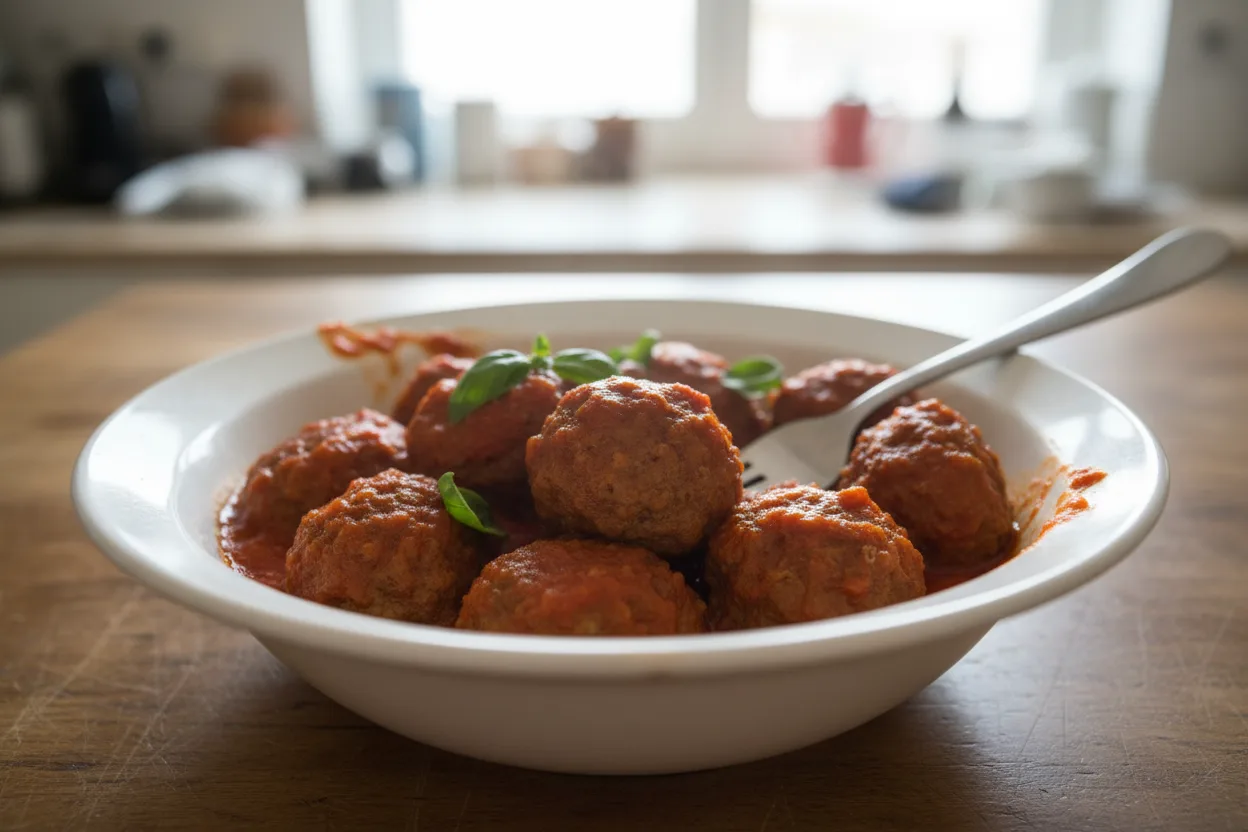 Italian40 minPolpette al PomodoroView recipe →
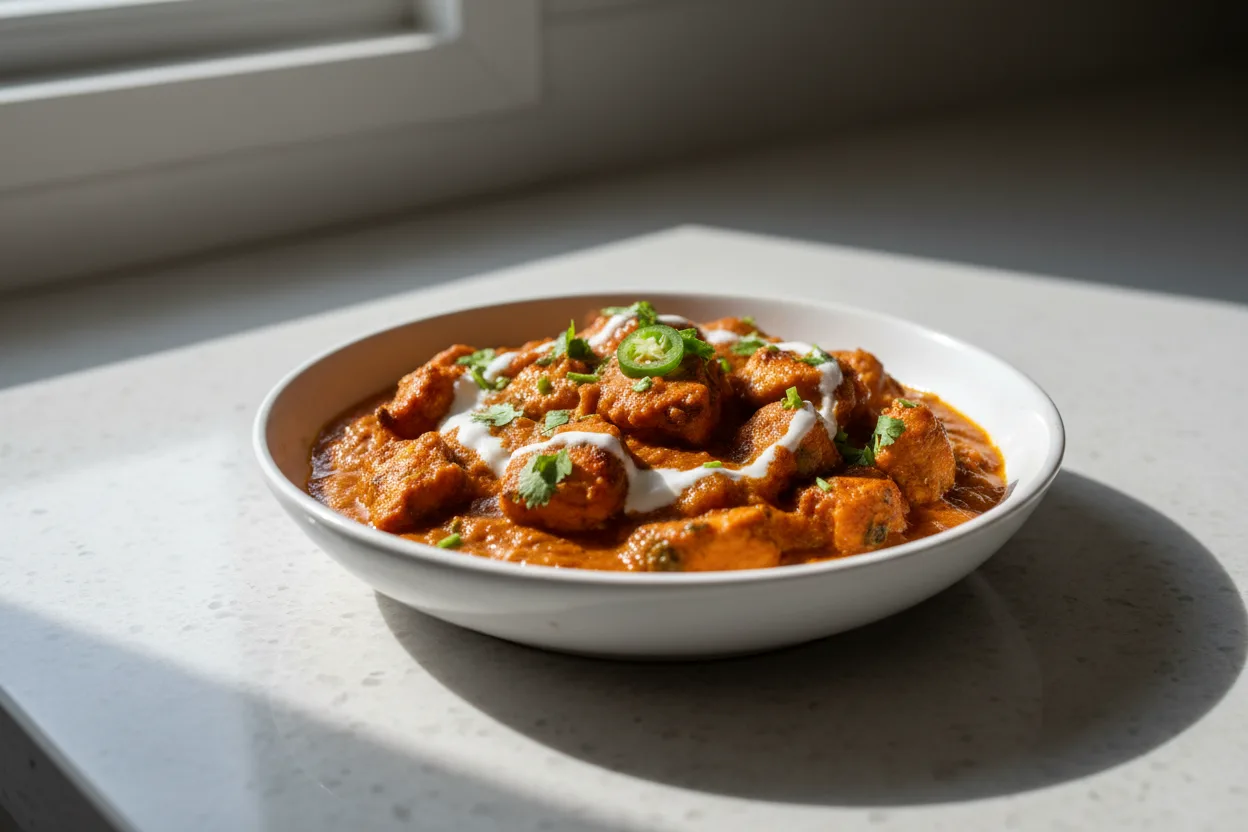 Indian55 minChicken Tikka MasalaView recipe →
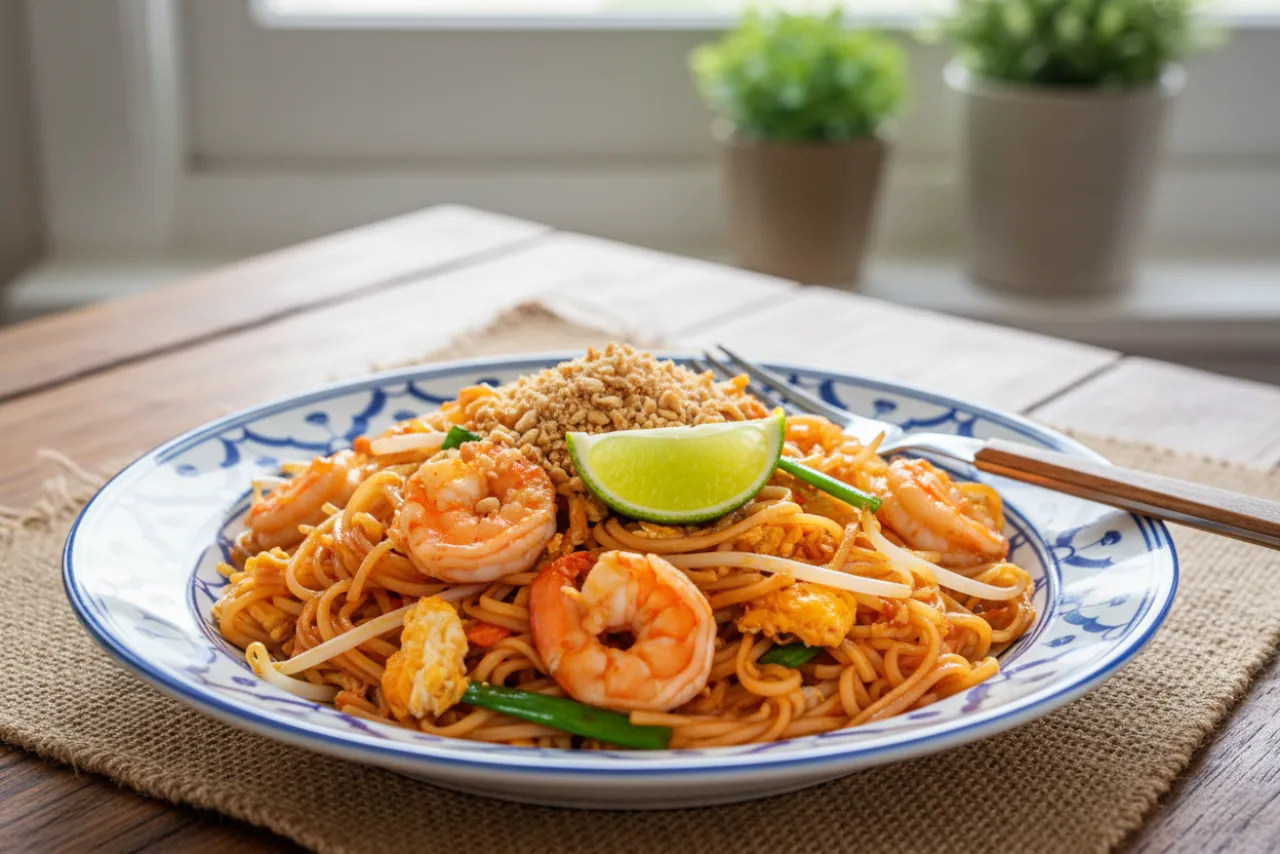 Thai30 minPad ThaiView recipe →
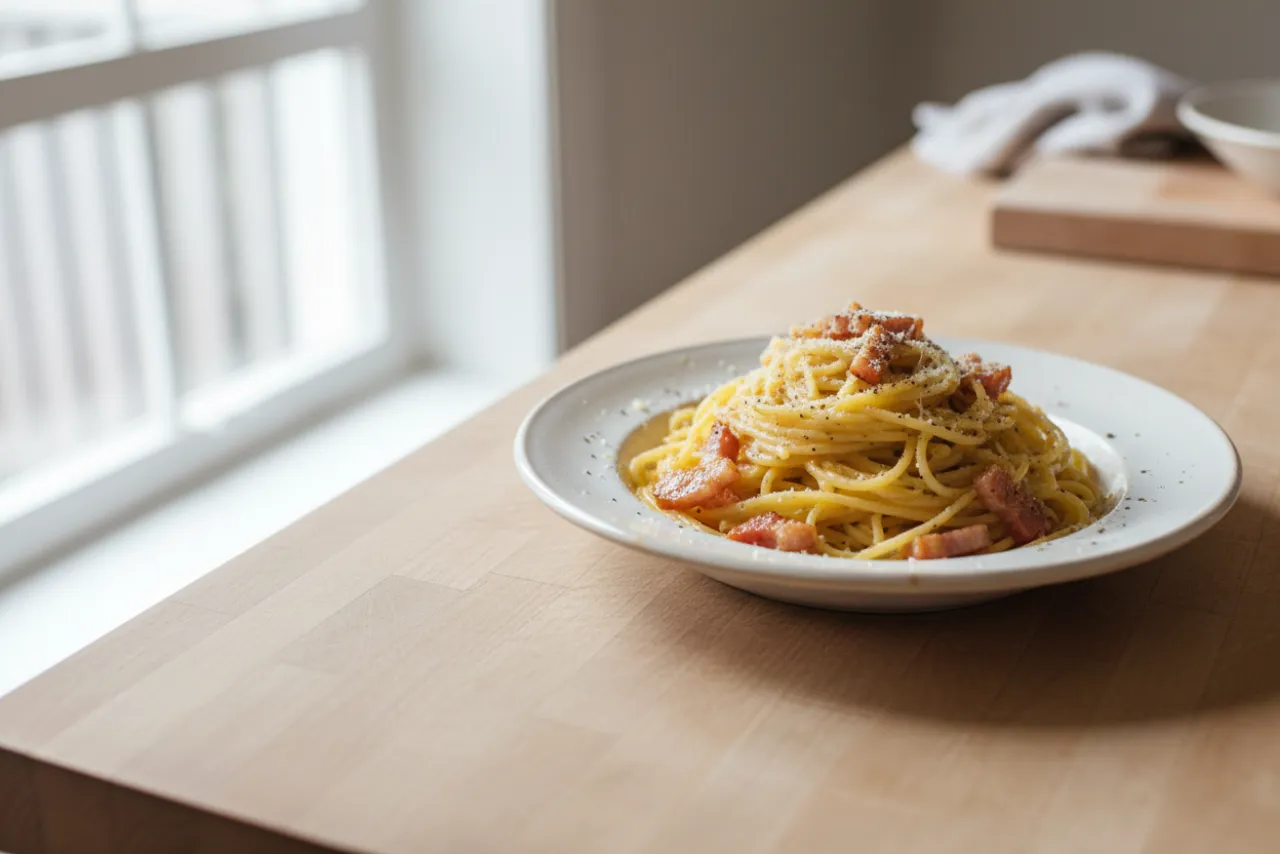 Italian30 minSpaghetti alla CarbonaraView recipe →
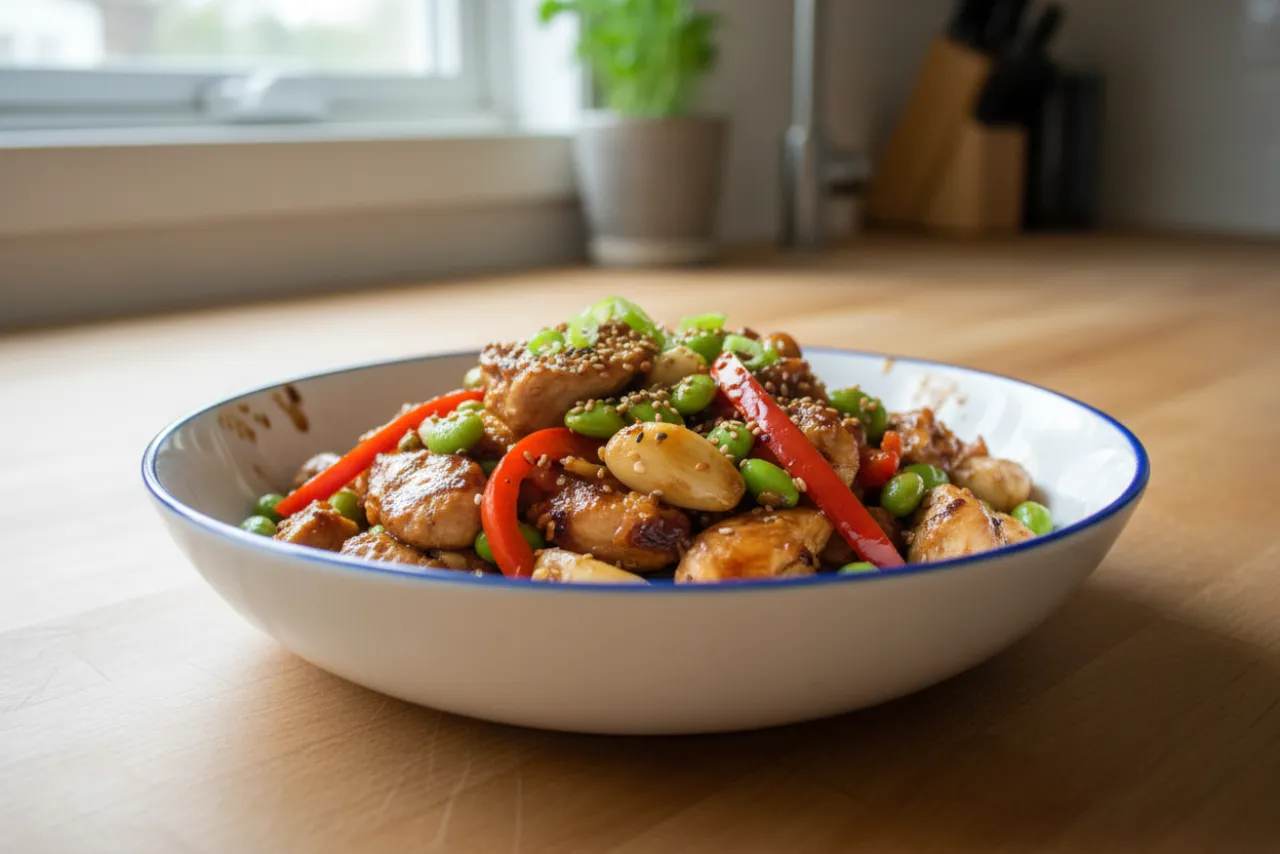 Chinese20 minChicken & Edamame Stir-FryView recipe →
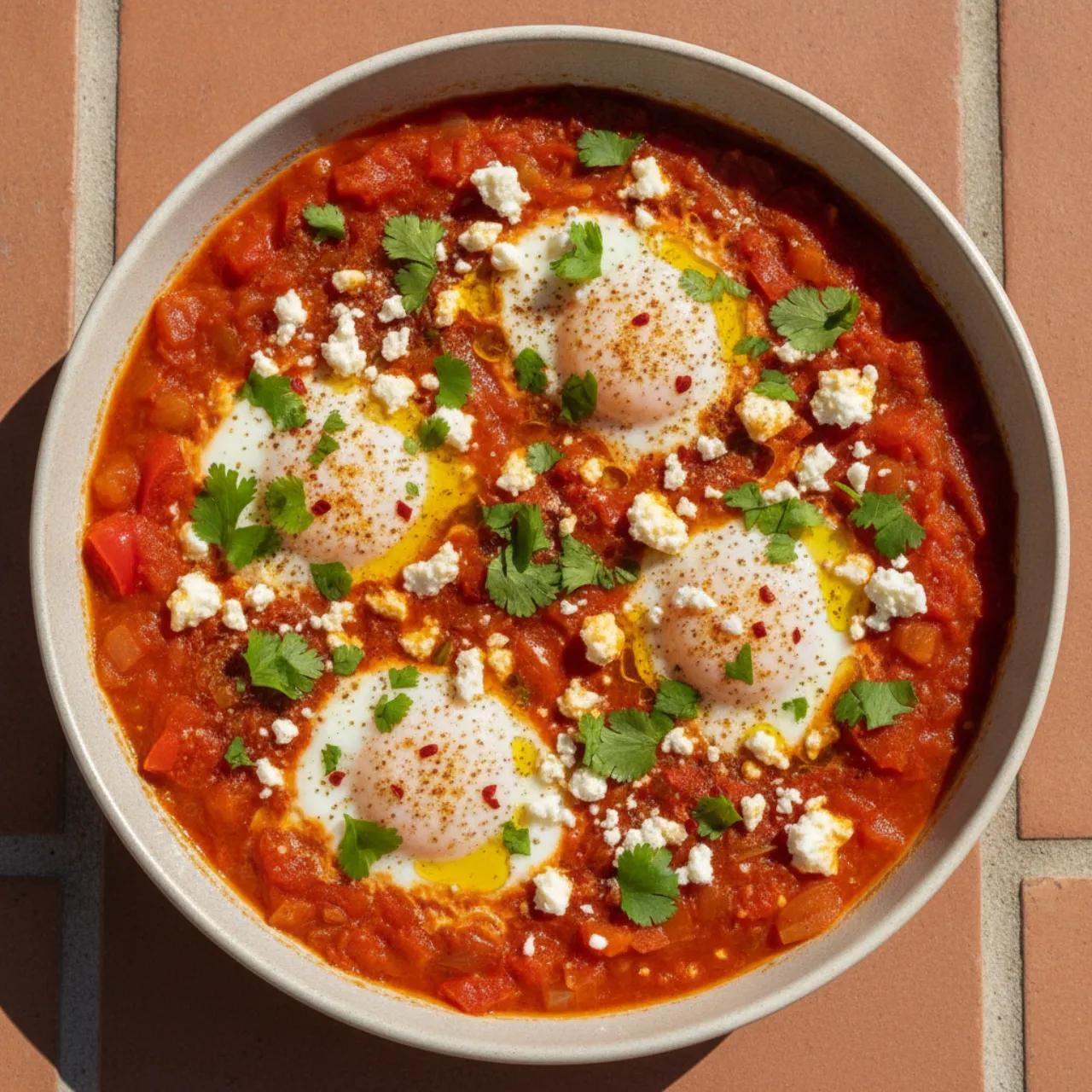 Mediterranean25 minFeta ShakshukaView recipe →
Keep exploring:
- Easy high-protein dinners: 24 quick recipes →
- High-fiber dinner ideas: 25 recipes →
- Browse all recipes in the app →
Open Homecooked to plan a week of meals around what's already in your kitchen — it tells you the few ingredients you're missing and walks you through cooking each one, step by step.
Key takeaways
- Pick dishes that live on different equipment so they do not compete for space or attention.
- Run named, staggered timers for starts, flips, and finishes with a built-in 2-minute buffer.
- Let the oven do steady browning while you focus on the active stovetop work.
- Use Homecooked for Smart Recipes with step timers, a Personalized Cookbook, Meal Planning, a Persistent Pantry, and Automatic Grocery Lists.
Parallel cooking is a small habit with a big payoff. Run this plan twice and the rhythm clicks. Weeknight dinners land faster, hotter, and calmer.