
The fastest way to start personalized meal planning is to use an app that adapts weekly to your goals and automates your grocery list. Homecooked does exactly that: complete a short intake screen (under 10 minutes), generate a 7-day plan tailored to your dietary preferences and health goals, then export a grouped grocery list straight to your phone. Within 15 minutes, you have a working plan and a store-ready list. Stick with it for a week and you will see the difference a plan built around your kitchen actually makes.
Table of Contents
- What is personalized meal planning and how is it different?
- Why personalized meal plans actually work for real people
- How personalized meal planners actually work
- How to set up your first personalized meal plan
- How to choose the right personalized meal planner
- What does the science say about personalized meal planning?
- Which solution type fits your situation?
- Key Takeaways
- The part most meal planning guides skip
- Homecooked makes it easy to start today
- Further reading and sources
What is personalized meal planning and how is it different?
Personalized meal planning means generating or curating meal plans that match your specific goals, dietary constraints, food preferences, and evolving feedback rather than following a fixed template everyone gets. The distinction sounds small, but it changes everything about adherence.
A generic plan tells you to eat grilled chicken and broccoli four nights a week. A personalized plan knows you dislike broccoli, have a tree-nut allergy, work late on Tuesdays, and are targeting 2,000 calories with a higher protein split. Those details produce a plan you will actually cook.
Key differentiators that separate a genuinely personalized plan from a one-size-fits-all template:
- Personalization depth: Goals (weight loss, muscle gain, heart health), macros, allergies, and taste preferences all feed the plan, not just a calorie target.
- Adaptability: The plan updates week to week based on your check-ins, swaps, and feedback rather than repeating the same rotation.
- Medical and dietary support: Conditions like diabetes, hypertension, or celiac disease require specific guardrails that generic plans ignore.
- Automation: Grocery lists grouped by store department, pantry tracking, and recipe timers reduce the friction that kills most meal-planning habits.
Established health programs, including structured clinical tools, have long used individualized dietary plans as a core intervention. The difference today is that apps can deliver that same depth of customization at home, without a clinic visit.
Why personalized meal plans actually work for real people
The core benefit is adherence. A plan that fits your preferences, schedule, and kitchen reality is one you follow. Tailored meal plans built around your food preferences and daily routine consistently outperform generic templates on long-term follow-through, because you are not fighting the plan every night at 6 PM.
Time savings come from the grocery side as much as the cooking side. When your list is already grouped by produce, proteins, and pantry staples, a weekly shop takes noticeably less time and produces far less waste. Grouping grocery lists by store department is a small feature with outsized impact on both your schedule and your food budget.
The biggest barrier for most home cooks is not motivation — it is a mismatch between what the plan suggests and what is actually in their kitchen. Flexible swaps and family-friendly modifications are not nice extras; they are the design features that determine whether a plan survives contact with a real Tuesday night.
Use cases where custom meal planning delivers the clearest payoff:
- Weight management: Calorie and macro targets stay consistent without manual tracking.
- Muscle gain: A high-protein meal plan hits daily protein goals across varied recipes so you are not eating the same four meals on repeat.
- Medical dietary needs: Heart health, blood sugar management, and anti-inflammatory goals require specific food choices that a personalized plan can enforce automatically.
- Busy schedules: Meal planning for busy people works best when prep is batched and recipes are realistically short.
- Family meals: Swapping one or two ingredients per recipe to satisfy different preferences keeps the household on one plan instead of three.
How personalized meal planners actually work
Every planner follows the same basic logic: collect inputs, run them through a planning engine, and return usable outputs. What varies is how deep each layer goes.

| Layer | What it includes |
|---|---|
| Inputs | Goals (weight, performance, health condition), dietary style (vegan, keto, Mediterranean), allergies and intolerances, schedule and cooking time, pantry inventory, budget, optional biomarkers |
| Engine type | Rules-based templates (fixed macro splits), macro-based calculators (targets calories/protein/fat/carbs), or AI-adaptive engines that learn from weekly check-ins and swap history |
| Outputs | 7-day meal plan, step-by-step recipes with integrated cook timers, grocery list grouped by department, pantry tracking, weekly check-in prompts |
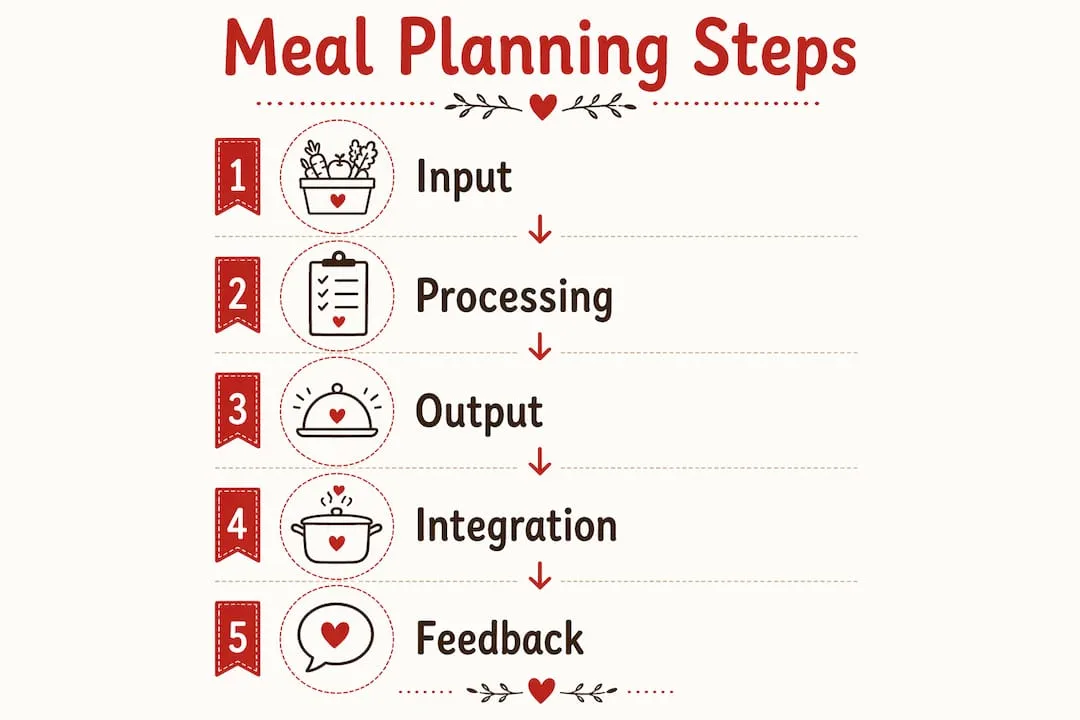
On day one, you will typically see a full week of meals with cook times, a recipe view that walks you through each step, and a grocery list you can edit before heading to the store. The best grocery list apps that sync with meal plans go further, letting you cross items off in real time and carry pantry staples forward so you never buy duplicates.
Integration with your existing routine matters too. A planner that connects to your calendar for scheduling, or flags recipes under 20 minutes for weeknight slots, fits into real life rather than demanding you reorganize around it.
How to set up your first personalized meal plan
Getting a working plan takes one focused session. Here is a realistic timeline:
- Create your account. Sign up and open the intake screen. You will enter your name, age, weight, and height.
- Enter goals and dietary preferences. Select your primary goal (weight loss, maintenance, muscle gain, or a health condition), choose your dietary style, flag any allergies, and set your weekly cooking schedule.
- Set your schedule and time constraints. Mark which nights you have limited time to cook. The planner uses this to assign quicker recipes to those slots.
- Generate your 7-day plan. Review the generated plan and swap any meals that do not appeal to you. Most planners let you regenerate individual days without rebuilding the whole week.
- Review and swap meals. This is where the plan becomes yours. Swap out anything that does not fit your taste or pantry, and note what you already have on hand.
- Export your grocery list. Send the list to your phone, grouped by department. Building a smart grocery list from your plan cuts shopping time and reduces the chance of buying ingredients you will not use.
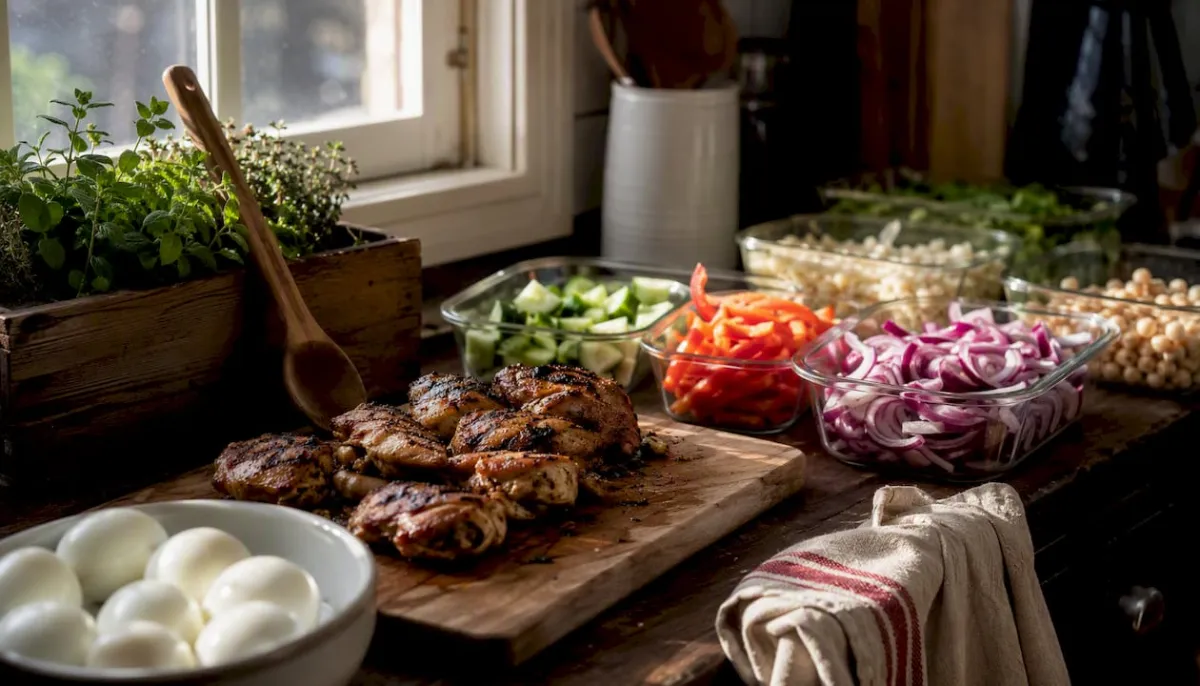
Pro Tip: Batch-cook two core proteins on Sunday, such as grilled chicken thighs and hard-boiled eggs, and you can swap them into multiple recipes throughout the week without extra prep. This single habit cuts your weeknight cooking time in half and makes swapping meals far less disruptive.
Your next action: generate the plan, add the grocery list to your phone, and shop once. The weekly meal planning routine gets faster every week as the planner learns your preferences.
How to choose the right personalized meal planner
Not every tool delivers on the “personalized” promise. Here is what to actually evaluate:
Personalization depth
Ask: does the plan change based on your feedback, or does it just filter a recipe database by dietary tag? A plan that regenerates weekly based on check-ins is genuinely adaptive. One that assigns you a static 1,500-calorie template is not.
Dietary and medical support
Can the tool handle your specific allergy or condition? Test it with an edge case before committing. A heart-healthy meal plan requires sodium limits and specific fat profiles; a plan that only filters by “low-fat” is not the same thing.
Automation features
Grocery list grouping by store department, pantry tracking, and editable lists are the features that save real time. A plan with no grocery export is a plan you will abandon by week three.
Data privacy
Your health goals, dietary restrictions, and medical conditions are sensitive. Check whether the service sells data to third parties and whether you can delete your account and data on request.
Platform and UX
A plan you can only access on desktop will not survive a grocery run. iOS and web access at minimum; Android is a plus.
Pricing model and trial availability
Subscription models are standard. A free trial or free tier lets you test personalization depth before paying. Watch for services with no preview, no trial, and no transparent methodology.
Red flags to watch for: No free trial or plan preview; vague claims about “AI personalization” with no explanation of inputs; grocery lists that export as a flat, unsorted text dump; and clinical-sounding claims with no study citations or expert backing.
Typical pricing for subscription-based meal planning apps runs on a monthly or annual basis. Annual plans usually offer meaningful savings over monthly billing. One-off plan purchases exist but rarely include the adaptive check-in features that drive long-term results.
What does the science say about personalized meal planning?
The research base is promising but still maturing. A feasibility study published on PMC examined an AI-powered personalized flexible meal planning system designed for individuals with diet-related health concerns. The study found the approach to be feasible and acceptable to participants, with users reporting that the flexibility and personalization features supported dietary adherence.
| Study type | Population | Main finding | Limitation |
|---|---|---|---|
| Feasibility / pilot RCT | Adults with diet-related health conditions | AI-assisted personalized meal planning was feasible and acceptable; participants reported improved dietary adherence | Small sample size, short follow-up period |
| Structured clinical program | General adult population | Structured, goal-specific plans (e.g., Mayo Clinic–style tools) improve dietary consistency compared to unstructured eating | Institutional setting; generalizability to home use is limited |
What this means for you: Feasibility studies confirm the approach works in practice, but they are not large-scale clinical trials. Expect meaningful improvements in adherence and dietary consistency when the plan fits your preferences, and realistic rather than dramatic short-term outcomes on weight or biomarkers.
The honest takeaway from the research: personalization improves follow-through. The mechanism is straightforward. When a plan fits your food preferences, schedule, and kitchen, you cook it. When it does not, you order pizza. The science supports what common sense already suggests.
Which solution type fits your situation?
Different solutions exist because different people have different needs, budgets, and tolerance for complexity.
| Solution type | Personalization depth | Medical/dietary support | Automation | Pricing | Evidence backing |
|---|---|---|---|---|---|
| AI meal planning app | High (adaptive, weekly check-ins) | Moderate (allergy, dietary style, some conditions) | Full (grocery lists, pantry, timers) | Subscription with free trial | Feasibility studies; growing evidence base |
| Registered dietitian | Very high (clinical, individualized) | Full (clinical conditions, lab values) | Low (manual) | High (per session or package) | Strong clinical evidence |
| DIY templates | Low (static, self-managed) | Low (user-defined only) | None | Free or low cost | Depends on template source |
| Meal kit service | Low (preset menus, limited filters) | Low | Partial (ingredients delivered) | High per meal | Limited; convenience-focused |
| Prepared meal delivery | Very low | Low | Full (delivery) | High per meal | Limited; useful for travel weeks or time crunches |
Match your situation to the right solution:
- Busy professional with standard dietary goals: An AI meal planning app with grocery automation covers 90% of your needs at a fraction of the cost of a dietitian.
- Clinical dietary needs (diabetes, kidney disease, eating disorder history): Start with a registered dietitian and use an app as a complement, not a replacement.
- Frequent traveler: A combination of a meal planning app for home weeks and prepared meal options for travel keeps your nutrition consistent without requiring a full kitchen.
- Tight budget: DIY templates from reputable sources plus a grocery list app give you structure without a subscription cost.
Recipes to build a personalized week from
A cross-section of what a personalized plan can pull from — different cuisines, goals and cook times, each with real per-serving nutrition.
1Salmon over Lentils
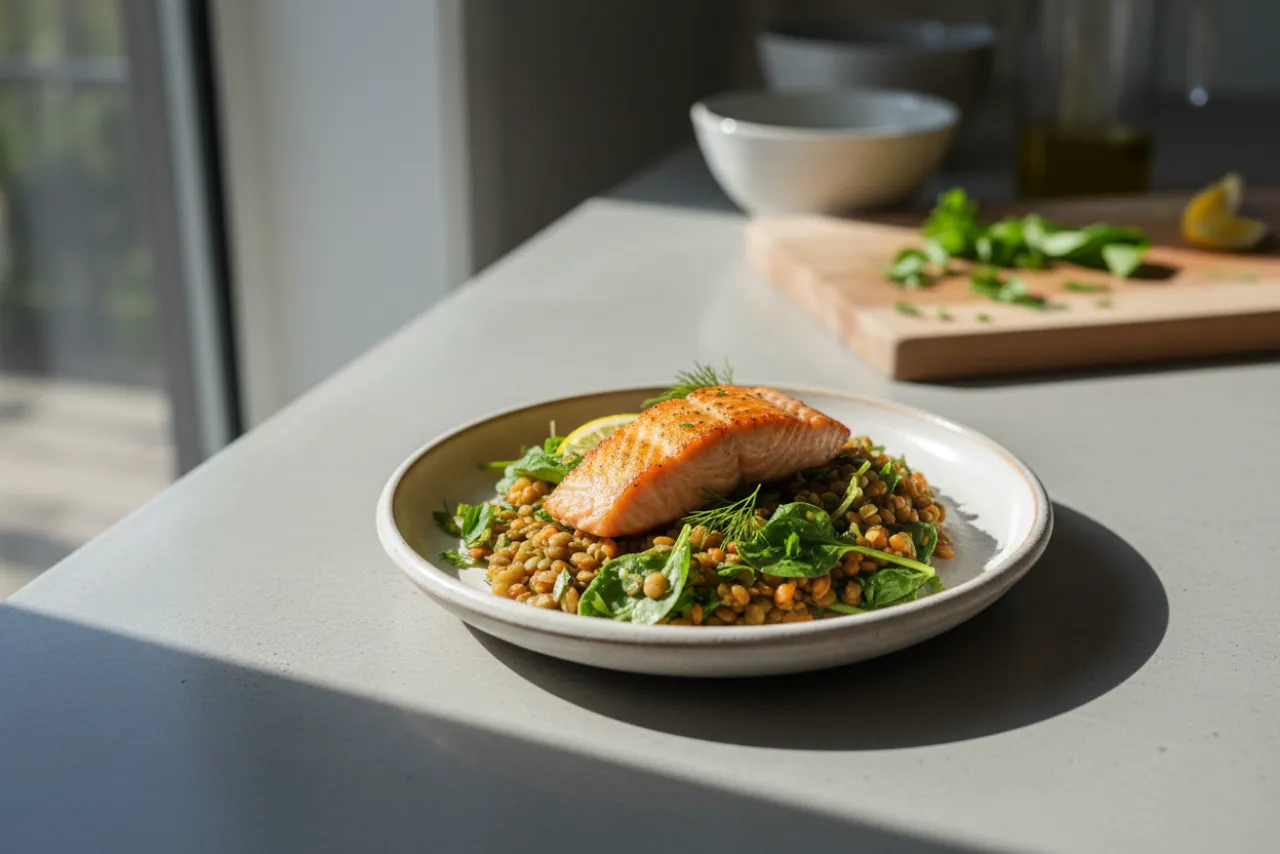
Mediterranean30 min9g fiber54g protein
A small fillet of salmon on a bed of lemony lentils and greens — protein, omega-3, and fiber in a moderate, satisfying portion.
View recipe →2Chicken Quinoa Power Bowl
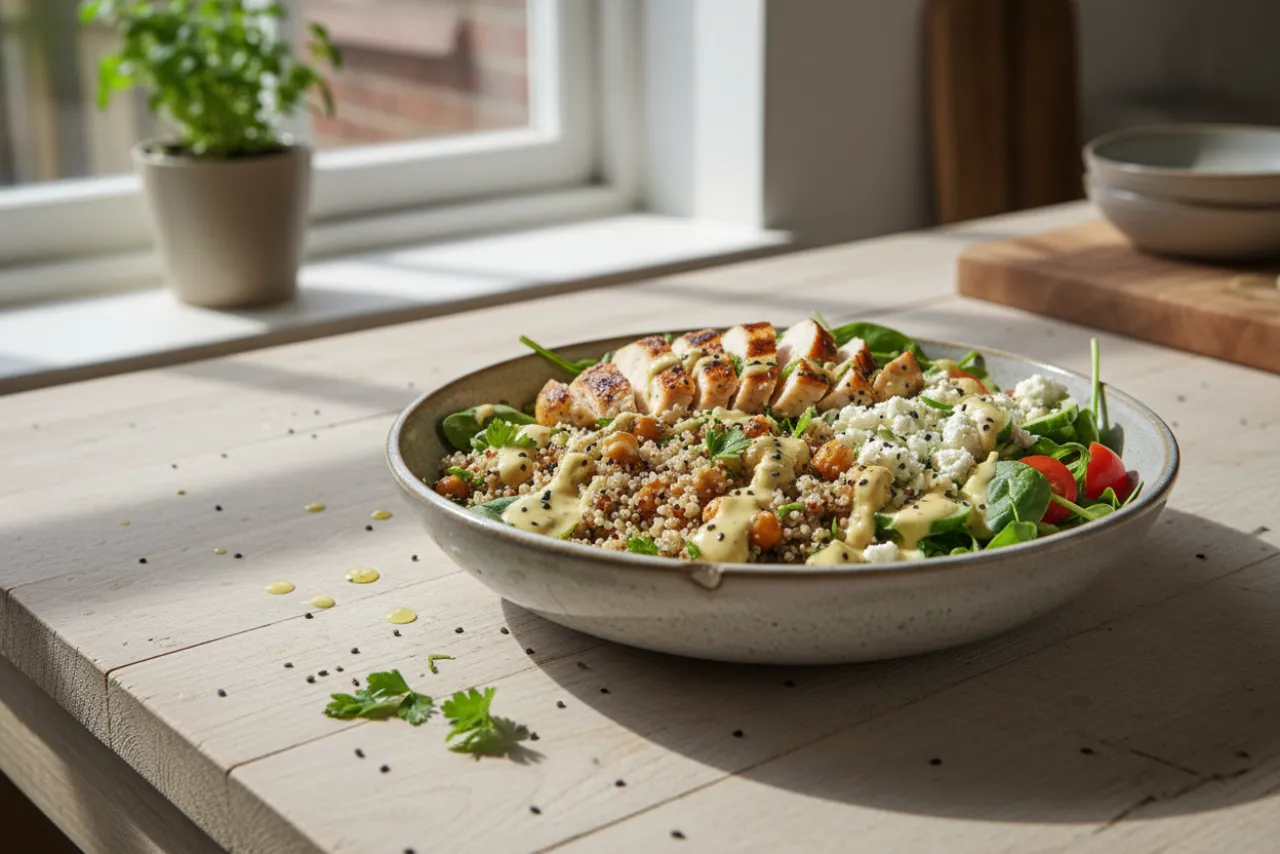
Mediterranean30 min15g fiber54g protein
Quinoa, grilled chicken, chickpeas, and greens with a lemon-tahini drizzle — a forty-gram-protein lunch bowl built for meal prep.
View recipe →3Tofu Sofritas Bowl

Mexican25 min13g fiber27g protein
Crumbled tofu braised in smoky chili sauce over greens and beans. Plant-protein, high-fiber, low-GI.
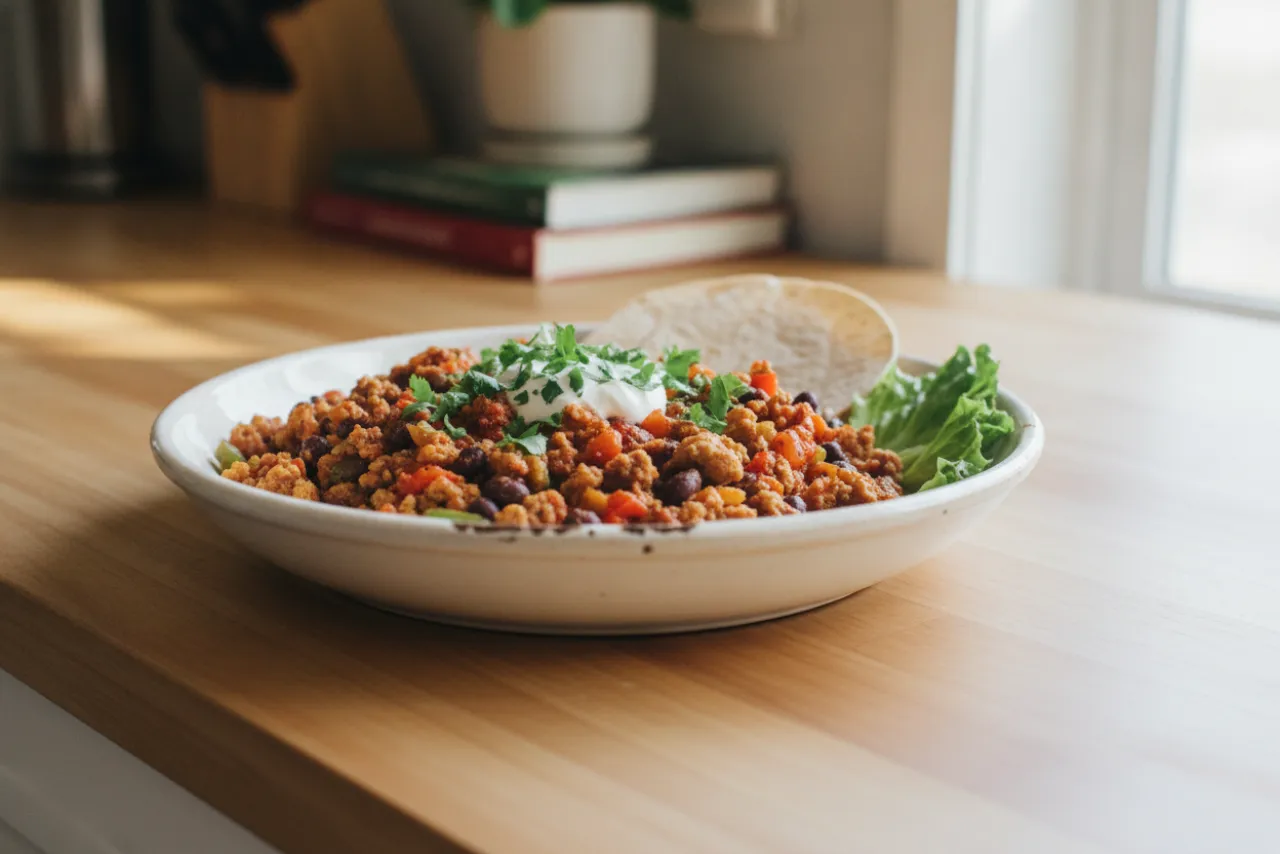
View recipe →4Turkey Taco Skillet
Mexican20 min10g fiber42g protein
Lean ground turkey browned with peppers and taco spices — a thirty-five-gram-protein one-pan dinner for bowls, wraps, or lettuce cups.
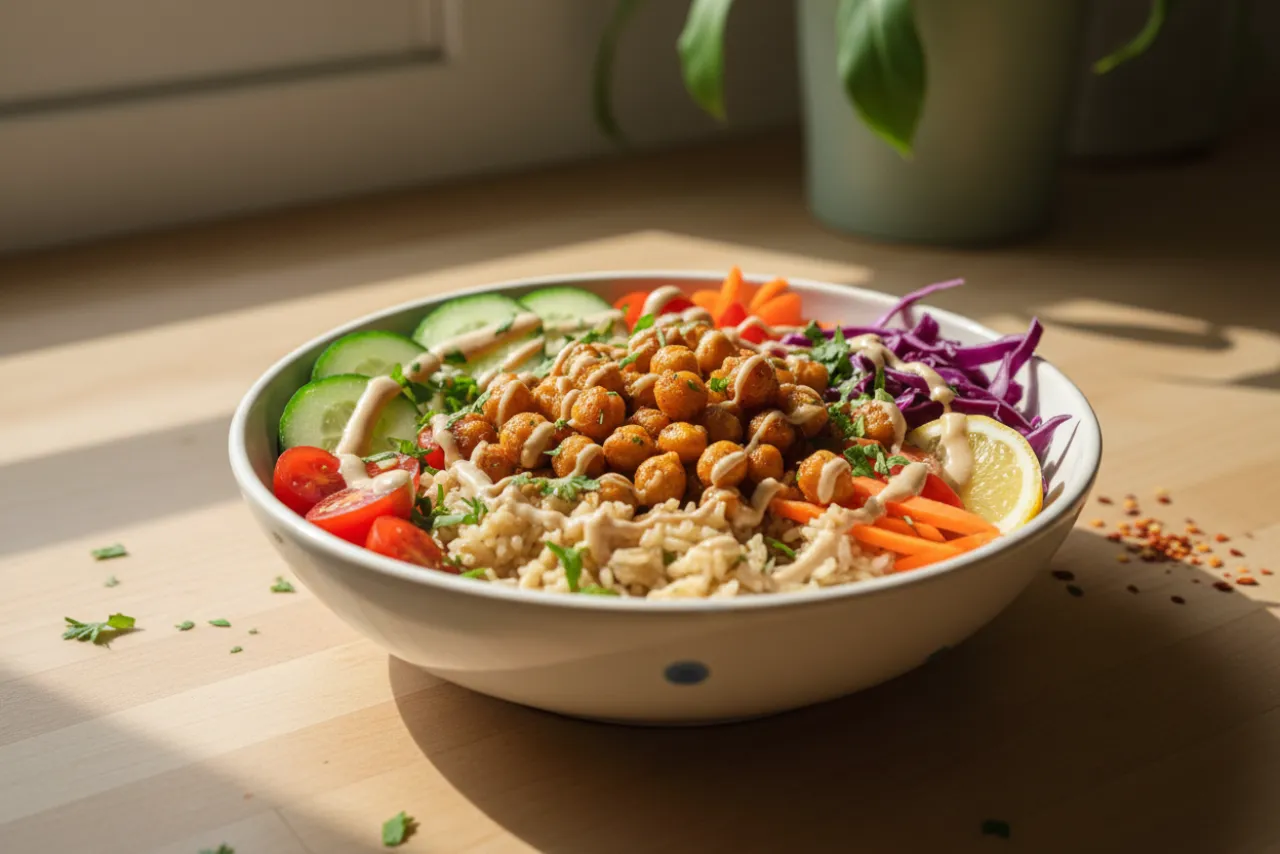
View recipe →5Crispy Chickpea Buddha Bowl
Mediterranean45 min18g fiber22g protein
Roasted chickpeas, brown rice, and raw vegetables with a tahini drizzle — a colorful, plant-based bowl packed with fiber.
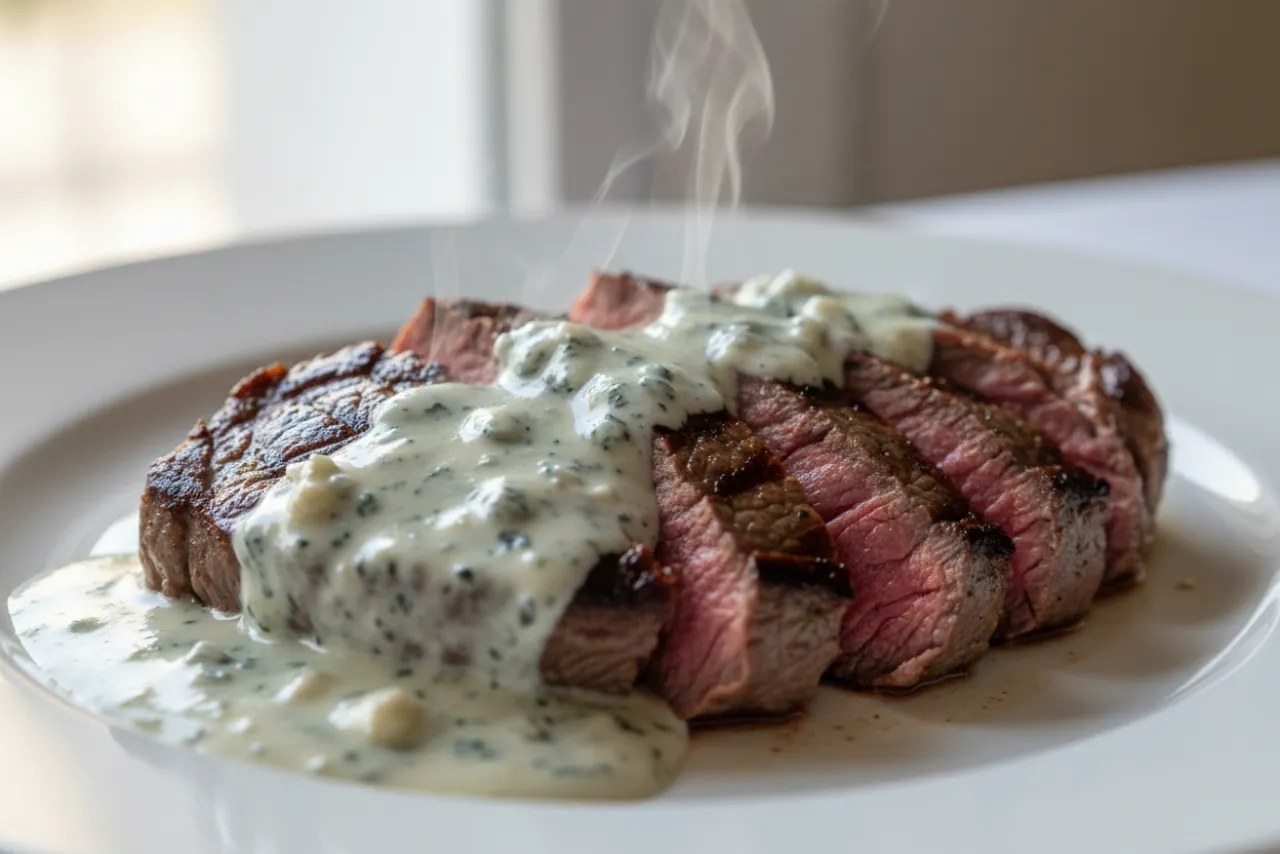
View recipe →6Steak with Cabrales Sauce
Spanish22 min0g fiber51g protein
Seared steak in a punchy blue cheese and cream sauce.
View recipe →Key Takeaways
Personalized meal planning works because it matches your plan to your actual goals, preferences, and schedule, and the best tools automate the grocery and tracking work that kills most habits.
| Point | Details |
|---|---|
| Personalization drives adherence | Plans built around your preferences, allergies, and schedule are the ones you actually follow. |
| Automation saves real time | Grocery lists grouped by department and pantry tracking cut shopping time and reduce food waste. |
| Science supports the approach | A PMC feasibility study found AI-assisted personalized planning to be feasible and acceptable, with improved dietary adherence reported. |
| Match solution to your situation | Apps suit most users; registered dietitians are the right call for clinical dietary conditions. |
| Homecooked as a starting point | Homecooked generates adaptive weekly plans, automates grocery lists, and includes pantry tracking, with a free trial to test before subscribing. |
The part most meal planning guides skip
Most articles about personalized meal planning focus on features: macros, allergy filters, grocery sync. Those matter. But the real reason most people abandon a meal plan by week two has nothing to do with features. It is the gap between what the plan suggests and what is actually in their kitchen on a Wednesday night.
The plans that stick are the ones designed around flexibility, not perfection. A plan that lets you swap Thursday’s salmon for canned tuna, or skip a recipe entirely and substitute something from your pantry, is a plan that survives real life. Rigid plans, however nutritionally precise, fail the moment your grocery store is out of an ingredient or you get home an hour later than expected.
The other thing guides understate: the grocery list is where the plan either lives or dies. A beautifully personalized 7-day plan attached to a flat, unsorted ingredient dump is a plan you will not execute. The tools that group items by department, carry forward pantry staples, and let you edit on the fly are not just convenient. They are the difference between a plan you use and one you screenshot and forget.
Homecooked makes it easy to start today
Homecooked is built for exactly the reader this article describes: someone who wants a plan that fits their real life, not a generic template dressed up as personalization.
Homecooked generates adaptive weekly meal plans based on your health goals and dietary preferences, updates them based on your weekly check-ins, and automates your grocery list with department-level grouping. Pantry tracking means you stop buying ingredients you already have. Step-by-step recipes with integrated timers mean you are not guessing at cook times on a weeknight. Homecooked has been featured among the best AI meal planners in editorial roundups, and the app is available on iOS and web.
The subscription model includes a free trial so you can test the personalization depth before committing. Your data is used to improve your plan, not sold to third parties. Sign up, complete the intake screen, and have a working 7-day plan with a grocery list in under 15 minutes.
Further reading and sources
- Personalized Flexible Meal Planning for Individuals With Diet-Related Health Concerns (PMC / JMIR Formative Research) — the feasibility study cited in the Evidence section
- Weekly Meal Planning Made Easy for Home Cooks · Homecooked — habit formation and weekly check-in workflows
- Turn Your Meal Plan Into a Smart, Zero-Waste Grocery List · Homecooked — grocery automation and waste reduction tactics
- Weight Loss Meal Planning: Your Expert Guide · Homecooked — goal-specific planning and realistic expectations
- Mediterranean Meal Planning: Your Practical Guide · Homecooked — dietary-style personalization example
- Vegetarian Meal Planning: Your 7-Day Balanced Guide · Homecooked — plant-forward diet planning and swaps
- Mayo Clinic Diet — Personalized Plan — institutional structured diet planning reference
- PubMed: JMIR Formative Research meal planning studies — broader research base for digital dietary interventions