
A simple, repeatable vegan meal plan built around two weekly prep sessions is genuinely enough to eat balanced, budget-friendly plant-based meals all week. You do not need a culinary degree or a packed schedule. Plant-Based Nutrition recommends flexibility and personalization as the foundation of any sustainable plan, which means your first week does not have to be perfect. It just has to be doable.
Here is what one balanced day looks like right away:
- Breakfast: Overnight oats with chia seeds, banana, and almond butter
- Lunch: Lentil soup with crusty whole-grain bread
- Dinner: Brown rice bowl with roasted chickpeas, broccoli, and tahini dressing
- Snacks: Apple with peanut butter / a small handful of mixed nuts
Start here: Copy this one-day snapshot, then follow the 7-day plan below. If you want to skip straight to prep, jump to the batch-cooking timeline in Section 6.
Table of Contents
- How do you build a vegan meal plan step by step?
- What should your vegan meal plan checklist include?
- Your 7-day sample vegan meal plan
- How do you shop smart and stay on budget?
- What does a practical batch-cooking timeline look like?
- Which nutrients do vegans need to pay attention to?
- Key Takeaways
- The habit matters more than the perfect plan
- Homecooked makes vegan meal planning effortless
- Useful sources
How do you build a vegan meal plan step by step?
A repeatable planning workflow takes about 20–30 minutes once you know the sequence. Work through these five steps every week and the whole process gets faster each time.
- Research — Set your goals and constraints first. Are you cooking for one or two? Do you have a gluten or soy sensitivity? Knowing this before you open a recipe tab saves you from backtracking.
- Review — Open your fridge and pantry before writing a single meal down. Note what needs to be used up. A half-bag of red lentils or a can of coconut milk should anchor at least one dinner this week.
- Plan — Slot meals into a weekly grid. Start small: nail breakfast and lunch before you commit to seven scratch-cooked dinners. Swap freely within food groups (black beans for chickpeas, quinoa for brown rice) to keep variety without buying a whole new pantry.
- Shop — Build your list directly from the recipes you chose, grouped by store section. A zero-waste grocery list built this way cuts impulse buys and forgotten items.
- Prep — Run one big batch session on Sunday and a short midweek refresh. Cook grains, legumes, and roasted vegetables in advance so assembly on busy nights takes ten minutes, not forty.
Mixing scratch-cooked bases with convenient staples (canned beans, pre-cooked grains, frozen vegetables) is what keeps meal prep manageable for beginners. You are not choosing between cooking everything from scratch or eating out of a bag. You are doing both, strategically.
Pro Tip: Plan only two or three dinners from scratch your first week. Fill the other nights with leftovers or one-pan meals built from your batch-cooked components. Complexity can grow as the habit forms.
What should your vegan meal plan checklist include?
Balanced plant-based weeks come down to covering the right food groups and keeping a short list of pantry staples stocked at all times.

Core food groups and example items
| Food Group | Examples |
|---|---|
| Protein | Lentils, chickpeas, black beans, tofu, tempeh, edamame, hemp seeds |
| Whole grains | Brown rice, quinoa, oats, whole-grain bread, farro |
| Vegetables | Broccoli, spinach, kale, sweet potato, bell pepper, zucchini |
| Fruits | Banana, berries, apple, mango, citrus |
| Healthy fats | Avocado, walnuts, almonds, tahini, olive oil, flaxseed |
| Fortified foods | Fortified plant milk, nutritional yeast, B12-fortified cereals |
Pantry staples every beginner needs
Stock these once and you can build almost any vegan week without a specialty store run: canned chickpeas, canned black beans, dry red lentils, canned diced tomatoes, rolled oats, brown rice, quinoa, almond or oat milk, peanut butter, tahini, nutritional yeast, olive oil, and a core spice set (cumin, smoked paprika, garlic powder, turmeric, chili flakes).
Keeping a short core ingredients list of around 18–20 items simplifies shopping and reduces waste because the same ingredients recombine across multiple meals.
Nutrition notes to keep in mind:
- Vitamin B12 is not reliably found in plant foods. Use fortified plant milk or nutritional yeast daily, or take a B12 supplement.
- Iron from plant sources absorbs better alongside vitamin C. Pair lentils with tomatoes or spinach with lemon juice.
- Protein distributes well across the day rather than needing to be “complete” in every single meal.
For gluten-free weeks, swap whole-grain bread and farro for certified gluten-free oats, rice, and quinoa. For soy-free weeks, replace tofu and tempeh with extra legumes, hemp seeds, or pumpkin seeds.
Your 7-day sample vegan meal plan
This ready-to-use week is built around the pantry staples above. Every dinner produces leftovers that become the next day’s lunch, so you are cooking less than it looks.
Monday
- Breakfast: Overnight oats with banana and chia seeds
- Lunch: Lentil soup (batch-cooked Sunday) with whole-grain bread
- Dinner: Chickpea and sweet potato curry over brown rice
- Snacks: Apple with almond butter / rice cakes with hummus
Tuesday
- Breakfast: Smoothie with frozen berries, spinach, oat milk, and flaxseed
- Lunch: Leftover chickpea curry over rice
- Dinner: Black bean tacos with shredded cabbage, salsa, and avocado
- Snacks: Handful of walnuts / sliced bell pepper with hummus
Wednesday
- Breakfast: Toasted whole-grain bread with peanut butter and banana
- Lunch: Grain bowl with quinoa, roasted broccoli, edamame, and tahini dressing
- Dinner: Red lentil dal with basmati rice and wilted spinach
- Snacks: Orange / trail mix with pumpkin seeds
Thursday
- Breakfast: Overnight oats with berries and hemp seeds
- Lunch: Leftover dal with rice
- Dinner: Stir-fried tofu with broccoli, bell pepper, brown rice, and tamari-ginger sauce
- Snacks: Apple / peanut butter on rice cakes
Friday
- Breakfast: Smoothie bowl with frozen mango, oat milk, granola, and coconut flakes
- Lunch: Black bean and rice burrito bowl with salsa and avocado
- Dinner: Pasta with white beans, cherry tomatoes, garlic, and olive oil
- Snacks: Handful of almonds / carrot sticks with hummus
Saturday
- Breakfast: Savory tofu scramble with spinach, turmeric, and whole-grain toast
- Lunch: Leftover pasta with white beans
- Dinner: Veggie-loaded bibimbap with brown rice, pickled vegetables, and gochujang
- Snacks: Fresh fruit / roasted chickpeas
Sunday
- Breakfast: Apple cinnamon oatmeal with walnuts and maple syrup
- Lunch: Big green salad with lentils, roasted sweet potato, and lemon-tahini dressing
- Dinner: One-pot vegetable and chickpea soup with crusty bread
- Snacks: Dates with almond butter / mixed nuts
Scaling portions: For two people, double the legume and grain quantities. For a high protein vegan meal plan, add a serving of edamame, hemp seeds, or tempeh to any meal that feels light on protein.
Pro Tip: Store components separately rather than assembling meals in advance. Wet elements like tahini dressing or salsa will make grains and greens soggy by day two. Keep spreads and wet toppings in small separate containers and assemble right before eating.

How do you shop smart and stay on budget?
A week of plant-based eating costs significantly less than a meat-heavy week when you lean on legumes, frozen produce, and bulk grains. Here is a sample grocery list built from the 7-day plan above, grouped by store section.
Produce: bananas, apples, oranges, berries (or frozen), spinach, kale, broccoli, sweet potatoes, bell peppers, cabbage, cherry tomatoes, avocados, carrots, zucchini
Pantry: rolled oats, brown rice, quinoa, basmati rice, pasta, canned chickpeas (×3), canned black beans (×2), dry red lentils, canned diced tomatoes (×2), vegetable broth, olive oil, tamari, gochujang, spices
Fridge: firm tofu, hummus, plant-based milk, tempeh (optional)
Frozen: mango chunks, edamame, mixed berries (backup)
Budget breakdown by meal category
Buying dry lentils and rice in bulk, choosing frozen over fresh berries and mango, and using canned beans instead of cooking from dry all push costs toward the lower end. A 7-day vegan plan built on these staples keeps weekly grocery spending lean without sacrificing nutrition.
Zero-waste strategies: Use leftover roasted vegetables in grain bowls the next day. Blend overripe bananas into smoothies. Any cooked grain that is not eaten by Thursday works as a base for a quick fried rice on Friday. Cross-using ingredients across meals is the single most effective way to cut both waste and cost.
What does a practical batch-cooking timeline look like?
Two sessions per week cover everything. Sunday is the big cook; midweek is a short refresh session.
Sunday batch-cooking schedule (90–120 minutes)
| Time | Task | Notes |
|---|---|---|
| 0–20 min | Cook grains (rice, quinoa) | Start first — longest passive cook time |
| 20–30 minutes | Cook legumes (lentils, chickpeas) | Simmer on second burner while grains finish |
| — | Roast vegetables | Oven; slightly undercook so they reheat firm |
| 90–120 minutes | Make sauces and dressings | Tahini dressing, curry base, ginger-tamari sauce |
| 90–120 min | Portion and store | Label containers with day and contents |

The batch-cooking order matters: grains first, legumes second, roasted vegetables last, then sauces. This sequence keeps everything at its best texture through the week.
Midweek refresh (20 minutes, Wednesday or Thursday)
Make a fresh salad, re-roast any vegetables that have softened, and whip up a new dressing to change the flavor profile. This short session is what prevents food fatigue from setting in by Thursday.
Storage tips: Keep grains, legumes, and roasted vegetables in separate airtight containers. Glass containers with snap lids work well because you can see what is inside at a glance. Soups and curries keep for up to four days refrigerated; cooked grains keep for five days.
Pro Tip: Pull roasted vegetables from the oven when they still have a little resistance. They will finish softening during reheating, so you get the right texture at the table rather than mush from the fridge.
Which nutrients do vegans need to pay attention to?
Plant-based eating covers most nutritional needs well, but a few nutrients deserve specific attention.
| Nutrient | Best Plant Sources | Practical Tip |
|---|---|---|
| Protein | Lentils, tofu, tempeh, edamame, hemp seeds, chickpeas | Spread across all three meals; aim for a legume or soy food at each |
| Vitamin B12 | Fortified plant milk, nutritional yeast, B12 supplements | A daily supplement is the most reliable option |
| Iron | Lentils, spinach, pumpkin seeds, tofu | Pair with vitamin C (lemon juice, tomatoes) to boost absorption |
| Calcium | Fortified plant milk, kale, broccoli, almonds, tahini | Two to three servings of fortified milk or calcium-rich veg daily |
| Omega-3 | Flaxseed, chia seeds, walnuts, hemp seeds | Add a tablespoon of ground flax or chia to oatmeal or smoothies |
Protein distribution across meals matters more than getting “complete” protein at every sitting. A breakfast with hemp seeds, a lunch with lentils, and a dinner with tofu or tempeh covers your daily needs without any complicated tracking.
B12 note: Fortified foods help, but the amounts vary by brand. A simple daily B12 supplement (cyanocobalamin, 250–1,000 mcg) is the most reliable way to cover this gap. Consult a registered dietitian if you have specific health conditions or are pregnant.
Calorie adjustments: The sample week is built for maintenance. To increase calories, add an extra serving of nut butter, avocado, or a handful of nuts to each meal. To reduce calories, trim portion sizes of grains and fats while keeping protein and vegetable quantities the same.
This article is general nutrition information, not medical or dietary advice. For personalized guidance, consult a registered dietitian.
High-protein vegan recipes to plan your week
Tofu, tempeh, beans and lentils doing the heavy lifting — each a satisfying, protein-forward vegan main with real numbers.
1Maple-Soy Tempeh Grain Bowl
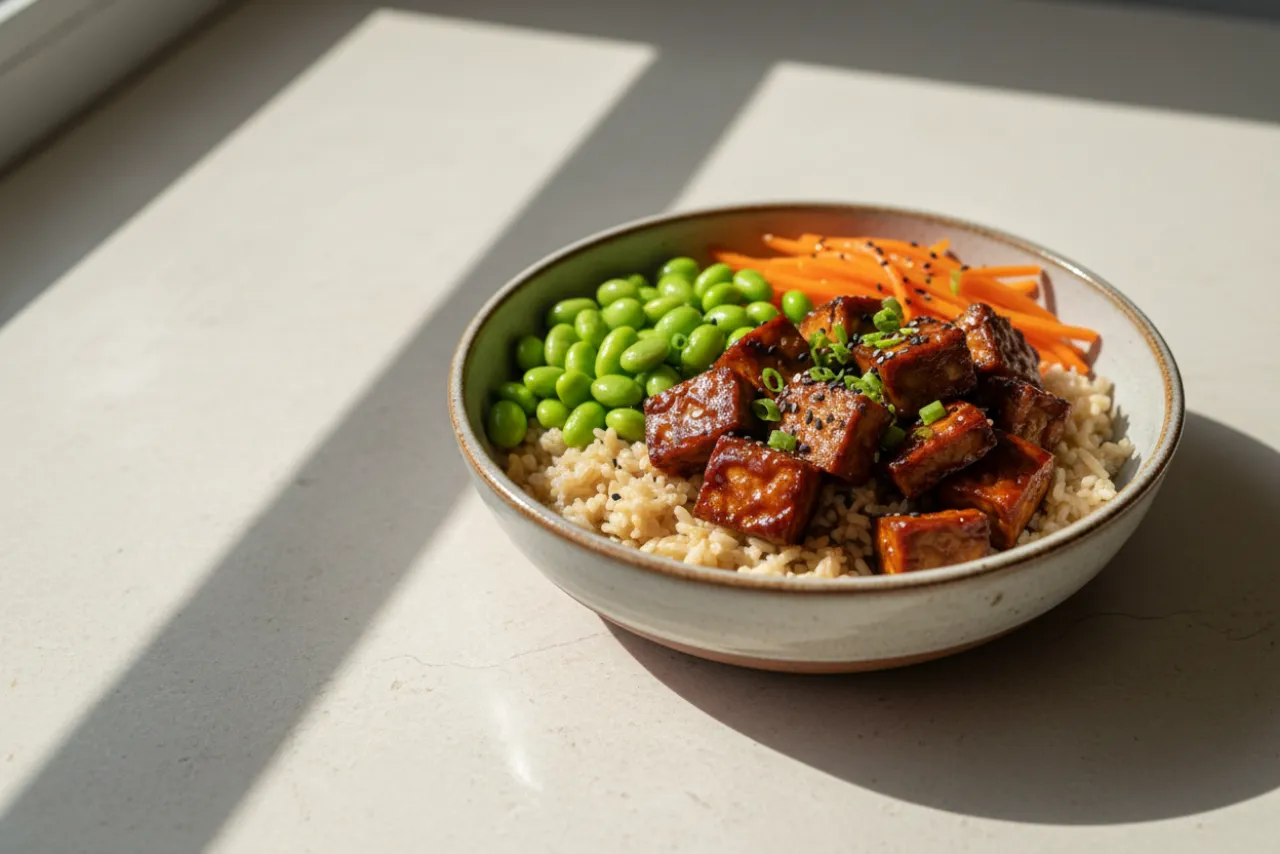
Japanese45 min8g fiber43g protein
Pan-glazed tempeh over brown rice with edamame and quick-pickled carrot — a plant-based bowl with thirty grams of protein and plenty of fiber.
View recipe →2Tofu Sofritas Bowl

Mexican25 min13g fiber27g protein
Crumbled tofu braised in smoky chili sauce over greens and beans. Plant-protein, high-fiber, low-GI.
View recipe →3Koshari (Egyptian Lentils, Rice & Pasta)

Middle Eastern60 min15g fiber27g protein
Egypt's national street food — lentils, rice, and pasta under spiced tomato and crisp onions. A carb-and-fiber monument.
View recipe →4Lentil Bolognese
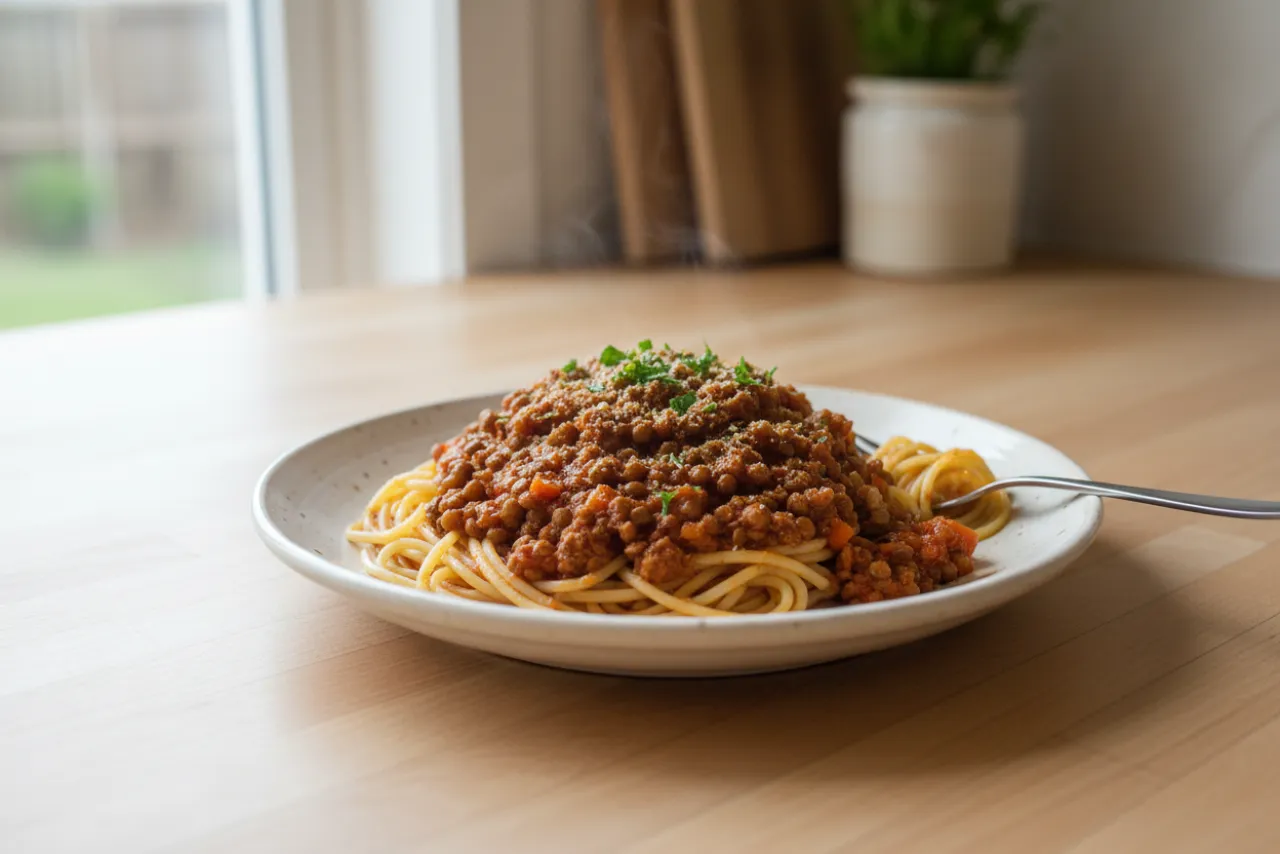
Italian45 min12g fiber27g protein
Brown lentils simmered low with tomato and soffritto into a rich, meaty ragu — a vegan sauce with a big hit of fiber over pasta.
View recipe →5Tofu Peanut Noodles
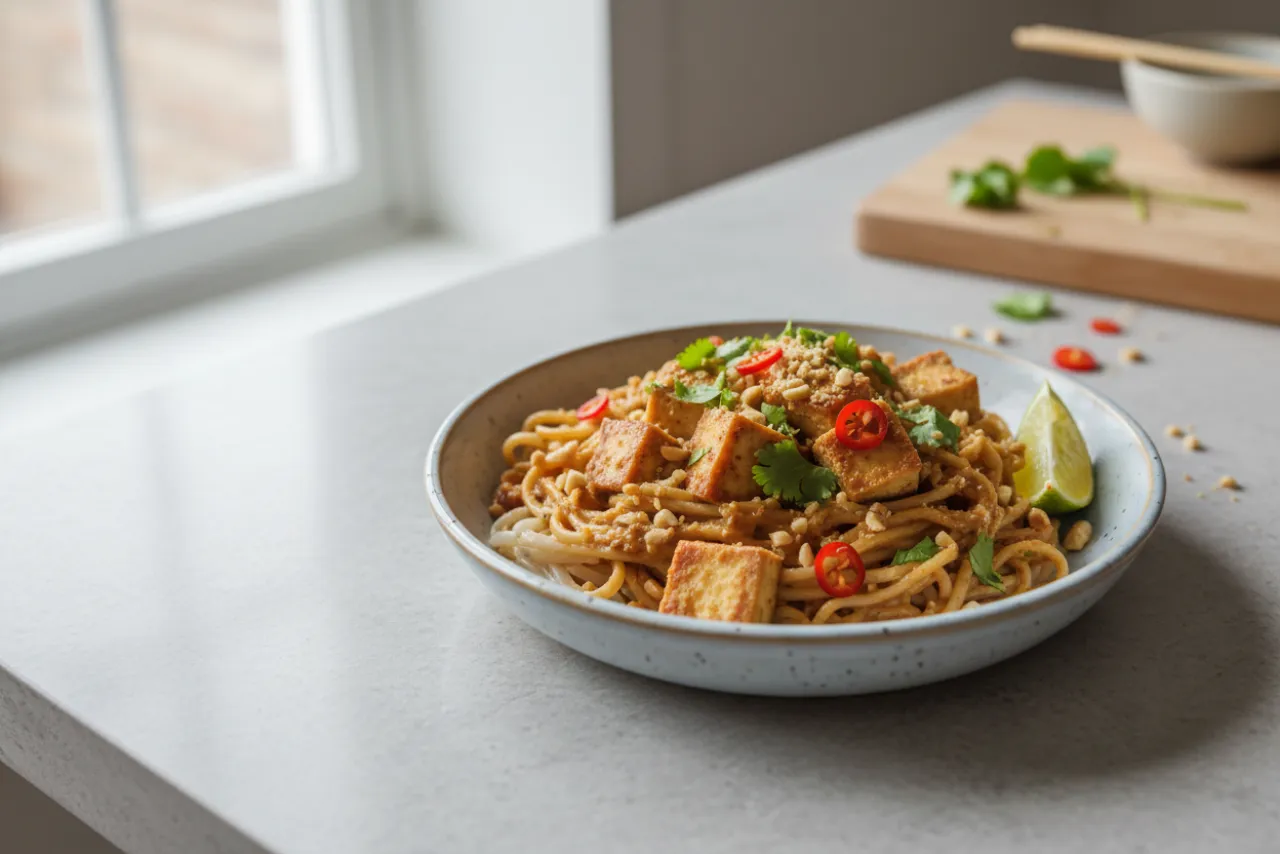
Thai25 min5g fiber30g protein
Crisped tofu and noodles in a savory peanut sauce — a plant-based dinner with thirty grams of protein and a serious flavor payoff.
View recipe →6Daizu Gohan (Soybean Rice)

Japanese55 min11g fiber32g protein
Brown rice steamed with soybeans, carrot, and burdock in a light dashi. A wholesome one-pot brimming with fiber.
View recipe →Key Takeaways
A repeatable 1-week vegan meal plan built on pantry staples, two prep sessions, and flexible swaps is the most practical path to sustainable plant-based eating.
| Point | Details |
|---|---|
| Start with a pantry-first approach | Stock 18–20 core staples (oats, lentils, canned beans, grains) and build every week from there. |
| Follow the batch-cooking order | Cook grains first, legumes second, roasted veg last to preserve texture through the week. |
| Budget with frozen and bulk | Frozen produce and bulk dry goods push meal costs to $0.50–$2.00 per serving. |
| Cover key nutrients deliberately | Distribute protein across all three meals and take a daily B12 supplement for reliable coverage. |
| Use Homecooked to automate the plan | Homecooked generates personalized vegan meal plans, auto-builds your grocery list, and tracks your pantry so planning takes minutes, not an hour. |
The habit matters more than the perfect plan
Here is the thing most meal-planning guides skip: the plan itself is not the hard part. The hard part is showing up for it on a Wednesday when you are tired and the fridge looks uninspiring.
What actually works long-term is building a small, repeatable rhythm rather than chasing a flawless week. Rotating two different sauce profiles each week, for example, keeps the same base ingredients tasting completely different. Tahini-lemon one week, ginger-tamari the next. Your brown rice bowl on Thursday feels like a different meal entirely, and you never hit that wall of “I cannot eat this again.”
Allowing one or two swap nights per week, or even a planned takeout meal, is not failure. Flexibility reduces burnout and keeps the habit intact far longer than rigid adherence ever does. The goal is consistency over months, not perfection over seven days.
Homecooked helps here in a specific way: it handles the repetitive parts (generating the plan, building the grocery list, tracking what is in your pantry) so your mental energy goes toward actually cooking and enjoying the food. That is where habit formation gets easier.
Homecooked makes vegan meal planning effortless
Planning a full week of plant-based meals is genuinely easier when the logistics run themselves. Homecooked builds a personalized vegan meal plan around your health goals, dietary preferences, and what is already in your pantry, then auto-generates the grocery list so you walk into the store knowing exactly what to buy.
Every recipe comes with step-by-step instructions and integrated timers, so you are not juggling three browser tabs while your lentils boil over. Need to swap tofu for tempeh or make a recipe gluten-free? The app handles ingredient substitutions in seconds. You can start with the sample week in this guide, save it as a template, and let Homecooked scale it for one person or four. Try the Homecooked free trial and see how quickly a personalized vegan plan comes together.
Useful sources
- Plant-Based Nutrition — Personalized meal plan guidance
- Simply Well Eats — 7-Day Vegan Meal Prep Plan
- Steamy Vegan — High-protein vegan meal prep
- Meal Mentor — Vegan meal plan and grocery list
- NatFit Pro — Vegan diet builder and protein guidance
- Vegan Scratch Kitchen — Workweek vegan meal prep
- Love and Lemons — Vegan meal prep ideas
- Homecooked — Meal prep ideas and batch-friendly recipes
- Homecooked — High-protein vegan meals
For personalized medical nutrition advice, consult a registered dietitian. The USDA MyPlate framework is a useful general reference for portion balance across food groups.