
A practical DASH meal plan centers each plate on vegetables, whole grains, lean protein, and low-fat dairy while keeping sodium at or below 2,300 mg per day. That’s the whole framework. You don’t need to overhaul your kitchen or buy specialty foods. Start today by swapping one meal using the template below, then build from there.
Your one-day DASH template (2,000-calorie example):
- Breakfast: Oatmeal with sliced banana and low-fat milk + a handful of walnuts
- Lunch: Large green salad with grilled chicken, olive oil dressing, and a whole-grain roll
- Dinner: Baked salmon, roasted broccoli, and brown rice
- Snack: Low-fat yogurt with fresh berries
Sodium target: ≤2,300 mg per day (a stricter 1,500 mg option exists for those with elevated blood pressure or kidney concerns)
High-impact swaps to start right now:
- Replace table salt with garlic powder, cumin, or fresh lemon juice
- Swap white rice for brown rice or farro
- Choose no-salt-added canned tomatoes and beans
- Use low-fat Greek yogurt instead of full-fat sour cream
- Rinse canned beans under running water before cooking
Table of Contents
- What the DASH diet actually does for your blood pressure
- Daily food-group targets and what counts as one serving
- Three sample DASH days you can use this week
- How to track your nutrients and hit your weekly targets
- Practical tips that make DASH meal planning stick
- How to adapt DASH to your calorie level and dietary needs
- What the research actually says (and the myths worth dropping)
- Easy DASH-friendly snacks to keep on hand
- How to measure portions without a food scale
- Managing the real challenges: cravings, dining out, and budget
- Tracking progress and adjusting your plan over time
- Key Takeaways
- The part most DASH guides skip
- How Homecooked makes DASH planning easier every week
- Useful sources
What the DASH diet actually does for your blood pressure
DASH stands for Dietary Approaches to Stop Hypertension. In practical terms, it’s an eating pattern that lowers blood pressure by prioritizing nutrients your cardiovascular system needs most: potassium, magnesium, calcium, and fiber. It’s not a short-term cleanse. It’s a sustainable way of eating built around foods you already recognize.
The five pillars of DASH eating:
- Vegetable-first plates: Half your plate at lunch and dinner goes to non-starchy vegetables
- Whole grains over refined: Brown rice, oats, whole-wheat bread, and quinoa replace white versions
- Lean protein: Poultry, fish, legumes, and eggs take priority over red and processed meats
- Low-fat dairy: Milk, yogurt, and cheese supply calcium and potassium without excess saturated fat
- Limited sweets and saturated fat: Butter, full-fat cheese, pastries, and sugary drinks are occasional, not daily
“What you choose to eat affects your chances of developing high blood pressure. Recent studies show that blood pressure can be lowered by following the DASH eating plan and by eating less sodium.” — NHLBI, Your Guide to Lowering Your Blood Pressure with DASH
The NHLBI sets two sodium benchmarks: 2,300 mg as the standard daily ceiling and 1,500 mg as a lower-sodium option for people with hypertension or those advised by their clinician to reduce further. If you have a medical condition affecting your kidneys, heart, or blood pressure medication, check with your doctor before targeting 1,500 mg.
Daily food-group targets and what counts as one serving
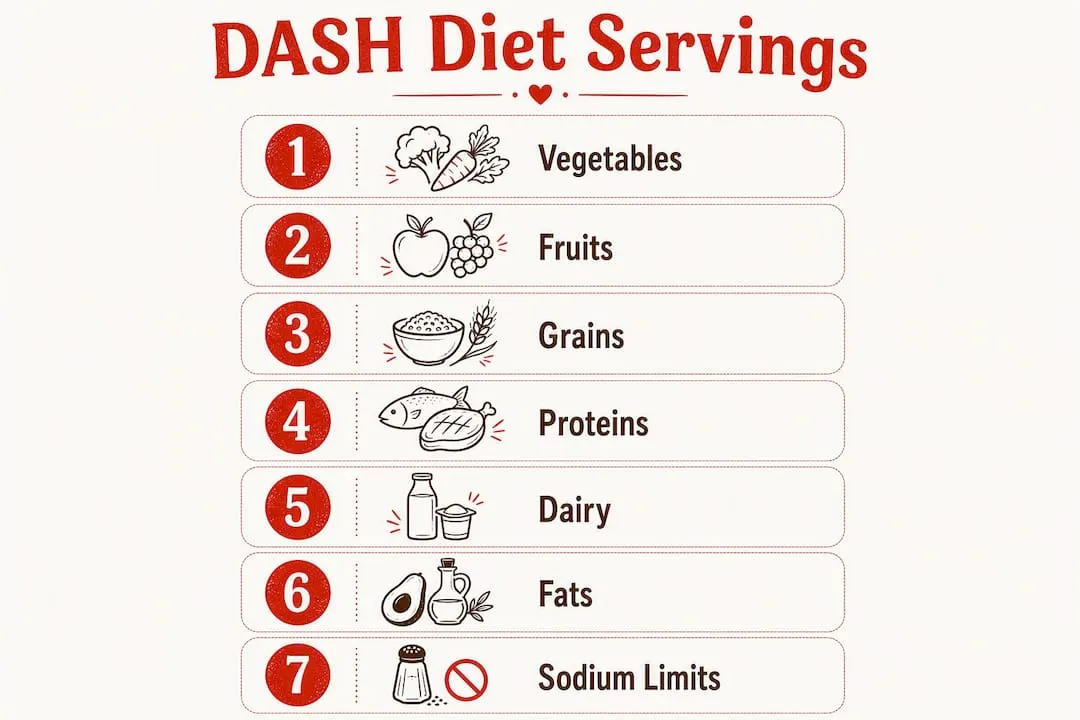
The serving targets below are based on a 2,000-calorie DASH day, as outlined by the NHLBI’s sample menus and confirmed by Mayo Clinic’s DASH guidance.
| Food Group | Daily Servings (2,000 cal) | One Serving Example |
|---|---|---|
| Grains | 6–8 | 1 slice whole-wheat bread; ½ cup cooked oatmeal |
| Vegetables | 4–5 | 1 cup raw leafy greens; ½ cup cooked veggies |
| Fruits | 4–5 | 1 medium apple; ½ cup fresh or frozen berries |
| Low-fat dairy | 2–3 | 1 cup low-fat milk; 1 cup low-fat yogurt |
| Lean protein | 6 or less (oz/day) | 1 oz cooked chicken; 1 egg |
| Fats and oils | 2–3 | 1 tsp olive oil; 1 tbsp low-fat mayo |
| Nuts, seeds, legumes | 4–5 (per week) | ⅓ cup nuts; ½ cup cooked beans |
| Sweets | 5 or fewer (per week) | 1 tbsp sugar; ½ cup sorbet |
What counts as a serving — quick reference:
- 1 slice of bread = 1 grain serving
- ½ cup cooked brown rice or pasta = 1 grain serving
- 1 cup raw spinach or mixed greens = 1 vegetable serving
- 1 medium banana = 1 fruit serving
- 1 cup low-fat yogurt = 1 dairy serving
- 3 oz cooked fish or poultry = 3 protein servings
Practical swaps to cut sodium and saturated fat:
- Use Greek yogurt instead of full-fat sour cream (saves roughly 100 mg sodium per tablespoon)
- Choose no-salt-added canned beans; rinsing canned legumes removes roughly 40% of their sodium
- Replace butter with olive or avocado oil in cooking
- Pick low-sodium broth for soups and grains
Moving from 2,300 mg toward 1,500 mg sodium per day is easier than it sounds. Cook grains in water instead of salted broth, skip the salt shaker at the table, and read labels on condiments. Soy sauce, bottled dressings, and canned soups are the biggest hidden sources.
Three sample DASH days you can use this week
These three days are structured around the NHLBI’s 2,000-calorie template and draw on nutrient tallies from EatingWell’s dietitian-created DASH plan, which targets roughly 1,800–2,000 calories, fiber at or above 45 g, and sodium well below 2,300 mg. For a heart-healthy weekly plan that extends these menus across seven days, that resource is worth bookmarking.
Day 1: Balanced and straightforward
| Meal | What to eat | Prep note |
|---|---|---|
| Breakfast | Oatmeal (1 cup cooked) + sliced strawberries + 1 cup low-fat milk | Cook oats in water; no added salt |
| Lunch | Grilled chicken breast (3 oz) over mixed greens + olive oil + lemon dressing + 1 whole-wheat roll | Prep chicken in bulk Sunday |
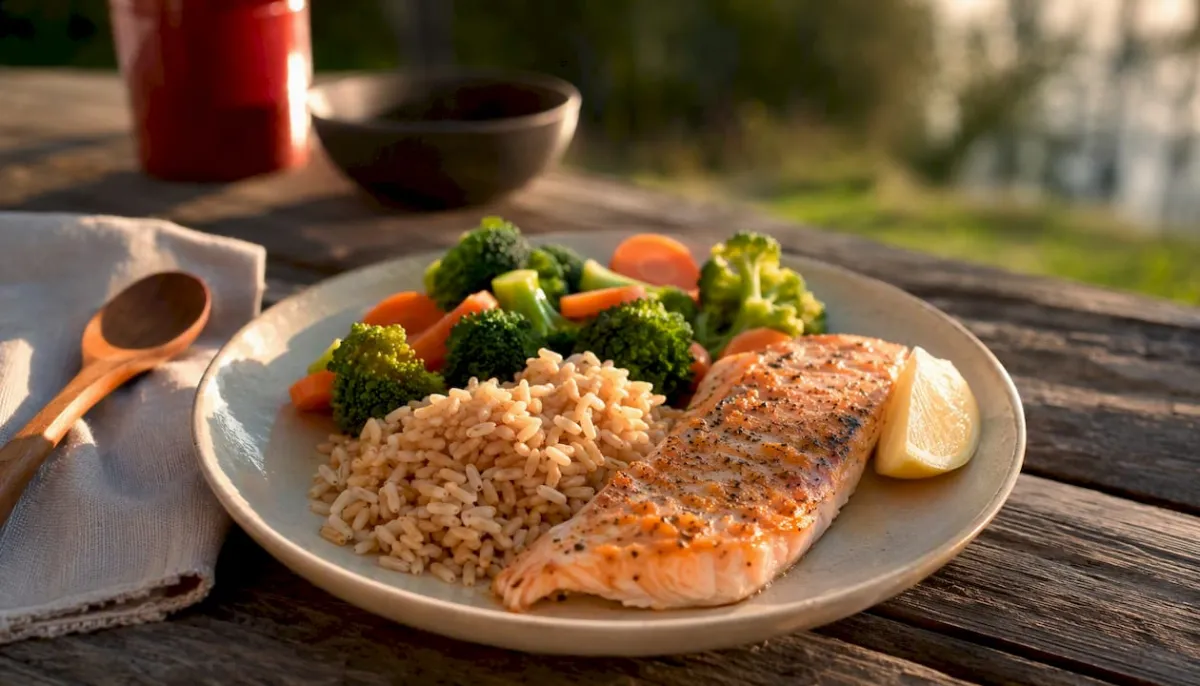
| Dinner | Baked salmon (4 oz) + roasted broccoli (1 cup) + ½ cup brown rice | Season with garlic and dill, not salt |
| Snack | 1 cup low-fat yogurt + ½ cup blueberries |
Day 1 estimates: ~1,950 calories | ~1,800 mg sodium | ~8 servings vegetables/fruit | ~40 g fiber
Swaps: Vegetarian? Replace salmon with a 3 oz serving of baked tofu. Dairy-free? Use fortified oat milk in place of low-fat milk.
Day 2: Higher-fiber, plant-forward
| Meal | What to eat | Prep note |
|---|---|---|
| Breakfast | Whole-wheat toast (2 slices) + almond butter (2 tbsp) + sliced banana | Choose no-salt-added almond butter |
| Lunch | Lentil soup (1.5 cups) + side salad (2 cups spinach + tomato + cucumber + olive oil) | Use no-salt-added broth |
| Dinner | Stir-fried tofu (4 oz) + bok choy + snap peas + brown rice (½ cup) | Low-sodium soy sauce, max 1 tsp |
| Snack | Apple + 1 oz unsalted walnuts |
Day 2 estimates: ~1,900 calories | ~1,600 mg sodium | ~48 g fiber | ~5 servings vegetables/fruit
Swaps: Add a 3 oz chicken breast to the stir-fry if you prefer animal protein. For diabetes-friendly adjustments, reduce the brown rice to ¼ cup and add more bok choy.
Day 3: Budget-friendly and batch-prep ready
| Meal | What to eat | Prep note |
|---|---|---|
| Breakfast | Scrambled eggs (2) + sautéed spinach (1 cup) + 1 slice whole-wheat toast | Cook eggs in olive oil, not butter |
| Lunch | Black bean and brown rice bowl + diced tomato + avocado (¼) + lime | Use rinsed, no-salt-added canned beans |
| Dinner | Chicken thigh (3 oz, skinless) + roasted sweet potato + steamed green beans | Batch-roast sweet potatoes for the week |
| Snack | Carrot sticks + 2 tbsp hummus (low-sodium) |
Day 3 estimates: ~1,850 calories | ~1,750 mg sodium | ~38 g fiber | ~4 servings vegetables/fruit
Swaps: Replace chicken with a second serving of black beans for a fully plant-based day.
How to track your nutrients and hit your weekly targets
Clear targets make DASH measurable rather than vague. Here’s what to aim for each day, drawn from NHLBI and EatingWell guidance:
- Weekly averaging: — NHLBI emphasizes that hitting average targets across several days matters more than perfection on any single day. One higher-sodium meal doesn’t undo a week of good choices.
For tracking in practice:
Use a food-logging app like MyFitnessPal, Cronometer, or the Homecooked app to tally sodium and fiber automatically. Log meals as you cook rather than at the end of the day. Check your weekly sodium average every Sunday and adjust the coming week’s plan by one or two swaps if you’re consistently over. For high-fiber meal ideas that make hitting 45 g easier, that resource has 25 ready-to-use options.
Stat callout: EatingWell’s dietitian-created DASH plan targets fiber at or above 45 g per day, paired with potassium-rich foods, to reduce hunger and support heart health.
Practical tips that make DASH meal planning stick
Reading labels
Check the Nutrition Facts panel for two numbers: sodium per serving and saturated fat per serving. Anything above 600 mg sodium per serving is a high-sodium food. Look at the ingredient list for “salt,” “sodium chloride,” “monosodium glutamate,” and “sodium bicarbonate” as hidden sources.
Batch-cooking your DASH pantry
Northwell Health dietitians recommend batch-prepping a few staples at the start of the week: a pot of whole grains, a tray of roasted vegetables, portioned cooked proteins, and a batch of cooked beans. These four components let you assemble any DASH meal in under ten minutes on a busy Tuesday. Keep your pantry stocked with no-salt-added canned tomatoes, dried lentils, rolled oats, brown rice, and frozen vegetables. None of these require a specialty grocery store or a large budget.
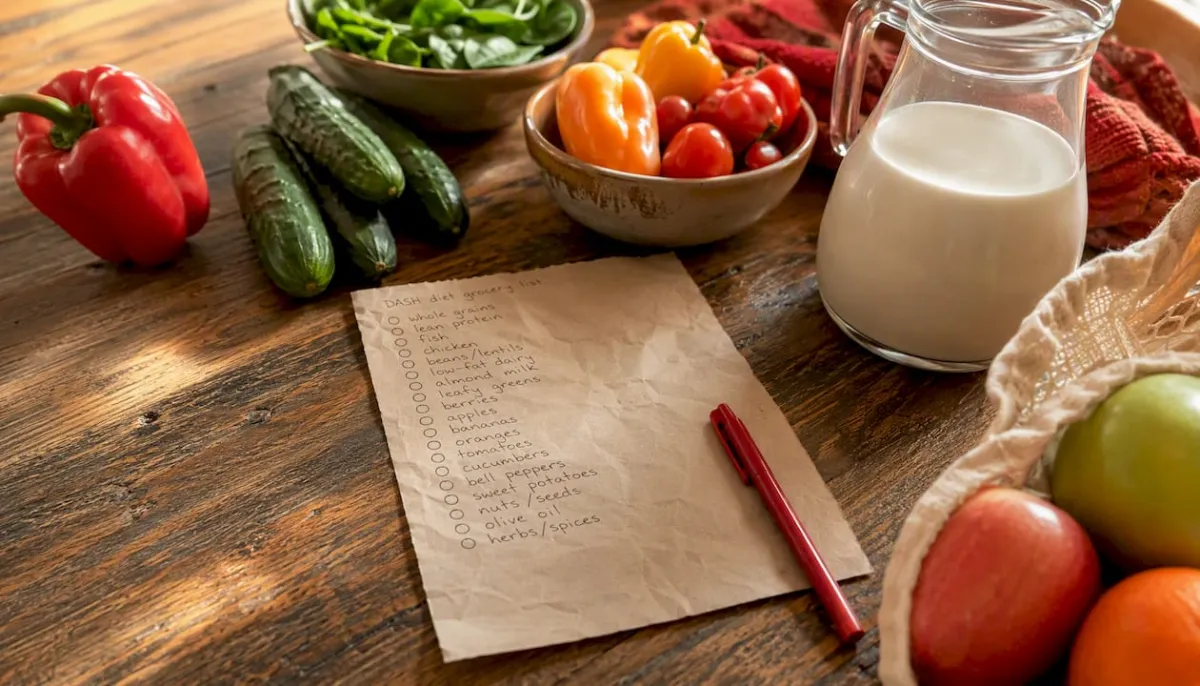
Pro Tip: Build your DASH grocery list around the perimeter of the store first: produce, dairy, and fresh proteins. The center aisles are where sodium hides in sauces, soups, and packaged grains.
Eating out without derailing your plan
Ask for sauces and dressings on the side. Order grilled, baked, or steamed proteins instead of fried. Request a double portion of vegetables in place of fries or white rice. Most restaurants will accommodate these requests without hesitation.
“Using flavor-building techniques like dressings, herbs, and healthy fats makes DASH sustainable and enjoyable — the most common misconception is that it’s bland.” — Northwell Health dietitians
Flavoring without salt
Cleveland Clinic’s guidance points to a reliable flavor formula: acid (lemon juice, vinegar) + aromatics (garlic, onion, ginger) + fresh herbs (cilantro, basil, parsley) + a drizzle of healthy fat (olive oil). This combination replaces the role salt plays in making food taste complete. Citrus zest is particularly effective because it adds brightness without any sodium at all.
How to adapt DASH to your calorie level and dietary needs
DASH scales cleanly across calorie levels. The serving counts shift, but the food groups stay the same.
Calorie scaling:
- ~2,000+ calories: — Follow the standard NHLBI targets in the table above. Add an extra grain serving or a small handful of nuts.
Dietary variations:
- Diabetes-friendly: Reduce refined carbohydrates within the grain allowance (choose oats, barley, and legumes over bread and white rice). A diabetes-specific meal plan can help you balance carbohydrate distribution across meals.
Medical safety note: If you’re adjusting sodium below 1,500 mg or calories below 1,500 for a medical condition, work with your clinician or a registered dietitian. DASH is evidence-based and broadly safe, but individual medical needs vary.
Pro Tip: When scaling down to 1,500 calories, cut from grains and fats first. Vegetables and fruits are the highest-volume, lowest-calorie food groups — keeping them at full target prevents hunger from derailing the plan.
What the research actually says (and the myths worth dropping)
DASH has one of the strongest evidence bases of any dietary pattern for blood pressure management. The NHLBI, Mayo Clinic, Cleveland Clinic, and Northwell Health all recommend it, and their practical guidance converges on the same core principles.
Myth: DASH is bland. This one persists because people imagine “heart-healthy” means unseasoned chicken and steamed vegetables. Northwell Health dietitians specifically call this out as the most common misconception. Herbs, spices, citrus, vinegar, and healthy fats produce genuinely flavorful food. The constraint is sodium, not flavor.
Myth: You need to be perfect every day. NHLBI guidance is explicit: consistency across several days matters more than hitting every target on every single day. A weekly average approach removes the pressure that causes most people to abandon structured eating plans.
Myth: DASH requires expensive specialty foods. The NHLBI’s own sample menus are built around frozen vegetables, canned beans, oats, brown rice, and low-fat dairy. These are among the most affordable items in any grocery store. For ideas on turning pantry staples into DASH-friendly dinners, this ingredient-based recipe guide is a practical starting point.
“DASH does not require special foods. It emphasizes foods available in any grocery store — fruits, vegetables, whole grains, lean proteins, and low-fat dairy.” — NHLBI DASH Eating Plan
For a neighboring heart-healthy approach that shares many of DASH’s flavor principles, Mediterranean meal planning offers useful comparison.
Easy DASH-friendly snacks to keep on hand
Snacks are where DASH plans often break down. Vending machines, packaged crackers, and flavored chips are all high-sodium. These options keep you on track without any complicated prep:
- Unsalted mixed nuts (1 oz): counts as 1 nut/seed serving; high in magnesium and healthy fats
- Low-fat yogurt + fruit (1 cup + ½ cup berries): covers 1 dairy and 1 fruit serving simultaneously
- Apple slices + almond butter (1 medium apple + 1 tbsp no-salt-added almond butter): fiber + healthy fat
- Carrot and celery sticks + low-sodium hummus (1 cup veggies + 2 tbsp hummus): 1 vegetable serving, ~150 mg sodium
- Whole-grain crackers + low-fat cottage cheese (5 crackers + ½ cup cottage cheese): choose low-sodium cottage cheese
- Frozen banana “nice cream” (1 blended frozen banana): 1 fruit serving, zero added sodium
- Edamame (½ cup shelled, lightly salted): plant protein + potassium, counts toward weekly legume target
- Hard-boiled egg + cucumber slices: portable, filling, and under 100 mg sodium
Keep a few of these prepped and visible in your fridge. Snacks you can grab in under 30 seconds are the ones you’ll actually eat.
How to measure portions without a food scale
Measuring servings precisely is one of the most underrated parts of DASH success. You don’t need a kitchen scale for every meal. Your hand is a surprisingly accurate tool:
- Your fist ≈ 1 cup (use for raw leafy greens, cooked grains, yogurt)
- Your palm ≈ 3 oz of cooked protein (chicken, fish, tofu)
- Your thumb ≈ 1 tablespoon (oils, nut butters, dressings)
- Your cupped hand ≈ 1 oz of nuts or seeds
For grains and legumes, use measuring cups until you’ve internalized what ½ cup of cooked rice actually looks like on your plate. Most people overestimate grain servings by 50–100% when eyeballing. A few weeks of measuring builds the visual reference you’ll rely on long-term.
Practical measuring habits:
- Use a standard 9-inch dinner plate and fill half with vegetables before adding grains or protein
- Pre-portion snacks into small containers or bags at the start of the week
- Measure cooking oils with a teaspoon rather than pouring directly from the bottle
- When eating out, mentally divide the plate: if the protein portion looks larger than your palm, set half aside
Managing the real challenges: cravings, dining out, and budget
Cravings
Salt cravings are real, and they’re partly physiological. When you reduce sodium, your palate adjusts over two to four weeks. During that window, lean on umami-rich foods (mushrooms, tomatoes, miso in small amounts) and acid-forward flavors (lemon, lime, vinegar) to satisfy the craving for intensity without adding sodium. If you’re craving sweets, a piece of fruit or a small serving of low-fat yogurt with honey usually resolves it within DASH’s weekly sweet allowance.
Dining out
The biggest sodium traps at restaurants are soups, sauces, and anything described as “seasoned,” “marinated,” or “glazed.” A single restaurant entrée can contain 2,000 mg or more of sodium. Your best moves: order grilled proteins with sauce on the side, ask for steamed or roasted vegetables with no added salt, and skip the bread basket. At fast-casual spots, build-your-own bowls (think Chipotle-style) let you control every component.
Budget
DASH is genuinely affordable when you build around dried or canned legumes, frozen vegetables, oats, and eggs. A week of DASH eating built on these staples costs less than most convenience-food alternatives. Buy fresh produce that’s in season and freeze what you won’t use in three days. Batch-cooking a large pot of lentil soup or a grain bowl base on Sunday stretches across four to five lunches for under $10 total.
Tracking progress and adjusting your plan over time
Progress on DASH isn’t just about the number on the scale. Blood pressure is the primary metric, and it responds to dietary changes within two to four weeks for most people. Track it at the same time each morning, before eating or drinking, and log it weekly.
What to track:
- Weekly average sodium intake (from your food log)
- Weekly average fiber intake
- Blood pressure readings (morning, same conditions)
- How you feel: energy levels, sleep quality, and hunger between meals
When to adjust:
If your weekly sodium average is consistently above 2,300 mg, identify the one or two meals driving it and swap them first. If hunger is a problem, increase vegetables and fiber before increasing calories. If you’re hitting targets but blood pressure hasn’t shifted after four to six weeks, that’s a conversation for your clinician.
Meal plan rotation:
Rotate your sample days every two to three weeks to prevent flavor fatigue. Swap one protein source, one grain, and one vegetable per rotation. This keeps the nutritional structure intact while keeping meals interesting. Lunch meal prep ideas are a good source of rotation options that fit DASH’s food-group targets.
This article provides general nutrition information, not medical advice. Confirm sodium and calorie targets with your doctor or a registered dietitian, especially if you’re managing a diagnosed condition.
DASH-friendly recipes to plan around
Lower-sodium, potassium-rich, produce-forward plates that fit the DASH pattern — each with per-serving sodium and nutrition.
1Tofu Sofritas Bowl

Mexican25 min13g fiber27g protein
Crumbled tofu braised in smoky chili sauce over greens and beans. Plant-protein, high-fiber, low-GI.
View recipe →2Carne Asada Protein Bowl

Mexican30 min10g fiber33g protein
Charred steak over cauliflower rice, black beans, and avocado. All the burrito-bowl flavor, low-GI.
View recipe →3Menestra de Verduras (Navarran Vegetable Medley)

Spanish45 min18g fiber17g protein
A braise of artichoke, peas, favas, and carrot bound in a light garlic sauce. Spring vegetables, deep fiber.
View recipe →4Mediterranean Grain Bowl
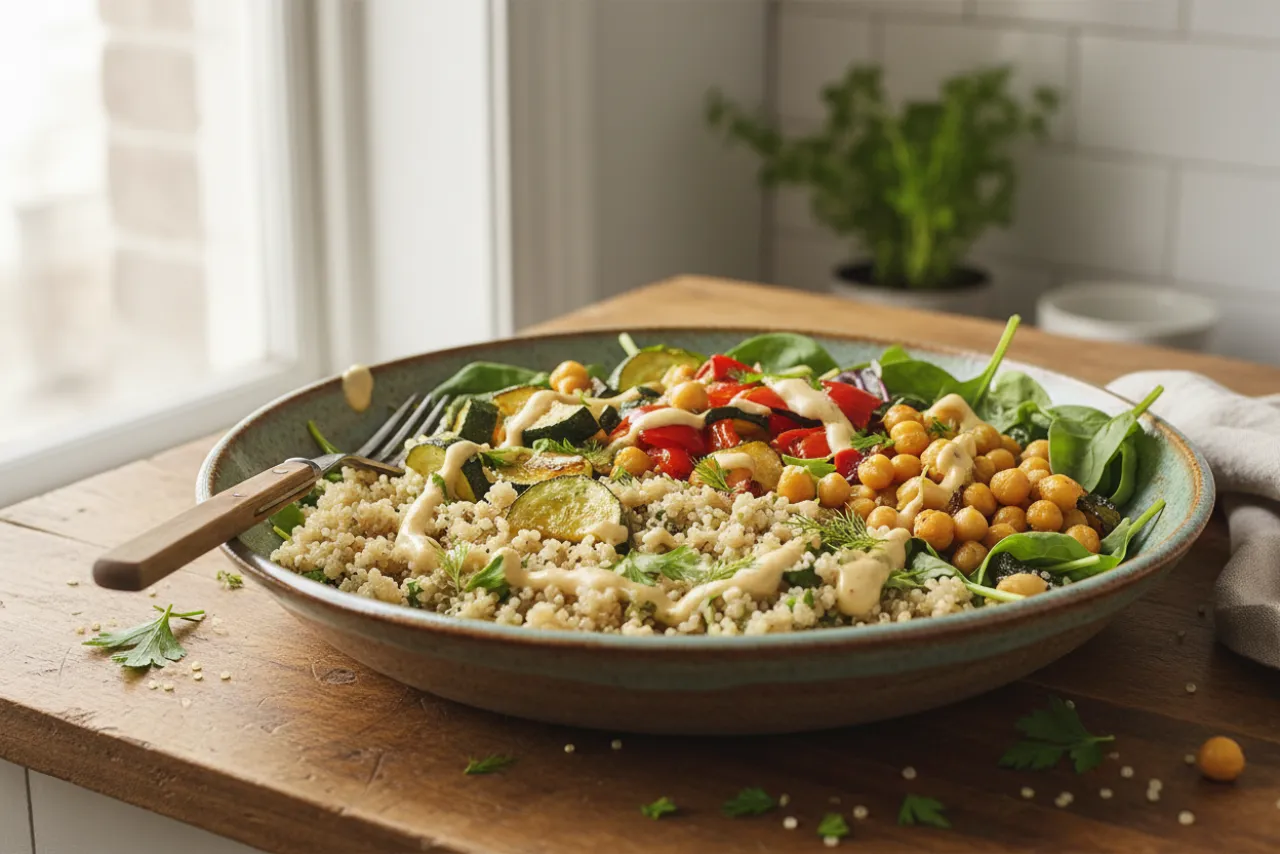
Mediterranean35 min13g fiber18g protein
Quinoa with roasted vegetables, chickpeas, and lemon-tahini.
View recipe →5Daizu Gohan (Soybean Rice)

Japanese55 min11g fiber32g protein
Brown rice steamed with soybeans, carrot, and burdock in a light dashi. A wholesome one-pot brimming with fiber.
View recipe →6Baked Cod with Greens
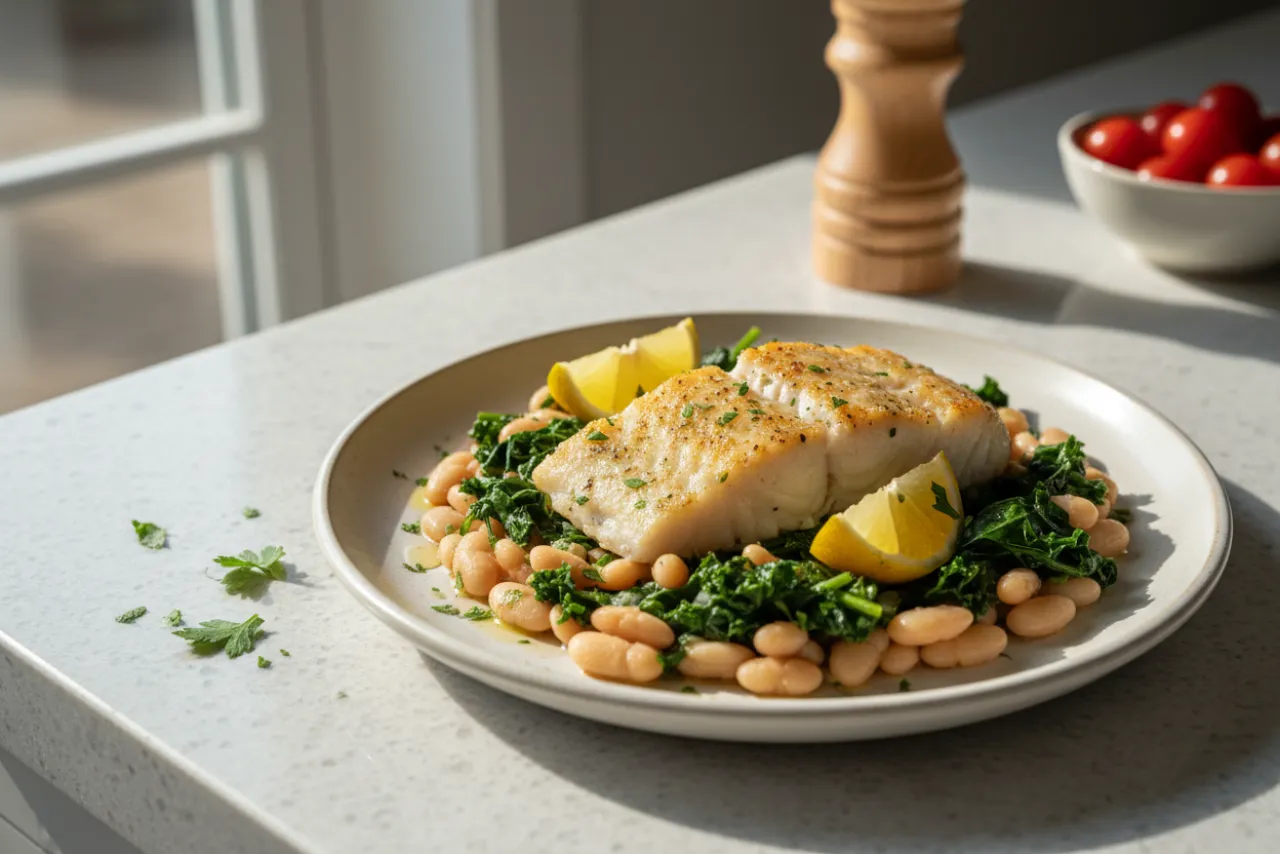
Mediterranean25 min10g fiber39g protein
A small cod fillet baked with white beans and wilted greens — lean protein and fiber in a light, low-grease dinner.
View recipe →Key Takeaways
A practical DASH meal plan built around vegetables, whole grains, lean protein, and low-fat dairy, with sodium at or below 2,300 mg per day, is the most evidence-backed dietary approach for lowering blood pressure.
| Point | Details |
|---|---|
| Sodium target | Stay at or below 2,300 mg daily; work toward 1,500 mg if your clinician recommends it. |
| Serving structure | Build each day around 4–5 vegetable servings, 4–5 fruit servings, 6–8 grain servings, and 2–3 dairy servings, as outlined in NHLBI’s guidance. |
| Weekly averaging | NHLBI confirms that hitting average targets across several days matters more than perfection on any single day. |
| Batch prep and pantry | Stock no-salt-added canned beans, frozen vegetables, oats, and brown rice; batch-cook grains and proteins weekly. |
| Homecooked app | Homecooked turns your DASH sample days into personalized meal plans, automated grocery lists, and step-by-step guided recipes. |
The part most DASH guides skip
The research on DASH is solid. The serving tables are clear. The sample menus are easy to follow. What most guides don’t address is the gap between knowing the plan and actually executing it on a Wednesday evening when you’re tired and the pantry looks uninspiring.
The people who stick with DASH long-term aren’t the ones who are most motivated. They’re the ones who’ve made the plan frictionless. That means batch-cooked grains in the fridge, portioned snacks already visible, and a grocery list that matches the week’s menus exactly. The flavor piece matters too. DASH doesn’t have to taste like a medical intervention. A squeeze of lemon, a handful of fresh herbs, and a drizzle of good olive oil turn a plain grain bowl into something you’d actually choose. The constraint is sodium, not pleasure.
One thing worth saying plainly: the 1,500 mg sodium target is genuinely difficult to hit without tracking, at least at first. Most Americans consume over 3,400 mg per day. Cutting to 2,300 mg is already a meaningful reduction. Start there, build the habit, and move lower only when you have a system in place and a clinician’s guidance.
How Homecooked makes DASH planning easier every week
Knowing what to eat is one thing. Having it organized, shopped, and ready is another. Homecooked takes your DASH meal plan and turns it into a personalized weekly schedule, an automated grocery list, and step-by-step guided recipes with built-in timers. You tell the app your health goals, calorie target, and dietary preferences, and it builds a week of DASH-aligned meals around what you actually like to eat.
The app’s pantry tracking means you’re never buying ingredients you already have, and the shopping list updates automatically when you swap a meal. For a concrete example of how a DASH-friendly recipe looks inside the app, the cottage cheese protein bowl shows the format: full nutrition info, serving counts, and a one-tap add-to-list feature. Homecooked is a meal-planning tool, not a clinical program. For medical guidance on blood pressure management, work with your doctor alongside using the app.
Start your free trial at homecooked.fun and build your first DASH week in under five minutes.
Useful sources
- NHLBI DASH Eating Plan — The primary federal resource on DASH, including official serving targets, sodium goals, and practical tips for getting started.
- NHLBI “A Week With the DASH Eating Plan” (PDF) — Printable seven-day sample menus with per-day serving counts and substitutions to reach 1,500 mg sodium.
- NHLBI “Your Guide to Lowering Your Blood Pressure with DASH” (PDF) — The full evidence-based booklet explaining how DASH lowers blood pressure and how to follow the plan.
- Mayo Clinic DASH Sample Menus — Three-day sample menus with serving counts and a sodium goal of under 2,300 mg per day.
- Northwell Health DASH Meal Plan — A heart health expert’s practical 7-day DASH plan with batch-prep tips and flavor-building strategies.