
Low carb meal planning means building your daily meals around under 130g of carbohydrates per day, with very low-carb approaches dropping to 50g or less. The payoff is real: low-carb diets support weight loss and can reduce HbA1c, triglycerides, and cholesterol. The goal isn’t to eliminate every carb you enjoy. It’s to swap ultra-processed, blood-sugar-spiking foods for nutrient-dense whole foods that keep you full and energized.
Getting started is simpler than it looks. Here’s what to do first:
- Clear your pantry of sugary drinks, white bread, and pastries
- Stock up on eggs, leafy greens, fatty fish, chicken thighs, nuts, and seeds
- Plan your meals for the week before you shop, not after
- Aim for five portions of vegetables and fruit daily alongside adequate protein and fat
- Start by reducing carbs gradually rather than cutting everything at once
- Focus on fiber-rich carbs like non-starchy vegetables when you do eat carbs
Table of Contents
- How to build your low carb meal plan with real recipes
- Your sample 7-day low-carb weekly meal plan
- Tips that actually make low carb meal prep stick
- What you actually need to know about carb counting
- Homecooked takes the guesswork out of your weekly plan
- Key takeaways
How to build your low carb meal plan with real recipes
The most practical way to approach a weekly low-carb menu is to think in building blocks: a protein anchor, a fat source, and a pile of non-starchy vegetables at every meal. Protein-rich meals keep you fuller longer and support muscle while you lose weight. Below are meal ideas organized by type, each with rough prep times and serving guidance.
Breakfast ideas
- Scrambled eggs with smoked salmon (10 min prep, 1 serving): Two eggs scrambled in butter with 2 oz smoked salmon and a handful of spinach. About 2g net carbs.
- Greek yogurt with walnuts and berries (5 min prep, 1 serving): ¾ cup full-fat Greek yogurt, 1 oz walnuts, ¼ cup raspberries. About 10g net carbs. Swap berries for cucumber slices to cut carbs further.
- Avocado and egg bake (20 min, 2 servings): Halve an avocado, crack an egg into each half, bake at 400°F for 12–15 minutes. Season with chili flakes and sea salt. About 3g net carbs per serving.
Lunch ideas
For easy low-carb lunches that hold up well through the week, batch-cooked proteins are your best friend. Shredded rotisserie chicken tossed with olive oil, lemon, and arugula takes under five minutes to assemble. A tuna-stuffed bell pepper (one can of tuna, mayo, celery, diced into a halved pepper) runs about 6g net carbs and preps in under ten minutes. Zucchini noodles with pesto and grilled shrimp is another strong option, roughly 8g net carbs per bowl, and it reheats well.
Dinner ideas
- Sheet pan salmon with asparagus (25 min, 2 servings): Season salmon fillets and asparagus with olive oil, garlic, and lemon. Roast at 425°F for 15 minutes. About 5g net carbs per serving.
- Ground beef lettuce wraps (20 min, 4 servings): Brown 1 lb ground beef with garlic, ginger, soy sauce, and sesame oil. Serve in butter lettuce cups with shredded carrots. About 7g net carbs per serving.
- Cauliflower fried rice (25 min, 3 servings): Pulse cauliflower in a food processor, stir-fry with eggs, scallions, and soy sauce. Add leftover chicken or shrimp. About 9g net carbs per serving.
Snack ideas
Smart snacking is where most low-carb plans succeed or fall apart. Replacing high-glycemic processed snacks with protein-forward options keeps blood sugar steady between meals. Hard-boiled eggs, celery with almond butter, a small handful of macadamia nuts, or sliced cucumber with cream cheese all clock in under 5g net carbs and take zero cooking.


Your sample 7-day low-carb weekly meal plan
A balanced low-carb plan includes multiple portions of vegetables and fruit daily alongside adequate protein and fat. The schedule below maintains daily net carbs within common low-carb diet ranges, with notes for those targeting a stricter very low-carb threshold.
| Day | Breakfast | Lunch | Dinner | Snack | Est. Net Carbs |
|---|---|---|---|---|---|
| Monday | Scrambled eggs + smoked salmon | Tuna-stuffed bell pepper | Sheet pan salmon + asparagus | Hard-boiled egg | under 130g |
| Tuesday | Avocado egg bake | Shredded chicken + arugula | Ground beef lettuce wraps | Celery + almond butter | under 130g |
| Wednesday | Greek yogurt + walnuts + berries | Zucchini noodles + pesto + shrimp | Cauliflower fried rice + chicken | Cucumber + cream cheese | under 130g |
| Thursday | Scrambled eggs + sautéed spinach | Leftover lettuce wraps | Baked chicken thighs + roasted broccoli | Macadamia nuts | under 130g |
| Friday | Smoked salmon + cream cheese roll-ups | Egg salad on romaine leaves | Steak + sautéed mushrooms + side salad | String cheese | under 130g |
| Saturday | Veggie omelet (peppers, onion, cheese) | Cauliflower soup + grilled chicken | Shrimp stir-fry + bok choy | Walnuts + a few raspberries | under 130g |
| Sunday | Full-fat Greek yogurt + chia seeds | Leftover shrimp stir-fry | Slow-cooker pulled pork + coleslaw | Sliced avocado + sea salt | ~50g |
For glucose control specifically, spacing meals roughly 4–5 hours apart and avoiding eating within two hours of bedtime can help flatten post-meal blood sugar spikes. If you’re targeting very low-carb (under 50g), trim the Greek yogurt portions and skip the berries on Wednesday and Sunday.
Tips that actually make low carb meal prep stick
The single biggest reason low-carb plans fail isn’t willpower. It’s running out of prepped food on a busy Wednesday night. Batch cooking and repurposing proteins across multiple meals cuts your weekly cooking time dramatically and keeps variety high.
Removing ultra-processed carbs like sugary drinks and white bread is the first move, not the last. Replace them with nuts, seeds, and non-starchy vegetables before you worry about counting grams.
Here’s a practical prep framework:
- Sunday batch cook: Roast a tray of chicken thighs, hard-boil a dozen eggs, and wash and chop vegetables for the week
- Pre-portion proteins: Divide cooked proteins into individual containers so grabbing lunch takes 30 seconds
- Build a focused grocery list: A smart grocery list built from your weekly menu prevents impulse buys and keeps you stocked on versatile staples like olive oil, canned fish, and frozen vegetables
- Rotate flavor profiles: Use the same chicken thighs three ways: lemon-herb on Monday, Asian-style on Wednesday, shredded into soup on Friday
- Plan for social eating: Scan restaurant menus ahead of time and default to protein plus a salad or vegetable side; most kitchens will swap fries for a green salad
Pro Tip: Store batch-cooked meals in glass containers with airtight silicone seals. Glass preserves moisture and flavor far better than plastic, and meals stay fresh for up to five days. Chicken thighs are the better batch-cook choice over breasts because their higher fat content keeps the meat tender after reheating.
For cravings specifically, the fix is usually protein and fat at the previous meal, not willpower at the moment of craving. If you’re consistently hungry two hours after eating, add another egg or a tablespoon of olive oil to your next meal rather than reaching for a snack.
What you actually need to know about carb counting
Low-carb diets typically run 50–150g of carbohydrates per day, compared to the average American intake of 250–300g. The distinction between total carbs and net carbs matters here. Net carbs equal total carbohydrates minus fiber (and sugar alcohols, if applicable). Fiber passes through your digestive system without raising blood sugar, so most low-carb practitioners track net carbs rather than total carbs.
Foods to build your plan around:
- Low-carb staples: Eggs, meat, poultry, fatty fish, non-starchy vegetables (spinach, broccoli, zucchini, cauliflower, peppers), avocado, olive oil, full-fat dairy, nuts, and seeds
- Foods to limit: Bread, pasta, rice, potatoes, most fruit, legumes, and anything with added sugar
- Fiber-rich carbs to keep: Leafy greens, broccoli, Brussels sprouts, chia seeds, and flaxseed all contribute fiber without a significant blood sugar impact
For tracking, apps like Cronometer or Carb Manager let you log meals and see net carbs in real time. Many people find that after two to three weeks of tracking, they develop an intuitive sense of portion sizes and no longer need to log every meal. Dairy fits well within a low-carb plan: full-fat cheese, Greek yogurt, and heavy cream are all low in carbs and high in satiety. The key is choosing full-fat versions, since reduced-fat dairy products often contain added sugar to compensate for flavor.
For weight loss, lower net carb intake tends to produce steady results for many people. For glucose control, stricter carbohydrate limits produce more pronounced improvements in HbA1c, though any reduction from a typical higher intake can be beneficial.
Homecooked takes the guesswork out of your weekly plan
Building a low-carb weekly menu from scratch every Sunday takes real time, and most people abandon their plans not because the diet is hard but because the planning is. Homecooked is a personalized meal planning app that generates your weekly plan based on your specific health goals, dietary preferences, and carb targets. You get step-by-step guided recipes with integrated timers, an automated shopping list that updates as you swap meals, and a pantry tracker so nothing goes to waste.
For anyone managing glucose levels or working toward a weight goal, Homecooked’s AI-powered cooking assistant adjusts recipes and portions to your targets rather than making you do the math yourself. It’s the difference between a plan you built once and a plan that adapts to your week. Start your free trial and have your first personalized low-carb plan ready in minutes.
Key takeaways
A low-carb meal plan works best when it’s built around nutrient-dense whole foods, pre-planned weekly menus, and batch-cooked proteins that make busy weeknights effortless.
| Point | Details |
|---|---|
| Know your carb target | Standard low-carb runs 50–150g net carbs daily; very low-carb drops to 50g or less. |
| Track net carbs, not total | Subtract fiber from total carbs to get net carbs, the figure that actually affects blood sugar. |
| Batch cook on Sundays | Roast proteins, hard-boil eggs, and chop vegetables once to cover most of the week’s meals. |
| Replace before you restrict | Swap sugary drinks and white bread for nuts, seeds, and non-starchy vegetables before counting grams. |
| Homecooked automates the plan | Homecooked generates a personalized weekly low-carb menu with shopping lists and guided recipes built to your health goals. |
Recommended
- Low-Carb Recipes: 25 Everyday Meals · Homecooked
- Turn Your Meal Plan Into a Smart, Zero-Waste Grocery List
- High-Protein Low-Carb Meals: 22 Recipes · Homecooked
- Low-Carb Lunch Ideas: 22 Recipes · Homecooked
Low-carb recipes to fill the week
1Garlic Butter Chicken Bites
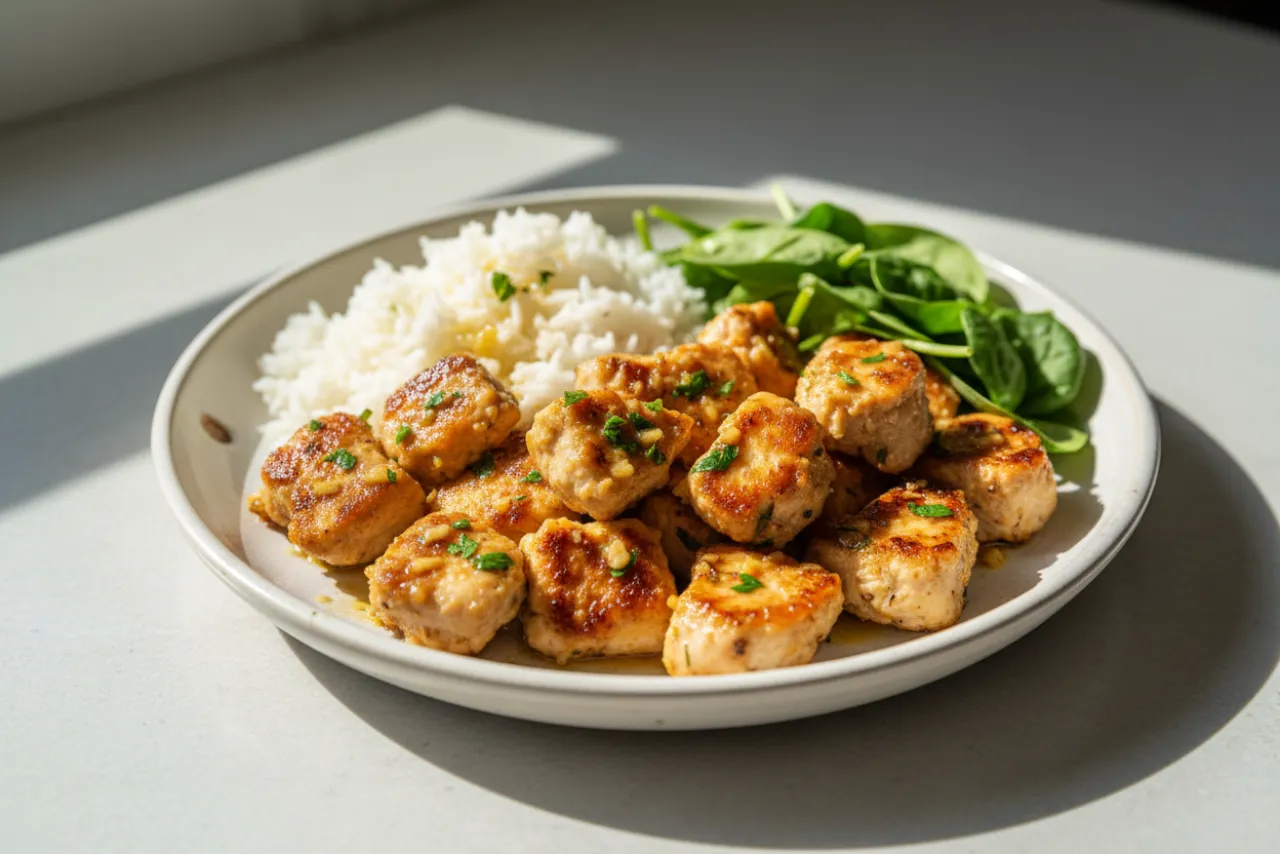
American20 min1g fiber41g protein
Bite-sized chicken breast seared hard and tossed in garlic butter — a fast, forty-gram-protein main for over rice or greens.
View recipe →2Garlic Butter Steak Bites
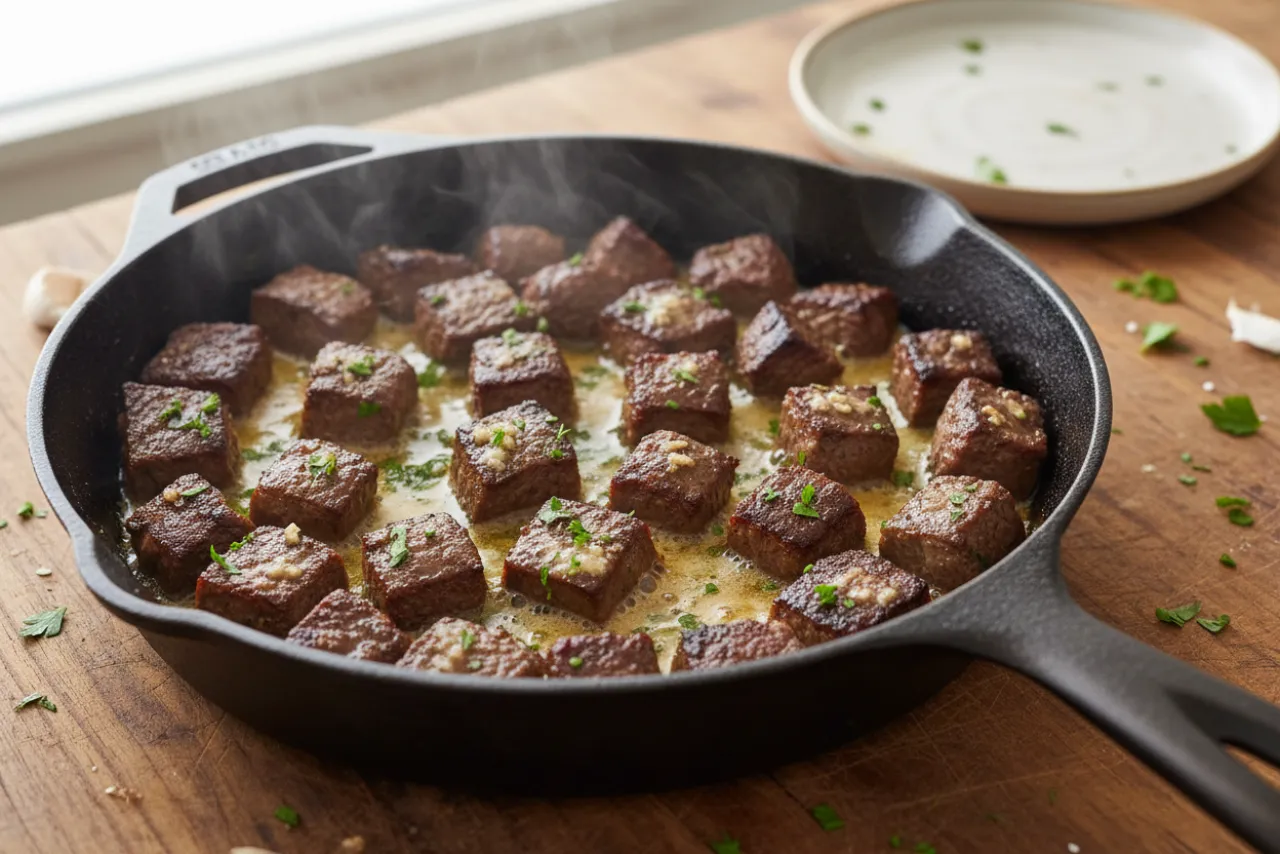
American20 min1g fiber38g protein
Cubes of beef seared hard and rolled in garlic butter — steakhouse flavor, six-minute cook.
View recipe →3Saba Shioyaki
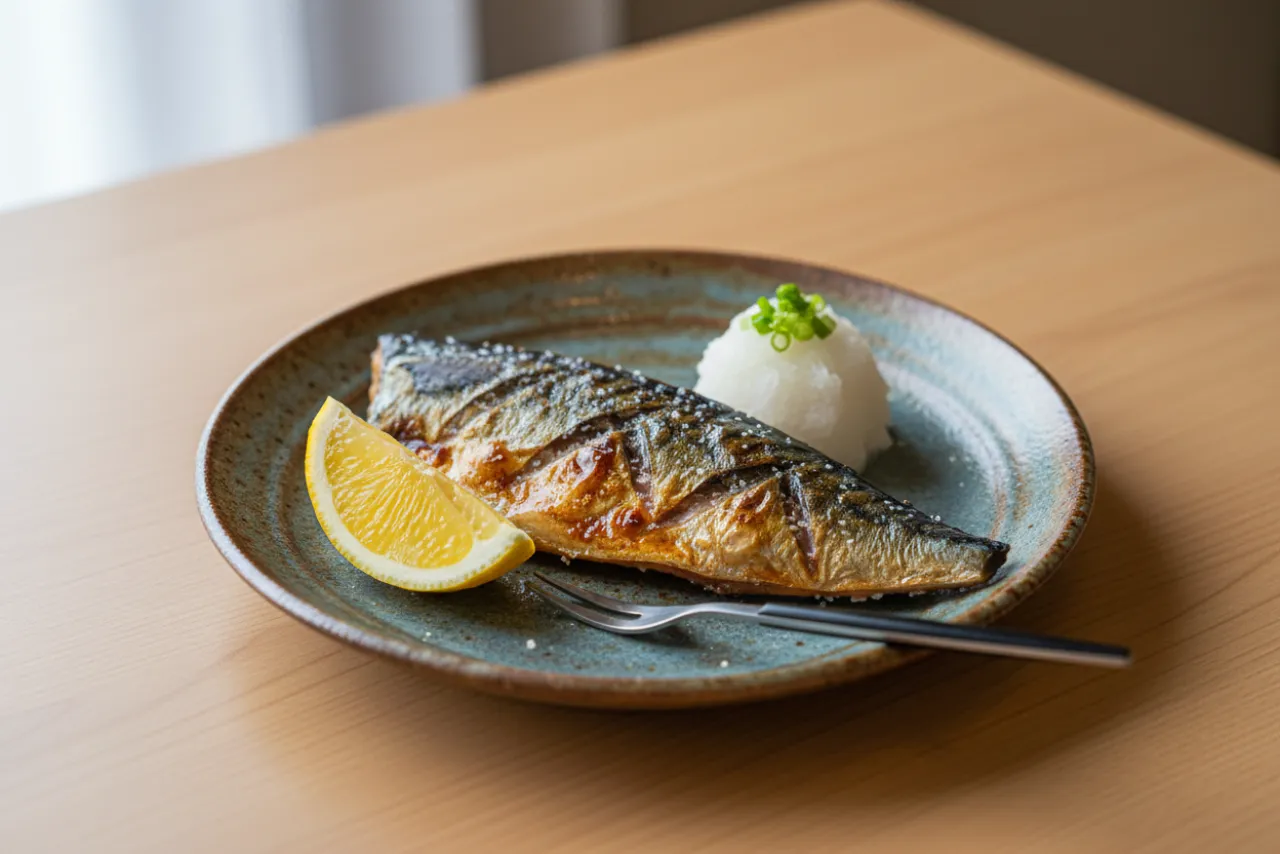
Japanese20 min1g fiber35g protein
Salt-grilled mackerel with crisp skin and a wedge of lemon.
View recipe →4Garlic Shrimp Skillet
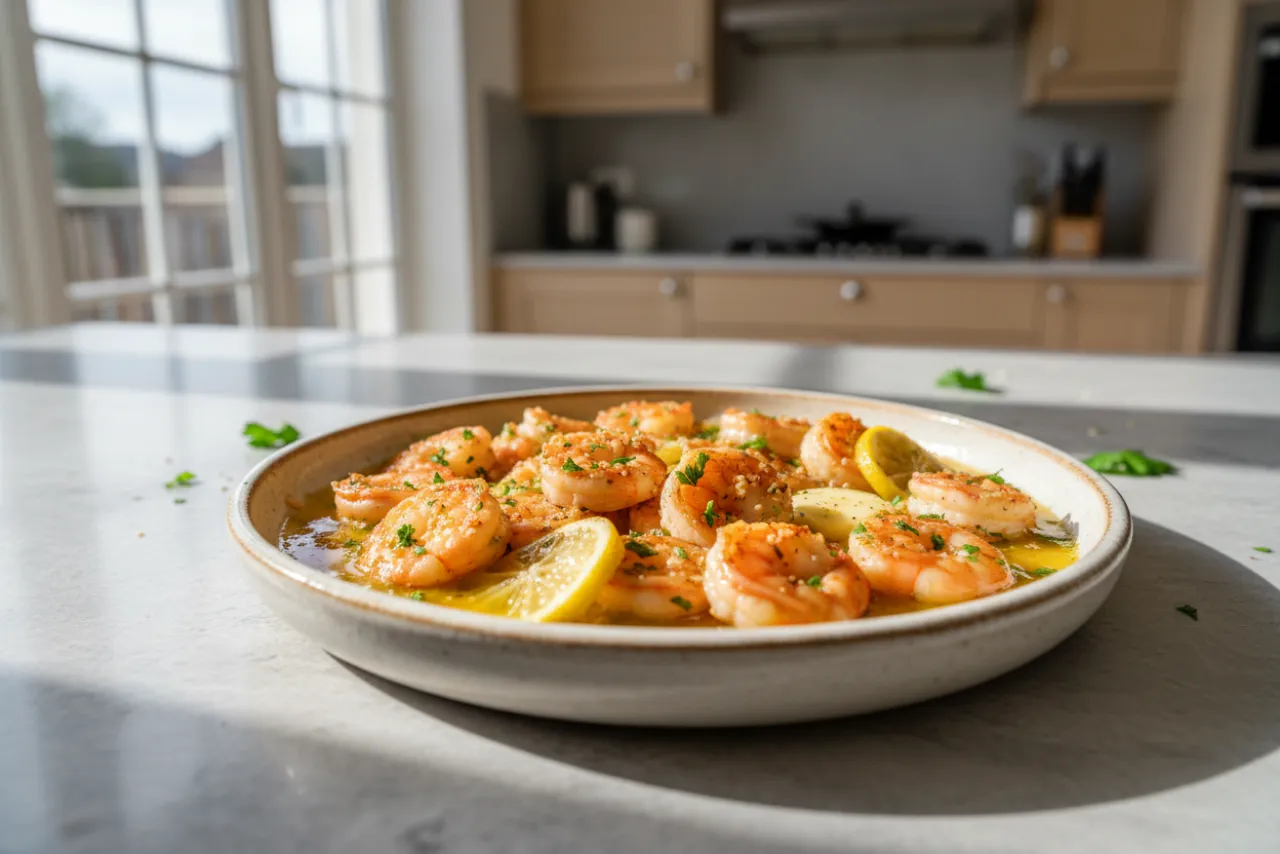
Mediterranean12 min1g fiber41g protein
Shrimp seared in garlic, lemon, and a little butter — a thirty-gram-protein dinner ready in twelve minutes.
View recipe →5Chicken Souvlaki
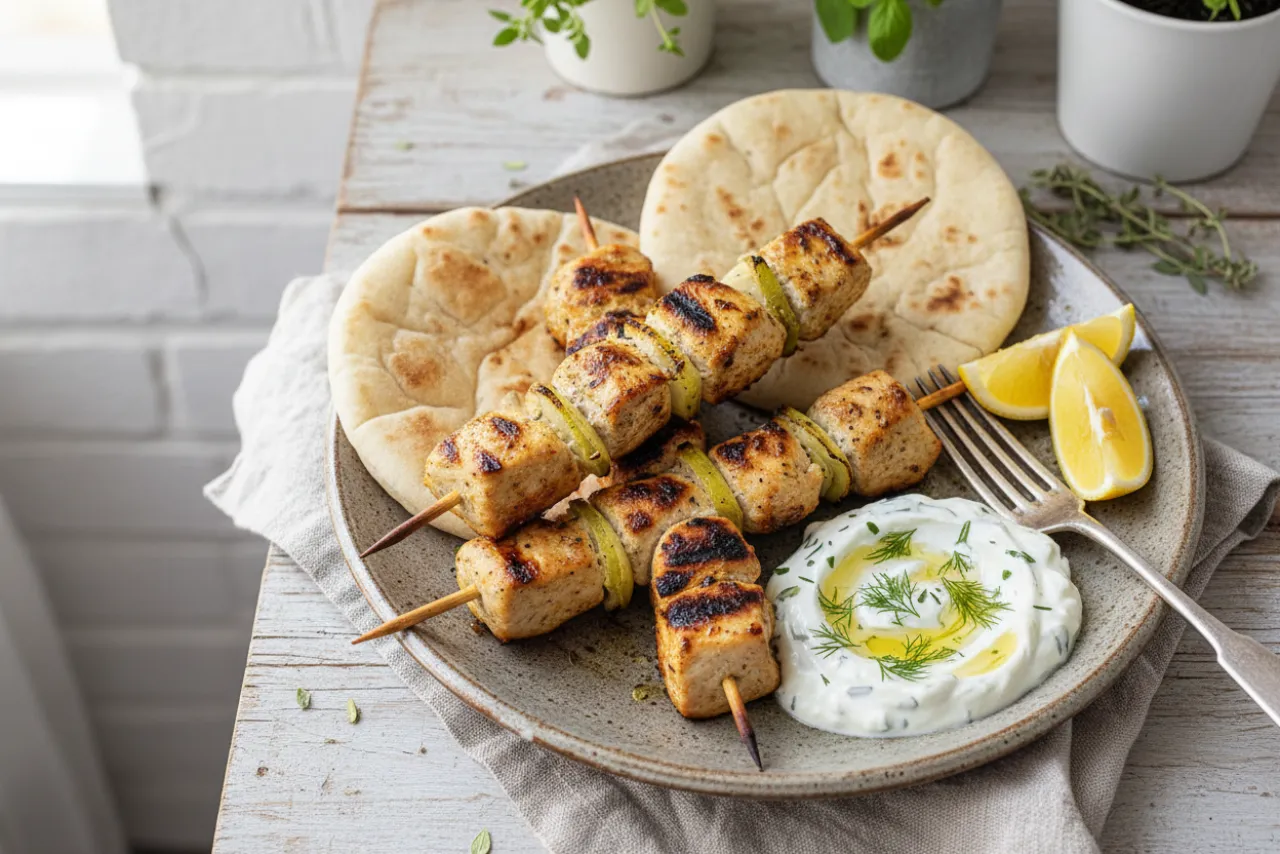
Greek35 min2g fiber30g protein
Lemon-oregano chicken skewers with tzatziki.
View recipe →6Saengseon Gui (Grilled Salmon)

Korean20 min0g fiber26g protein
Salmon grilled crisp with just a whisper of salt and a squeeze of lemon. Rich, simple, low-sodium.
View recipe →7Gyeranjjim (Steamed Egg with Shrimp)

Korean15 min1g fiber26g protein
Beaten eggs steamed into a soft, fluffy savory custard with shrimp. Almost pure protein, ready in fifteen minutes.
View recipe →8Hout bi Chermoula (Moroccan Chermoula Baked Fish)
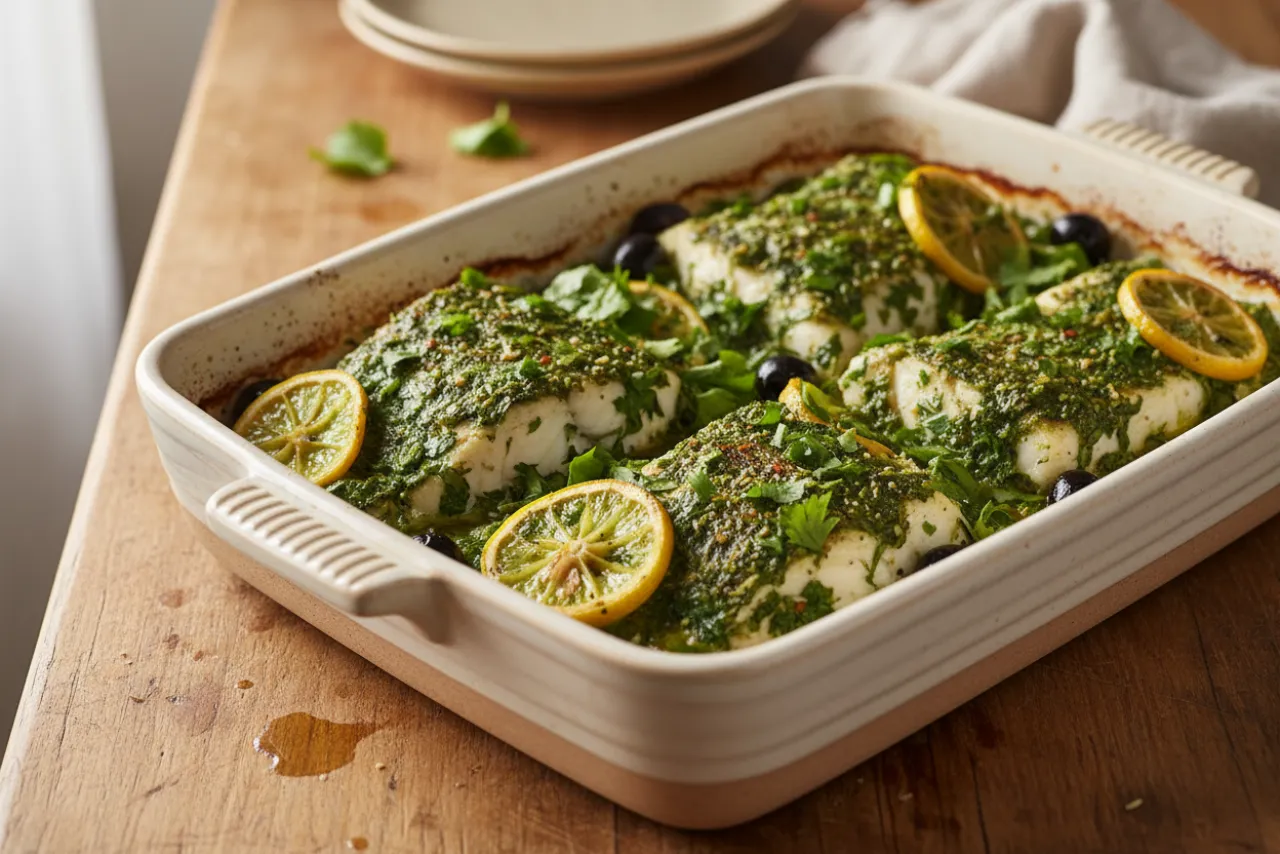
Mediterranean30 min2g fiber31g protein
White fish roasted under a herby cumin-paprika chermoula.
View recipe →9Kung Pao Shrimp
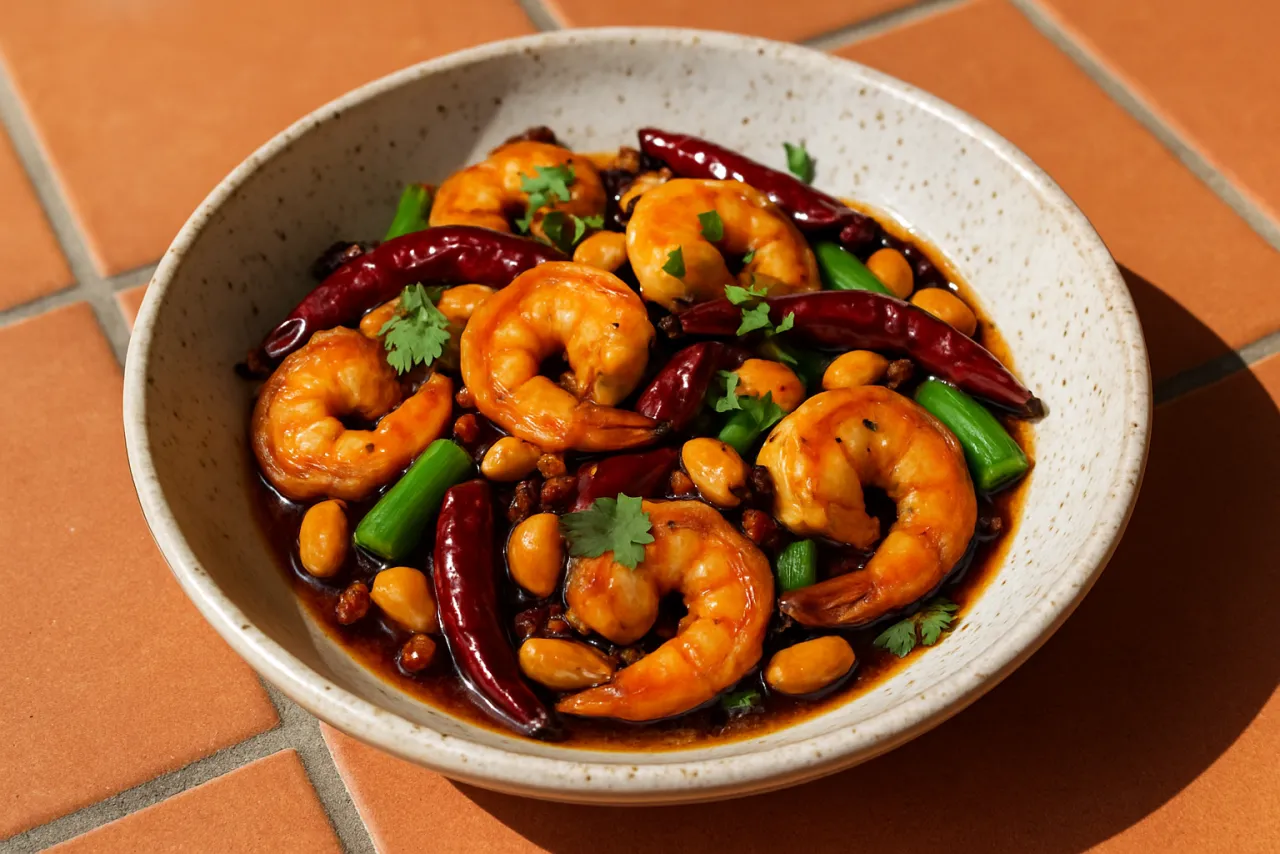
Chinese20 min6g fiber51g protein
Shrimp stir-fried with peanuts, chilli, and Sichuan pepper.
View recipe →10Tsipoura sti Schara (Grilled Sea Bream with Ladolemono)

Greek30 min1g fiber30g protein
Whole sea bream grilled and drizzled with a whisked olive-oil-and-lemon sauce. Clean, Mediterranean, and salt-light.
View recipe →11Secreto Iberico a la Plancha
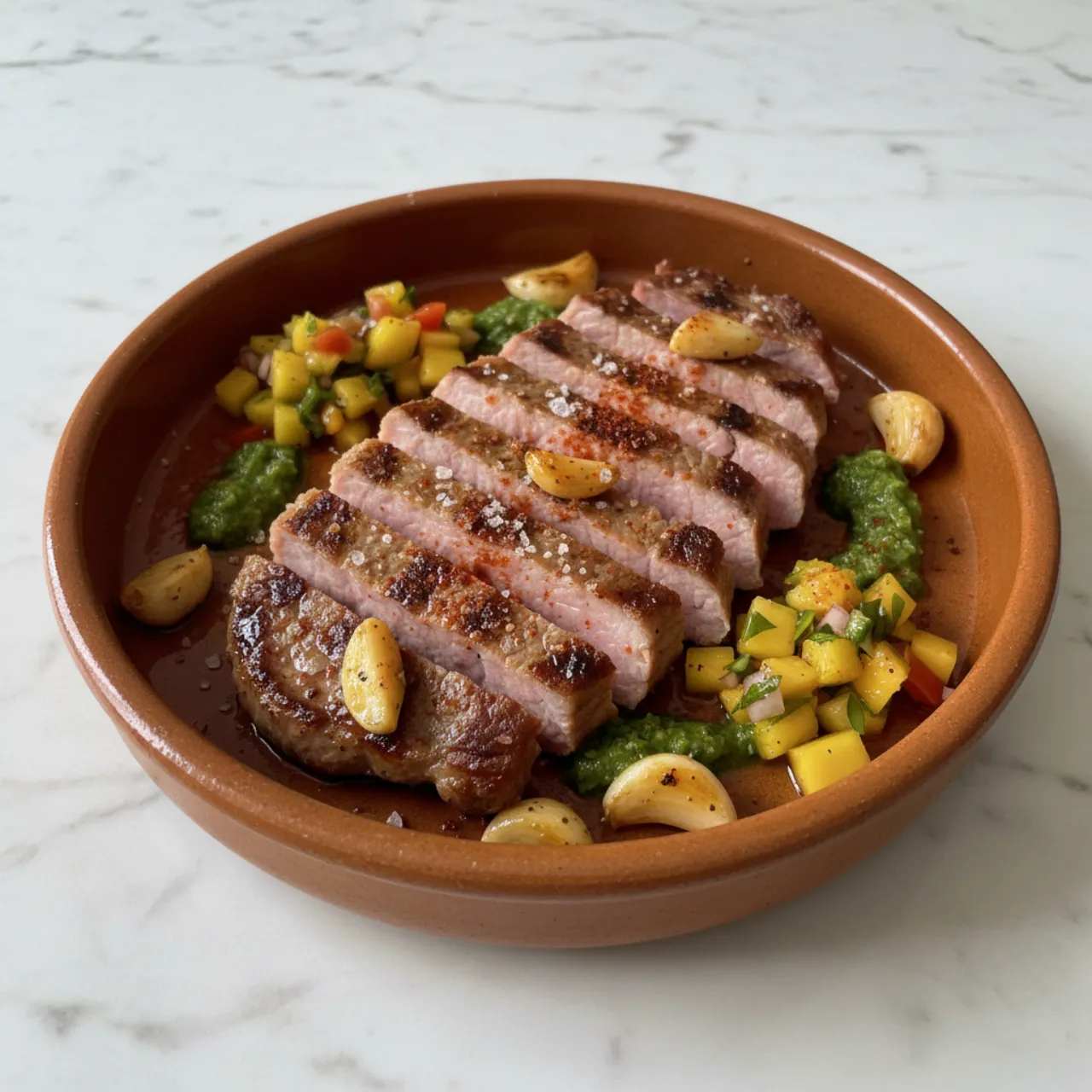
Spanish18 min1g fiber32g protein
Grilled pork secreto with smoked salt.
View recipe →12Chicken & Edamame Stir-Fry
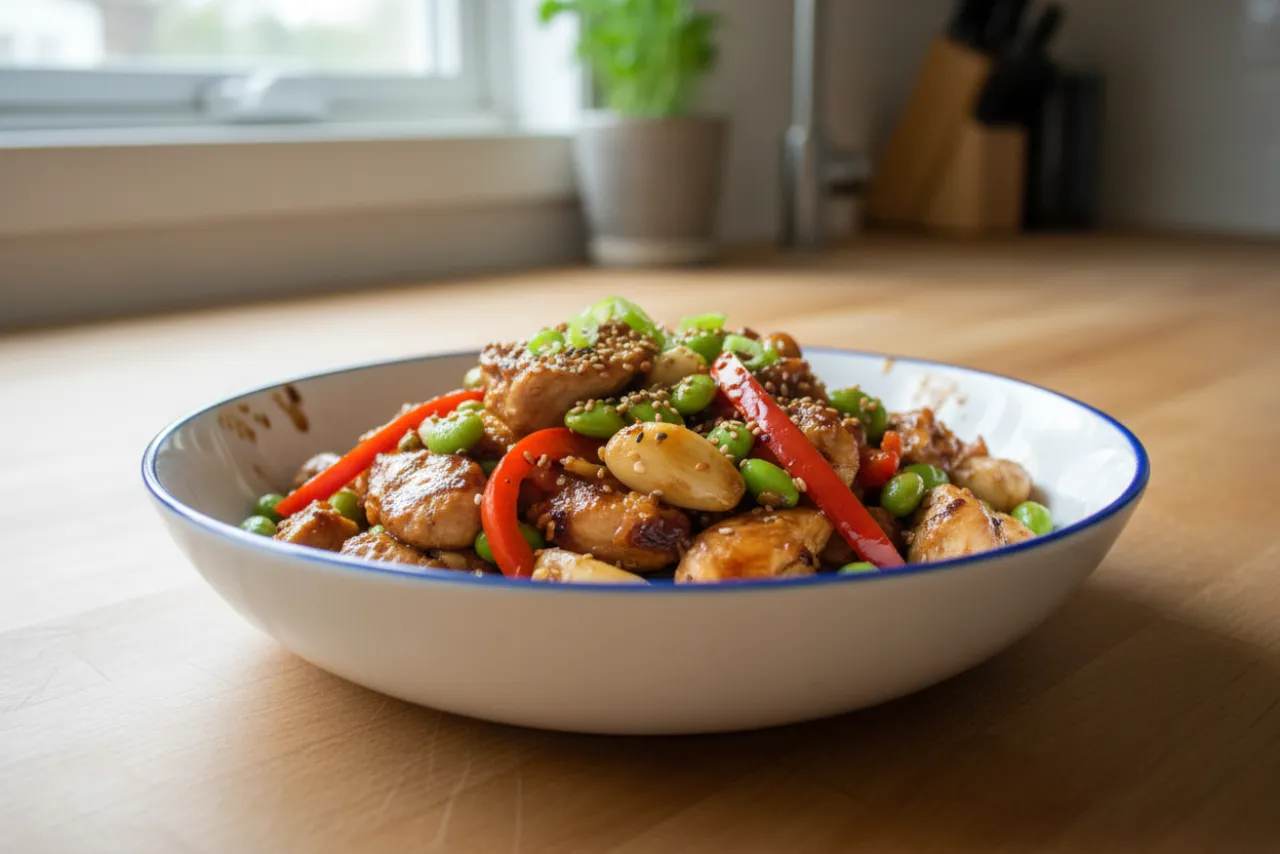
Chinese20 min6g fiber47g protein
Chicken breast and edamame stir-fried in a garlicky soy glaze — a forty-gram-protein dinner faster than delivery.
View recipe →