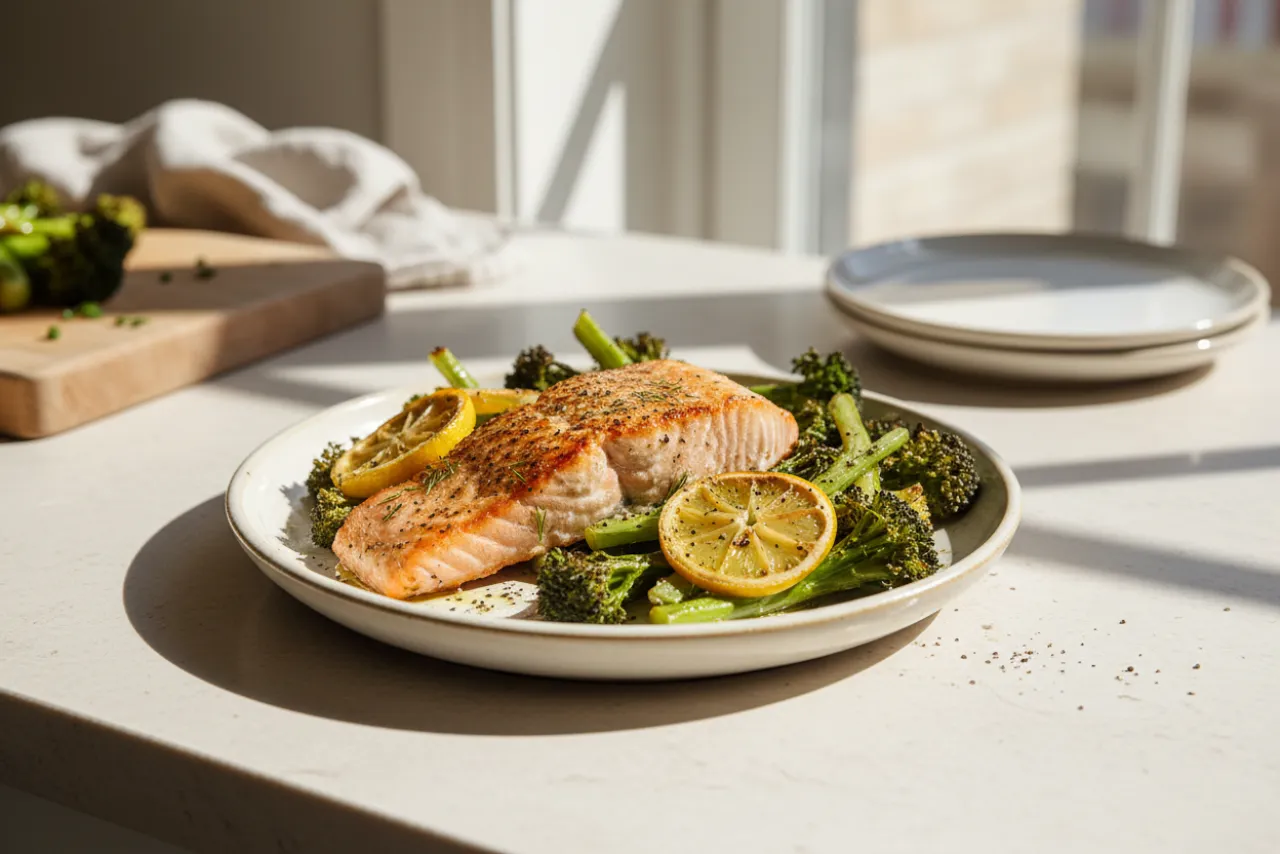
This keto food list covers exactly what to eat — and what to avoid — on a ketogenic diet, organized so you can shop and cook straight from it. Keto works by keeping carbohydrates very low so your body burns fat for fuel, which means the whole game is choosing high-fat, high-protein foods and skipping the starches and sugars.
The good news is that the "yes" list is full of genuinely satisfying food: fatty cuts of meat, oily fish, eggs, cheese, olive oil, avocado, and a wide range of low-carb vegetables. The "no" list is short and predictable — grains, sugar, starchy vegetables, most fruit, and legumes. Learn the pattern once and keto shopping becomes second nature.
How the keto diet actually works
Normally your body runs on glucose from carbohydrates. When you cut carbs low enough — usually under about 50 grams a day — your body runs short of glucose and switches to burning fat, producing molecules called ketones for fuel. That metabolic state is ketosis, and it's the entire point of the diet. To reach and stay in it, the balance of what you eat matters more than calories: high fat, moderate protein, very low carbohydrate.
That's why the food list below is organized the way it is. The foods to eat are naturally low in carbs and high in fat or protein, so they keep you in ketosis. The foods to avoid are the ones that spike your carb intake and knock you out of it. You don't need to weigh everything — learn the two lists and most of the work is done.
Keto foods to eat
Meat & poultry (zero carb)
| Chicken, turkey | Zero carbs — a keto staple. Keep the skin for extra fat. |
| Beef, pork, lamb | Fatty cuts are ideal on keto; carb-free and satiating. |
| Bacon & sausage | Carb-free, though check for added sugar in the cure. |
Fish & seafood (zero carb)
| Salmon, mackerel, sardines | Oily fish — carb-free and rich in healthy fats. |
| Shrimp, cod, tuna | Lean, protein-dense, and essentially carb-free. |
Fats & oils
| Extra-virgin olive oil | The best all-round cooking and finishing fat. |
| Butter & ghee | Pure fat, no carbs — great for cooking. |
| Avocado | One of the few keto-friendly fruits: high fat, very low net carbs. |
Low-carb vegetables (above ground)
| Leafy greens (spinach, kale) | Very low net carbs and full of nutrients. |
| Broccoli, cauliflower | Cruciferous, low-carb, and versatile (hello cauliflower rice). |
| Zucchini, courgette | Low-carb and great as a noodle swap. |
| Peppers, mushrooms, asparagus | All low in net carbs and full of flavor. |
Dairy (full-fat)
| Hard cheeses | Cheddar, parmesan — high fat, very low carb. |
| Greek yogurt (full-fat, unsweetened) | Watch the carbs, but plain full-fat works in moderation. |
| Heavy cream | Low-carb fat for sauces and coffee. |
Eggs & nuts
| Eggs | The perfect keto food — protein and fat, negligible carbs. |
| Almonds, walnuts, pecans | Low-carb nuts (in moderation); great for snacking. |
| Chia & flaxseed | High fat and fiber, very low net carbs. |
Foods to avoid on keto
| Grains & starches | Bread, pasta, rice, oats, cereal — the biggest carb sources to cut. |
| Sugar & sweets | Candy, soda, desserts, most fruit juice. |
| Starchy vegetables | Potatoes, corn, peas — too high in carbs for keto. |
| Most fruit | Bananas, grapes, mango and the like are too sugary; berries in small amounts are okay. |
| Legumes | Beans, lentils, chickpeas are nutritious but too high-carb for strict keto. |
Tips for staying keto
- Count net carbs, not total. Subtract fiber — it's why non-starchy vegetables and seeds fit even though they contain carbs.
- Cook with fat. Olive oil, butter, and animal fat carry flavor and keep you full, which is the whole point of keto.
- Watch hidden sugar in sauces. Ketchup, sweet glazes, and many dressings are surprisingly high-carb — check labels or make your own.
- Lean on eggs and cheese. They're the ultimate keto convenience foods — zero-effort protein and fat any time of day.
- Stay hydrated and mind electrolytes. Early keto flushes water and salt; a little extra salt and water heads off the "keto flu."
Turn this list into meals
Knowing the foods is half of it — cooking them into a week of meals is where keto sticks. These guides are all built from the list above, with real per-serving carbs on every recipe:
Frequently asked questions
What can you eat on keto?
The keto diet centers on foods that are high in fat and protein with very few carbs: meat, poultry, fish and seafood, eggs, full-fat dairy, nuts and seeds, healthy oils like olive oil, and low-carb above-ground vegetables such as leafy greens, broccoli, and zucchini. Avocado is one of the few keto-friendly fruits.
What foods should you avoid on keto?
Cut the high-carb foods: grains (bread, pasta, rice, oats), sugar and sweets, starchy vegetables like potatoes and corn, most fruit, and legumes such as beans and lentils. These raise your carb intake past the point where the body stays in ketosis.
How many carbs can you eat on keto?
Most people aim for under about 50 grams of net carbs a day, and often 20–30 grams for strict keto, to reach and stay in ketosis. Net carbs means total carbs minus fiber. Building meals from the 'foods to eat' list above keeps you comfortably under that.
Can you eat fruit and vegetables on keto?
Yes, but selectively. Low-carb, above-ground vegetables — leafy greens, broccoli, cauliflower, zucchini, peppers — are encouraged. Most fruit is too sugary, but avocado, and small amounts of berries, fit fine. Starchy vegetables like potatoes are off the list.
Eat keto without the effort. Homecooked plans a week of low-carb meals around what's already in your kitchen and walks you through cooking each one. Browse recipes or start planning your week.
Keto recipes to cook from this list
Once your pantry matches the list above, these low-carb dinners and breakfasts put it to work — each under ~12g carbs with real per-serving numbers.
1Bacalao al Pil-Pil
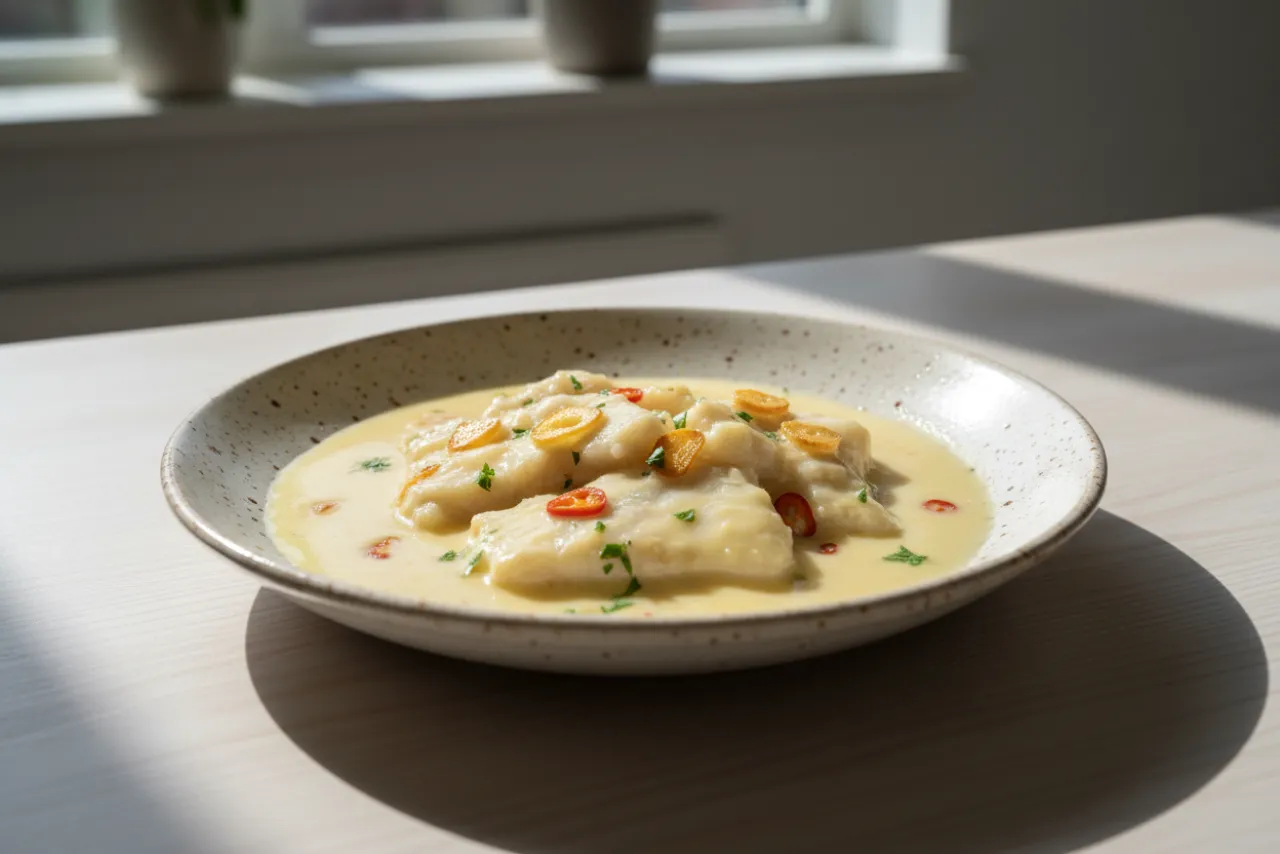
Spanish25 min0g fiber44g protein
Salt cod confit in garlic oil, then swirled into a pale yellow emulsion — Basque magic.
View recipe →2Tandoori Chicken
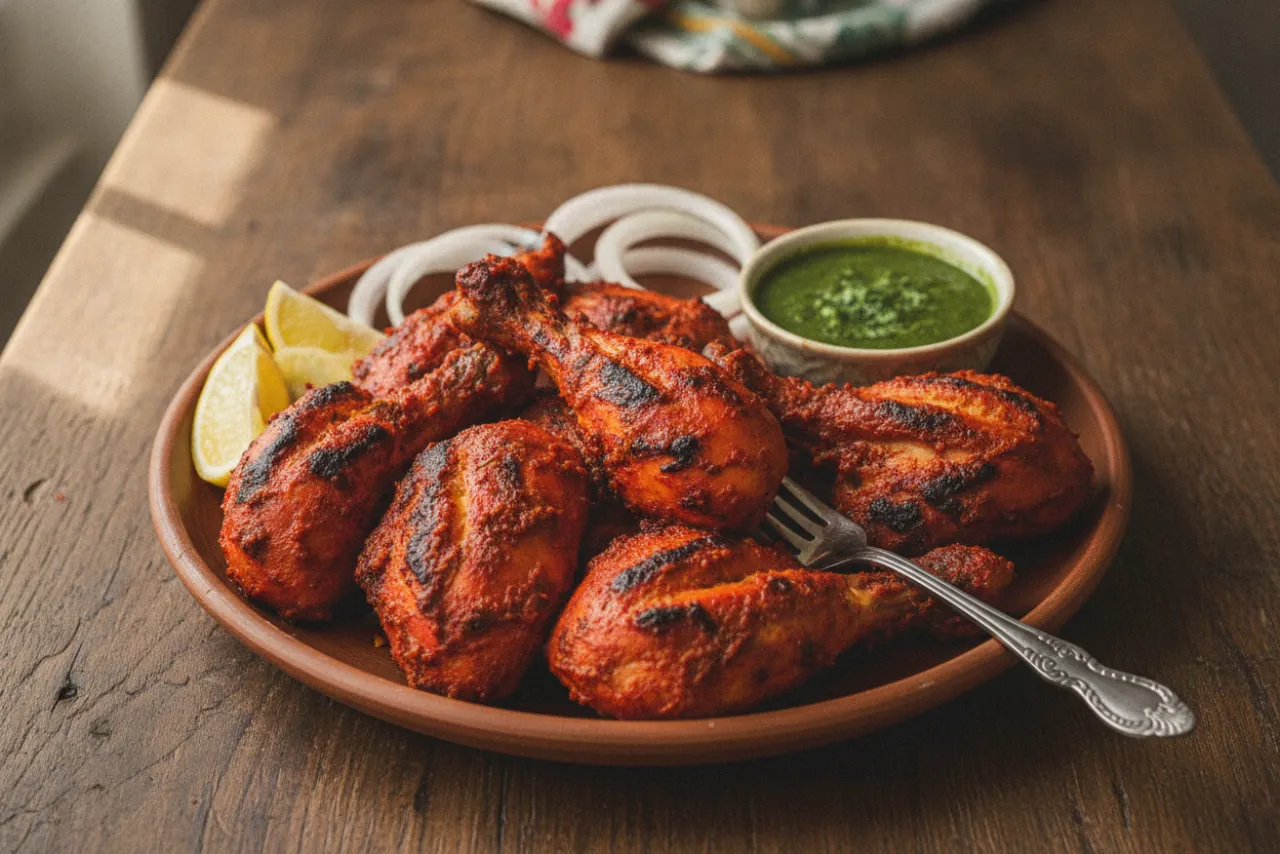
Indian45 min3g fiber45g protein
Yoghurt-and-spice marinated chicken roasted until charred.
View recipe →3Creamy Spinach Chicken
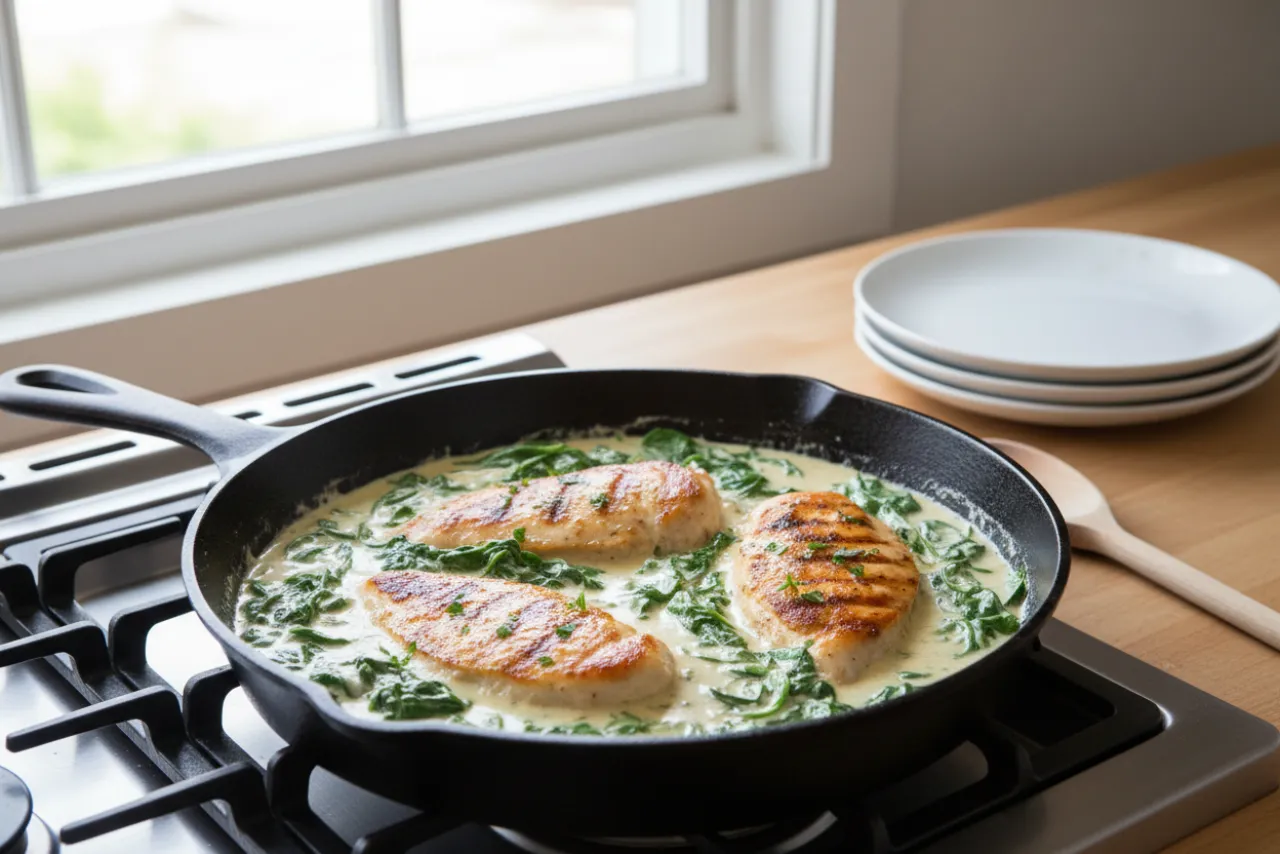
American30 min2g fiber45g protein
Seared chicken in a garlicky cream sauce full of just-wilted spinach — one skillet, big payoff.
View recipe →4Chicken Milanese over Arugula

Italian30 min4g fiber42g protein
Thin, crisp-crusted chicken cutlets on a lemony arugula salad. High-protein, barely any carb.
View recipe →5Cottage Cheese Egg Bites
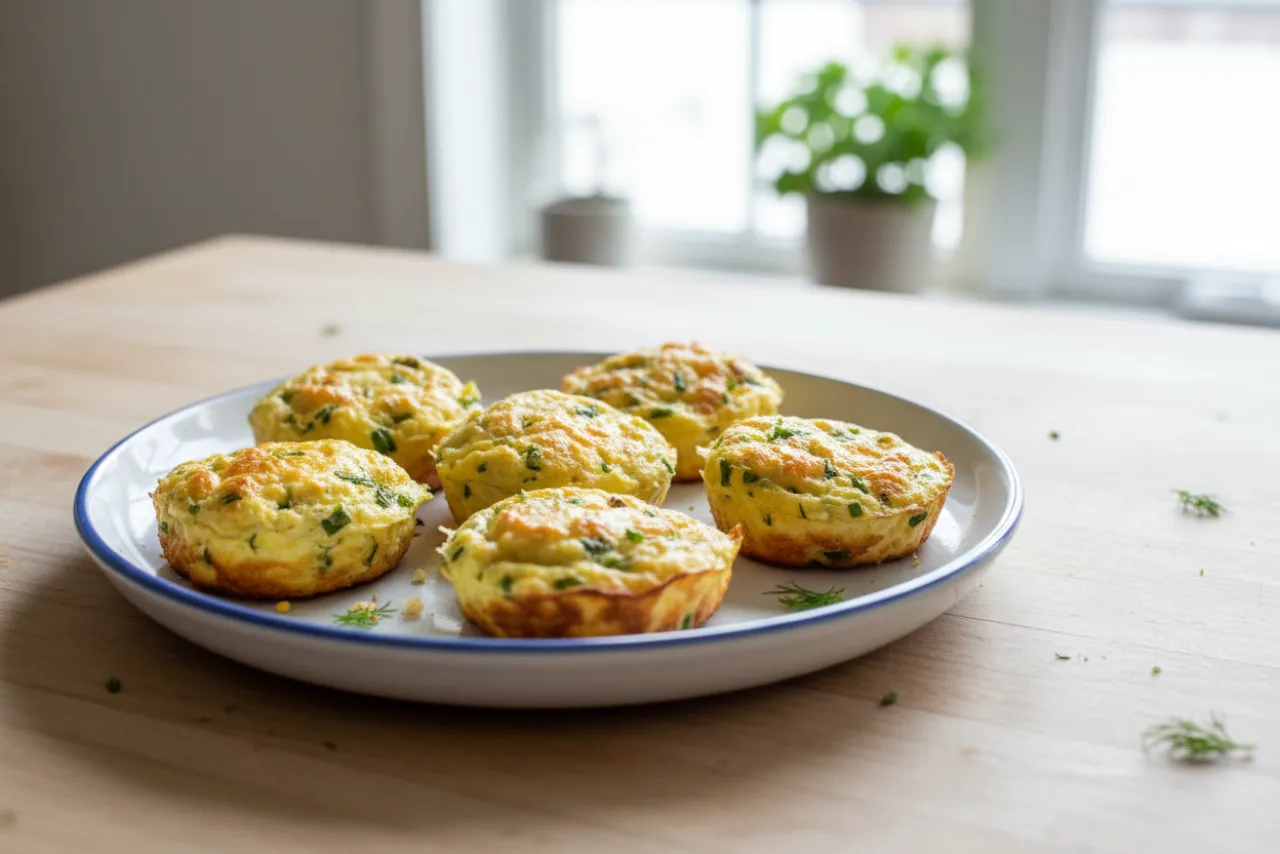
American35 min0g fiber18g protein
Eggs and cottage cheese baked in a muffin tin into soft, protein-dense bites — the coffee-shop snack, made at home for a fraction of the cost.
View recipe →6Spinach & Feta Omelette
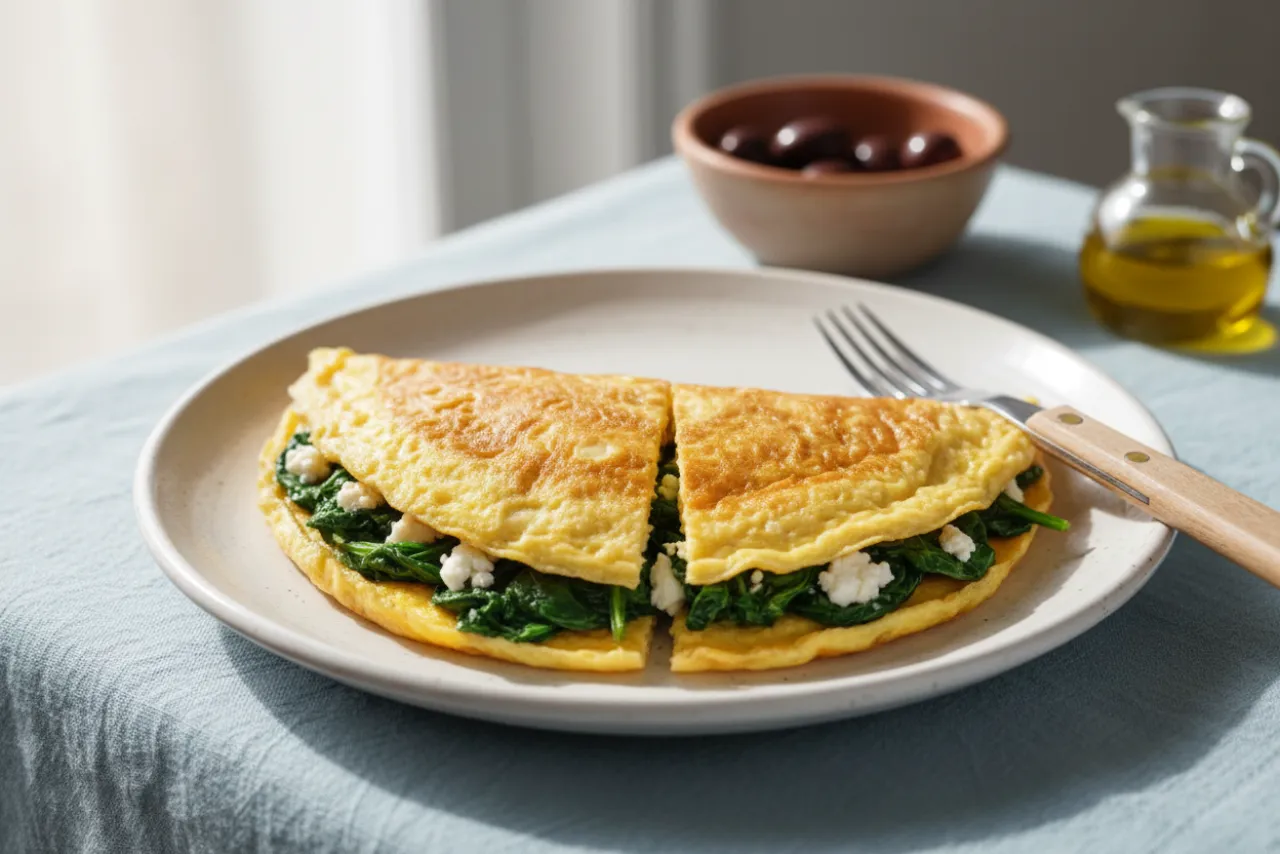
Greek12 min2g fiber26g protein
Wilted spinach and briny feta folded into soft eggs — a Greek diner classic at home.
View recipe →