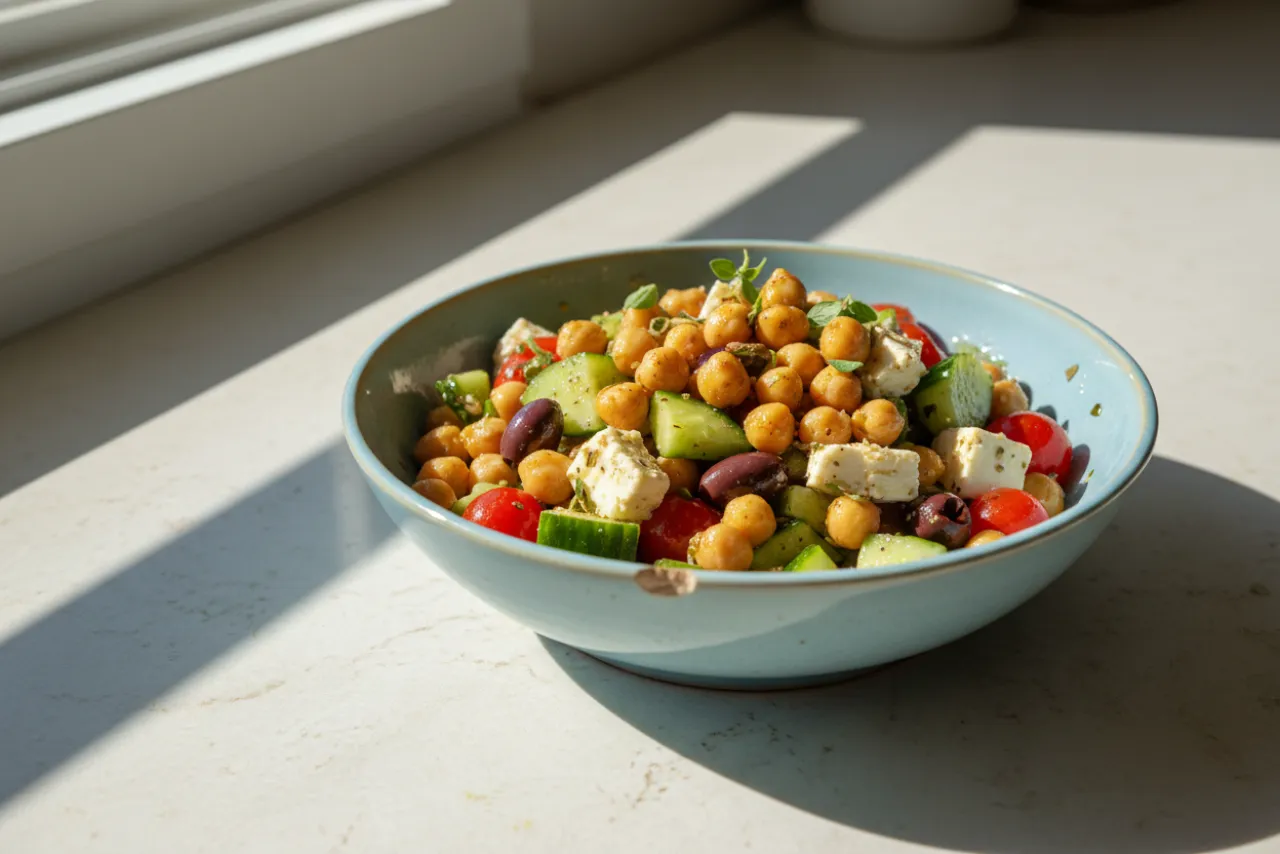
This anti-inflammatory foods list covers what to actually put in your basket — the fish, oils, legumes, vegetables, fruit, and spices most consistently tied to lower inflammation — plus the foods worth limiting. It's the shopping-and-cooking version of the anti-inflammatory diet, organized so you can build meals straight from it.
One thing to be clear about up front: no single food treats or cures a disease. What the research supports is an overall pattern — closely mirrored by the Mediterranean diet — built on whole, minimally processed foods. Eat mostly from the lists below, limit the short "foods to reduce" list, and you're following an anti-inflammatory diet by definition.
What "inflammation" actually means for your diet
Inflammation itself isn't the enemy — it's your immune system's normal, short-term response to injury and infection. The problem is chronic, low-grade inflammation that lingers in the background, which research has linked to heart disease, type 2 diabetes, and joint problems. Diet is one of the levers you can pull: some foods appear to nudge that background inflammation up, while others help keep it in check.
No food is a switch that turns inflammation on or off, and no meal is a treatment. What the evidence supports is the cumulative effect of how you eat most of the time. Eat mostly from the "foods to eat" lists below, go easier on the "foods to limit" list, and you've done the most important part.
Anti-inflammatory foods to eat
Oily fish (omega-3s)
| Salmon | The classic — rich in anti-inflammatory omega-3 fats. Aim for two servings a week. |
| Sardines | Cheap, sustainable, and one of the densest omega-3 sources going. |
| Mackerel | Another oily fish loaded with the same beneficial fats. |
Healthy fats
| Extra-virgin olive oil | The cornerstone fat of the Mediterranean diet, rich in polyphenols. Use it raw where you can. |
| Avocado | Monounsaturated fats plus fiber and potassium. |
| Walnuts | The most omega-3-rich nut. |
Legumes
| Lentils | Fiber that feeds a healthy gut, plus plant protein — a double win for inflammation. |
| Chickpeas | Versatile, fiber-rich, and the base of hummus and countless bowls. |
| Black beans | Among the most fiber-dense foods on any plate. |
Whole grains
| Oats | Soluble fiber that supports gut health and steady blood sugar. |
| Quinoa | A whole grain that's also a complete protein. |
| Farro & barley | Chewy, satisfying whole grains for bowls and soups. |
Vegetables & leafy greens
| Spinach & kale | Leafy greens dense in antioxidants and vitamins. |
| Broccoli | A cruciferous vegetable linked to lower inflammatory markers. |
| Tomatoes | Rich in lycopene, especially when cooked with olive oil. |
| Bell peppers & beets | Deeply pigmented vegetables carry the most antioxidants. |
Fruit (especially berries)
| Blueberries & strawberries | Among the most antioxidant-dense foods you can eat. |
| Cherries | Studied specifically for anti-inflammatory compounds. |
| Oranges | Vitamin C and flavonoids. |
Spices & aromatics
| Turmeric | Its compound curcumin is the most-studied culinary anti-inflammatory. Pair with black pepper. |
| Ginger | Warming, and linked to reduced inflammatory markers. |
| Garlic | Everyday aromatic with anti-inflammatory compounds. |
Foods to limit
| Ultra-processed foods | Packaged snacks, most fast food — the strongest dietary driver of inflammation. |
| Refined sugar & sugary drinks | Spike blood sugar and promote inflammatory responses. |
| Refined carbs | White bread, white pasta, pastries — swap for whole-grain versions. |
| Processed & excess red meat | Bacon, sausage, and large amounts of red meat are linked to higher inflammation. |
| Trans fats & some seed oils in fried food | Common in deep-fried and heavily processed foods. |
How to eat more of these foods
- Cook with olive oil, finish with olive oil. Use it as your default fat, and add a raw drizzle at the end to preserve its polyphenols.
- Put a legume at the center of one meal a day. Lentils, chickpeas, and beans bring fiber and plant protein in one cheap ingredient.
- Aim for two servings of oily fish a week. Salmon and sardines are the easiest way to hit your omega-3s.
- Eat the rainbow. The more colors on your plate — greens, berries, peppers, beets — the more antioxidants you're getting.
- Keep turmeric and ginger on hand. A pinch of turmeric (with black pepper) and fresh ginger turn everyday dishes anti-inflammatory.
Turn this list into meals
Knowing the foods is the easy part — cooking them into a week of meals is where it sticks. These guides are all built from the list above, with real per-serving numbers on every recipe:
Frequently asked questions
What are the top anti-inflammatory foods?
Oily fish (salmon, sardines), extra-virgin olive oil, leafy greens, berries, legumes, whole grains, nuts, and spices like turmeric and ginger are the foods most consistently linked to lower inflammation. Together they form the Mediterranean-style pattern that research supports most strongly.
What foods should you avoid on an anti-inflammatory diet?
Limit ultra-processed foods, refined sugar and sugary drinks, refined carbohydrates like white bread and pastries, processed meats, and large amounts of red meat. These are the dietary factors most associated with higher inflammation. You don't have to be perfect — reducing them is what matters.
Is coffee anti-inflammatory or inflammatory?
For most people, moderate coffee is fine and may even be mildly anti-inflammatory thanks to its polyphenols. The problem is usually what goes in it — lots of added sugar and syrups tip it the other way. Black or lightly sweetened coffee fits an anti-inflammatory diet.
How quickly do anti-inflammatory foods work?
Anti-inflammatory eating is a pattern, not a pill. The benefits come from consistent eating over weeks and months, not a single meal. Focus on building a way of eating you can sustain rather than chasing a fast result.
Eat this way without the effort. Homecooked plans a week of meals around what's already in your kitchen — built from exactly these foods — and walks you through cooking each one. Browse recipes or start planning your week.
Anti-inflammatory recipes to cook from this list
Built around the omega-3-rich fish, leafy greens, legumes and berries above — each with real per-serving nutrition.
1Salmon over Lentils
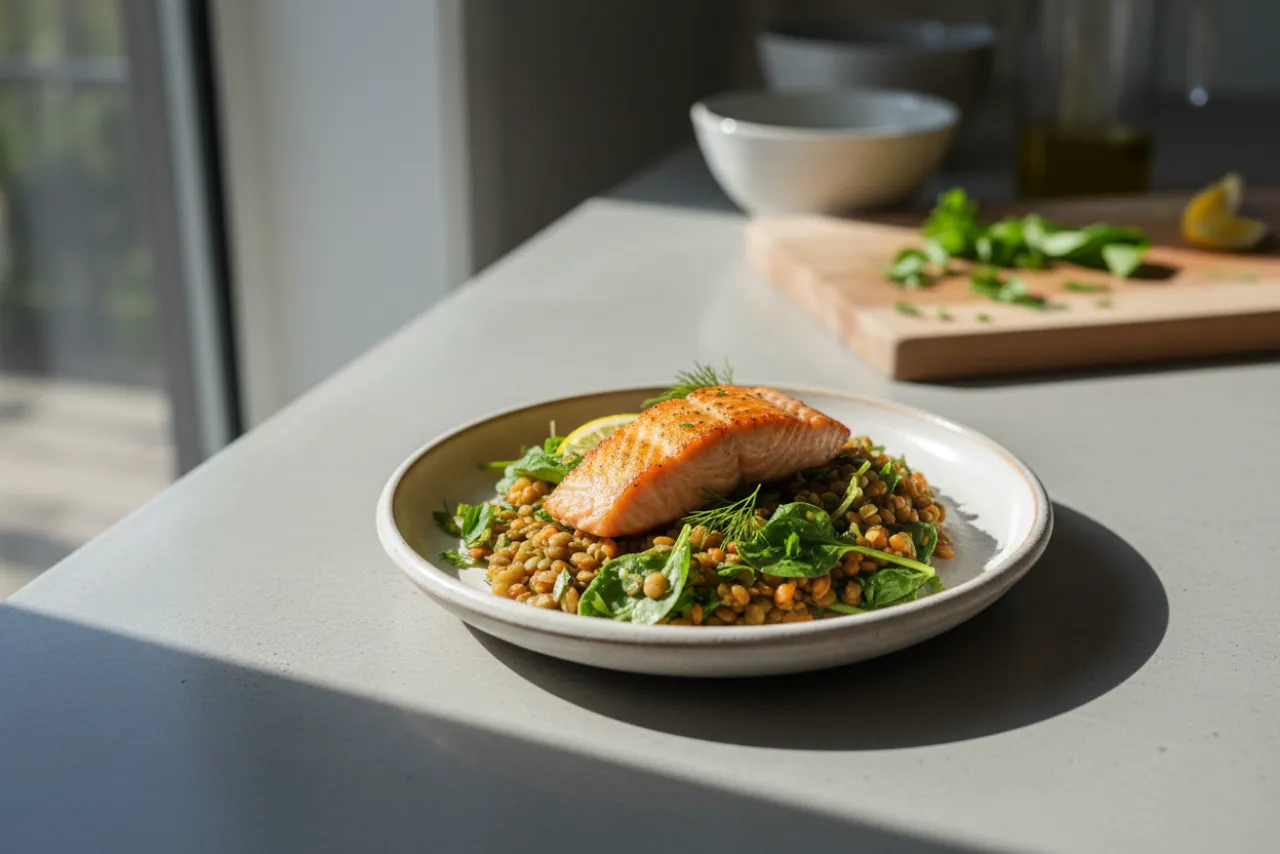
Mediterranean30 min9g fiber54g protein
A small fillet of salmon on a bed of lemony lentils and greens — protein, omega-3, and fiber in a moderate, satisfying portion.
View recipe →2Salmon & Lentil Traybake
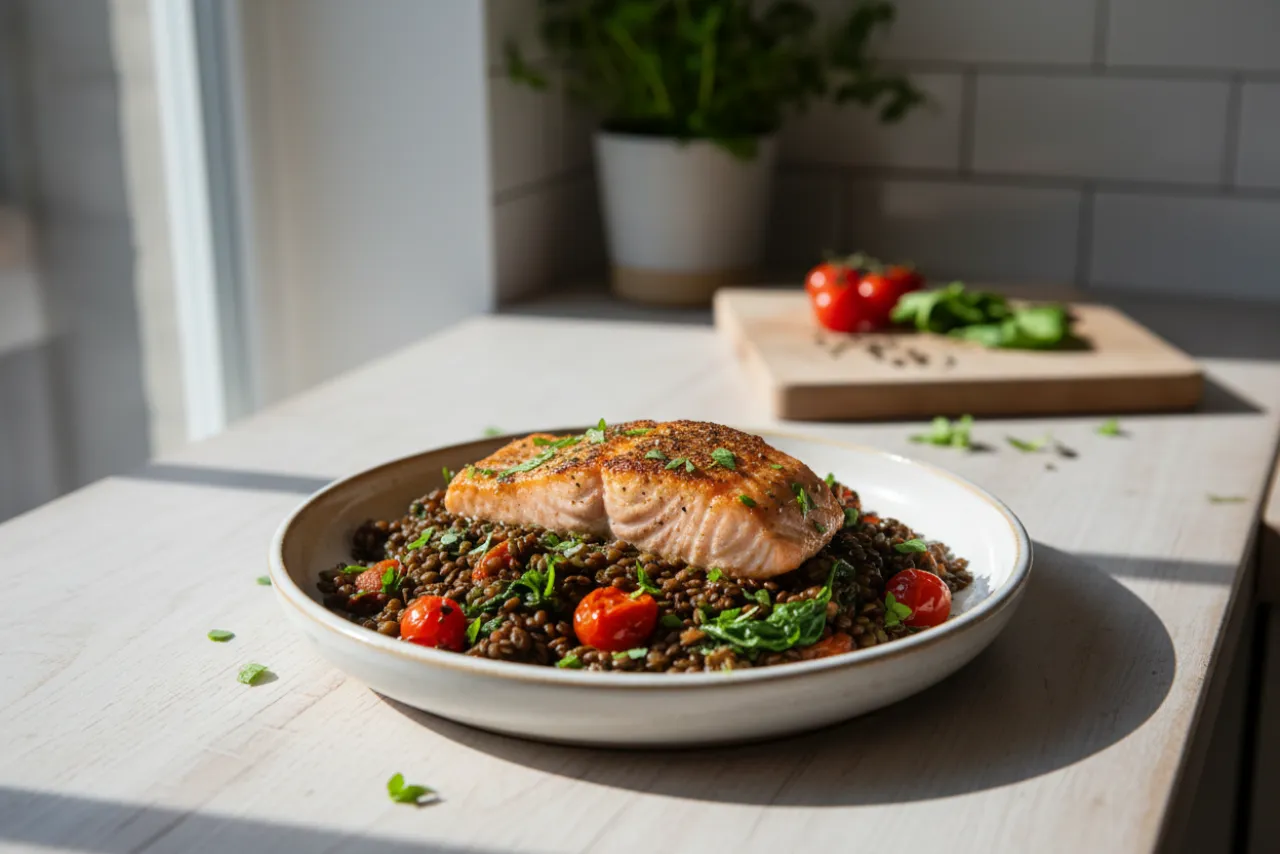
Mediterranean35 min9g fiber53g protein
Salmon roasted over tomatoes and lentils with olive oil and herbs — omega-3, legumes, and greens on one tray.
View recipe →3Sardine & White Bean Salad
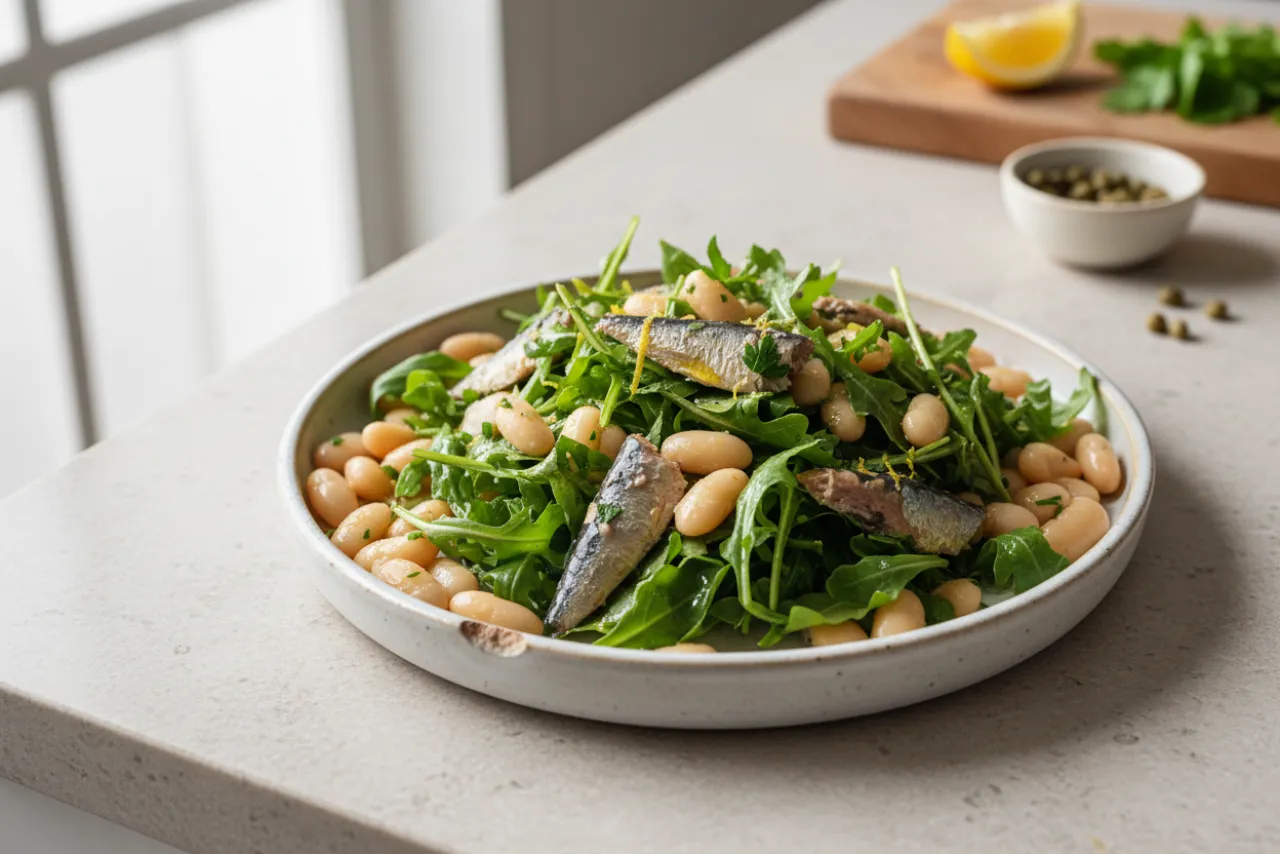
Mediterranean10 min8g fiber35g protein
Tinned sardines and creamy white beans over lemony arugula — a no-cook Mediterranean lunch built on omega-3, fiber, and olive oil.
View recipe →4Miso Salmon & Greens Bowl
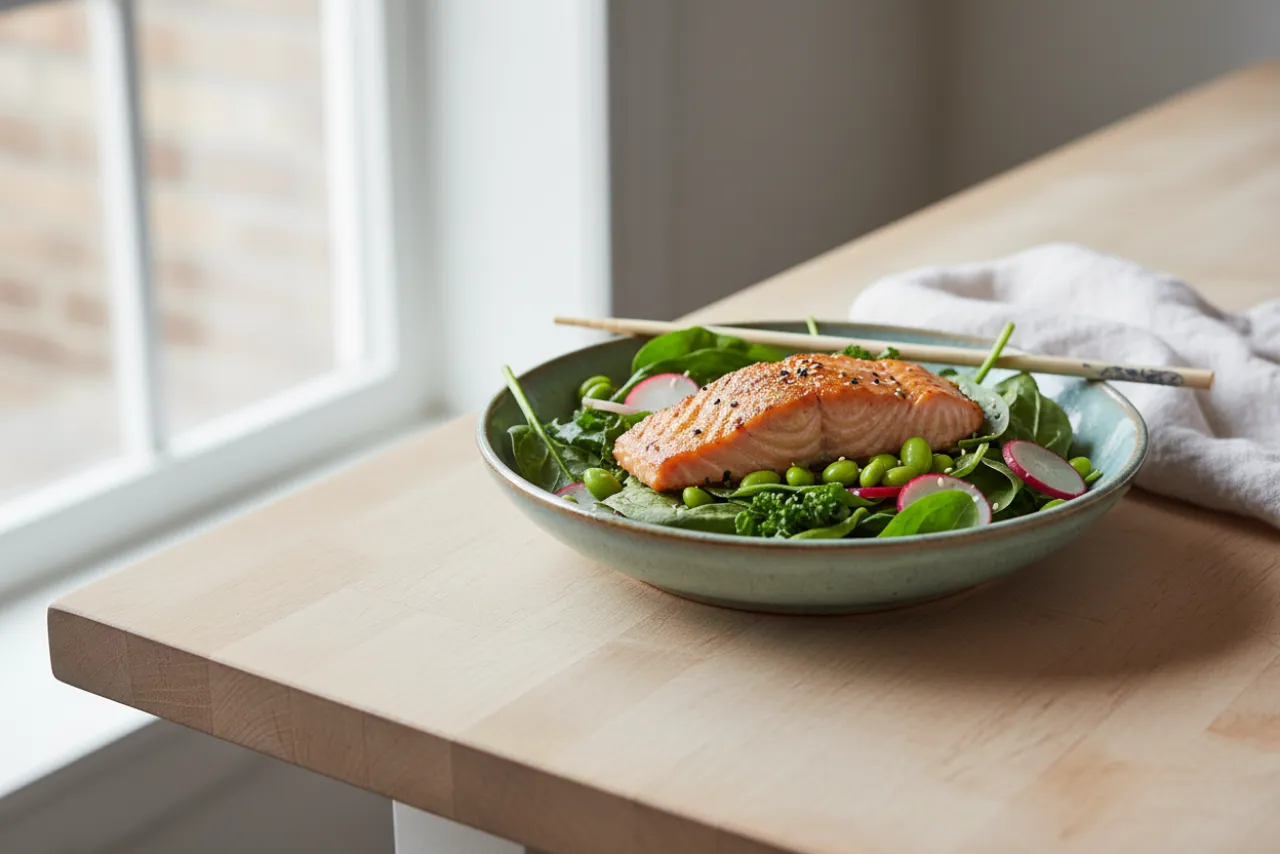
Japanese25 min7g fiber48g protein
A small miso-glazed salmon fillet over greens and edamame — protein, omega-3, and fiber in a light, savory bowl.
View recipe →5Lentil & Walnut Salad
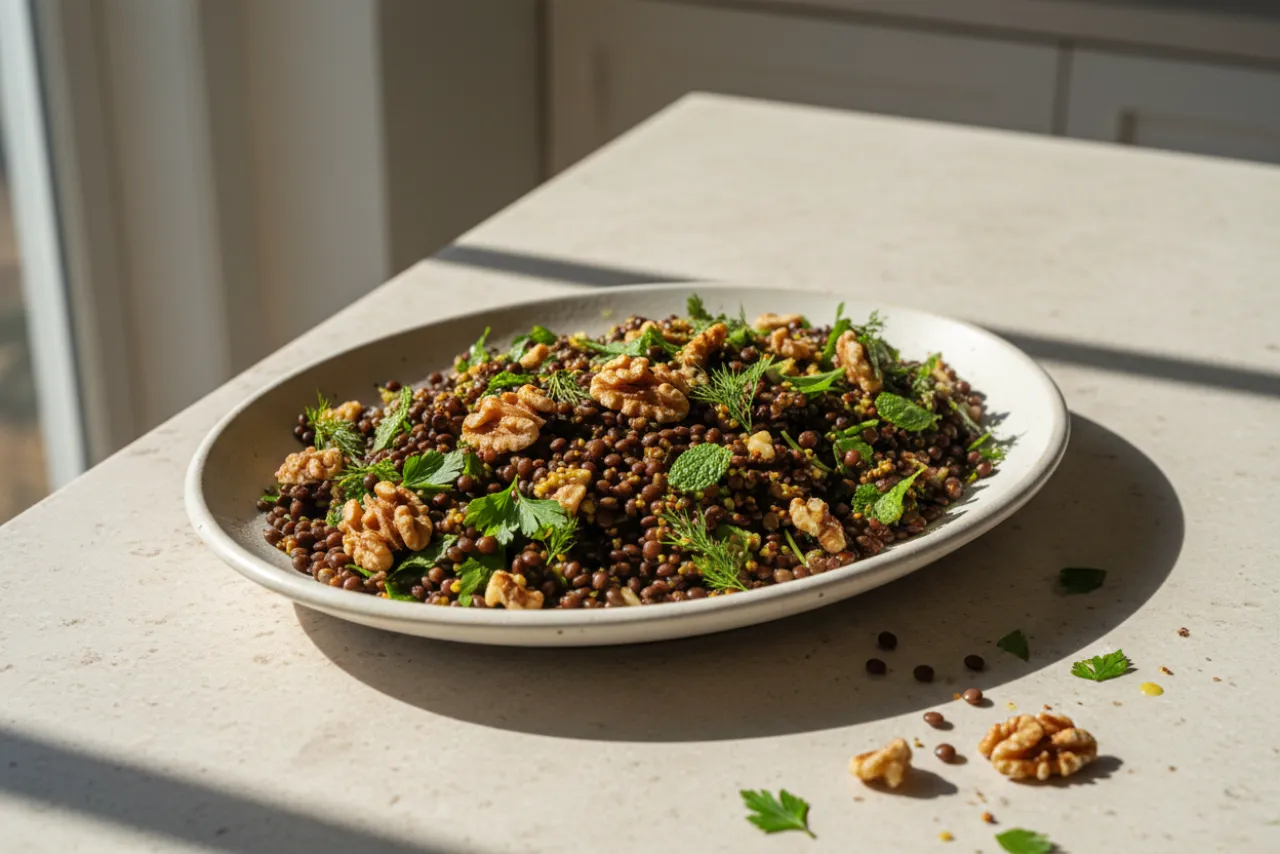
Mediterranean30 min10g fiber20g protein
Puy lentils with walnuts, herbs, and a mustard-olive-oil dressing — fiber, plant protein, and omega-3 in a hearty salad.
View recipe →6Berry Chia Pudding

American10 min7g fiber7g protein
Chia soaked in milk overnight, layered with berries. No cooking; packed with fiber.
View recipe →