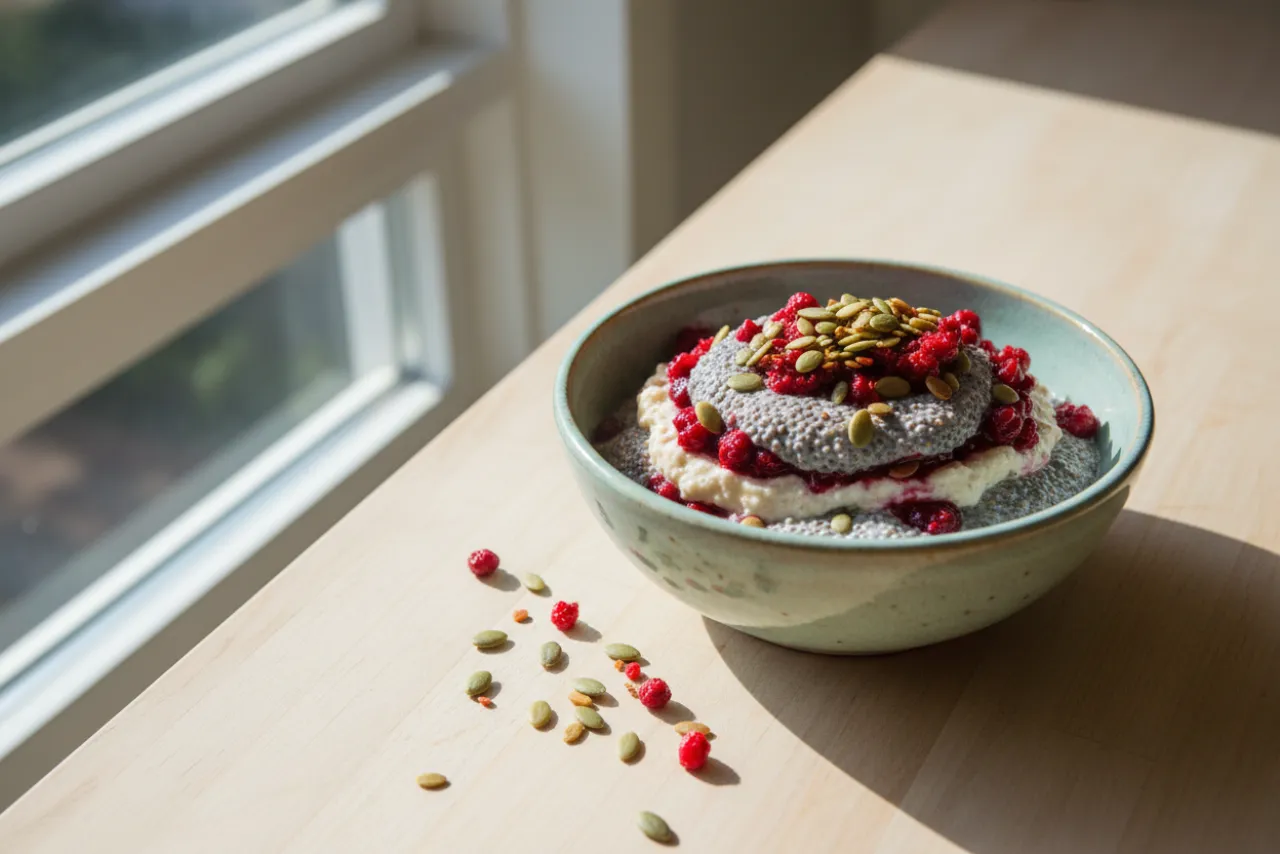
Anti-inflammatory smoothie recipes get most of the attention when people want to eat for lower inflammation, and for good reason: a blender full of berries, leafy greens, and ginger is one of the fastest ways to load a meal with the compounds researchers link to calmer, healthier eating. But the same principles that make a great anti-inflammatory smoothie also power a good bowl of whole grains and vegetables. This collection leans into both.
The foundation here is Mediterranean-style, whole-food eating: extra-virgin olive oil, oily fish rich in omega-3s, legumes, whole grains like farro and quinoa, and a rotating cast of leafy greens, berries, turmeric, and ginger. Nothing is processed into oblivion, and nothing pretends to be a cure. These are everyday meals that happen to be built from the ingredients most consistently associated with reducing inflammation and supporting gut health.
You'll notice real numbers on every recipe, from a 20-gram-protein green smoothie you can make in six minutes to a chicken quinoa bowl pushing 59 grams of protein and 17 grams of fiber. That fiber matters as much as the protein: it feeds the gut bacteria that help keep inflammation in check, which is exactly why legumes and whole grains show up so often below.
Think of this list as a two-way toolkit. When you want something you can drink, the green protein smoothie is your anti-inflammatory smoothie recipe on standby. When you want something with a fork, the grain and salmon bowls carry the same olive-oil-and-omega-3 logic into a fuller plate.
The best anti-inflammatory smoothie recipes
Our top anti-inflammatory smoothie picks to start with.
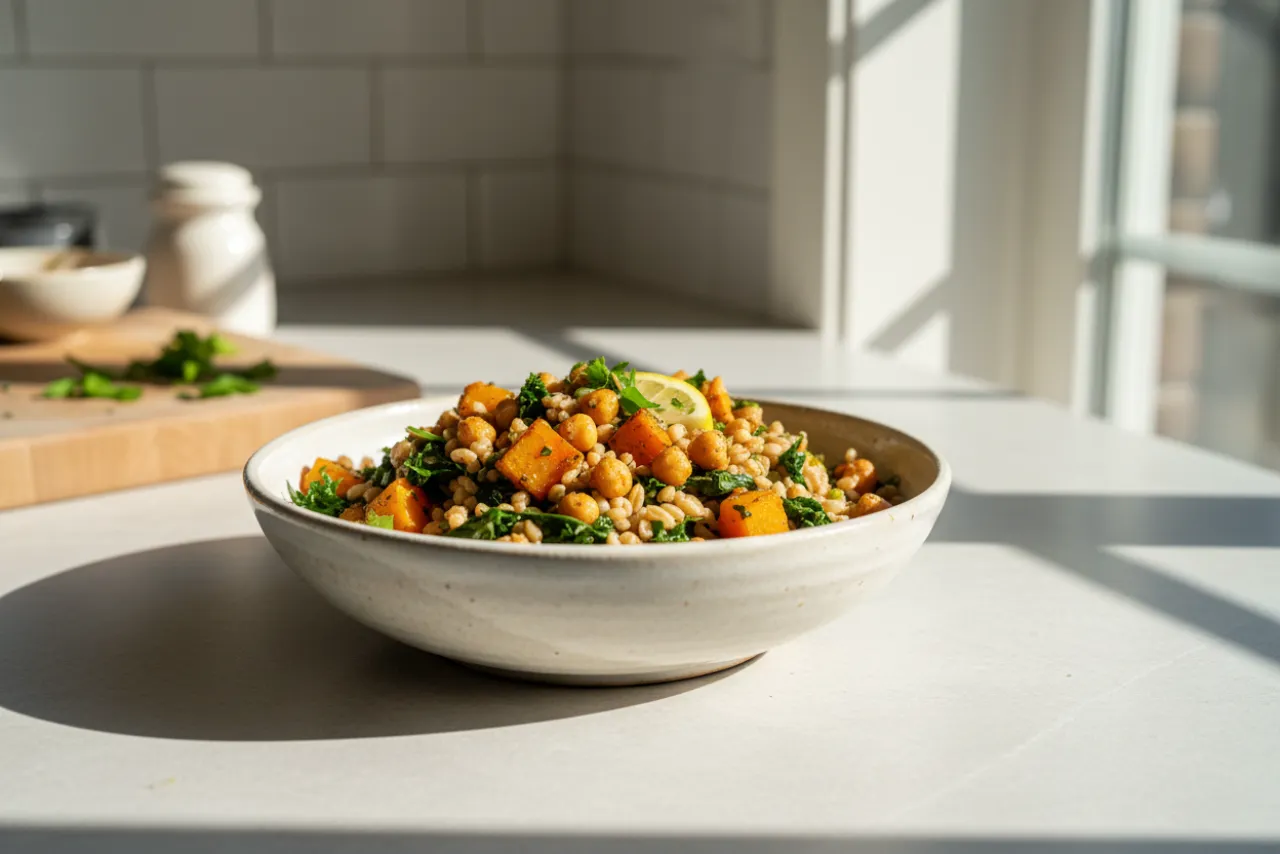
1Farro & Roasted Vegetable Bowl
Mediterranean40 min19g fiber24g protein
A hearty Mediterranean bowl of chewy farro piled with roasted seasonal vegetables, finished with a generous drizzle of extra-virgin olive oil and fresh herbs. It comes together in about 40 minutes, most of it hands-off roasting time, and delivers a satisfying, forkable plate that eats like a proper meal rather than a side.
This one leans hard on the Mediterranean anti-inflammatory playbook: whole-grain farro and roasted vegetables push it to around 19 grams of fiber for gut health, while the olive-oil finish supplies polyphenols. With roughly 24 grams of protein, it keeps you full without meat, making it a textbook whole-food anti-inflammatory plate.
Tip: Roast the vegetables at high heat until the edges char, then add the <strong>olive oil raw at the end</strong> to keep its polyphenols intact.
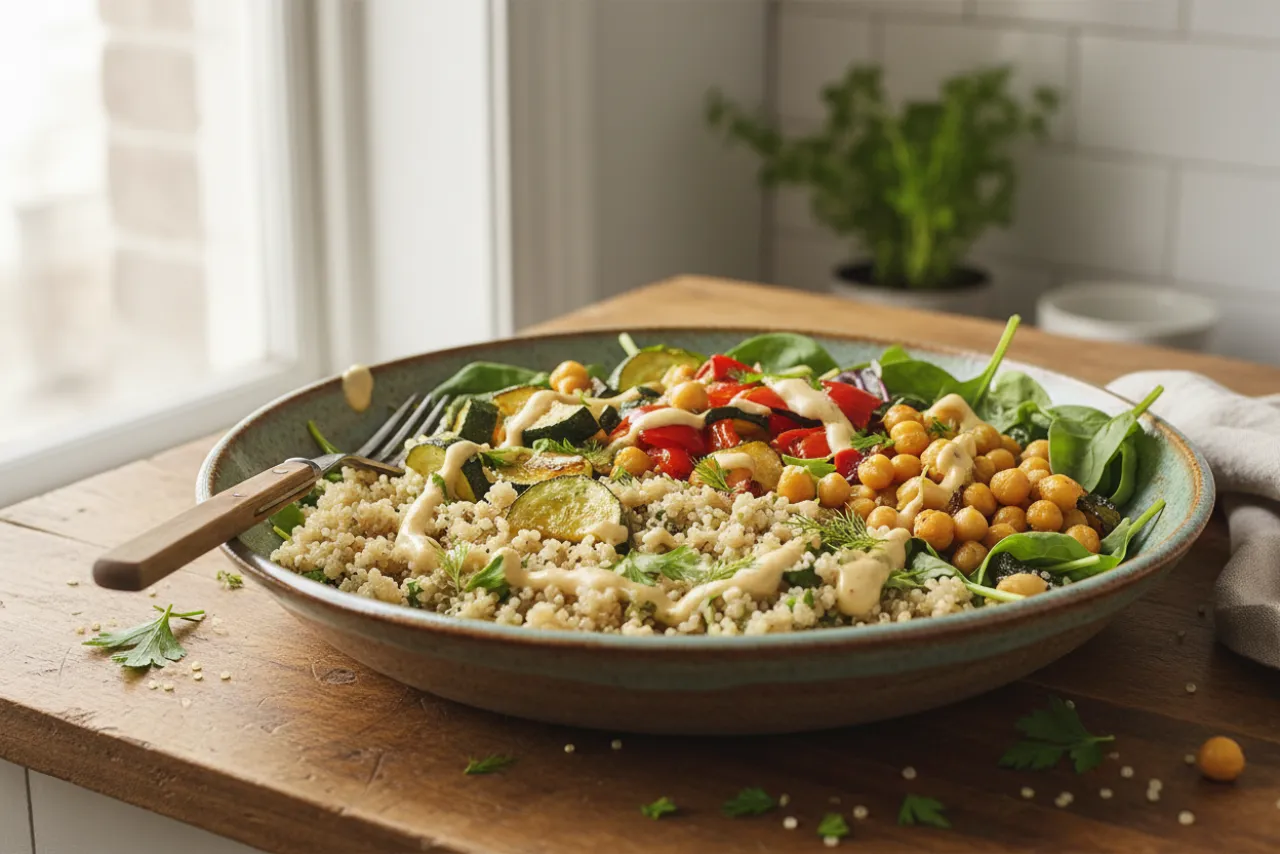
2Mediterranean Grain Bowl
Mediterranean35 min17g fiber23g protein
Built on a base of whole grains with cucumber, tomato, olives, and a bright lemon-olive-oil dressing, this Mediterranean grain bowl is the kind of fresh, no-fuss plate you can assemble in 35 minutes. Everything stays crisp and colorful, and it holds up beautifully as a next-day lunch straight from the fridge.
Fitting neatly into anti-inflammatory eating, it stacks whole grains and vegetables for about 17 grams of fiber and around 23 grams of protein. The extra-virgin olive oil dressing and antioxidant-rich tomatoes and olives echo the Mediterranean pattern most closely tied to reducing inflammation, all from simple, recognizable ingredients.
Tip: Dress it while the grains are still slightly warm so they <strong>soak up the olive oil and lemon</strong> instead of sitting on top.
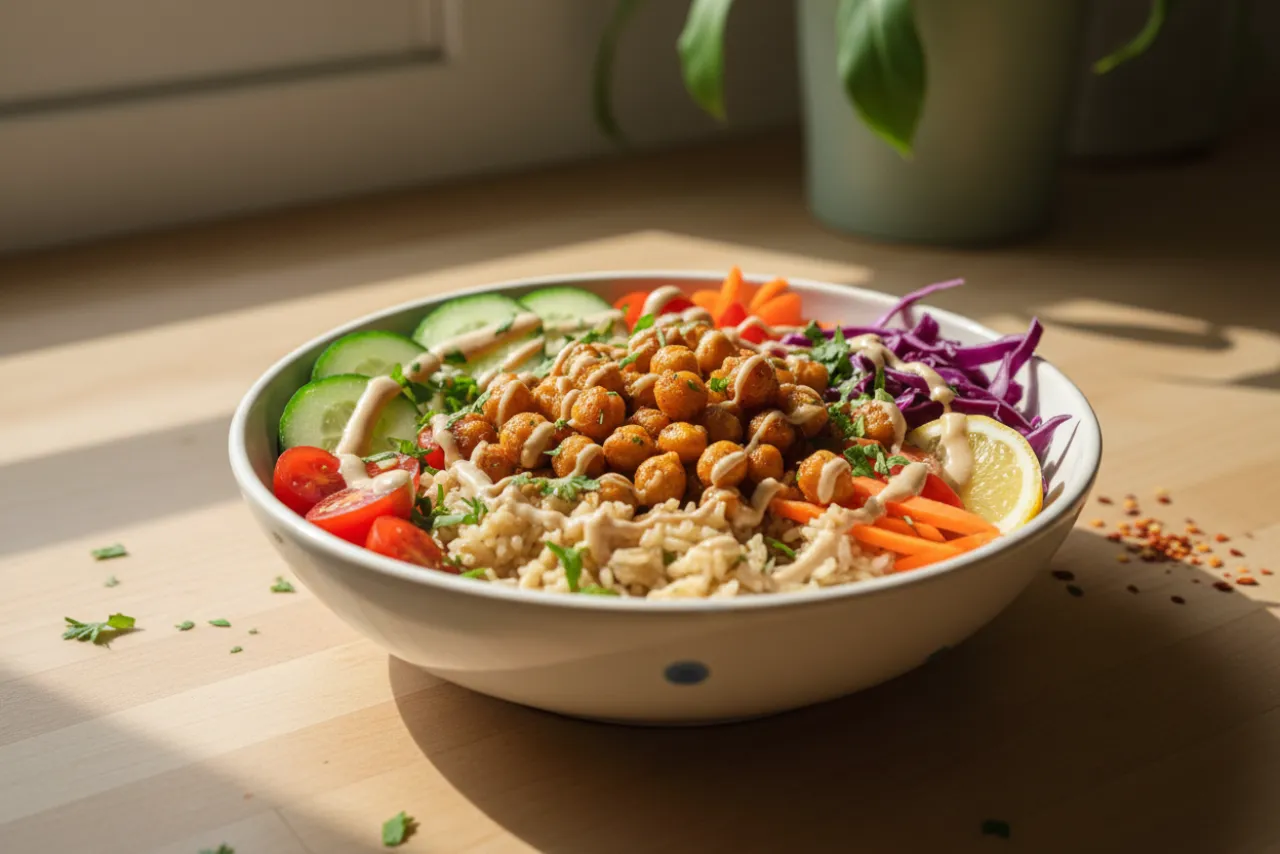
3Crispy Chickpea Buddha Bowl
Mediterranean45 min18g fiber22g protein
Crispy roasted chickpeas anchor this vibrant Buddha bowl, layered over greens and vegetables with a creamy tahini-based sauce. It takes around 45 minutes, mostly to crisp the chickpeas until golden, and rewards the wait with contrasting textures — crunchy, creamy, and fresh — in every single bite.
As an anti-inflammatory choice, it's a fiber powerhouse at roughly 18 grams, thanks to legumes and leafy greens that feed a healthy gut. The chickpeas bring about 22 grams of plant protein, and a tahini-and-olive-oil dressing rounds it out with the healthy fats central to Mediterranean-style eating.
Tip: Dry the chickpeas thoroughly before roasting — <strong>surface moisture is the enemy of crispiness</strong>.
4Loaded Hummus Bowl
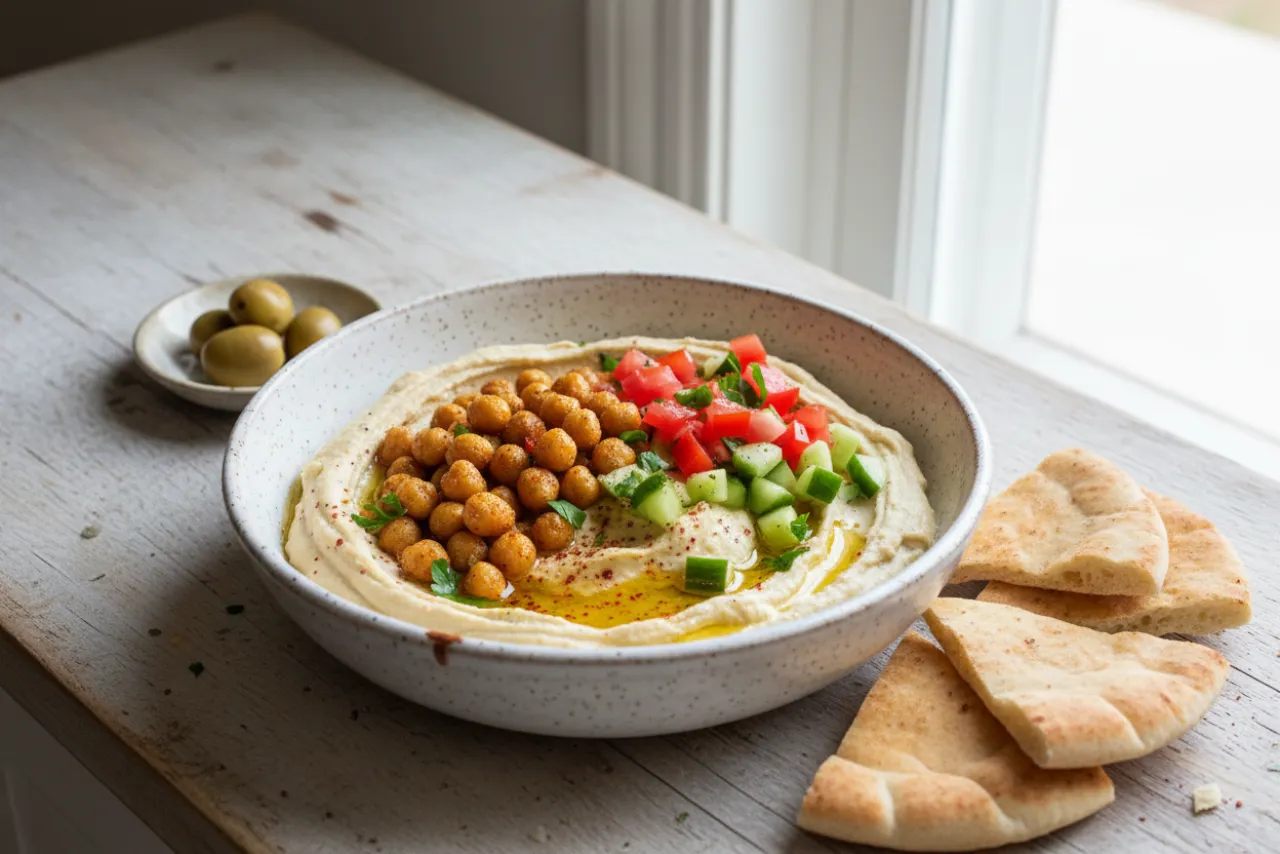
Middle Eastern12 min11g fiber14g protein
A loaded hummus bowl that turns a tub of chickpea dip into a full meal: creamy hummus spread wide, then topped with chopped vegetables, herbs, and a drizzle of good oil. At just 12 minutes, it's the fastest savory option here and leans on pantry staples you probably already have.
This Middle Eastern bowl is quietly anti-inflammatory, with chickpea-based hummus and fresh vegetables contributing about 11 grams of fiber and roughly 14 grams of protein. Tahini and olive oil add the monounsaturated fats and polyphenols that underpin the Mediterranean approach, and the raw vegetables layer on antioxidants for very little effort.
Tip: Loosen the hummus with a splash of water and a squeeze of lemon so it spreads into a <strong>silky, scoopable base</strong>.
5Chicken Quinoa Power Bowl
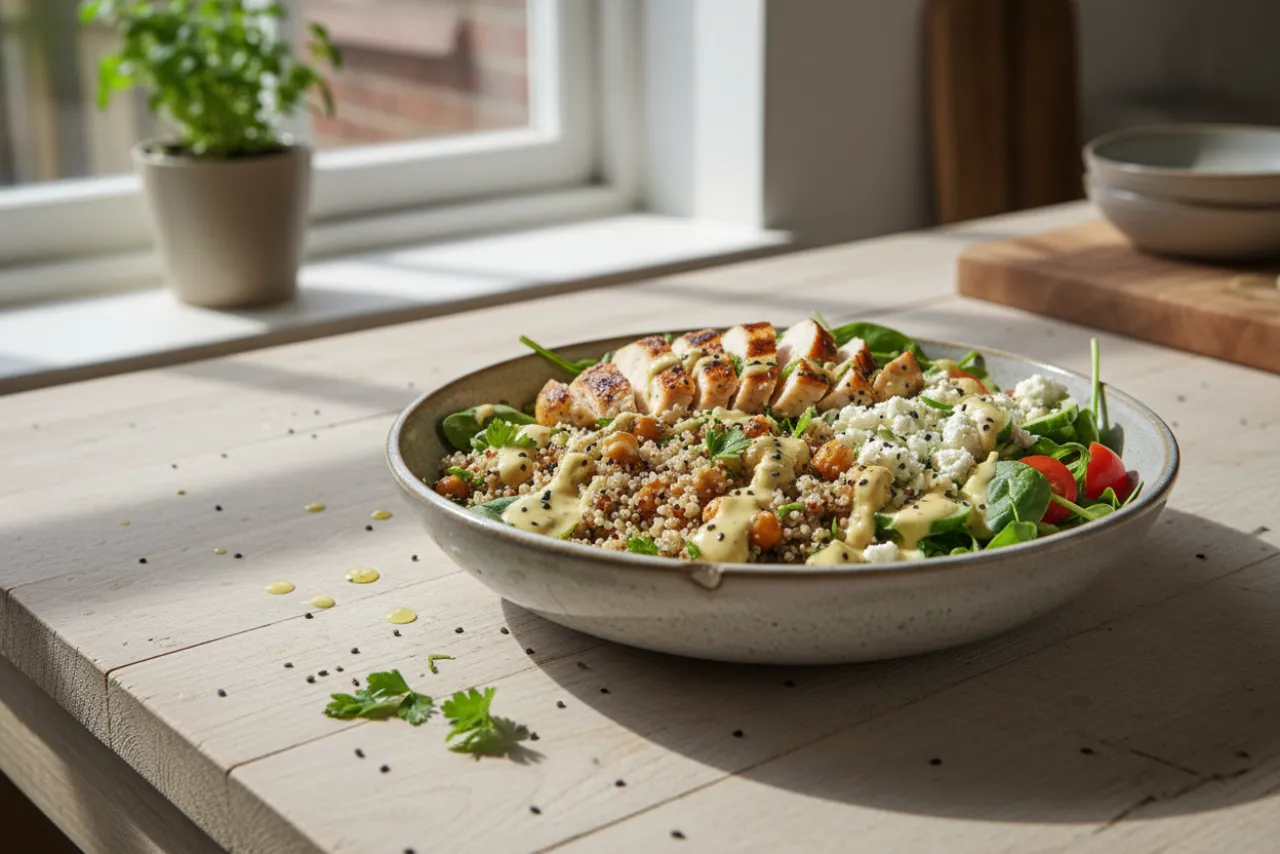
Mediterranean30 min17g fiber59g protein
A genuinely filling power bowl that pairs lean grilled chicken with fluffy quinoa, plenty of vegetables, and a light dressing. Ready in about 30 minutes, it's engineered for anyone who wants a big protein hit without a heavy, greasy plate — a clean, energizing lunch or post-workout dinner.
The standout here is protein, at roughly 59 grams, alongside about 17 grams of fiber from quinoa and vegetables for gut health. Quinoa's whole-grain base and an olive-oil dressing keep it aligned with anti-inflammatory, Mediterranean-style eating, proving a high-protein bowl can still be built on plants and healthy fats.
Tip: Rinse the quinoa before cooking to <strong>wash away its bitter coating</strong> for a cleaner, nuttier grain.
More anti-inflammatory smoothie recipes to try
Plenty more anti-inflammatory smoothie ideas to keep the week varied.
6Miso Salmon & Greens Bowl
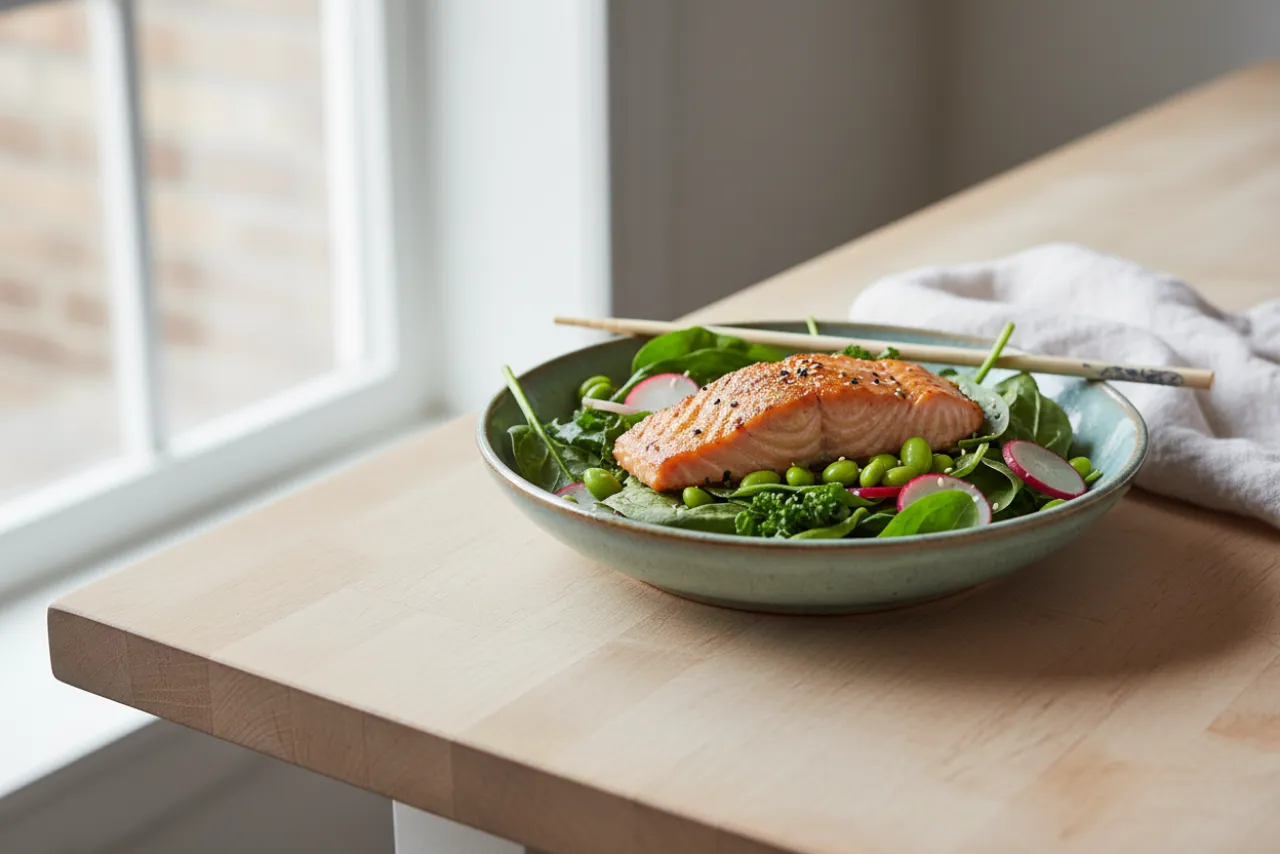
Japanese25 min7g fiber47g protein
A Japanese-inspired bowl of glazed miso salmon over greens, ready in a brisk 25 minutes. The miso lacquers the fish with deep umami as it roasts, and a bed of leafy greens keeps the whole thing light, bright, and balanced without any fuss.
Salmon makes this a real anti-inflammatory anchor: it's one of the best sources of omega-3 fatty acids, the fats most strongly tied to reducing inflammation. With about 47 grams of protein and 7 grams of fiber from the greens, plus fermented miso for gut health, it hits several anti-inflammatory notes at once.
Tip: Add the miso glaze in the last few minutes of cooking — its <strong>sugars burn fast</strong> under high heat.
7Salmon & Quinoa Mediterranean Bowl
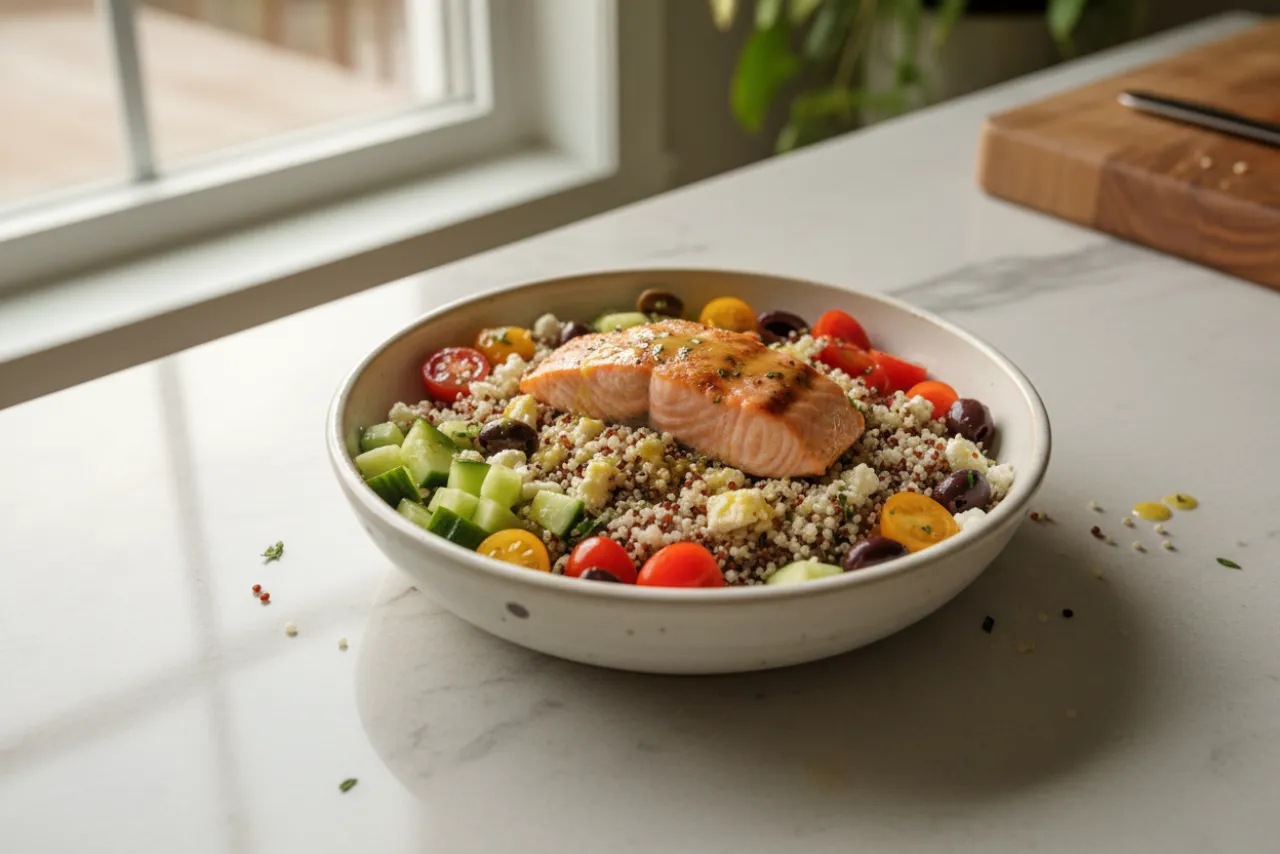
Mediterranean30 min7g fiber46g protein
This Mediterranean take pairs a flaky salmon fillet with quinoa, crisp vegetables, and a lemon-olive-oil dressing. It's ready in around 30 minutes and strikes a comforting balance between the richness of the fish and the freshness of the grains and greens beneath it.
It's a double dose of anti-inflammatory building blocks: omega-3-rich salmon meets whole-grain quinoa and an extra-virgin olive oil dressing, the core of Mediterranean eating. With roughly 46 grams of protein and 7 grams of fiber, it delivers the oily fish and healthy fats most associated with an anti-inflammatory diet.
Tip: Cook the salmon skin-side down first for a <strong>crisp crust</strong> that keeps the fillet from sticking.
8Chicken & Vegetable Bowl
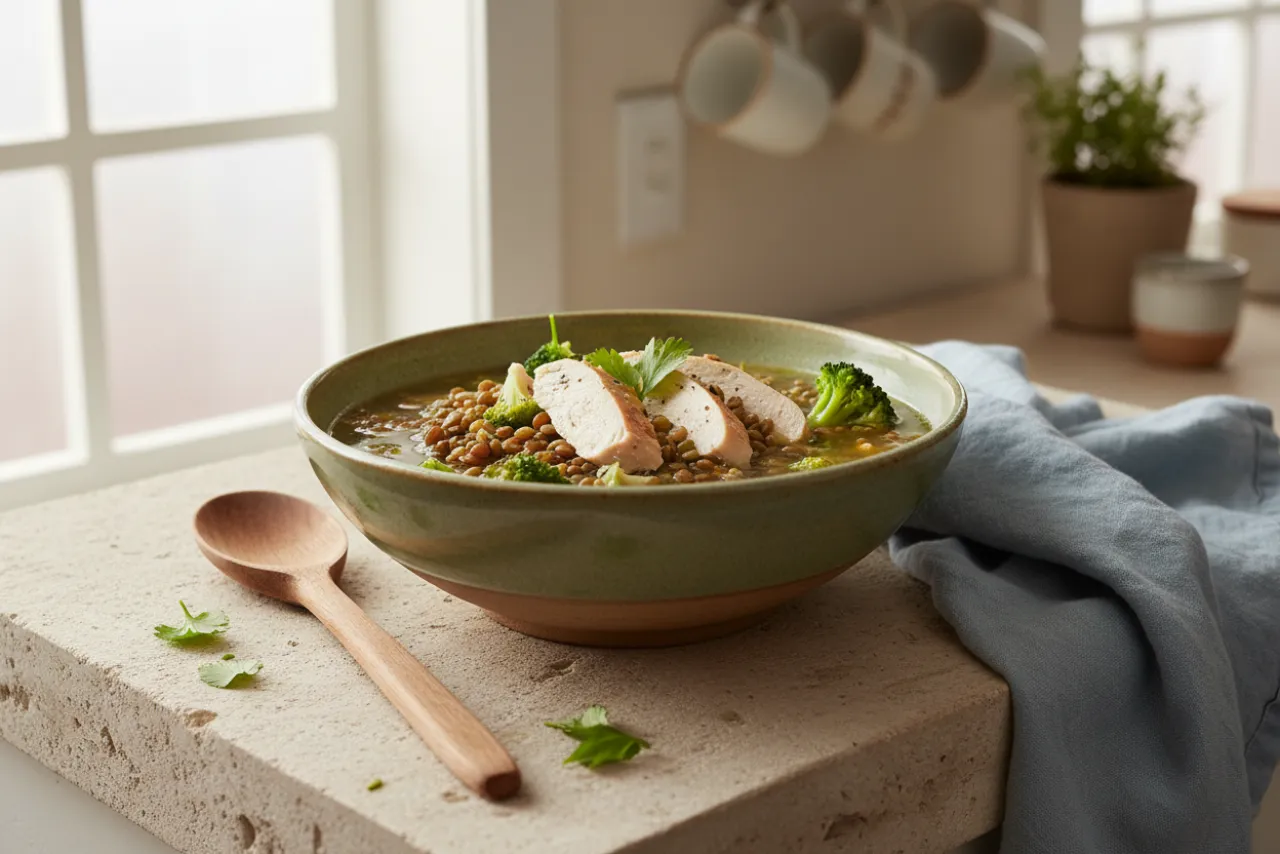
American25 min17g fiber38g protein
A straightforward, no-nonsense bowl of seasoned chicken and mixed vegetables in the American comfort mold, on the table in 25 minutes. It's the kind of dependable, high-protein weeknight plate you can make on autopilot, with vegetables that shift easily to whatever's in the crisper drawer.
Supporting anti-inflammatory eating, it delivers about 38 grams of protein and a strong 17 grams of fiber from its generous pile of vegetables, feeding the gut microbiome that helps regulate inflammation. Cook it in olive oil and pack in colorful, antioxidant-rich produce to keep it firmly whole-food and inflammation-friendly.
Tip: Cut the vegetables into similar sizes so they <strong>cook evenly</strong> and everything finishes at once.
9Black Bean Breakfast Bowl
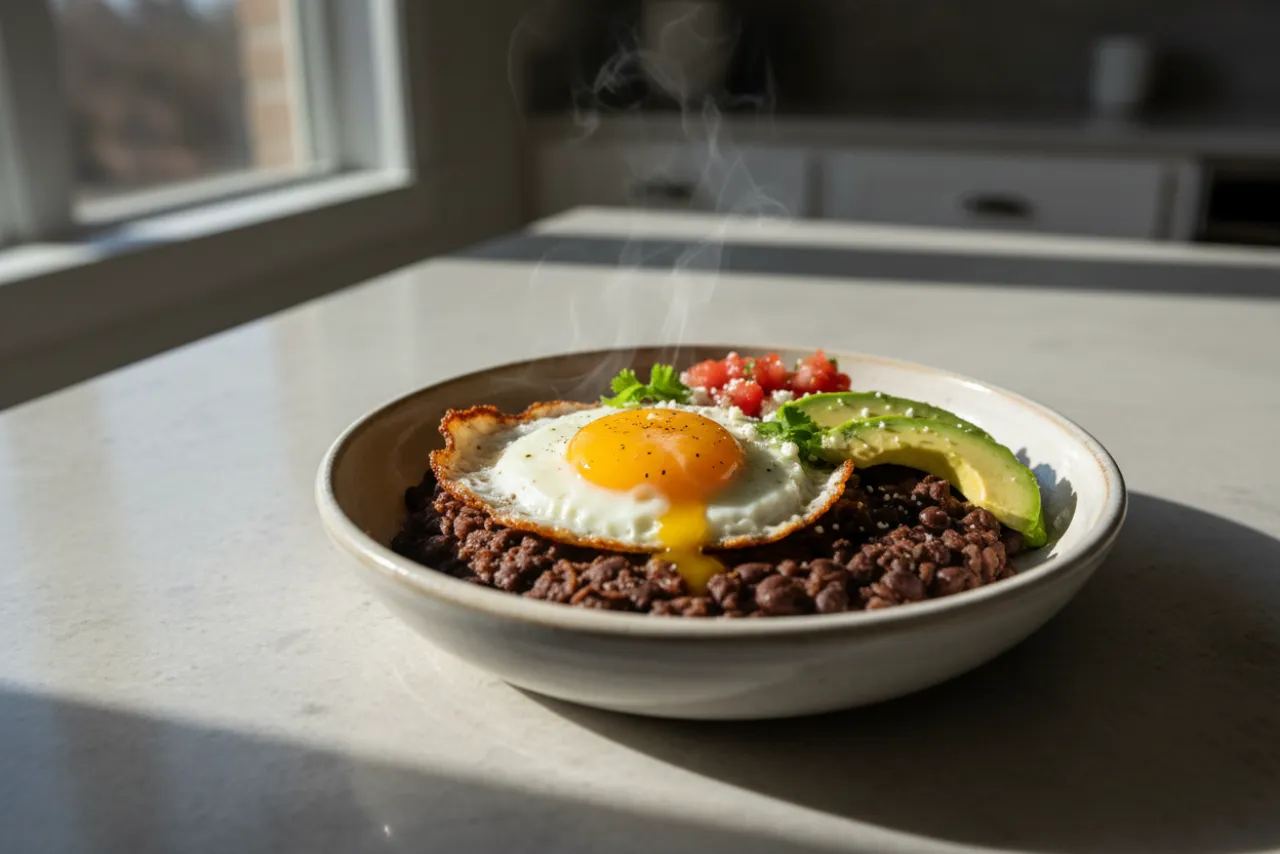
Mexican15 min27g fiber30g protein
A savory Mexican-style breakfast bowl of black beans, egg, and vegetables that comes together in just 15 minutes. It's a bold, warming way to start the day, and a welcome change from sweet breakfasts — the kind of plate that actually keeps you full until lunch.
The fiber here is remarkable, at about 27 grams, thanks to black beans and vegetables that are excellent for gut health and a plant-forward anti-inflammatory diet. Around 30 grams of protein and the legumes' slow-digesting carbs make it a steadying, whole-food start that leans on beans rather than processed breakfast fare.
Tip: Warm the black beans with a little cumin and lime before building the bowl to <strong>wake up their flavor</strong>.
10Green Protein Smoothie
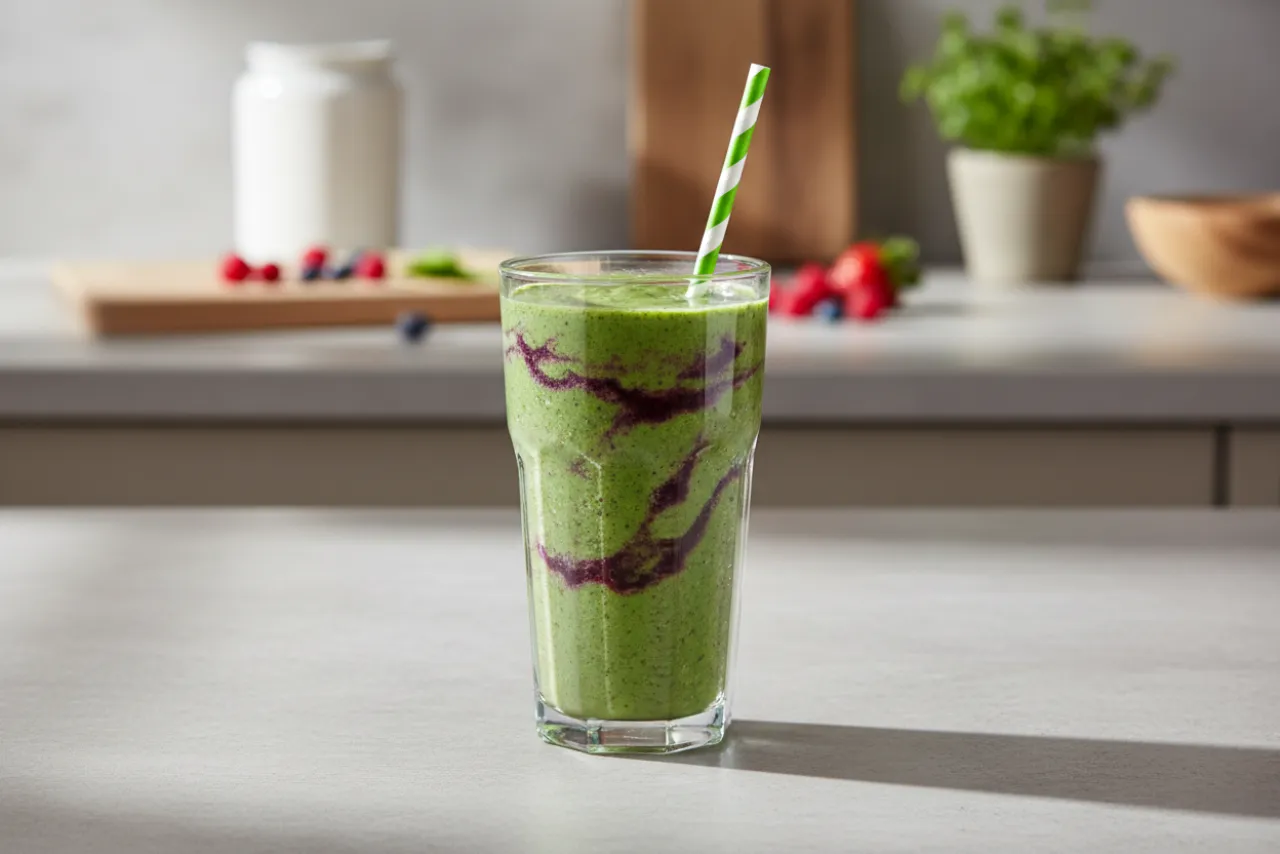
American6 min9g fiber20g protein
The one you can actually drink: a green protein smoothie blitzed in six minutes from leafy greens, fruit, and your protein of choice. It's smooth, portable, and endlessly tweakable, making it the go-to when you want the benefits of a full meal in a glass you can take out the door.
This is the classic anti-inflammatory smoothie recipe of the bunch — leafy greens and fruit for antioxidants, roughly 9 grams of fiber for gut health, and about 20 grams of protein to keep it satisfying. Add a knob of fresh ginger and a handful of berries to amplify the anti-inflammatory, whole-food payload.
Tip: Blend the <strong>leafy greens with the liquid first</strong>, then add fruit and ice, for a smoothie with no stringy bits.
Tips
- Reach for extra-virgin olive oil as your default fat — its polyphenols are a big part of why the Mediterranean pattern is considered anti-inflammatory, and a raw drizzle at the end preserves the most flavor and benefit.
- Pair turmeric with a crack of black pepper and a little fat; the piperine in pepper dramatically improves absorption of curcumin, turmeric's active compound.
- Aim to get two servings of oily fish like salmon a week for omega-3s, and treat the bowls here as an easy way to hit that target without much planning.
- Lean on fiber from legumes and whole grains at most meals — it feeds your gut microbiome, and a healthier gut is one of the clearest levers you have for keeping inflammation in check.
- Build every plate around color: berries, leafy greens, and deeply pigmented vegetables carry the antioxidants that make anti-inflammatory eating work, so the more shades on the plate, the better.
Frequently asked questions
What actually makes a smoothie or meal anti-inflammatory?
It's the ingredients, not a special formula. Anti-inflammatory eating centers on whole foods repeatedly linked to lower inflammation: omega-3-rich oily fish, extra-virgin olive oil, berries, leafy greens, turmeric, ginger, legumes, and whole grains. A smoothie built from berries, greens, and ginger fits the pattern; so does a farro bowl with olive oil. What you leave out — heavily processed foods and added sugar — matters just as much.
Are these meals a cure for inflammation or disease?
No, and it's worth being clear about that. Foods like turmeric, salmon, and leafy greens support an anti-inflammatory diet, but no single meal or ingredient treats or cures a disease. The evidence is strongest for overall eating patterns over time, not one magic smoothie. If you're managing a diagnosed condition, use these as part of a broader plan and talk to your doctor or a dietitian.
Do I need to add protein powder to an anti-inflammatory smoothie?
Not necessarily. The green protein smoothie here reaches about 20 grams of protein, and you can get there with Greek yogurt, silken tofu, or a scoop of a clean protein powder you like. Whole-food protein also brings extra fiber and nutrients. If you use powder, pick a simple one and let the berries, greens, and ginger do the anti-inflammatory work.
Why is fiber such a big deal for reducing inflammation?
Fiber from legumes and whole grains feeds the beneficial bacteria in your gut, which produce compounds that help regulate your immune system and keep inflammation lower. That's why several bowls here clear 17 to 27 grams of fiber. A high-fiber, plant-forward plate supports gut health, and a healthier gut is one of the most reliable foundations of an anti-inflammatory diet.
Eat this way without the effort. Homecooked plans a week of anti-inflammatory meals around what's already in your kitchen, tells you the few ingredients you're missing, and walks you through cooking each one. Browse more recipes or start planning your week.