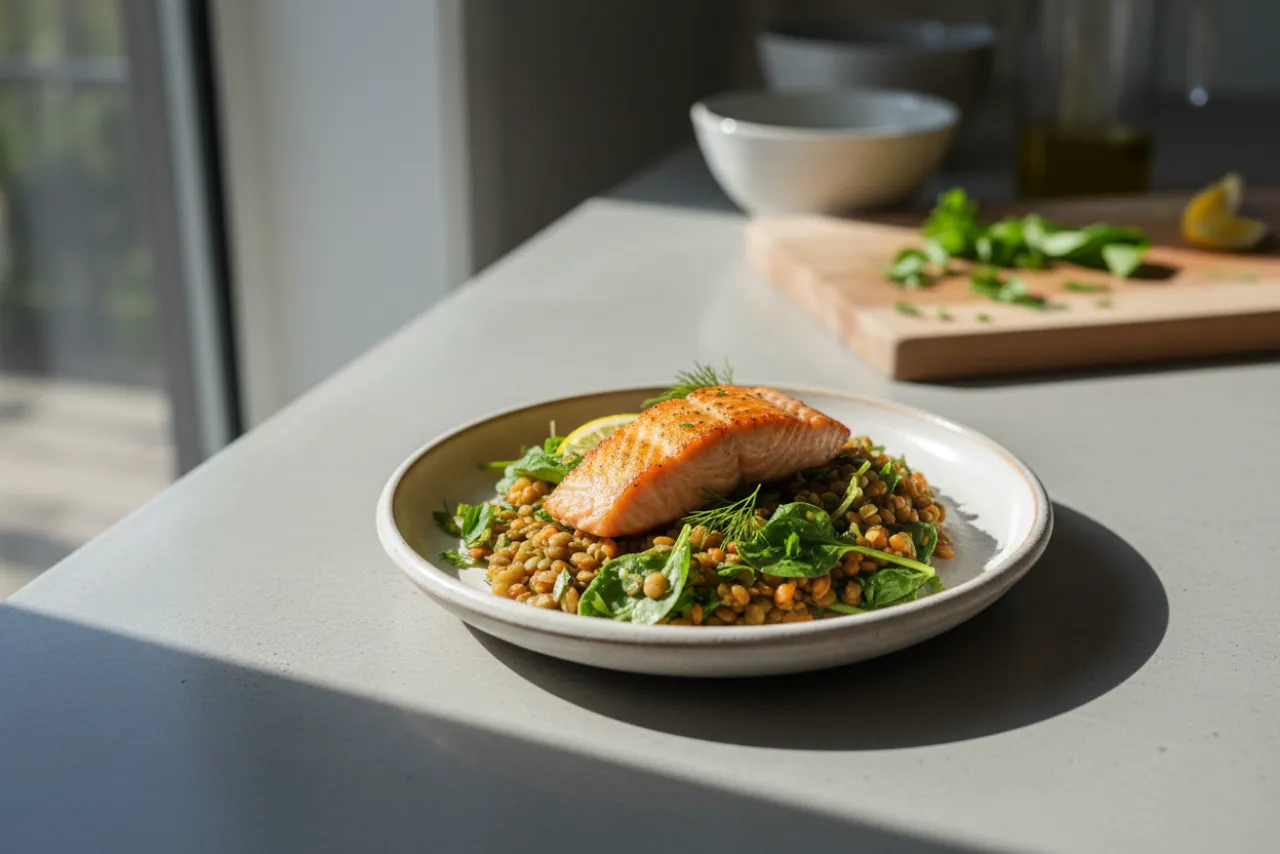
If you've been searching for anti-inflammatory dinner recipes that actually taste like something you'd want to eat again, you're in the right place. This collection leans on the Mediterranean-style, whole-food eating that nutrition researchers keep pointing back to: plenty of vegetables, olive oil, legumes, whole grains, herbs, and the occasional handful of nuts. Nothing here asks you to give up flavor to feel good after dinner.
Anti-inflammatory eating isn't a single miracle ingredient. It's a pattern. Diets built around leafy greens, beans, berries, whole grains, oily fish, and generous glugs of extra-virgin olive oil are consistently linked with lower markers of chronic inflammation. Spices like turmeric and ginger, along with a steady stream of fiber that feeds your gut bacteria, round out the picture. The magic is in the everyday repetition, not any one bowl.
Every recipe below is plant-forward, quick enough for a weeknight, and built from the ingredients that anti-inflammatory diets are famous for. Most land on the table in under 40 minutes, and many are cold salads or blender dips you can throw together in 15. We've flagged the protein and fiber in each so you can see, at a glance, why these dishes keep you full and steady.
A quick note on honesty: food supports your body, it doesn't cure disease. These recipes aren't medicine, and no single dinner will undo a rough week. But eating this way most nights is one of the most pleasant, sustainable things you can do for long-term health. Pick a few, keep them in rotation, and let the pattern do the work.
The best anti-inflammatory dinner recipes
Our top anti-inflammatory dinner picks to start with.
1Farro Salad
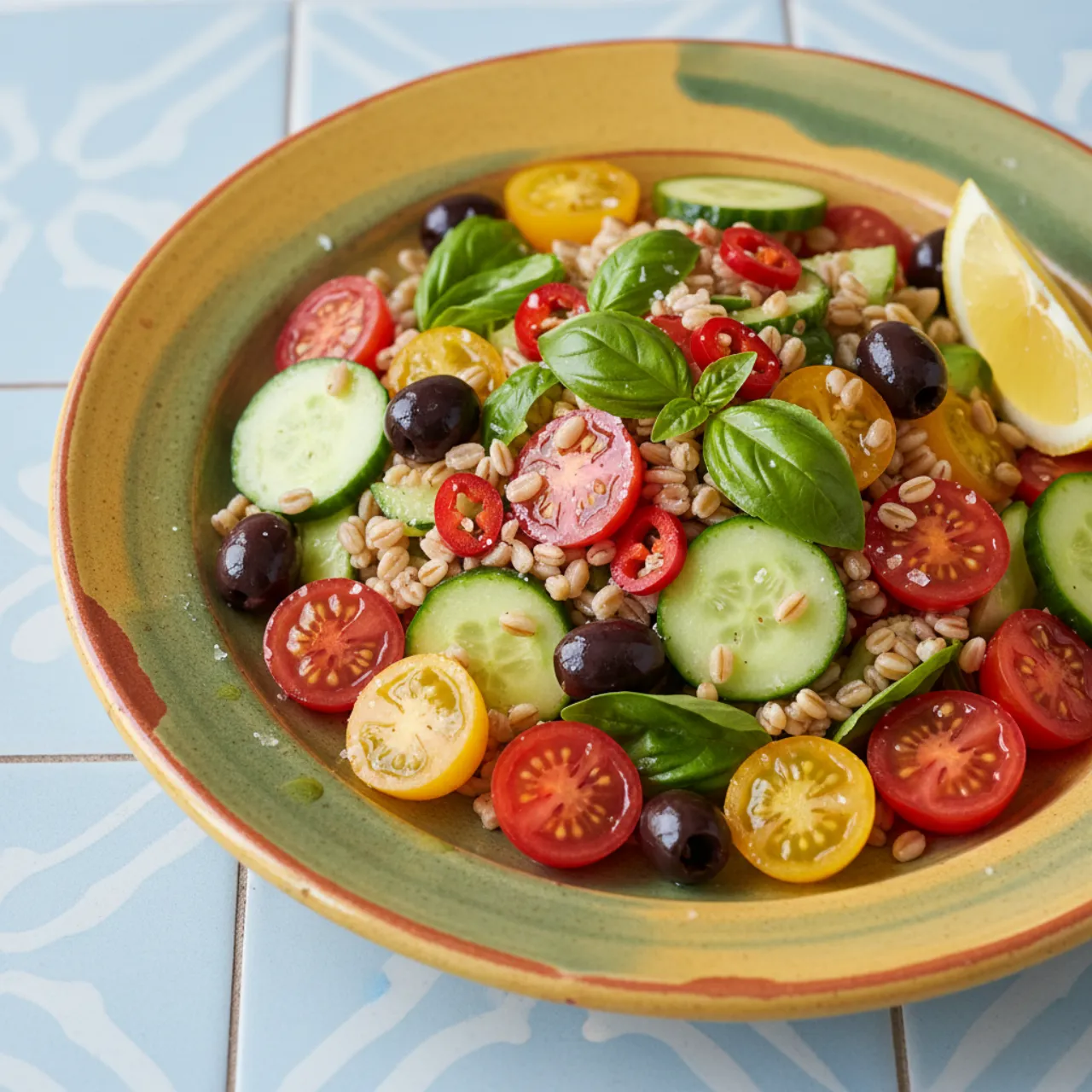
Italian30 min7g fiber12g protein
A hearty Italian grain salad built on chewy, nutty farro tossed with tomatoes, cucumber, herbs, and a bright olive oil dressing. It comes together in about 30 minutes, most of it hands-off while the grain simmers, and it holds up beautifully in the fridge for lunch the next day.
Farro is an ancient whole grain, so its fiber (around 7 grams here) feeds gut bacteria tied to lower inflammation, while extra-virgin olive oil and fresh herbs bring the classic Mediterranean anti-inflammatory profile. With roughly 12 grams of protein, it's satisfying enough to stand alone as a light dinner.
Tip: Cook the farro in <strong>vegetable broth instead of water</strong> for deeper flavor with no extra effort.
2Black Bean & Lime Salad
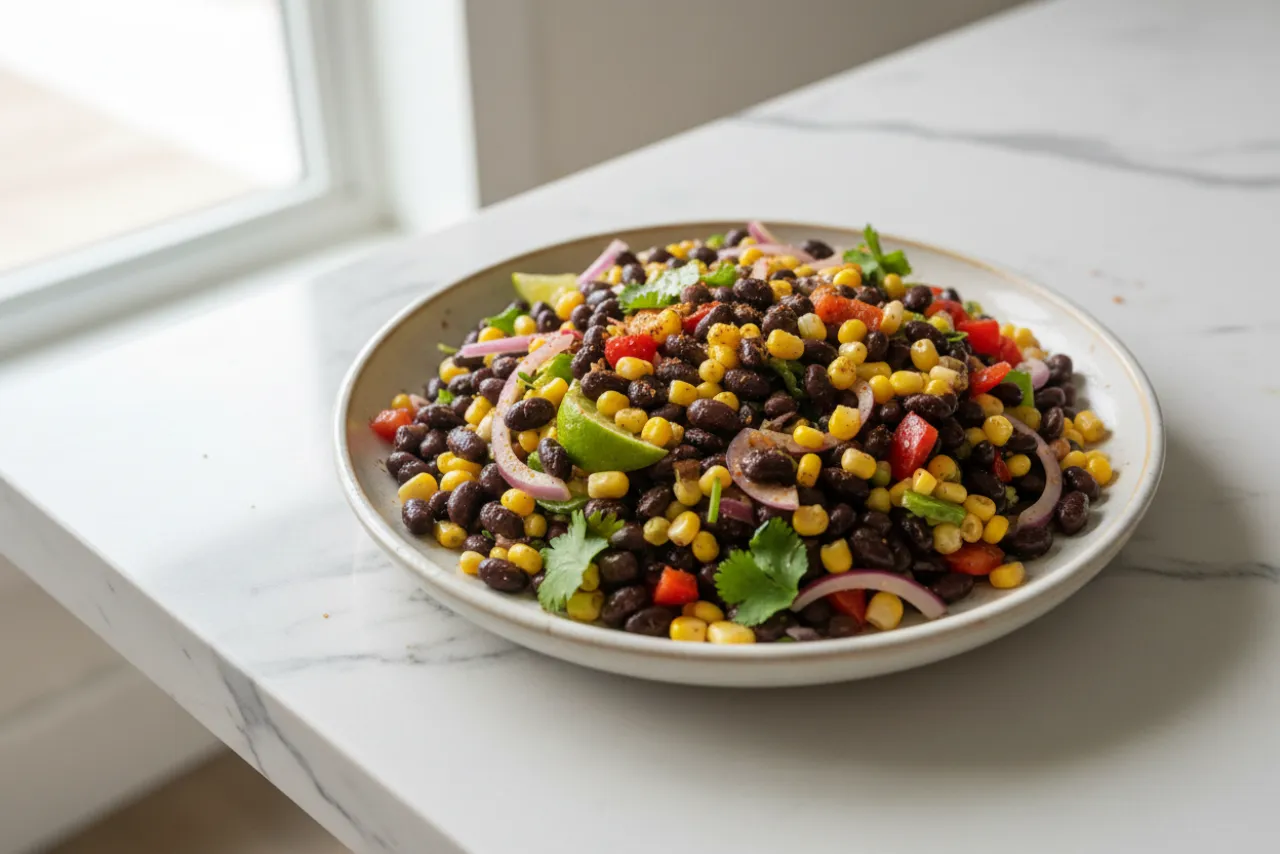
Mexican10 min10g fiber10g protein
A punchy Mexican-style salad of black beans, sweet corn, red onion, and cilantro, all lifted by a tangy lime dressing. Ready in just 10 minutes with no cooking required, it's the kind of throw-together dinner that tastes even better after the flavors have a little time to mingle.
Black beans are a fiber powerhouse — around 10 grams per serving — feeding the gut bacteria linked to reduced inflammation, and they deliver plant protein without any saturated animal fat. Lime, cilantro, and olive oil round out a fresh, whole-food plate that fits an anti-inflammatory diet effortlessly.
Tip: A pinch of <strong>ground cumin</strong> deepens the flavor and pairs naturally with the beans.
3Sambar
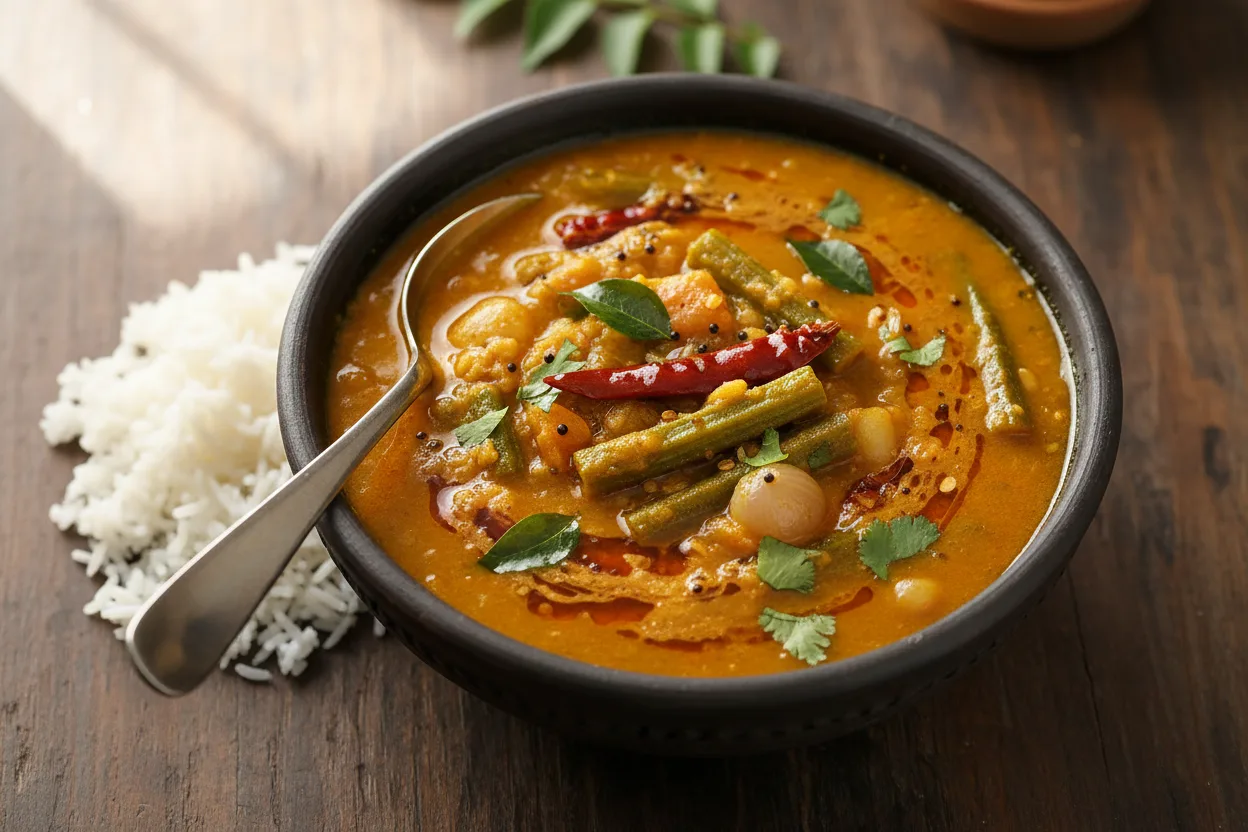
Indian40 min8g fiber10g protein
This South Indian lentil and vegetable stew simmers toor dal with tamarind, tomatoes, and a fragrant spice blend into something soothing and deeply savory. It takes about 40 minutes and fills the kitchen with the smell of toasting spices — comfort food that happens to be genuinely good for you.
Turmeric is the anti-inflammatory star here, alongside protein- and fiber-rich lentils (roughly 10 grams protein, 8 grams fiber). The blend of spices and vegetables layers in even more plant compounds, making sambar a textbook example of how traditional cooking can support an anti-inflammatory diet.
Tip: Add a crack of <strong>black pepper</strong> — it helps your body absorb turmeric's active compound.
4Mediterranean Chickpea Salad
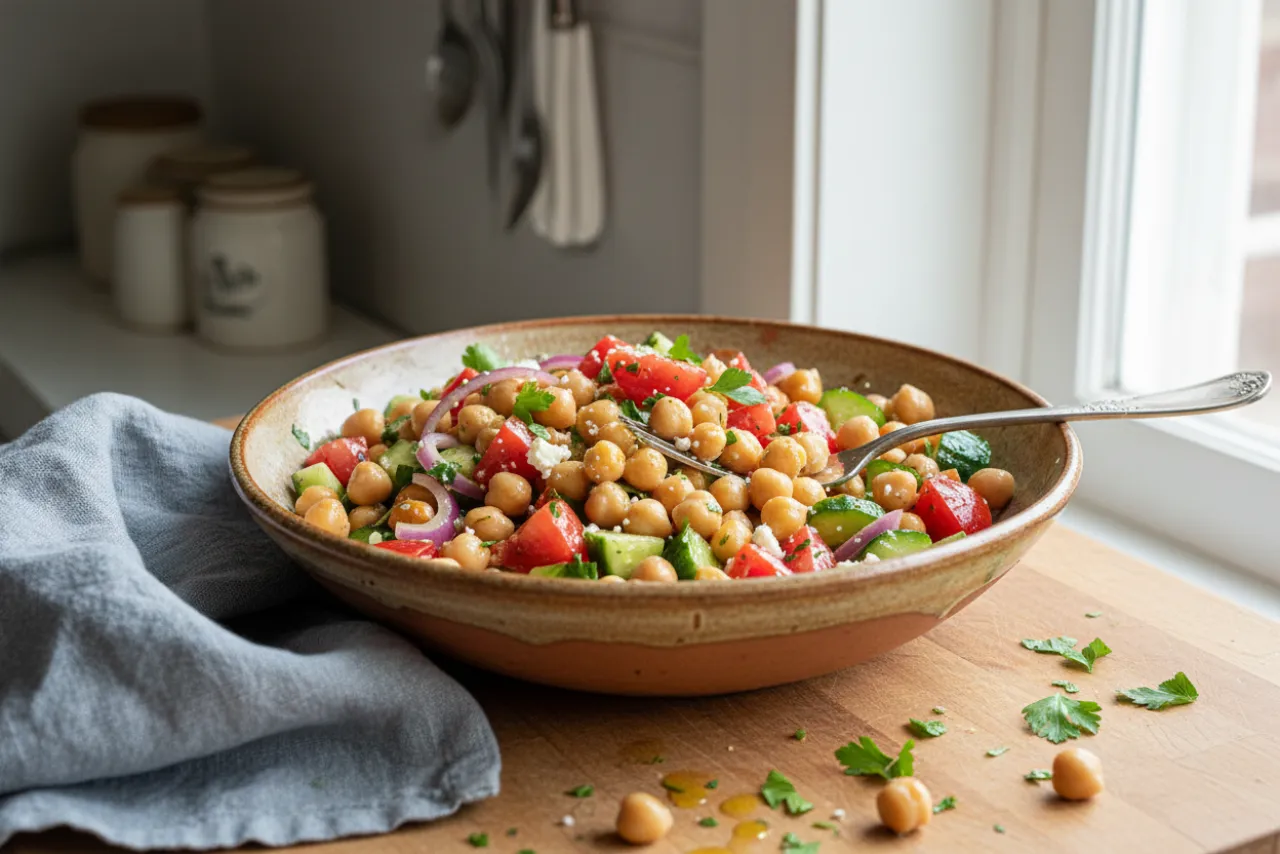
Mediterranean15 min9g fiber10g protein
A crisp, colorful bowl of chickpeas, cucumber, tomato, red onion, and parsley dressed in lemon and olive oil. Fifteen minutes and a cutting board are all you need. It's endlessly adaptable, travels well, and works as a light dinner or a generous side alongside grilled fish.
Chickpeas bring both plant protein and fiber (about 10 and 9 grams here), the kind of legume fiber that supports gut health and steady blood sugar. Combined with extra-virgin olive oil, fresh parsley, and lemon, this is the Mediterranean anti-inflammatory pattern in a single, refreshing bowl.
Tip: Let it sit <strong>10 minutes before serving</strong> so the chickpeas soak up the dressing.
5Tuscan White Bean Salad
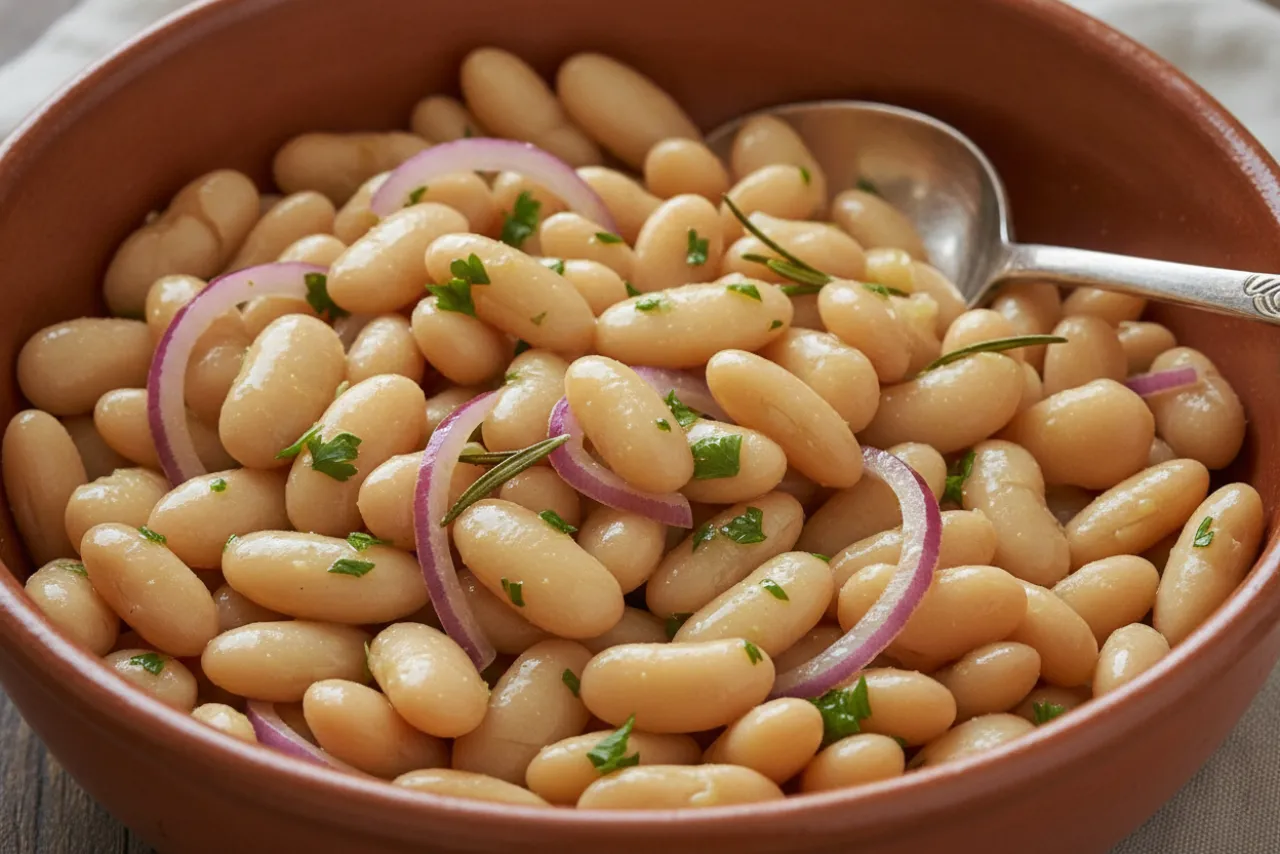
Italian12 min7g fiber10g protein
Creamy cannellini beans meet red onion, celery, and fresh sage in this rustic Italian salad, all bound with good olive oil and a splash of vinegar. It's ready in about 12 minutes and tastes like it took far longer — simple, honest food from the Tuscan countryside.
White beans deliver around 10 grams of protein and 7 grams of fiber per serving, the legume fiber that feeds a healthy gut and helps temper inflammation. Extra-virgin olive oil and fresh herbs supply the polyphenols that make Mediterranean eating so reliably anti-inflammatory.
Tip: Reserve a little bean liquid to <strong>loosen the dressing</strong> if it feels too thick.
6Pisto with Egg
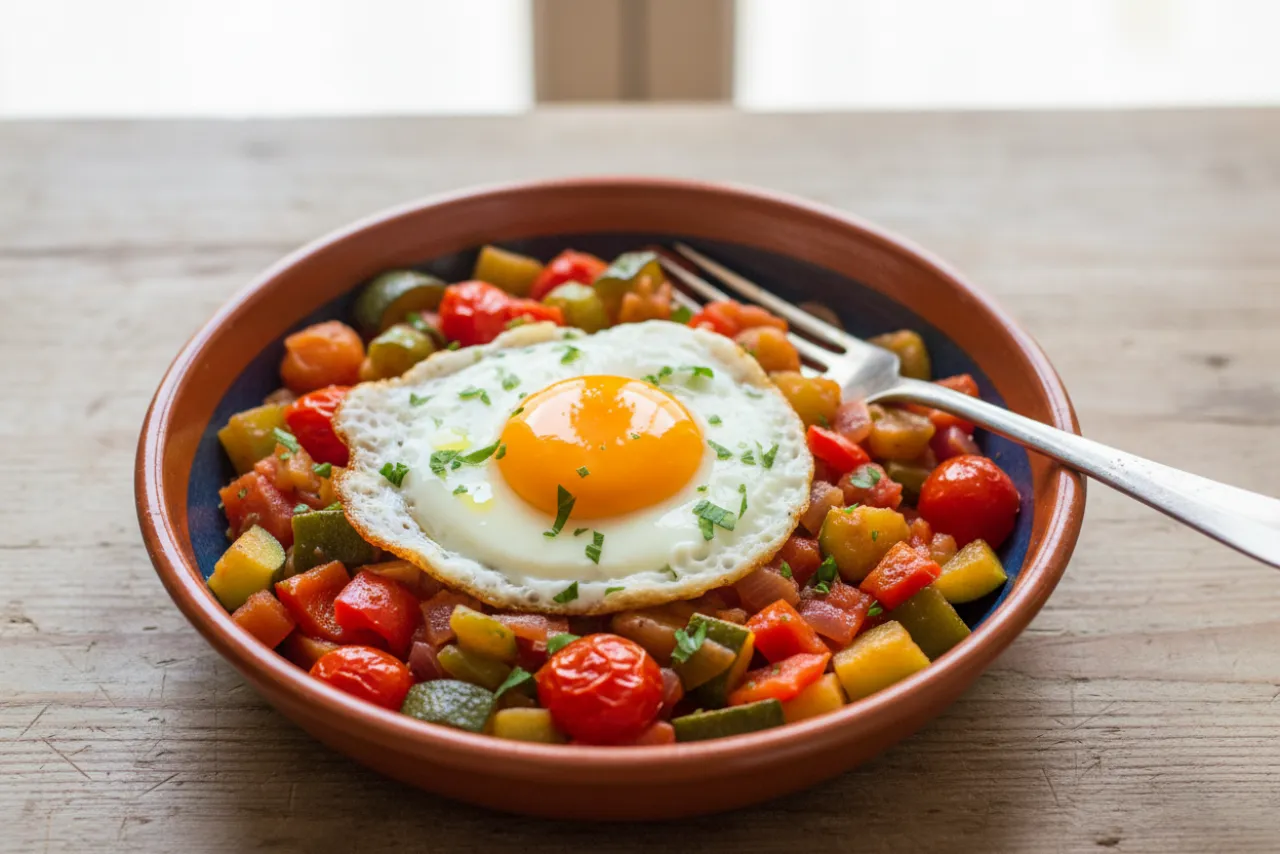
Spanish35 min5g fiber10g protein
Spain's answer to ratatouille, pisto slow-cooks tomatoes, peppers, zucchini, and onion into a silky, jammy vegetable stew, then crowns it with a runny egg. It takes about 35 minutes of gentle simmering, and the result is warming, homey, and endlessly satisfying scooped up with bread.
This dish is essentially a bowl of anti-inflammatory vegetables cooked in olive oil, with the egg adding complete protein (around 10 grams total). Tomatoes, peppers, and zucchini contribute vitamins and plant compounds, while the fiber (about 5 grams) and whole-food simplicity keep it firmly on-pattern.
Tip: Cook the vegetables <strong>low and slow</strong> — patience is what gives pisto its silky texture.
7Quinoa Tabbouleh
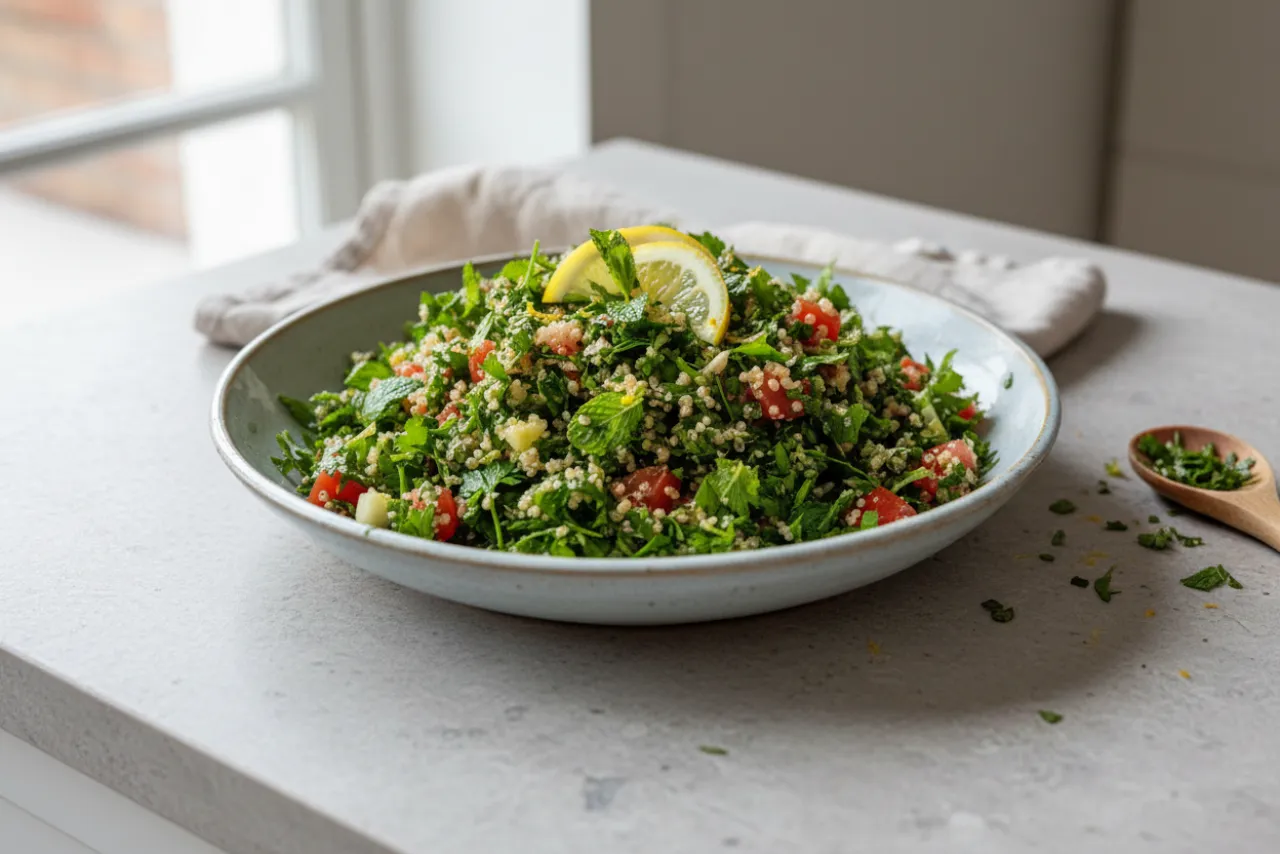
Middle Eastern25 min7g fiber10g protein
A modern riff on tabbouleh that swaps bulgur for protein-rich quinoa and folds in roasted vegetables alongside the traditional parsley, mint, tomato, and lemon. It comes together in about 25 minutes and delivers that signature herby brightness with a little extra heft and staying power.
Quinoa is a gluten-free whole grain with complete protein (around 10 grams) plus fiber (about 7 grams) for gut health. Piled with parsley, mint, roasted vegetables, and olive oil, this is a herb-forward, anti-inflammatory dinner that eats light but keeps you full.
Tip: <strong>Rinse the quinoa well</strong> before cooking to wash away any bitter coating.
8Edamame Hummus
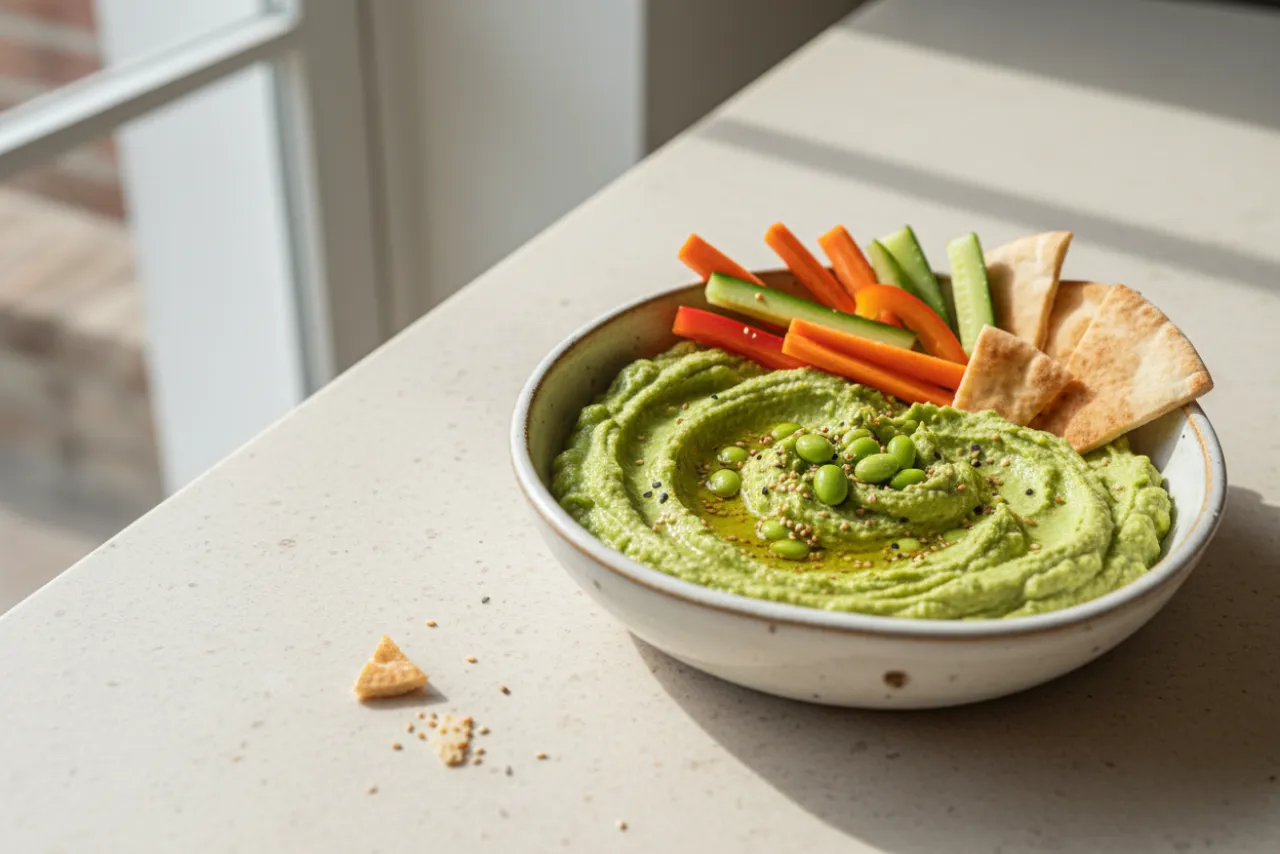
Middle Eastern12 min4g fiber10g protein
A vibrant green twist on classic hummus, this blends edamame with tahini, garlic, lemon, and olive oil into a smooth, savory dip. It takes about 12 minutes in the food processor and turns a plate of raw vegetables or warm pita into a genuinely satisfying, protein-packed light meal.
Edamame are young soybeans rich in plant protein (around 10 grams here), and blended with tahini and olive oil they bring healthy fats to the table. It's an easy way to work more legumes into an anti-inflammatory diet — spread it thick and load up on crunchy vegetables for dipping.
Tip: A handful of <strong>fresh mint or basil</strong> blended in makes it even brighter.
9Horiatiki (Greek Village Salad)
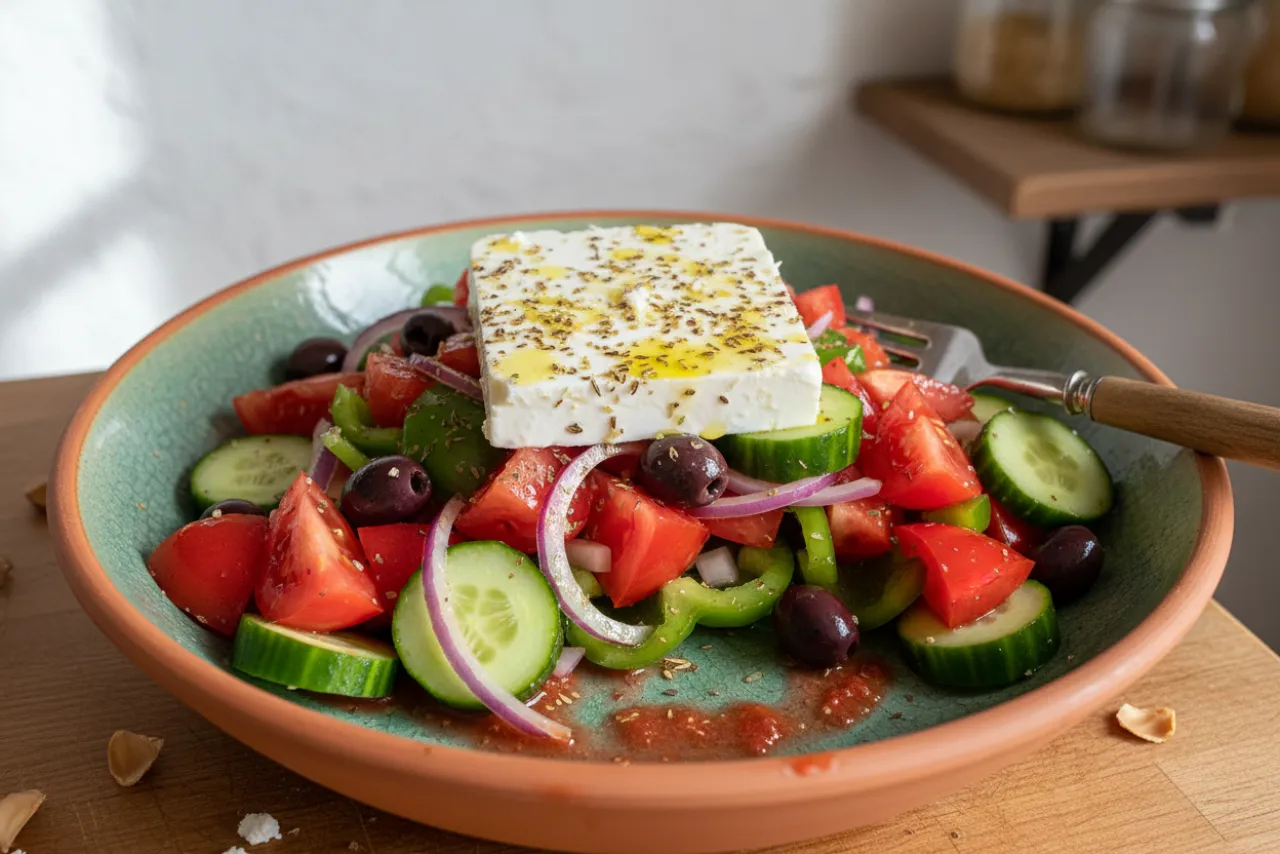
Greek12 min4g fiber9g protein
The real Greek village salad skips the lettuce entirely: ripe tomatoes, cucumber, green pepper, red onion, olives, and a thick slab of feta, all drizzled with olive oil and oregano. Twelve minutes, no cooking, and it tastes like a summer afternoon on a Greek island.
This is the Mediterranean anti-inflammatory template in its purest form — tomatoes, cucumber, olives, and extra-virgin olive oil, whose polyphenols are central to the diet's benefits. Feta adds around 9 grams of protein and dried oregano brings its own plant compounds, all with barely any effort.
Tip: Dress it <strong>just before serving</strong> so the vegetables stay crisp and juicy.
10Herbed Quinoa Salad
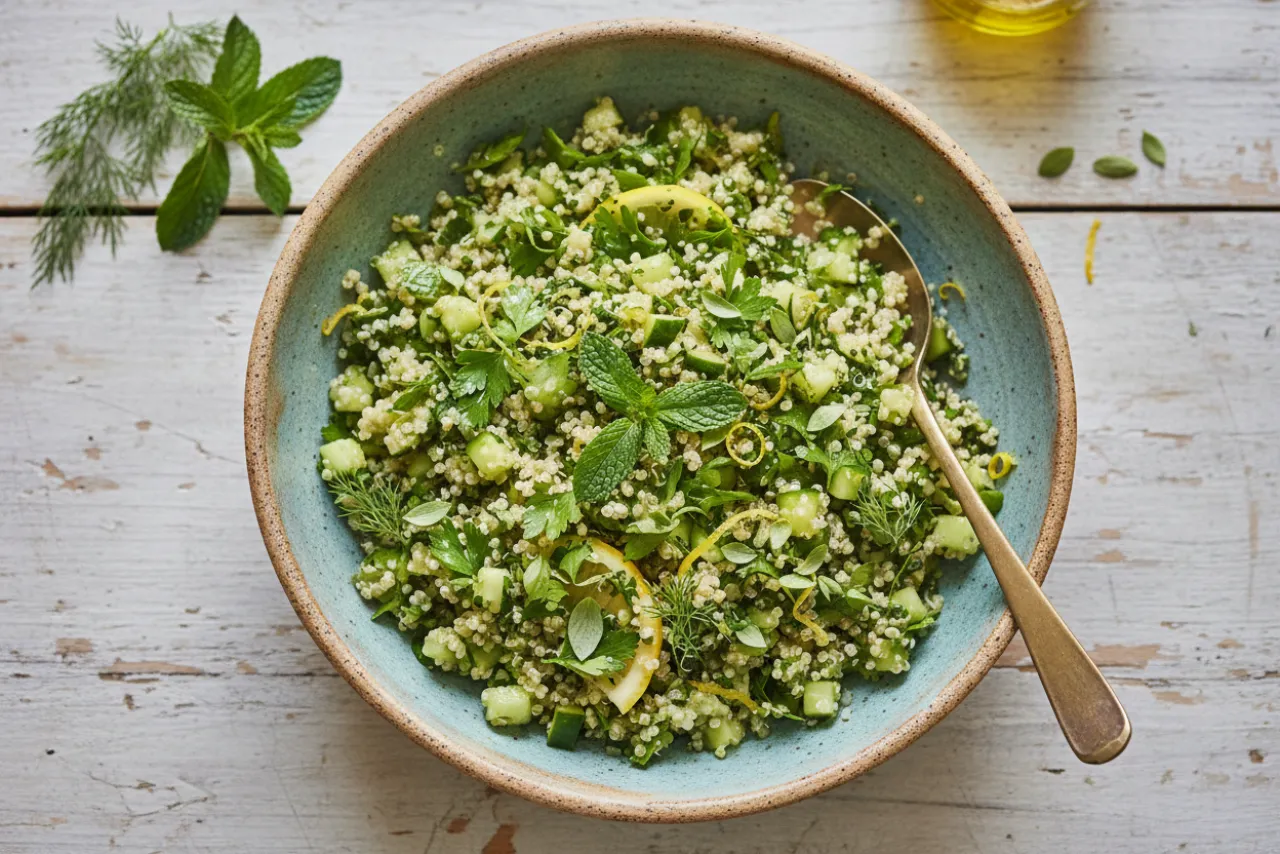
Mediterranean25 min5g fiber9g protein
A fresh, herb-flecked quinoa salad tossed with cucumber, tomato, red onion, and a lemony olive oil dressing. It needs about 25 minutes, mostly to cook and cool the grain, and rewards you with a make-ahead dinner that only improves as it sits in the fridge.
Quinoa's complete protein (around 9 grams) and fiber (about 5 grams) anchor a bowl full of anti-inflammatory vegetables and fresh herbs. Finished with extra-virgin olive oil and lemon, it's a light, whole-food dinner that slots easily into a Mediterranean-style eating pattern.
Tip: <strong>Cool the quinoa completely</strong> before dressing so the salad doesn't turn mushy.
11Gemista
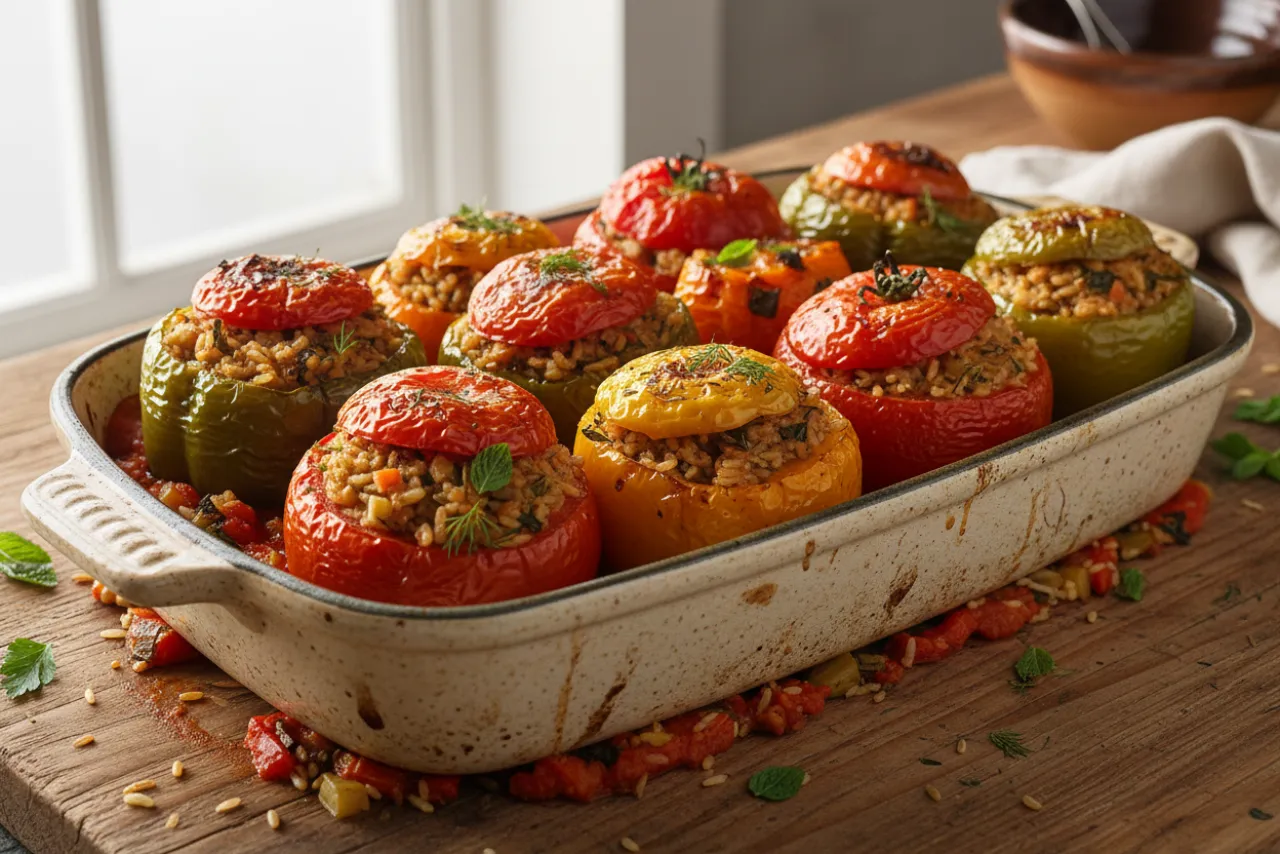
Greek80 min8g fiber8g protein
A beloved Greek classic: tomatoes and peppers hollowed out, stuffed with herbed rice, and slow-roasted until sweet and tender. It's a weekend project at around 80 minutes, but almost all of that is oven time, and the aroma of roasting vegetables and herbs is worth every minute.
Gemista is built entirely from anti-inflammatory vegetables roasted in olive oil, delivering a generous 8 grams of fiber for gut health. Tomatoes and peppers bring vitamins and plant compounds, while fresh herbs and good oil supply the Mediterranean profile that makes this comfort food so nourishing.
Tip: Drizzle <strong>extra olive oil over the top</strong> before roasting for golden, caramelized edges.
12Greek Salad
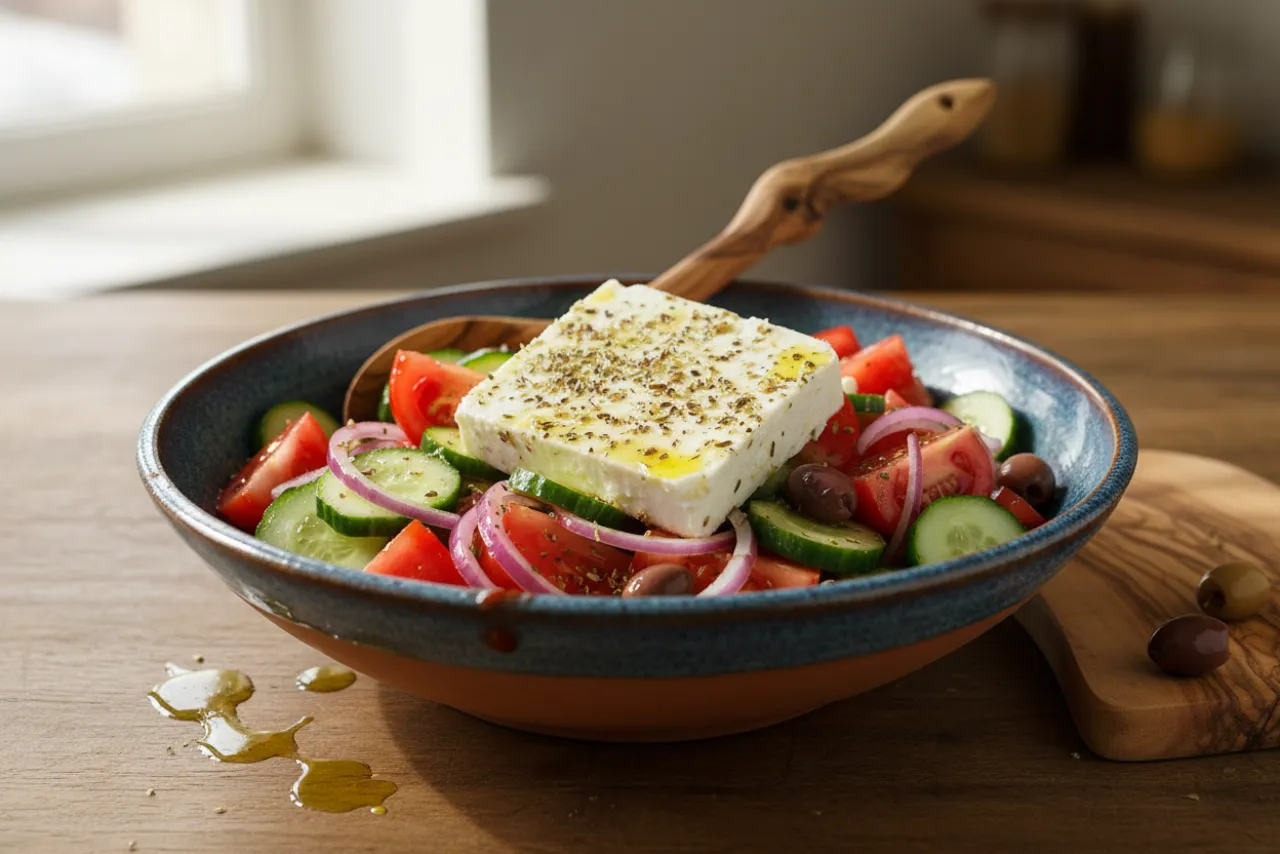
Greek15 min3g fiber7g protein
The everyday version of Greek salad, with crisp cucumber, tomato, onion, olives, and feta over a handful of greens, dressed simply in olive oil and oregano. Fifteen minutes start to finish, it's the reliable, refreshing side or light dinner that never goes out of style.
Olives, tomatoes, cucumber, and extra-virgin olive oil form the anti-inflammatory backbone here, with olive oil's polyphenols doing much of the heavy lifting. Feta contributes around 7 grams of protein, and dried oregano adds a little herbal bonus — a quick, whole-food plate that fits the pattern.
Tip: Use the <strong>ripest tomatoes you can find</strong> — they make or break this simple salad.
13Zucchini Noodles with Lemon & Herbs
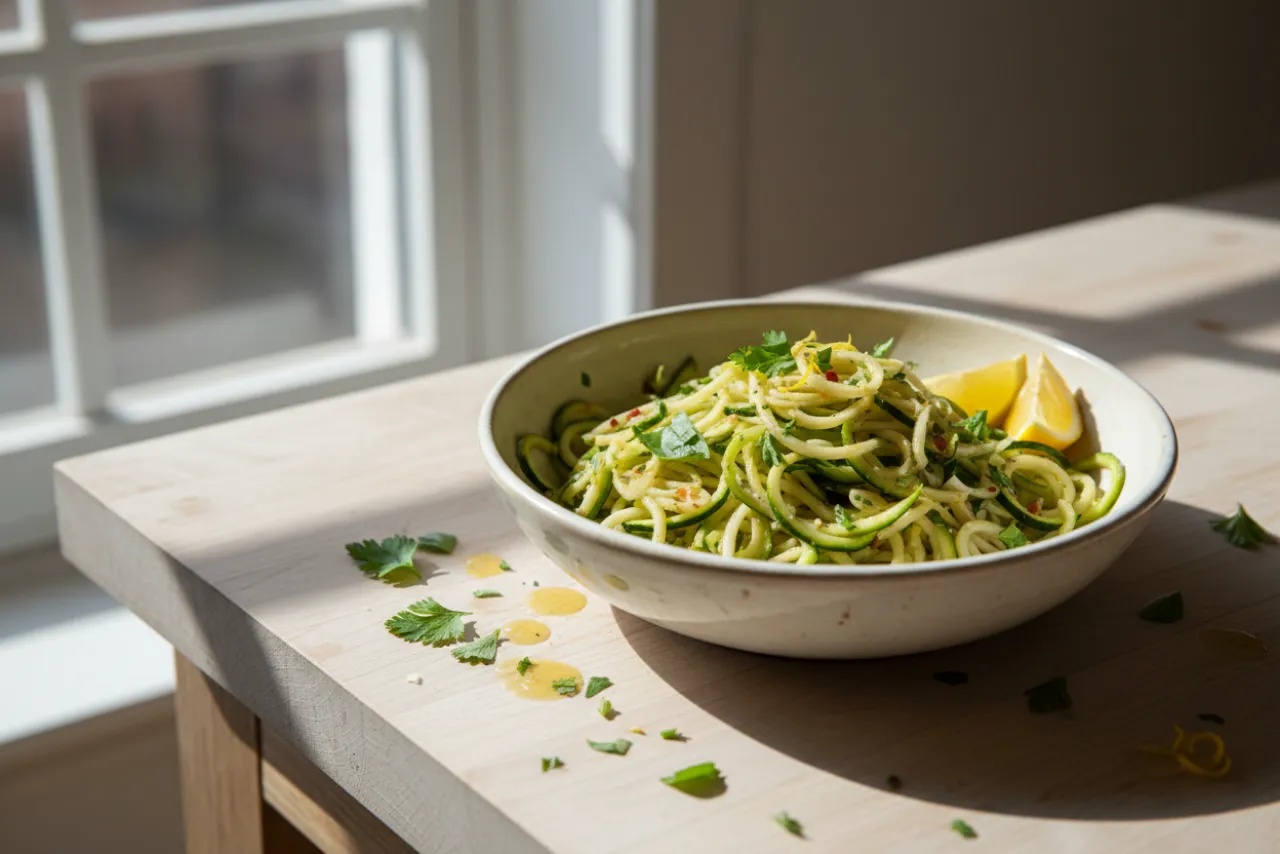
Italian15 min5g fiber6g protein
Spiralized zucchini stands in for pasta in this bright, summery dish, tossed with lemon, fresh herbs, garlic, and a good pour of olive oil. Ready in about 15 minutes, it's light on the stomach but full of flavor — a clever way to make a pile of vegetables feel like a proper meal.
Zucchini is a low-calorie, water-rich vegetable that lets olive oil, garlic, and fresh herbs shine, all anti-inflammatory staples. With around 5 grams of fiber and a whisper of protein, it's a genuinely light dinner that leans hard on whole-food, Mediterranean flavors rather than heavy sauces.
Tip: <strong>Don't overcook the zucchini</strong> — a quick toss keeps the noodles from turning watery.
More anti-inflammatory dinner recipes to try
Plenty more anti-inflammatory dinner ideas to keep the week varied.
14Romesco with Grilled Vegetables
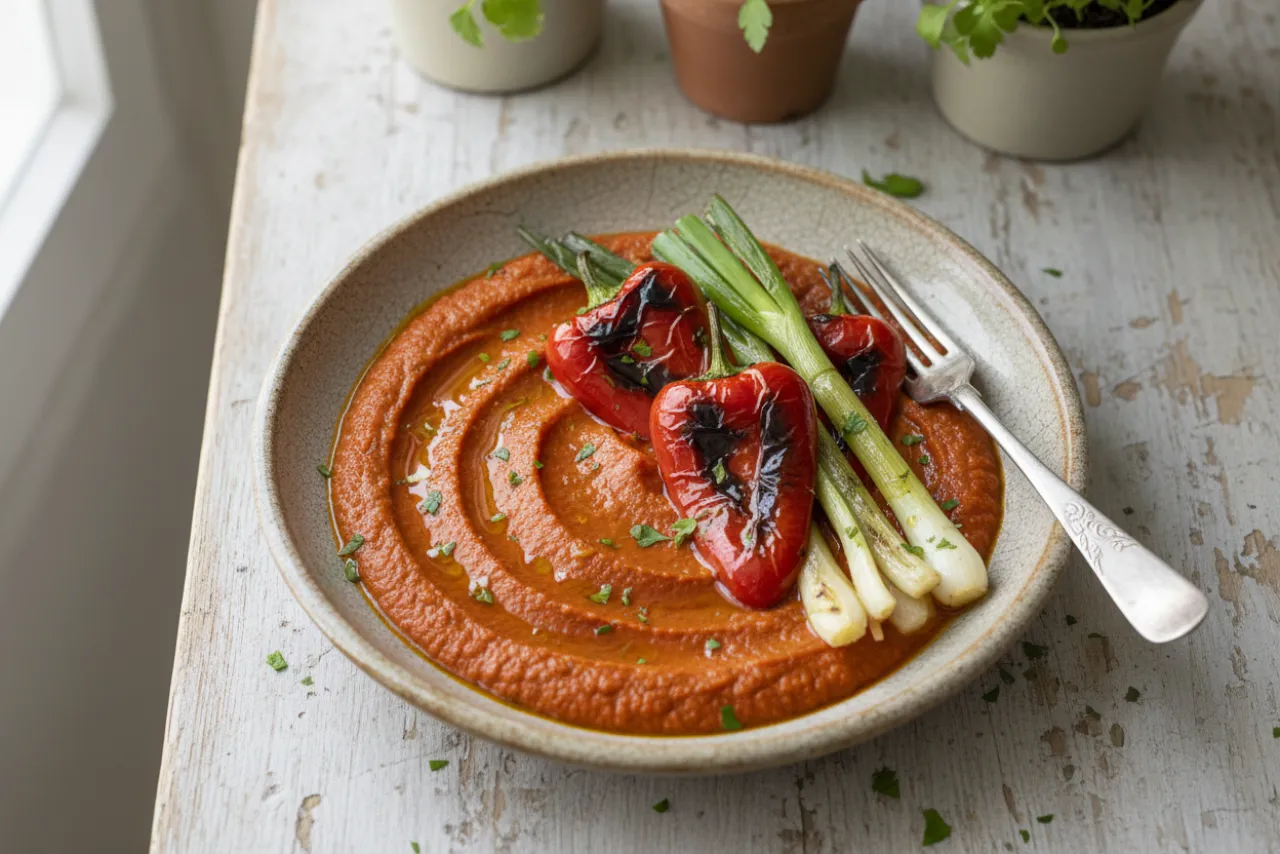
Spanish40 min6g fiber6g protein
This Spanish sauce blends roasted red peppers, tomatoes, almonds, and garlic into a smoky, nutty puree that turns a platter of grilled vegetables into a feast. It takes about 40 minutes, mostly roasting and grilling, and the leftover sauce is worth making a double batch for.
Romesco is packed with anti-inflammatory ingredients: roasted peppers and tomatoes rich in plant compounds, almonds for healthy fats, and olive oil throughout. Served over grilled vegetables, it adds about 6 grams of fiber and turns simple produce into a deeply flavorful, whole-food dinner.
Tip: <strong>Char the peppers well</strong> before blending — that smokiness is the soul of romesco.
15Briam
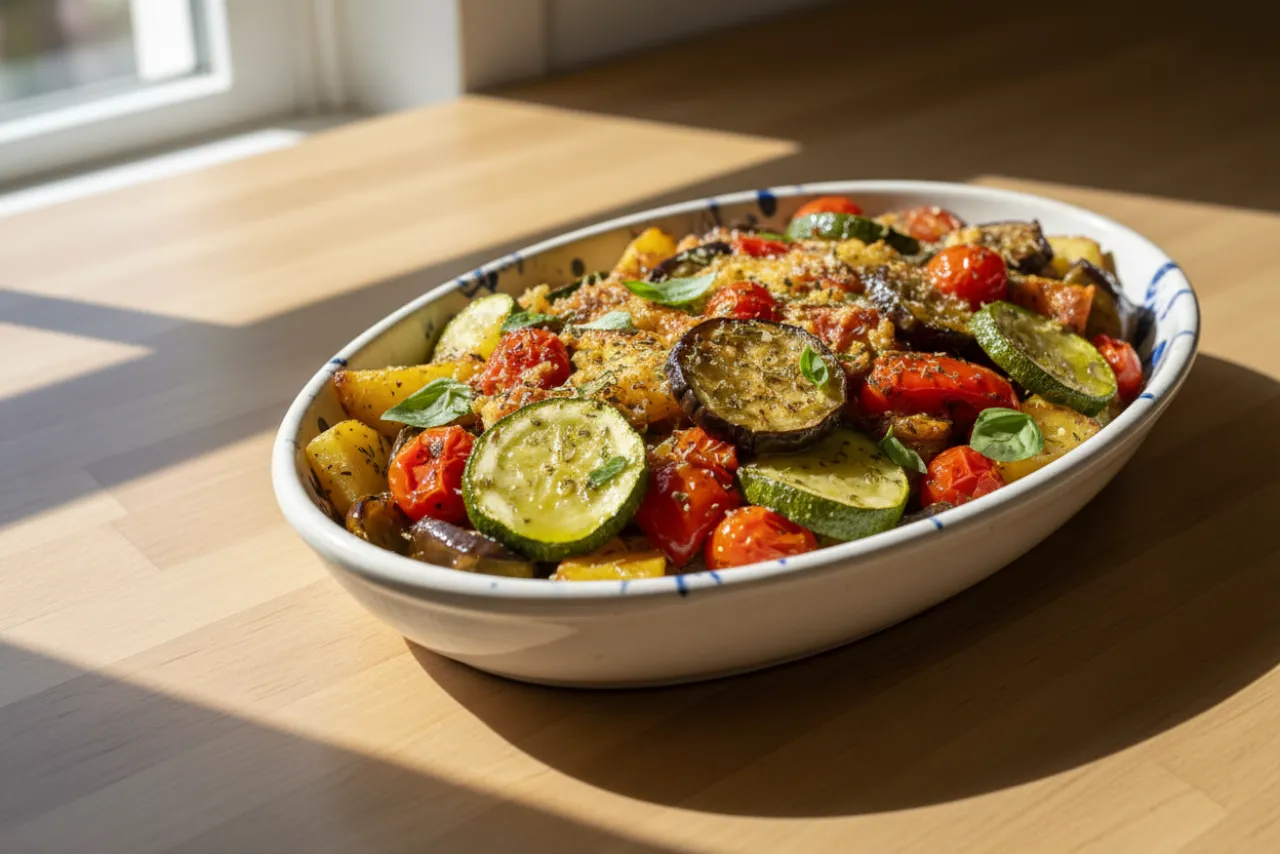
Greek70 min9g fiber6g protein
Greece's rustic roasted vegetable medley, briam layers zucchini, potatoes, tomatoes, and onions with olive oil and herbs, then bakes them slowly until everything melts together. It's a 70-minute affair, but almost entirely hands-off, and it fills the house with the smell of a Mediterranean summer kitchen.
A single tray of anti-inflammatory vegetables roasted in generous olive oil, briam delivers a hefty 9 grams of fiber for gut health. Tomatoes, zucchini, and herbs supply plant compounds, and the slow roast concentrates their natural sweetness — proof that eating well can be this uncomplicated.
Tip: Add <strong>a splash of water to the pan</strong> if it looks dry partway through baking.
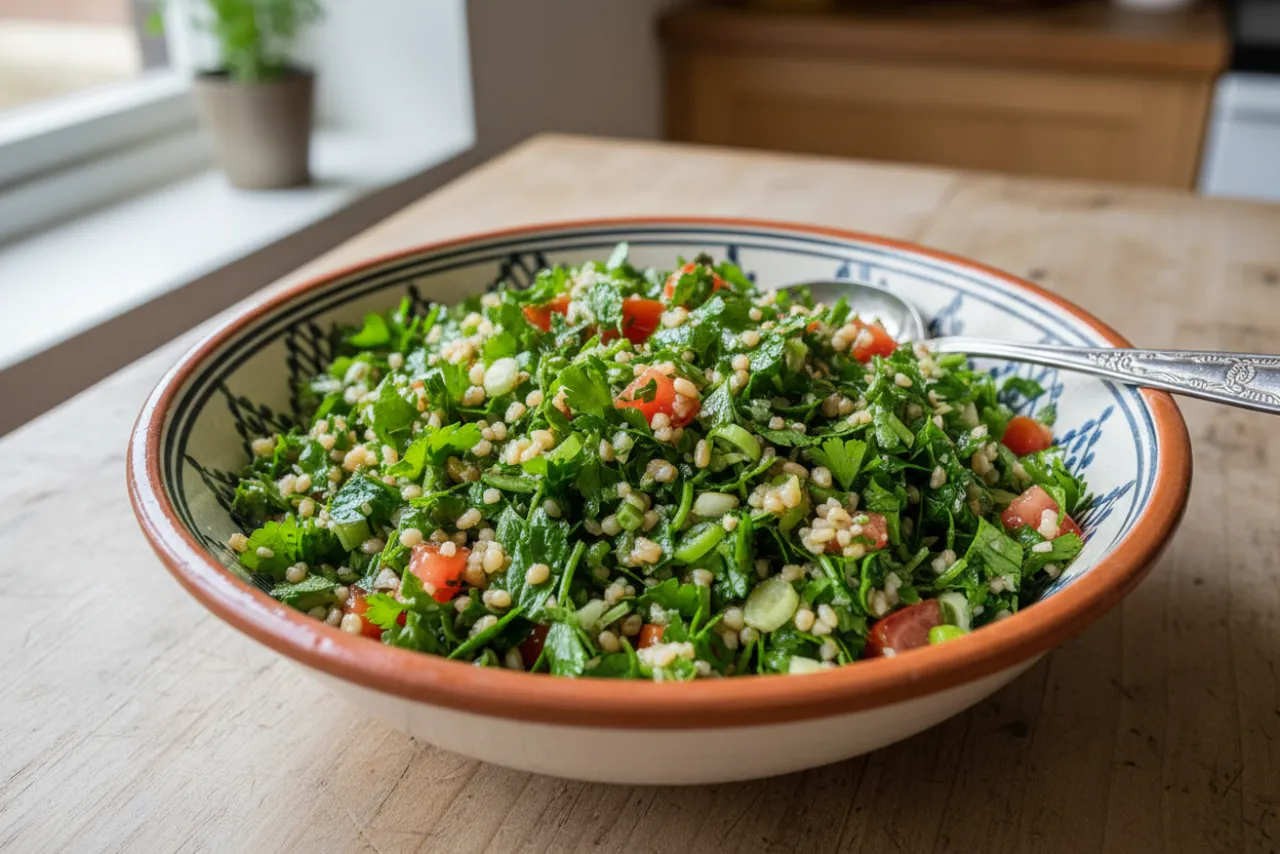
16Tabbouleh
Middle Eastern25 min7g fiber6g protein
The classic Middle Eastern herb salad, where finely chopped parsley and mint far outnumber the bulgur, brightened with tomato, lemon, and olive oil. It takes about 25 minutes of chopping, and the result is impossibly fresh — a salad that's really a celebration of herbs.
Tabbouleh is built on parsley and mint, herbs loaded with the plant compounds that support an anti-inflammatory diet, plus whole-grain bulgur for fiber (around 7 grams). Lemon and extra-virgin olive oil tie it together into a light, refreshing, thoroughly Mediterranean dinner or side.
Tip: Chop the parsley <strong>by hand, not in a processor</strong> — it keeps the leaves from bruising into mush.
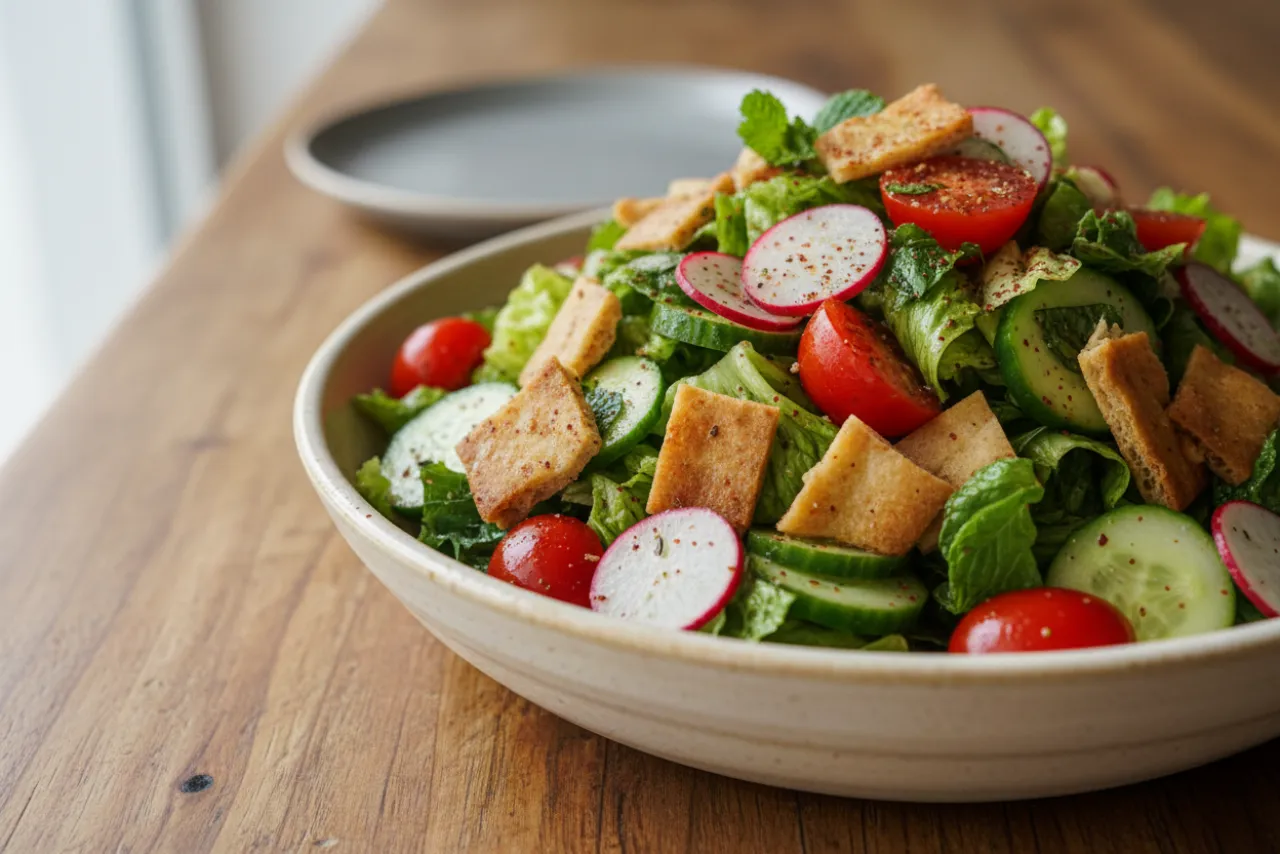
17Fattoush
Middle Eastern18 min7g fiber6g protein
A lively Levantine salad of crisp greens, tomatoes, cucumber, and radish scattered with toasted pita and a tangy sumac dressing. It comes together in about 18 minutes, and the contrast of juicy vegetables against crunchy bread makes it one of the most texturally satisfying salads around.
Fattoush is a colorful mix of anti-inflammatory vegetables and fresh herbs, dressed in olive oil and lemon with tart sumac adding its own plant compounds. With around 7 grams of fiber, it's a fresh, whole-food plate that captures the Mediterranean approach to eating well.
Tip: <strong>Add the toasted pita last</strong> so it stays crisp instead of going soggy in the dressing.
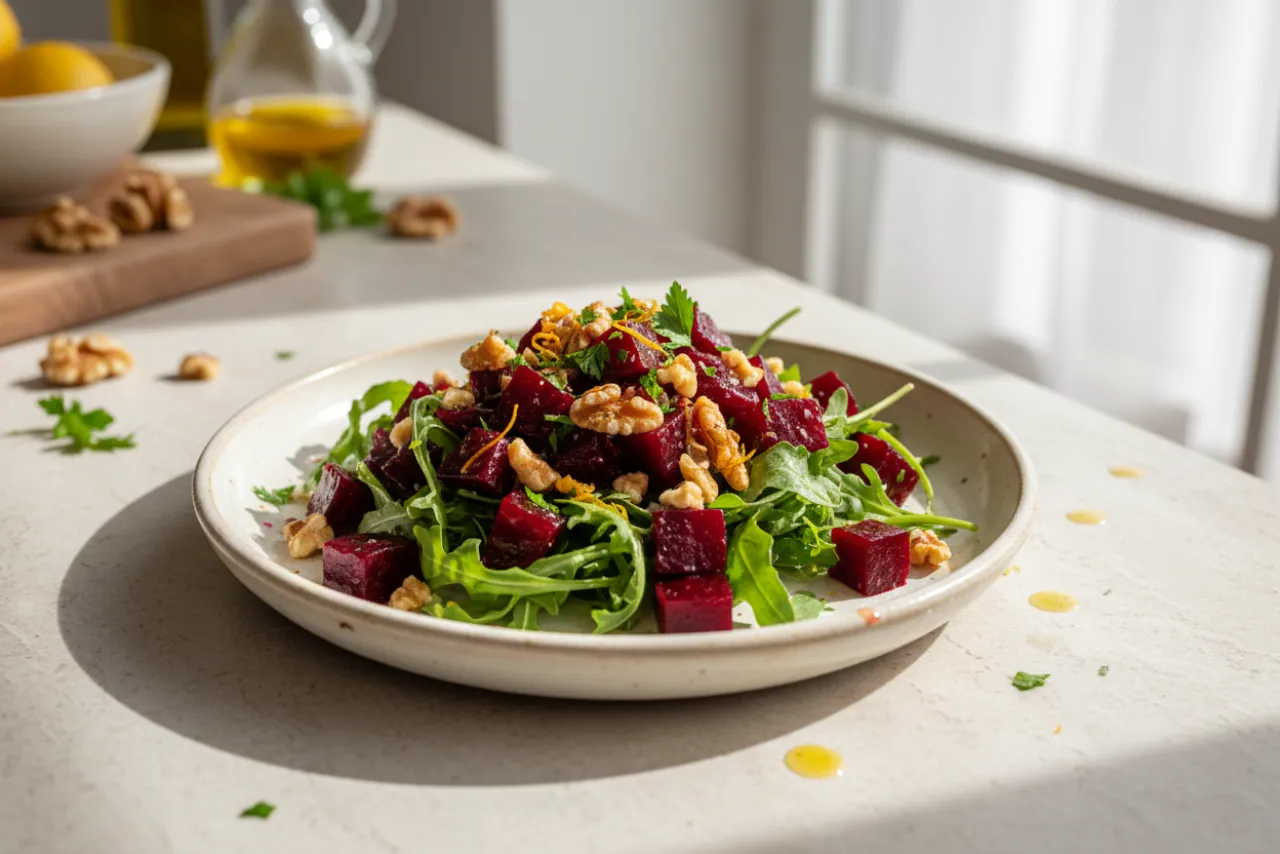
18Beet & Walnut Salad
Mediterranean45 min6g fiber6g protein
Earthy roasted beets meet toasted walnuts and peppery greens in this elegant Mediterranean salad, finished with olive oil and a splash of vinegar. It takes about 45 minutes, mostly to roast the beets, and delivers a jewel-toned plate that feels far more special than the effort suggests.
Beets are rich in the plant compounds studied for their anti-inflammatory effects, while walnuts add plant-based omega-3s and healthy fats. Together with olive oil and leafy greens, they make a nutrient-dense, whole-food dinner with about 6 grams of fiber — colorful eating at its best.
Tip: <strong>Toast the walnuts</strong> in a dry pan first to bring out their richness.
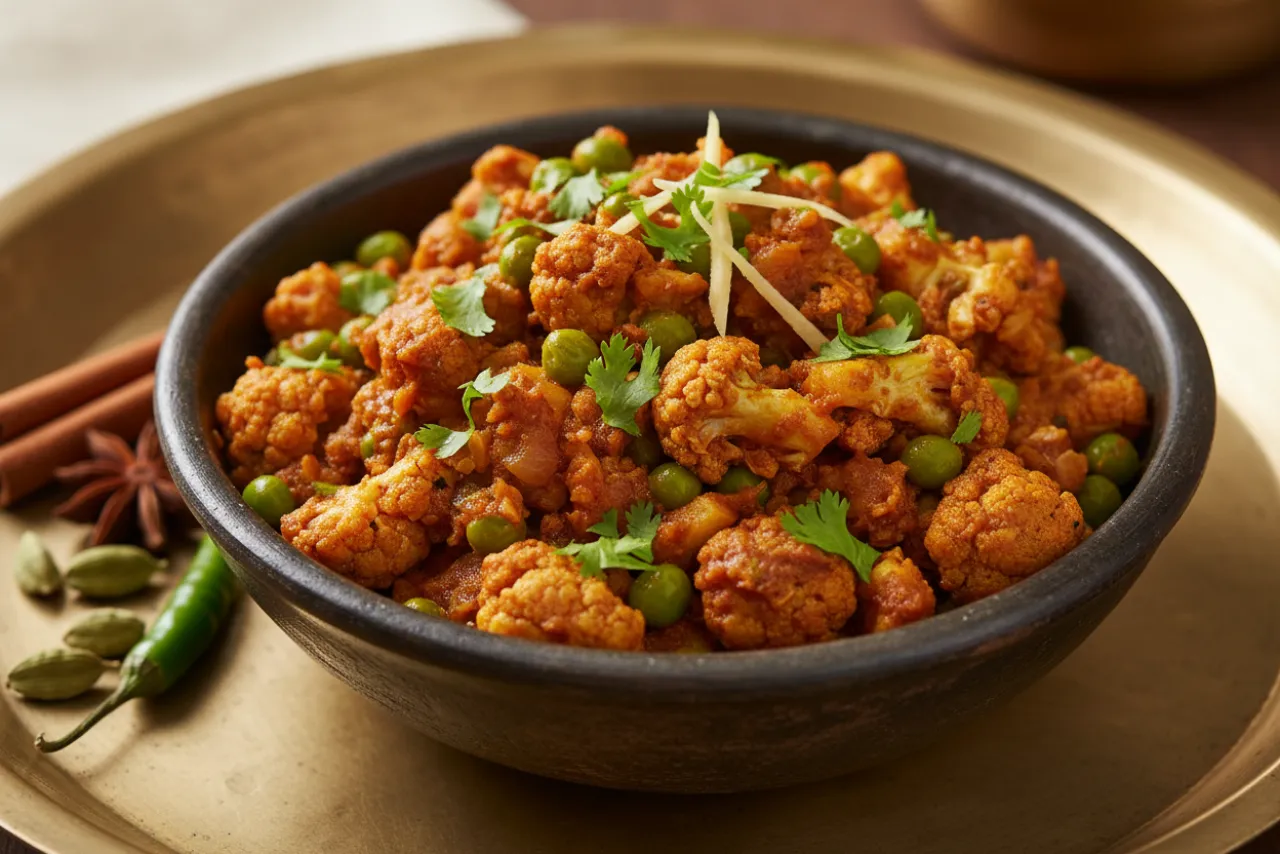
19Gobi Matar
Indian28 min6g fiber5g protein
A comforting North Indian dish of cauliflower and peas cooked down with tomatoes, ginger, and warm spices. It takes about 28 minutes and turns humble vegetables into something aromatic and deeply savory — the kind of everyday curry that makes a pile of cauliflower genuinely exciting.
Turmeric and ginger lead the anti-inflammatory charge here, both long valued for calming inflammation, while cauliflower and peas add fiber (around 6 grams) and plant compounds. Cooked in a modest amount of oil with fresh spices, it's a warming, whole-food dinner rooted in traditional cooking.
Tip: <strong>Bloom the spices in oil</strong> for a minute before adding vegetables to unlock their flavor.
20Espinacas a la Catalana
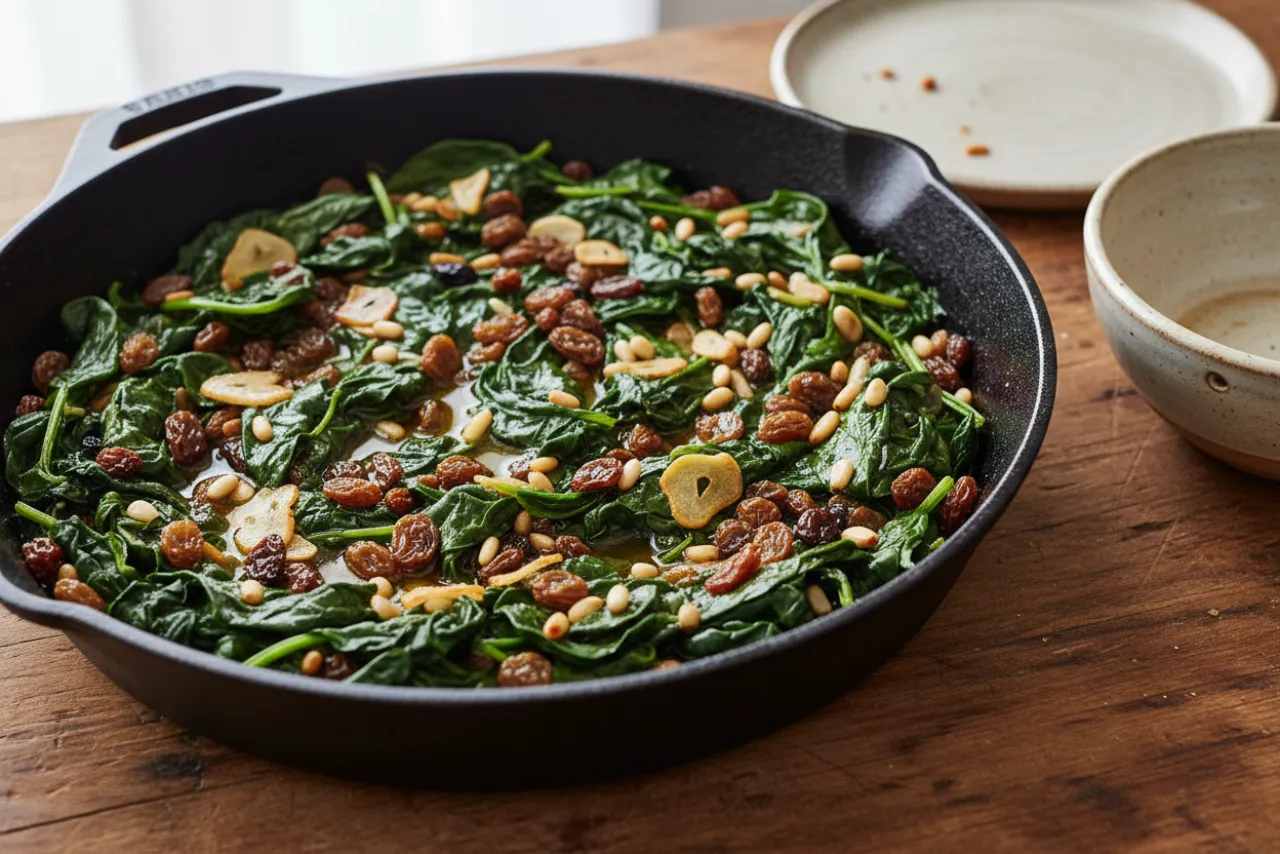
Spanish14 min4g fiber5g protein
A Catalan classic that sautés spinach with garlic, raisins, and pine nuts for a savory-sweet dish that's ready in about 14 minutes. The combination of tender greens, plump raisins, and toasted nuts is simple but sophisticated — a small plate that punches well above its weight.
Spinach is a nutrient-dense leafy green central to anti-inflammatory eating, and here it's cooked gently in olive oil with garlic. Pine nuts add healthy fats while raisins bring natural sweetness, making this a quick, whole-food side that fits the Mediterranean pattern with about 4 grams of fiber.
Tip: <strong>Wilt the spinach just until tender</strong> — a minute too long and it loses its bite.
21Spinach Gomaae
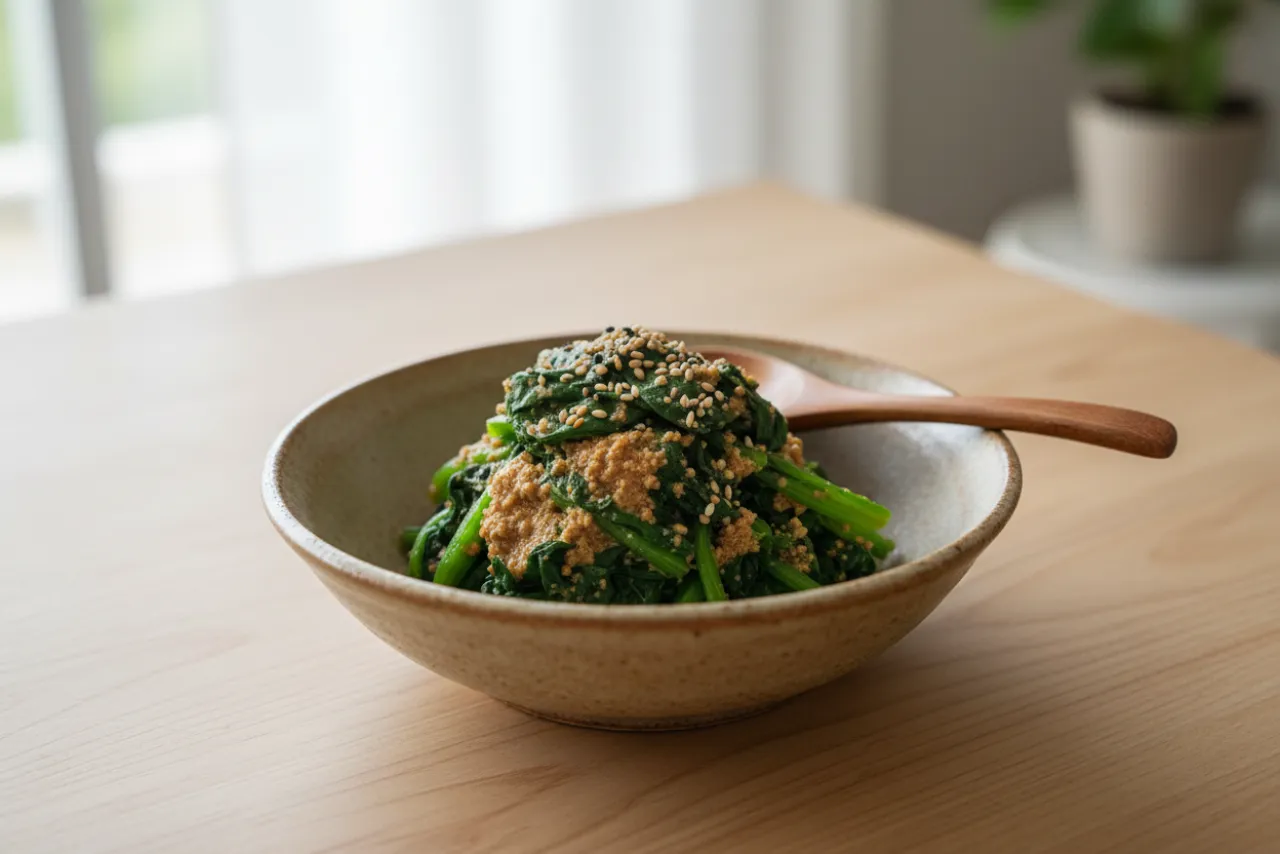
Japanese12 min2g fiber5g protein
A refined Japanese side of blanched spinach dressed in a nutty sesame sauce. It takes about 12 minutes and delivers a cool, savory, subtly sweet bite that's a world away from Western greens. Small in portion but big in flavor, it's a lovely way to eat more leafy vegetables.
Spinach is a leafy green prized in anti-inflammatory diets, and the sesame dressing adds healthy fats and plant compounds. It's a light dish (around 5 grams of protein), and its whole-food simplicity — greens plus seeds — makes it an easy, elegant addition to a vegetable-forward dinner.
Tip: <strong>Squeeze the blanched spinach dry</strong> so the sesame dressing clings instead of sliding off.
22Imam Bayildi
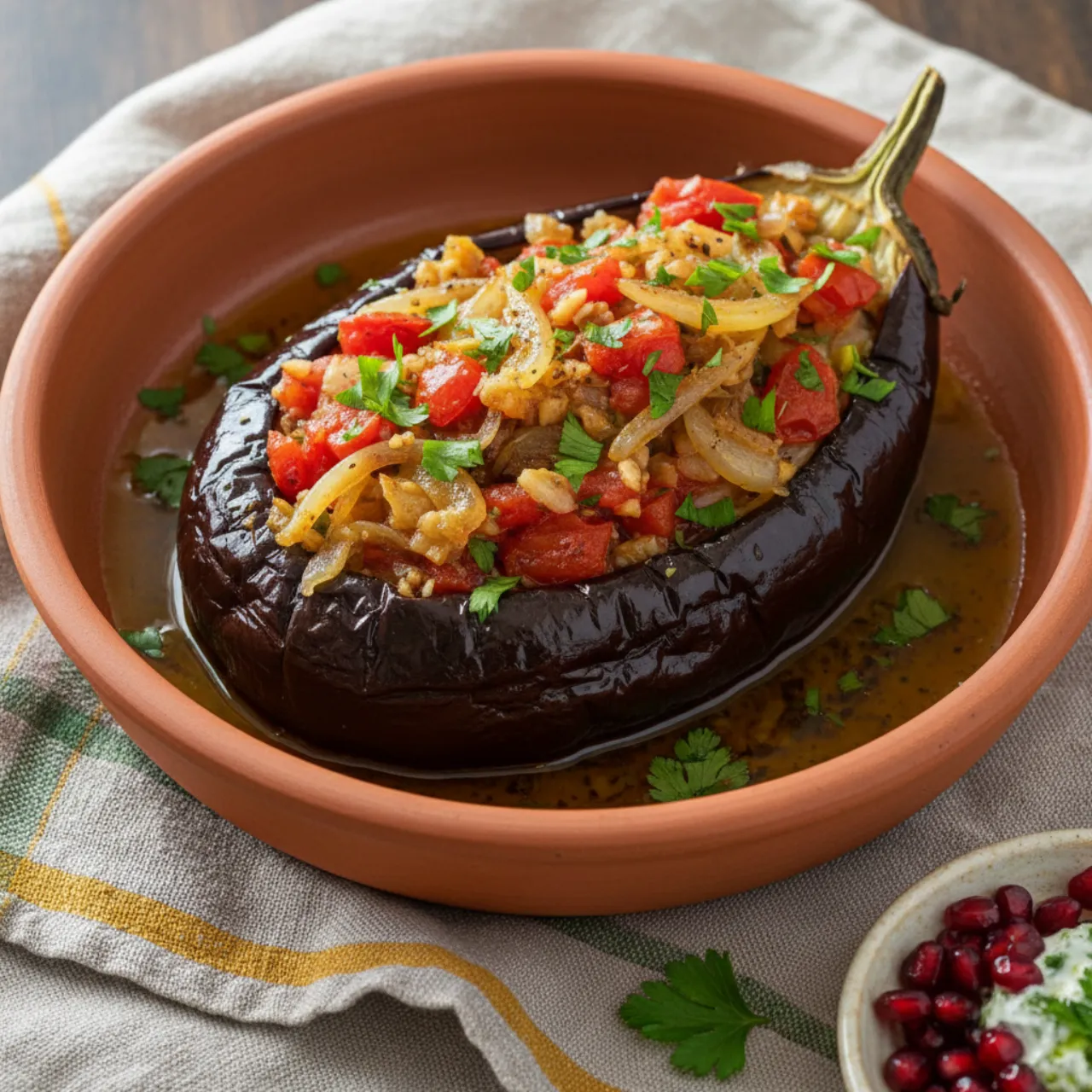
Mediterranean60 min10g fiber5g protein
This Ottoman classic slow-braises whole eggplants stuffed with onions, garlic, and tomatoes in plenty of olive oil until meltingly soft. It's a 60-minute dish, largely hands-off, and its name — roughly "the imam fainted" — hints at just how rich and satisfying these silky, savory eggplants turn out.
Eggplant, tomatoes, onion, and garlic are all anti-inflammatory vegetables, braised here in the olive oil that defines Mediterranean cooking. With a generous 10 grams of fiber for gut health, this is a deeply flavorful, entirely plant-based dinner that shows how satisfying whole-food eating can be.
Tip: <strong>Salt the eggplant first</strong> and pat it dry to keep it from soaking up too much oil.
23Horta
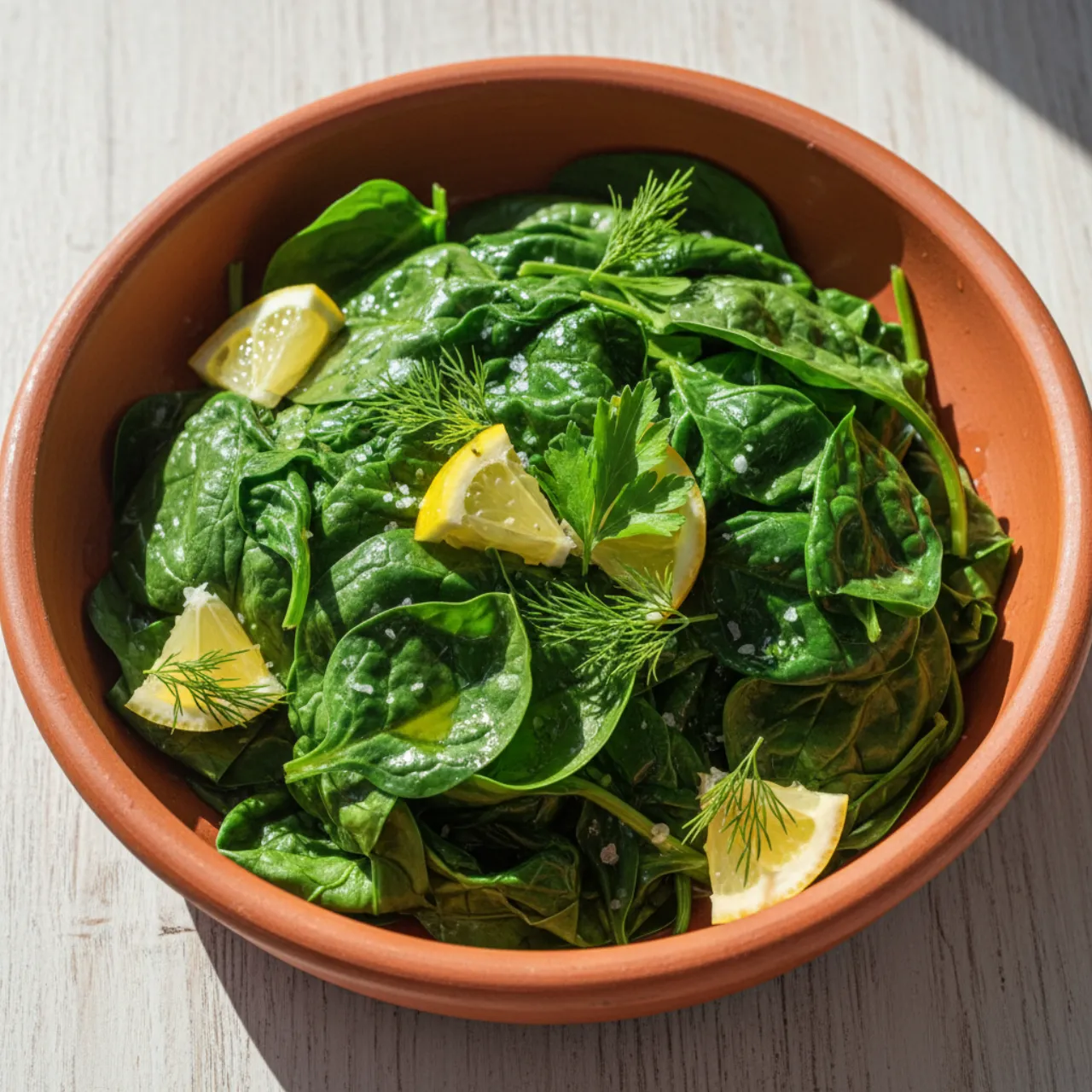
Greek18 min3g fiber4g protein
The simplest of Greek dishes: wild or leafy greens boiled until tender, then dressed with nothing more than olive oil and a squeeze of lemon. It takes about 18 minutes, and its stripped-back honesty is exactly the point — proof that great ingredients need very little help.
Horta is pure leafy greens, the cornerstone of anti-inflammatory eating, dressed in extra-virgin olive oil whose polyphenols carry real benefits. Lemon adds brightness and a little vitamin C. It's about as whole-food and Mediterranean as a dinner side can get, with nothing to distract from the greens.
Tip: <strong>Save the cooking liquid</strong> — Greeks drink it as a mineral-rich broth.
24Muhammara
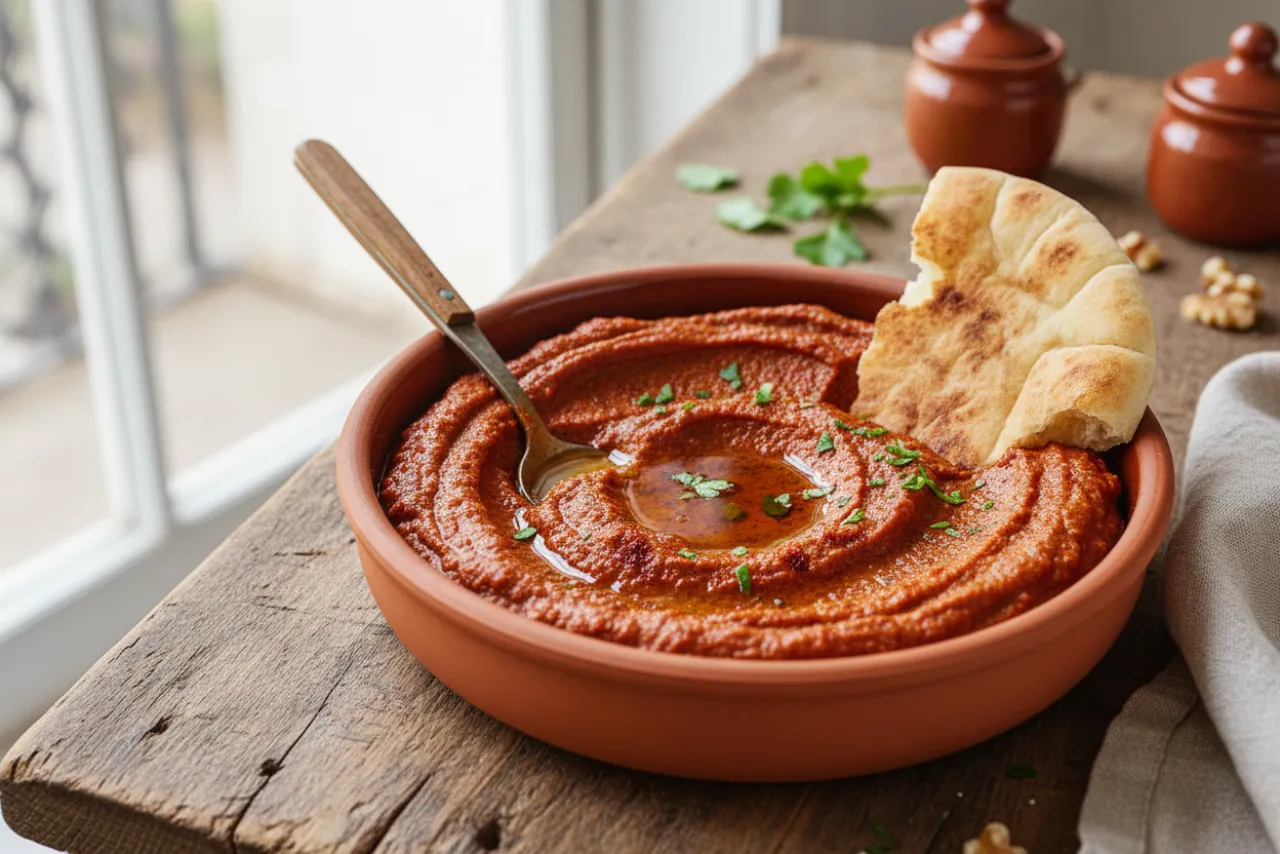
Middle Eastern20 min4g fiber4g protein
A gorgeous Syrian dip of roasted red peppers and walnuts blended with pomegranate molasses, olive oil, and a hint of chili. It takes about 20 minutes and delivers a sweet-tart, smoky, nutty spread that's spectacular with warm bread or vegetables — far more interesting than your average dip.
Roasted red peppers bring plant compounds while walnuts add plant-based omega-3s and healthy fats, both valued in anti-inflammatory eating. Olive oil ties it together, and the whole thing leans on whole-food ingredients rather than additives. Scoop it up with vegetables for a light, flavor-packed anti-inflammatory bite.
Tip: <strong>Toast the walnuts</strong> before blending to deepen the dip's nutty richness.
25Ratatouille
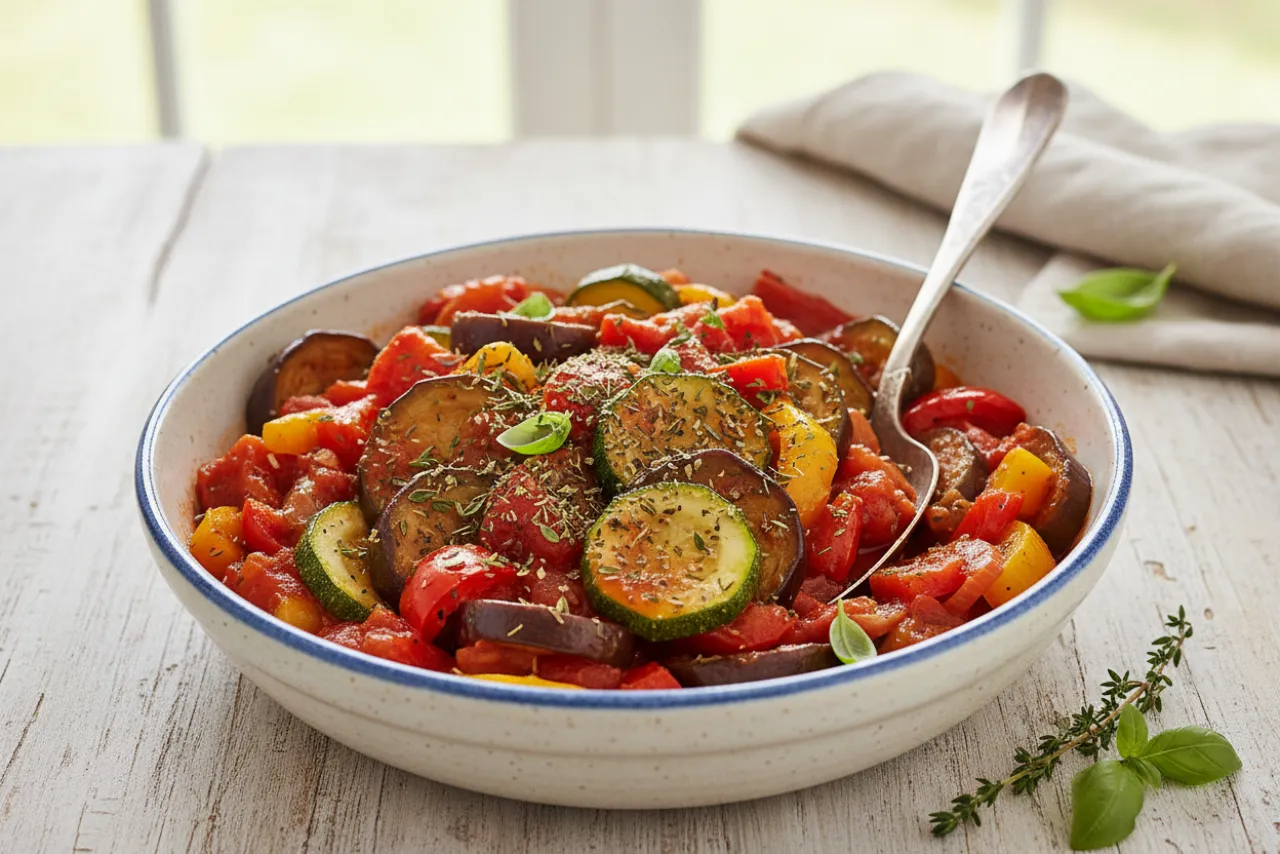
Mediterranean55 min6g fiber4g protein
The iconic Provencal vegetable stew, simmering eggplant, zucchini, peppers, and tomatoes with garlic and herbs until everything is soft and jammy. It takes about 55 minutes of gentle cooking, and while it's lovely warm, many argue it tastes even better the next day, once the flavors have deepened.
Ratatouille is a bowl of anti-inflammatory vegetables cooked slowly in olive oil with garlic and Provencal herbs, delivering around 6 grams of fiber. Eggplant, zucchini, peppers, and tomatoes each bring their own plant compounds, making this rustic French classic a textbook whole-food, Mediterranean dinner.
Tip: <strong>Cook each vegetable separately</strong> before combining so none turns to mush.
Tips
- Buy the best extra-virgin olive oil you can afford and use it raw as a finishing drizzle — its polyphenols are part of what makes Mediterranean eating anti-inflammatory, and heat degrades them over time.
- Double the beans, lentils, or chickpeas whenever you cook them. They're cheap, freeze beautifully, and their fiber feeds the gut bacteria linked to lower inflammation.
- Keep frozen leafy greens and a jar of ground turmeric on hand so an anti-inflammatory dinner is never more than a few minutes away, even on a bare-fridge night.
- Add a squeeze of fresh lemon or a splash of vinegar at the end of savory dishes — the acidity brightens flavor so you naturally reach for less salt.
- Toast nuts and seeds in a dry pan before scattering them over salads; a small handful adds healthy fats, crunch, and staying power without much effort.
Frequently asked questions
What foods should I eat for dinner to reduce inflammation?
Build dinner around whole, minimally processed foods: leafy greens and other colorful vegetables, legumes like beans and lentils, whole grains such as farro or quinoa, and extra-virgin olive oil. Add oily fish a couple of times a week for omega-3s, and season generously with turmeric, ginger, garlic, and fresh herbs. Berries and a small handful of nuts make easy anti-inflammatory additions too.
Can anti-inflammatory dinners help with bloating and gut health?
They often can, indirectly. The fiber in legumes, whole grains, and vegetables feeds beneficial gut bacteria, which is closely tied to lower inflammation. If beans currently cause discomfort, increase your fiber gradually and drink plenty of water — most people's guts adapt over a few weeks. Fermented sides like yogurt can help too. That said, persistent bloating is worth discussing with a doctor.
Are vegetarian dinners enough protein for an anti-inflammatory diet?
Yes, with a little attention. Most dishes here deliver roughly 5 to 12 grams of protein per serving from beans, chickpeas, quinoa, edamame, and eggs, and you can easily push that higher by adding a dollop of Greek yogurt, extra legumes, or a piece of grilled fish. Combining legumes with whole grains across the day covers your amino acid bases nicely.
How often should I eat anti-inflammatory dinners to see a difference?
Consistency matters more than perfection. Aiming for this whole-food, Mediterranean-style pattern most nights of the week — rather than one showcase meal — is what research links to lower inflammation over time. Start with three or four dinners a week from a list like this, keep the ones you genuinely enjoy in rotation, and let the habit build naturally rather than overhauling everything at once.
Eat this way without the effort. Homecooked plans a week of anti-inflammatory meals around what's already in your kitchen, tells you the few ingredients you're missing, and walks you through cooking each one. Browse more recipes or start planning your week.