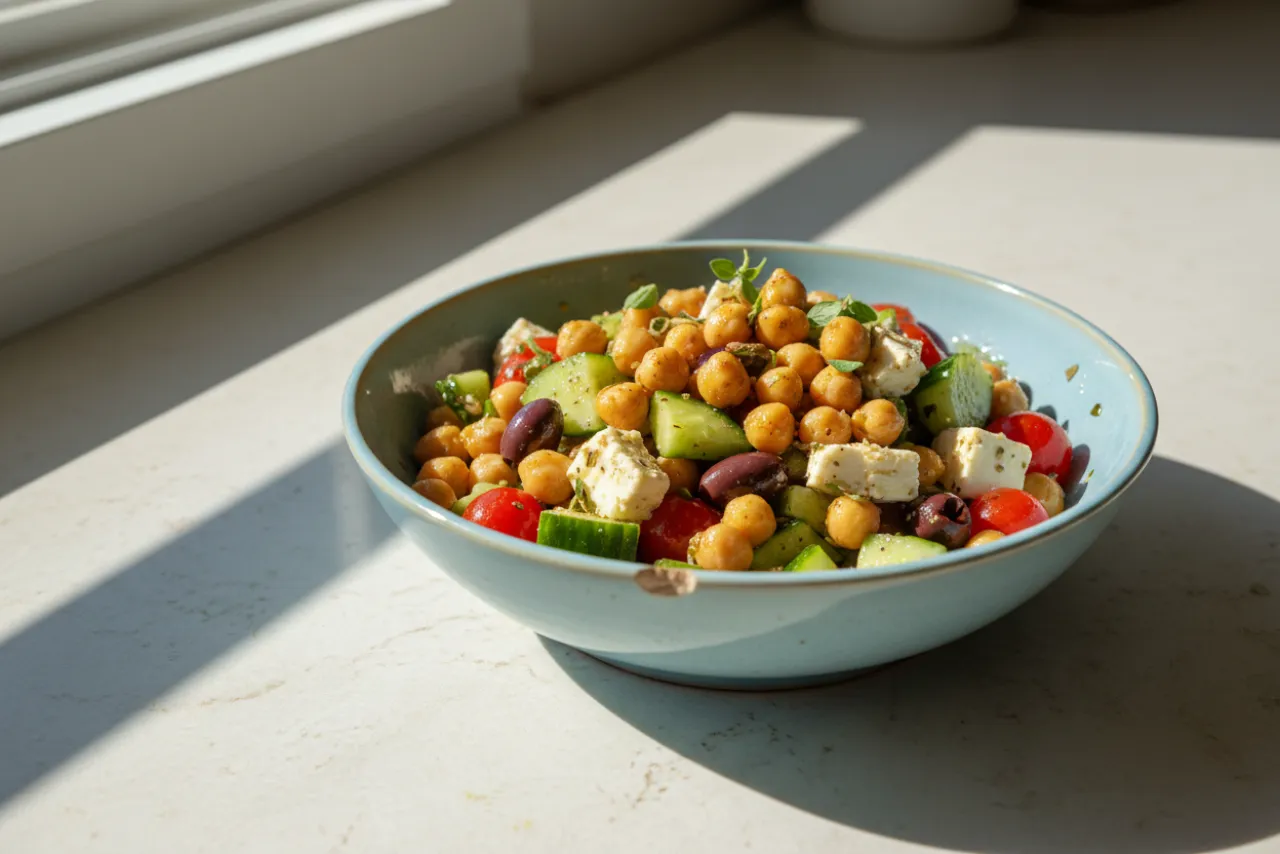
Following a **Mediterranean diet for inflammation** is one of the most well-studied ways to eat for a calmer, healthier body. The approach isn't a fad or a cleanse — it's the everyday way of eating around the Mediterranean, built on olive oil, oily fish, vegetables, legumes, whole grains, and herbs. That whole-food, mostly-plant foundation is exactly what research links to lower markers of chronic inflammation.
What makes this style of eating so effective is that no single ingredient carries the load. Extra-virgin olive oil brings polyphenols, sardines and salmon deliver omega-3 fats, leafy greens and berries add antioxidants, and beans and lentils feed the gut bacteria that help keep inflammation in check. Eat this way most days and the benefits compound quietly over time.
The recipes below lean on those building blocks — fish and seafood, olive oil, garlic, herbs, tomatoes, greens, and plenty of legumes. Most come together in well under an hour, and several are simple no-cook salads you can throw together on a busy weekday. They're the kind of meals that make anti-inflammatory eating feel like a pleasure rather than a project.
A quick, honest note: food supports your body, it doesn't cure disease. These dishes fit an anti-inflammatory pattern of eating and can be part of a genuinely healthy routine, but they're not medicine. Think of them as a delicious, sustainable habit rather than a treatment — and talk to your doctor about anything specific to your health.
The best Mediterranean anti-inflammatory recipes
Our top Mediterranean anti-inflammatory picks to start with.
1Baked Cod with Greens
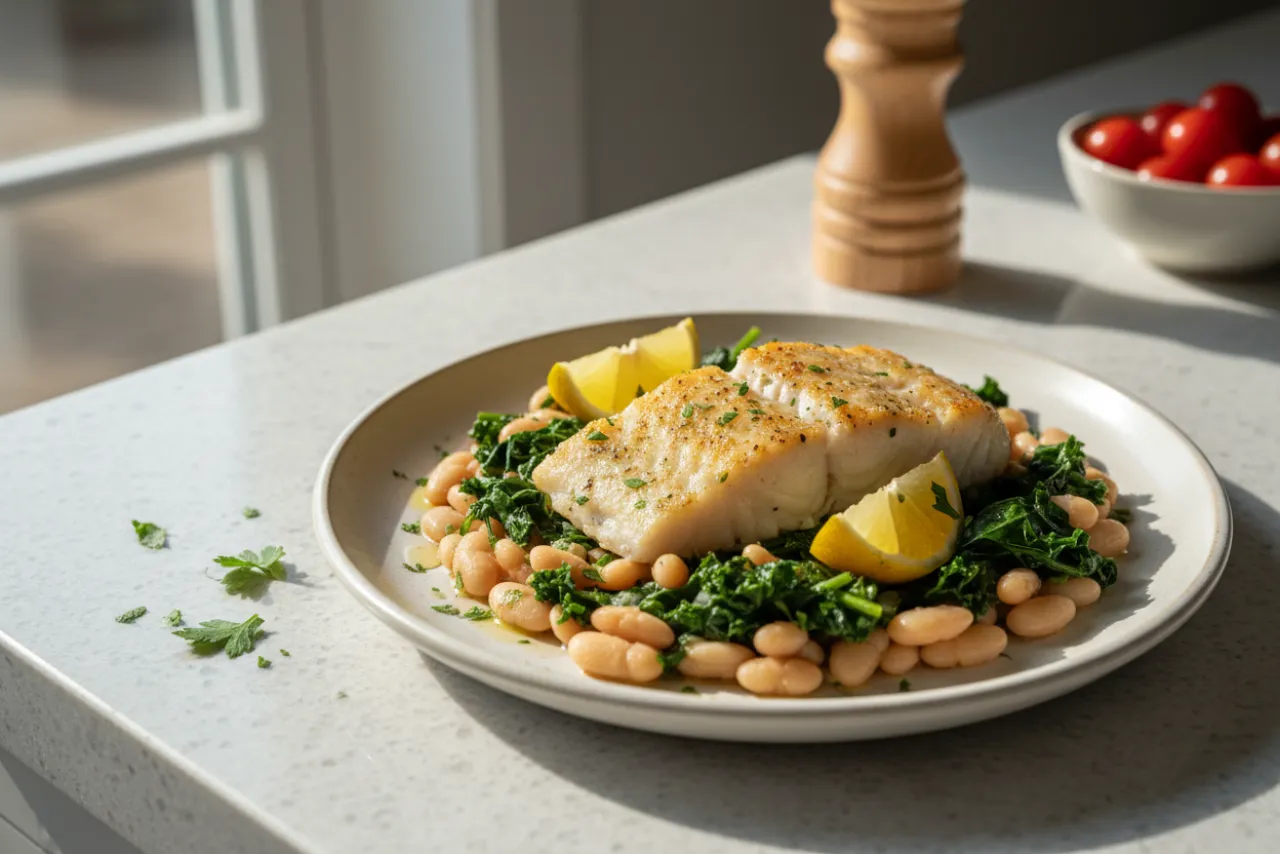
Mediterranean25 min10g fiber39g protein
Flaky cod fillets roasted over a bed of wilted greens, finished with olive oil, lemon, and garlic. It's a clean, fast weeknight plate that comes together in about 25 minutes, letting the oven do the work while you set the table. Simple, bright, and satisfying without feeling heavy.
This one lands right in the sweet spot for a Mediterranean diet for inflammation: lean cod, a generous pour of olive oil, garlic, and a base of leafy greens. With roughly 39g of protein and 10g of fiber, it delivers antioxidants and gut-friendly fiber in a single tray — a textbook anti-inflammatory pairing.
Tip: Roast the greens in the same pan so they soak up the <strong>olive oil and fish juices</strong> instead of drying out.
2Baked Cod with White Beans
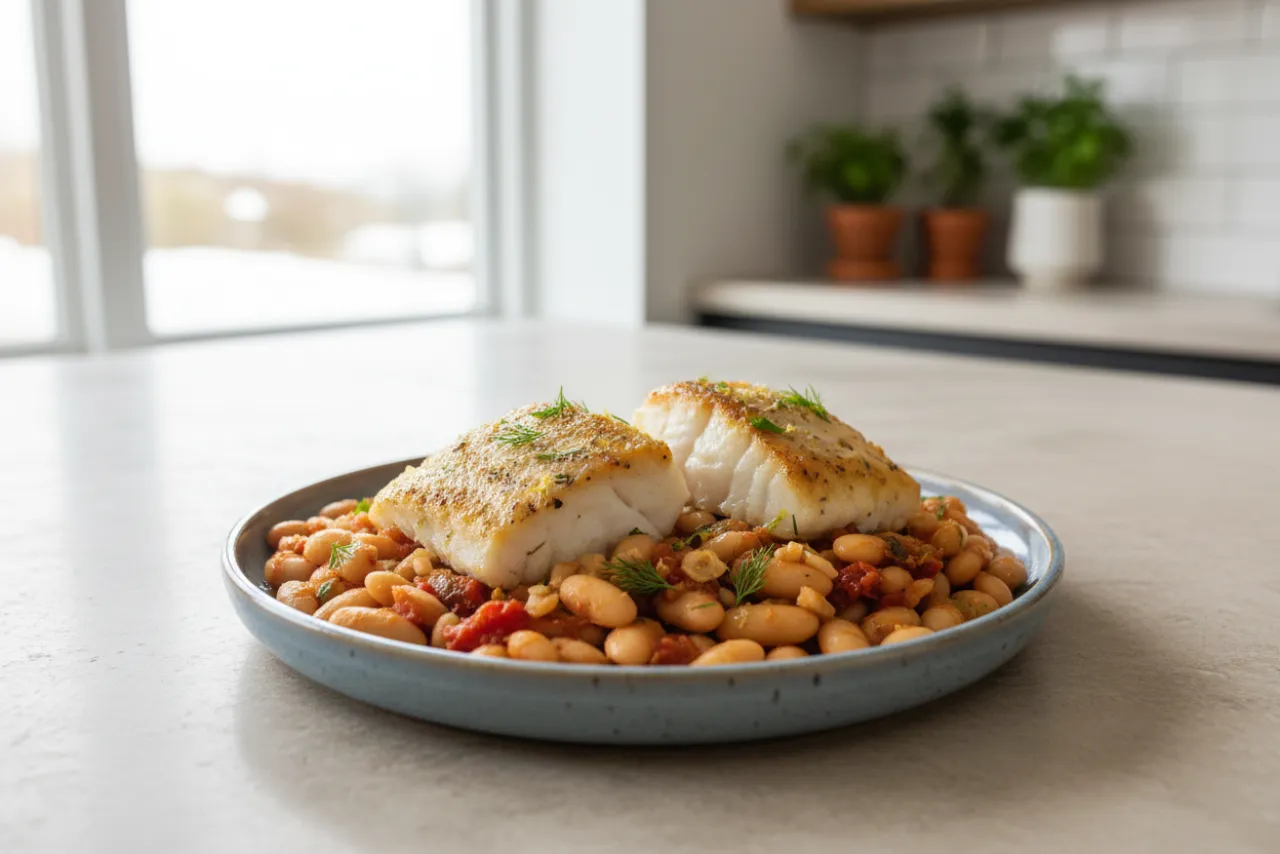
Mediterranean30 min9g fiber38g protein
Baked cod nestled into a warm skillet of white beans simmered with tomato, garlic, and herbs. Ready in around 30 minutes, it's a one-pan supper that feels rustic and comforting — the beans turn creamy and saucy while the fish stays tender and just cooked through.
Cod plus white beans is a classic anti-inflammatory duo: lean protein alongside fiber-rich legumes that feed your gut. Cooked in olive oil with tomato and garlic, it brings roughly 38g of protein and 9g of fiber, hitting several pillars of the Mediterranean pattern in one bowl.
Tip: Mash a spoonful of the <strong>white beans</strong> into the sauce to thicken it naturally without any flour.
3Herb-Baked Salmon with Greens
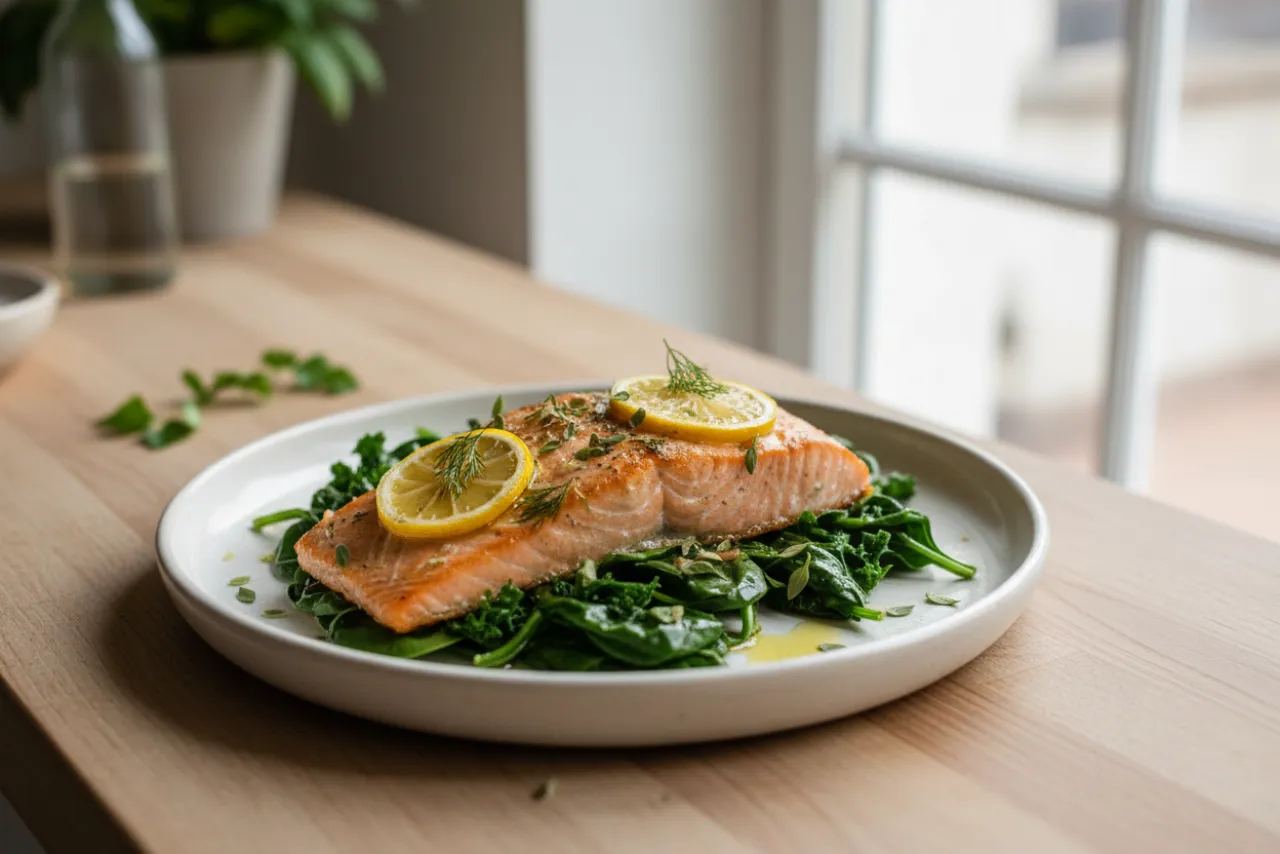
Mediterranean25 min3g fiber38g protein
Salmon fillets baked under a blanket of fresh herbs and olive oil, served over a tangle of sauteed greens. In about 25 minutes you get a restaurant-worthy plate that's genuinely easy — the herbs perfume the fish as it roasts and the greens catch every drop of flavorful oil.
Salmon is one of the richest whole-food sources of omega-3 fats, the star of any Mediterranean diet for inflammation. Paired with olive oil and leafy greens, this dish stacks omega-3s, antioxidants, and about 38g of protein — a straightforward way to work more oily fish into your week.
Tip: Don't skip the skin — it crisps up and helps keep the <strong>omega-3-rich</strong> flesh moist.
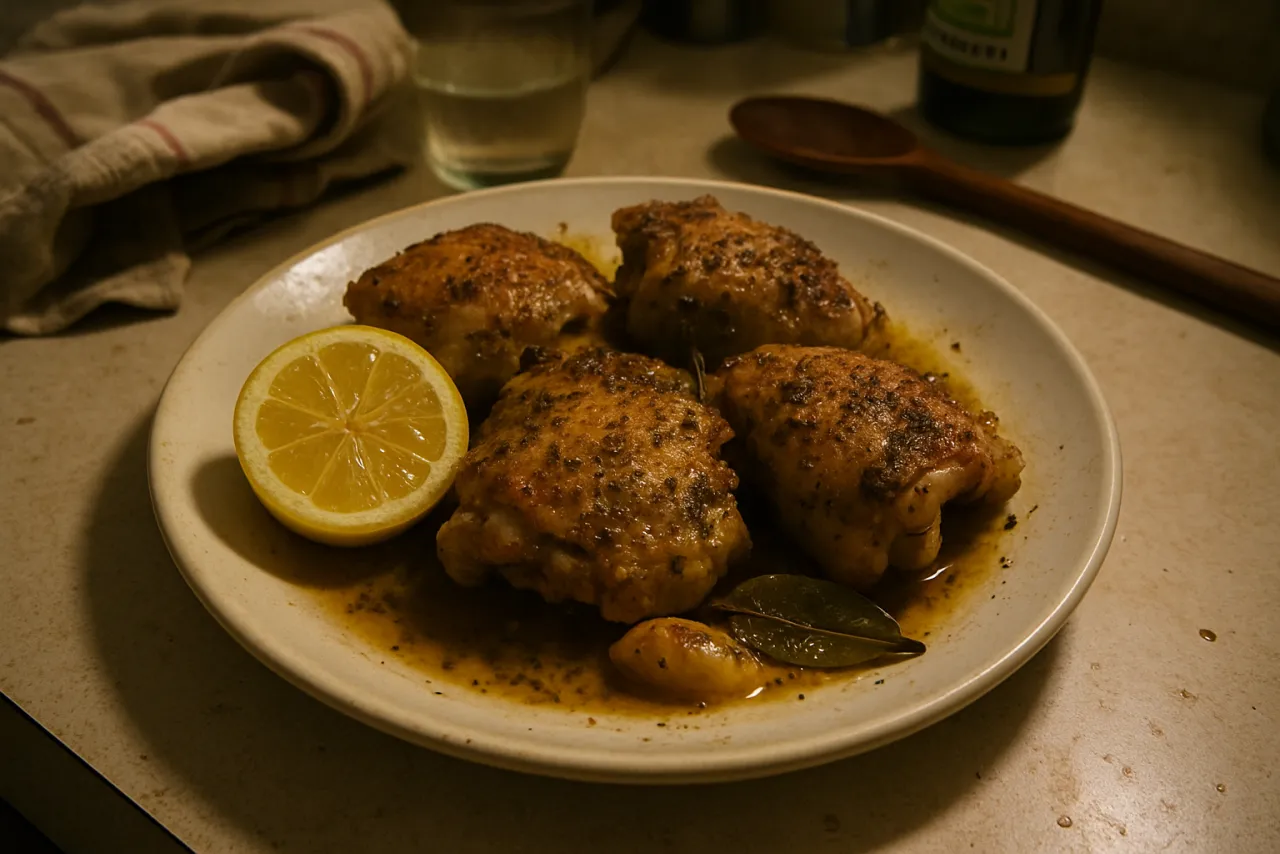
4Mediterranean Lemon-Oregano Chicken
Mediterranean30 min3g fiber36g protein
Chicken thighs marinated in lemon, oregano, and olive oil, then roasted until golden and juicy. This 30-minute dish leans on the bright, herby flavors of the eastern Mediterranean, with a garlicky pan sauce that begs to be spooned over everything. Weeknight-simple, dinner-party-worthy.
While not fish, this fits the Mediterranean diet for inflammation through its supporting cast: extra-virgin olive oil, plenty of garlic, and oregano, an herb loaded with antioxidants. At roughly 36g of protein and cooked without heavy fats, it's a lean, anti-inflammatory-friendly centerpiece for any plate.
Tip: Let the chicken marinate in the <strong>lemon and olive oil</strong> for at least 20 minutes so the flavor and acid can work in.
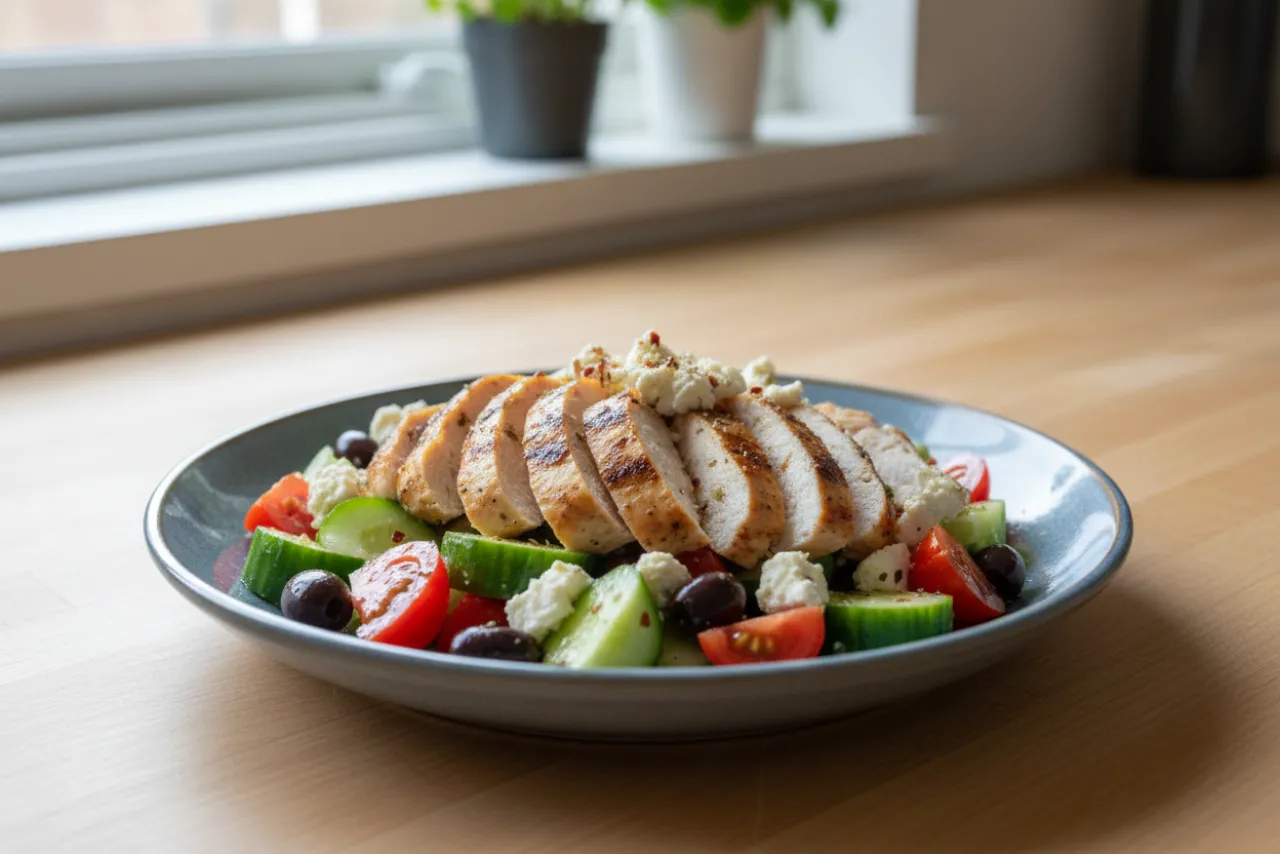
5Greek Chicken Salad
Greek20 min3g fiber35g protein
A big, colorful Greek-style salad of chicken, cucumber, tomato, red onion, olives, and feta tossed in an olive-oil-and-lemon dressing. It takes just 20 minutes and needs no cooking beyond the chicken — a fresh, crunchy lunch that travels well and holds up in the fridge.
Every element here reads Mediterranean: olive oil, tomatoes, olives, and crisp vegetables layered with lean protein. Delivering around 35g of protein, it's rich in the antioxidants and healthy fats that anchor an anti-inflammatory diet, while staying light enough to leave you energized rather than sluggish.
Tip: Whisk the dressing with plenty of <strong>extra-virgin olive oil</strong> — it's where most of the anti-inflammatory benefit lives.
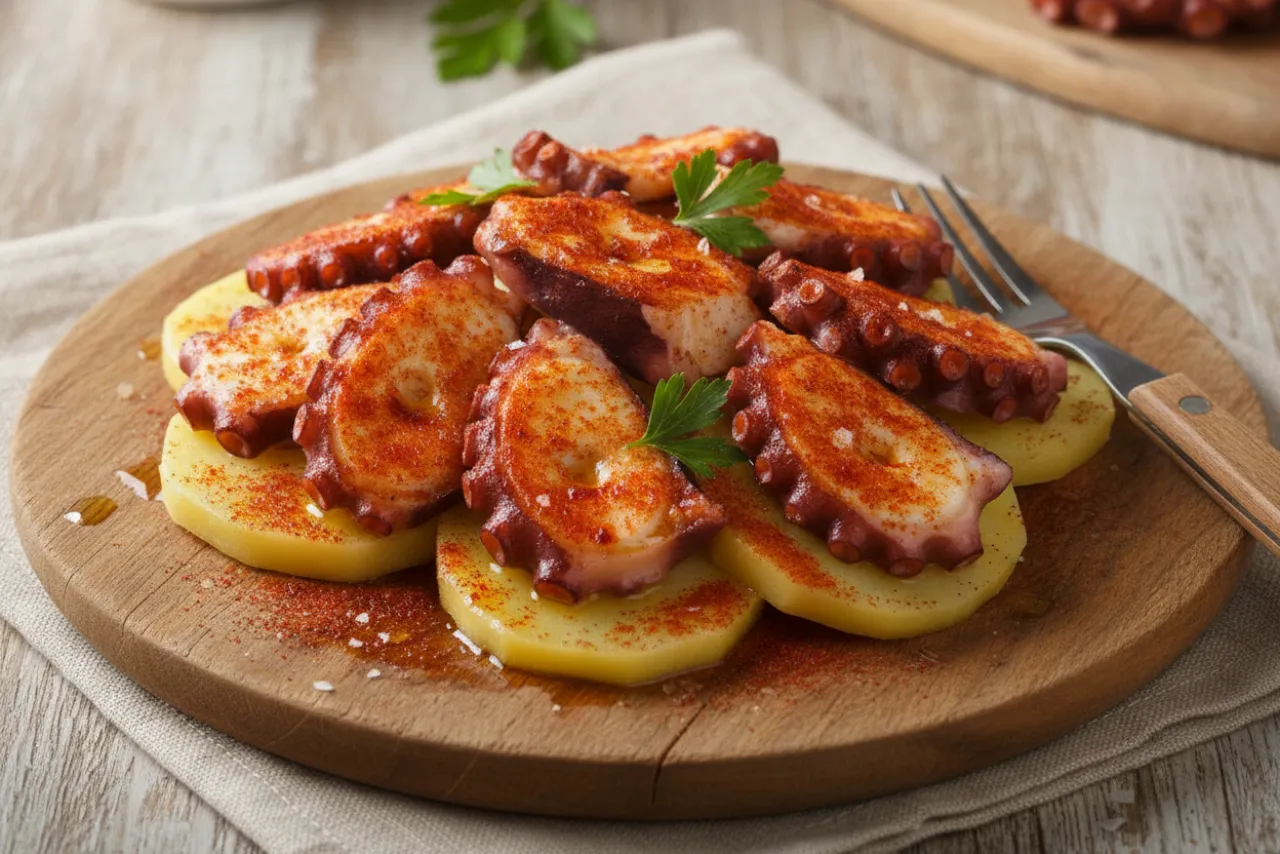
6Pulpo a la Gallega
Spanish90 min4g fiber34g protein
The Galician classic: tender boiled octopus sliced and arranged over potato, then dusted with sweet paprika and finished with a river of good olive oil and flaky salt. It takes about 90 minutes, most of it hands-off simmering, and rewards you with a dish that's pure coastal Spain.
Octopus is an exceptionally lean seafood protein, and here it's paired with the signature Mediterranean drizzle of olive oil plus antioxidant-rich paprika. At roughly 34g of protein and 4g of fiber, it's a special-occasion plate that still fits neatly within anti-inflammatory eating.
Tip: Finish generously with <strong>extra-virgin olive oil and paprika</strong> right before serving so the aromas stay vivid.
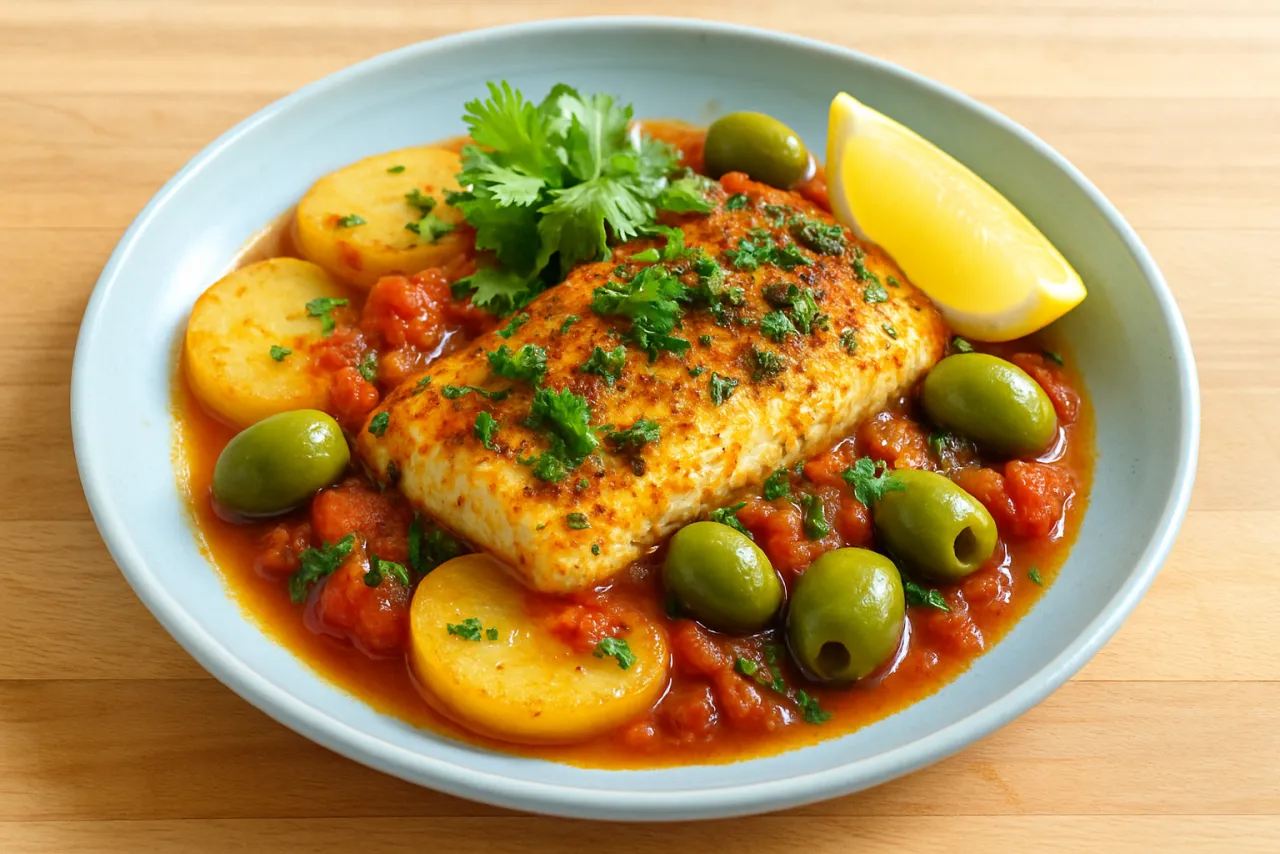
7Fish Tagine
Mediterranean40 min5g fiber33g protein
A Moroccan-style fish tagine of white fish simmered with tomatoes, peppers, olives, and warm spices. Ready in about 40 minutes, it fills the kitchen with the scent of cumin, ginger, and coriander while the fish poaches gently in a fragrant, brothy sauce you'll want to mop up with bread.
This dish is a spice-forward take on the Mediterranean diet for inflammation, built on ginger, tomatoes, peppers, olive oil, and lean fish. Ginger in particular is prized for its anti-inflammatory compounds. With around 33g of protein and 5g of fiber, it's flavor-packed and genuinely nourishing.
Tip: Bloom the <strong>ginger and spices</strong> in olive oil before adding the tomatoes to deepen their flavor and aroma.
8Garlic Shrimp & Zucchini
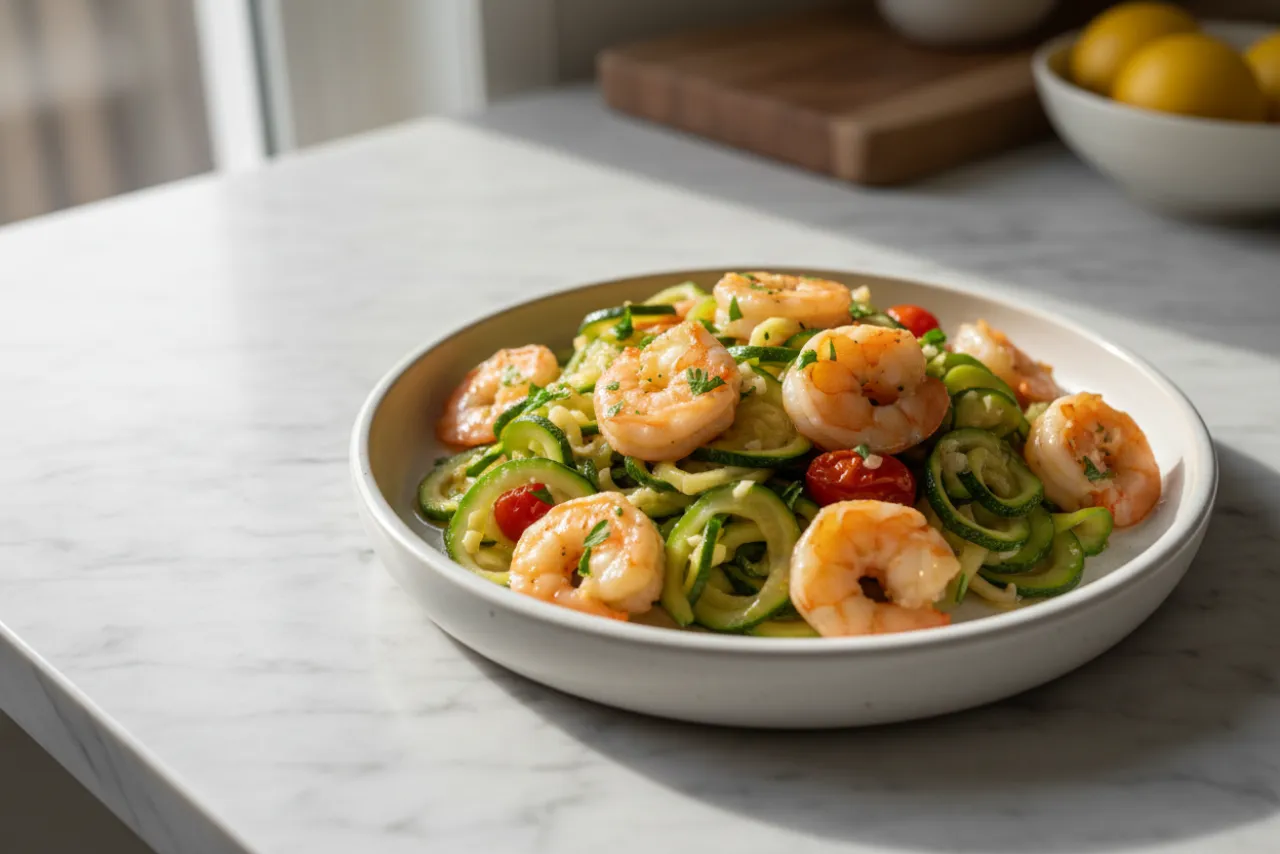
Mediterranean18 min2g fiber33g protein
Quick-seared shrimp tossed with ribbons of zucchini, garlic, and chili in olive oil. This 18-minute skillet dish is about as fast as dinner gets — the shrimp cook in minutes and the zucchini stays just crisp-tender, all brightened with a squeeze of lemon at the end.
Lean shrimp, olive oil, garlic, and zucchini make this a light, veg-forward option within the Mediterranean pattern. At roughly 33g of protein, it's a fast way to get a serving of seafood and vegetables together — the kind of simple, whole-food meal anti-inflammatory eating is built on.
Tip: Cook the shrimp hot and fast so they stay juicy — a squeeze of <strong>lemon</strong> at the end lifts the whole pan.
9Psari Plaki
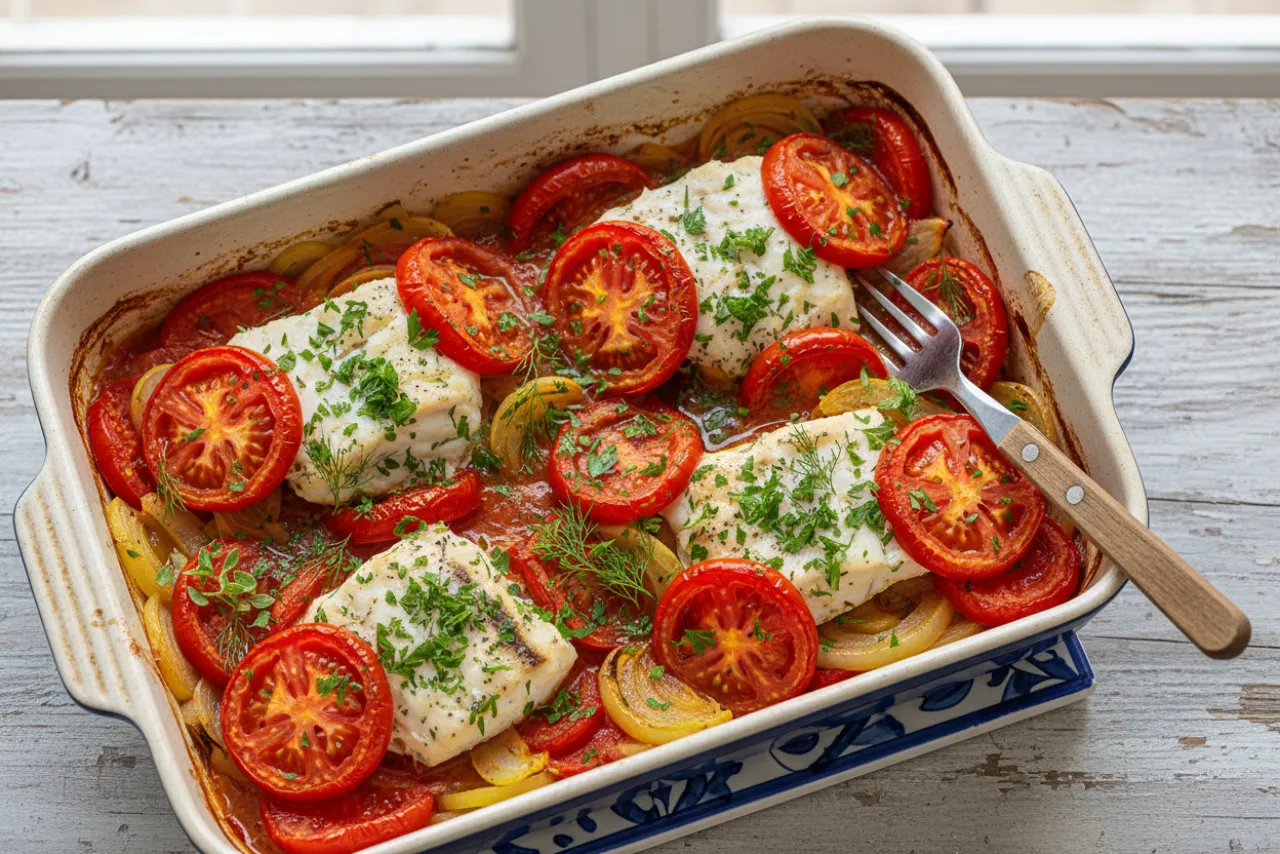
Greek45 min2g fiber31g protein
A traditional Greek baked fish dish where white fish is layered with tomatoes, onions, garlic, and olive oil, then roasted until the sauce is jammy and the fish flakes at a touch. It takes about 45 minutes, most of it in the oven, and tastes even better the next day.
Psari plaki is Mediterranean cooking at its most honest: lean fish slow-baked in olive oil, tomatoes, and garlic. Tomatoes bring the antioxidant lycopene while olive oil adds polyphenols, giving you roughly 31g of protein in a dish that quietly supports an anti-inflammatory routine.
Tip: Bake it uncovered toward the end so the <strong>tomato sauce</strong> reduces and concentrates its flavor.
10Hout bi Chermoula (Moroccan Chermoula Baked Fish)
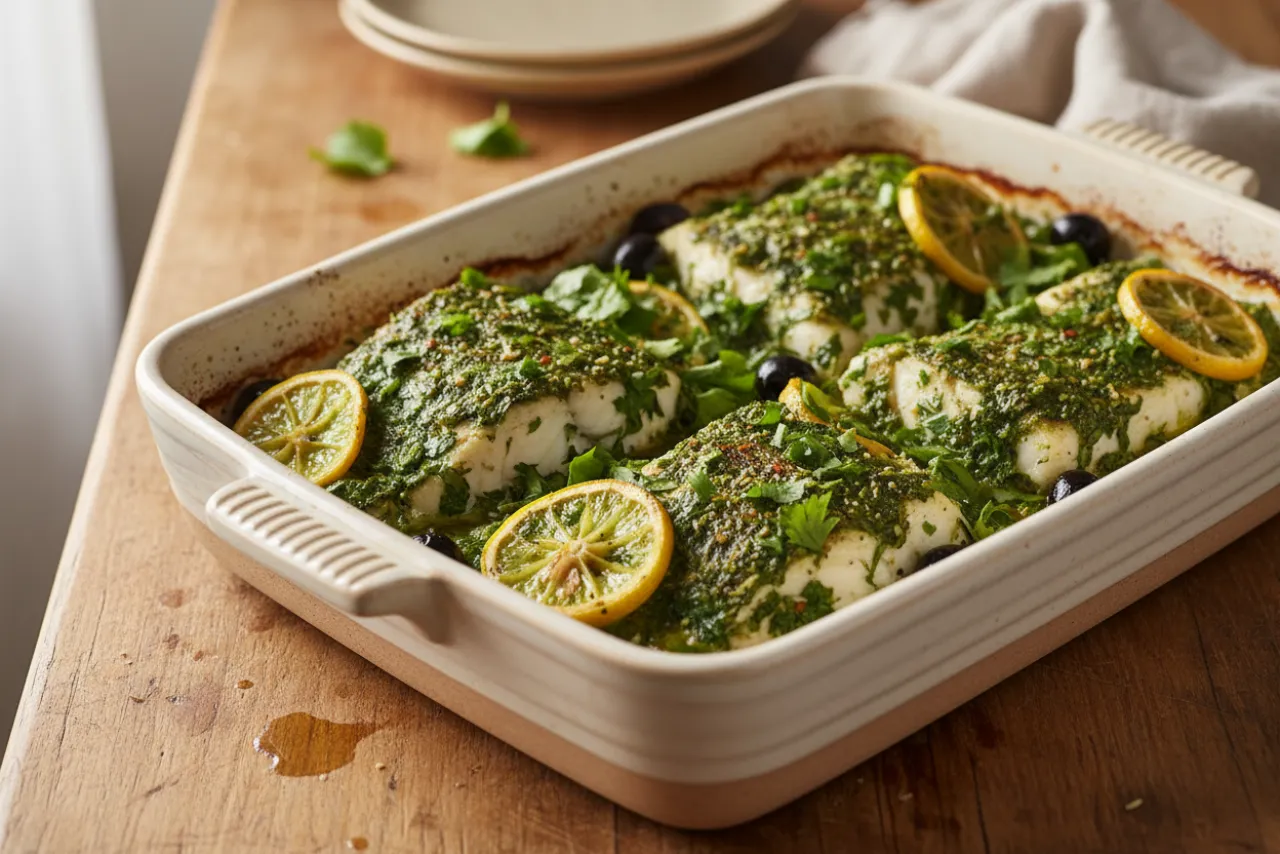
Mediterranean30 min2g fiber31g protein
Moroccan-style baked fish smothered in chermoula — a vibrant green paste of cilantro, parsley, garlic, cumin, and olive oil. Ready in around 30 minutes, the herb marinade keeps the fish moist as it bakes and delivers a hit of fresh, garlicky, slightly spiced flavor in every bite.
Chermoula is basically an anti-inflammatory sauce: fresh herbs, garlic, and olive oil blended together, spooned over lean fish. That combination of herbs and healthy fat, plus around 31g of protein, makes it a flavorful, whole-food fit for a Mediterranean diet for inflammation.
Tip: Reserve a little raw <strong>chermoula</strong> to spoon over the fish after baking for the brightest herb flavor.
View the full Hout bi Chermoula (Moroccan Chermoula Baked Fish) recipe →
11Rape a la Marinera
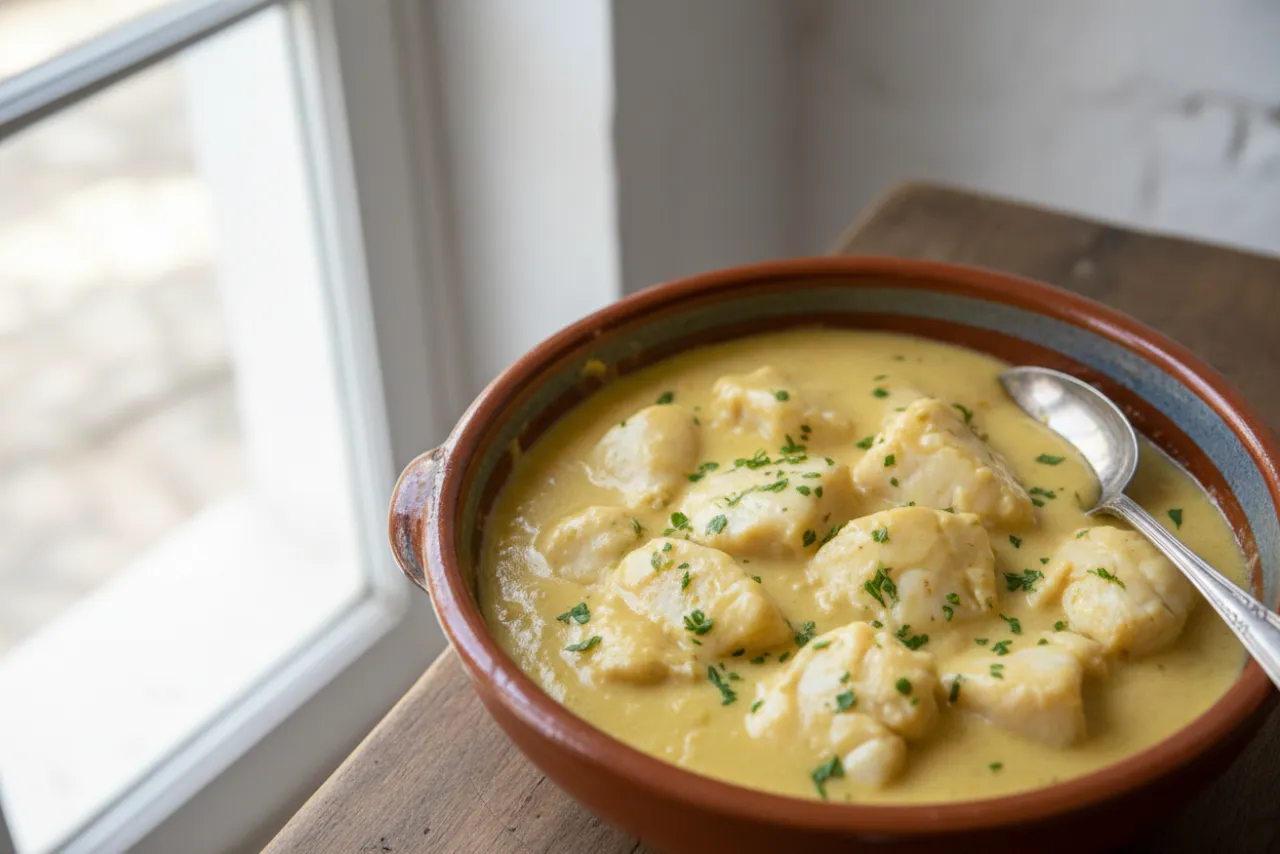
Spanish40 min3g fiber31g protein
Monkfish simmered in a Spanish marinera sauce of tomato, white wine, garlic, and olive oil. This 40-minute dish highlights the firm, almost lobster-like texture of the fish against a savory, garlicky broth — coastal Spanish comfort food that feels far more elegant than the effort suggests.
Monkfish is a lean, meaty fish, and here it's paired with the Mediterranean staples of olive oil, garlic, and tomato. Tomatoes contribute antioxidants while olive oil brings its polyphenols, and at roughly 31g of protein the dish sits comfortably within anti-inflammatory eating.
Tip: Simmer the sauce gently so the <strong>garlic and tomato</strong> mellow and sweeten instead of turning sharp.
More Mediterranean anti-inflammatory recipes to try
Plenty more Mediterranean anti-inflammatory ideas to keep the week varied.
12Merluza en Salsa Verde
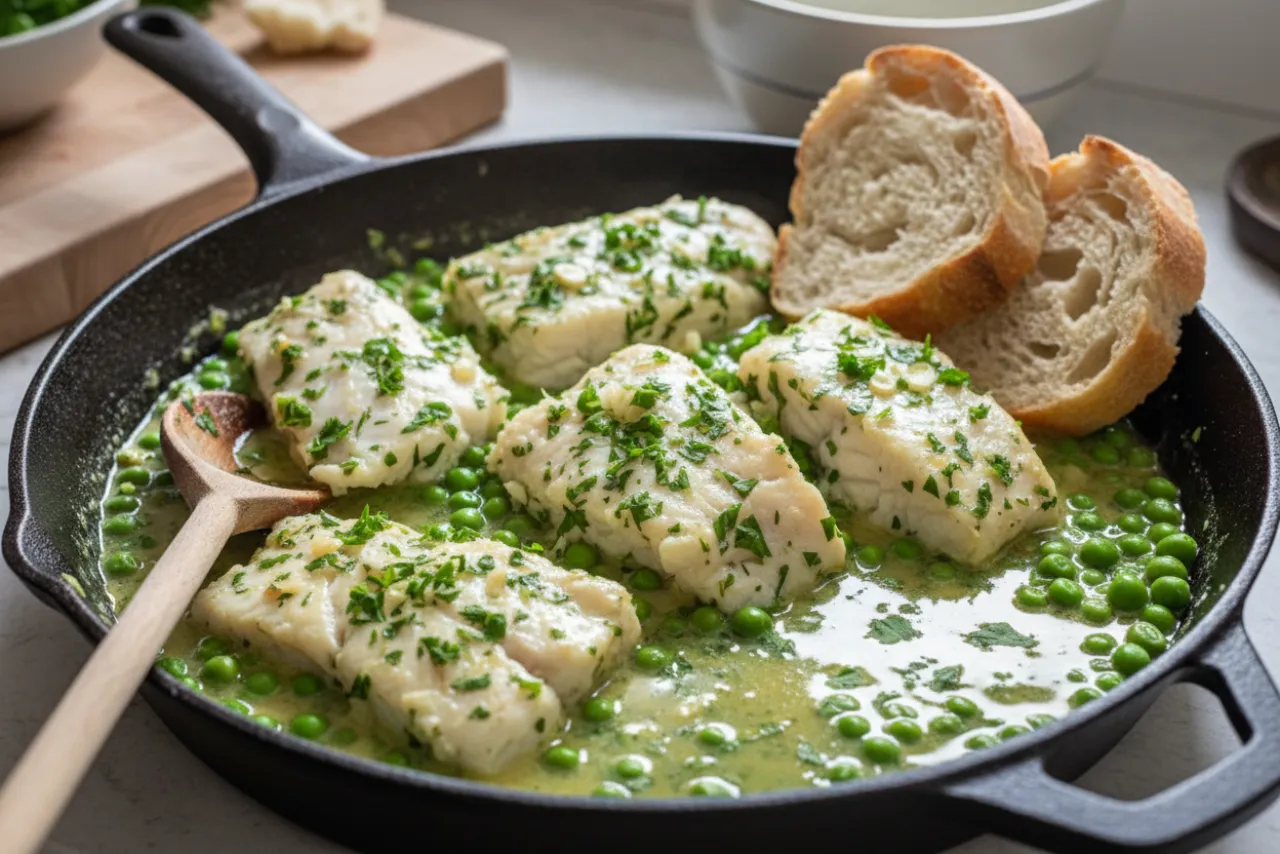
Spanish30 min1g fiber31g protein
Hake fillets cooked in a Basque salsa verde — a silky green sauce of parsley, garlic, olive oil, and a splash of wine. Done in about 30 minutes, it's a gentle, elegant dish where the fish poaches right in the emulsified sauce until everything comes together glossy and fragrant.
Salsa verde leans on two anti-inflammatory heroes — fresh parsley and plenty of olive oil — around lean hake. Garlic adds more antioxidant punch. With about 31g of protein, it's a lighter, brothy Mediterranean plate that shows how much flavor comes from herbs and good oil alone.
Tip: Swirl the pan constantly as it cooks so the <strong>olive oil and fish juices</strong> emulsify into a smooth green sauce.
13Lentil & Feta Salad
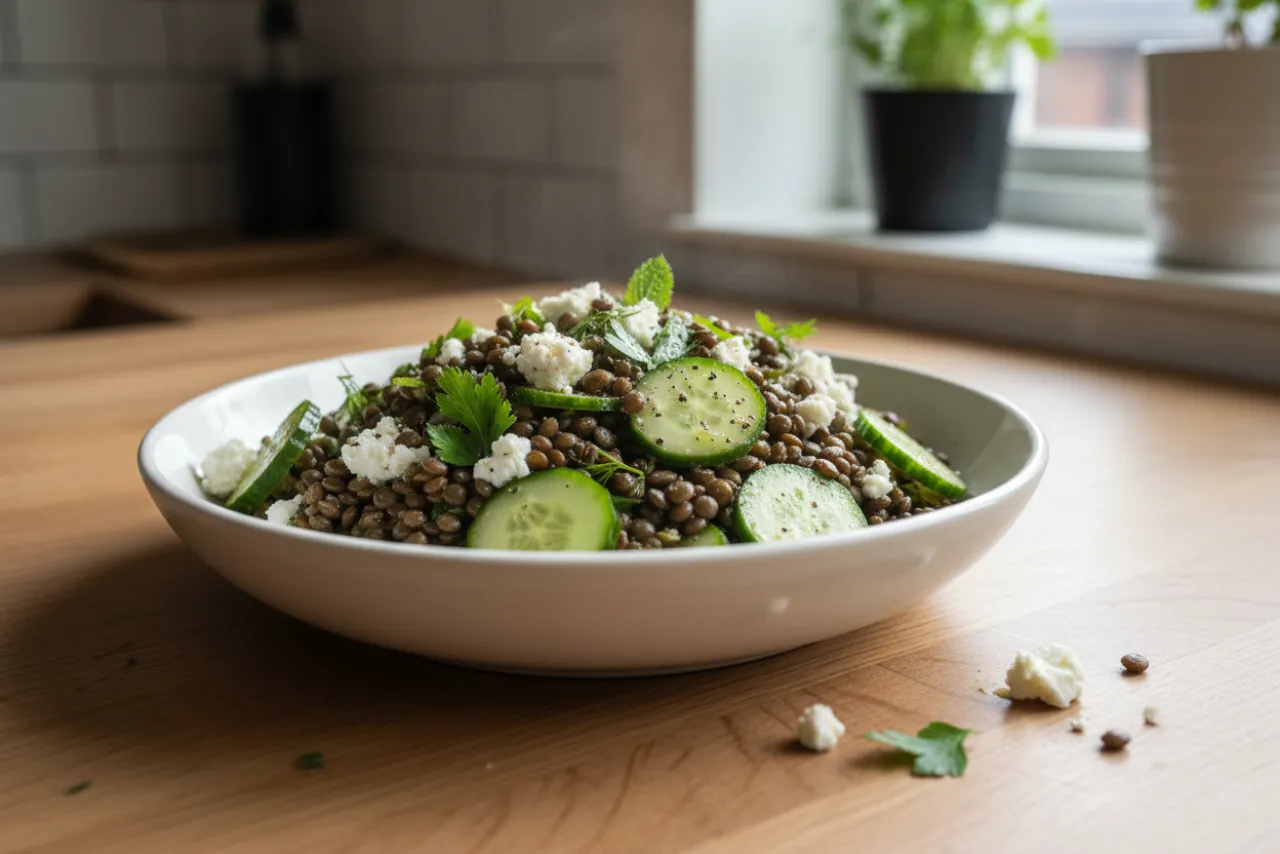
Mediterranean30 min29g fiber29g protein
A hearty salad of cooked lentils tossed with feta, tomatoes, cucumber, red onion, herbs, and an olive-oil dressing. Ready in about 30 minutes, it's substantial enough to be a full meal and keeps beautifully, making it a smart batch-cook for lunches through the week.
With a standout 29g of fiber alongside 29g of protein, this is a gut-health powerhouse. Lentils feed beneficial gut bacteria, olive oil adds polyphenols, and fresh vegetables pile on antioxidants — a trio that makes it one of the most anti-inflammatory dishes on this whole list.
Tip: Dress the <strong>lentils</strong> while they're still slightly warm so they drink up the olive oil and seasoning.
14Octopus Salad
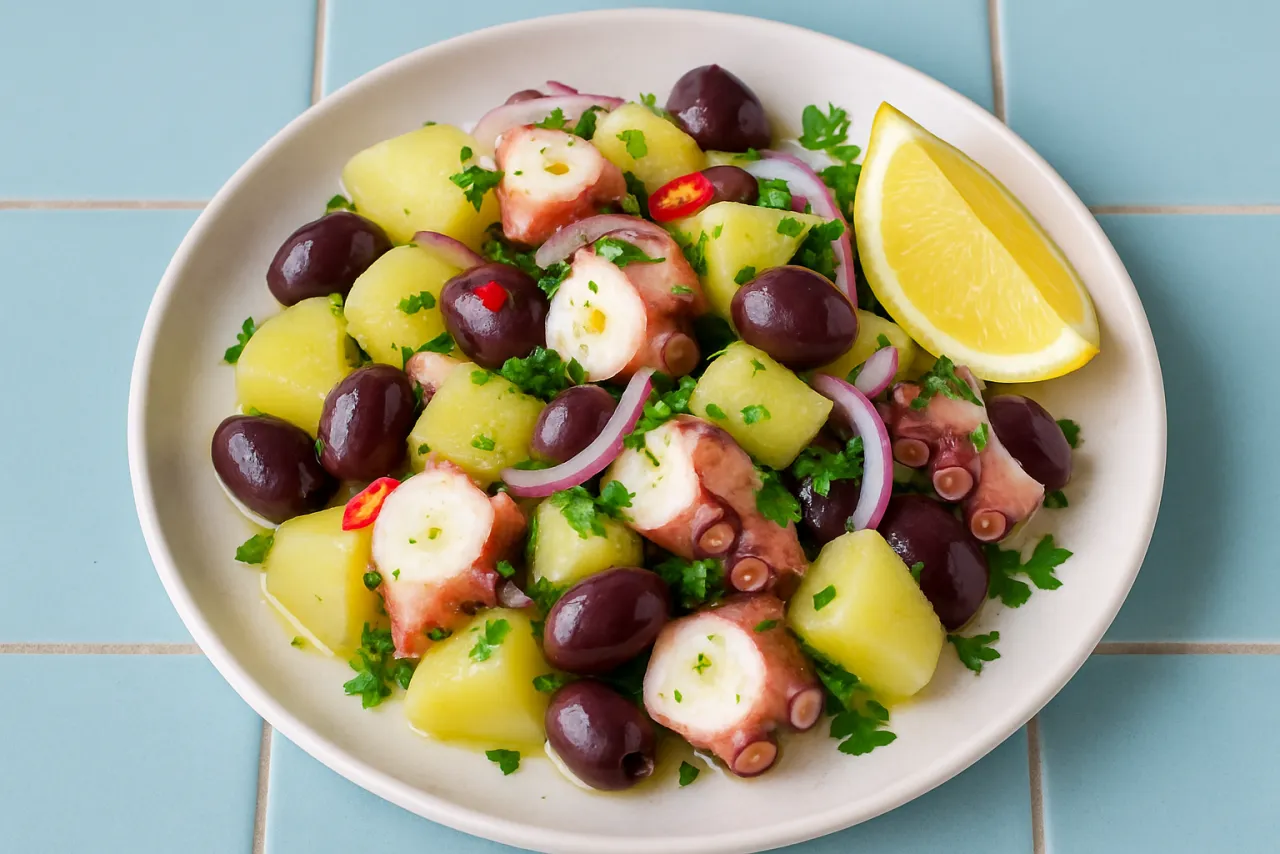
Mediterranean70 min4g fiber28g protein
Tender octopus tossed with potato, celery, red onion, parsley, lemon, and olive oil into a cool, refreshing salad. It takes around 70 minutes, mostly to simmer the octopus until tender, but the assembly is quick and it's best served chilled or at room temperature.
Octopus is one of the leanest seafood proteins, and this salad dresses it in the Mediterranean essentials of olive oil, lemon, and fresh parsley. At roughly 28g of protein and 4g of fiber, it's a light, antioxidant-rich plate that fits an anti-inflammatory diet effortlessly.
Tip: Toss the warm octopus in <strong>olive oil and lemon</strong> right away so it absorbs the dressing as it cools.
15Almejas a la Marinera
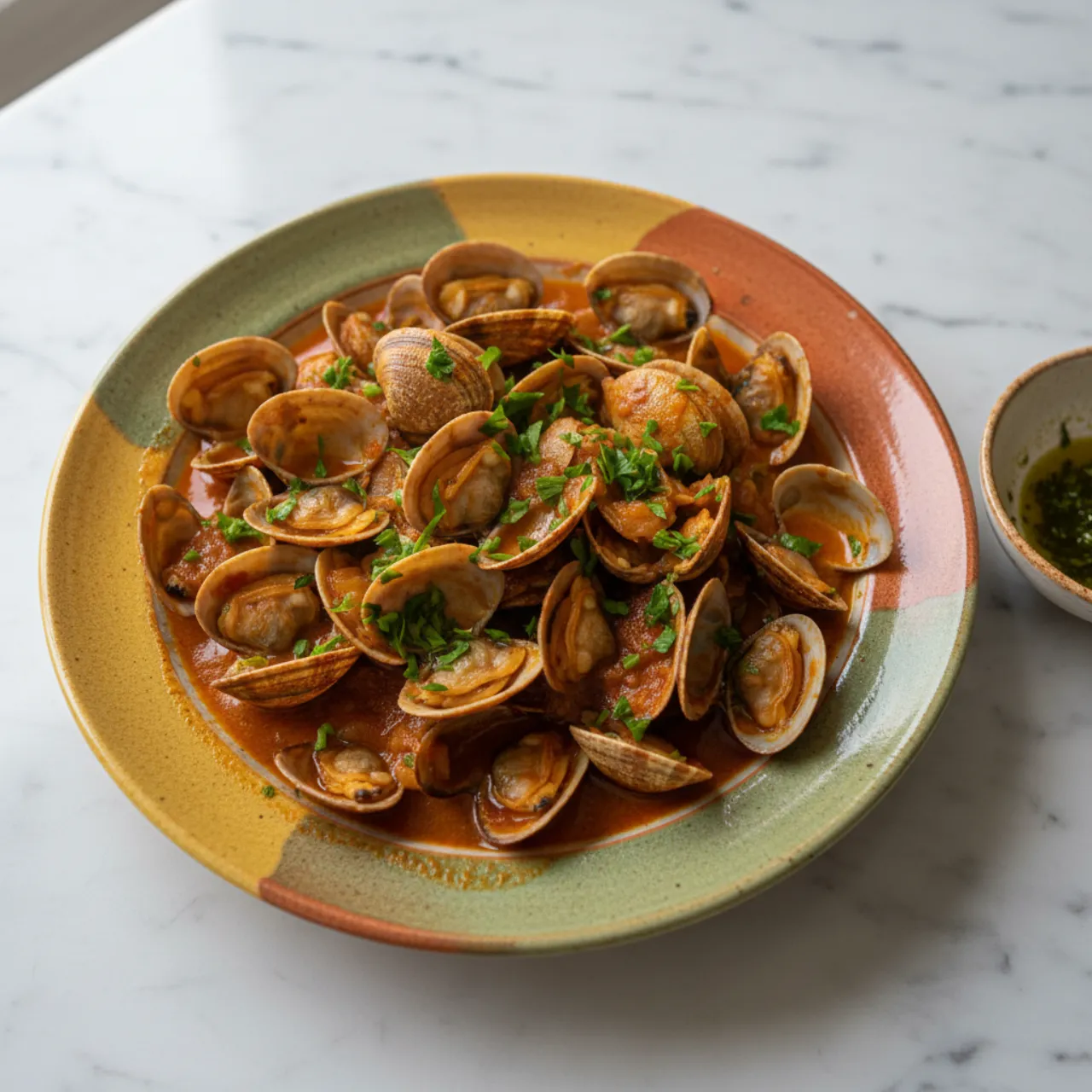
Spanish20 min1g fiber25g protein
Clams steamed open in a quick marinera of garlic, white wine, tomato, parsley, and olive oil. This 20-minute Spanish tapa comes together in one pan, and the briny clams release their liquor into the sauce — crusty bread for dunking is practically mandatory.
Clams are a lean shellfish, and the marinera base delivers the Mediterranean trio of olive oil, garlic, and tomato plus fresh parsley. Together they supply antioxidants and healthy fats around roughly 25g of protein, making this small plate a flavorful fit for anti-inflammatory eating.
Tip: Discard any clams that don't open, and spoon the <strong>garlicky sauce</strong> over everything to catch all the flavor.
16Smoky Mackerel & Farro Salad
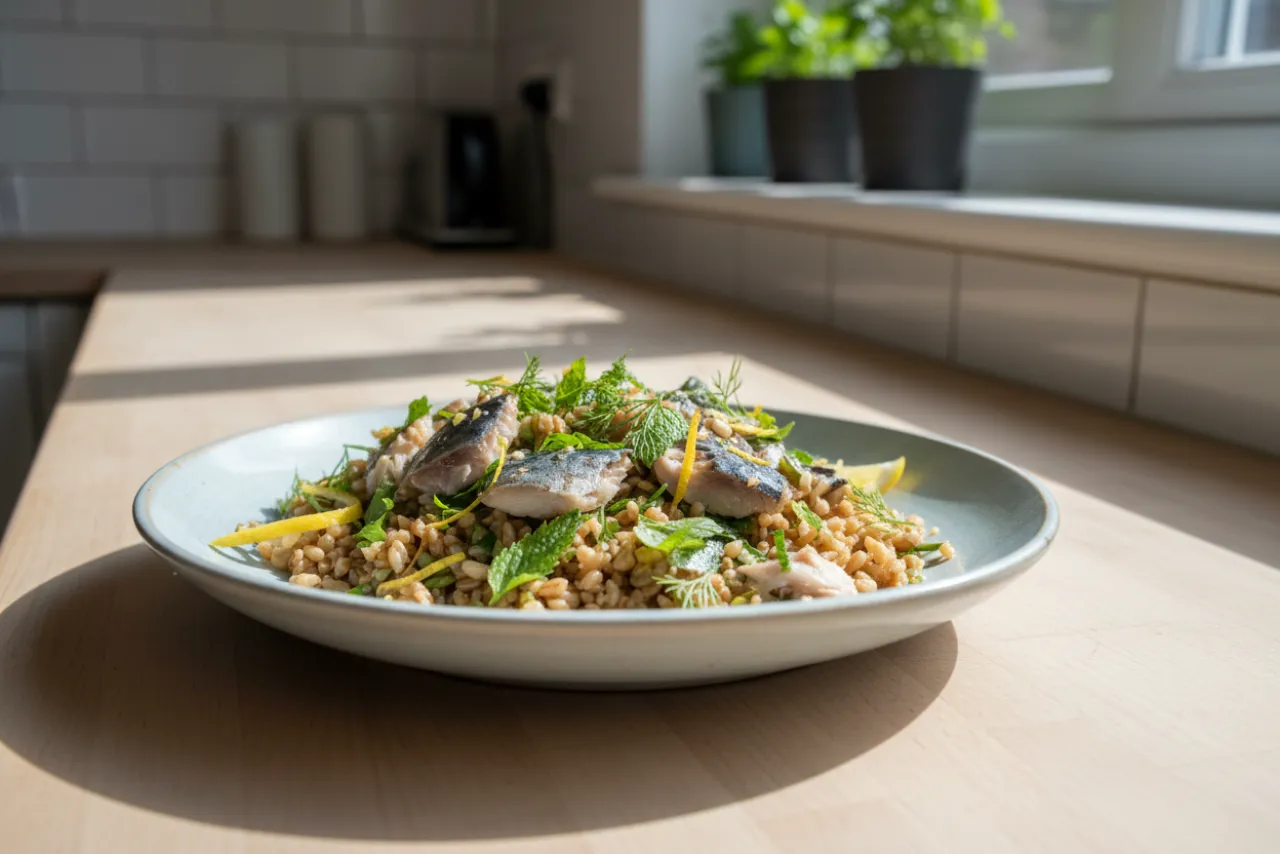
Mediterranean35 min5g fiber25g protein
Smoky mackerel flaked over nutty farro with tomatoes, herbs, lemon, and olive oil. Ready in about 35 minutes, this warm grain salad balances the rich, oily fish against the chew of whole-grain farro and the brightness of fresh herbs — hearty enough for dinner, portable enough for lunch.
Mackerel is among the richest sources of anti-inflammatory omega-3 fats, and pairing it with whole-grain farro adds fiber and slow-burning energy. With olive oil, herbs, roughly 25g of protein and 5g of fiber, this salad checks nearly every box of the Mediterranean pattern.
Tip: Cook the <strong>farro</strong> a day ahead so this comes together in minutes for a fast, omega-3-rich lunch.
17Chickpea & Tuna Lunch Salad
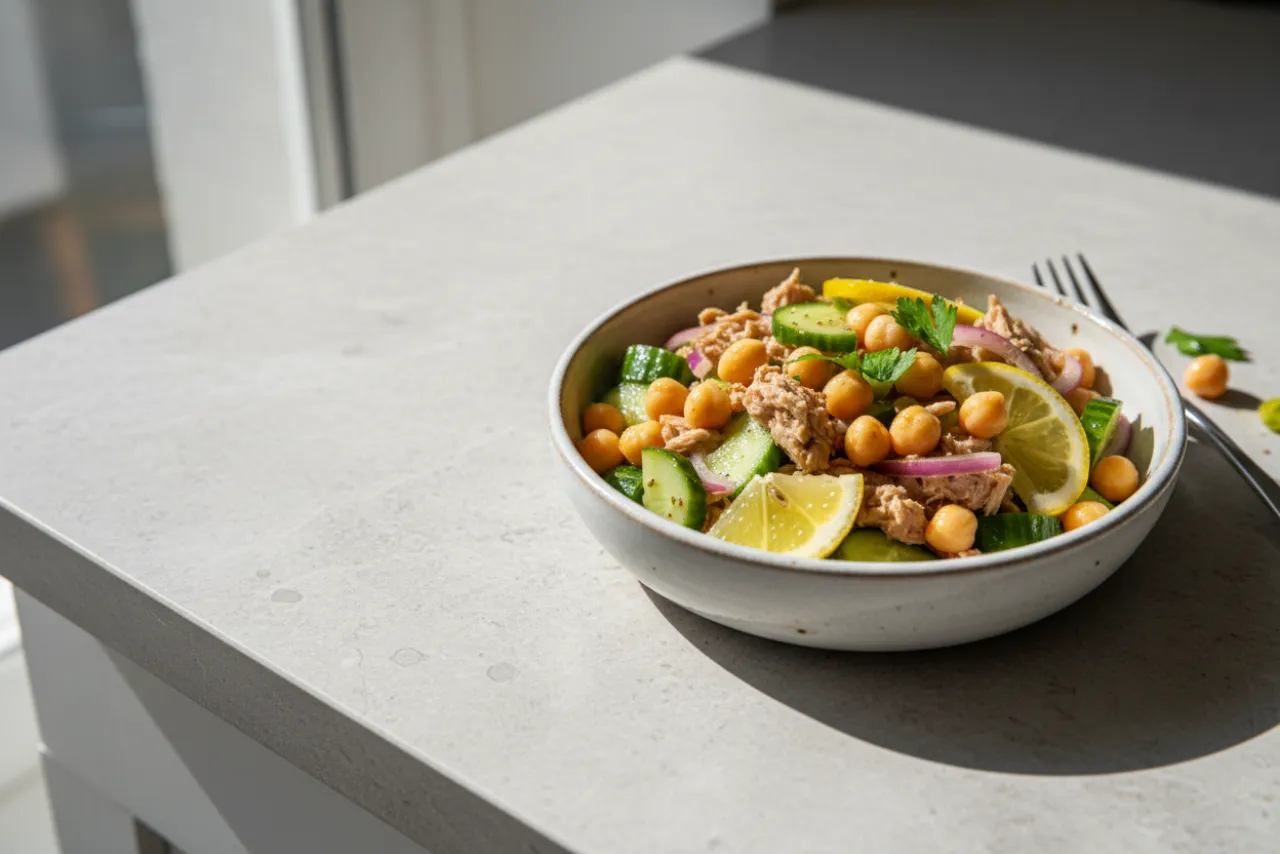
Mediterranean10 min11g fiber24g protein
A no-cook lunch of canned tuna and chickpeas tossed with red onion, parsley, lemon, and olive oil. It takes just 10 minutes from pantry to plate, needs no stove, and holds up for days — the kind of reliable, protein-packed salad that makes healthy eating genuinely easy.
This little bowl is quietly excellent for a Mediterranean diet for inflammation: tuna brings omega-3s, chickpeas contribute gut-feeding fiber, and olive oil ties it together. At roughly 24g of protein and 11g of fiber, it's proof that anti-inflammatory eating can take under 10 minutes.
Tip: Use tuna packed in <strong>olive oil</strong> and add it to the bowl, oil and all, for extra flavor and healthy fat.
18Pasta e Fagioli
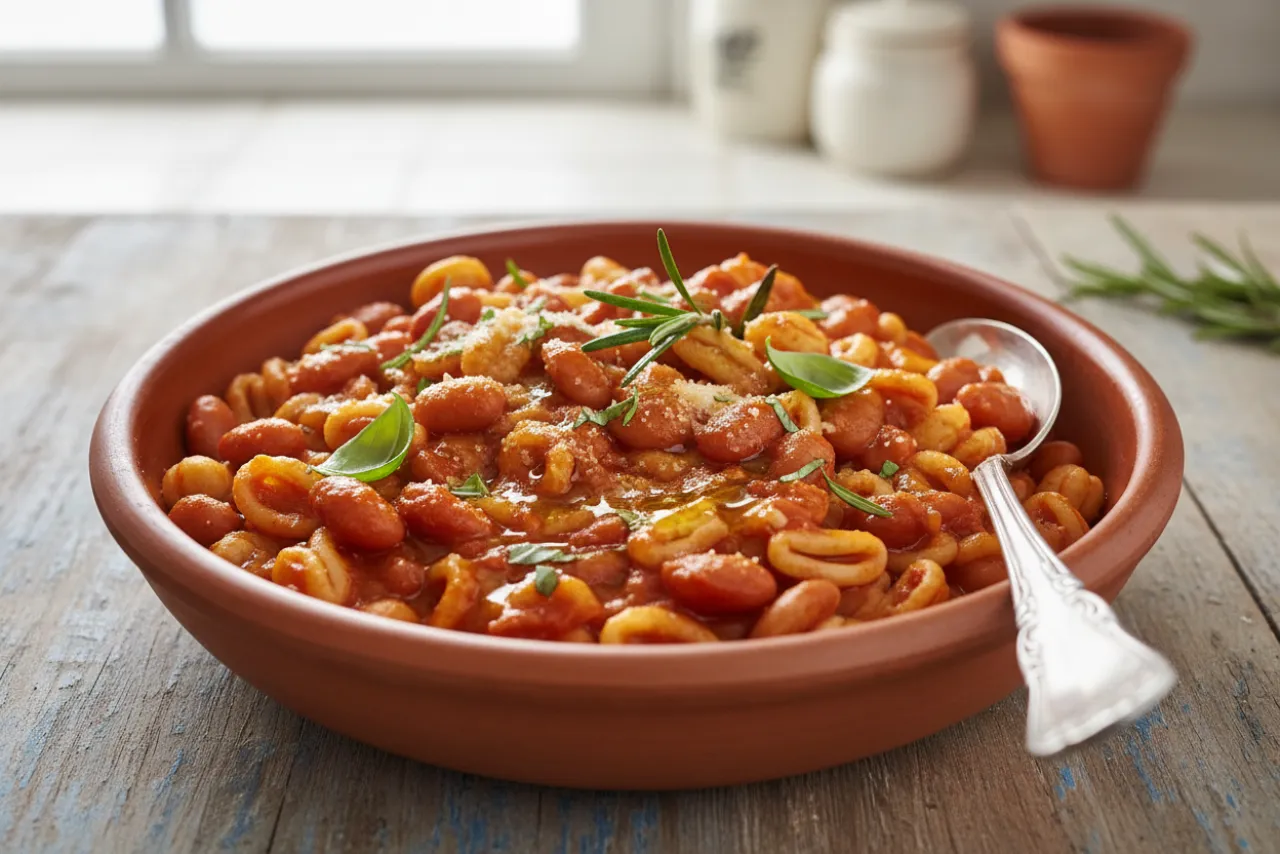
Italian40 min19g fiber24g protein
The beloved Italian 'pasta and beans' — a thick, cozy soup of small pasta and cannellini beans simmered with tomato, garlic, and olive oil. In about 40 minutes you get a bowl that's more stew than soup, deeply savory and endlessly comforting, the definition of Italian peasant cooking done right.
This is a fiber juggernaut at 19g per serving, thanks to a double dose of beans and pasta cooked in olive oil, garlic, and tomato. All that fiber feeds your gut bacteria — central to reducing inflammation — while roughly 24g of protein keeps it filling and firmly Mediterranean.
Tip: Finish each bowl with a raw drizzle of <strong>extra-virgin olive oil</strong> for flavor and its full polyphenol benefit.
19Tuna and Bean Salad
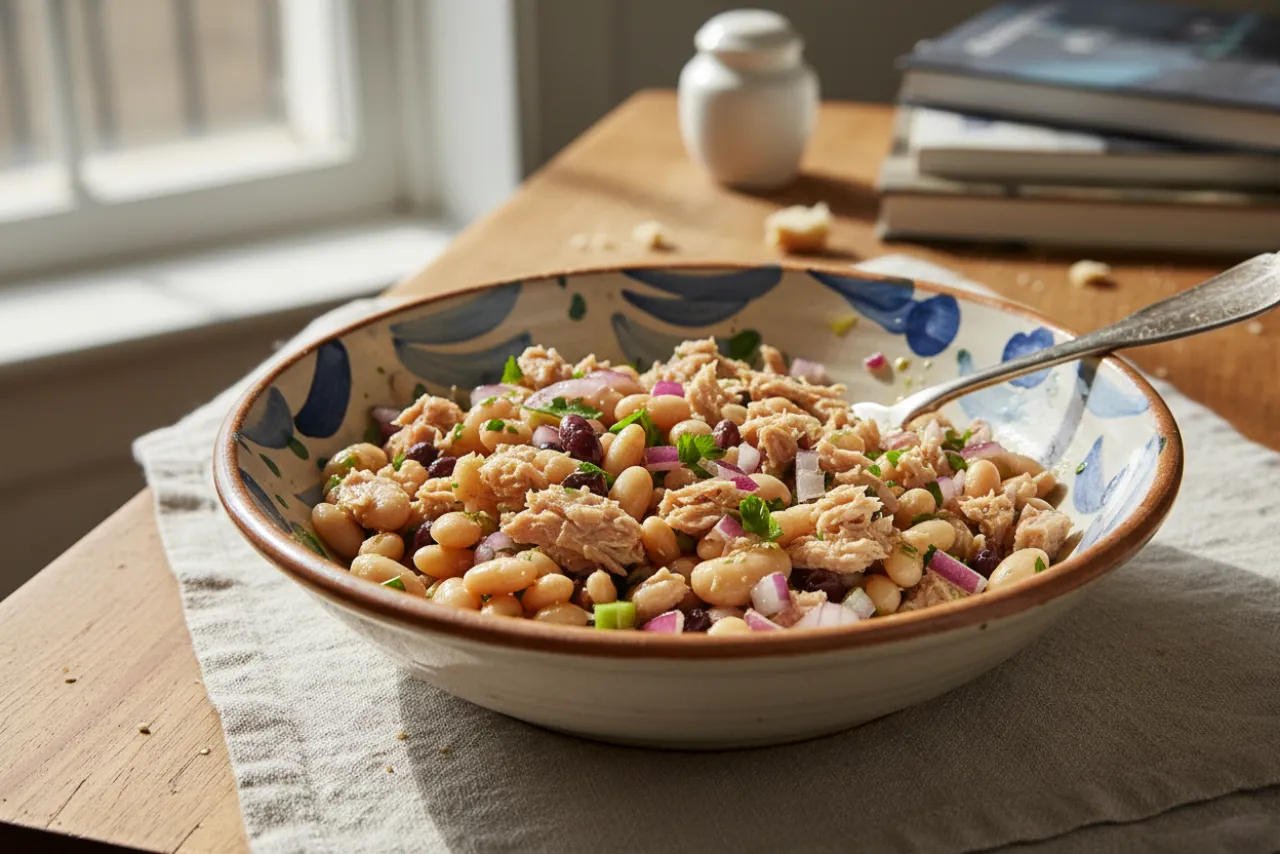
Italian10 min7g fiber23g protein
A bright Italian salad of tuna and white beans with tomatoes, red onion, herbs, and an olive-oil dressing. Ready in just 10 minutes with no cooking required, it's a fresh, summery plate that works as a quick lunch or a light dinner and comes together entirely from the pantry.
Tuna delivers omega-3 fats, white beans bring 7g of fiber to feed your gut, and olive oil adds its polyphenols — a compact anti-inflammatory package. At around 23g of protein, this fast salad captures the whole-food, olive-oil-forward spirit of Mediterranean eating without turning on the stove.
Tip: Let it sit for five minutes before serving so the <strong>beans and tomatoes</strong> soak up the dressing.
20Pasta e Ceci
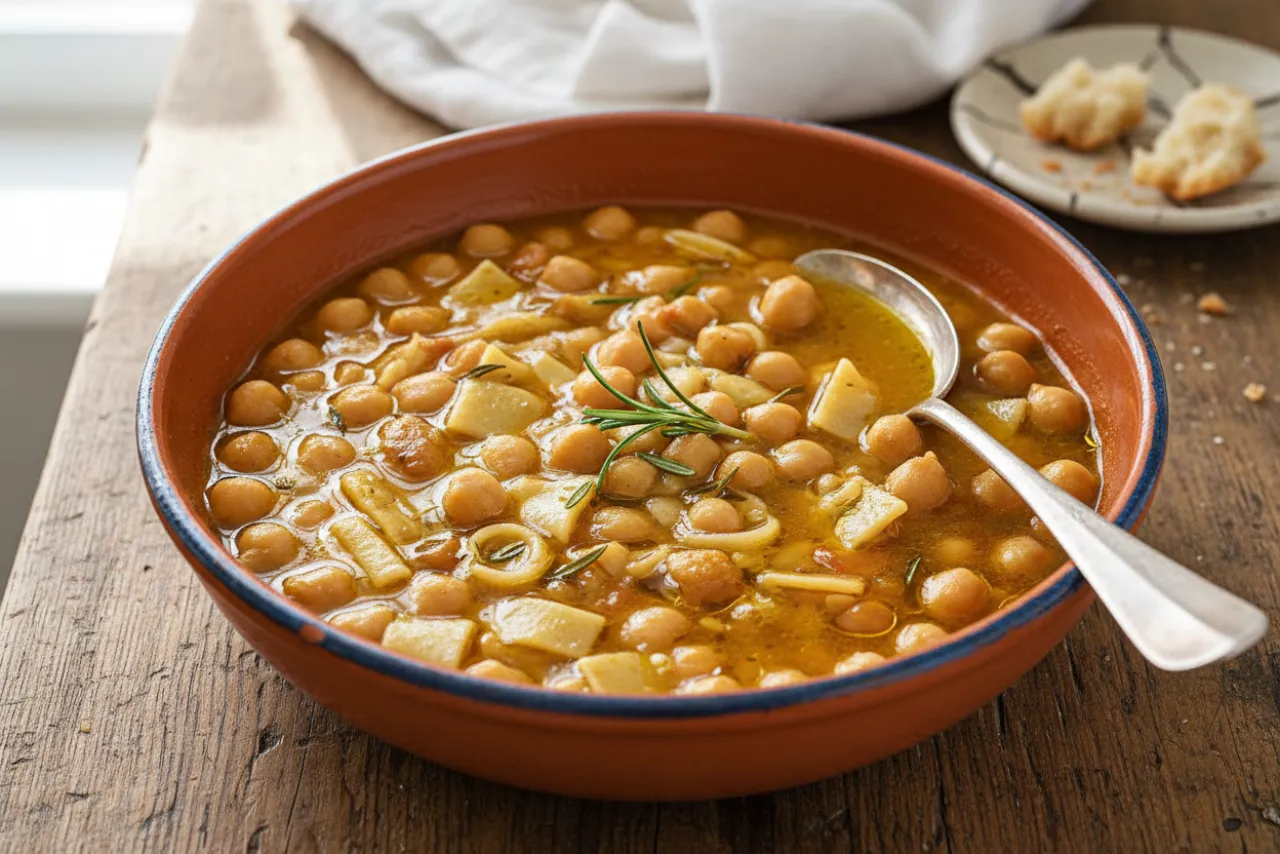
Italian30 min17g fiber23g protein
The Roman classic pasta e ceci — pasta cooked with chickpeas, garlic, rosemary, and olive oil into a thick, creamy, almost porridge-like bowl. It's ready in about 30 minutes, using mostly pantry staples, and delivers deep, savory comfort with very little fuss or expense.
At a hefty 17g of fiber, this dish is a gift to your gut, with chickpeas doing the heavy lifting alongside olive oil, garlic, and rosemary. That fiber-and-legume combination is exactly what makes it such a natural fit for a Mediterranean diet for inflammation, plus roughly 23g of protein.
Tip: Mash some of the <strong>chickpeas</strong> into the broth to make it creamy without any cream or cheese.
21Tonno e Fagioli
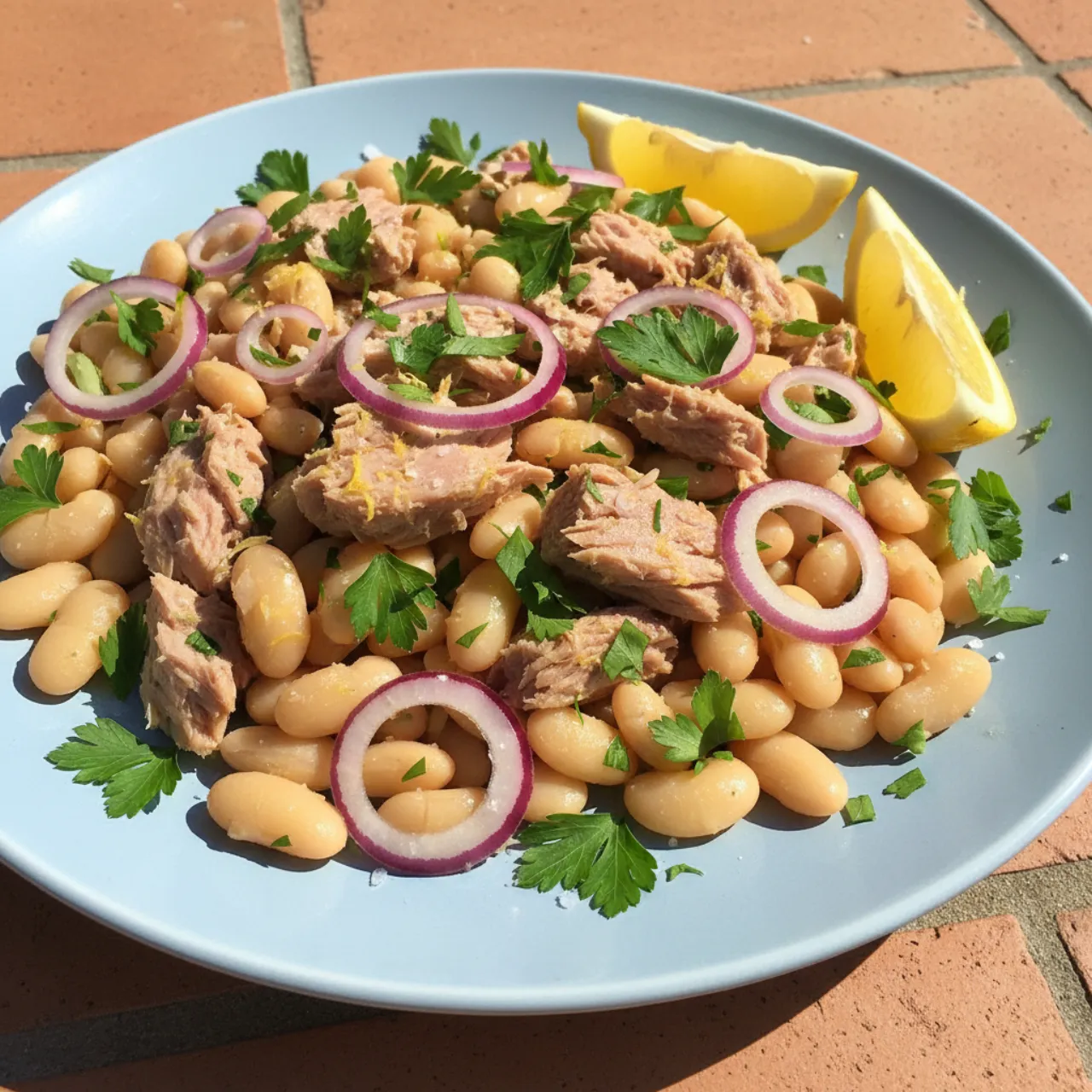
Italian10 min7g fiber23g protein
A rustic Italian dish of tuna and cannellini beans dressed simply with red onion, parsley, lemon, and olive oil. It takes just 10 minutes and no cooking — a minimalist assembly that lets great ingredients speak for themselves, equally at home as an antipasto or a light main.
Simplicity is the point here: omega-3-rich tuna, fiber-packed white beans, and a good pour of olive oil, with 7g of fiber and around 23g of protein. It's a lean, gut-friendly plate that shows how little it takes to eat within the Mediterranean anti-inflammatory tradition.
Tip: Use the best <strong>olive oil</strong> you have here — with so few ingredients, its flavor really shines through.
22Mediterranean Spiced Tomato Eggs
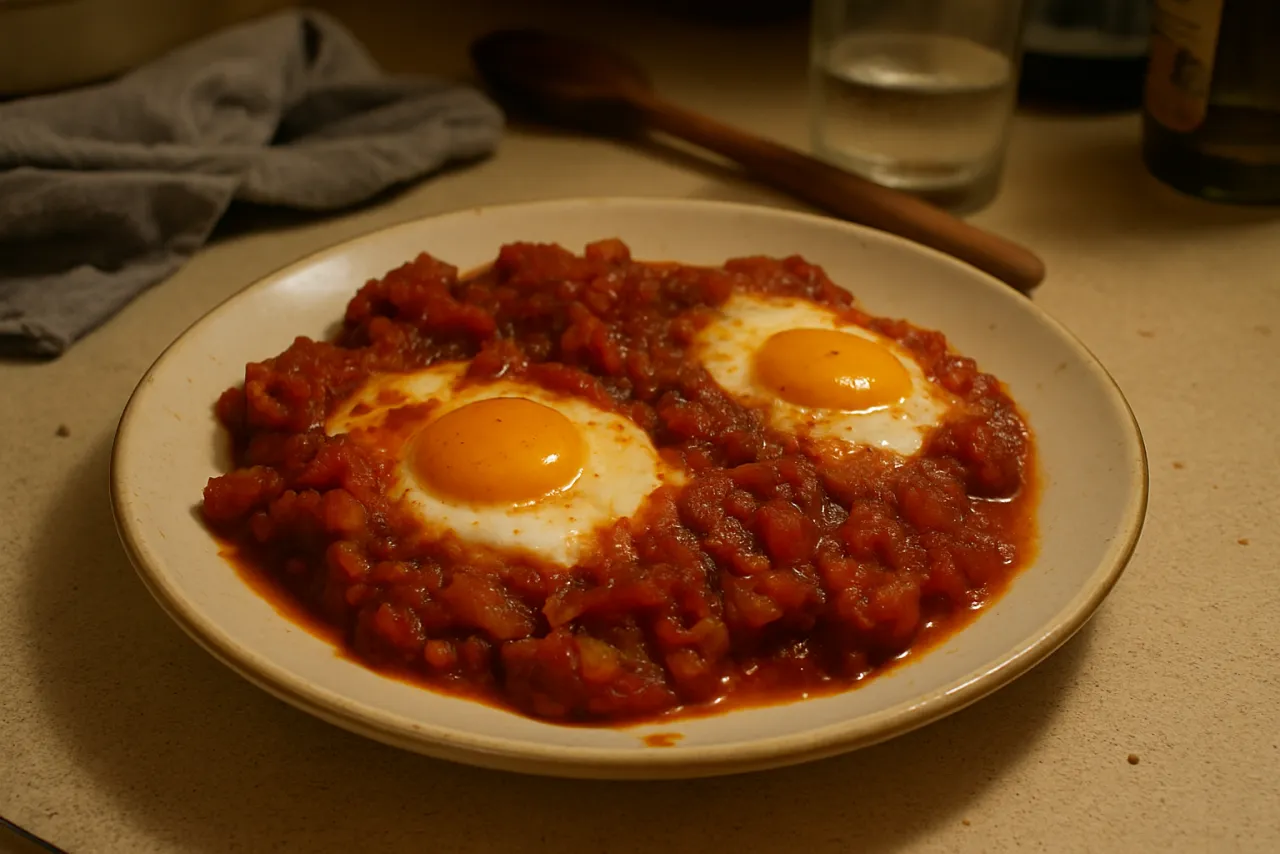
Mediterranean25 min7g fiber22g protein
Eggs poached in a spiced tomato and pepper sauce, in the style of shakshuka. This 25-minute one-pan dish simmers tomatoes, peppers, garlic, and warm spices before the eggs nestle in to cook until just set — a savory, saucy meal that works for breakfast, lunch, or an easy dinner.
The tomato-and-pepper base brings antioxidants like lycopene, built up in olive oil with garlic and warm spices for extra anti-inflammatory punch. With around 22g of protein and 7g of fiber, it's a veg-forward, whole-food dish that fits the Mediterranean pattern any time of day.
Tip: Cover the pan while the <strong>eggs</strong> finish so the tops set gently over the simmering tomato sauce.
Tips
- Cook with extra-virgin olive oil as your default fat — its polyphenols are a big part of why the Mediterranean pattern is so anti-inflammatory, and it holds up fine to gentle roasting and sauteing.
- Aim for oily fish like salmon, mackerel, or sardines two to three times a week; they're the richest whole-food source of the omega-3 fats that help temper inflammation.
- Treat legumes as a staple, not a side — the fiber in beans, lentils, and chickpeas feeds gut bacteria, and a healthy gut is central to keeping inflammation in balance.
- Lean on herbs and spices generously; turmeric, ginger, oregano, and garlic add flavor and antioxidants without a single extra calorie or gram of salt.
- Fill half your plate with color — leafy greens, tomatoes, peppers, and berries deliver the antioxidants that round out an anti-inflammatory meal.
Frequently asked questions
What foods are best on a Mediterranean diet for inflammation?
The heavy hitters are extra-virgin olive oil, oily fish (salmon, mackerel, sardines), leafy greens, tomatoes, berries, whole grains like farro, and legumes such as lentils, chickpeas, and white beans. Herbs and spices like turmeric, ginger, garlic, and oregano add antioxidants too. The point is to eat a variety of these whole foods regularly rather than chasing any single 'superfood.'
How long does it take to see benefits from eating this way?
There's no fixed timeline, and food isn't a quick fix. Some people notice they feel better within a few weeks of eating more whole foods, olive oil, and fish, but the well-documented benefits of the Mediterranean pattern come from following it consistently over months and years. Focus on building a sustainable routine rather than expecting overnight changes, and check with your doctor about your specific situation.
Is the Mediterranean diet good for gut health?
Yes — and gut health is closely tied to inflammation. The diet is naturally high in fiber from vegetables, legumes, and whole grains, which feeds the beneficial bacteria in your gut. Those bacteria produce compounds that help keep inflammation in check. Dishes built around beans, lentils, and chickpeas, like several in this list, are especially good for feeding that microbiome.
Do I have to eat fish to follow an anti-inflammatory Mediterranean diet?
No. Oily fish is one of the best sources of omega-3 fats, but the pattern also leans heavily on plants — olive oil, legumes, whole grains, greens, and vegetables carry a lot of the anti-inflammatory benefit on their own. If you don't eat fish, load up on beans, lentils, walnuts, and plenty of colorful produce, and you're still eating squarely within the tradition.
Eat this way without the effort. Homecooked plans a week of anti-inflammatory meals around what's already in your kitchen, tells you the few ingredients you're missing, and walks you through cooking each one. Browse more recipes or start planning your week.