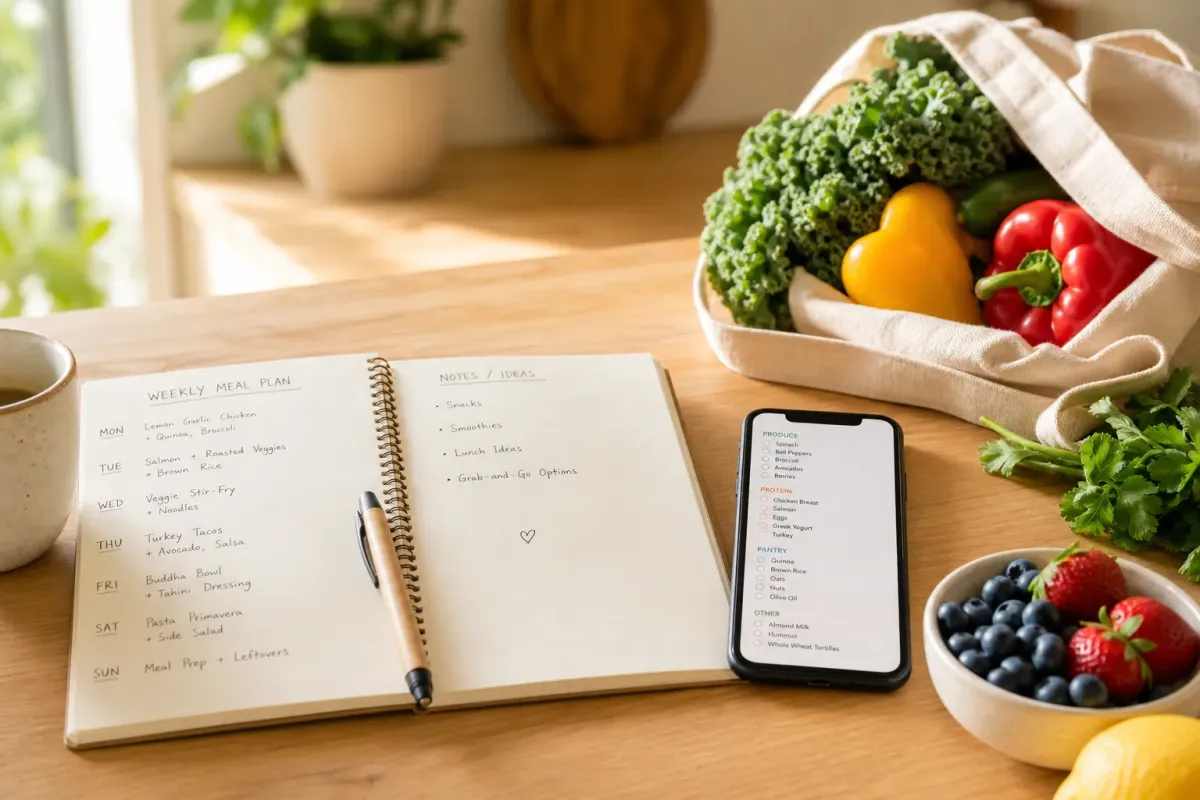
Your grocery list should be the output of your meal plan. When it is, you stop impulse buying, stop running out midweek, and actually cook what you intended. Here is a clear, repeatable workflow in Homecooked to turn a week of meals into a precise, zero-waste grocery list that fits your schedule and your kitchen.
Plan a realistic week in Homecooked
Open your calendar first. Flag late work nights, kids' practices, and the evenings you actually like to cook. That tells you which meals must be 20-minute wins, which can simmer for 40 minutes, and which should make enough leftovers for lunches.
In Homecooked, use Meal Planning to map the week. Choose 4 to 5 dinners, 2 to 3 lunch anchors, and low-effort breakfasts. Leave one flex night for leftovers or takeout. If you have dietary preferences or allergies, lean on Personalized Cookbooks so every recipe already fits your rules. You can also pull from curated collections focused on health goals like debloating and reducing inflammation, so your plan supports how you want to feel.
Pick recipes with a mix of cook times and overlapping ingredients. That keeps variety high without blowing your budget or prep time. Homecooked’s Smart Recipes include parallel steps and built-in timers, so you can boil pasta while your sheet pan roasts and never miss a cue. That saves real minutes on busy nights.
Example week that cross-uses ingredients:
- Mon: Lemon garlic chicken thighs with roasted broccoli and couscous
- Tue: Black bean tacos with pico and avocado
- Wed: Tortellini soup with spinach
- Thu: Salmon rice bowls with cucumber, cilantro, and sesame
- Fri: Leftovers or veggie omelets with side salad
Match recipes to your pantry
Before you add a single item to your list, audit what you already have. Open your pantry, fridge, and freezer. In Homecooked, the Persistent Pantry stores your inventory so the app can subtract it from your list automatically.
Enter ingredients with useful detail: units and amounts you will actually use while cooking. Examples:
- Rice: 1.5 cups dry in a jar
- Couscous: half a 10 oz box
- Tortillas: 2 left in a 10-count pack
- Black beans: 1 can, 15 oz
- Chicken thighs: 3 frozen, about 1.3 lb
- Cumin: nearly full jar
Now reconcile your plan with what you own. If you planned bean tacos and already have beans, cumin, and chili powder, those do not belong on the list. If you planned tortellini soup but have spaghetti and chickpeas, consider swapping to a pasta e ceci or minestrone. Use Personalized Cookbooks to find alternates that match both your diet and your inventory so you are not buying duplicates you do not need.
Be honest about perishables. Check dates and condition. If last week’s broccoli is still crisp, keep it in the plan and remove it from the list. If herbs are limp, delete them from your pantry so Homecooked adds a fresh bunch.
Helpful habit: add simple substitution notes to the plan. For example, “greens = spinach or kale” or “rice bowl veg = cucumber or snap peas.” During shopping, that gives you flexibility without derailing the plan.
Auto-generate a precise list
With the plan set and pantry updated, let Homecooked do the math. The Automatic Grocery Lists feature pulls ingredients from your Meal Planning calendar, scales quantities to your chosen servings, normalizes units, and then subtracts anything in your Persistent Pantry. You end up with only what you still need.
Scan the list and sanity-check high-impact items like proteins, produce, and dairy. Add your household staples that are not tied to recipes, such as milk, bananas, coffee, or seltzer, so the list covers the whole week.
Here is what a consolidated list from the example plan often looks like after pantry subtraction:
- Chicken thighs: 1.7 lb to reach 3 lb total for Monday plus leftovers
- Broccoli: 1.5 lb for two sheet pans across Mon and Thu
- Couscous: 1 box if you had only half
- Black beans: 1 can if you only had one in stock
- Tortillas: 1 pack of 10
- Avocados: 2 ripe
- Limes: 3
- Tortellini: 16 oz bag for 4 servings
- Spinach: 8 oz bag, split between Wed and Fri
- Salmon: 1 lb for two bowls
- Cucumber: 1 English
- Cilantro: 1 bunch
- Yogurt: 24 oz for breakfasts and sauces
If you cook for leftovers, increase servings in the plan so the list automatically scales. Planning to roast two trays of broccoli for multiple meals is easier when the list already rolls up the full weight.
Shop faster with smart grouping
A good list is organized like your store. In Homecooked, group items by section and reorder sections to match your usual route: produce, bakery, meat and seafood, dairy, center aisles, freezer. If you shop two stores, duplicate the list and tag items by store so you do not bounce back and forth.
Sequence matters. Grab shelf-stable and frozen first, produce and herbs last so they stay fresh. Add small cues where needed, like “bulk bins for almonds” or “ask butcher to split pack.” That keeps your brain off decision fatigue.
Check off by category, not by recipe. When asparagus is overpriced, you will see green beans in the same section and swap without breaking the plan. If your store is out of chicken thighs, grab drumsticks and adjust cook time in the recipe notes. If limes look tired, buy lemons and tweak the salsa. The plan stays intact while the list adapts.
Before you check out, align quantities with pack sizes. A few quick examples:
- If tortellini only comes in 20 oz bags but your recipe calls for 16 oz, cook 16 oz and freeze 4 oz for a future soup add-in.
- If chicken thighs are cheaper in a family pack, buy once, portion into meal-size freezer bags, and label with cut, weight, and date.
- For herbs, plan two uses in one week. Turn leftover cilantro into a chimichurri for omelets or grain bowls.
Dial in leftovers, waste, and execution
Right-size for your household. If a recipe serves four and you need three, decide whether the extra becomes lunch or gets frozen. Note that decision inside the recipe so you remember on cook night.
Look at what typically goes bad in your kitchen and plan around it. If cilantro often wilts, choose parsley for two recipes this week so you finish the bunch. If yogurt expires on you, buy a smaller tub and supplement with fruit you will actually eat. Build a tiny habit: as you load the fridge, label produce that needs priority with a sticky note like “use by Wed.”
When it is time to cook, Homecooked’s Smart Recipes keep you on track with parallel steps and timers. That is the difference between a plan you follow and one you abandon at 6:30. Batch prep where it helps. While the oven preheats on Monday, chop two onions for Monday and Wednesday. While rice cooks for bowls, whisk a double batch of dressing for salads later in the week.
Common traps to avoid:
- Planning all seven dinners with no flex. Leave room for leftovers or a pantry night.
- Ignoring what you own. Keep the Persistent Pantry updated so you stop rebuying spices and grains.
- Forgetting oils and condiments. Add them to pantry once and let the app subtract them forever after.
- Buying produce without a job. Tie each fresh item to a recipe or snack.
- Choosing recipes that do not fit your nights. Save longer cooks for nights you are home.
Pantry-friendly recipes to plan your week around
The grocery list works best when you plan around a handful of flexible, pantry-forward meals. These are some of the most-loved starting points — add any to your week in Homecooked and it subtracts what you already have, then builds the list from what's left.
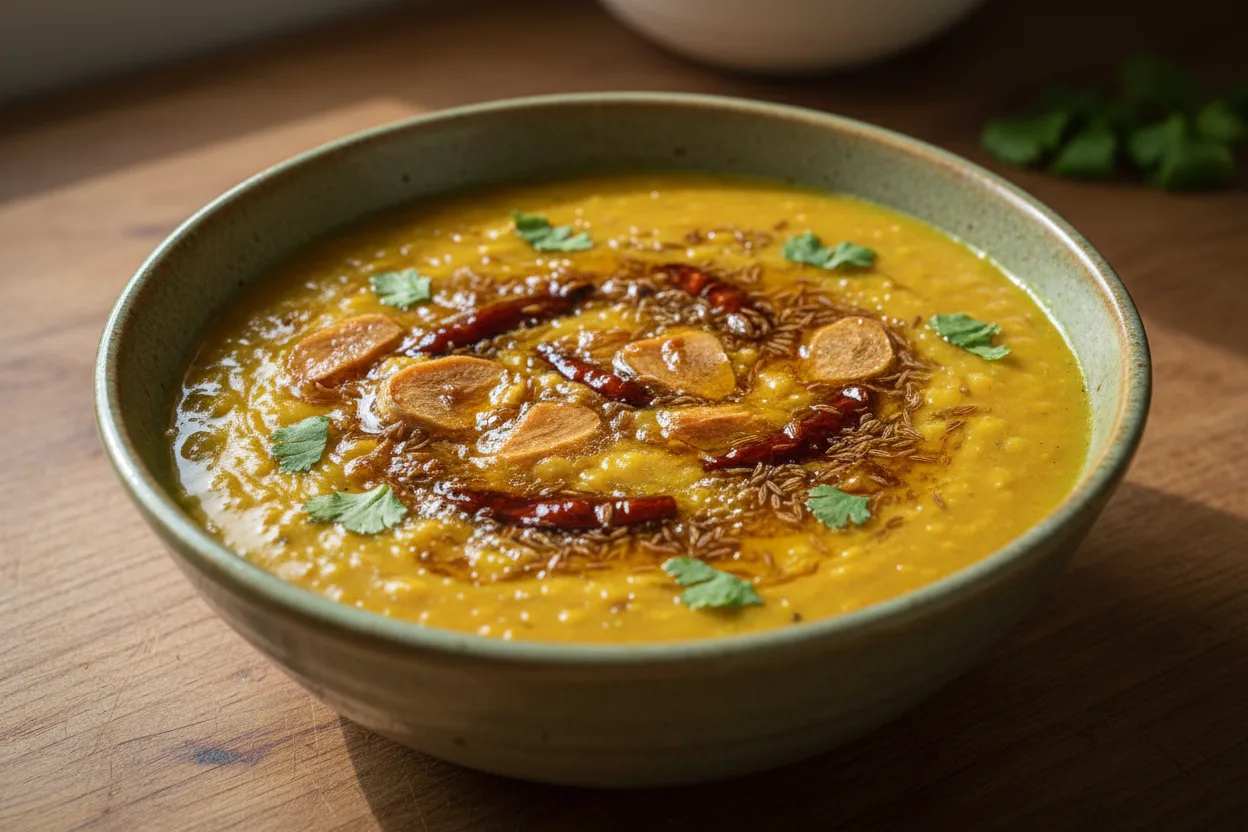 Indian35 minDal TadkaView recipe →
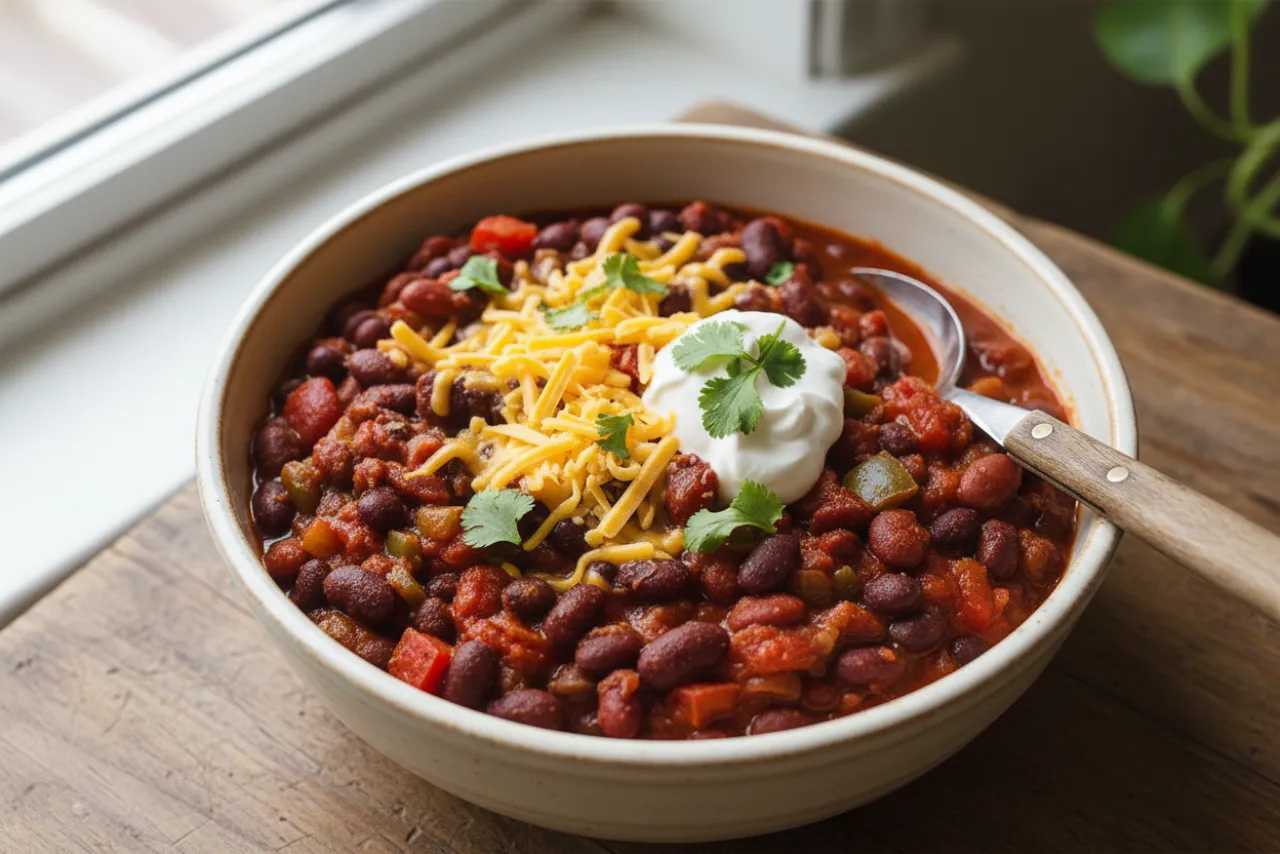 American40 minVegetarian ChiliView recipe →
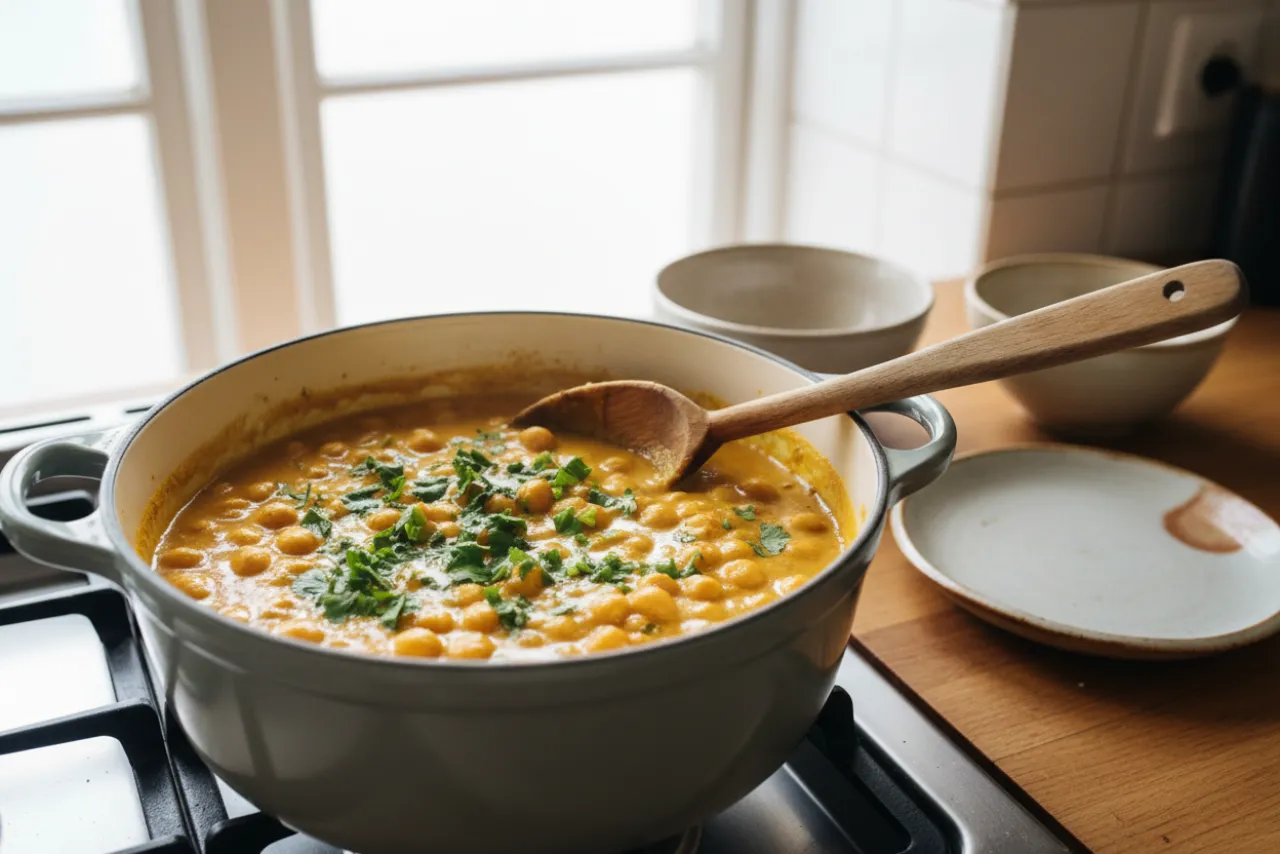 Indian30 minCoconut Chickpea CurryView recipe →
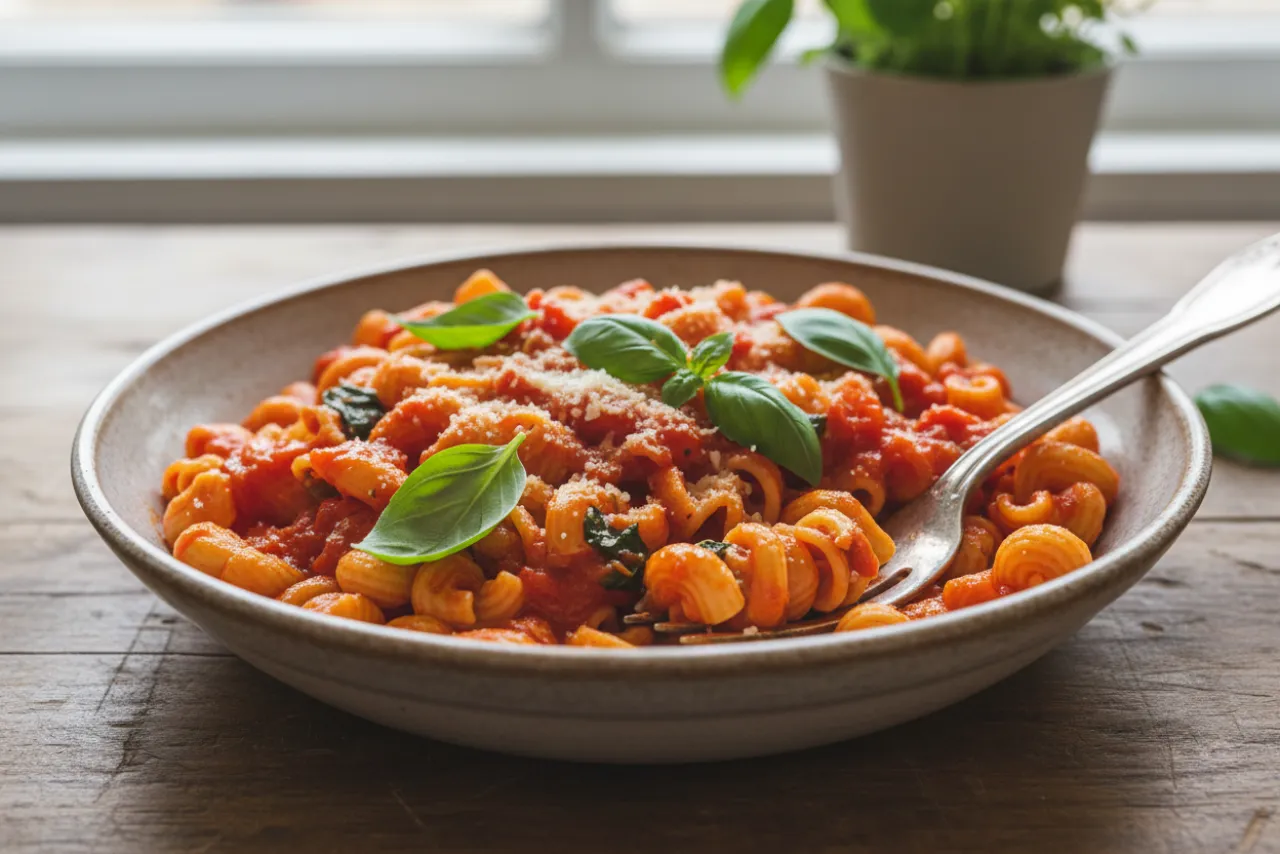 Italian25 minOne-Pot Tomato Basil PastaView recipe →
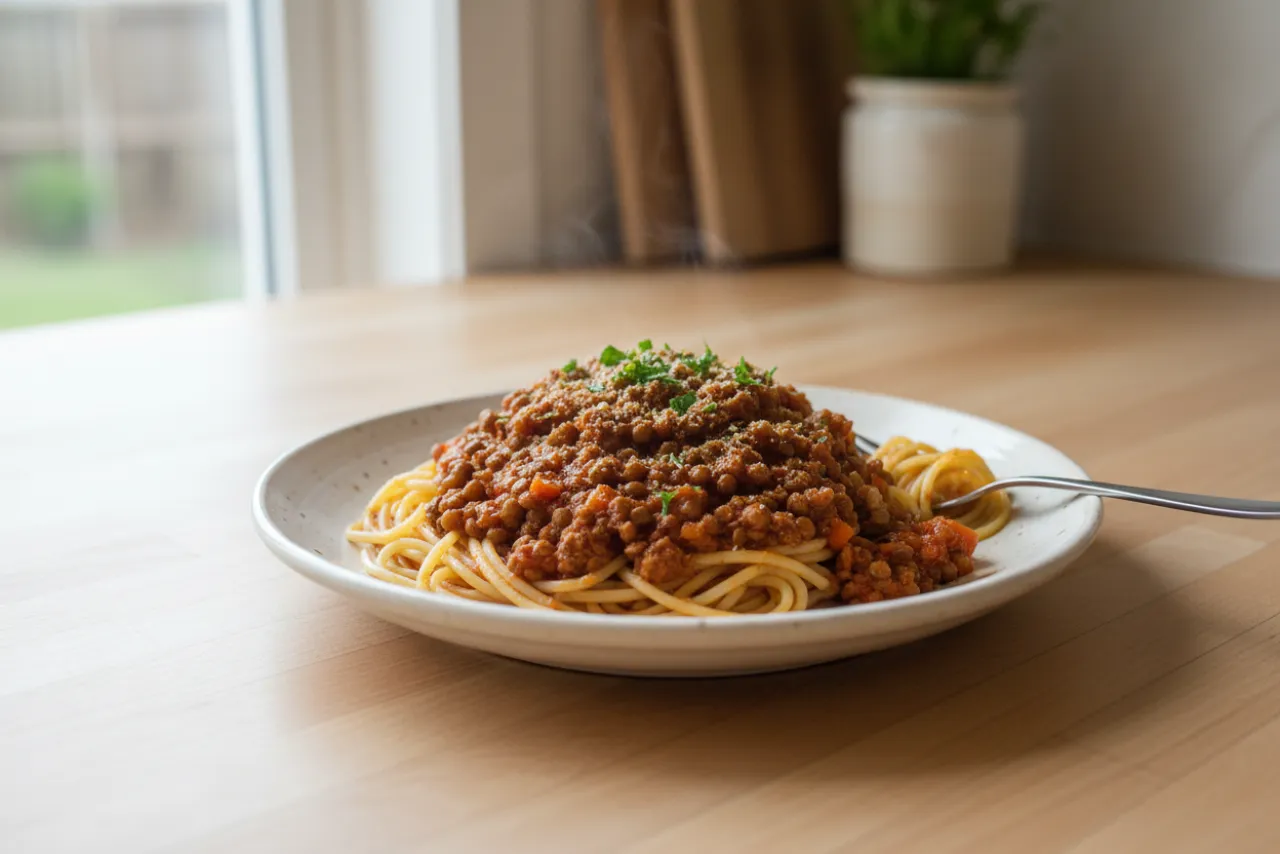 Italian45 minLentil BologneseView recipe →
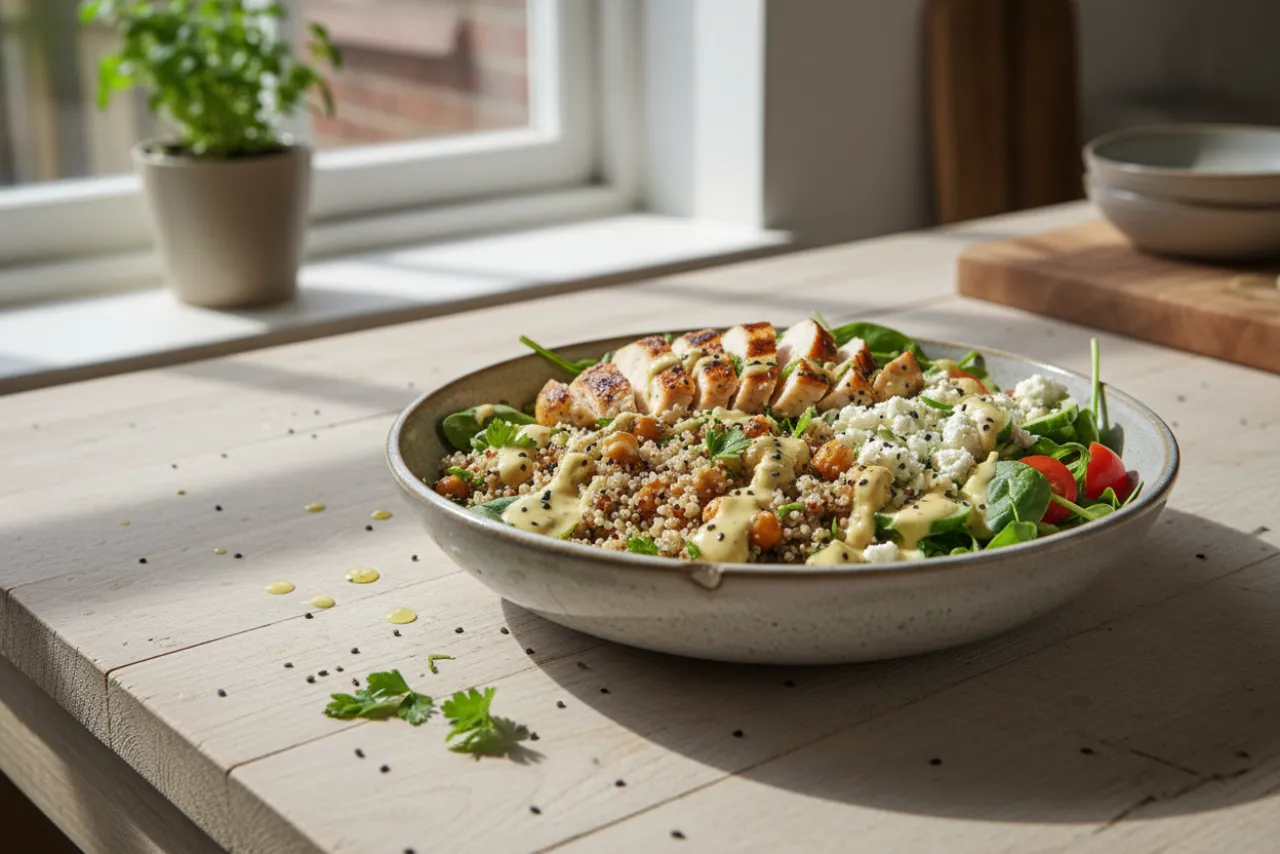 Mediterranean30 minChicken Quinoa Power BowlView recipe →
Keep exploring:
- High-protein dinner ideas: 25 recipes →
- High-fiber meal ideas: 25 meals →
- Browse all recipes in the app →
Open Homecooked to plan a week of meals around what's already in your kitchen — it tells you the few ingredients you're missing and walks you through cooking each one, step by step.
Key takeaways
- Plan first, then shop. Your calendar drives meals, and meals drive the list.
- Keep the Persistent Pantry accurate so automatic lists include only what you need.
- Group by store section and sequence your route to move faster and avoid impulse buys.
- Right-size quantities, reuse ingredients across recipes, and decide leftovers on purpose to cut waste.