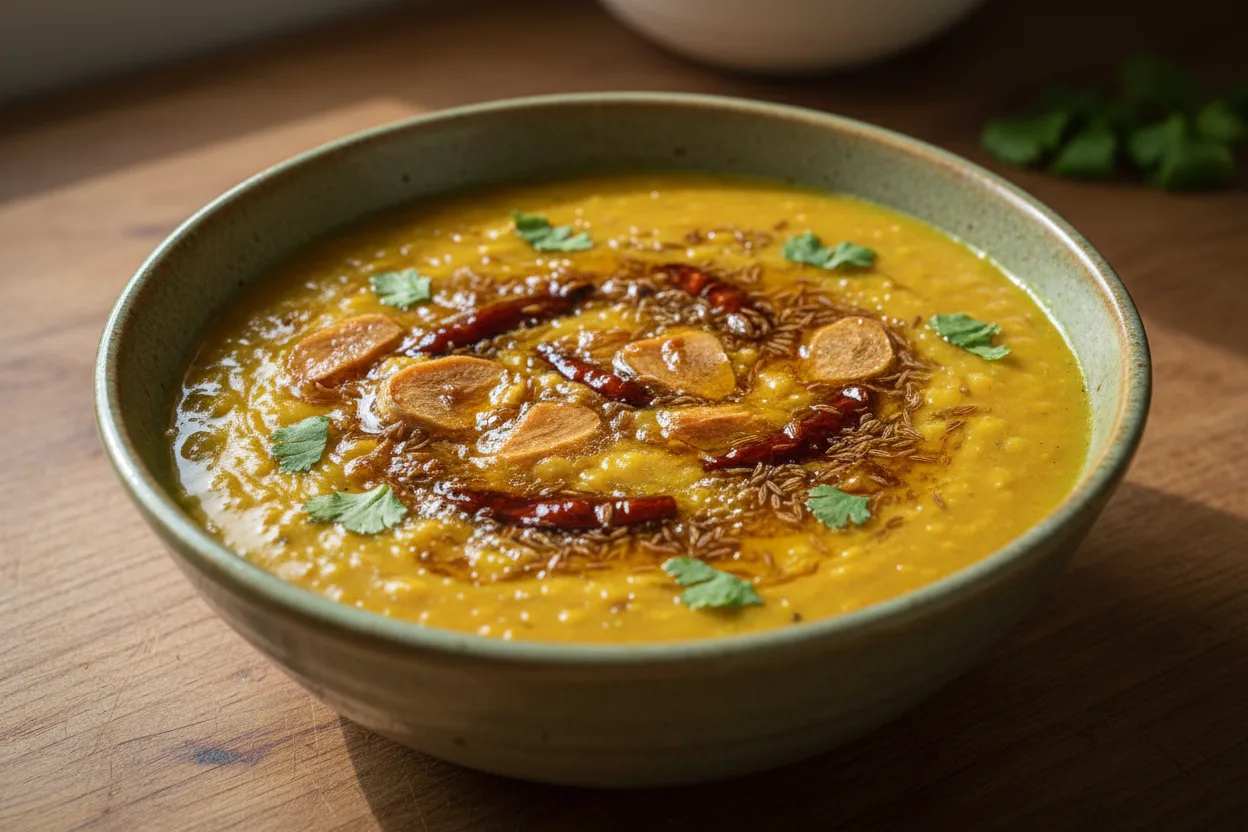
If you're hunting for high-fiber meal ideas that you'll actually want to eat, you're in the right place. Below are 25 easy high-fiber recipes — real dinners, lunches, and no-cook plates built on beans, lentils, and chickpeas — each with its real per-serving fiber and protein so you know exactly what you're getting. But first, a word on why everyone is suddenly talking about this.
Fiber quietly became the nutrition story of the year. Search interest in it has exploded — EatingWell clocked a roughly 9,500% jump in fiber-article views, NPR ran a segment on it, and the Johns Hopkins Center for a Livable Future named "fibermaxxing" a defining food trend of 2026. And yet only about 7% of American adults actually hit the recommended daily fiber, which sits somewhere around 25 grams for women and 38 grams for men.
"Fibermaxxing" is just a modern name for a simple idea: eat more fiber, on purpose, from real food rather than a scoop of powder stirred into water. It matters because fiber does three things at once — it feeds the good bacteria in your gut, slows the release of sugar into your blood so your energy stays even, and physically fills you up so you stay satisfied for hours. That last part is why high-fiber and high-protein meals go hand in hand, and why the combination is written into every GLP-1 meal plan: protein and fiber together are the most reliable way to feel full on less food.
The best part is that these high-fiber meals are some of the most comforting food there is, because the highest-fiber ingredients on earth — beans, lentils, and chickpeas — are also the coziest. The 25 recipes below are ordered roughly from fastest to most involved, and each links straight to the full recipe with the ingredients you'll need and step-by-step instructions.
No-cook & 15-minute high-fiber meals
The fastest way to fibermaxx is to keep tinned beans, chickpeas, and tuna on hand. These come together with little or no cooking.
1Chickpea & Tuna Lunch Salad
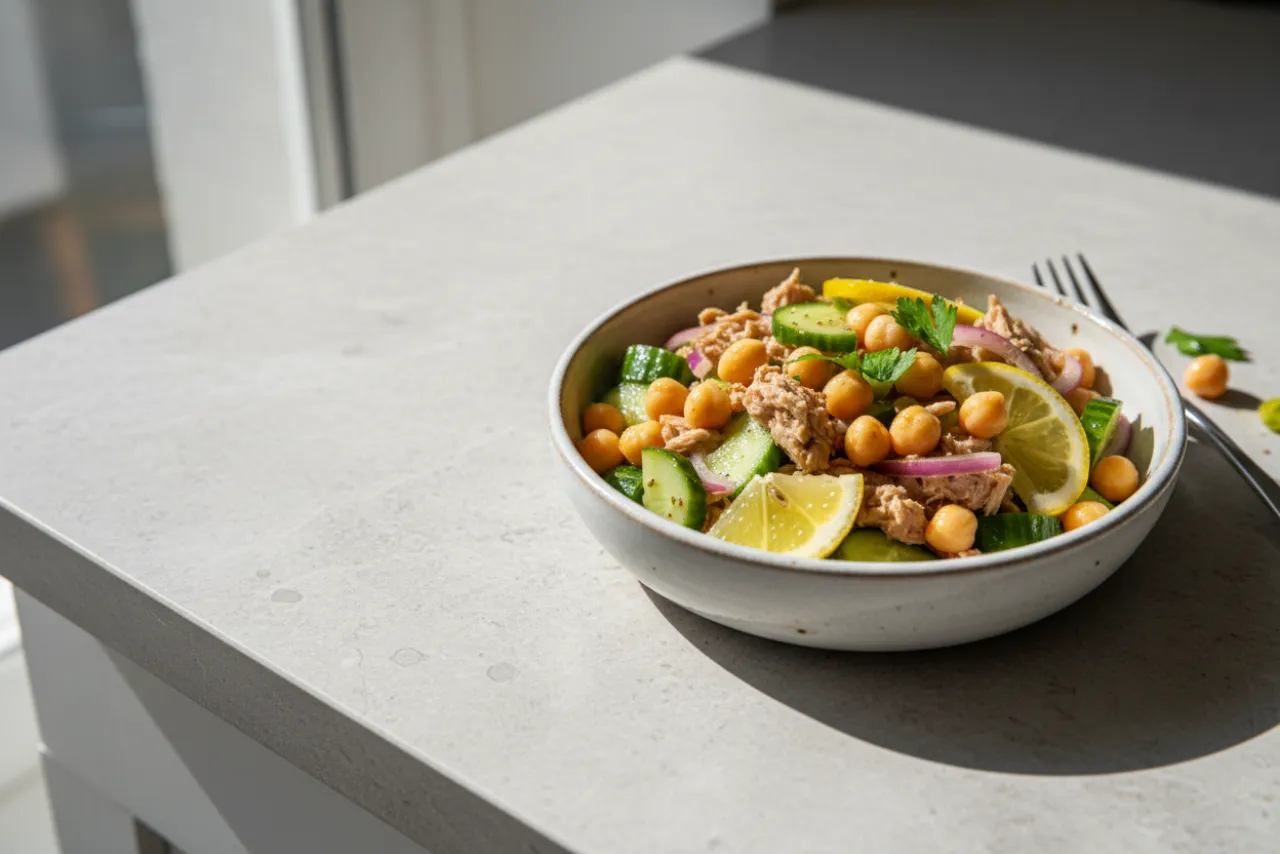
Mediterranean10 min11g fiber24g protein
If you only make one thing off this list, make this. Tinned chickpeas and tinned tuna, cucumber, red onion, and a squeeze of lemon — no stove, no chopping board drama, done in the time it takes the kettle to boil.
Chickpeas are one of the most fiber-dense things in your pantry, and the tuna brings a big hit of lean protein, so this one plate covers a serious chunk of your daily fiber and protein at once (see the numbers above). It's the exact protein-plus-fiber combination every GLP-1 and satiety-focused plan is built around, which is why it keeps you full for hours instead of ninety minutes.
Tip: make a double batch on Sunday — it holds in the fridge for three days and only gets better as the flavors meld.
2Tuna & White Bean Salad
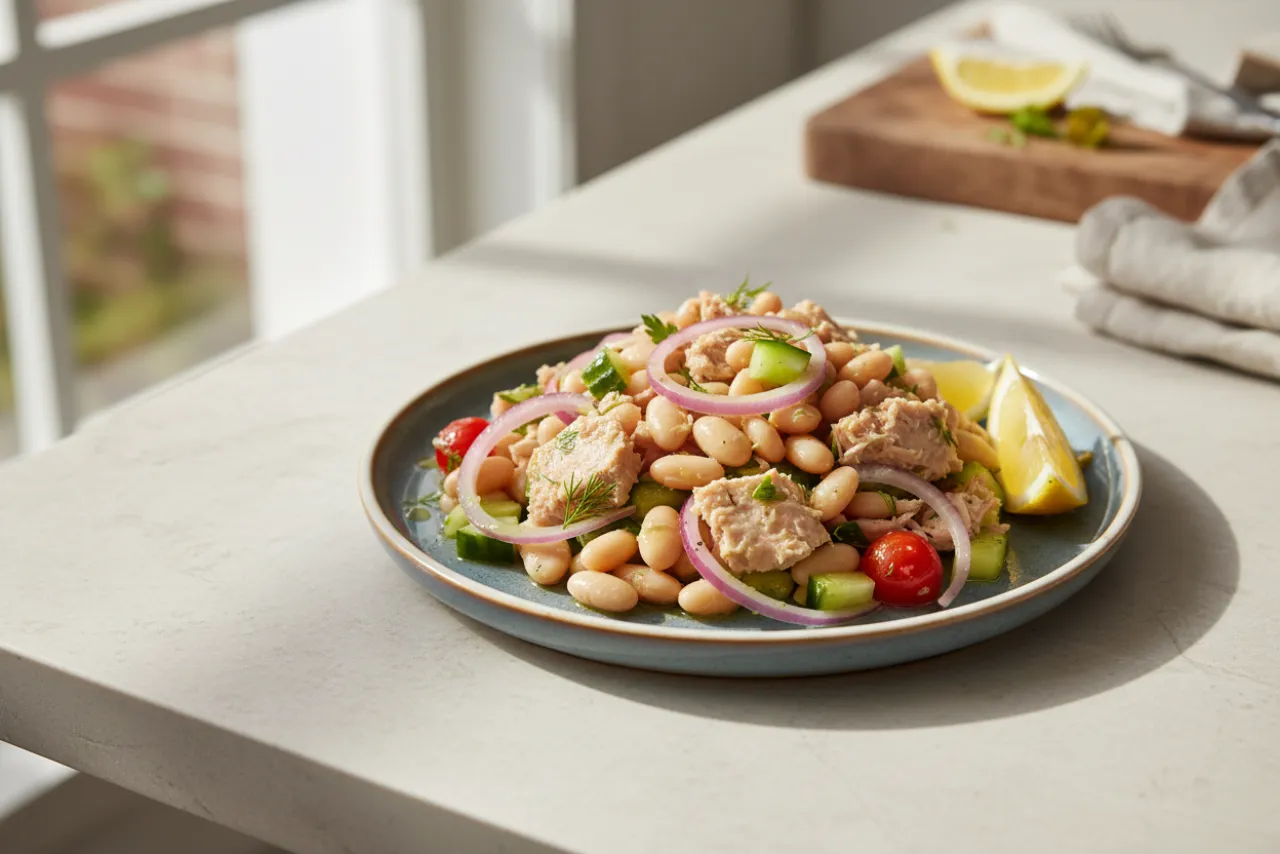
Mediterranean10 min9g fiber38g protein
A Mediterranean classic that has kept fishermen full for centuries: creamy white beans, flaked tuna, and thin slivers of red onion in a bright lemon-and-oil dressing.
White (cannellini) beans are one of the most fiber-dense pantry staples going — around 9 grams a cup — and their soft texture makes the fiber easy to digest, which matters if you're ramping up. Paired with tuna it lands near 35 grams of protein with almost no cooking.
Tip: a spoonful of the bean liquid (aquafaba) whisked into the dressing makes it cling without extra oil.
3Greek Chickpea Salad
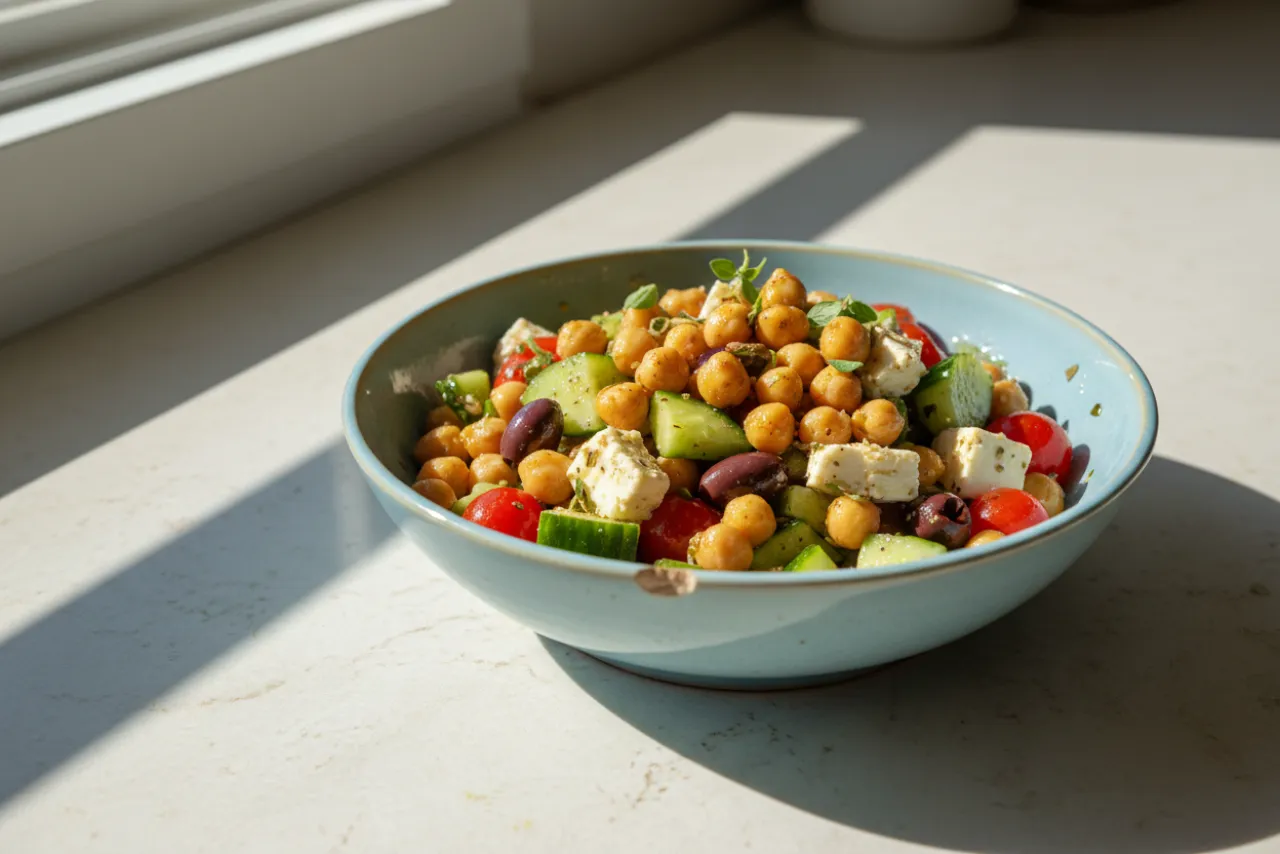
Greek12 min12g fiber16g protein
Everything you love about a Greek salad, with chickpeas doing the heavy lifting instead of a mountain of feta. Cucumber, tomato, olives, red onion, and a proper oregano-and-olive-oil dressing.
Chickpeas turn a light side salad into a genuine meal, adding roughly 8 grams of fiber plus staying power. The vegetables pile on more — cucumber skin and tomato both count — and the olive oil brings the kind of fat that helps you actually absorb the nutrients.
Tip: salt the tomatoes and cucumber first and let them sit ten minutes; you'll get a natural dressing before you add a drop of oil.
4Salade de Thon
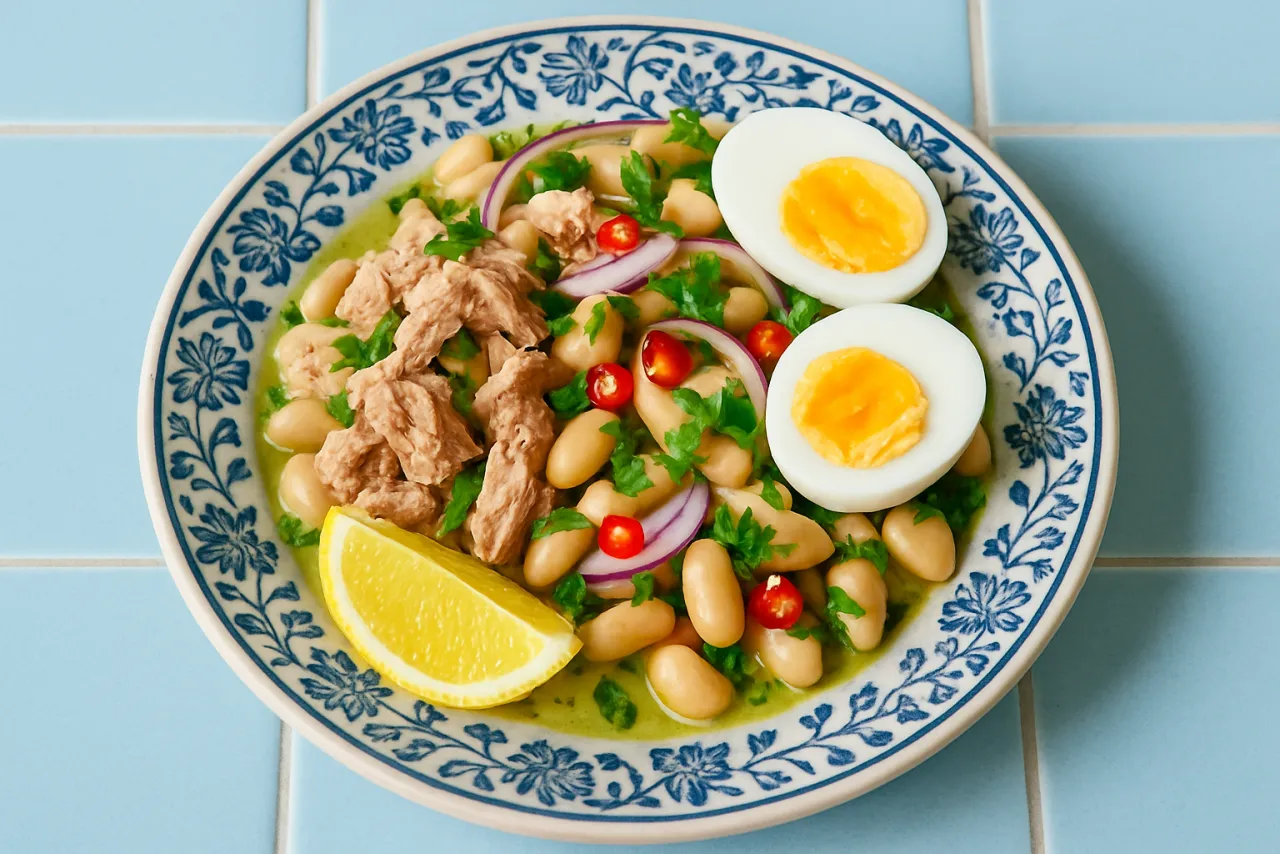
French15 min7g fiber26g protein
The French bistro answer to a desk lunch: tuna, white beans, a jammy egg, and a sharp mustard vinaigrette, all tossed together in one bowl.
It's a masterclass in stacking fiber and protein without cooking — the beans handle the fiber (about 9 grams), while tuna and egg between them push protein past 30. The mustard dressing keeps it lively enough that you'll actually look forward to it.
Tip: cook a few eggs at the start of the week so this comes together in two minutes flat.
5White Bean and Tuna Salad
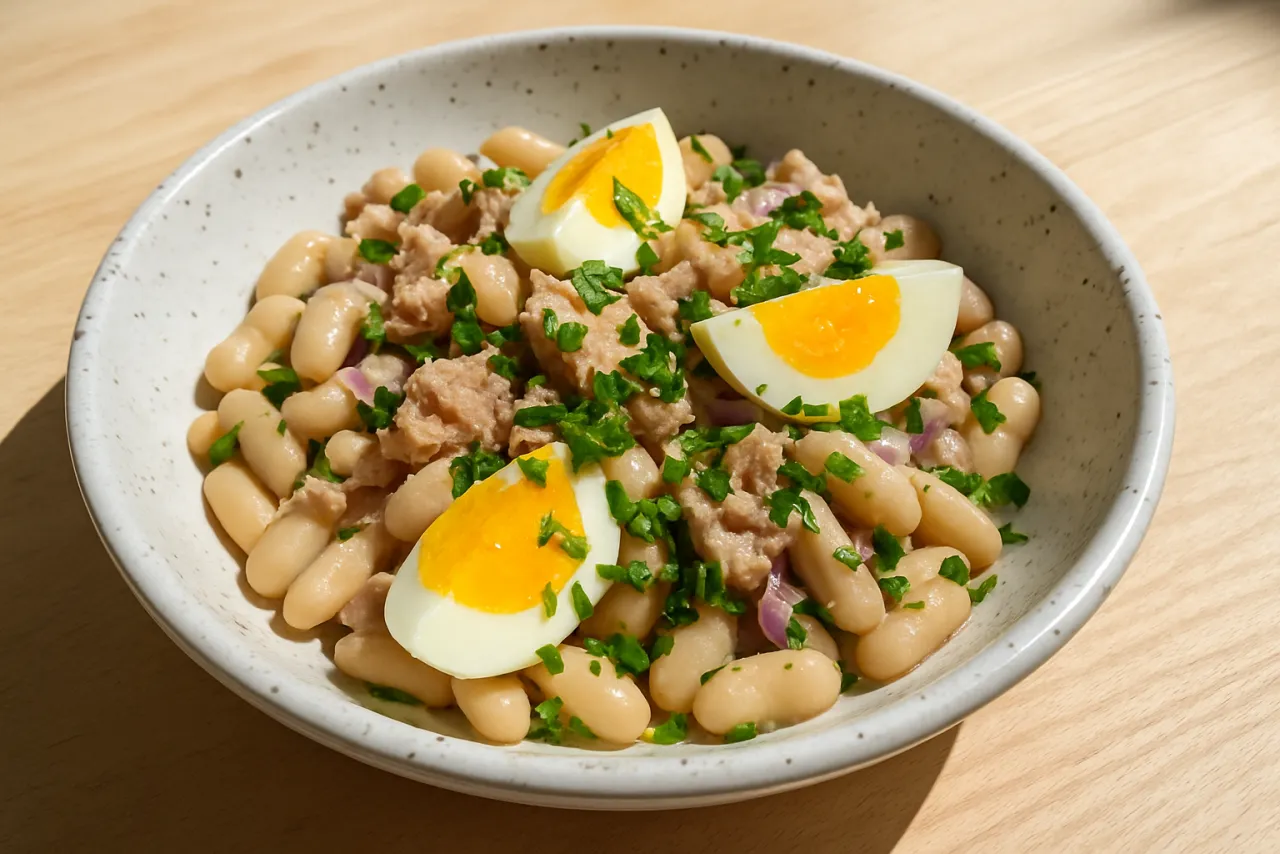
Spanish12 min13g fiber36g protein
Spain's take on the tuna-and-bean salad, built for the fridge. White beans, tuna, hard-boiled egg, and onion, dressed simply and left to sit.
Like its Mediterranean cousins, this leans on beans for a big, gentle hit of fiber and a trio of tuna and egg for protein. It's the kind of thing you make once and eat for two lunches — the flavors deepen overnight.
Tip: swap in butter beans for an even creamier texture and slightly more fiber per serving.
6Tuna and Bean Salad
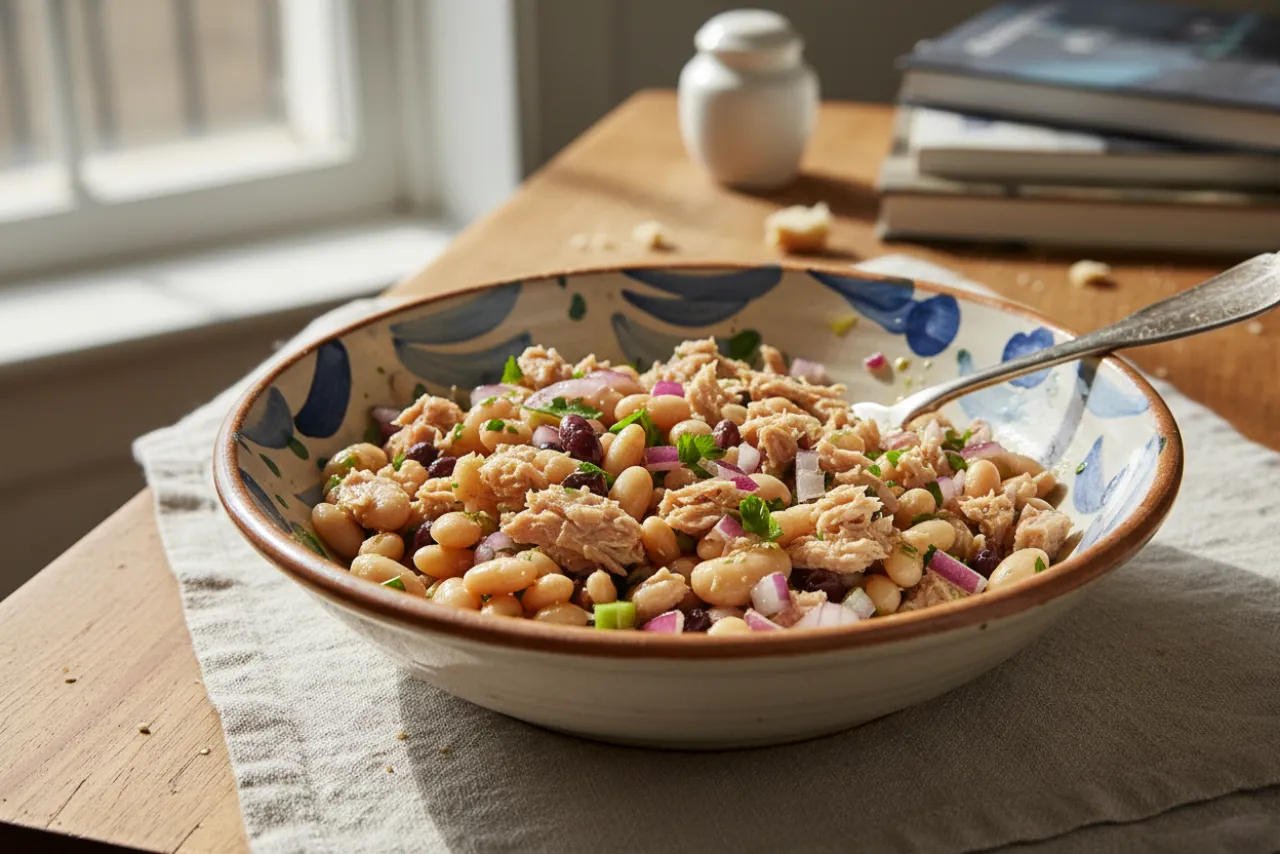
Italian10 min7g fiber23g protein
An Italian tuna-and-bean salad with parsley and red onion in a lemony olive-oil dressing — rustic, fresh, and ready in ten minutes.
White beans again form the fiber backbone (roughly 8 grams), and the whole thing needs nothing more than a tin opener and a bowl. It's proof that fibermaxxing doesn't have to mean bland — good olive oil, lemon, and parsley carry it.
Tip: add a handful of torn day-old bread to make it a true panzanella — the bread soaks up the dressing.
7Salted Edamame
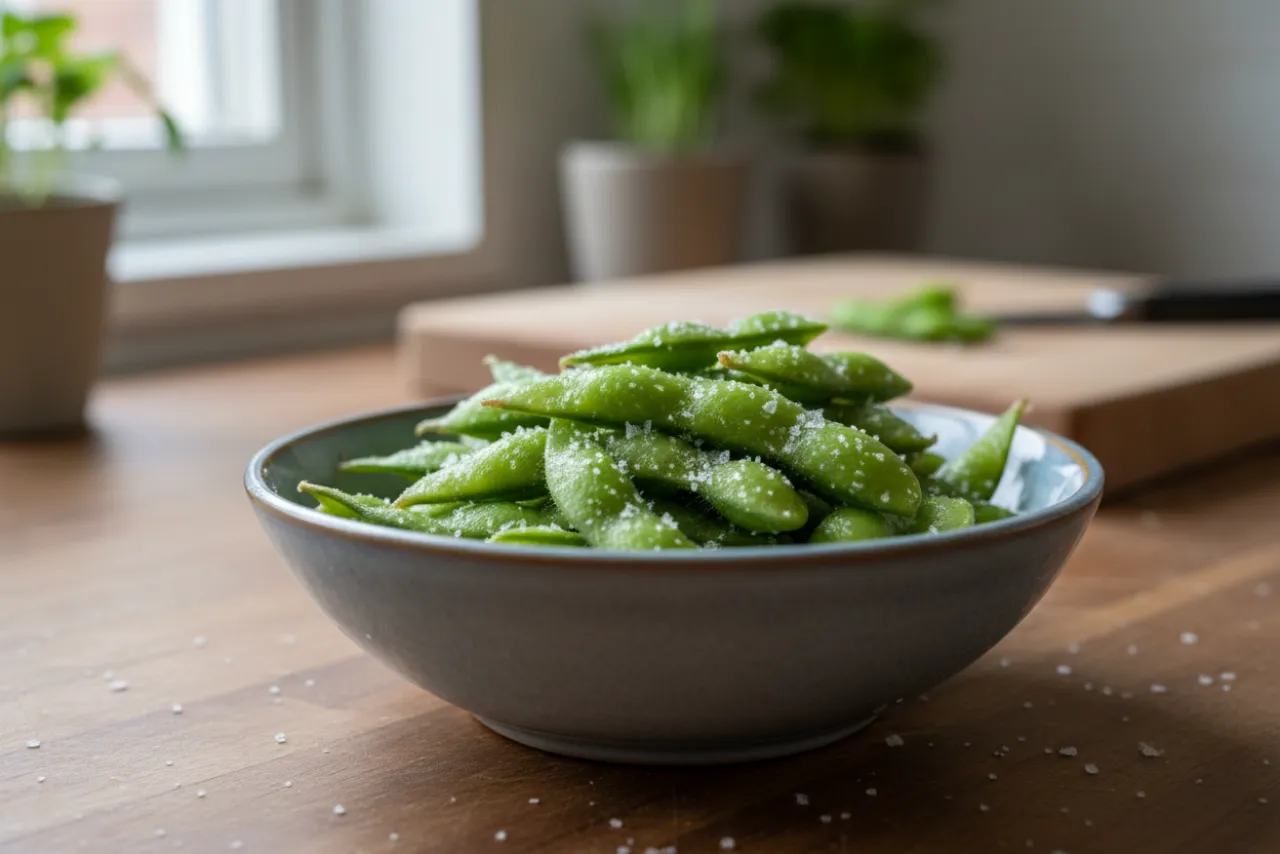
Japanese8 min5g fiber12g protein
The single easiest entry on this list: whole soybeans in the pod, boiled for a few minutes and tossed with flaky salt.
Edamame is a rare snack that's genuinely high in both fiber (around 8 grams a cup) and complete plant protein (about 17 grams). It's the perfect thing to eat while dinner cooks, and popping them from the pod slows you down enough to actually feel full.
Tip: keep a bag in the freezer — they go from freezer to bowl in five minutes.
8Loaded Hummus Bowl
Middle Eastern12 min11g fiber14g protein
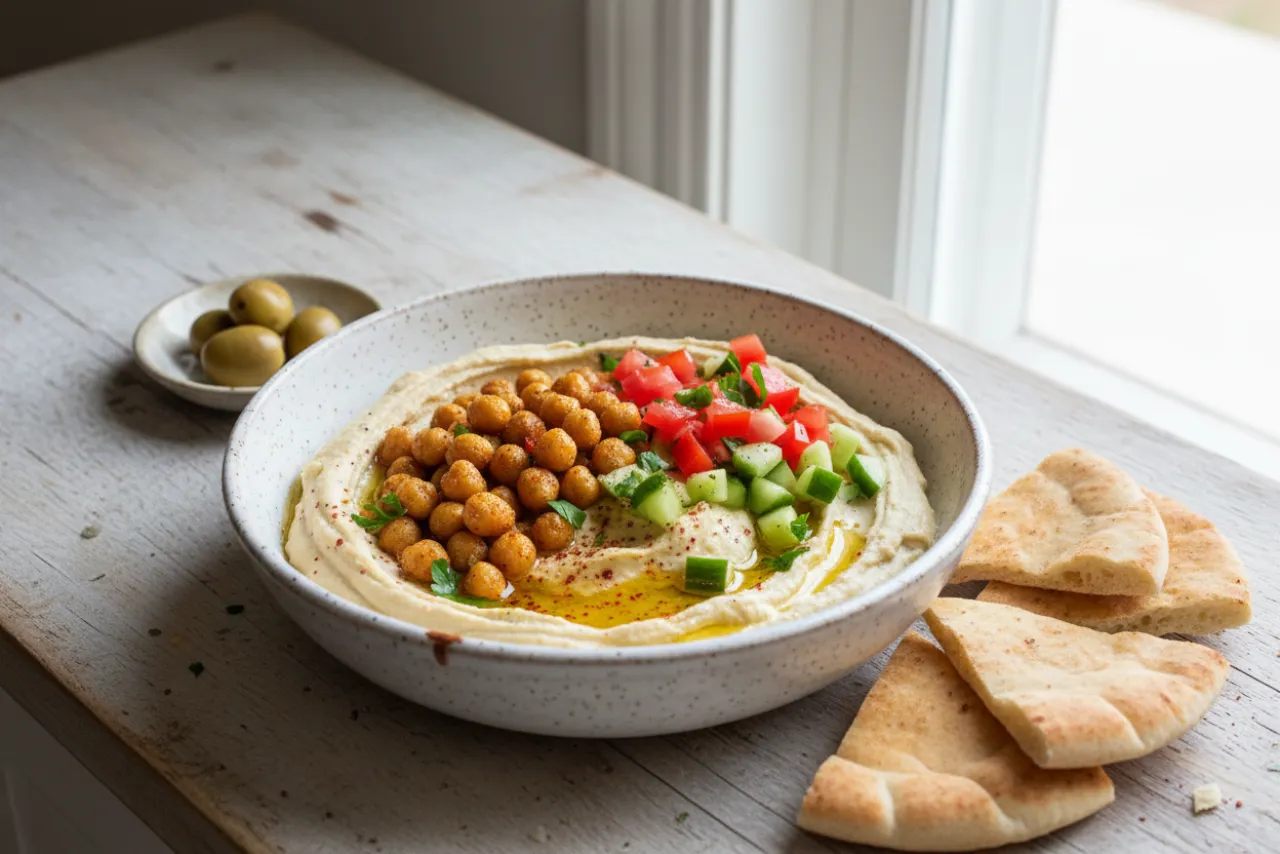
A generous bowl of hummus topped with extra whole chickpeas, cucumber, tomato, and a slick of olive oil — built for scooping.
Hummus is already chickpeas and tahini; piling more chickpeas on top turns a dip into a fiber-rich meal pushing 10 grams. The olive oil and tahini bring healthy fats that make it satisfying rather than snacky.
Tip: scoop with raw vegetables instead of pita to push the fiber even higher and keep it lighter.
9Som Tam
Thai18 min5g fiber6g protein
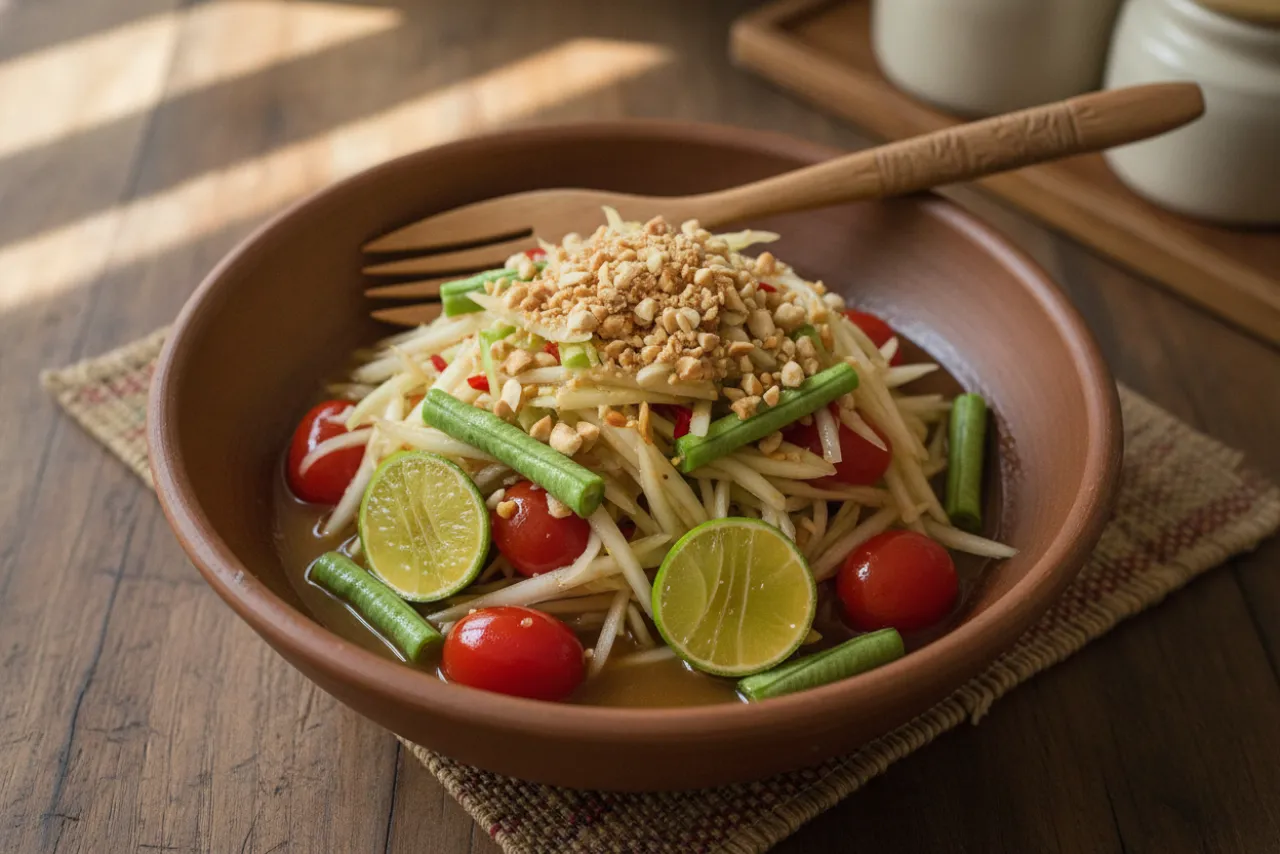
Thailand's famous green papaya salad: shredded unripe papaya pounded with lime, chili, garlic, and peanuts until it's sour, spicy, and impossibly fresh.
It's one of the highest-fiber, lowest-calorie plates in any cuisine — shredded papaya and long beans are almost all fiber and water, and the peanuts add crunch plus a little protein and good fat. Bright enough that it wakes up any meal it's next to.
Tip: no papaya? Shredded carrot and cucumber make an excellent stand-in with the same fiber payoff.
10Black Bean Breakfast Bowl
Mexican15 min27g fiber30g protein
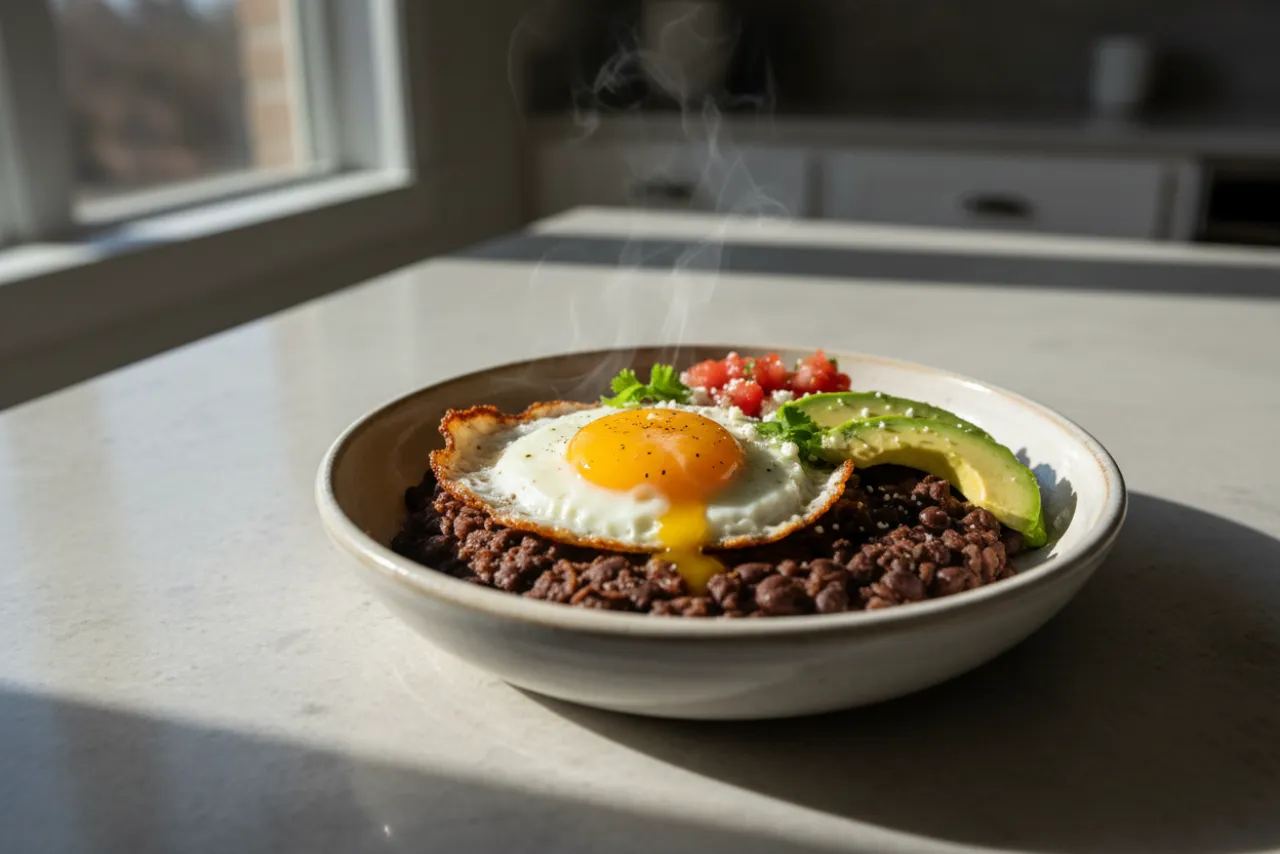
Smoky black beans under a runny fried egg, with avocado and a spoon of salsa — a savory breakfast that eats like brunch.
Black beans are among the most fiber-dense foods you can put on a plate, and between the beans and the avocado this bowl is one of the biggest fiber hits on the entire list (check the number above). That kind of head start at breakfast is exactly what makes hitting your daily target easy.
Tip: warm the beans with a pinch of cumin and a splash of their own liquid so they turn creamy, not dry.
Quick high-fiber dinners under 30 minutes
Weeknight-friendly plates that still land a real fiber hit — most are on the table in 15–25 minutes.
11Besan Chilla
Indian20 min10g fiber18g protein
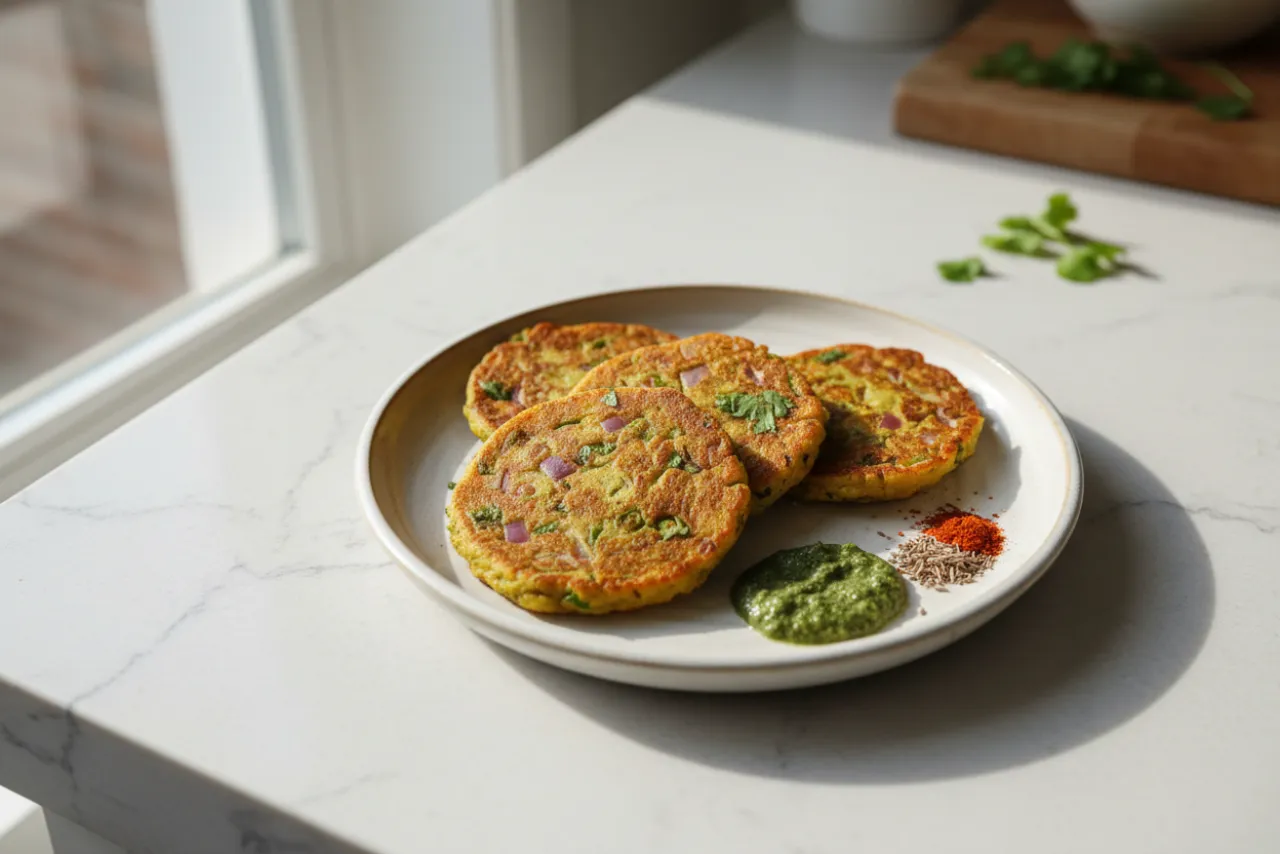
Savory Indian pancakes made from ground chickpeas (besan), studded with onion, chili, and coriander, cooked until lacy and crisp at the edges.
Because the batter itself is chickpea flour, the fiber and protein are built in rather than added — no beans to open, just whisk and pour. It's a twenty-minute breakfast or light dinner that feels like a treat but quietly does your fibermaxxing for you.
Tip: serve with a dollop of yogurt for an easy extra 8 grams of protein.
12Spiced Chickpea Wrap
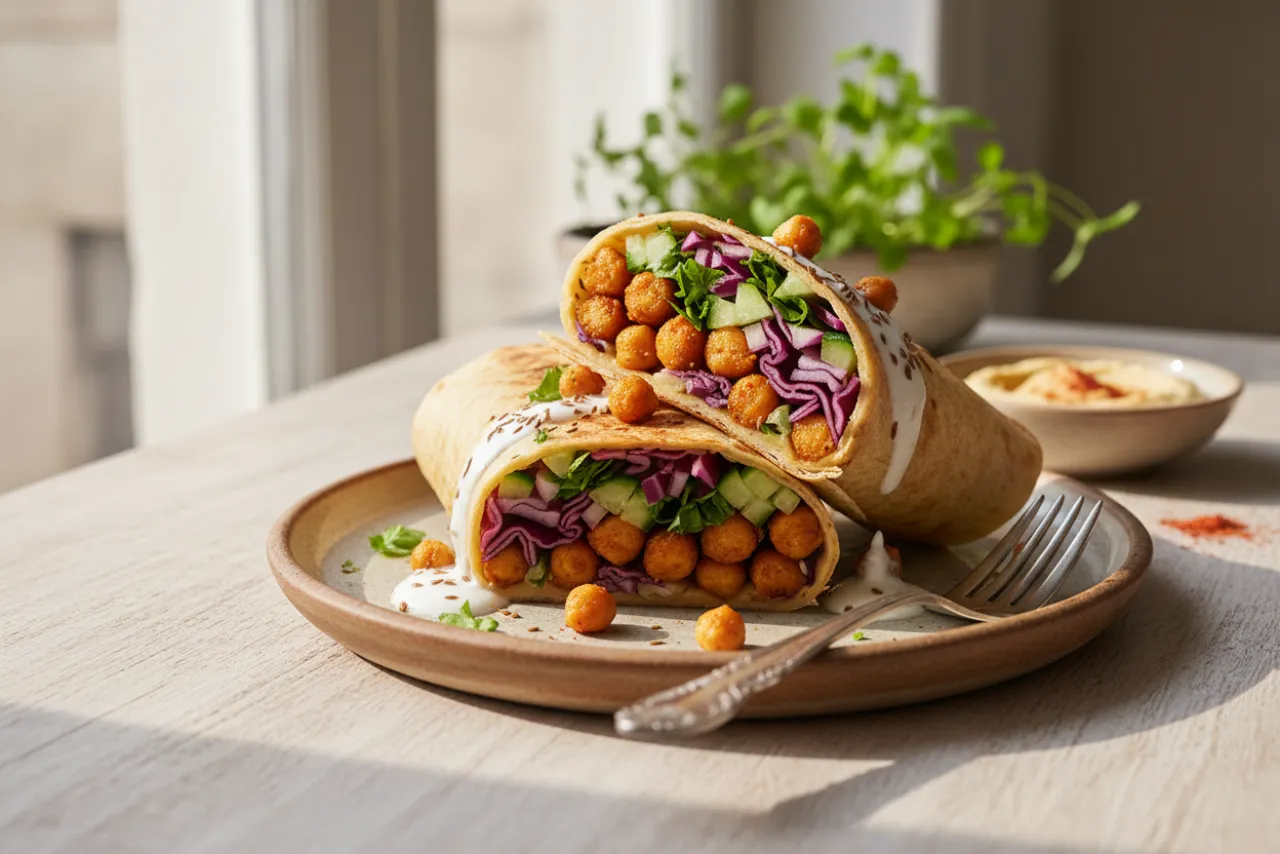
Middle Eastern18 min18g fiber27g protein
Crispy cumin-roasted chickpeas, cool yogurt, and a crunchy salad rolled into a warm tortilla — street-food energy, weeknight effort.
Roasting chickpeas concentrates their flavor without touching their fiber (around 9 grams), and the yogurt adds protein and a cooling contrast to the spice. A whole-wheat wrap nudges the fiber even higher.
Tip: roast a big tray of chickpeas at once — they keep for days and turn any salad or bowl into a fiber hit.
13Proper Beans on Toast
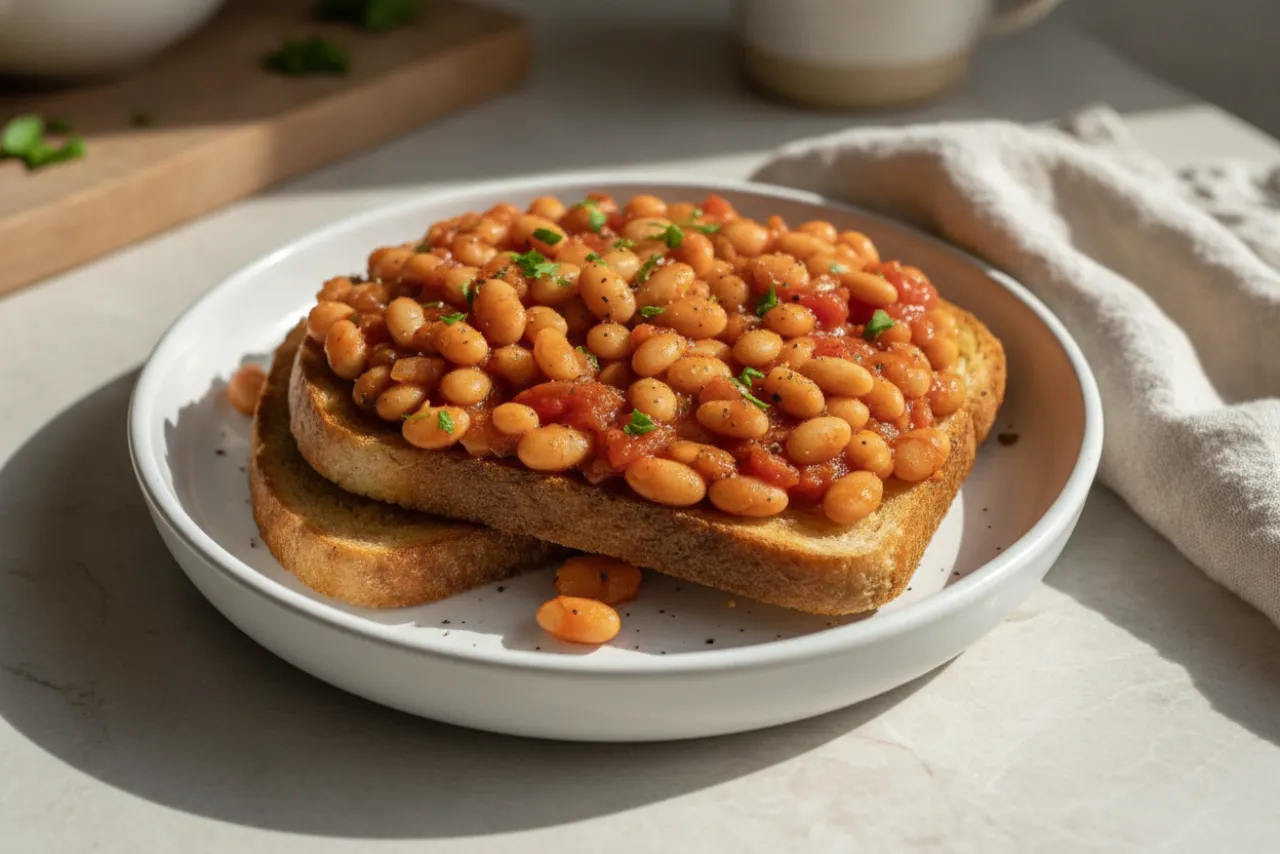
British20 min17g fiber25g protein
The British comfort classic done properly: white beans simmered in a quick, savory tomato sauce and piled onto buttered toast.
It's humble, but the numbers don't lie — a good serving of beans lands around 11 grams of fiber, and on whole-grain toast you clear the halfway mark for the day in one cozy plate. Ready in the time it takes the toast to pop.
Tip: use whole-grain sourdough and finish with black pepper and a little grated cheese for protein.
14Molletes
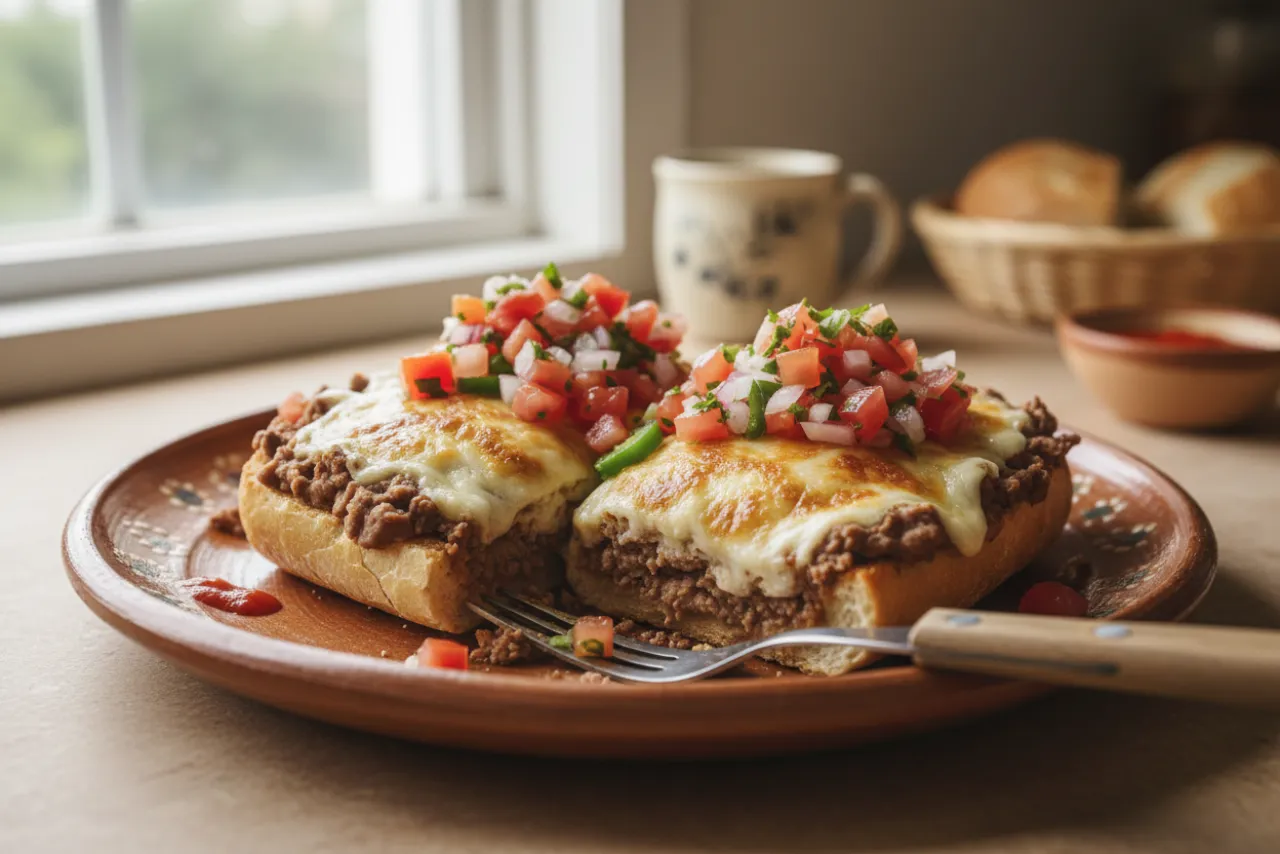
Mexican18 min10g fiber23g protein
A Mexican open-faced staple: split rolls spread thick with refried beans, blanketed in melted cheese, and topped with fresh pico de gallo.
Refried beans are a fiber shortcut — creamy, fast, and around 9 grams a serving — and the cheese turns this into a proper meal with real protein. The pico on top adds freshness and a little more fiber from the tomato and onion.
Tip: use whole-grain rolls or a whole-wheat bolillo to push the fiber over 12 grams.
15Bean & Cheese Burrito
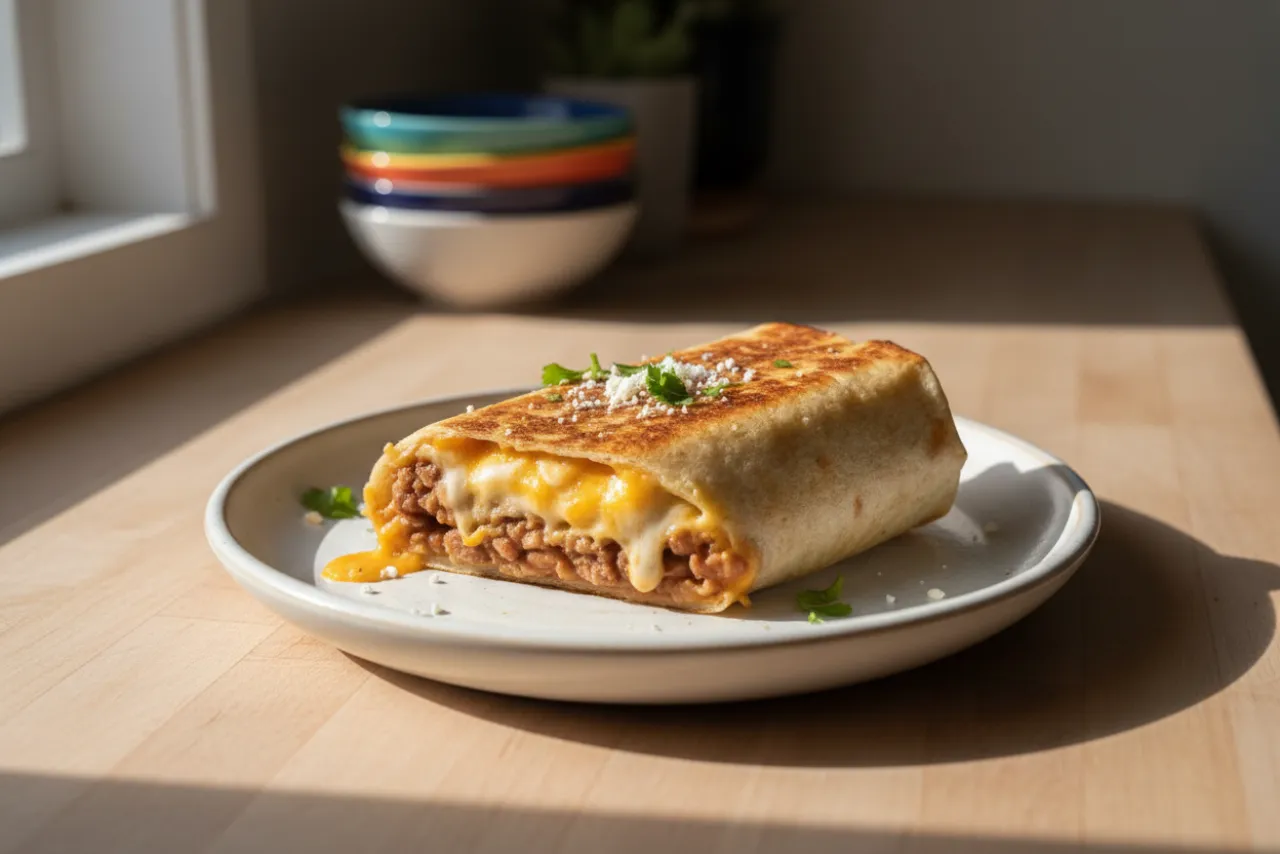
Mexican-American20 min20g fiber37g protein
The burrito stripped to its essentials: refried-style beans and molten cheese rolled tight and griddled until the tortilla goes crisp and golden.
Beans do double duty here as both filling and fiber engine, delivering around 10 grams, while the cheese brings protein and that irresistible pull. Griddling gives you a crunchy shell without deep-frying.
Tip: a whole-wheat tortilla and a scoop of brown rice inside turns this into a 15-gram-fiber meal.
16Tofu & Vegetable Stir-Fry
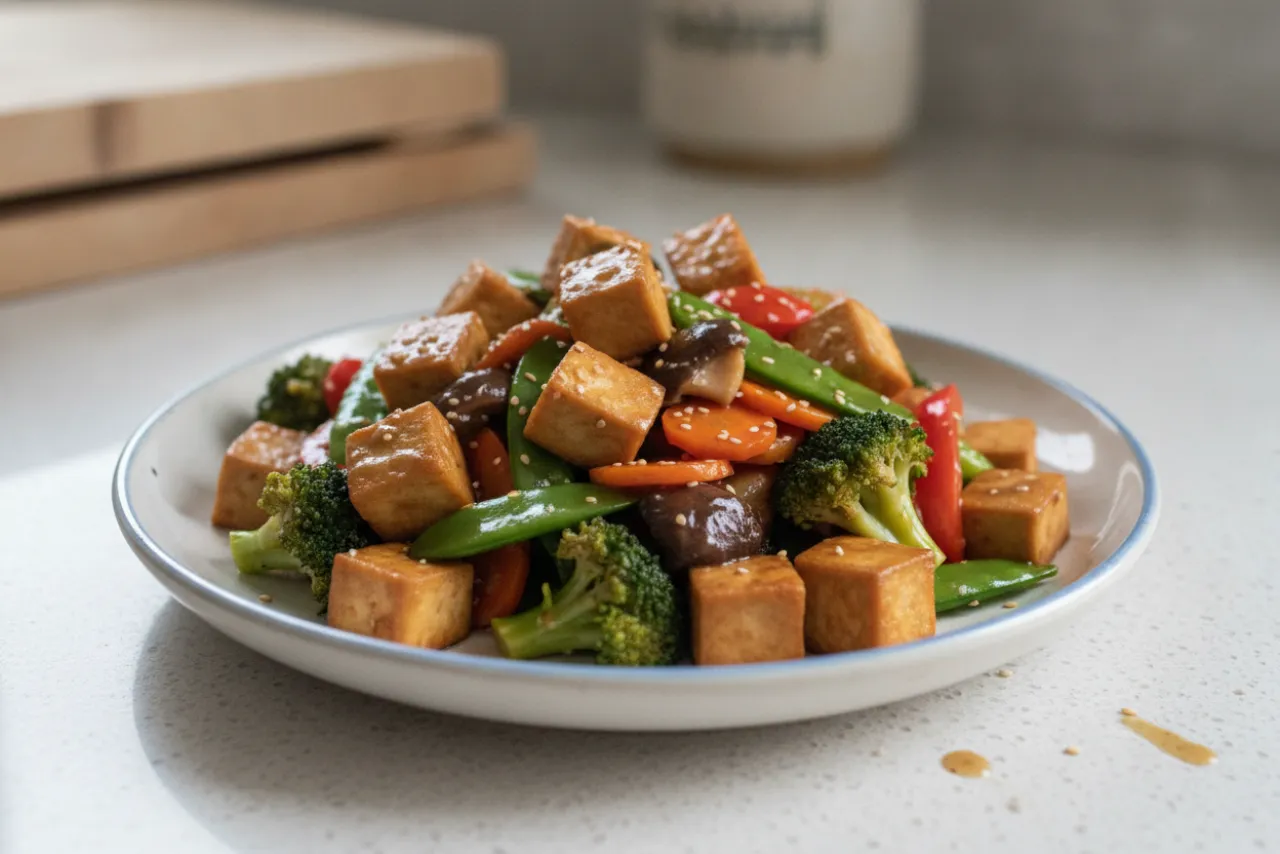
Chinese20 min12g fiber36g protein
Cubes of tofu and a pile of crunchy vegetables tossed in a light soy-ginger sauce — a small, bright plate that pairs plant protein with fiber and barely any oil.
Tofu brings the complete plant protein while broccoli, peppers, and snap peas stack the fiber and the volume, so you're eating a big, satisfying plate for very few calories. The light sauce keeps it clean rather than greasy.
Tip: press the tofu first and get the pan properly hot — that's the difference between rubbery and golden.
17Chicken & Vegetable Bowl
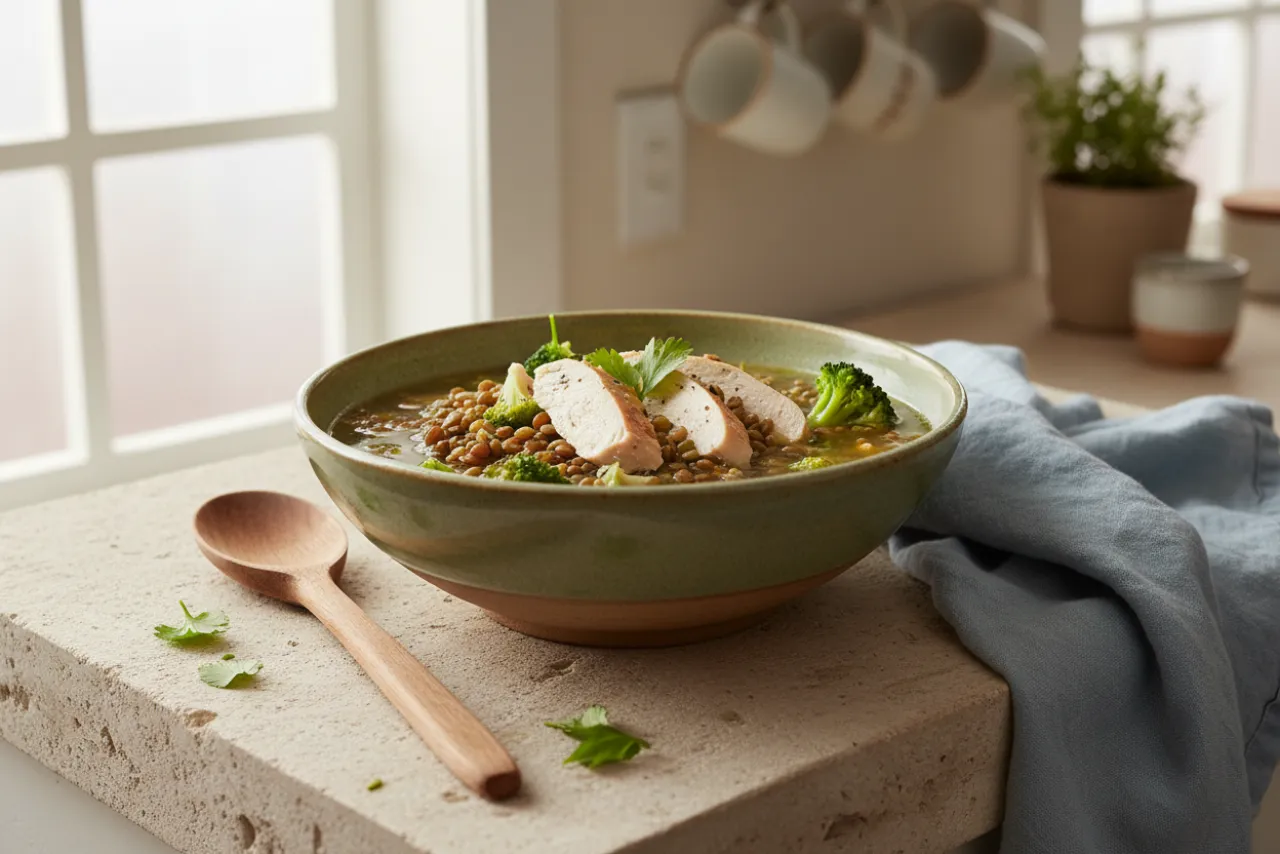
American25 min17g fiber38g protein
A gentle, restorative bowl: poached chicken, broccoli, and lentils in a light broth — high in protein and fiber, very low in grease, and easy on the stomach.
This was designed for exactly the moment you want something nourishing that won't sit heavy — the lentils and broccoli carry the fiber, the chicken carries the protein, and the broth keeps it light. It's a favorite for anyone eating smaller portions on a GLP-1.
Tip: cook the lentils in the broth so they soak up flavor and thicken it slightly.
18Cottage Cheese Alfredo
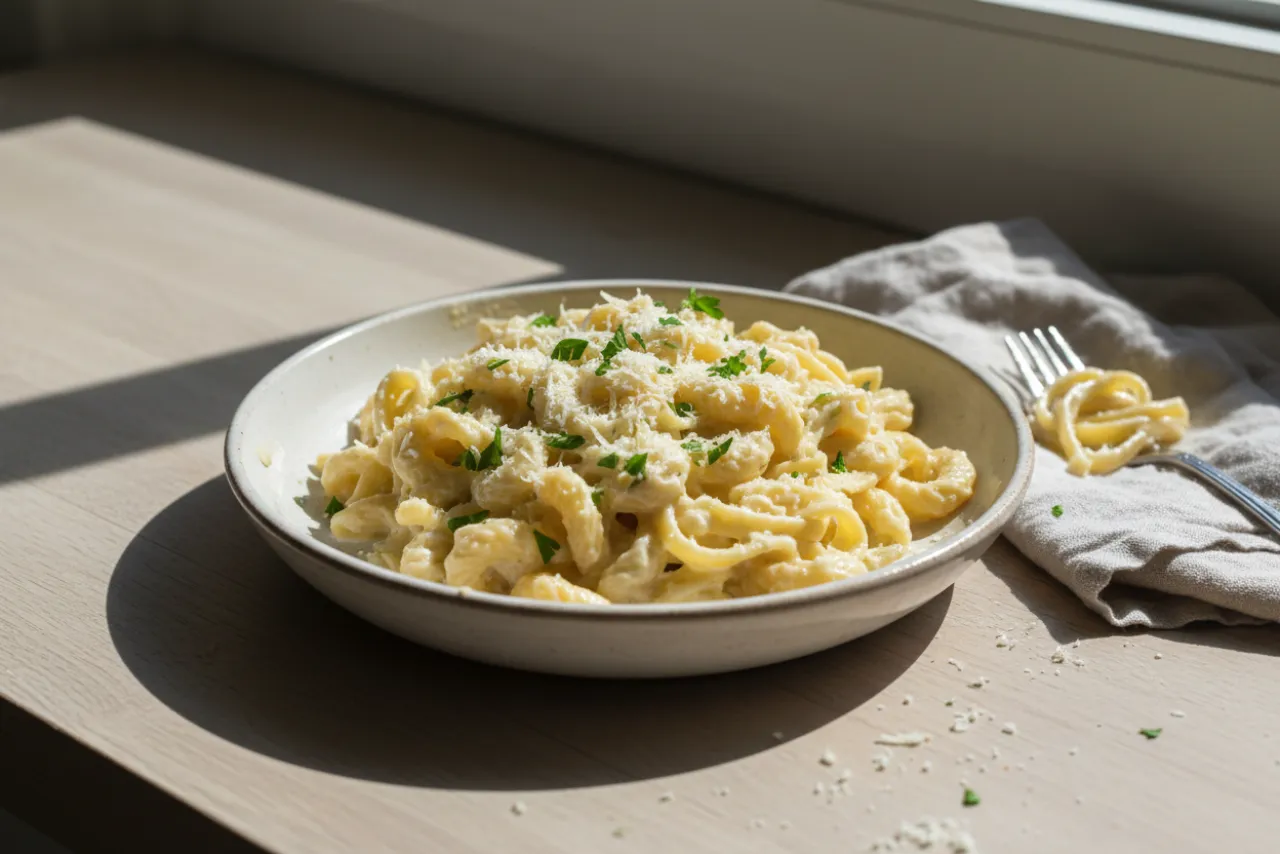
Italian20 min3g fiber36g protein
The internet-famous protein pasta: blended cottage cheese makes a glossy, parmesan-rich alfredo that clings to every strand — no cream, far more protein.
On its own the sauce is a protein bomb; the fibermaxxing move is the pasta underneath. Swap in whole-wheat or a lentil-based pasta and you turn an indulgent-tasting bowl into one carrying 6 grams of fiber and well over 30 grams of protein.
Tip: blend the cottage cheese completely smooth before heating so the sauce is silky, not grainy.
19Chicken Club Sandwich
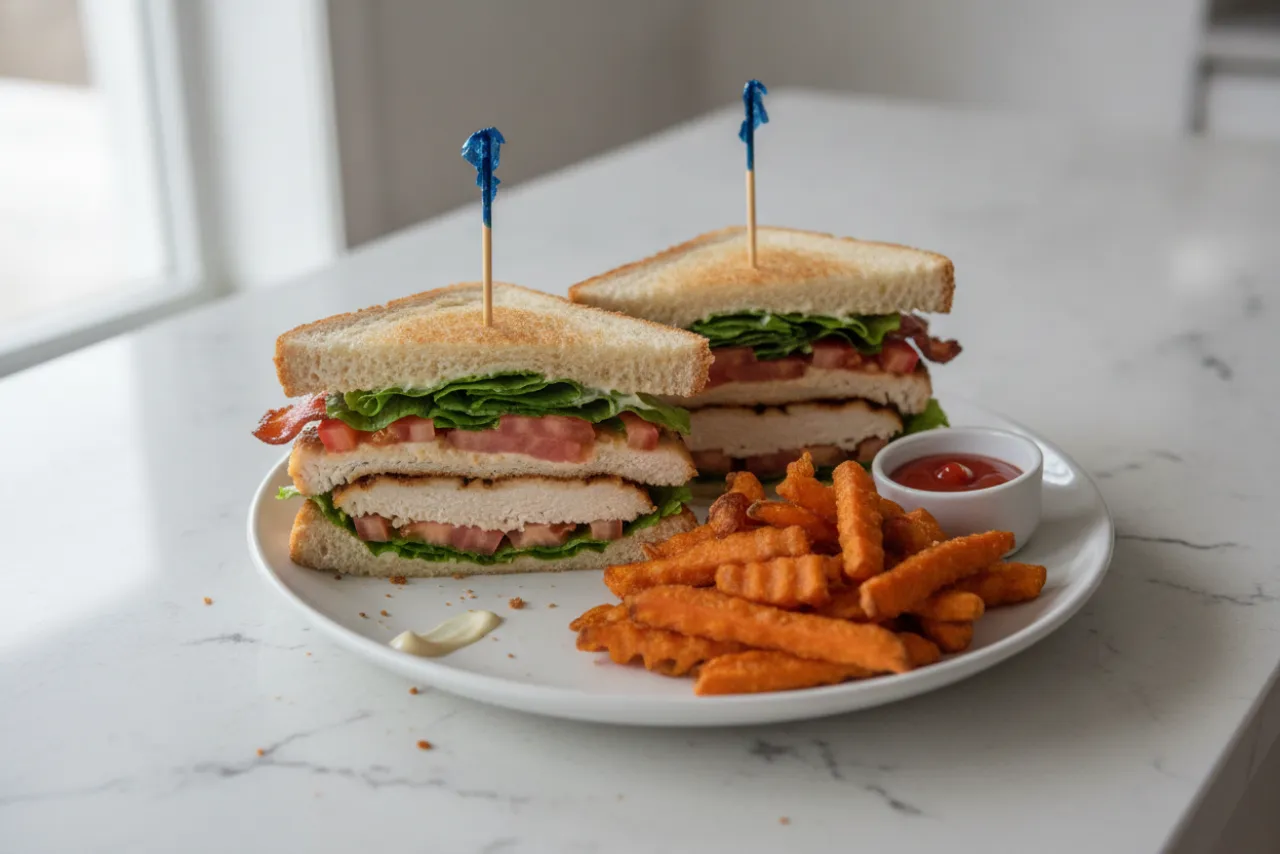
American30 min9g fiber38g protein
The triple-decker done right: chicken, bacon, lettuce, tomato, and mayo, stacked tall and cut into quarters.
A club isn't the first thing you'd call high-fiber — but built on whole-grain bread and loaded with lettuce and tomato, it quietly clears 7 grams while delivering a serious 35 grams of protein. It's proof that fibermaxxing is often just a bread swap and an extra handful of veg.
Tip: whole-grain or seeded bread is the single biggest fiber upgrade you can make to any sandwich.
20Eggplant in Garlic Sauce
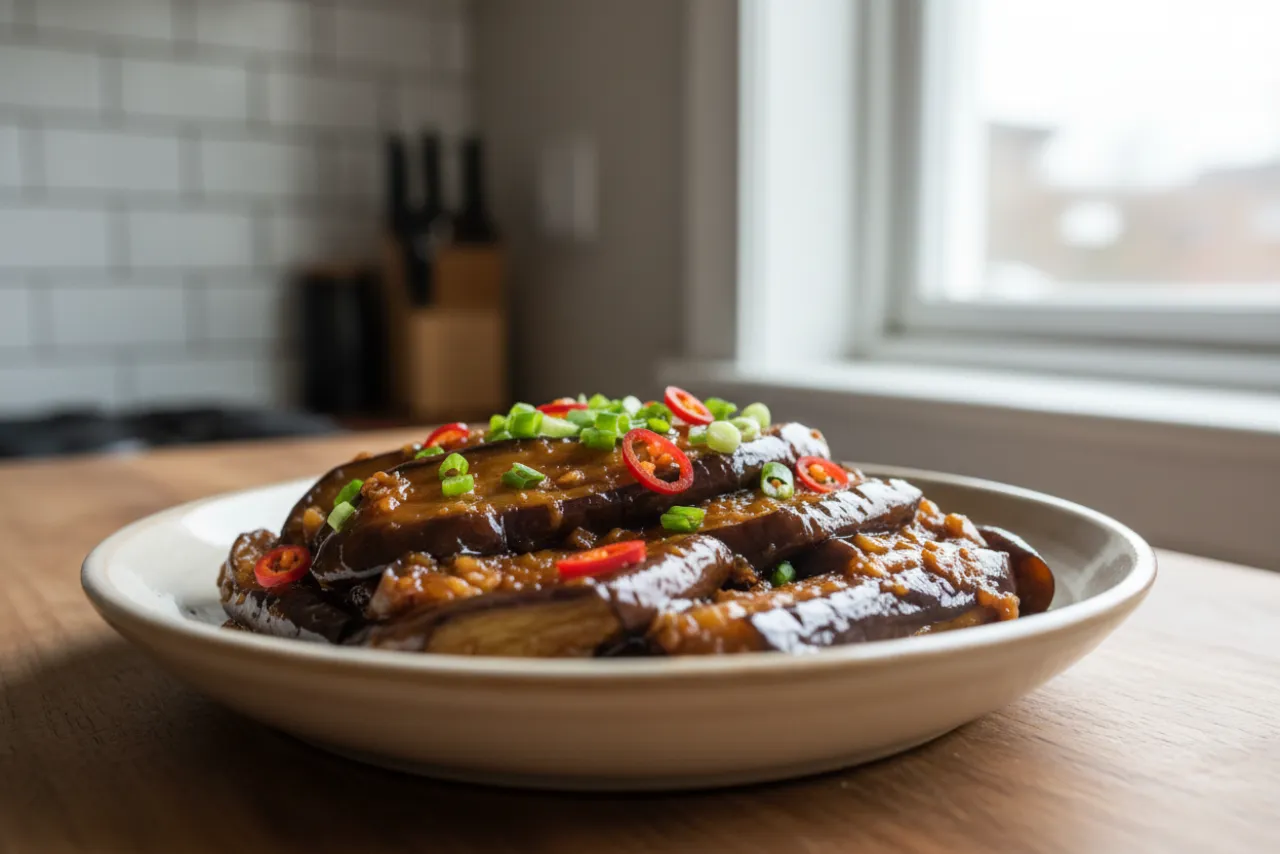
Chinese22 min9g fiber5g protein
Silky Sichuan-style eggplant in a glossy sweet-savory garlic-and-vinegar sauce — the dish that converts eggplant skeptics.
Eggplant is mostly fiber and water, so a plate of this is filling for very little, and the skin (leave it on) is where much of that fiber lives. Serve it over brown rice and you've built a genuinely high-fiber dinner around a vegetable.
Tip: salt the eggplant and let it drain 15 minutes before cooking — it soaks up less oil and stays silky.
Hearty high-fiber comfort food
When you have a little more time, a pot of lentils or beans is the most delicious way to fibermaxx there is.
21Dal Tadka
Indian35 min9g fiber12g protein
The heart of Indian home cooking: soft yellow lentils simmered until creamy, then finished with a sizzling tadka of cumin and garlic fried in ghee.
Lentils are the undisputed champion of this list — a single serving of dal can carry 13 grams of fiber plus a solid dose of plant protein. It's cheap, it freezes beautifully, and that final tempering of spice-infused fat is what makes it taste like far more than the sum of its parts.
Tip: make a big pot and freeze in portions — it's the ultimate fiber insurance for busy weeks.
22Lentejas con Verduras
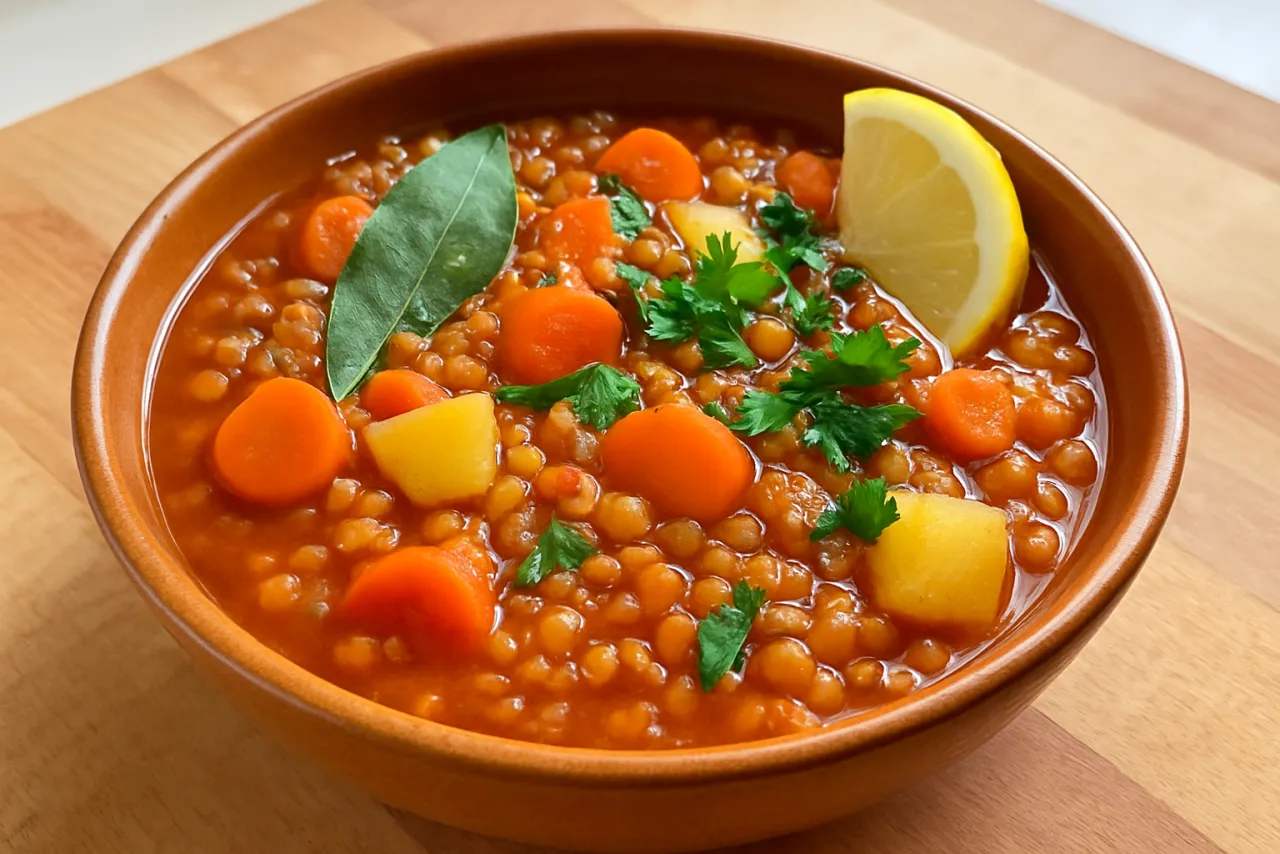
Spanish45 min12g fiber20g protein
A Spanish pot of lentils braised low and slow with carrots, onion, and smoked paprika until deep and savory.
This is comfort food that happens to be a fiber powerhouse — the lentils bring around 12 grams plus real protein, and the smoked paprika gives it a depth that makes a humble legume taste indulgent. One pot feeds several people or several days.
Tip: a splash of sherry vinegar at the end lifts the whole pot and balances the richness.
23Lentilles au Lard
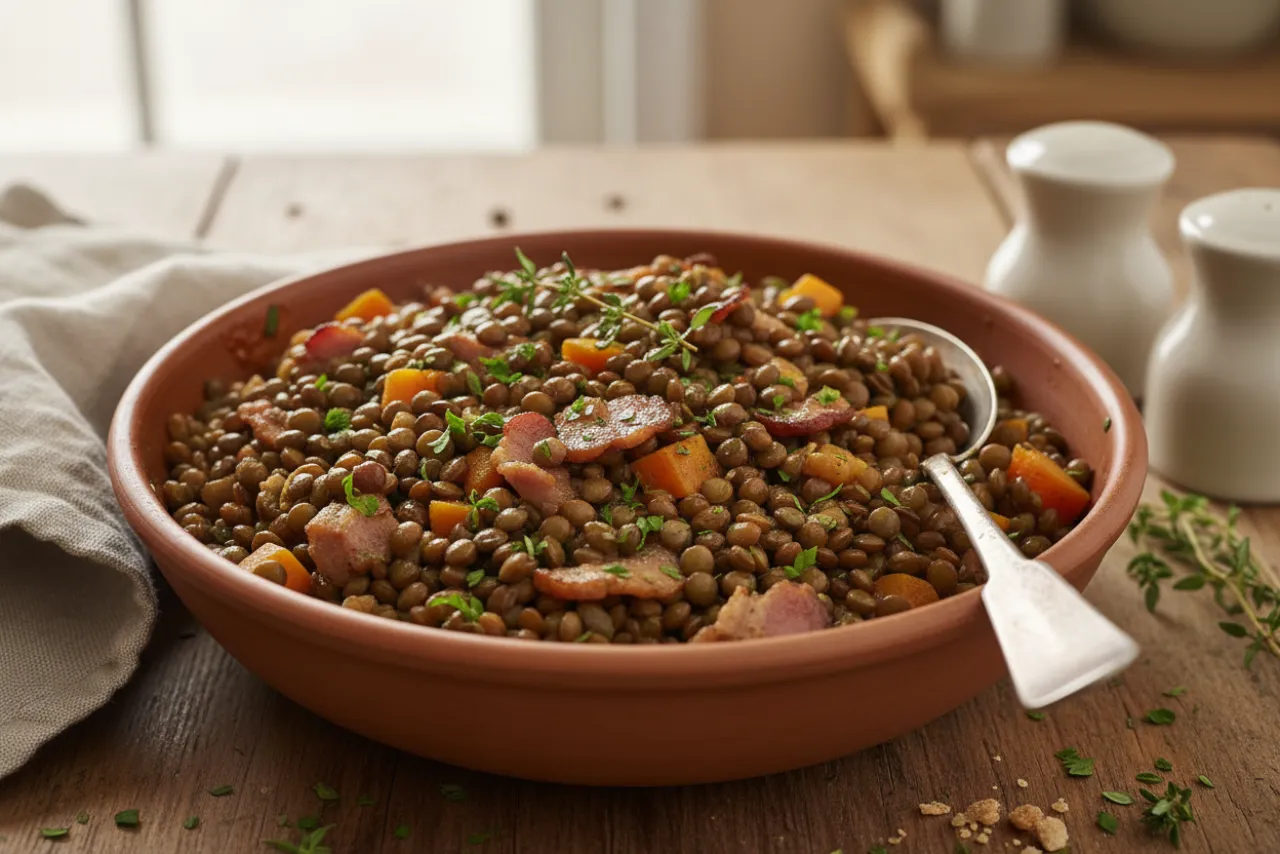
French45 min26g fiber23g protein
French country cooking at its finest: earthy Puy lentils braised with a little bacon, carrot, and thyme until they hold their shape and soak up the flavor.
Puy lentils are prized for staying firm, which makes this feel more like a proper main than a mush — and they deliver around 12 grams of fiber a serving. A small amount of bacon does a lot of flavor work for very little of the plate.
Tip: don't salt the lentils until they're nearly tender, or the skins can toughen.
24Fasolada
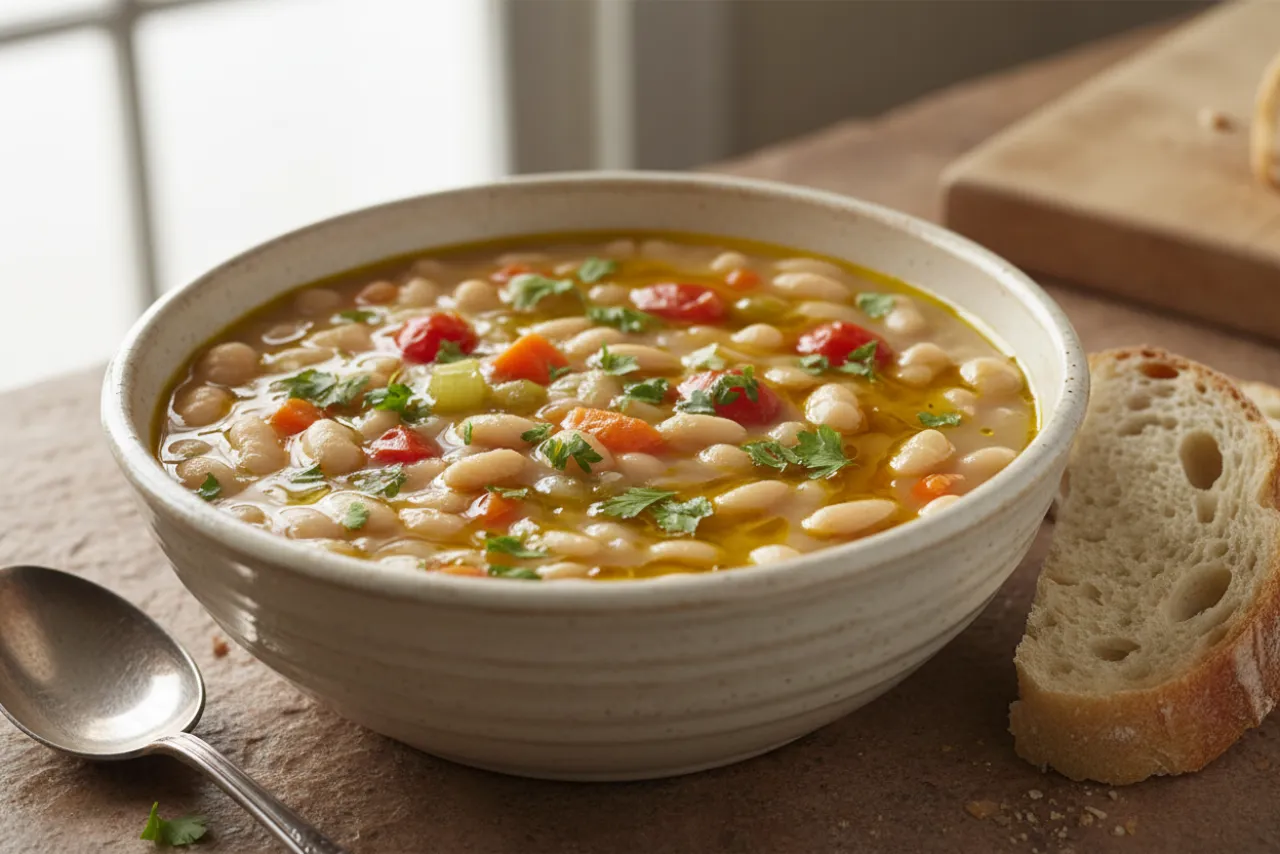
Greek40 min15g fiber21g protein
Often called Greece's national dish: a thick, humble soup of white beans simmered with carrot, celery, onion, and plenty of good olive oil.
It's about as pure a fibermaxxing meal as exists — beans and vegetables and not much else, landing around 11 grams of fiber a bowl. The olive oil isn't a garnish here; it's stirred in generously and makes the whole thing rich and satisfying.
Tip: finish each bowl with a raw drizzle of olive oil and a squeeze of lemon — that's the traditional way.
25Salmon over Lentils
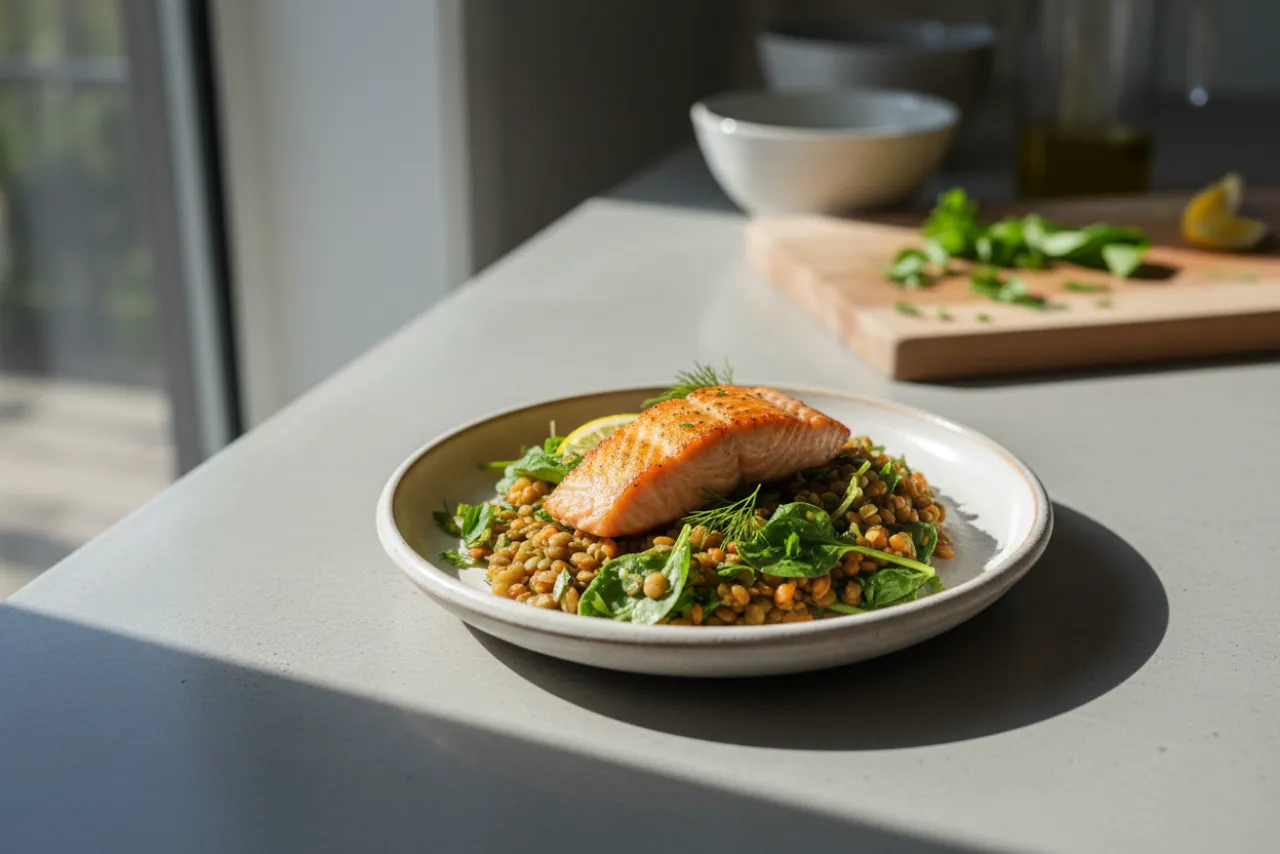
Mediterranean30 min24g fiber53g protein
A restaurant-worthy plate that's secretly a health meal: a moderate fillet of salmon over a bed of lemony lentils and greens.
This is the whole fibermaxxing thesis on one plate — lentils and greens for fiber (around 9 grams), salmon for protein and omega-3 fats, all in a portion that satisfies without overwhelming. It's the kind of meal that feels like a reward and still moves your numbers in the right direction.
Tip: cook the salmon skin-side down and don't move it until it releases easily — that's how you get crisp skin.
How to actually eat more fiber (without the bloat)
You don't need to overhaul your diet to fibermaxx — a handful of small, repeatable swaps will get most people from "nowhere near enough" to "comfortably over target" within a week or two.
- Anchor each meal on a bean, lentil, or chickpea. This is the single highest-leverage habit. One cup of cooked lentils is around 15 grams of fiber — nearly half a day in a single ingredient — and they're cheap, freeze well, and go with almost anything.
- Swap white for whole grain. Whole-wheat pasta, brown rice, and whole-grain or seeded bread each add roughly 3–5 grams of fiber per serving over their white counterparts, with zero extra effort.
- Leave the skins on. A surprising amount of the fiber in potatoes, apples, cucumbers, and pears lives in the skin. Scrub instead of peel.
- Add vegetables to what you're already making. A handful of spinach into a curry, extra peppers in a stir-fry, a side salad with dinner — it adds up faster than you'd think.
- Ramp up slowly and hydrate. Fiber draws water into your gut, so increase over a couple of weeks and keep a glass nearby. Do that and you get all the benefits and none of the bloating.
Frequently asked questions
How much fiber should I eat a day?
Most guidance lands at about 25 grams a day for women and 38 grams for men, or roughly 14 grams for every 1,000 calories you eat. If you aim for 5–10 grams per meal across three meals plus a snack, you'll hit the target without counting anything.
Is fibermaxxing actually safe?
For most people, eating more fiber from whole foods is not only safe but one of the most beneficial changes you can make. The only real pitfall is doing it too fast — a sudden spike can cause gas and bloating. Increase gradually over a couple of weeks, drink plenty of water, and your gut adjusts comfortably.
Why are high-fiber meals recommended on GLP-1 medications like Ozempic and Wegovy?
Fiber reinforces the fullness that GLP-1 medications create, so smaller portions feel more satisfying, and it helps prevent the constipation that many users experience. That's why every well-designed GLP-1 plan pairs high protein with high fiber — a combination many of the meals above hit on a single plate.
What are the highest-fiber foods to cook with?
Legumes lead by a wide margin: lentils, black beans, chickpeas, and white beans all deliver 8–15 grams of fiber per serving. After those come whole grains, then vegetables and fruit eaten with their skins. Build meals around the first group and the rest takes care of itself.
The easiest way to keep this up is to stop treating it as a project. Homecooked plans a week of meals around what's already in your kitchen, tells you the few ingredients you're missing, and walks you through cooking each one step by step — so eating more fiber becomes the default rather than something you have to think about. Browse more recipes or start planning your week.